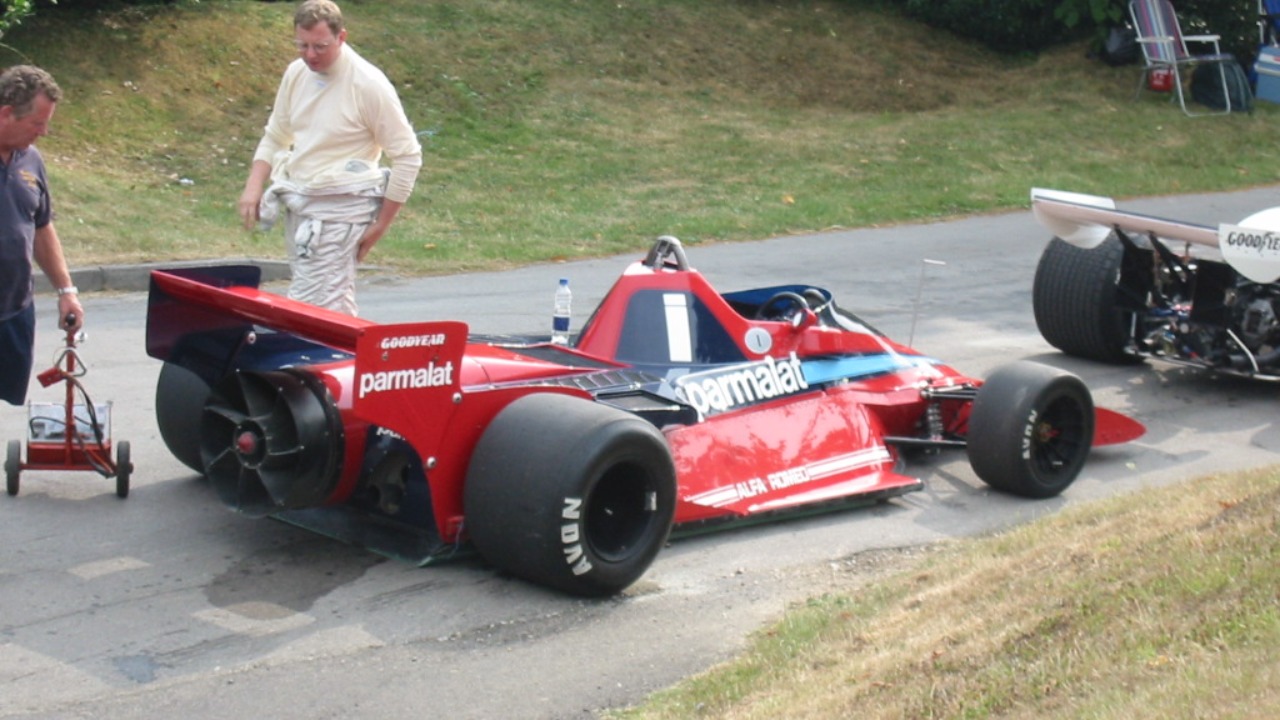
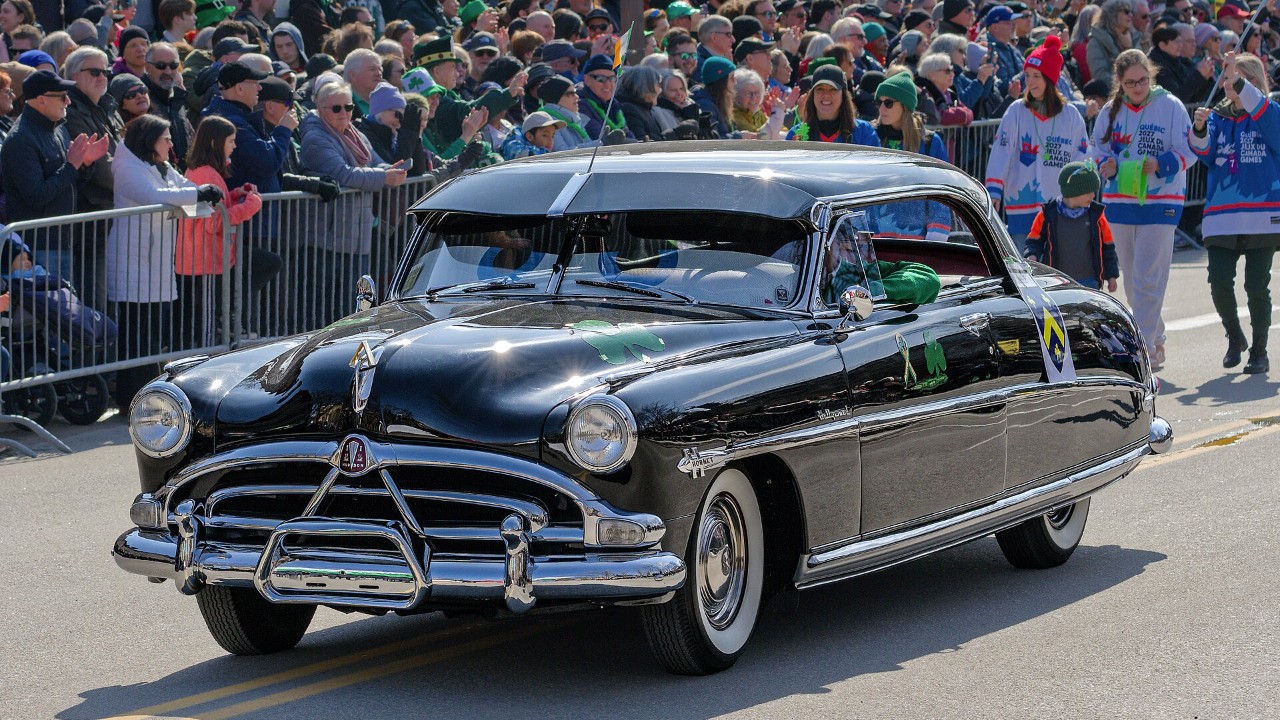
Have you ever wondered why older cars often had their gas caps hidden behind the license plates? This design choice might seem peculiar to modern car enthusiasts, but it was once a common feature in automotive design. Uncovering the reasons behind this old-school practice reveals fascinating insights into the evolution of car design, safety regulations, and consumer preferences.
Aesthetic Considerations in Automotive Design

The aesthetic appeal of a vehicle has always been a significant factor in automotive design. Hiding the gas cap behind the license plate was a design decision aimed at maintaining a streamlined appearance. By eliminating visible gas caps, manufacturers achieved a sleek and uninterrupted body line, enhancing the car’s overall look. This approach was particularly evident in models from the 1950s and 60s, where the emphasis was on creating a futuristic, jet-age appearance.
Another key aesthetic consideration was symmetry and balance. Designers sought to keep the exterior of vehicles visually harmonious, avoiding protruding elements that could disrupt the overall design. Concealing the gas cap helped maintain this balance, allowing other design features, such as tail fins and chrome details, to take center stage. Additionally, for some brands, the hidden gas cap became a signature element, contributing to the vehicle’s unique identity and setting it apart from competitors.
Practicality and Functionality
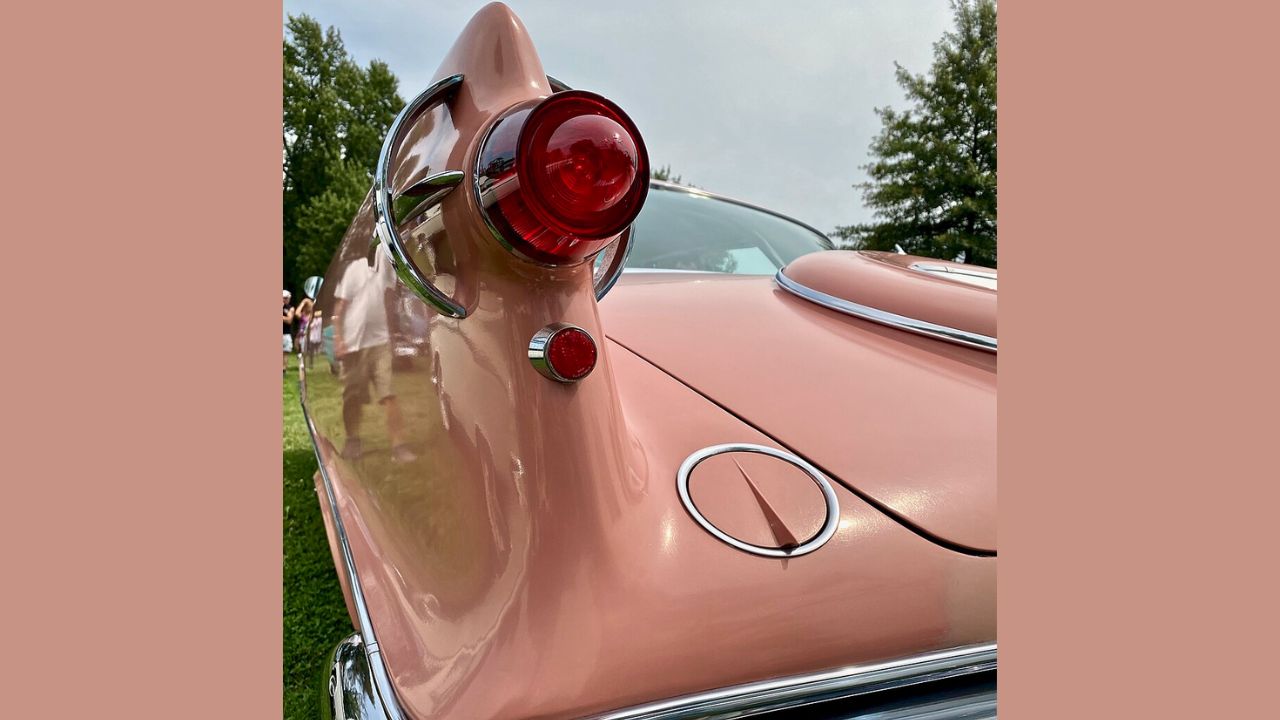
Beyond aesthetics, practicality played a crucial role in the decision to hide gas caps behind license plates. This placement maximized the utilization of available space on the vehicle’s exterior, particularly in an era when cars were designed with more curves and less angular, boxy shapes. It allowed manufacturers to use a standardized design, simplifying the production process and reducing costs. By having a uniform approach to gas cap placement, companies could streamline their manufacturing processes and focus on other innovations.
The convenience of refueling was another practical consideration. With the gas cap centrally located at the rear, drivers could easily access it from either side of the vehicle. This was particularly useful in tight refueling spaces or when pulling up to a gas station pump. It eliminated the need to reposition the car, making the refueling process more straightforward for drivers. In this way, the hidden gas cap was not only a design choice but also a functional solution that enhanced the user experience.
Safety and Regulatory Factors
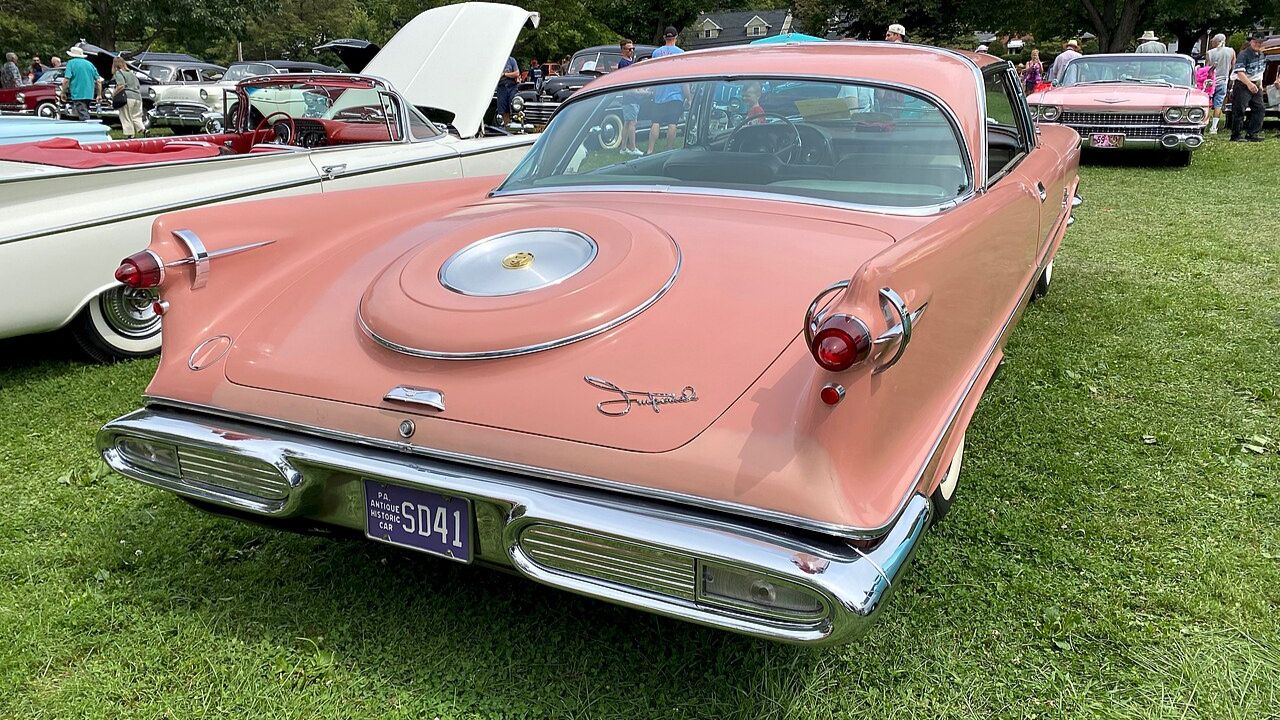
Safety was a growing concern in the automotive industry, and the placement of the gas cap reflected early efforts to address these issues. Initially, positioning the gas cap at the rear was thought to be safer in the event of a side collision, as it was further from potential impact points. However, as safety standards evolved, the perception of this placement changed. The potential for a rear-end collision posed different risks, leading to a reassessment of gas cap locations.
Regulatory changes played a significant role in shaping automotive design. As crash testing became more rigorous, the need to minimize fire risks in accidents became paramount. This led to a shift in gas cap placement to areas less likely to be compromised in a collision. Additionally, environmental concerns began influencing design choices. Stricter emissions standards required innovations in fuel systems to reduce vapor leaks and improve overall efficiency, further driving changes in gas cap placement. Research into these evolving standards highlights the intersection between safety, environmental responsibility, and design.
The Shift to Modern Design

The relocation of gas caps to the side of vehicles was a natural progression as automotive technology advanced. Innovations like improved fuel tank designs and materials allowed for more flexible and efficient solutions. This shift was also driven by changing consumer preferences. Drivers began to favor more accessible gas cap locations, reflecting a broader trend towards user-friendly design. The convenience of side-mounted gas caps was evident, as it allowed for easier access and faster refueling without navigating around the vehicle.
Market competition further accelerated this transition. Car manufacturers constantly sought ways to differentiate their models, leading to a variety of design approaches. The relocation of gas caps became one of many elements that could be customized to appeal to specific consumer segments. As vehicles became more sophisticated, the focus shifted from merely functional design to one that emphasized the overall driving experience.
Legacy and Nostalgia
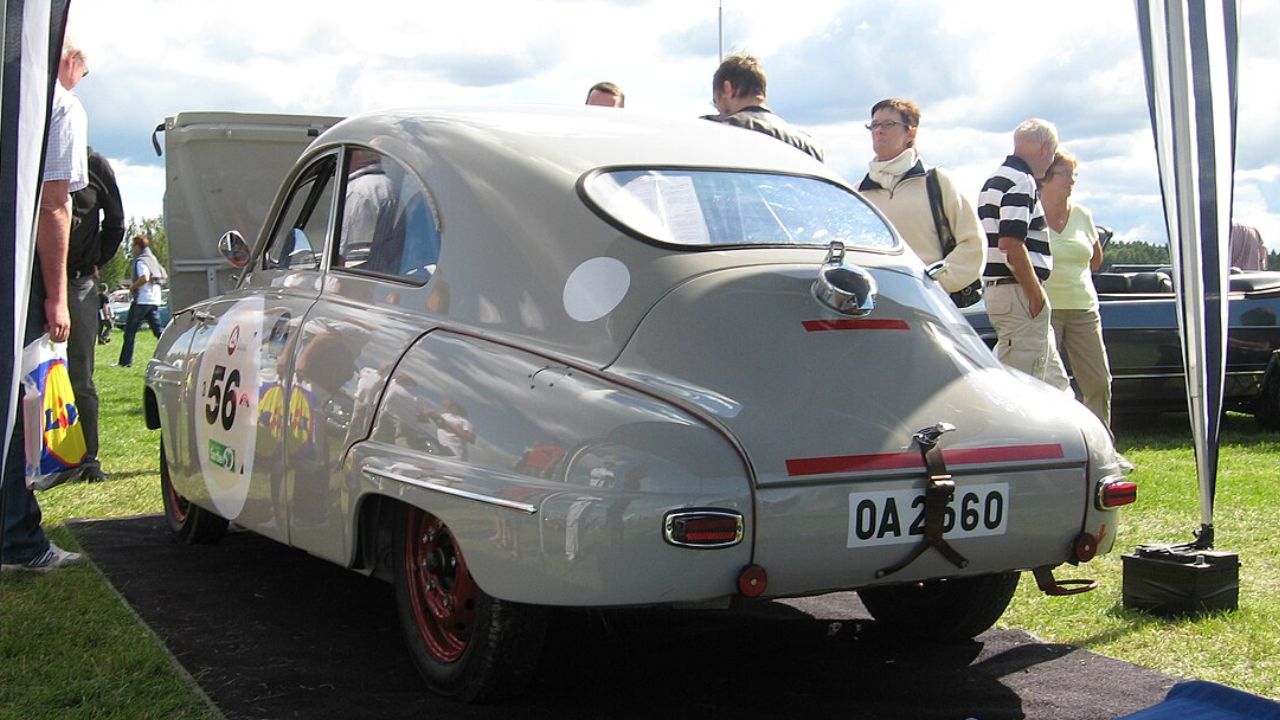
For many classic car enthusiasts, the hidden gas cap represents a charming quirk of vintage vehicles. It adds to the nostalgia and appeal of older cars, symbolizing a bygone era when automotive design was as much about style as it was about function. Collectors often celebrate these unique features, seeing them as a testament to the creativity and innovation of the past. The hidden gas cap is just one of many elements that contribute to the timeless allure of classic cars.
Beyond its aesthetic and practical significance, the hidden gas cap holds cultural value as well. It reflects a period of experimentation and growth in the automotive industry, a time when designers were unafraid to push boundaries and try new things. For restorers and preservationists, maintaining the authenticity of these features is crucial. Ensuring that a vintage car retains its original design, including the hidden gas cap, enhances its historical value and authenticity. The passion for preserving these details underscores the deep connection enthusiasts have with automotive history.
In conclusion, the practice of hiding gas caps behind license plates was a multifaceted design choice influenced by aesthetic, practical, and safety considerations. As the automotive industry evolved, so too did the approaches to vehicle design, leading to the more accessible and convenient gas cap placements we see today. Yet, the legacy of those hidden gas caps lives on, cherished by collectors and remembered as a symbol of a distinctive era in automotive history.
Like Fast Lane Only’s content? Be sure to follow us.
Here’s more from us:
*Created with AI assistance and editor review.