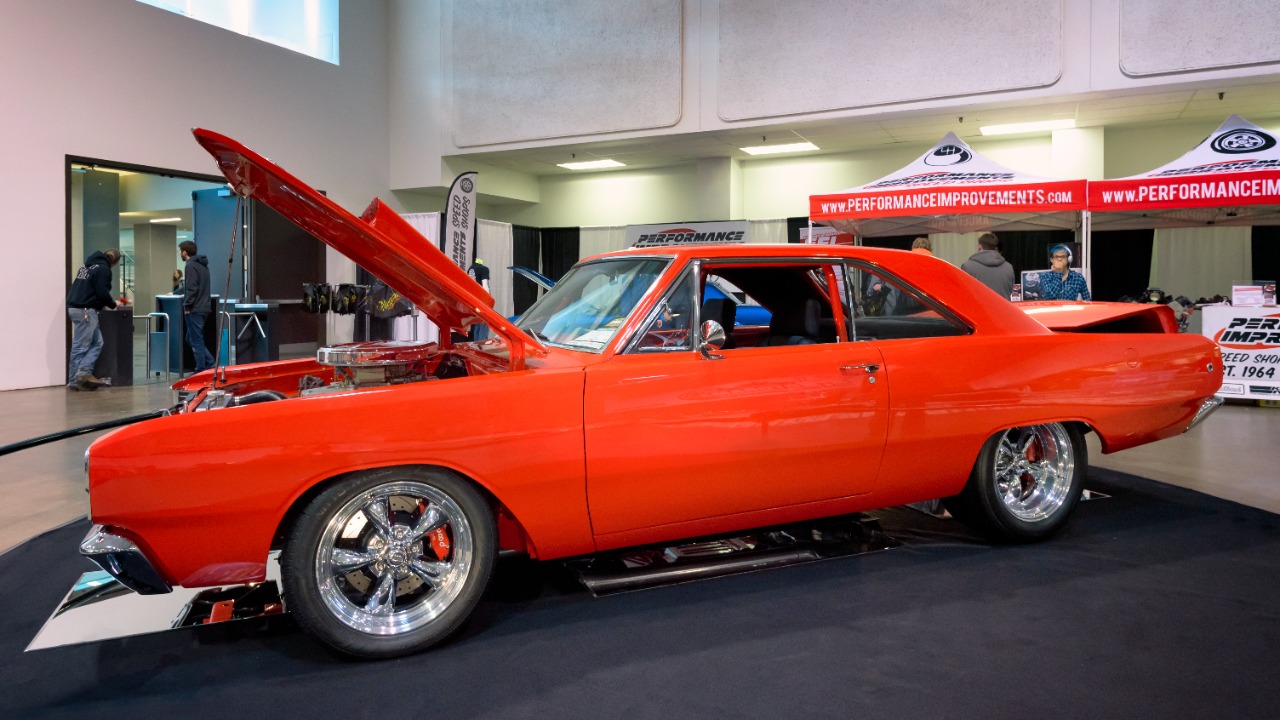
In the world of motorsports, the debate between rolling and standing starts is a point of both technical and strategic discussion. While some races opt for the drama of a standing start, others prefer the controlled precision of a rolling start. Exploring the reasons behind these choices reveals the technical, safety, and strategic factors that influence the decision.
Vehicle Dynamics and Performance
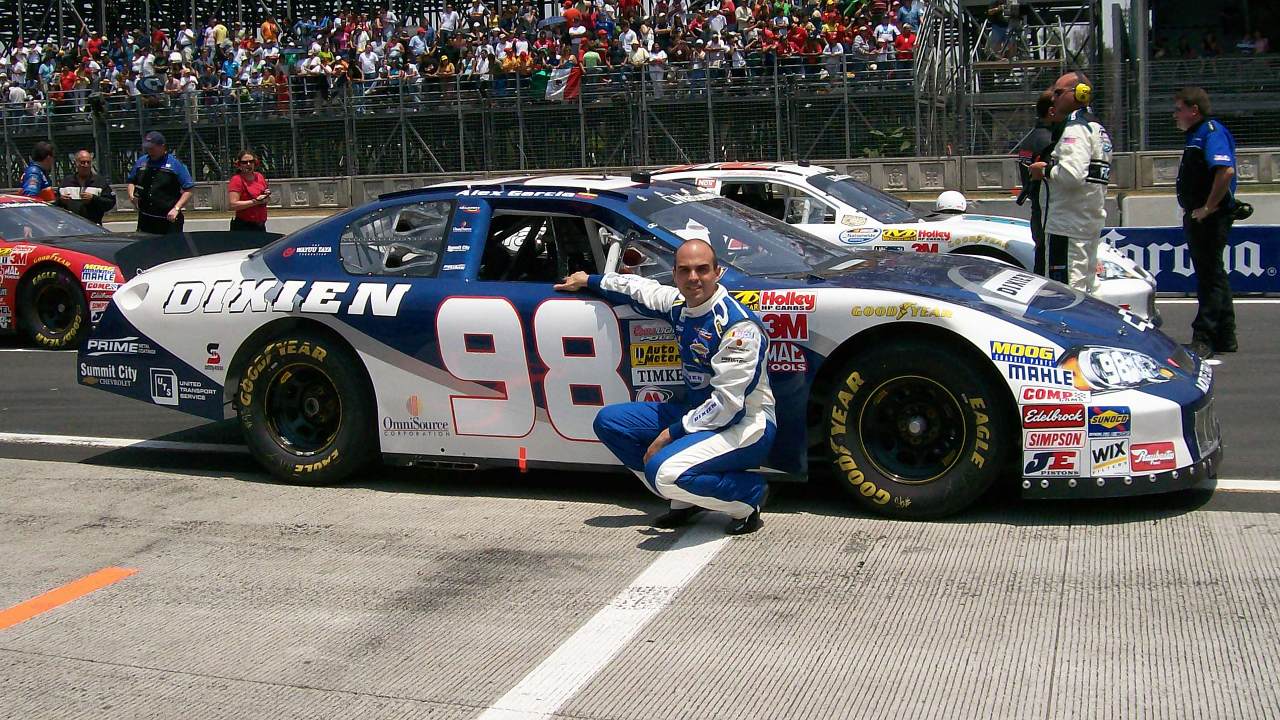
Rolling starts offer several advantages when it comes to vehicle dynamics. One of the primary benefits is the ability to maintain tire temperature and pressure, which are crucial for optimal performance. During a standing start, tires can cool down while waiting on the grid, potentially affecting traction as the race begins. In contrast, a rolling start allows drivers to keep their tires warmed up, ensuring better grip and control as they accelerate.
Moreover, the impact on drivetrain stress is often less pronounced in rolling starts compared to standing starts. In a standing start, the sudden acceleration from a dead stop can place significant stress on a vehicle’s drivetrain components. This can increase the risk of mechanical failures, particularly in high-performance vehicles. By starting with a rolling motion, the stress is distributed more evenly, reducing the likelihood of mechanical issues.
Track Conditions and Layout

Track conditions and layout play a significant role in determining the suitability of a rolling start. Certain tracks may not have the space required for a proper grid formation, making a standing start impractical. In these scenarios, a rolling start can be a more effective solution, allowing for a smoother and safer commencement of the race. Additionally, rolling starts can be advantageous in challenging weather conditions, such as rain or varying grip levels. In wet conditions, the gradual increase in speed helps drivers to better assess the grip levels before engaging in full-throttle racing.
The layout of a track can also dictate the preference for a rolling start. Tracks with complex corners or narrow sections at the beginning may benefit from a rolling start, which reduces the risk of congestion and collisions. This is particularly true in series like endurance racing, where the track conditions can change rapidly, and starting the race with a rolling start allows the drivers to acclimate to the track.
Minimizing Initial Collisions

One of the key safety benefits of rolling starts is the potential to minimize initial collisions. In a standing start, cars are tightly packed together on the grid, which can lead to first-lap pileups. These incidents are not only dangerous for the drivers but can also lead to race stoppages and delays. By starting the race with cars already in motion and more spread out, rolling starts can reduce the likelihood of such collisions. The pace car plays a crucial role in controlling the speed and ensuring a safe, orderly start.
Driver and Spectator Safety
Rolling starts enhance safety by allowing drivers to gradually build up speed, reducing the risks associated with abrupt accelerations. This gradual approach minimizes the chances of stalled cars on the grid, a common issue in standing starts. A stalled car can be a serious hazard, potentially leading to collisions or requiring rapid evasive maneuvers from other drivers.
For spectators, the reduced risk of high-speed collisions at the start of the race contributes to a safer viewing experience. While the excitement of a standing start is undeniable, the chaos it can sometimes produce is not ideal from a safety perspective. Rolling starts provide a balance between maintaining race excitement and ensuring the safety of everyone involved.
Team and Driver Strategy
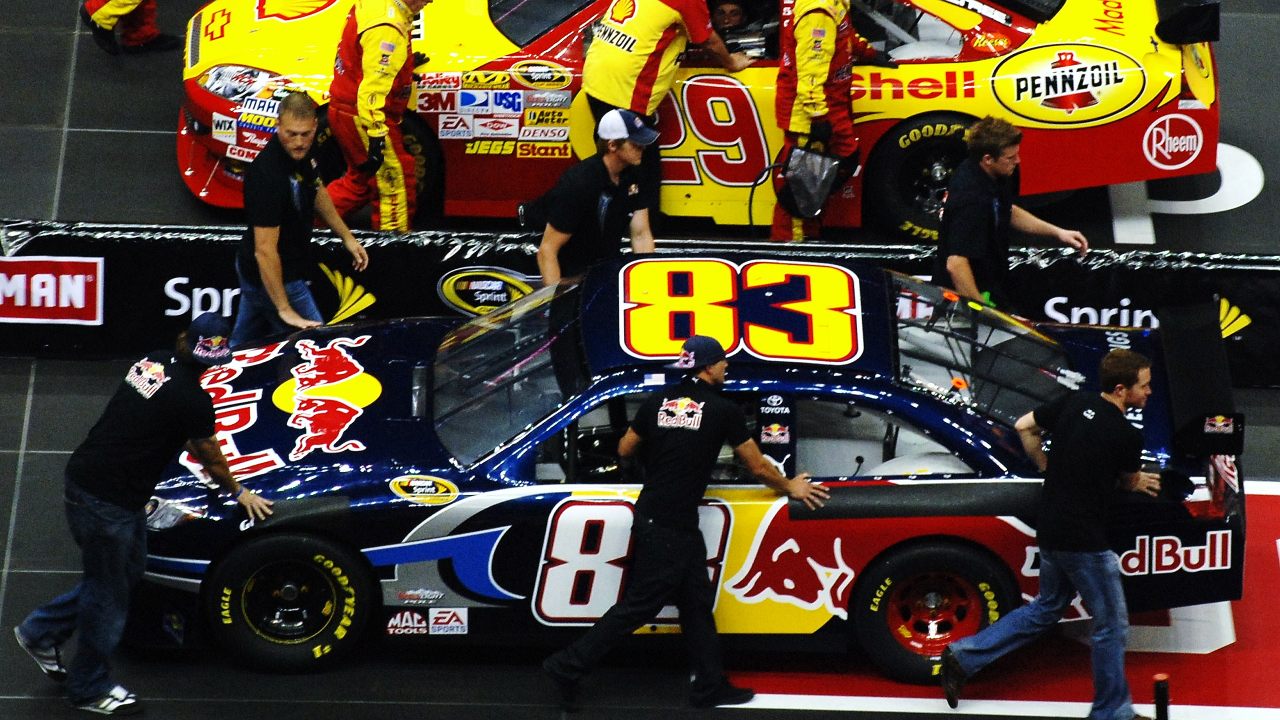
Rolling starts introduce unique strategic considerations for teams and drivers. One key aspect is tire management. Since rolling starts help maintain tire temperature, teams may need to adjust their strategies to optimize tire performance throughout the race. Additionally, fuel conservation becomes a more prominent strategy, as the consistent speed at the start can impact overall fuel usage.
The dynamics of drafting and slipstreaming are also enhanced during rolling starts, offering strategic overtaking opportunities. Drivers can use the aerodynamic advantages of slipstreaming to gain positions early in the race. This can lead to more competitive races, as drivers and teams navigate these strategic elements.
Impact on Race Outcomes

Rolling starts can significantly impact race outcomes by making initial positions less decisive. In a standing start, the initial grid position can heavily influence the race outcome, with front-runners having a clear advantage. Rolling starts, however, tend to level the playing field, offering mid-field and rear drivers a more competitive chance to improve their positions.
Furthermore, the reduced likelihood of early-race incidents leads to more consistent race outcomes and lower attrition rates. This consistency can be advantageous for both drivers and teams, as it allows for more strategic planning over the course of a season.
Tradition vs. Innovation
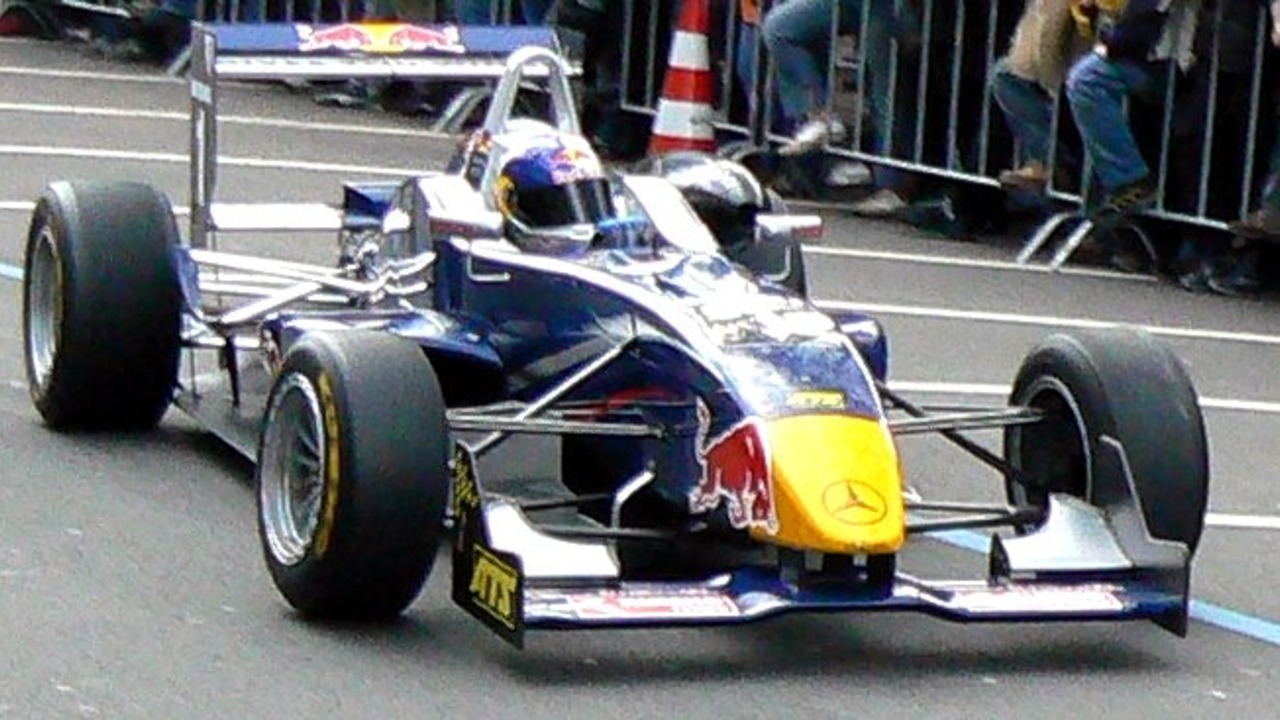
The choice between rolling and standing starts is often influenced by tradition and innovation within racing series. Some series have deep-rooted traditions of rolling starts, which continue to be favored due to their historical significance. As racing technology and safety standards evolve, preferences may shift from standing to rolling starts, reflecting advancements in the sport.
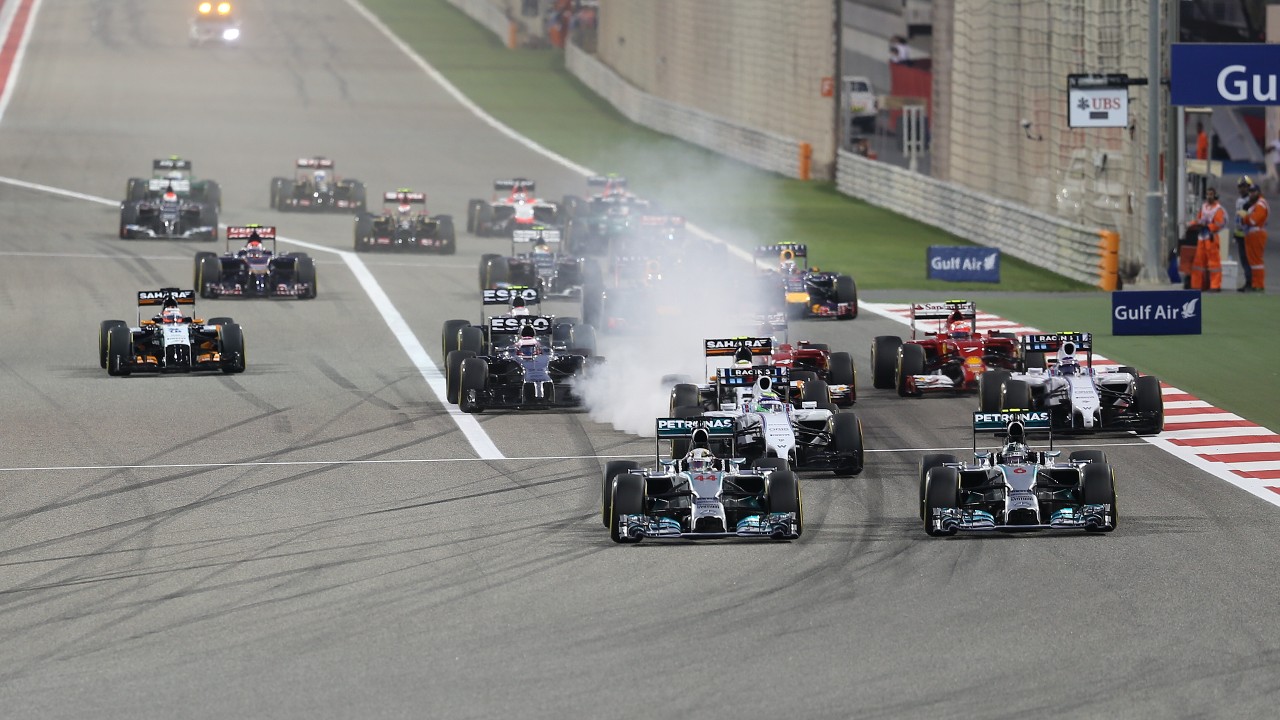
For instance, the evolution of safety standards has prompted some series to adopt rolling starts to enhance safety. However, the appeal of standing starts remains strong in certain series, such as Formula 1, where the drama and spectacle of a standing start are integral to its brand. Formula 1’s approach can be seen in their emphasis on advanced technology and driver skill levels, which mitigate some of the risks associated with standing starts.
Regional Preferences

Regional preferences also play a role in the choice between rolling and standing starts. Different regions and racing organizations may have distinct traditions or cultural norms that influence their preferences. For example, in the United States, rolling starts are common in series such as IndyCar and NASCAR, where the focus is on different racing dynamics and entertainment value.
The influence of other motorsport disciplines, such as endurance racing, where rolling starts are more prevalent, also contributes to regional preferences. These factors combine to create a diverse landscape in motorsports, where the choice of start style is as much about cultural identity as it is about technical considerations.
Formula 1’s Preference for Standing Starts

Formula 1 is renowned for its preference for standing starts, a tradition that adds to the drama and spectacle of the sport. The excitement generated as 20 of the world’s fastest cars launch off the grid is a crucial part of F1’s appeal. The advanced technology and skill levels of F1 drivers help to manage the risks associated with standing starts, making them a viable option for the series.
While the potential for early-race incidents is higher, the spectacle of a standing start is seen as an integral part of the F1 experience. The tradition of standing starts in F1 is a testament to the sport’s emphasis on driver skill and technological prowess.
When Other Series Opt for Rolling Starts
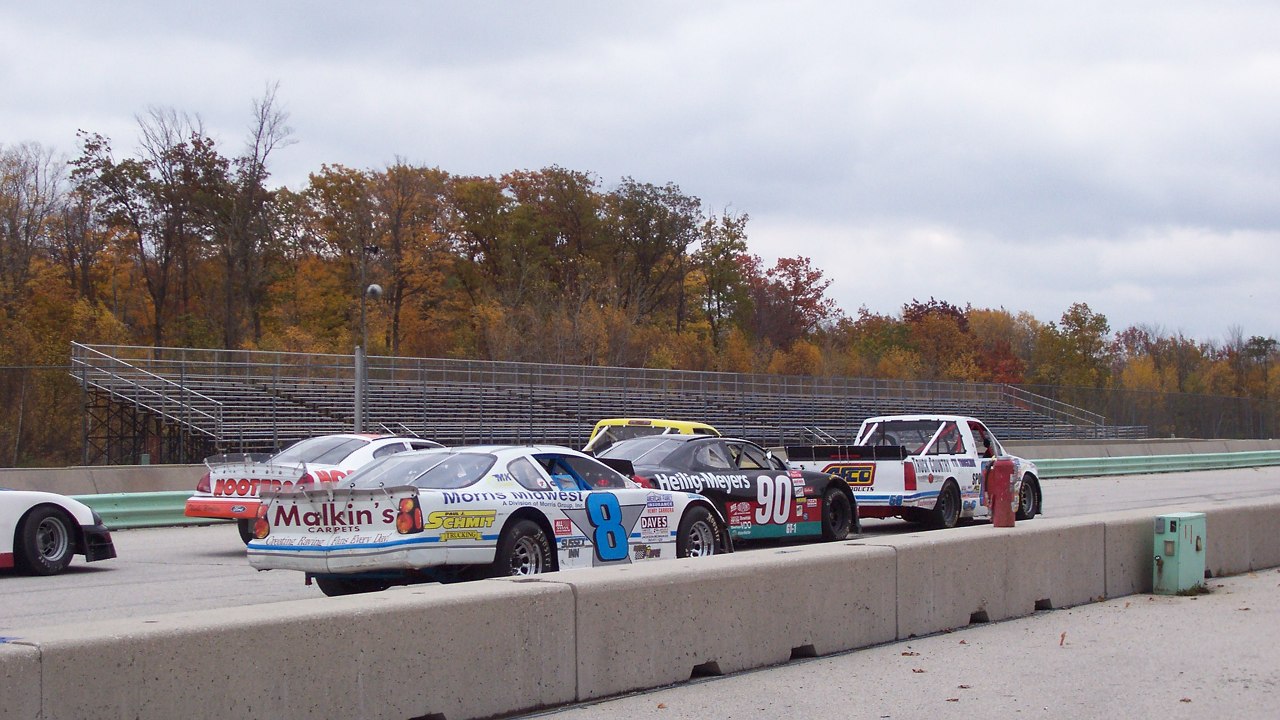
In contrast, other series like IndyCar and NASCAR often opt for rolling starts. These series focus on different racing dynamics and entertainment values, which rolling starts can enhance. The adaptability of rolling starts to various track types and conditions makes them a versatile choice, especially in series that race on diverse tracks with varying layouts.
The choice of rolling starts in these series reflects their emphasis on creating competitive and exciting races, where the focus is on strategic maneuvers and overtaking opportunities. This approach allows for races that are unpredictable and engaging, keeping fans on the edge of their seats.
Like Fast Lane Only’s content? Be sure to follow us.
Here’s more from us:
*Created with AI assistance and editor review.