Downforce is a critical component in the design and performance of race cars, enhancing their stability and handling at high speeds. By pushing the car down onto the track, downforce enables better grip, reduced drag, and improved cornering abilities. This article delves into the science and application of downforce, exploring how it transforms race cars into high-speed machines.
The Science Behind Downforce
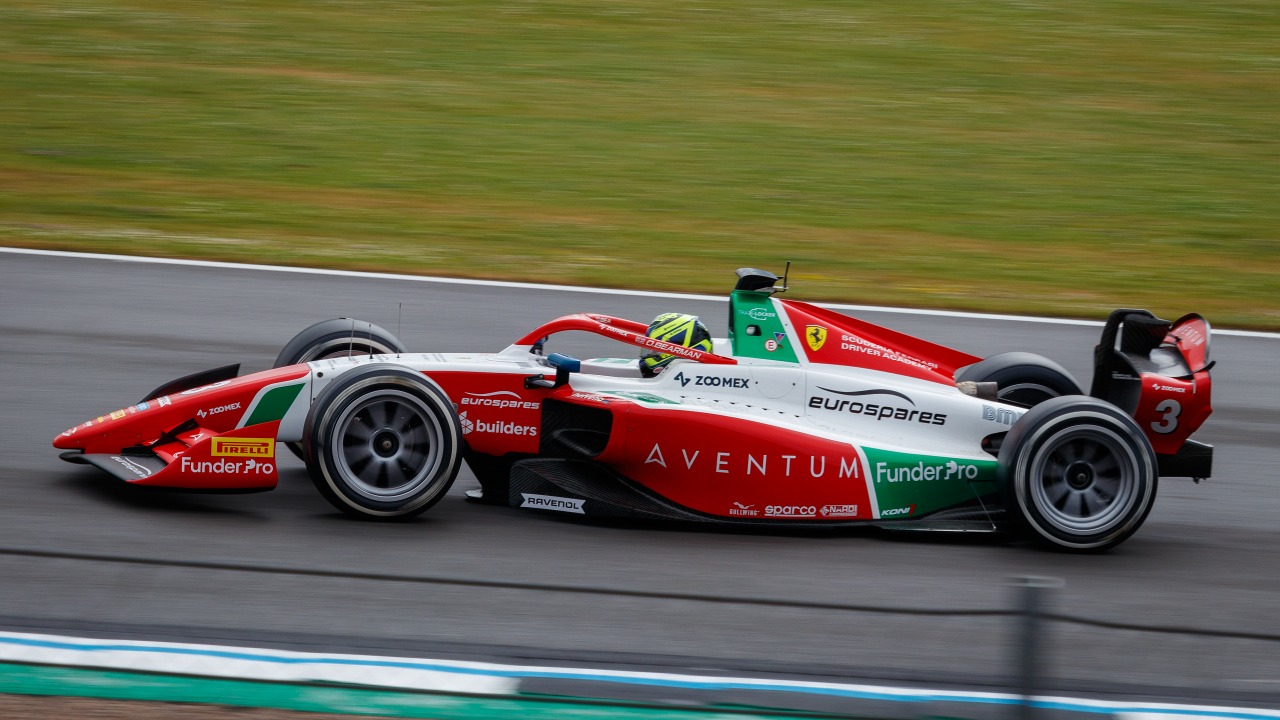
At its core, downforce is a result of aerodynamic principles at work. When air flows over a race car’s body, it creates differences in air pressure between the top and bottom surfaces. This pressure differential is explained by Bernoulli’s principle, which states that an increase in the speed of a fluid occurs simultaneously with a decrease in pressure. Additionally, Newton’s third law — for every action, there is an equal and opposite reaction — plays a part as the air is deflected by the car’s surfaces, pushing the car downward.
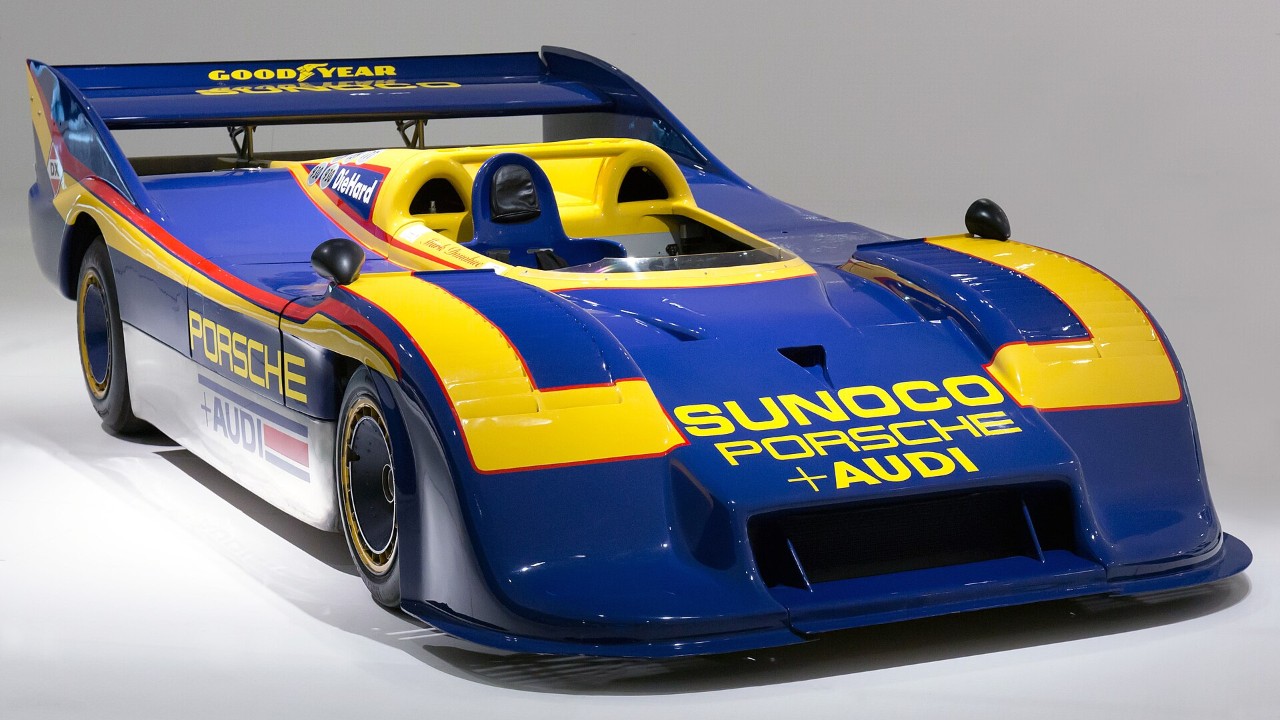
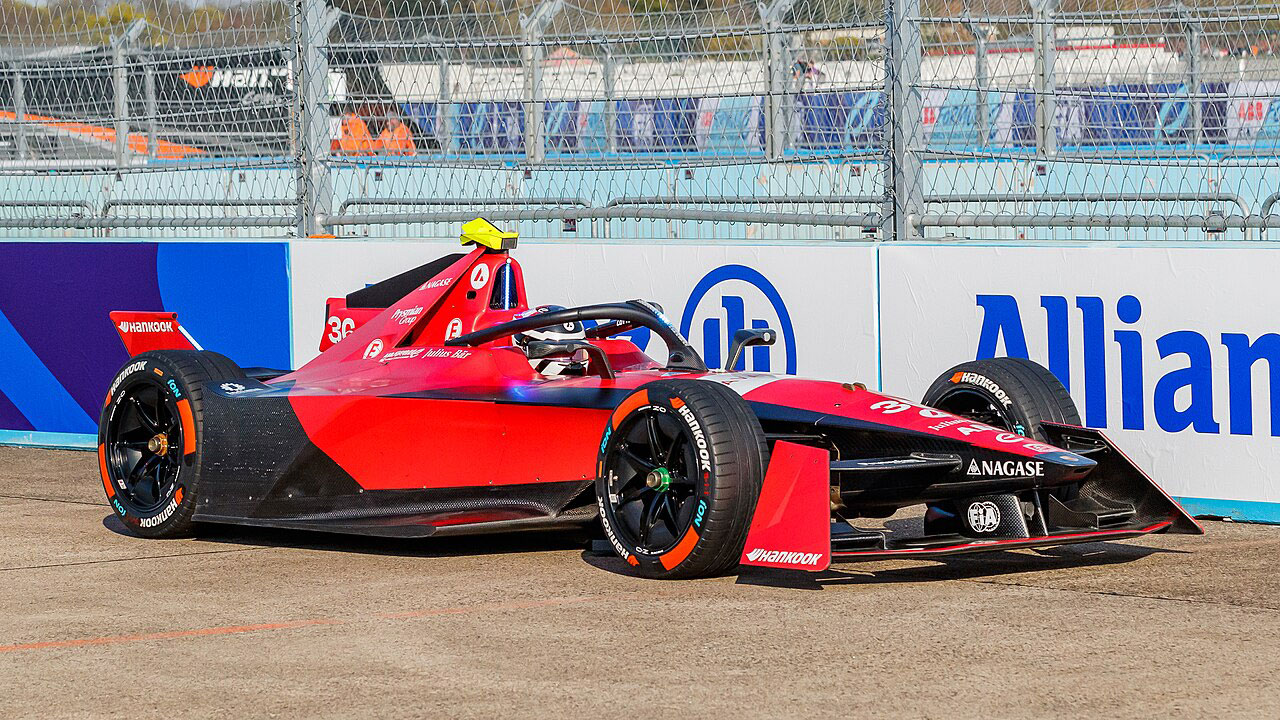
The primary components contributing to downforce include wings, diffusers, and the overall body shape of the car. Wings, often seen on Formula 1 cars, act like inverted airplane wings, generating downforce as air flows over them. Diffusers, located at the rear of the car, accelerate the airflow underneath, creating a low-pressure area and thus enhancing downforce. The shape of the car body itself is meticulously designed to balance between generating downforce and minimizing drag, as seen in modern race cars like the Aston Martin Valkyrie and McLaren Senna, which are recognized for their aerodynamic efficiency.
In recent years, technological advancements have significantly refined downforce designs. Wind tunnel testing and computational fluid dynamics (CFD) simulations allow engineers to visualize airflow and optimize car shapes before they are even built. This technology has led to breakthroughs in car design, such as the use of active aerodynamics, where flaps and wings adjust their position in real-time based on speed and track conditions.
Impact on Vehicle Performance
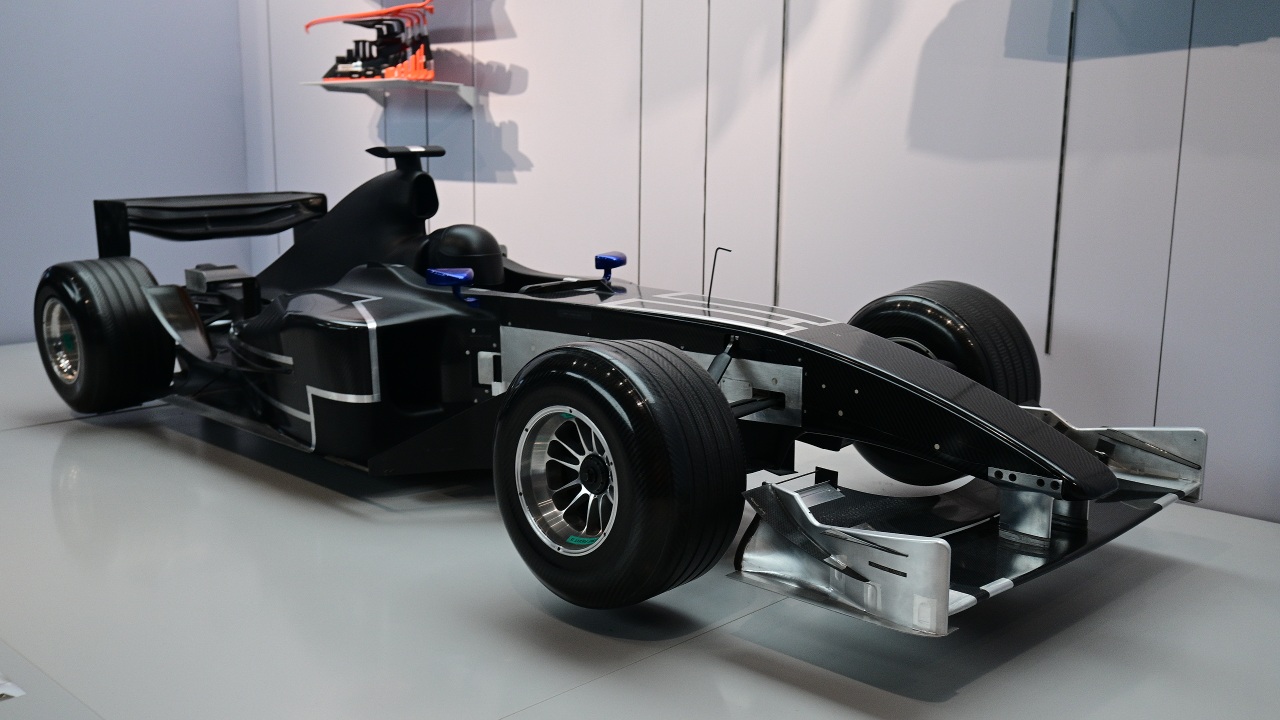
One of the most significant benefits of increased downforce is improved grip and traction. By pressing the car more firmly against the track, downforce enhances tire contact with the road, resulting in better grip during both acceleration and cornering. This not only improves the vehicle’s stability but also allows drivers to push their cars closer to the limits of performance without losing control.
Cornering speed is another area where downforce plays a pivotal role. With more downforce, cars can maintain higher speeds through corners, drastically reducing lap times. The ability to carry speed into and out of turns is crucial in racing, and downforce provides drivers with the confidence to do so. For instance, in the high-speed circuits of Formula 1, such as Silverstone and Monza, the role of downforce cannot be overstated in achieving competitive lap times.
However, creating downforce is a delicate balancing act. While it improves grip and cornering, it also increases drag, which can slow the car on straights. Engineers must optimize the car’s aerodynamics for different racing conditions and tracks. By adjusting wing angles and other aerodynamic components, teams can tailor their cars to specific tracks, maximizing downforce in corners without sacrificing too much speed on the straights.
Downforce in Different Racing Disciplines
Formula 1 innovations are at the forefront of downforce technology. Teams like Mercedes and Red Bull Racing invest millions in research and development to gain competitive advantages through unique car designs and adjustable aerodynamics. The introduction of the Drag Reduction System (DRS) in F1, which allows drivers to reduce drag on straights, is a testament to the innovative approaches teams take to balance downforce and speed.
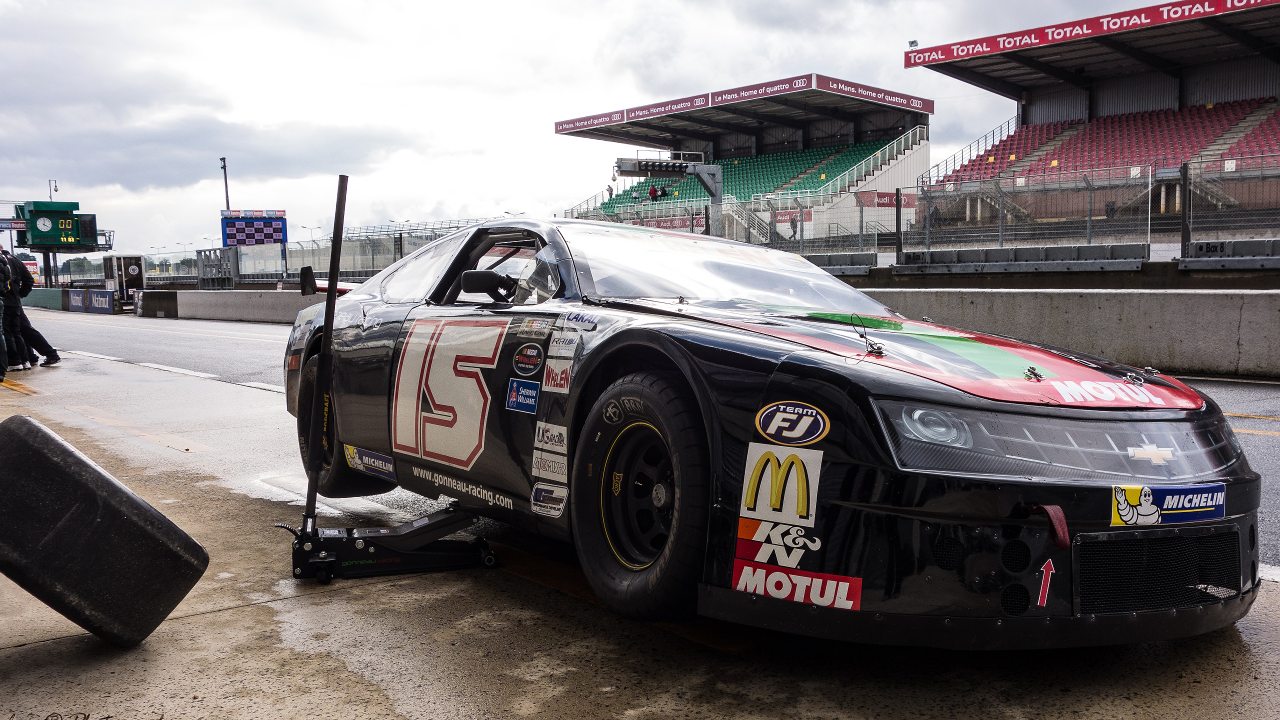
In NASCAR, downforce is critical, particularly on oval tracks where maintaining speed through corners is essential. The application of downforce in NASCAR involves unique challenges, given the different track surfaces and banking angles. Additionally, sim racing has become a valuable tool for drivers and engineers alike. Platforms like iRacing are used extensively to simulate and strategize downforce application in real-world NASCAR scenarios, enhancing driver training and race strategies.
Endurance and sports car racing present their own set of challenges when it comes to downforce. In endurance races like the 24 Hours of Le Mans, cars need to be stable over long distances, and tire management becomes crucial. Downforce aids in ensuring that the car remains balanced and manageable throughout the race, allowing drivers to focus on strategy and efficiency rather than constantly battling with the car.
Challenges and Future Trends
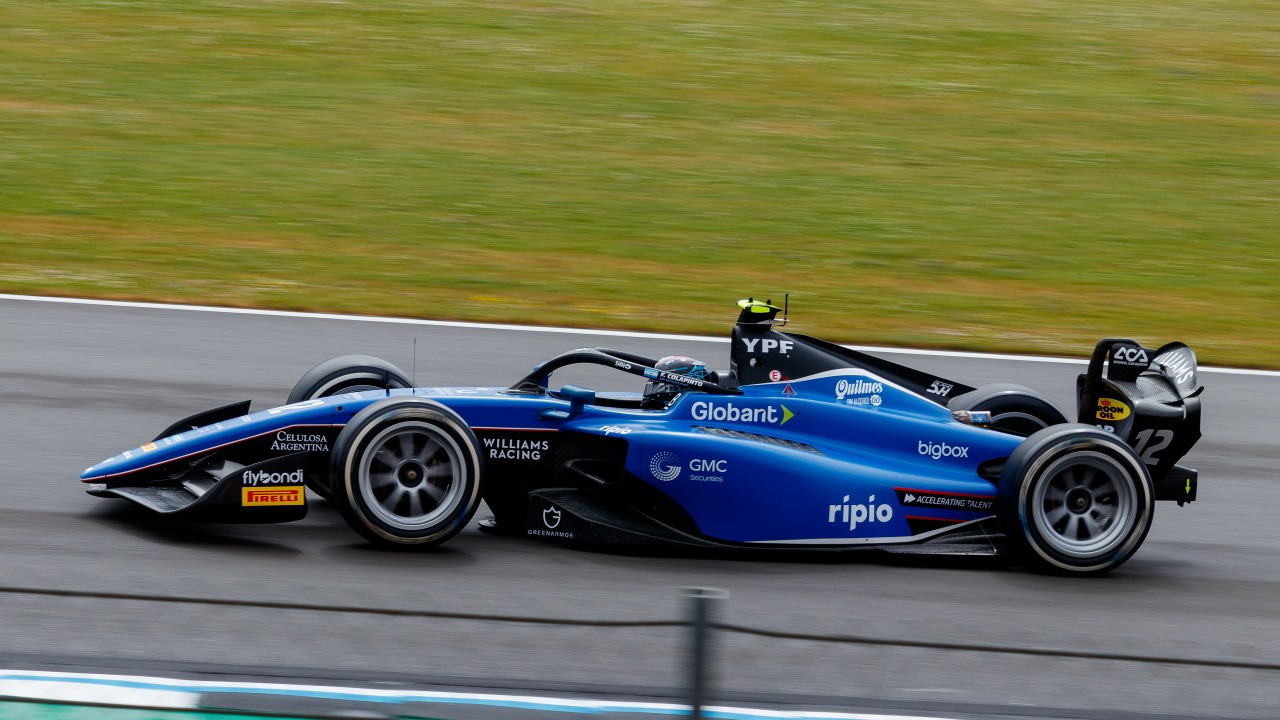
As technology advances, so do the regulatory constraints imposed by racing bodies to ensure fair competition and safety. Formula 1, for example, has strict rules governing the size and shape of aerodynamic components to prevent any one team from gaining an excessive advantage. These regulations impact car design, pushing teams to innovate within set boundaries to extract maximum performance from their cars.
The push towards sustainability in motorsports is also influencing downforce technologies. Racing series are exploring ways to improve fuel efficiency and reduce emissions, leading to the development of lightweight materials and more efficient aerodynamic designs. The goal is to maintain high performance while minimizing environmental impact, a challenge that teams are actively working to overcome.
Looking ahead, the future of downforce lies in innovative materials and designs. Emerging concepts such as active aerodynamics and shape-shifting surfaces promise to revolutionize racing dynamics. These technologies could allow race cars to adapt their aerodynamic profiles in real-time, optimizing downforce and drag according to track conditions and race strategies.
Like Fast Lane Only’s content? Be sure to follow us.
Here’s more from us:
*Created with AI assistance and editor review.