Electric vehicles aren’t just the future—they’re happening right now. And one of the biggest reasons more people are finally making the jump? Tax incentives. In 2025, EV credits are shaping the entire car market, pushing prices down, pushing innovation forward, and forcing automakers to rethink how they build cars from the battery up.
The Real Reason Incentives Matter
Let’s be honest: EVs still cost more than gas cars. Even the “affordable” models can sting. Federal incentives—plus state-level rebates—are what make EVs doable for regular buyers, not just early adopters or tech diehards.
These incentives don’t just help buyers. They push automakers to compete harder. Every brand wants their vehicles to qualify—because if they don’t, those cars sit on the lot. That pressure means better batteries, faster charging, and more models built in North America.
How the Federal Tax Credit Actually Works in 2025
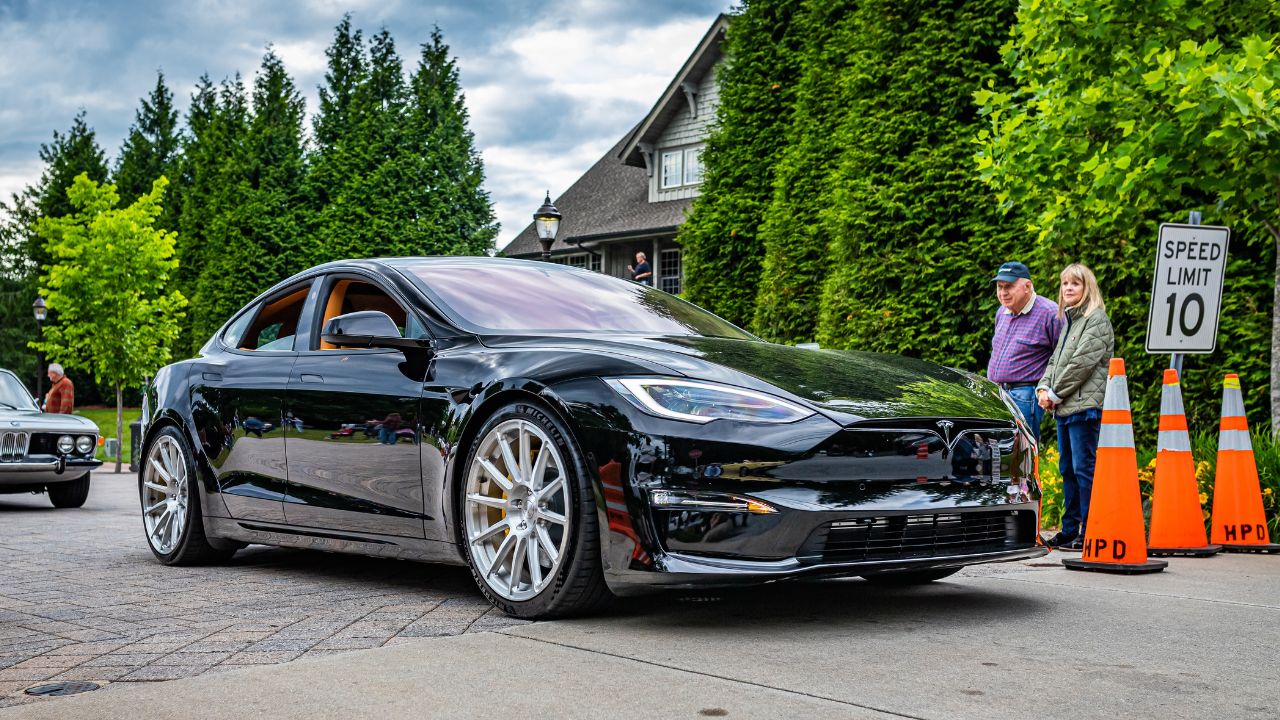
The federal credit isn’t guessing games anymore. It’s very specific:
- Up to $7,500 depending on battery sourcing
- Must be built in North America
- Income caps: $150k single, $300k married
- Vehicle price caps: $55k for cars, $80k for SUVs/trucks
- You can apply the credit at the dealership—no more tax-season waiting
- Used EVs under $25k can qualify for a credit up to $4,000
And forget the old manufacturer cap—Tesla and GM can qualify again. Now it’s all about where the battery materials come from.
State Incentives Sweeten the Deal
Depending on where you live, you might stack thousands more:
- California: up to $2,000 in rebates + HOV access
- Colorado: one of the strongest credits in the country
- Many states offer utility rebates for home chargers
It pays to double-check what your state is offering this month.
Limitations Buyers Need to Know
Not every EV qualifies, including some big names. Eligibility changes throughout the year because battery sourcing rules change. So shoppers need to check the official eligibility list before signing anything.
The good news? Automakers are racing to fix this—building battery plants and supply chains across the U.S. just to stay competitive.
How Incentives Shape the Market
Every time incentives shift, the market shifts with them:
- More people consider EVs because the cost finally makes sense.
- Automakers push more affordable models to qualify under the price cap.
- Charging infrastructure expands because demand keeps climbing.
The ripple effect touches everything—from jobs to tech breakthroughs.
The Road Ahead
Incentives aren’t sticking around forever, but they’re not disappearing tomorrow. Expect tweaks as solid-state batteries arrive, used EVs get more attention, and the U.S. continues building out its battery supply chain.
For now, the bottom line is simple:
If you want an EV, 2025 is one of the best years ever to buy one.