
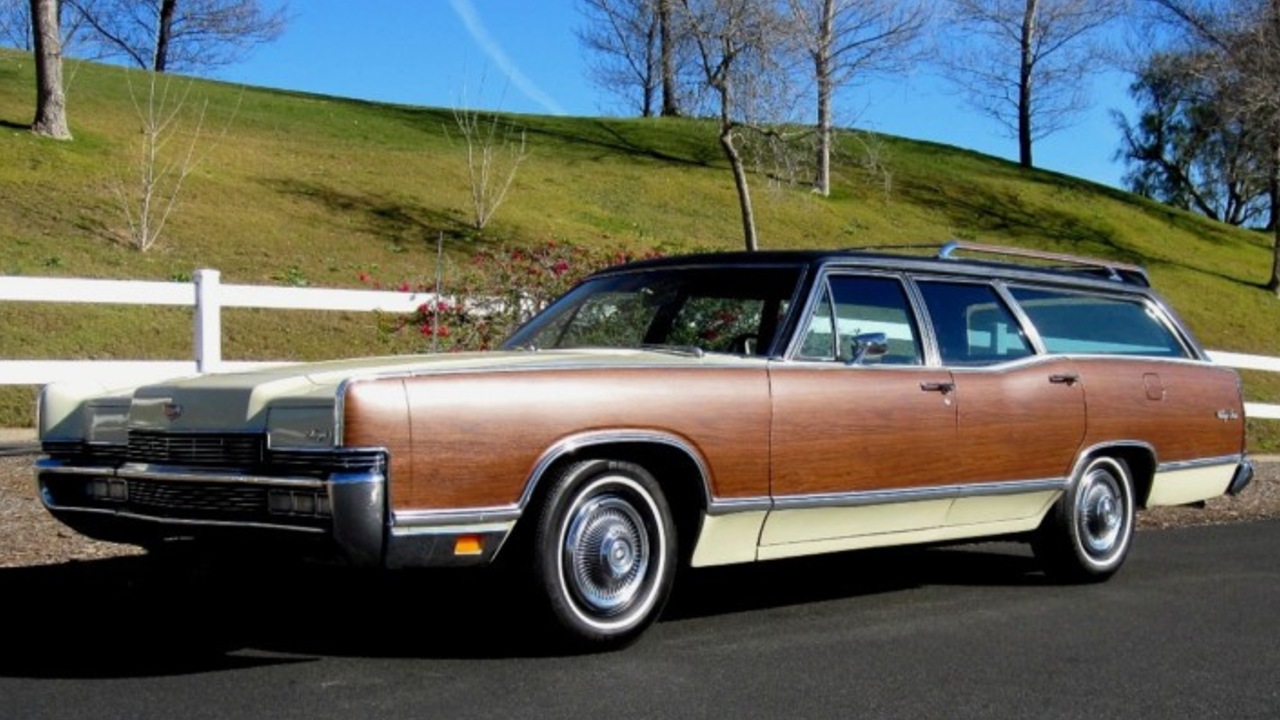
The 1959 Mercury Colony Park arrived at a moment when American families were trading sedans for wagons and expecting more than bare utility. It fused luxury cues, bold styling, and real-world practicality in a way that pushed the family hauler into new territory. I see it as the car that proved a wagon could be a status symbol as much as a workhorse, reshaping expectations for what a long-roof Mercury could be.
Big-car swagger with family-wagon practicality
The Colony Park did not try to hide its size or its ambition. Built on Mercury’s full-size platform, it carried the same imposing stance and elaborate detailing as the brand’s top sedans, then stretched that presence over a long, squared-off roofline that advertised space and comfort. The body was part of a lineup that had been redesigned for the second time in three years, a rapid cadence that showed how aggressively Ford Motor Company was chasing the postwar wagon boom and using Mercury to push more upscale sheet metal into American driveways.
What set the Colony Park apart was how it blended that big-car attitude with everyday usability. The long wheelbase translated into a cavernous cabin, and the squared rear made loading cargo far easier than in the more rounded wagons of the early 1950s. Contemporary coverage of the 1959 Mercury line notes that the redesign improved proportions and made entry and exit easier, a practical gain that mattered to families juggling kids, groceries, and luggage. In that sense, the Colony Park was not just a stretched Mercury, it was a wagon engineered to feel like a premium car without sacrificing the basic tasks that defined the segment, as period analysis of the 1959 Mercury and its wagons makes clear in detailed photo features.
Luxury cues that turned a hauler into a flagship
Mercury did not treat the Colony Park as a stripped family shuttle, it positioned the car as the wagon equivalent of a flagship sedan. Woodgrain-style exterior trim, brightwork that ran the length of the body, and a richly finished interior signaled that this was the top of the wagon hierarchy. The cabin design leaned on the same upscale dashboard and materials used in Mercury’s premium models, so buyers stepping up from a basic sedan were greeted by a familiar, high-spec environment rather than a utilitarian cargo bay with seats bolted in.
That hierarchy was reinforced by the way Mercury structured its wagon lineup. The Mercury Commuter was explicitly aimed at the station wagon buyer on a budget, with a price that sat below Mercury’s other long-roof offerings. The Commuter, in other words, was the entry ticket, while the Colony Park was the aspirational choice for families who wanted the most prestigious wagon the brand could build. Reporting on the 1959 Mercury station wagons underscores how clearly this ladder was drawn, describing how The Mercury Commuter served cost-conscious shoppers while the more lavish models, including the Colony Park, targeted buyers who wanted the coolest and most distinctive wagons from the 1950s, a distinction highlighted in detailed looks at Mercury’s wagons.
Design drama in a conservative segment
Family wagons of the 1950s often played it safe, but the 1959 Mercury Colony Park embraced the era’s taste for drama. The car wore the brand’s bold front fascia, with a wide grille and prominent lighting that made it look every bit as assertive as Mercury’s sedans. Along the sides, the long body panels became a canvas for sculpted lines and contrasting trim, while the tail treatment echoed the fin and taillight themes that were sweeping American design. The result was a wagon that looked fully integrated into Mercury’s styling language rather than a boxy afterthought tacked onto the lineup.
That visual confidence mattered because it told buyers they did not have to give up style to gain space. Period commentary on the 1959 Mercury notes that the redesign sharpened the car’s appearance and helped it stand out in a crowded field of domestic competitors. When I look at how the Colony Park is discussed in retrospective coverage, the emphasis falls on how its proportions, detailing, and stance made it one of the most striking wagons of its time, a point reinforced in modern analyses that single out the 1959 Mercury station wagon as a standout among 1950s long-roof designs.
A full wagon family that broadened the market
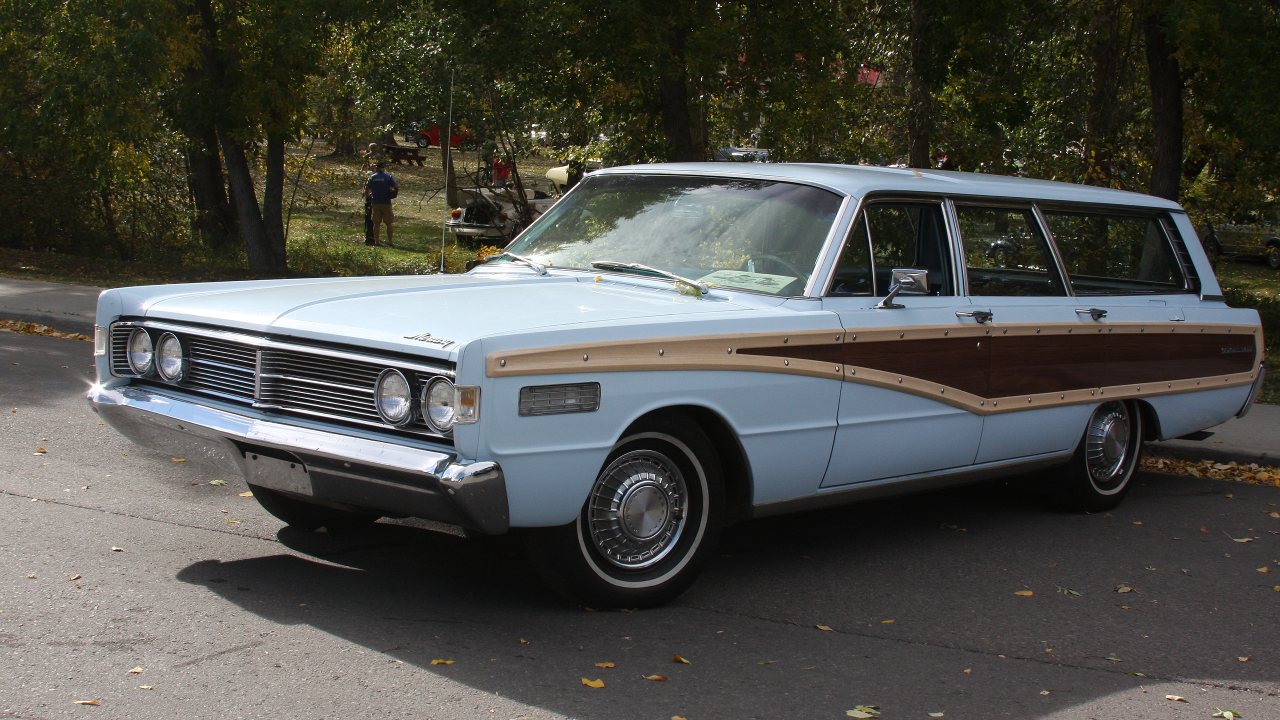
The Colony Park did not exist in isolation, it was the top rung of a carefully tiered wagon family that let Mercury reach different slices of the market. At the entry level, The Mercury Commuter gave buyers a way into the brand’s wagon lineup without paying for every luxury feature. The Commuter’s lower price point, explicitly described as sitting below Mercury’s other wagons, made it attractive to families who needed space but were watching their budgets. Above it, the more upscale wagons, culminating in the Colony Park, layered on equipment and prestige, turning the wagon body style into a spectrum rather than a single utilitarian choice.
That strategy helped Mercury compete more effectively with rivals that were also expanding their wagon offerings. By giving shoppers a clear choice between The Commuter and the more lavish Colony Park, Mercury acknowledged that not every buyer wanted or could afford the top trim, but many aspired to it. Contemporary and retrospective reporting on the 1959 Mercury station wagons highlights how this lineup structure allowed the brand to pitch its wagons as both practical tools and lifestyle statements, with the Colony Park serving as the halo that made the entire range feel more desirable, a dynamic that is evident in detailed breakdowns of Mercury’s wagon strategy.
Why the 1959 Colony Park still matters
Looking back, the 1959 Mercury Colony Park stands out because it treated the wagon as a canvas for innovation rather than a compromise. The rapid redesign cycle that saw Mercury reworked for the second time in three years signaled how seriously Ford Motor Company took this segment, and the Colony Park was the clearest expression of that effort. It combined the brand’s most advanced styling, its most comfortable interior, and a body tailored to family life, proving that a wagon could be both aspirational and deeply functional at the same time.
That legacy is why enthusiasts and historians still single out the 1959 Mercury as a model that deserved more popularity than it achieved in period. Modern photo features on the 1959 Mercury Colony Park emphasize how its design, packaging, and ease of entry and exit anticipated later expectations for family vehicles, while contemporary analyses of the 1959 Mercury station wagon lineup underline how The Mercury Commuter and the Colony Park together showed the breadth of what a wagon could be. Taken together, those perspectives make a strong case that the 1959 Colony Park did more than follow wagon trends, it helped redefine them, a conclusion supported by detailed retrospectives and focused looks at Mercury’s wagons.
More from Fast Lane Only:



Leave a Reply