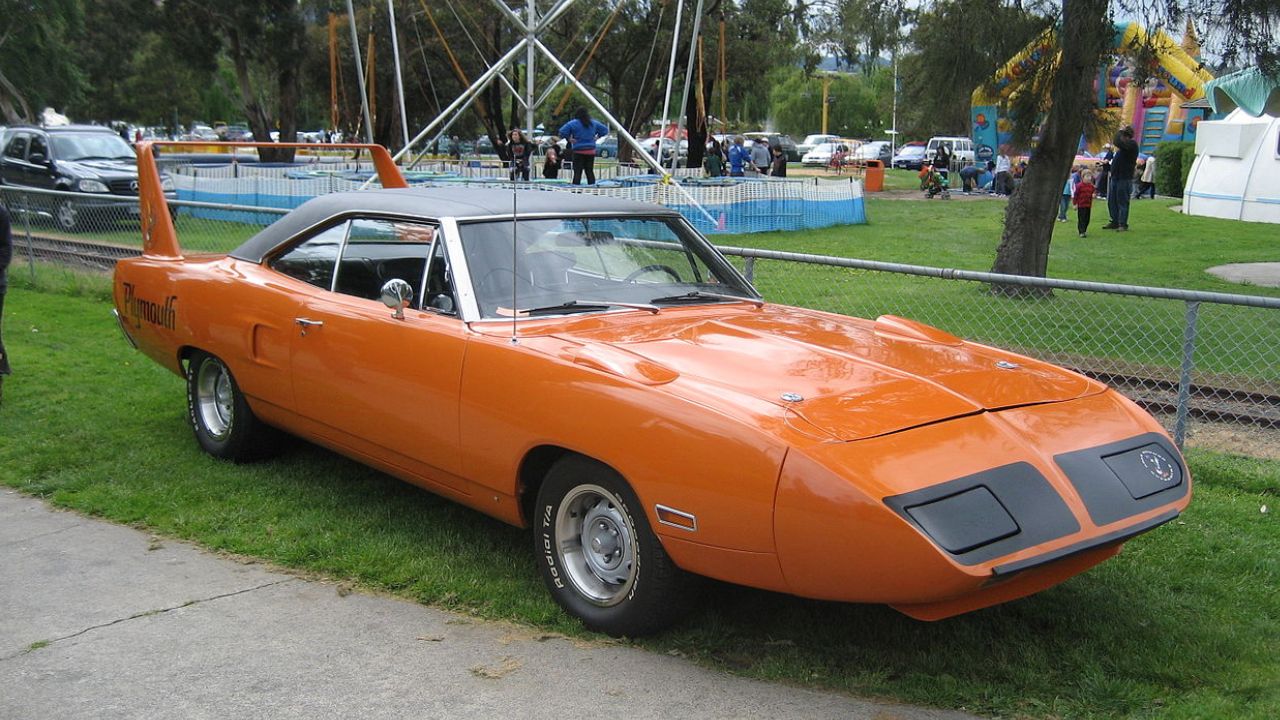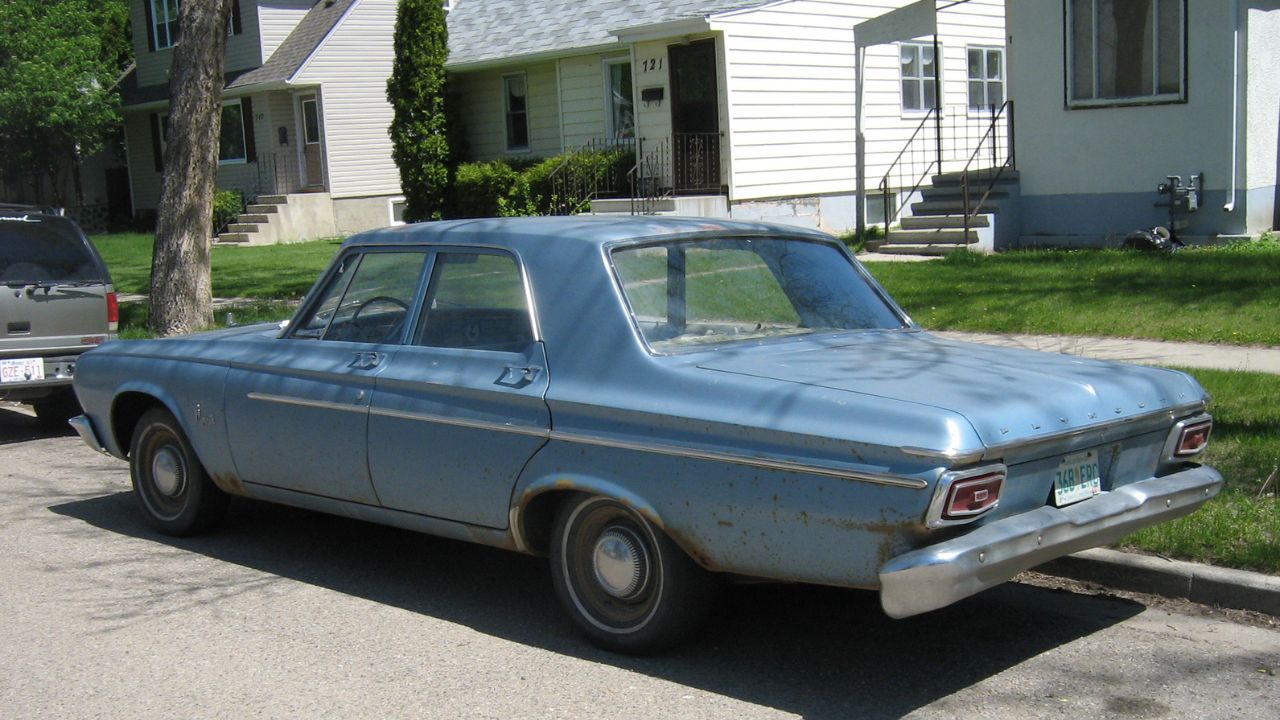
The 426 Wedge often gets overshadowed by its flashier sibling, the 426 HEMI, but it played a crucial role in Chrysler’s high-performance story. Built for serious racing applications before the HEMI showed up, the Wedge was a torque-rich big-block that powered some of Mopar’s earliest drag strip dominance. It wasn’t flashy, but it was strong, tunable, and helped lay the groundwork for everything that followed. Here’s why the 426 Wedge still matters.
The 426 Wedge came before the HEMI
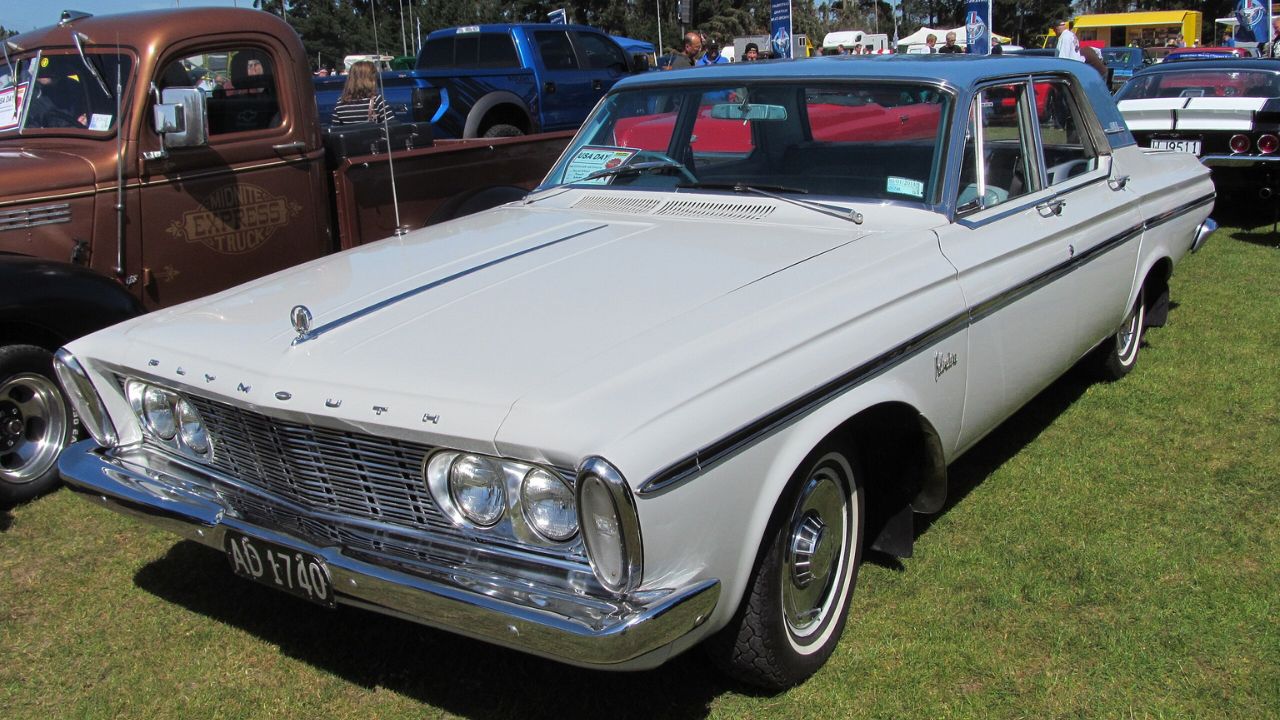
Long before the 426 HEMI showed up in 1964, Chrysler had already developed the 426 Wedge in 1963 for NASCAR and NHRA competition. It used wedge-shaped combustion chambers instead of the hemispherical design. This simpler layout still produced serious power and torque without the complexity or cost of a HEMI head, making it the go-to big-block before the elephant took over.
It produced serious power in factory trim
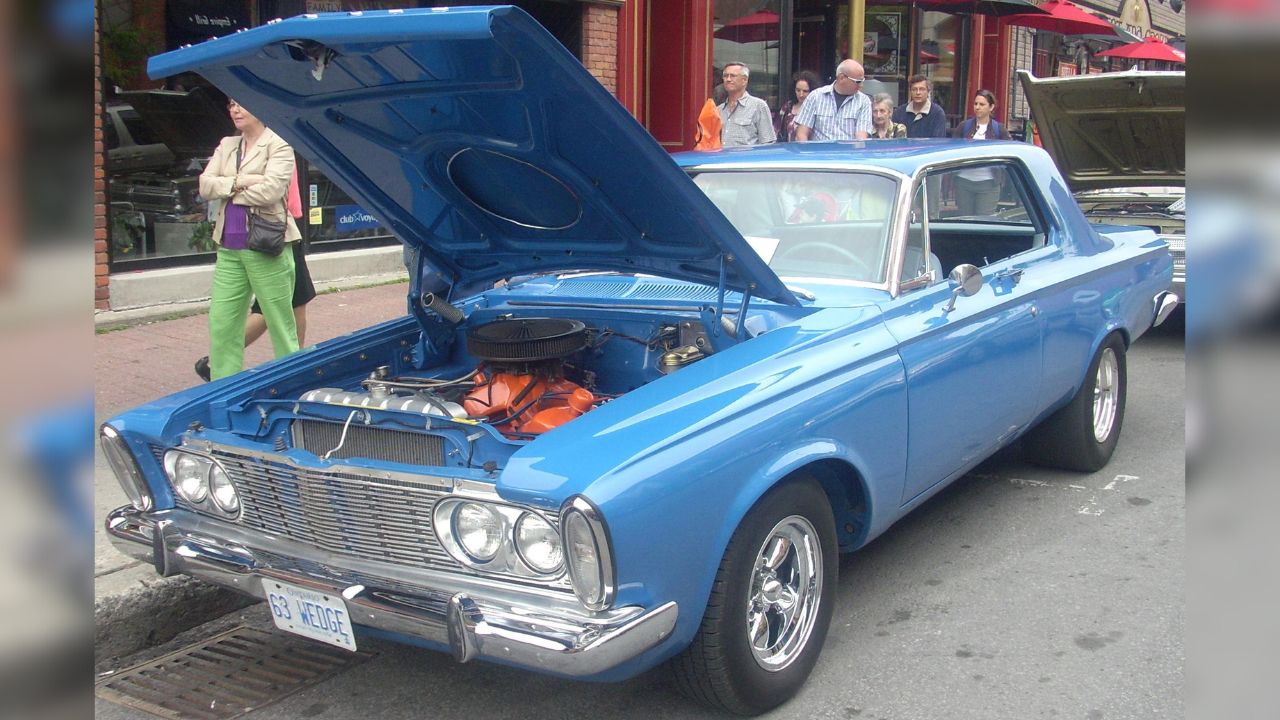
The Max Wedge version of the 426 was factory-rated at up to 415 horsepower and 470 lb-ft of torque. That was strong output for 1963–64, especially from a naturally aspirated engine. It didn’t need sky-high RPM to perform—it made power down low and kept pulling hard, which made it especially effective in quarter-mile drag racing.
Max Wedges ran dual 4-barrel Carter carbs
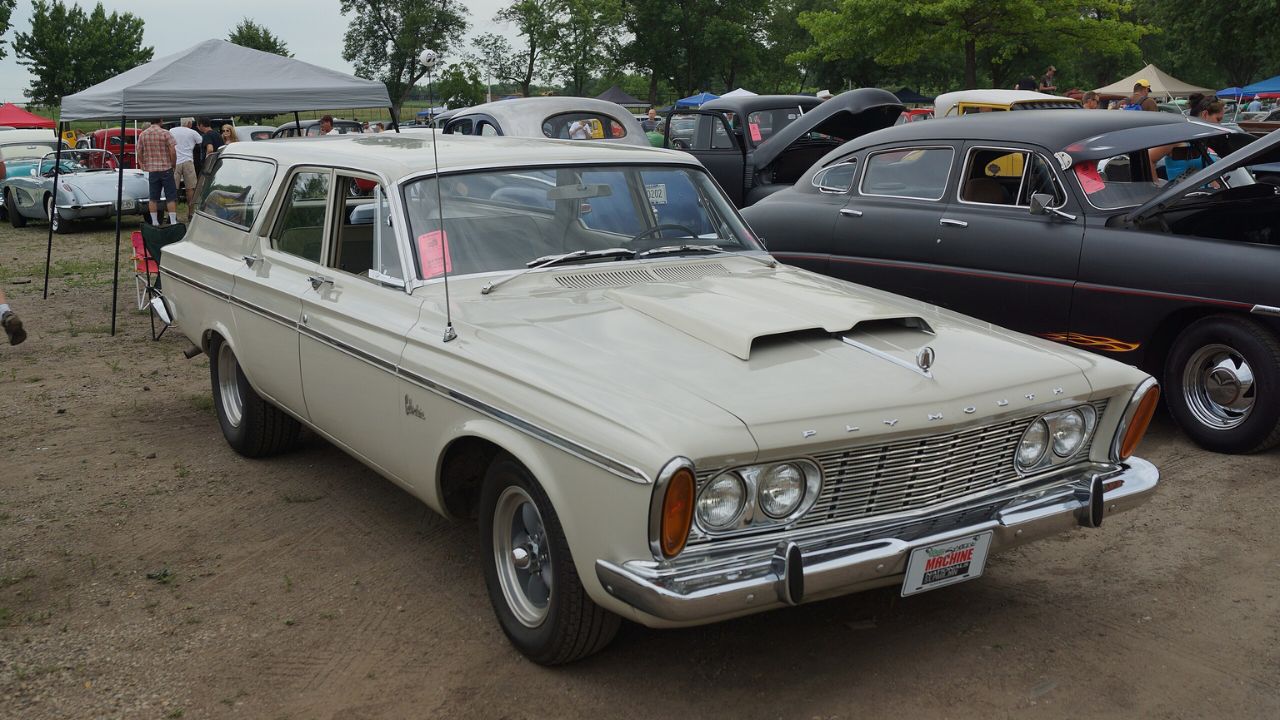
Unlike most street V8s of the time, the 426 Max Wedge wasn’t running a single carb. It came factory-equipped with dual Carter AFB 4-barrel carburetors on a cross-ram intake manifold. That setup helped fill the combustion chambers with air and fuel fast—crucial for launching heavy Dodges and Plymouths off the line. Holleys were used in aftermarket builds, but not factory stock.
The heads were simpler—and that was the point
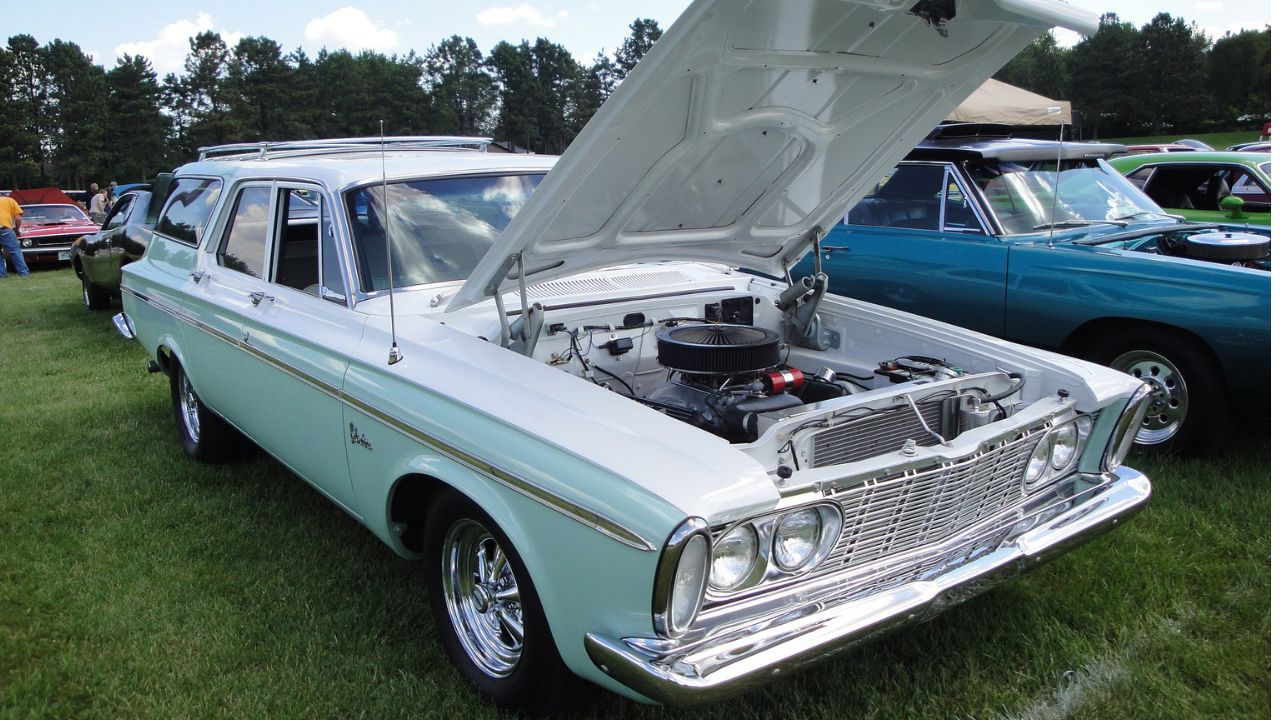
Instead of complex hemispherical heads with large valve angles, the Wedge used a straightforward design that was easier to machine and assemble. It wasn’t as efficient in terms of airflow, but it was reliable and much easier to work on. For racers who wanted consistency and serviceability, that mattered just as much as outright performance.
It powered early Dodge and Plymouth race cars
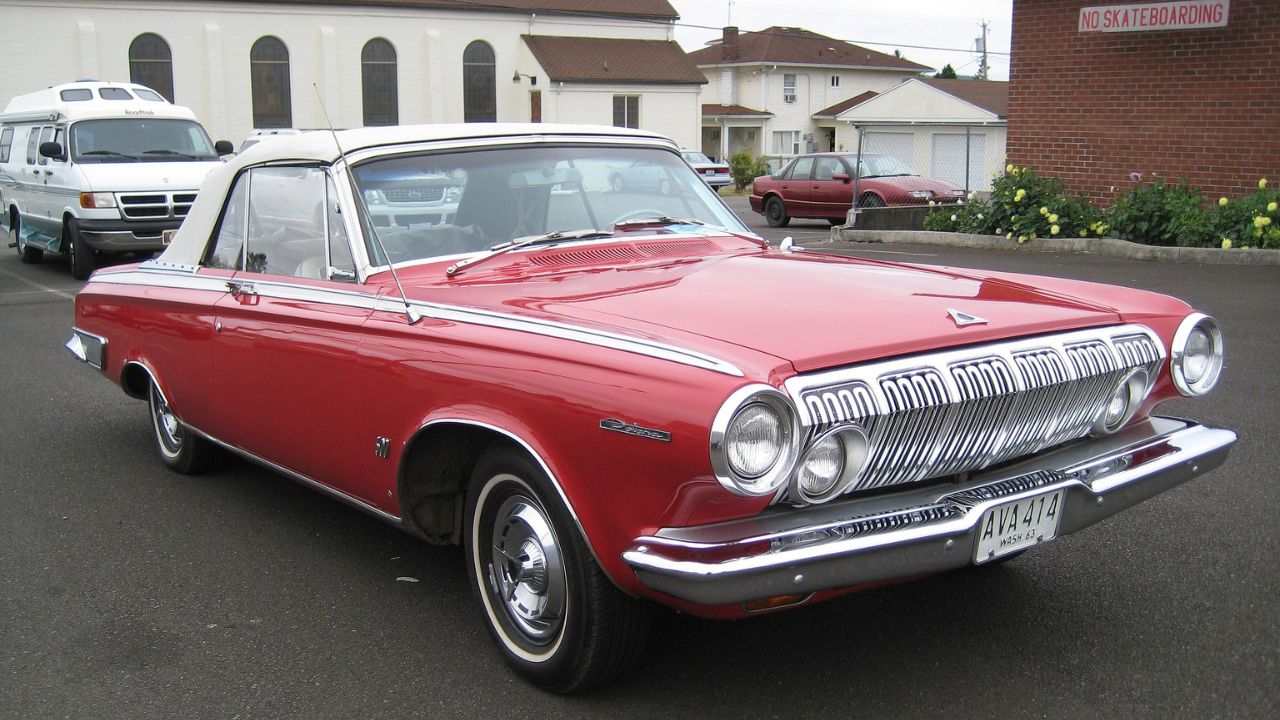
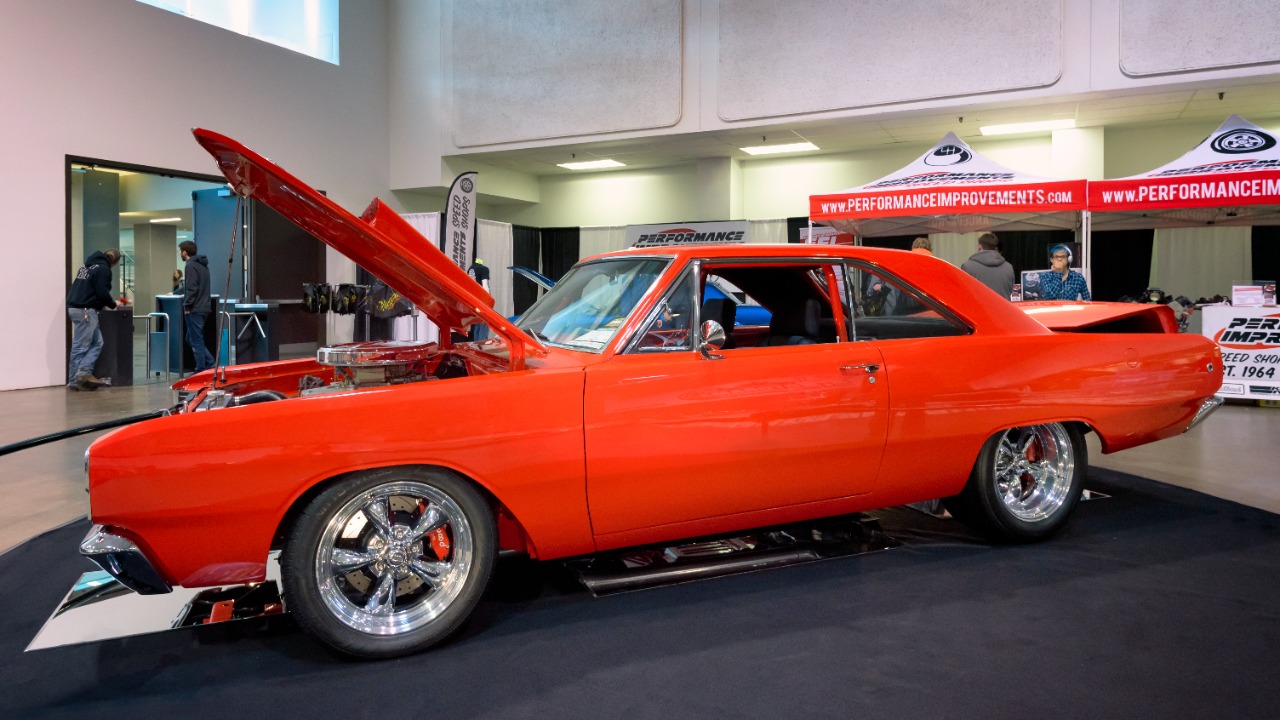
The 426 Wedge appeared in early Mopar muscle like the 1963–64 Dodge 330, Polara, and Plymouth Savoy. Most were built specifically for drag racing under Super Stock rules and weren’t widely offered in street cars. While it didn’t show up in later muscle cars like the Charger or GTX, it helped pave the way for those nameplates to become performance legends.
It had a short but loud career in drag racing
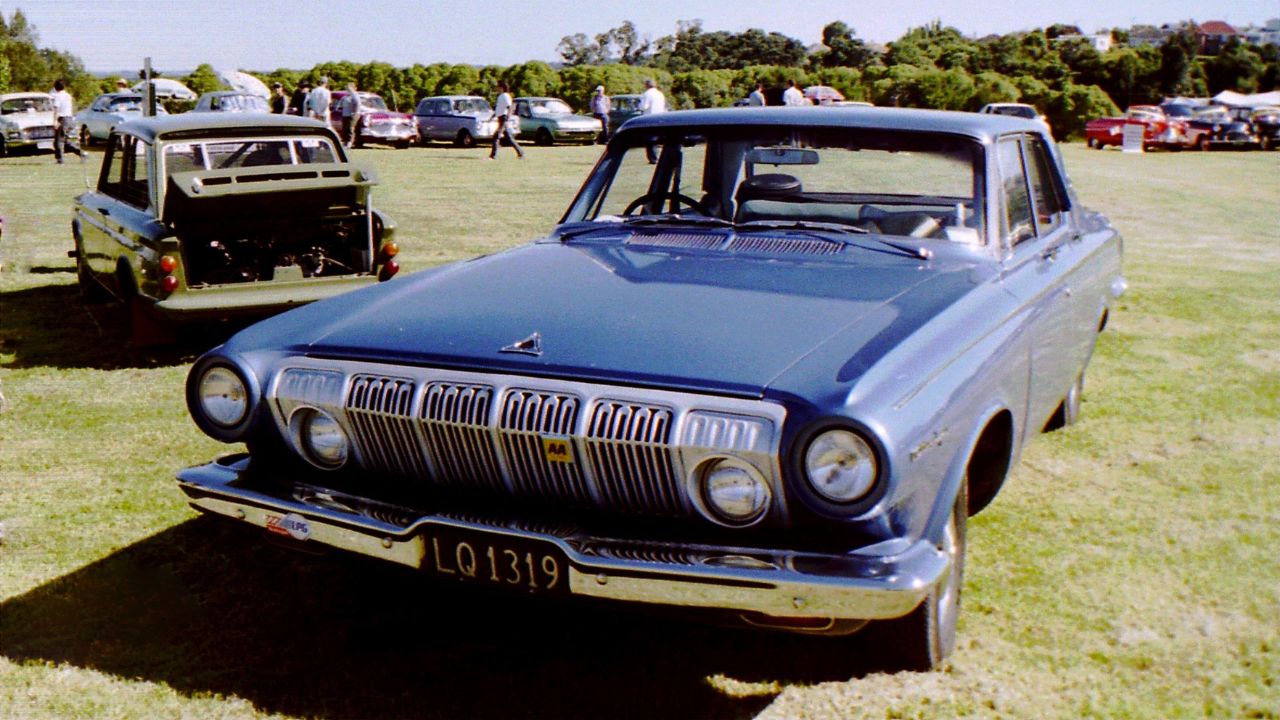
The Max Wedge was a drag strip weapon in the early ’60s, making its mark in NHRA Super Stock. Tuners loved its simplicity and high power ceiling—it could be modified easily with better camshafts, headers, and tuning. For a few key years, the 426 Wedge gave Mopar a major foothold in organized drag racing.
Heavy? Yes. Durable? Absolutely.
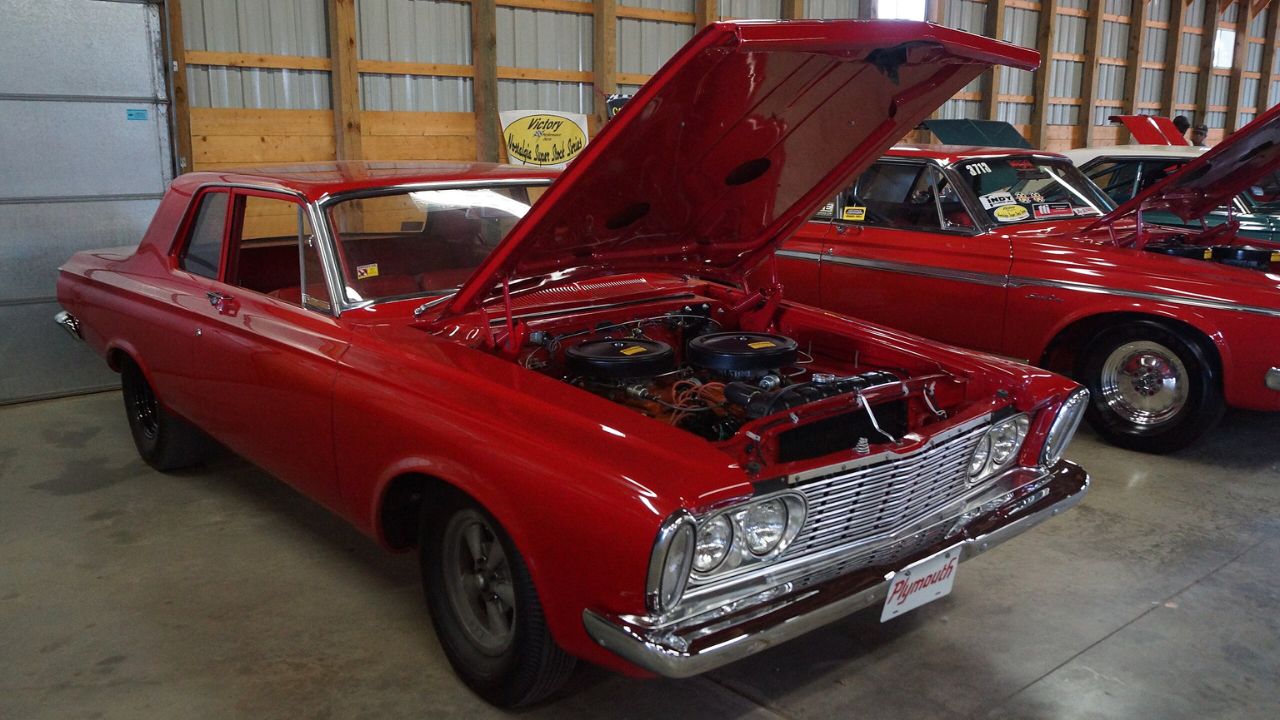
At nearly 700 pounds, the 426 Wedge wasn’t light, but it was overbuilt for the abuse it was meant to take. Cast iron block and heads, forged internals, and high-nickel content meant it could survive high revs, big compression, and long pulls down the quarter-mile. It was never fragile, and racers appreciated that.
The torque was available right off idle
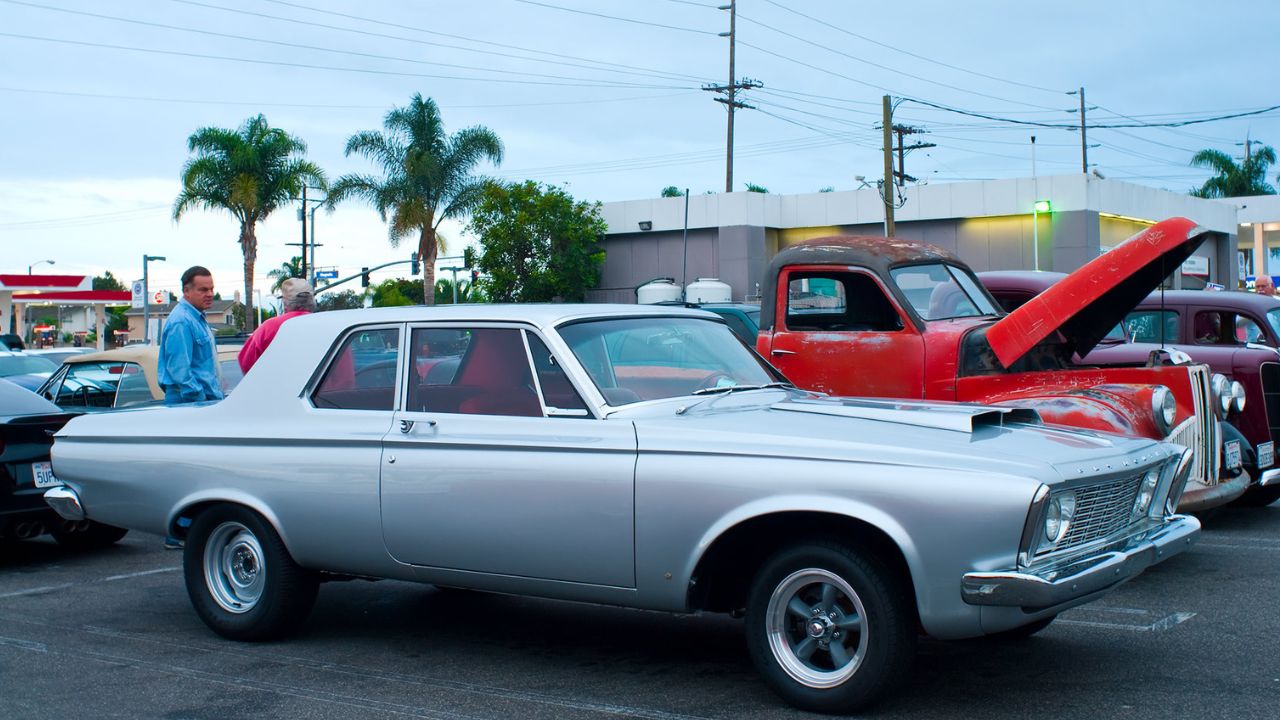
Unlike some high-strung racing engines, the Wedge delivered strong low-end torque, making it usable even without wringing it out. This made it especially effective in heavier B-body cars, where off-the-line grunt was critical. In the right hands, the Wedge could leave HEMIs scrambling at the tree.
It set the stage for the 440 and beyond
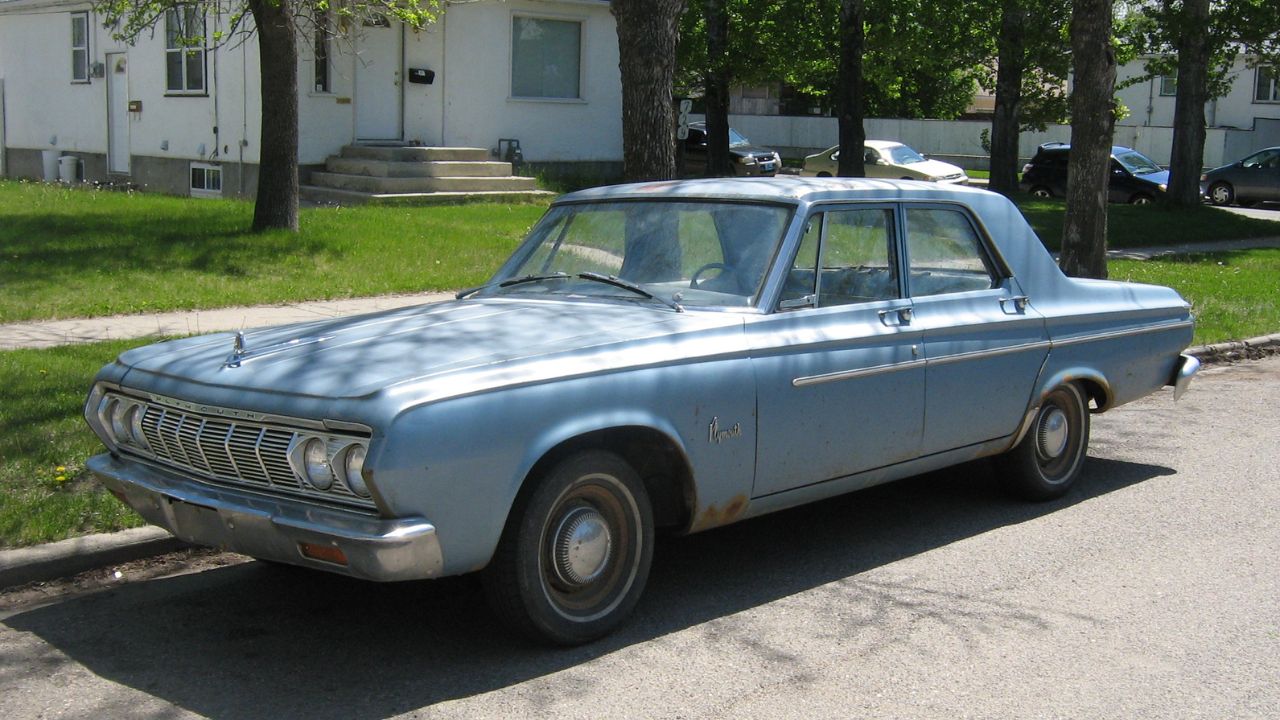
The development of the 426 Wedge helped Chrysler fine-tune its RB engine platform. Lessons in combustion chamber shape, valve size, and cam profiles would feed into later designs like the 440 Magnum, which dominated the late ’60s. The Wedge proved Chrysler knew how to make a fast V8—HEMI or not.
Today, Wedge cars are hard to find and underrated
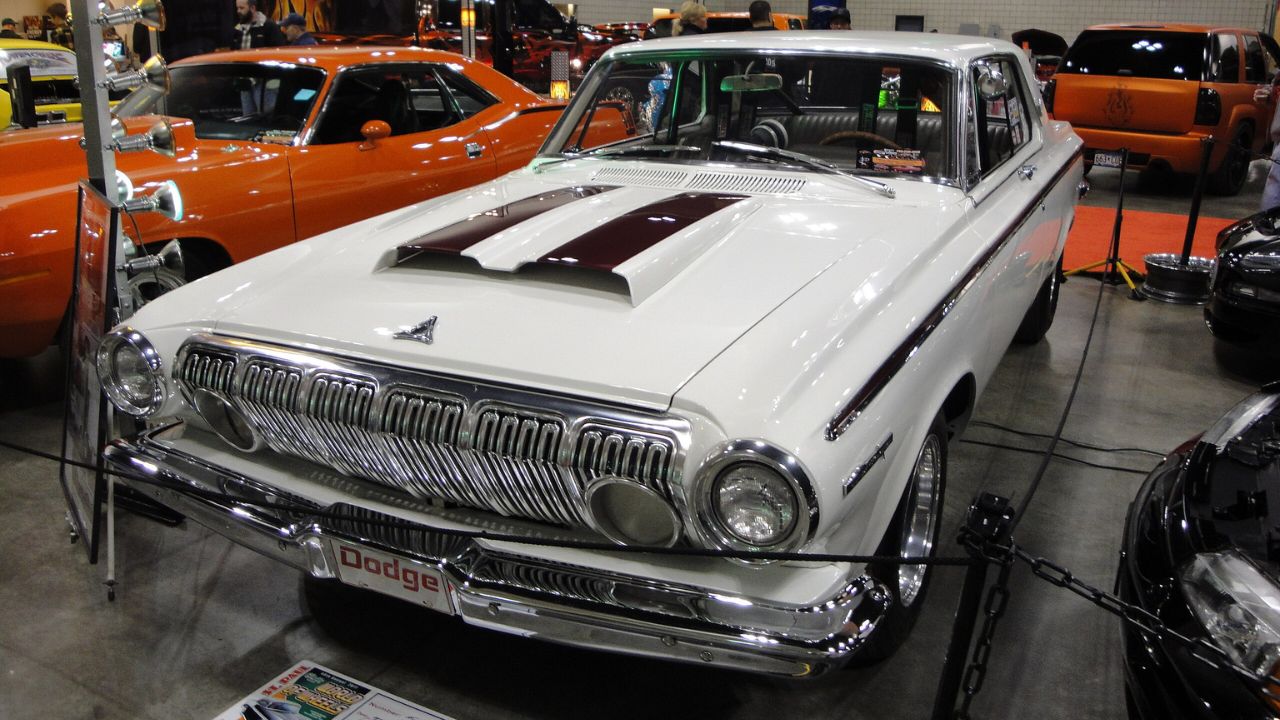
Surviving Max Wedge cars are rare, and they’ve become coveted by collectors who understand their place in Mopar’s racing history. They might not have the name recognition of a HEMI, but they were fast, mean, and serious about business. If you see a real Max Wedge car at a show, it’s worth a closer look.
Like Fast Lane Only’s content? Be sure to follow us.
Here’s more from us:
*Created with AI assistance and editor review.