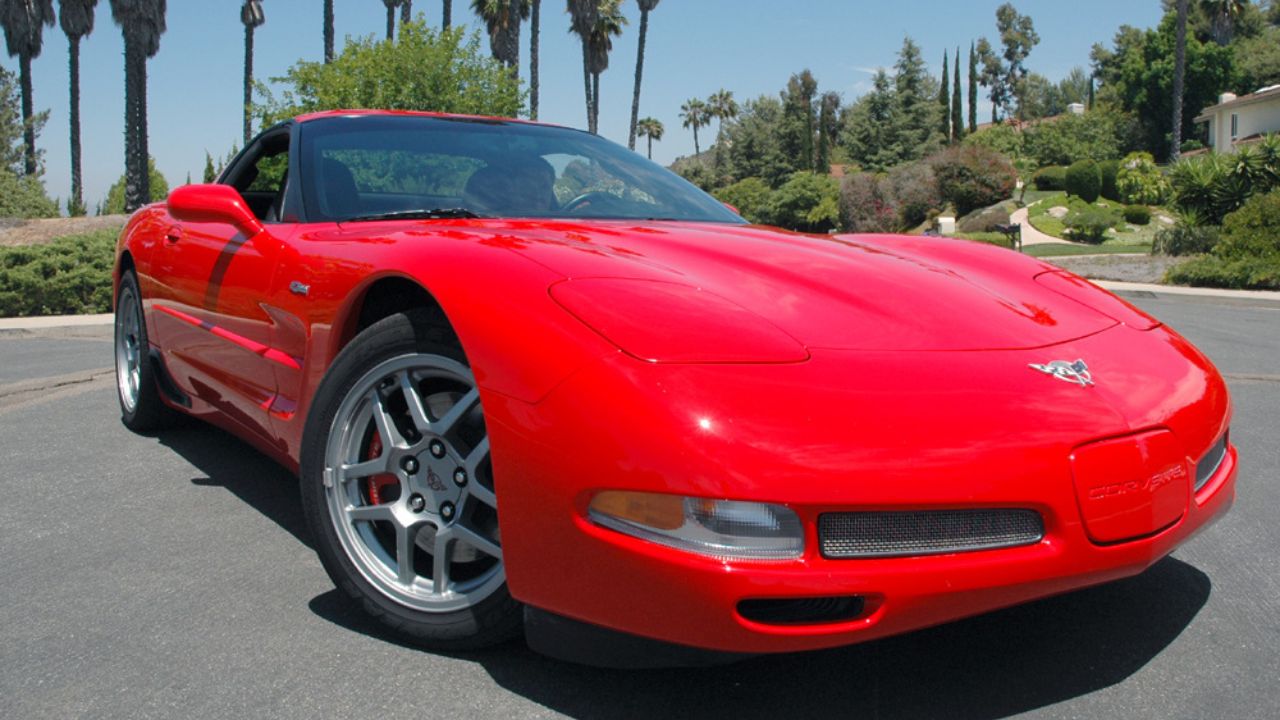
When the C5 Z06 arrived in 2001, it wasn’t trying to be flashy—it was trying to be fast, and it didn’t miss. Chevrolet stripped out weight, stiffened the chassis, and dropped in a hand-assembled LS6 V8 that gave the Z06 real teeth. This wasn’t a Corvette for cruise night—it was for people who wanted to carve up corners and hang with far more expensive machinery. Here are 10 reasons the C5 Z06 still matters in the performance world.
LS6 power was more than marketing
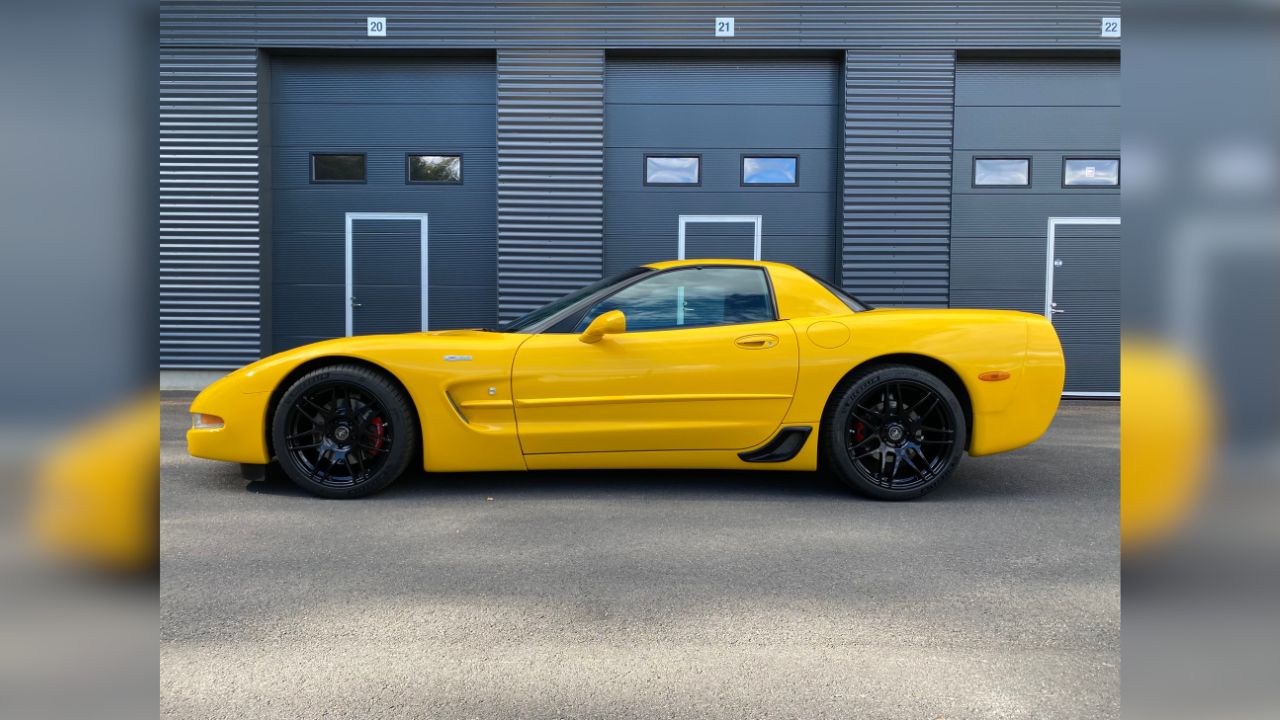
At the heart of the C5 Z06 sat the LS6—a 5.7-liter small-block V8 that made 385 hp in 2001 and 405 hp from 2002 onward. Torque was rated at 385 lb-ft in 2001 and bumped to 400 lb-ft later. It redlined at 6,500 rpm, higher than the base LS1.
The LS6 used upgraded internals, a higher-lift cam, sodium-filled exhaust valves, and improved intake and crankcase ventilation. It was responsive, durable, and well-matched to the car’s chassis. This engine alone helped elevate the Z06 into real sports car territory.
0–60 in 4 seconds—no fuss, no flash
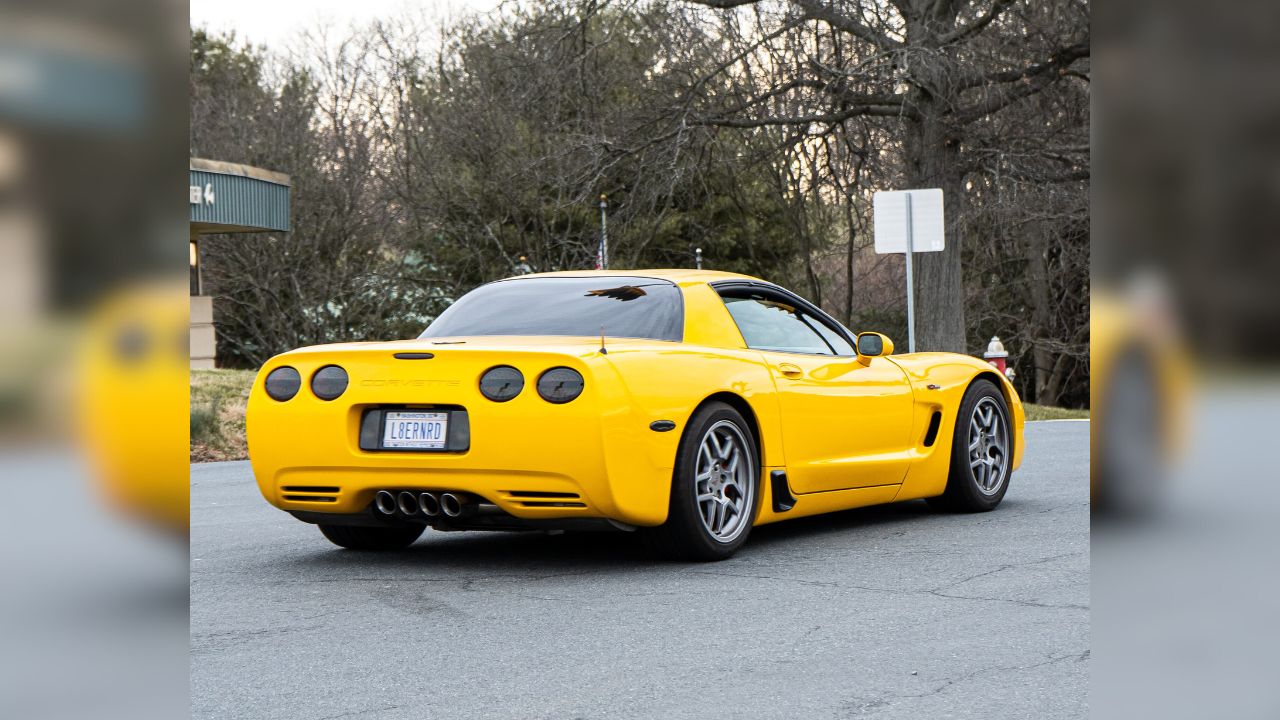
With a curb weight around 3,118 pounds and sticky Goodyear Eagle F1 Supercar tires, the Z06 launched hard. Independent tests consistently clocked 0–60 mph in 4.0 seconds and the quarter-mile in 12.4–12.6 seconds at 114–116 mph.
There were quicker cars, but not at this price point. And with its linear powerband and manual-only layout, the Z06 felt fast without gimmicks. No fancy modes—just grip, throttle, and gears.
It came with a real manual transmission
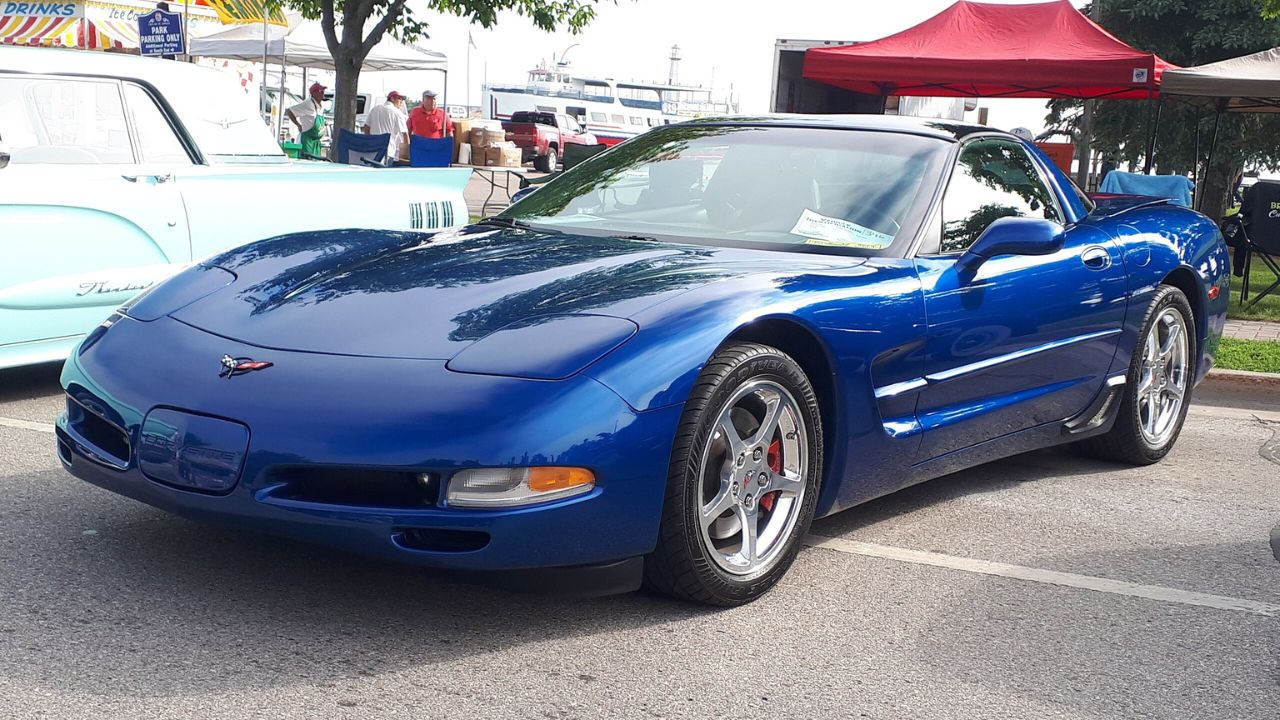
Every Z06 used the Tremec T56 six-speed manual—no autos offered. It had specific gear ratios and a shorter 3.42:1 final drive (vs. 3.15 in base C5s), keeping the LS6 in its powerband.
The lightweight flywheel helped the engine rev faster, and the gear spacing made it easy to stay on boost—or stay in trouble. No paddles, no lag—just a mechanical connection that rewarded skill.
Fixed roof coupe for extra stiffness

The Z06 was based on the Fixed Roof Coupe (FRC) C5, which had a stiffer structure than the hatchback coupe. That helped improve chassis rigidity, crucial for track use and high-speed cornering.
It also saved weight—no hatch glass, no power top, and fewer moving parts. The FRC wasn’t glamorous, but it worked. It made the Z06 more planted, more focused, and more serious.
Suspension was no afterthought
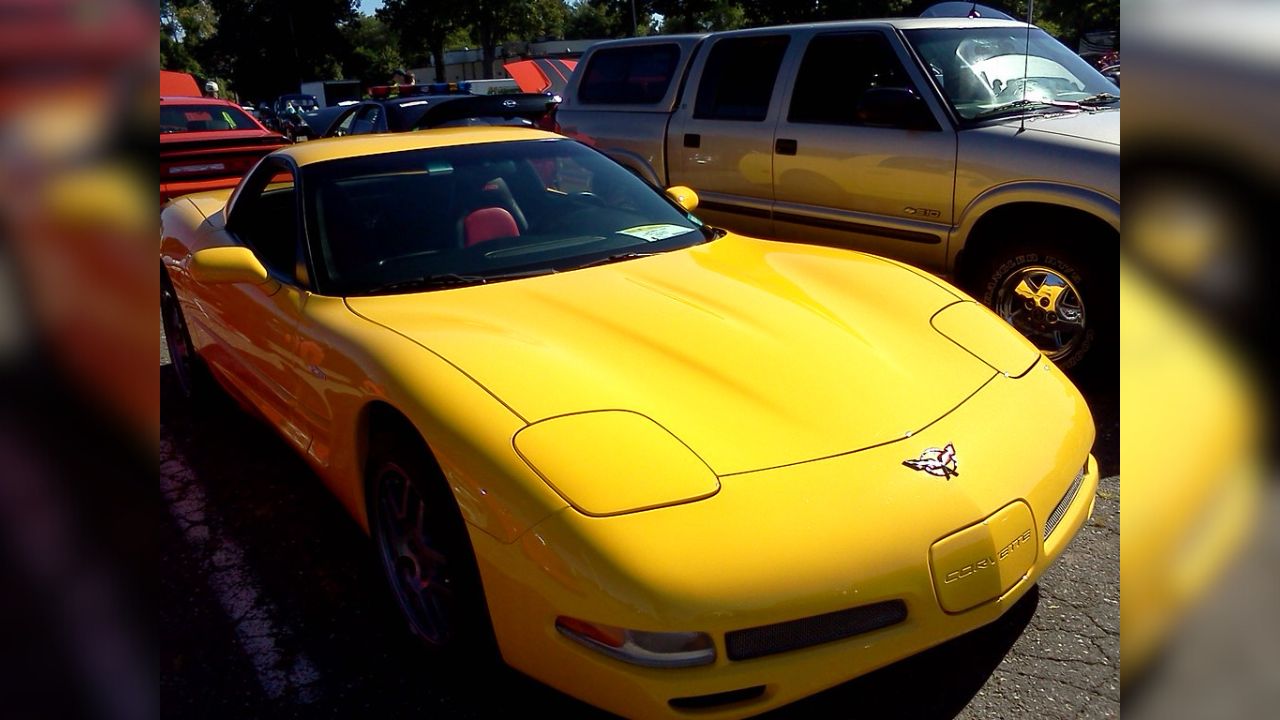
Chevy retuned the Z06’s FE4 suspension with stiffer springs, unique shocks, larger sway bars, and revised alignment settings. It rode firmer than the base C5, but handled like a scalpel compared to most domestic cars.
Ride height was slightly lower, too, which sharpened the aerodynamics and kept body roll in check. Turn-in was crisp, and road feel was intact without being punishing.
Interior was basic—but focused
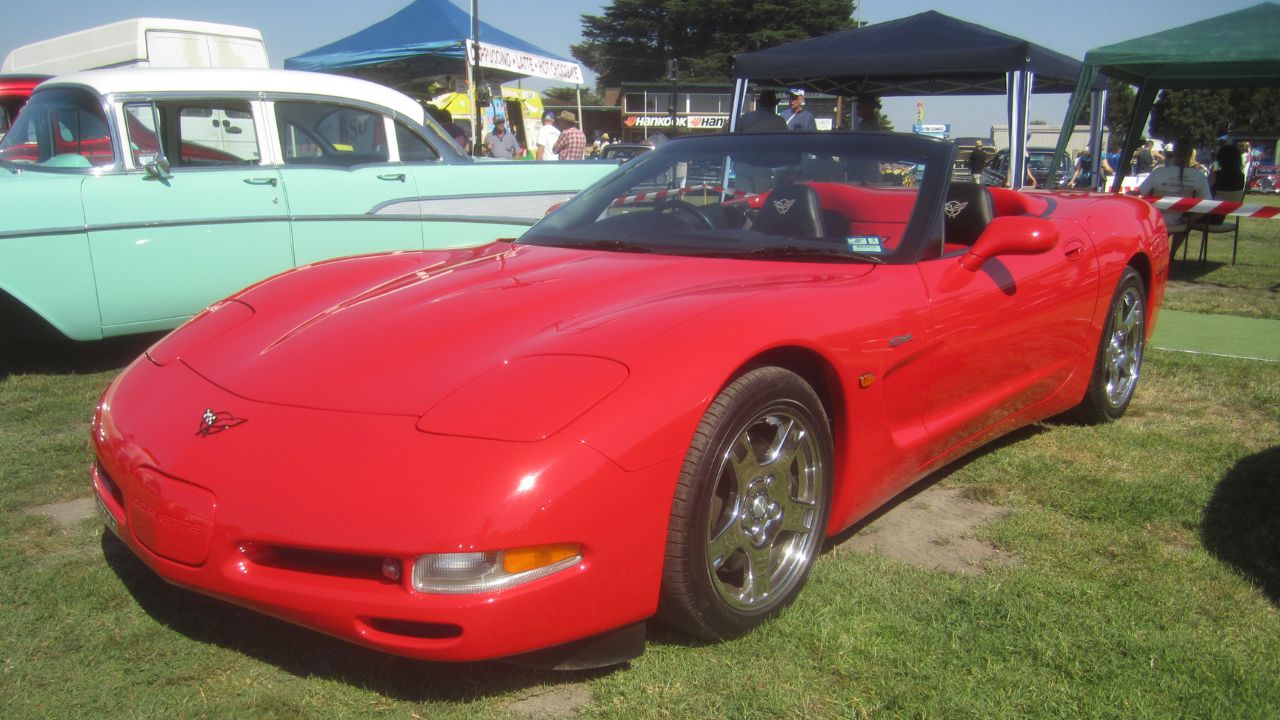
The Z06 wasn’t about tech. Early cars skipped the heads-up display, and features like heated seats or advanced audio were left off to keep weight down.
But the seats had better bolstering, the pedal layout made heel-toe easy, and the shifter placement was dead-on. The Z06 cabin was built for driving—not lounging.
Lighter wheels, better brakes
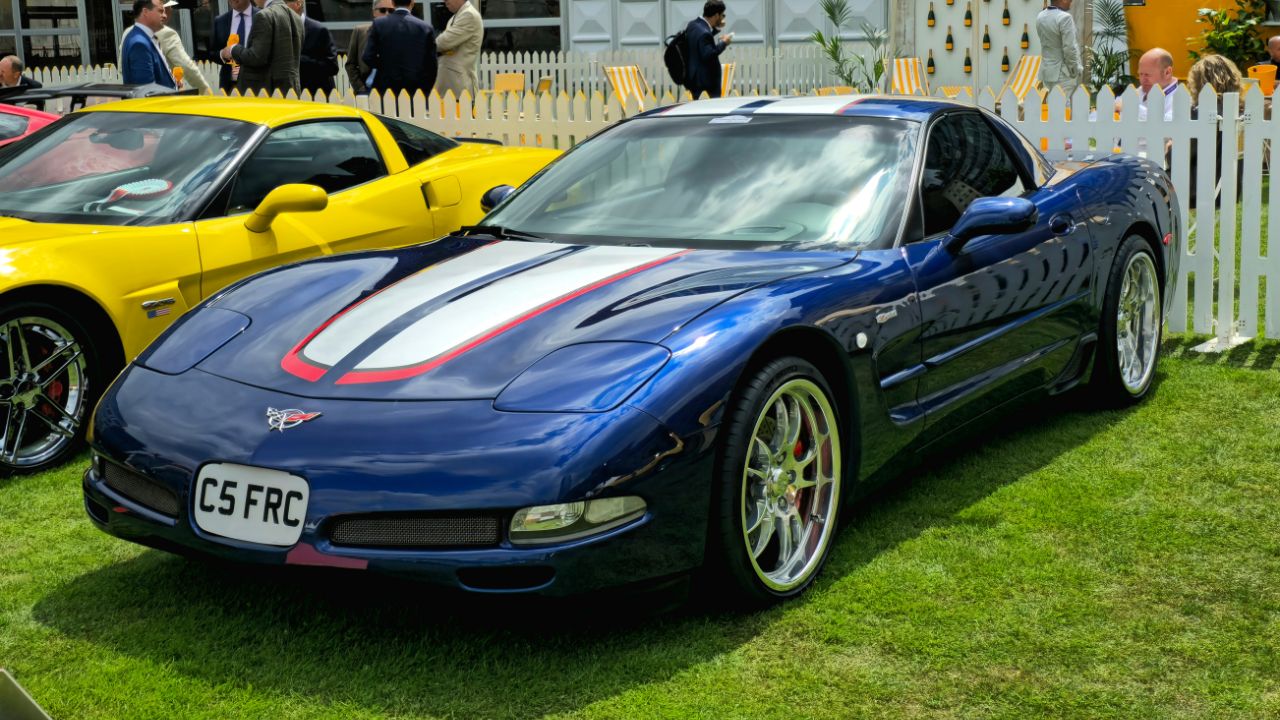
The Z06 used 17-inch front and 18-inch rear wheels, with thin-spoke forged aluminum construction to save weight. Tire sizes were staggered—265mm front, 295mm rear—for better balance and grip.
Brakes were upgraded with larger rotors and better cooling. While they weren’t track-grade by modern standards, they held up well in spirited use and gave confident, fade-resistant stops.
Fuel economy was surprisingly decent
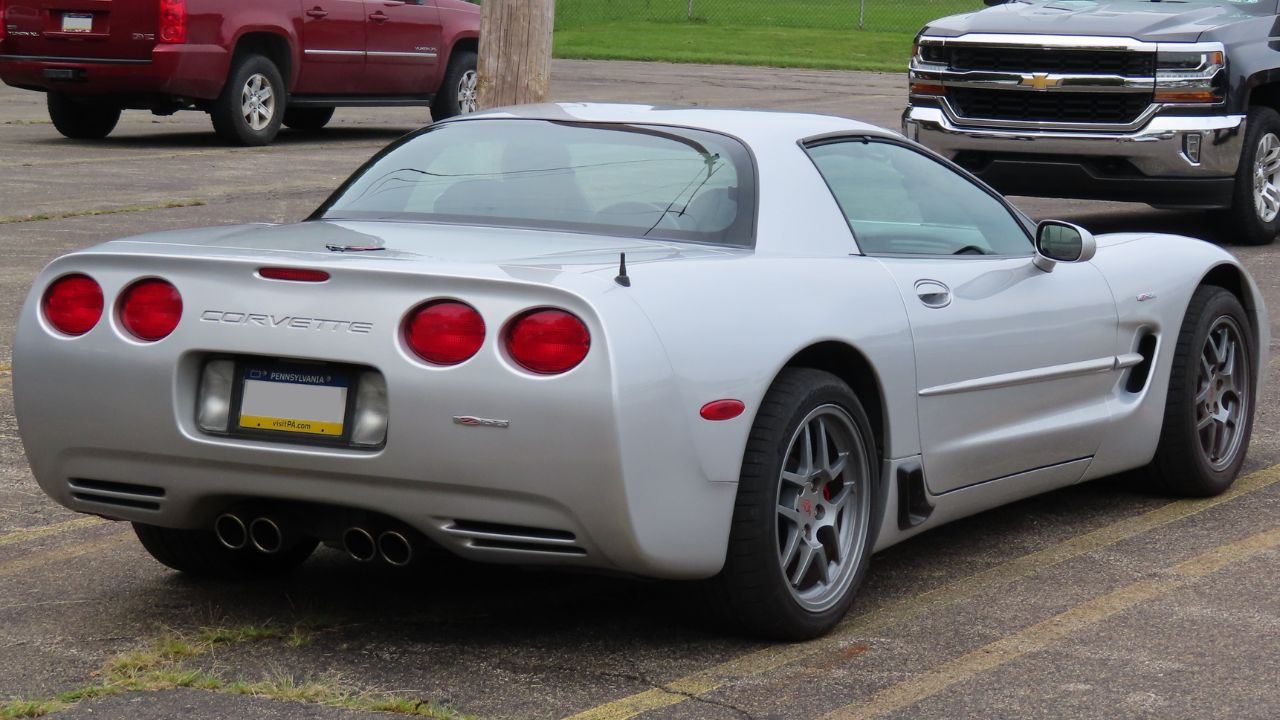
Thanks to its tall gearing and efficient LS6, the Z06 pulled off an EPA-rated 28 mpg highway. City ratings were closer to 18 mpg, but that was still respectable for a car with 400+ horsepower.
This meant you could road trip the Z06 without sweating fuel stops—something many European rivals couldn’t claim. Efficiency wasn’t the focus, but it was a nice side benefit.
Track-ready without modding
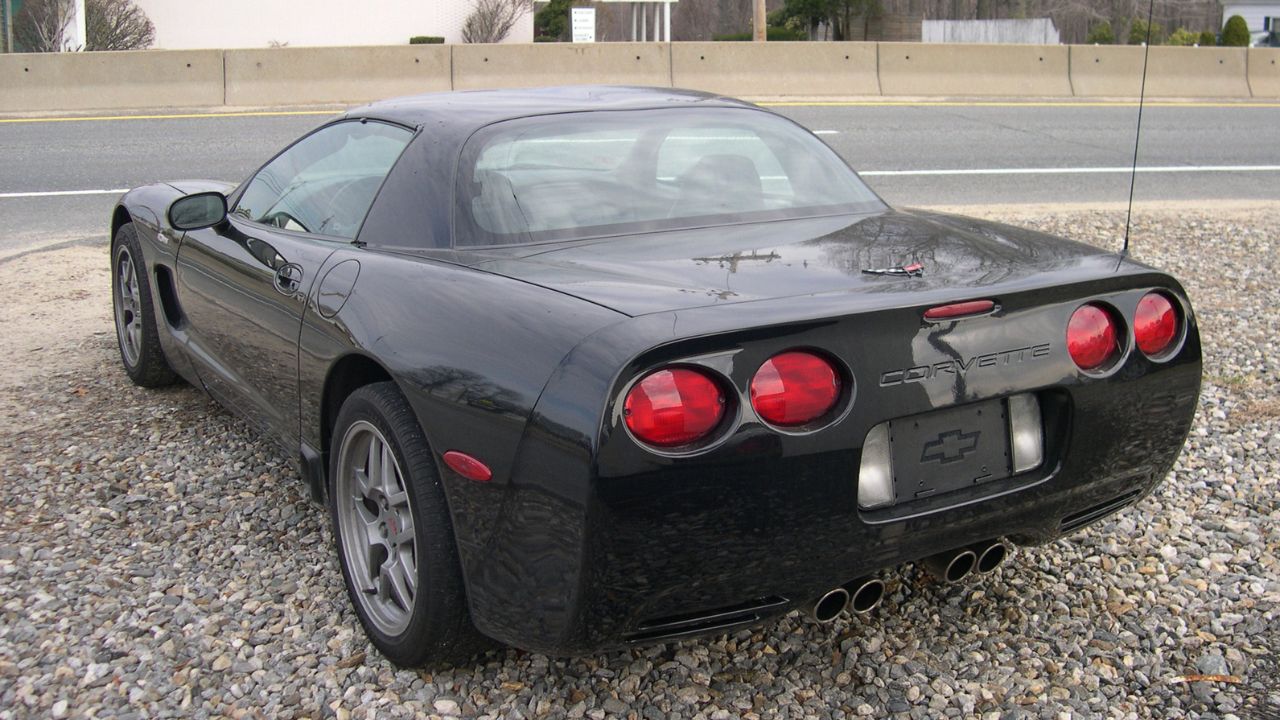
The Z06 came nearly ready for the track. Oil temps stayed stable under hard driving, brakes didn’t fade immediately, and the Goodyear Supercar tires were competent for light sessions.
For serious lapping, all it needed was better pads and fresh fluid. GM even tested the car extensively on racetracks, knowing owners would push it. This was a street car that actually delivered on track days.
Values still make sense
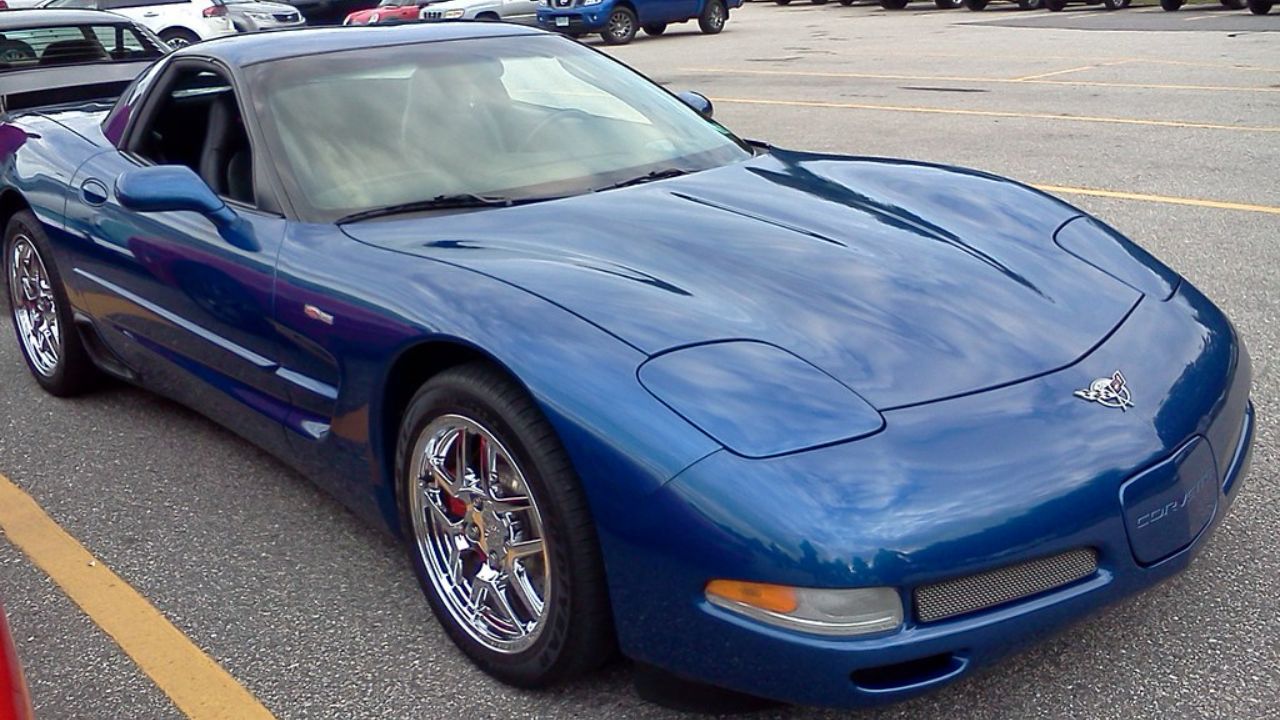
C5 Z06s still sell in the $25K–$35K range, with clean examples holding value well. It’s one of the few performance cars from that era that offers raw feedback, durability, and speed without sky-high prices.
You’re getting a hand-built engine, a proper manual gearbox, and a chassis tuned for actual driving—not commuting. In a world of digital overkill, the Z06 remains a driver’s car through and through.
Like Fast Lane Only’s content? Be sure to follow us.
Here’s more from us:
*Created with AI assistance and editor review.