The 1970 LS6 Chevelle did not just edge out its rivals, it rewrote what “street fast” meant in an era already obsessed with horsepower. With a factory rating that put it at the top of the muscle-car food chain and a reputation for flattening anything that pulled alongside, it became the car other drivers quietly hoped not to meet at a stoplight.
When I look at why this particular Chevrolet still looms so large, it comes down to a rare mix of brutal power, everyday drivability, and a short production run that turned a neighborhood terror into a legend. The LS6 Chevelle scared everything else on the street because it was engineered to win, sold to anyone with the cash, and then yanked off the stage before the rest of Detroit could fully answer it.
The big-block heart that made the streets nervous
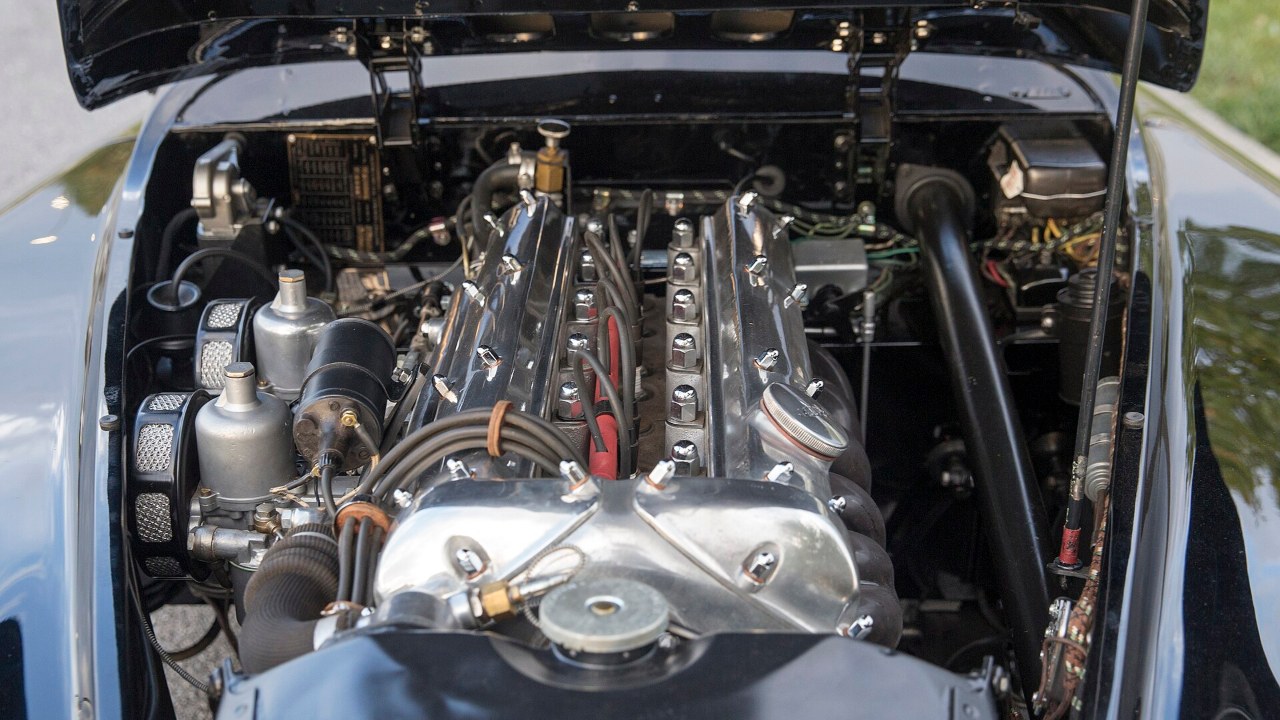
Any story about the LS6 Chevelle’s intimidation factor starts under the hood, where Chevrolet dropped a 454 CID V8 that was officially rated at 450 hp @ 5600 rpm and 500 ft-lbs of torque. Those three numbers, 454, 450, and 500, were not marketing fluff, they were a warning label that turned the Chevelle into a factory-built bully, especially when paired with the M22 “Rock Crusher” 4-speed Transmission that let drivers stay in the meat of the powerband without mercy for the rear tires, as documented on the Engine and drivetrain specs. I see that combination as the core reason other muscle cars suddenly felt under-armed, because it delivered race-car output in a package that still wore license plates.
The block itself was part of a broader big-block family, but the LS6 tune sat at the top of the heap, and that hierarchy mattered on the street. At the lower rung, Chevrolet offered a 360 hp LS5 that powered full-size models and more approachable Chevelles, yet the LS6 option code turned the same basic architecture into what one detailed analysis calls The Biggest Chevy Muscle Car Motor, a peak-of-the-pyramid big block that simply outgunned its showroom siblings. When I weigh those figures against the rest of the era, it is clear why the LS6 felt like a different species, not just a hotter version of the same car.
Hardware built to dominate, not just impress

Raw displacement only tells part of the story, because Chevrolet backed the LS6 with supporting hardware that made the power usable and vicious at the same time. The engine shared its basic block with the LS5, but engineers bolted on an aluminum intake topped by an 800-cfm Holley four-barrel carburetor that let the big-block inhale like a race motor, a setup that period coverage credits for turning the Chevelle into a genuine King of the Streets. In my view, that induction system is what transformed the LS6 from a strong cruiser into a car that could erase the length of a city block in a single, howling gear pull.
Backing that power, the driveline and chassis were specified with the same single-minded focus on performance. The availability of the M22 “Rock Crusher” 4-speed, heavy-duty rear gearing, and stout suspension pieces meant the Chevelle could actually put its 454 output to the pavement instead of vaporizing it in wheelspin, a balance that made it terrifyingly effective in real-world stoplight duels rather than just on paper, as the INTRODUCTION to a well-preserved example underscores. When I picture that combination in the hands of an owner who knew how to launch it, it is easy to understand why rival drivers often backed down before the light even turned green.
From showroom sleeper to feared street legend
Part of what made the LS6 Chevelle so intimidating was how ordinary it could look at a glance, especially in SS trim that blended into the broader muscle-car crowd. A factory-documented 1970 Chevrolet Chevelle SS 454 LS6, for instance, might wear familiar stripes and badges, yet behind those cues sat the full LS6 package that turned a seemingly typical Chevrolet Chevelle SS into a car that could humiliate almost anything short of a dedicated drag machine, a reality captured in profiles of Chevrolet Chevelle SS survivors. I think that dual personality, part family coupe and part street assassin, amplified the fear factor because you never quite knew which Chevelle at the curb was hiding the LS6 option code.
Enthusiasts who lived through the era still talk about the LS6 with a mix of awe and nervous laughter, and modern storytellers lean into that mythology. One detailed video breakdown describes how The Chevrolet 454 LS6 was not just another big-block, but a compact package of thunder that punched far above its size, a point that sticks with me every time I revisit that 454 deep dive. When I connect those firsthand impressions with the hard numbers, the picture that emerges is of a car that earned its fearsome reputation one quarter-mile at a time, often leaving onlookers stunned at how quickly a mid-size coupe could disappear down the road.
Why one model year made such a lasting impact
Another reason the LS6 Chevelle still feels larger than life is that its reign was incredibly brief, which only sharpened its mystique. Though the LS6 was beloved by drivers, it only lasted through 1970 and was retired to a short and sweet Chevelle history, a fact that turns every surviving example into a snapshot of peak muscle-car excess, as chronicled in a broader look at how Though the LS6 was beloved. I see that one-year window as crucial, because it meant rivals had almost no time to answer the LS6 directly before insurance costs and regulations started closing the door on such wild factory combinations.
Within Chevrolet’s own lineup, the LS6 also marked a clear high-water mark that the brand never quite repeated in the same way. At the entry-level was the 360 hp LS5, which was found in full-size models and more common Chevelles, but the LS6 option sat above it as the undisputed flagship of the big-block era, a hierarchy laid out in a technical overview that labels the LS6 tune as At the top of GM’s big-block performance. When I compare that structure to later performance cars, it is clear that the LS6’s brief appearance set a benchmark that later models chased but never quite matched in raw, unfiltered aggression.
The LS6 aura: from “Freak of Nature” to “King Kong”
Over time, the way people talk about the LS6 Chevelle has become almost as important as the car itself, and the language enthusiasts use says a lot about how intimidating it felt. One memorable feature calls a 1970 Chevrolet Chevelle SS LS6 454 a “Freak of Nature,” leaning into the idea that this particular Chevrolet Chevelle SS was an outlier even among muscle cars, a label that captures how its 454 output and street manners seemed to defy normal factory logic in that Freak of Nature spotlight. When I hear that phrase, I think of a car that felt almost unfair to line up against, the automotive equivalent of bringing a heavyweight boxer to a neighborhood sparring match.
Another enthusiast channel goes even further, introducing the 1970 LS6 CHEVELLE SS454 as a “King Kong” classic and “giant of them all,” with the host of Muscle Car Campy treating the car like a living legend rather than just a restored coupe, a tone that comes through clearly in the Muscle Car Campy King Kong feature. I find that kind of reverence telling, because it shows how the LS6 has moved beyond simple nostalgia into folklore, a machine that still commands respect from people who have driven everything from modern supercars to vintage drag machines.
Why the LS6 Chevelle still feels like the heavyweight champ
Even among today’s collectors and museum curators, the LS6 Chevelle is treated as the pinnacle of the classic muscle era, not just another desirable model. One detailed sale listing flatly calls the 1970 Chevrolet Chevelle the pinnacle of muscle cars and the heavy weight champ boasting the highest HP rating of any production car of its time, with SS 454 badges proudly adorning the fenders to signal what lurks beneath, language that frames the car as a true heavy weight champ. When I weigh that description against the period numbers and street stories, it feels less like salesmanship and more like a straightforward statement of where the LS6 sits in the muscle-car hierarchy.
Contemporary retrospectives on the LS6’s street reputation echo that same sense of dominance, describing how its torque output bludgeoned challengers and how, while the cars were tested with different rear gears and tire setups, the outcome was usually the same: the LS6 Chevelle walked away, a pattern that underpins its title as King of the Streets. When I put all of that together, from the 454, 450, and 500 figures to the Rock Crusher gearbox and the one-year-only mystique, the answer to why the LS6 Chevelle scared everything else on the street is simple: it earned that fear the hard way, with brutal, repeatable performance that still commands respect decades later.