
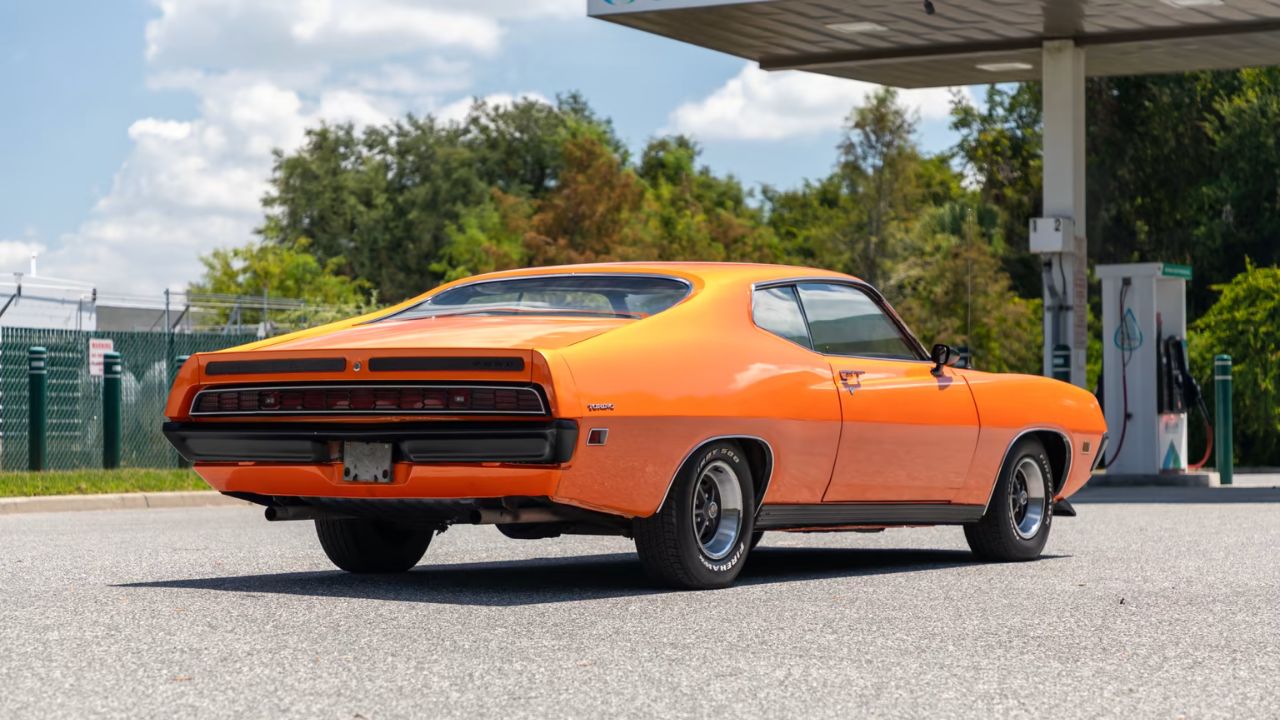
The Ford Torino GT, born in 1968, never got the love it deserved, often overshadowed by Mustangs and Chevelles. It was a midsize muscle car with serious power, sharp looks, and a knack for performance that punched above its weight. From NASCAR wins to big-block V8s, it had plenty going for it. Here are ten reasons why the Torino GT was a sleeper hit, packed with specs, costs, and history that make it worth a second look.
Launched as a Fairlane Upgrade
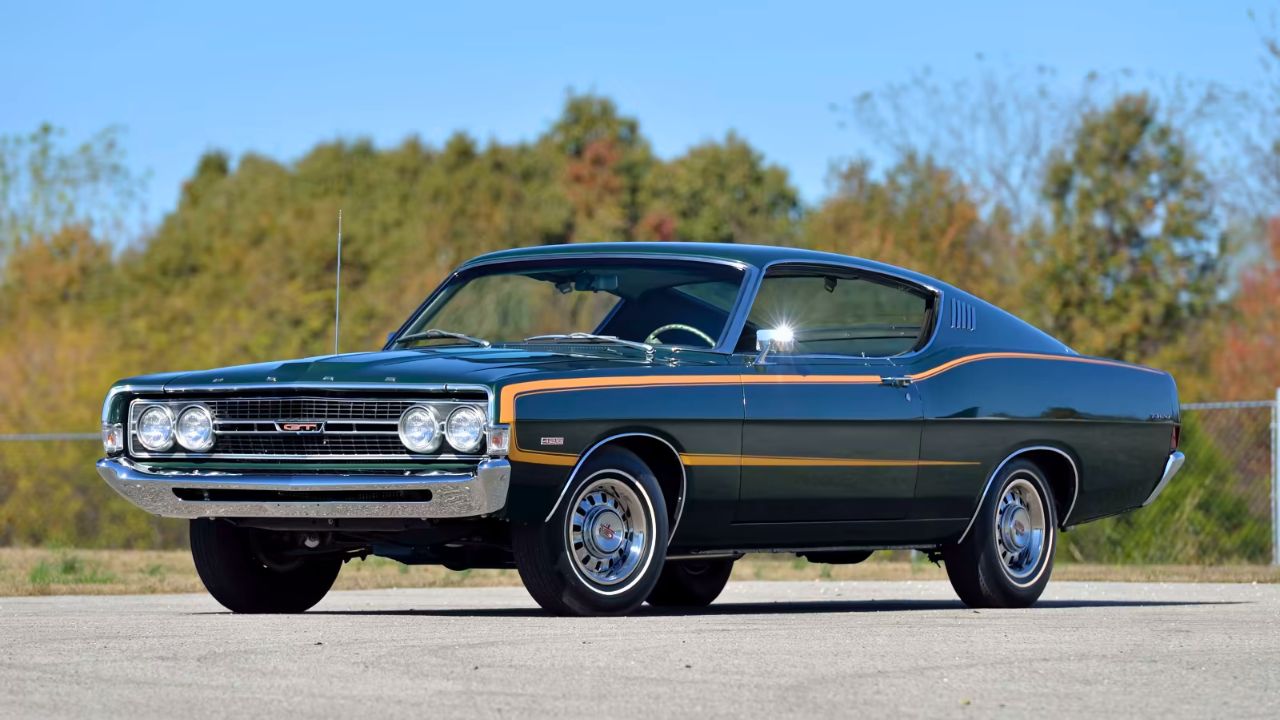
The Torino GT debuted in 1968 as a sporty take on the Ford Fairlane, priced at $2,747. It came standard with a 302-cubic-inch V8, making 210 horsepower and 300 lb-ft of torque. A 390-cubic-inch V8 option pushed 325 horsepower. Its unibody chassis used short/long arm front suspension for decent handling.
Ford sold 103,384 GTs in ’68, outpacing many rivals. A six-week UAW strike forced a temporary 289-cubic-inch V8 swap, cutting costs but confusing buyers. Its fastback styling and V8-only lineup made it a muscle car contender, yet it stayed in the Mustang’s shadow.
NASCAR Dominance
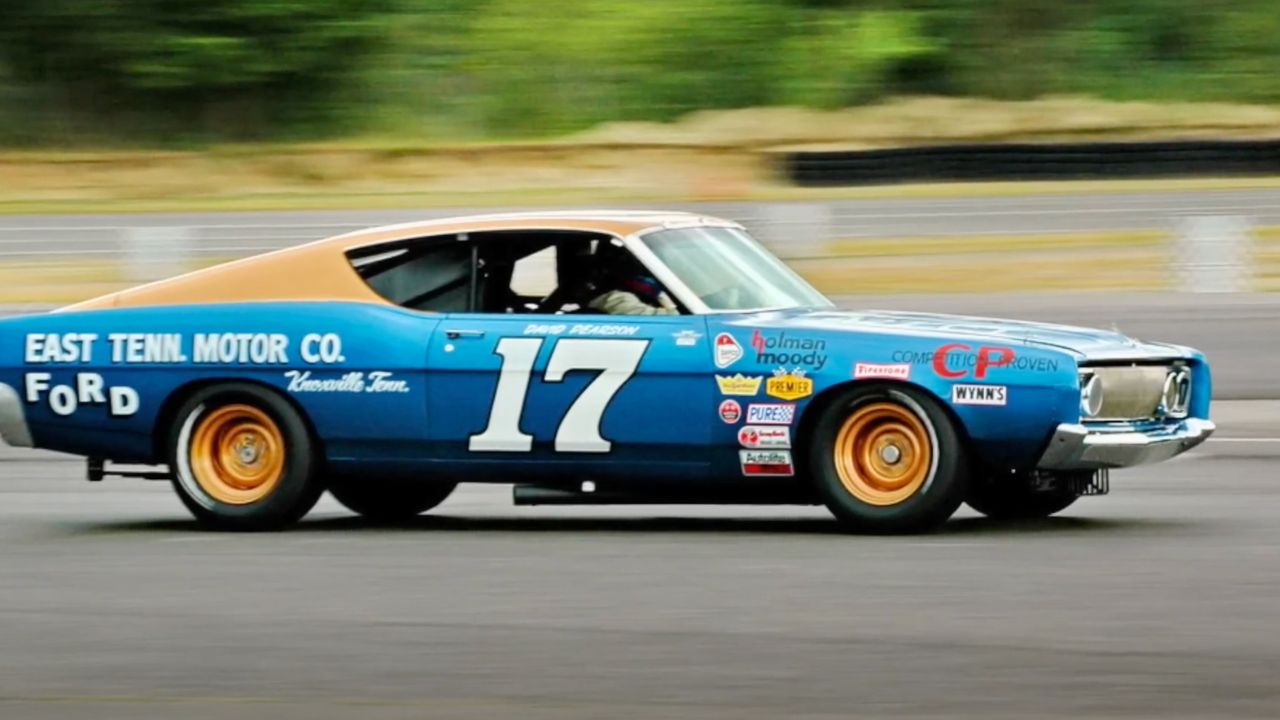
The Torino GT’s slippery fastback design made it a NASCAR star, winning the 1968 championship with David Pearson. Its 428-cubic-inch Cobra Jet V8, rated at 335 horsepower but closer to 410, hit 0-60 in 6.4 seconds and the quarter-mile in 14.9 seconds at 94 mph.
Ford built 754 Talladega specials for homologation, priced around $3,000, with a lowered stance and aero tweaks. These cars won 29 races, pushing Dodge to counter with the Charger Daytona. The GT’s racing pedigree was undeniable, yet it rarely got credit outside racing circles.
Big-Block Power Options
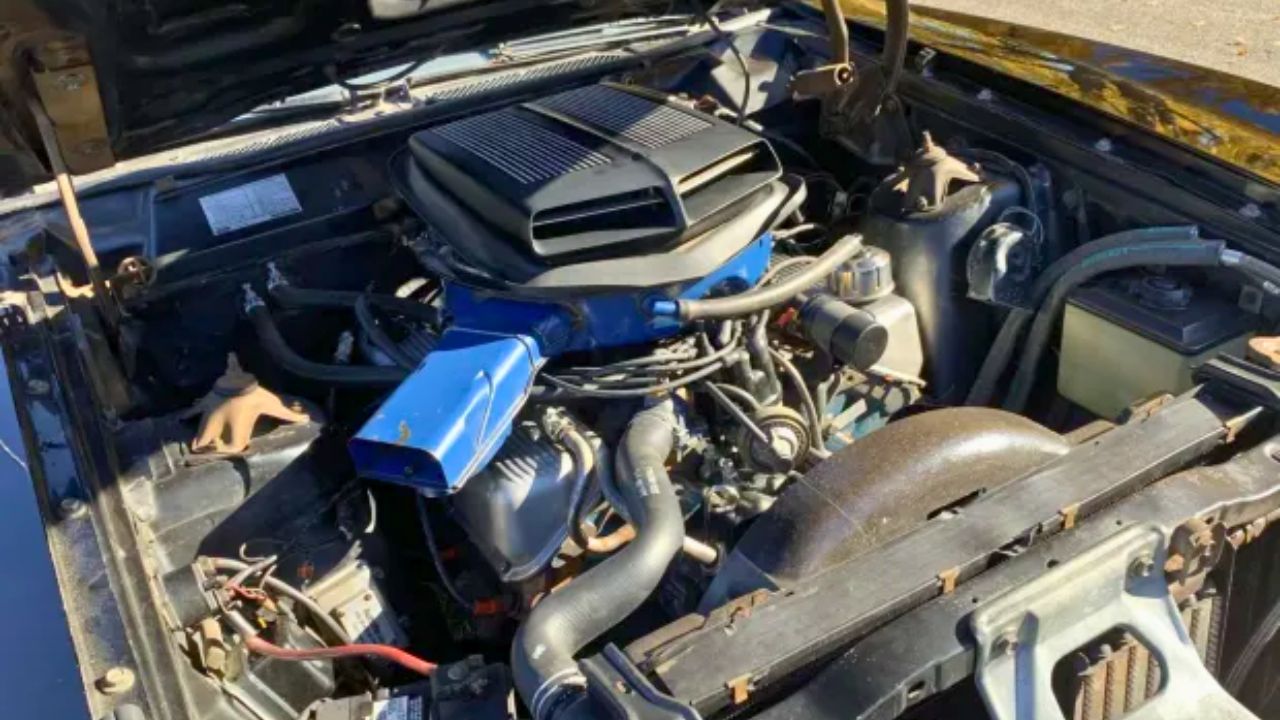
The Torino GT offered serious muscle with optional 390 and 428 Cobra Jet V8s. The 428, with 440 lb-ft of torque, powered the 1970 GT to 0-60 in 6 seconds. The rare 429 Super Cobra Jet, introduced in 1970, made 375 horsepower—likely closer to 440.
Priced at $3,100, the GT’s big-block options were affordable compared to competitors. Only 241 429-equipped GTs were built, making them ultra-rare. These engines gave the GT raw power that rivaled top muscle cars, but its reputation lagged behind flashier names.
Affordable Performance
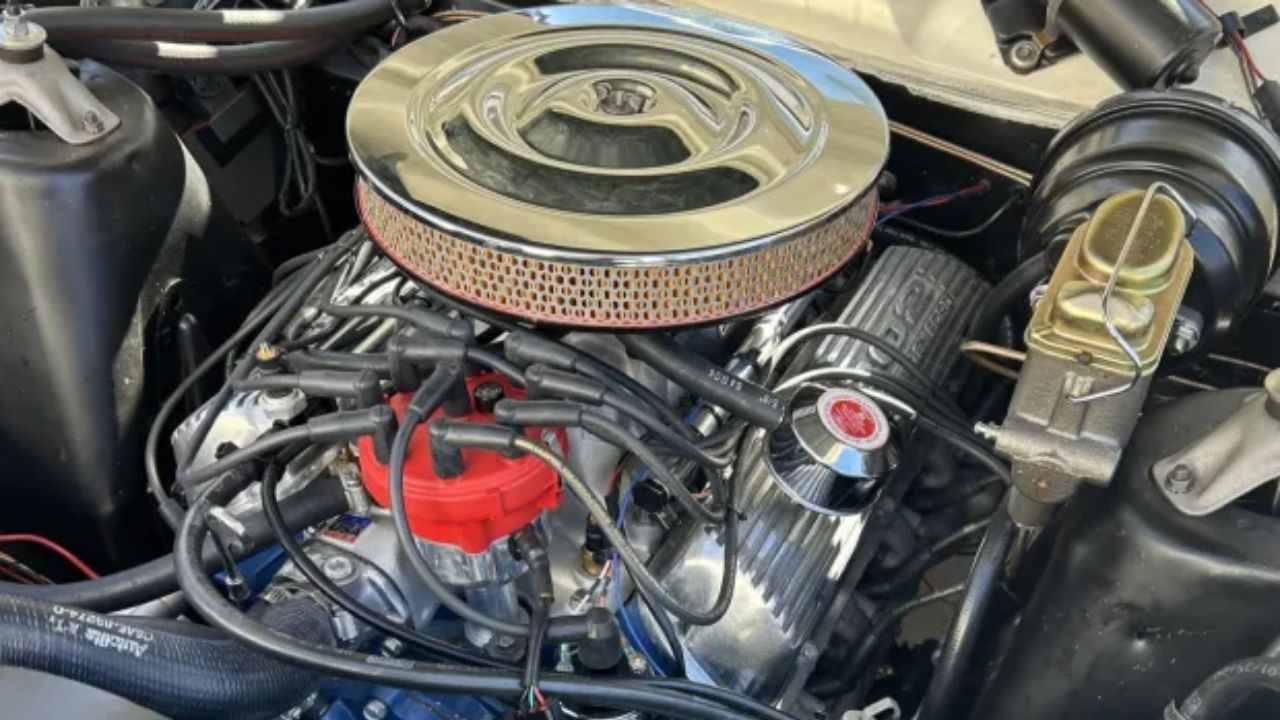
At $2,747 in 1968, the Torino GT delivered V8 power for less than a Mustang GT. Its base 302 V8 offered 210 horsepower, while the 390-cubic-inch option hit 325. A four-speed manual or Cruise-O-Matic automatic gave flexibility. The GT’s 3,600-pound curb weight kept it nimble.
Ford sold 74,135 fastback GTs in ’68, proving demand. Its price and performance combo beat many rivals, but the Mustang’s hype stole the spotlight. Buyers got a practical yetF, but the GT’s value went unnoticed.
Sleek Fastback Styling
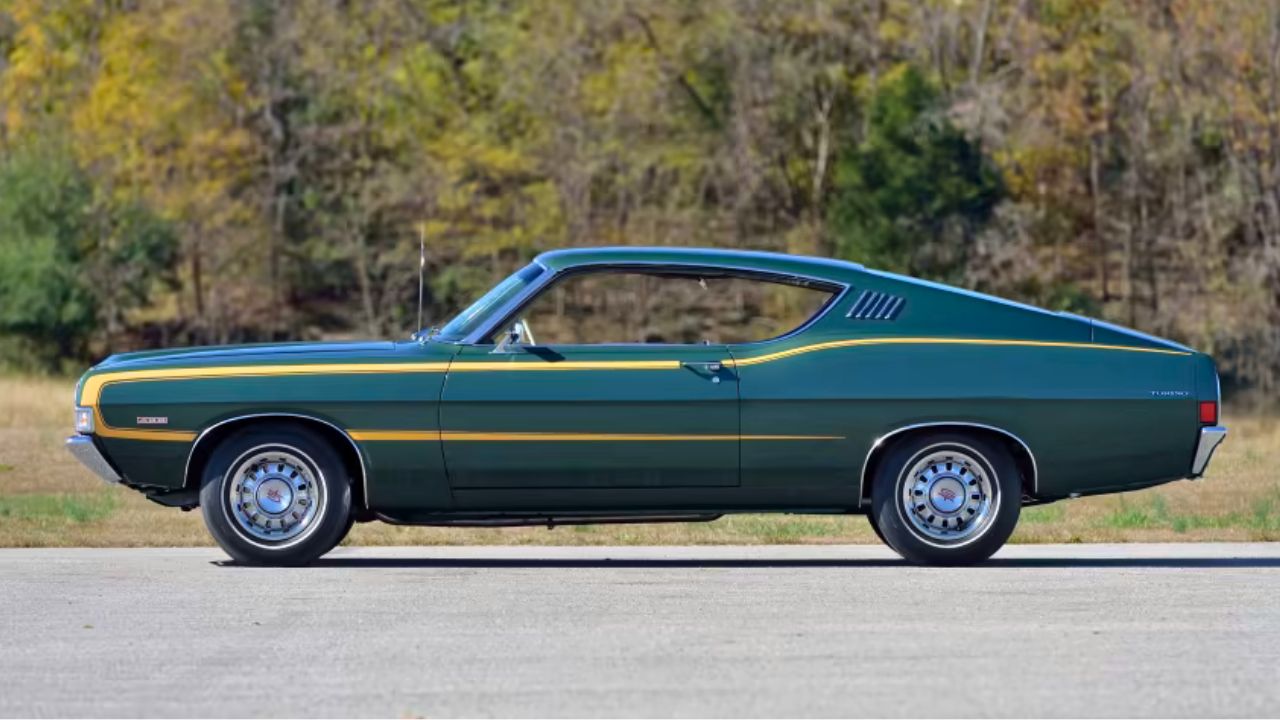
The Torino GT’s fastback roofline, introduced in 1968, echoed the Mustang but with a sharper angle. Priced at $2,747, it included special trim, wheel covers, and optional laser stripes. The SportsRoof fastback weighed 3,600 pounds and rode on E78-14 tires.
Its aggressive look turned heads, and 74,135 fastbacks sold in ’68. The design helped it dominate NASCAR, but its style was often overlooked next to the Charger’s curves. The GT’s clean lines deserved more love from buyers.
Rare Convertible Option
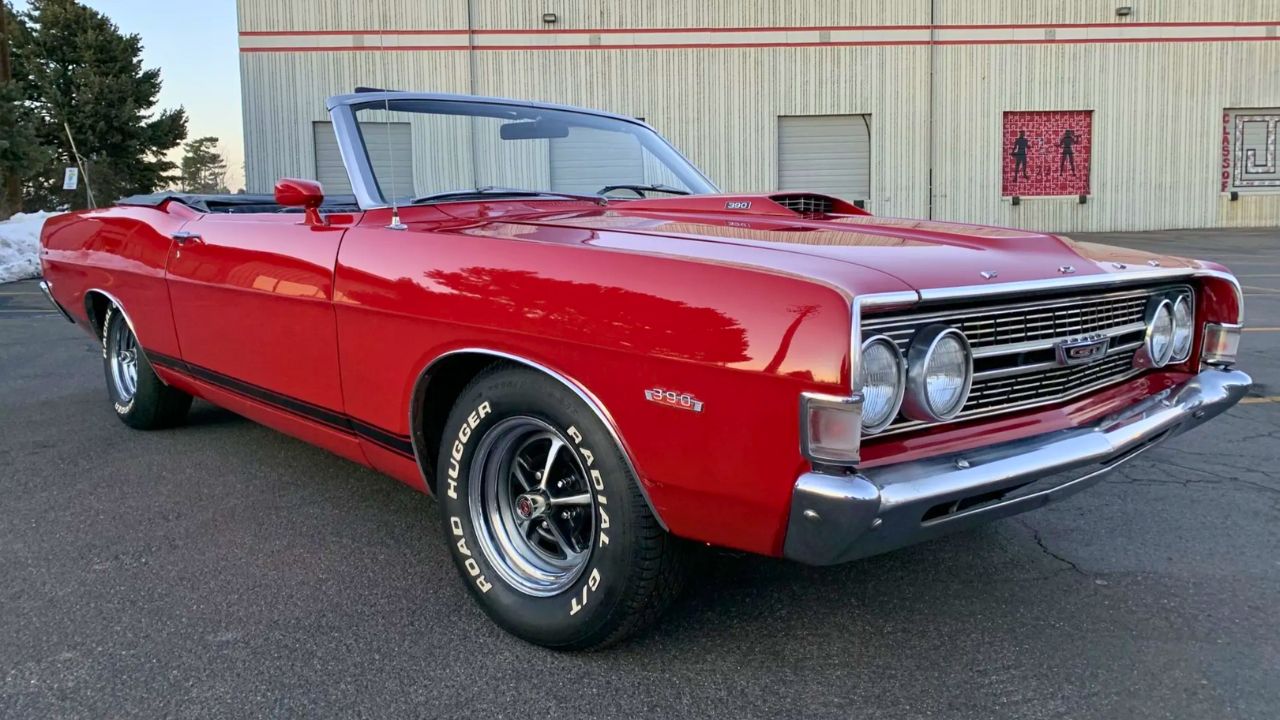
The 1968 Torino GT convertible, priced at $3,000, was a rare beast, with only 5,317 built. It shared the 302 V8 base engine, with 210 horsepower, and offered a 428 Cobra Jet option for 335 horsepower. A four-speed manual was available for spirited driving.
Its open-top style added flair, but low production kept it obscure. Convertibles now fetch $35,000-plus at auction, reflecting their rarity. The GT convertible’s blend of power and open-air cruising was a hidden gem.
Underrated Handling
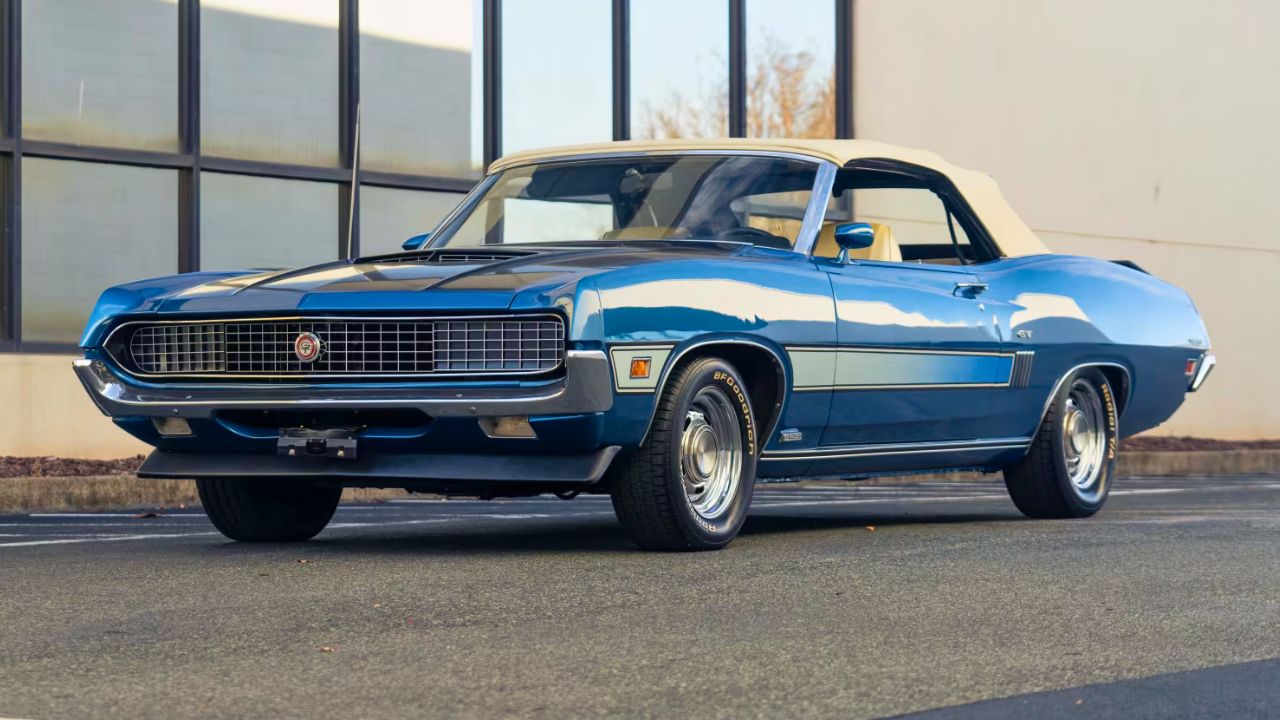
The Torino GT’s handling package, costing $100 extra, included heavy-duty springs, shocks, and a beefy front sway bar. With a 116-inch wheelbase and 3,600-pound weight, it cornered better than expected for a midsize car. The 428 Cobra Jet models got even stiffer suspension.
Car Life clocked a 390-equipped GT at 7.7 seconds to 60 mph and 15.8 seconds in the quarter-mile. Its balance was praised, but the Mustang’s nimbleness got more attention. The GT’s chassis was a quiet overachiever.
Cobra Jet Legacy
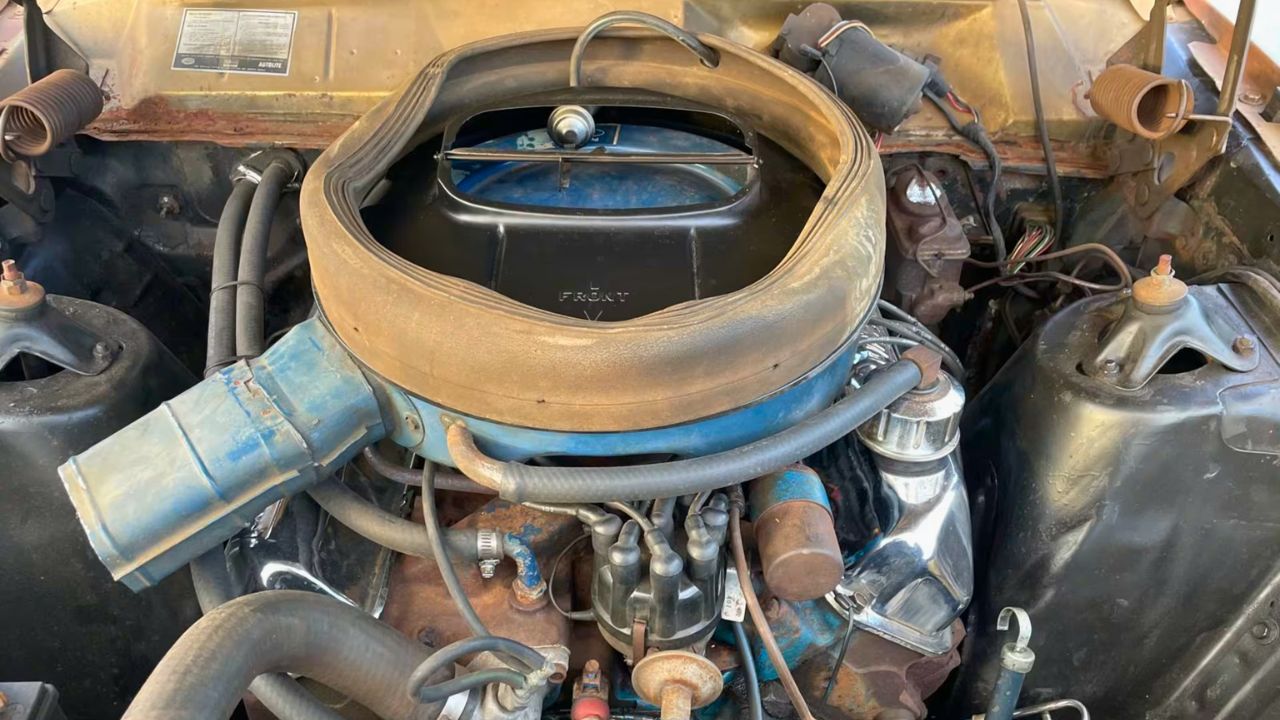
Introduced in 1968, the 428 Cobra Jet V8, priced at $3,200 with the GT, delivered 335 horsepower and 440 lb-ft of torque. Car and Driver recorded a 14.2-second quarter-mile at 98.9 mph with Ram Air. Only 25,614 Cobra GTs were built from 1969-1971.
The Cobra Jet’s underrated power—closer to 410 horsepower—made it a drag-strip terror. Its dual exhaust and cooling upgrades added reliability. Despite its performance, it was overshadowed by GM’s big-blocks, leaving the GT underappreciated.
Cultural Impact
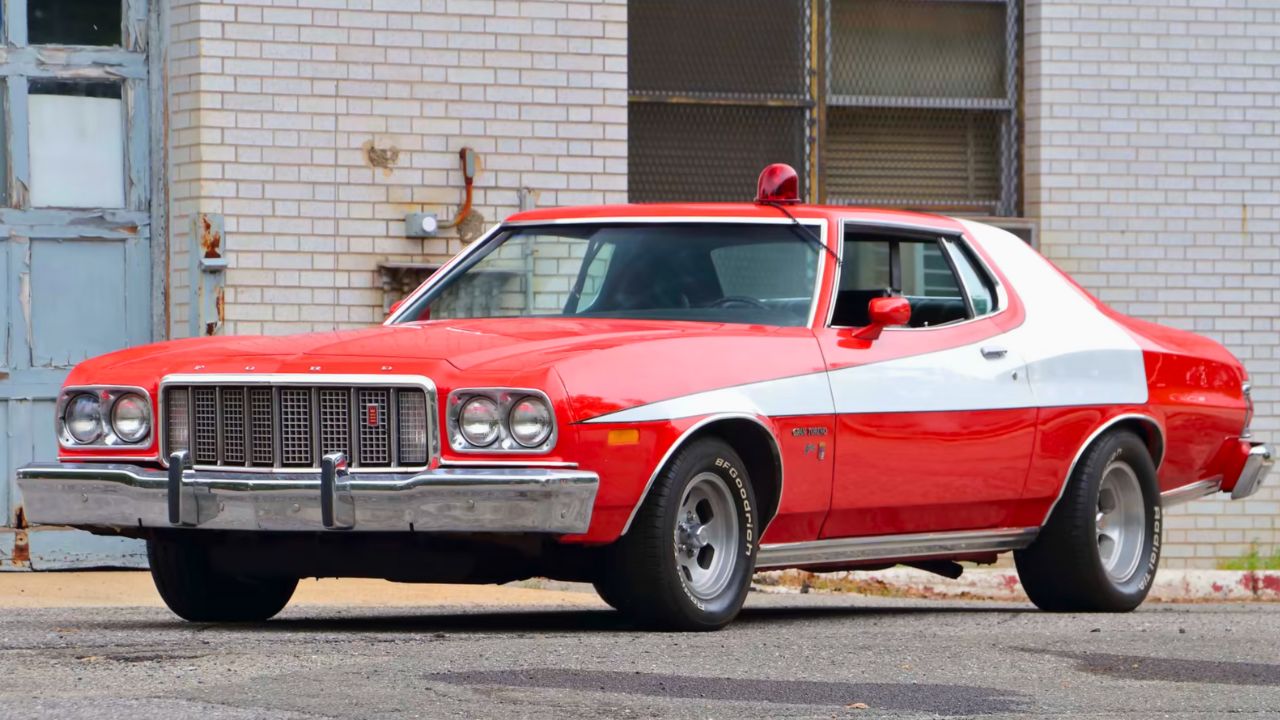
The Torino GT starred in Starsky & Hutch as the iconic red-and-white 1974 Gran Torino, priced at $3,500. Its 351-cubic-inch V8 made 248 horsepower, hitting 0-60 in 6.9 seconds. The show’s popularity boosted the car’s fame, but not its muscle cred.
Over 350,000 GTs were sold from 1968-1971, yet its TV role defined it more than its performance. Collectors now pay $20,000-$50,000 for clean examples, but its cultural legacy outshone its raw power.
Rare Special Editions
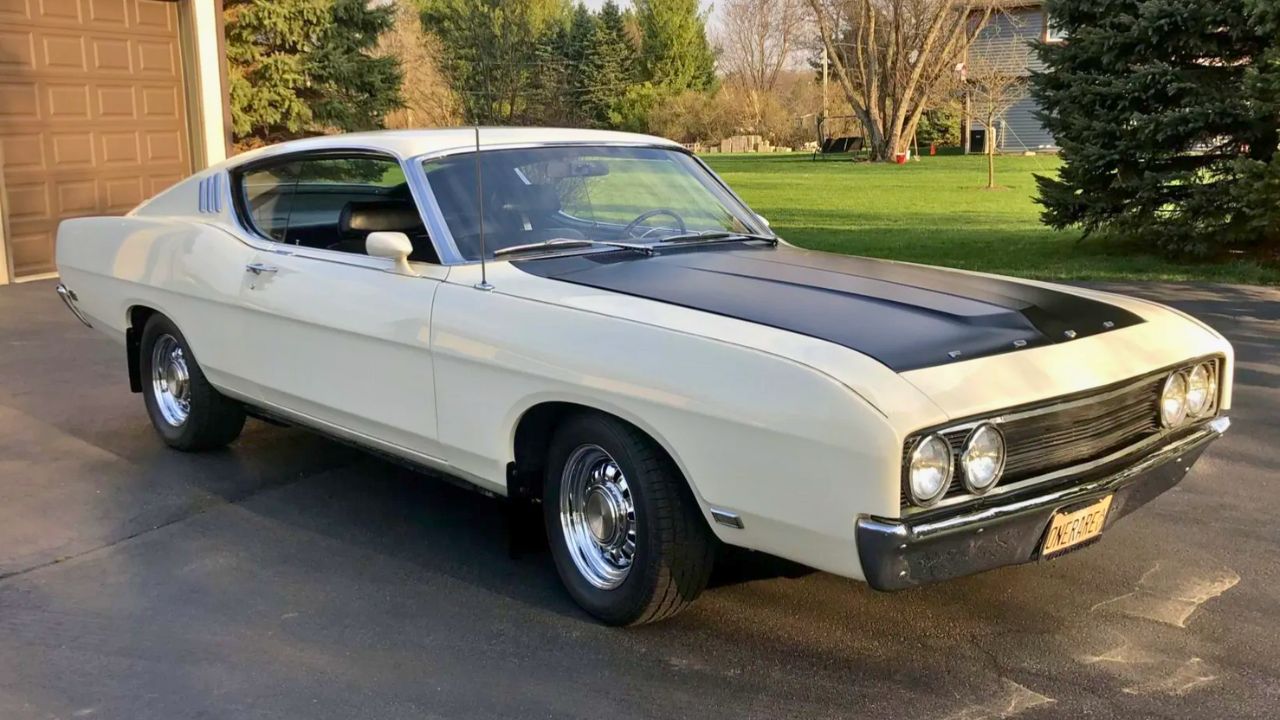
The 1969 Torino Talladega, priced at $3,000, was a NASCAR homologation special with a 428 Cobra Jet V8 and 335 horsepower. Only 754 were made, with a 3.25:1 rear axle and aero tweaks. The 1970 Type N/W, with 429 V8s, was even rarer.
These editions, like the 90 Twister models, had drag-ready features like locking differentials. Their low production—241 for the 429 Super Cobra Jet—made them collector gold, fetching $120,000 in concours condition, yet they’re still under the radar.
Like Fast Lane Only’s content? Be sure to follow us.
Here’s more from us:



Leave a Reply