
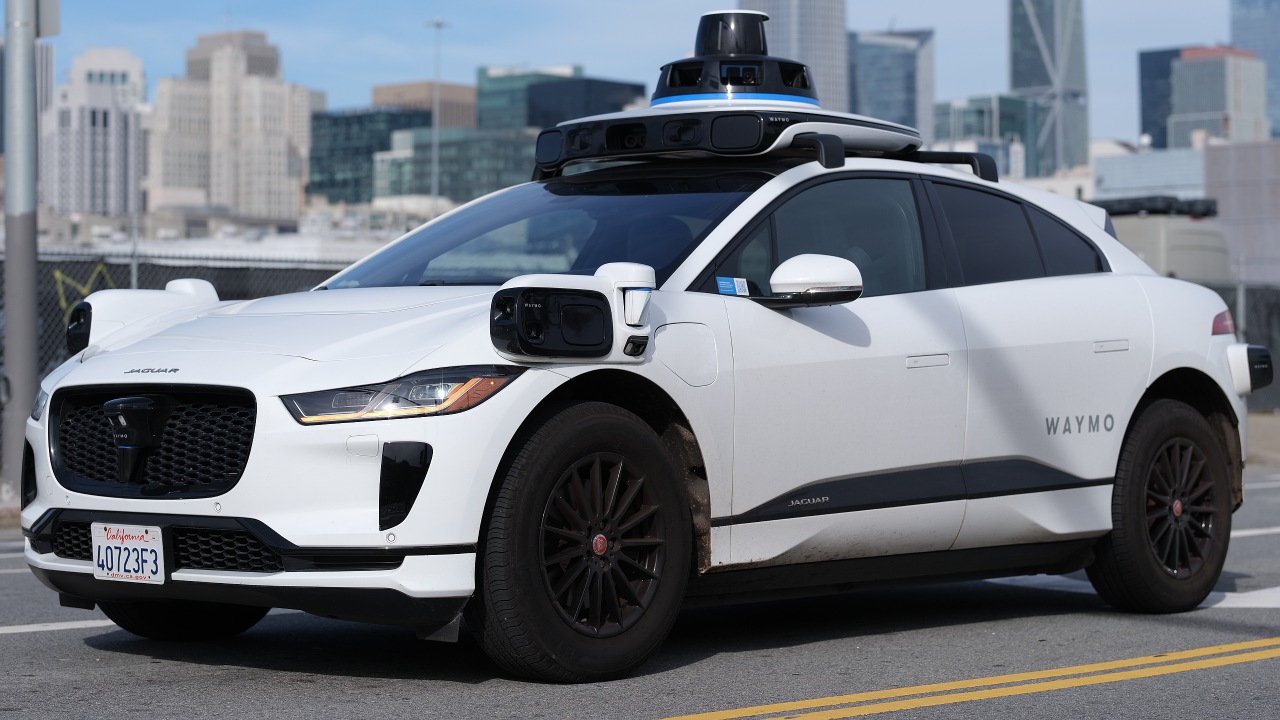
In San Francisco, a routine rush to the maternity ward turned into a world first when a woman delivered her baby in the back of a driverless Waymo robotaxi. What began as a hurried ride to the hospital ended with a newborn arriving before the vehicle could reach its destination, turning the autonomous car into an improvised birthing room and a test case for how self-driving systems handle true life-or-death surprises.
The birth, described by the company as a rare occurrence, has quickly become a touchstone in the debate over how ready robotaxis are for mainstream use. I see it as a vivid stress test of both the technology and the human systems wrapped around it, from remote support staff to emergency responders, and a glimpse of how everyday life is starting to collide with autonomous mobility in unpredictable ways.
The frantic ride that became a first-of-its-kind delivery
The woman at the center of the story was already in labor when she used the Waymo app to request a ride to a hospital in San Francisco. What she expected was a quick, hands-off trip across the city, but her contractions accelerated so rapidly that the baby arrived before the robotaxi could complete the journey. Reporting on the incident describes the Waymo vehicle effectively becoming an unexpected birthing suite mid route, with the San Francisco woman delivering her child in the back seat while the car continued its programmed path toward medical care. One detailed account notes that the mother’s journey began as a standard ride-hail request and ended with the San Francisco Waymo serving as the setting for a historic first birth inside a self-driving car, a moment that turned a routine urban trip into a milestone for autonomous transport.
From the company’s perspective, the event was extraordinary enough to be labeled a rare occurrence, a phrase that underscores how far outside normal operating expectations this scenario sits. The pregnant passenger had called the driverless Waymo car specifically to get to a hospital, but the timing of labor meant the delivery happened on the way, not at the destination, and the company later acknowledged the unusual nature of a baby arriving in the backseat of a robotaxi. Coverage of the case emphasizes that people giving birth in cars is not new, yet doing so in a vehicle with no human driver is a new twist that instantly raises questions about how autonomous fleets should anticipate and respond to such emergencies.
How Waymo’s systems reacted to “unusual activity”
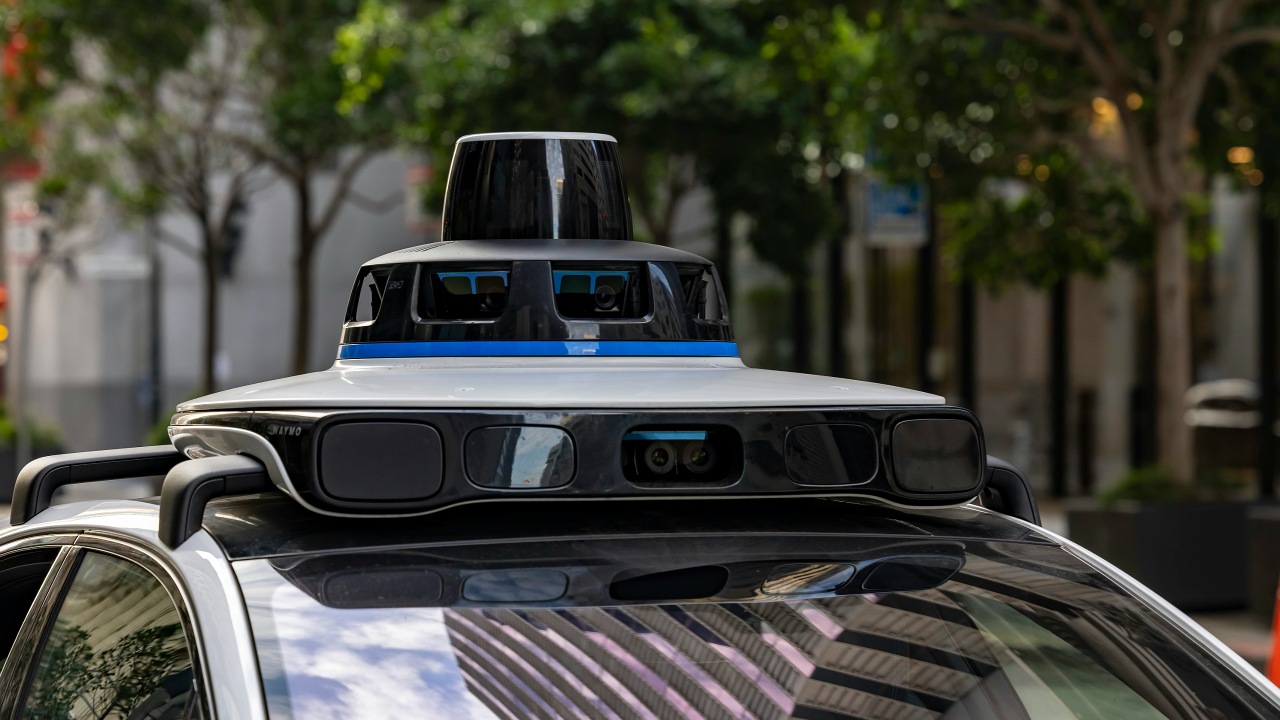
What makes this birth more than a human-interest story is the way the robotaxi’s systems detected and escalated the situation. According to the company’s account, the Waymo vehicle flagged what it described as unusual activity inside the car while the woman was in labor. That triggered involvement from its remote rider support team, which is designed to step in when something inside the vehicle falls outside normal ride patterns. In this case, the detection of unusual activity in the San Francisco Waymo prompted staff to contact the passenger, assess what was happening, and coordinate next steps as the medical emergency unfolded in real time.
Waymo has said that the pregnant woman’s call for a ride and the subsequent in-vehicle birth led it to review how its systems handle rare, high-stakes events. The company noted the unusual delivery in internal discussions and indicated it was implementing changes to address what it had learned from the incident, including how remote support responds when a rider’s condition deteriorates mid trip. One report on the backseat birth explains that the robotaxi’s detection of unusual activity and the follow up from remote staff were central to getting first responders to the scene, and the company has framed the episode as a learning moment for refining its response protocols for unusual circumstances inside its autonomous cars.
Emergency response, safety protocols, and a “rare occurrence”
From a public safety standpoint, the most important part of the story is what happened after the baby arrived. The woman was still en route to a hospital when she delivered, so emergency services had to meet the vehicle rather than wait at the emergency room doors. Accounts of the incident describe first responders reaching the robotaxi after the birth and helping the mother and newborn out of the car so they could be transferred to full medical care. The company has characterized the entire episode, from the initial ride request to the moment first responders made it out to the vehicle, as a rare occurrence that nonetheless tested how well its systems can support riders in crisis.
Waymo has also highlighted that its remote rider support team stayed engaged with the passenger while the birth unfolded, working to keep her calm and coordinate with emergency services. One analysis of the event notes that the company is now breaking down the Waymo birth to refine its response protocols for unusual circumstances, including medical emergencies that develop mid journey. That review reportedly covers how quickly unusual activity is detected, how remote staff triage the situation, and how efficiently they can route information to paramedics so that a driverless car does not become a dead end in an emergency but instead a bridge to professional care.
What a robotaxi birth reveals about everyday autonomy
For all the drama of a baby arriving in a driverless car, the incident also illustrates how normalized autonomous vehicles have become in parts of San Francisco. The woman did not summon a Waymo as a stunt, she used it as an everyday way to get to the hospital, the same way someone else might tap a ride-hailing app for a human-driven Toyota Camry or Honda CR-V. One report on the San Francisco woman who delivered mid journey underscores that the ride began as a standard trip in a Waymo vehicle, not a special test or demonstration, which suggests that for some residents, robotaxis are now just another transportation option when the stakes are highest.
At the same time, the birth exposes the limits of designing autonomous systems primarily around routine trips. People have been giving birth in cars for as long as cars have existed, but as one commentary on the case points out, doing so in a car without a human driver is a new twist that forces companies to think differently about edge cases. A human driver can pull over, call 911, or even assist directly, while a robotaxi must rely on sensors, software, and remote staff to recognize that a medical emergency is underway. The fact that Waymo detected unusual activity and engaged its support team shows that some of that thinking is already built in, yet the company’s own description of the event as a rare occurrence and its decision to implement changes afterward make clear that the systems are still evolving to match the messy unpredictability of real life.
The future of trust in driverless rides after a backseat birth
Trust in autonomous vehicles is built one ride at a time, and a birth in the backseat of a driverless Waymo car is the kind of story that can either rattle or reassure potential riders. On one hand, the idea of going into labor in a car with no human at the wheel may unsettle people who already worry about ceding control to software. On the other, the fact that the San Francisco Waymo detected unusual activity, that remote staff engaged with the passenger, and that first responders ultimately met the vehicle and got mother and baby out safely can be read as evidence that the system did not simply ignore a crisis unfolding inside its cabin. Coverage that describes the company’s internal review and its commitment to refining response protocols suggests that Waymo is treating the birth as a serious test of its safety culture rather than a quirky anecdote.
I see this episode as a preview of the kinds of unpredictable human events autonomous fleets will increasingly have to handle as they move from pilot projects to everyday infrastructure. The woman’s decision to rely on a driverless Waymo car on the way to a hospital, the vehicle’s detection of unusual activity, and the company’s description of the birth as a rare occurrence all point to a future where robotaxis are expected to cope not just with traffic and weather but with the full range of human emergencies that can unfold in any moving vehicle. As more people use autonomous services for everything from late night commutes to urgent medical trips, the systems that support those rides will be judged not only on how smoothly they navigate city streets but on how well they respond when life refuses to follow the script.





Leave a Reply