In the heat of the late ’60s and early ’70s, American carmakers were locked in a power race, cranking out showroom-ready machines that could outrun traffic—and sometimes the rulebook. From NASCAR’s straitjacket on aero specials to safety and emissions agencies pulling the plug, a handful of these cars found themselves built for speed one day and outlawed the next.
This list digs into ten of those high‑performance models—cars with big‑block engines, specialized suspension, and cockpit bits meant for serious driving—each of which got barred from their intended arena. We’ll look at what made them tick on paper and track, and why they ended up on the banned list.
1969 Dodge Charger Daytona

Under the hood sat a 7.2 L Hemi V8 making 425 hp and 490 lb‑ft of torque, bolted to a four‑speed manual or TorqueFlite automatic. The 2,300‑lb steel shell wore an extended nosecone and a 23‑inch rear wing to cut drag and boost downforce—good for over 200 mph on long straights.
After just one NASCAR season, officials outlawed the aero bits, citing an “unfair advantage.” That meant the Daytona never defended its title, but those composite nose panels and high‑mount wing remain icons of function‑first design.
1970 Plymouth Superbird
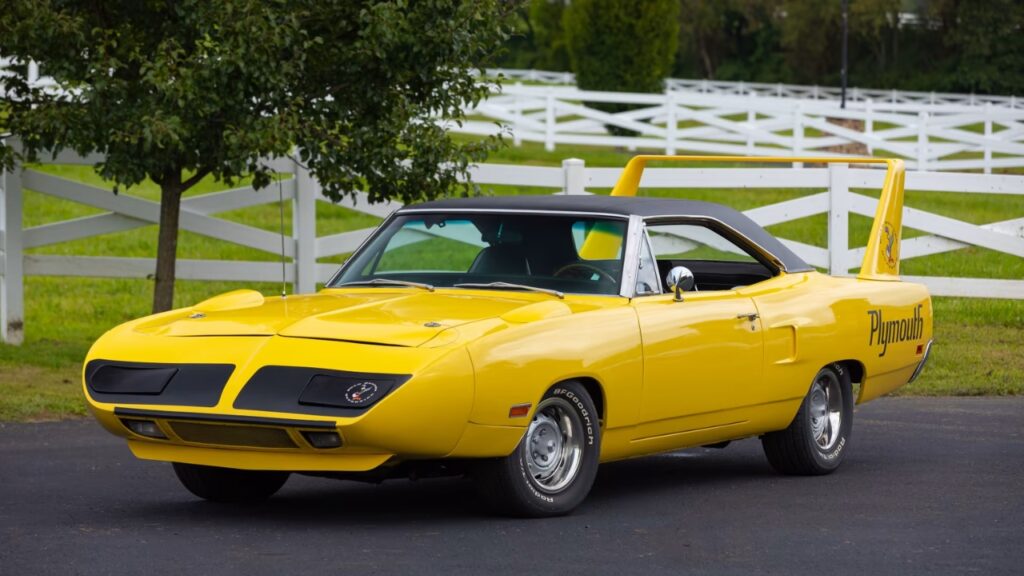
Plymouth applied Charger Daytona tricks to the Road Runner, fitting a 426 Hemi or 440 Super Commando V8 under a tall snub‑nose hood scoop. With 425 hp on tap and a 3.23:1 rear gear, it hit 0–60 in under 6 seconds and topped out near 200 mph.
Its 18‑inch rear wing and extended fiberglass nose gave it stability at speed. NASCAR banned the aero package for the 1971 season, making the Superbird a one‑year homologation special—only about 1,935 rolled out, all in safety orange or white.
1968 Ford Torino Talladega
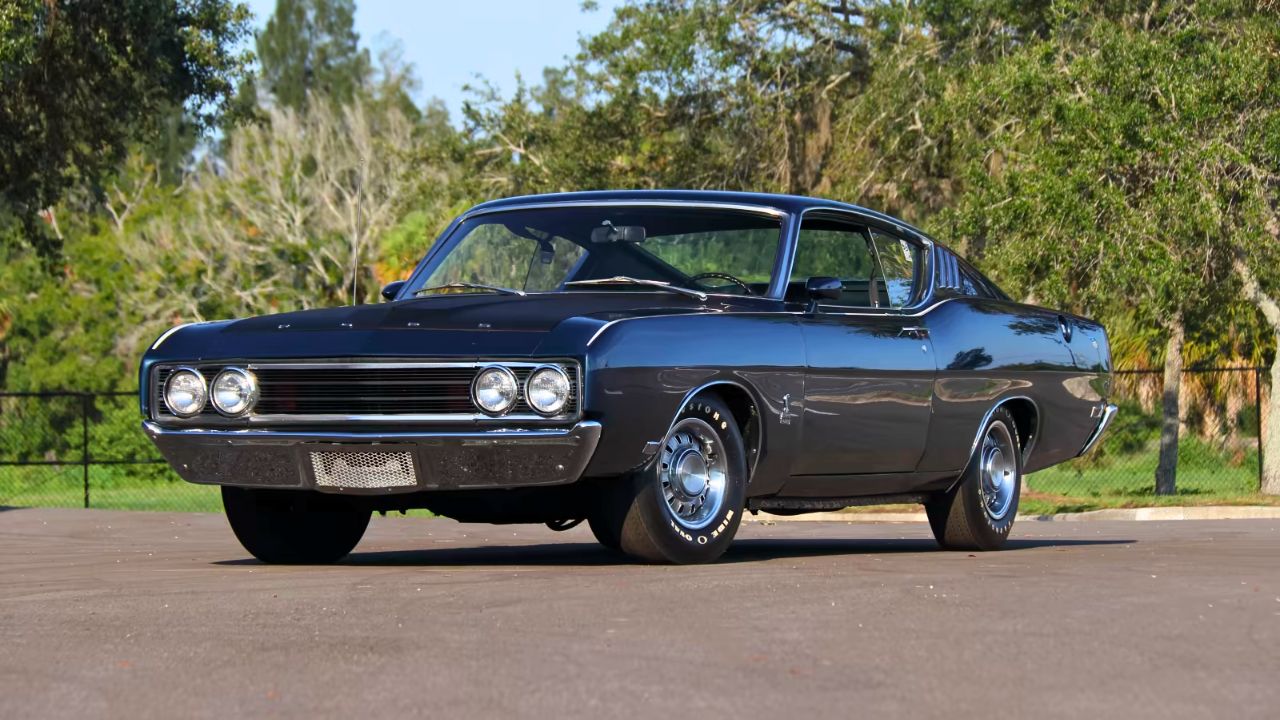
Built to beat the Chrysler challengers, the Talladega stuffed a 7.0 L 428 CJ V8 (360 hp) into a stretched fastback body with a flush grille. It wore revised sheetmetal, an extended nose, and a rocker panel fairing to slice through air at Talladega Superspeedway.
Factory‑tuned suspension—heavy‑duty springs, stiffer front stabilizer, and ladder‑frame reinforcements—kept it composed at 190 mph. NASCAR swiftly tightened rules on body modifications, effectively sidelining the Talladega after ’68 and ushering in the Daytona/Superbird era.
1969 Mercury Cyclone Spoiler II
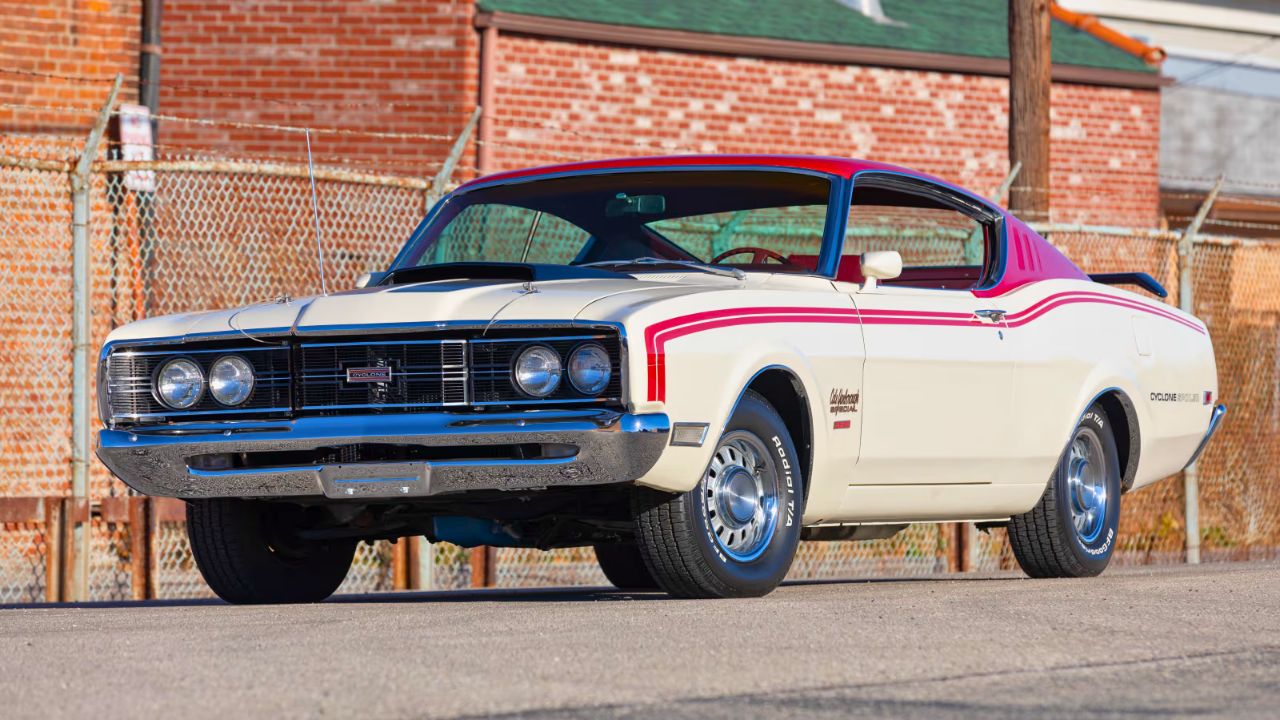
Mercury’s response to the Torino was the Spoiler II, which rode on a shortened 7.9 ft wheelbase and wore a low‑drag fiberglass nose plus a tall rear wing. It ran the same 428 CJ V8 (335 hp) and four‑speed manual as the Torino, but shed nearly 200 lbs over the standard Cyclone.
After its first event, NASCAR deemed the composite nose illegal, claiming it didn’t meet “stock” body rules. Mercury pulled the plug, and just 130 Spoiler II coupes exist, making them some of the rarest banned racers in history.
1965 Ford Fairlane Thunderbolt

Ford built 100 Thunderbolts for NHRA Super Stock competition, swapping in a 7.0 L 427 FE V8 with dual four‑barrel carbs for about 425 hp. It rode on a lightened Fairlane chassis with flip‑front hood, front torsion‑bars, and a solid rear axle with traction bars.
NHRA quickly reclassified the Thunderbolt out of Super Stock into a more restrictive class, effectively banning it from its intended category. Today, the surviving 100 cars are prized reminders of a factory‑backed drag effort shut down by rulemakers.
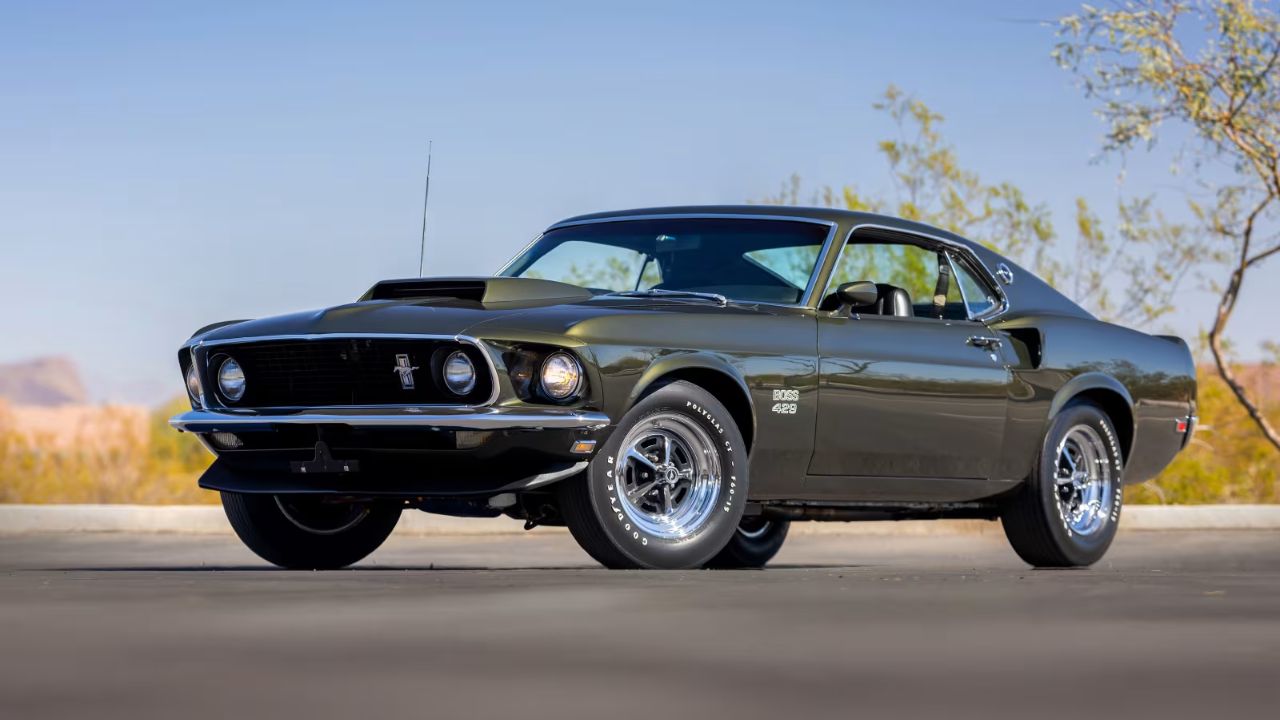
1969 Ford Mustang Boss 429

To homologate the new 429 V8 for NASCAR, Ford built 859 Boss 429 Mustangs, each punching out 375 hp via a semi‑hemi heads package. The big‑block required extended front fenders, a canted control‑arm suspension, and a reinforced K‑frame to handle the torque.
NASCAR later changed its homologation criteria, barring the semi‑production chassis tubes that strengthened the Boss 429. That left the Mustang out of the Cup series, despite its straight‑line pace and heavy‑duty brakes designed to rein in the power.
1969 Mercury Cougar Eliminator King Cobra
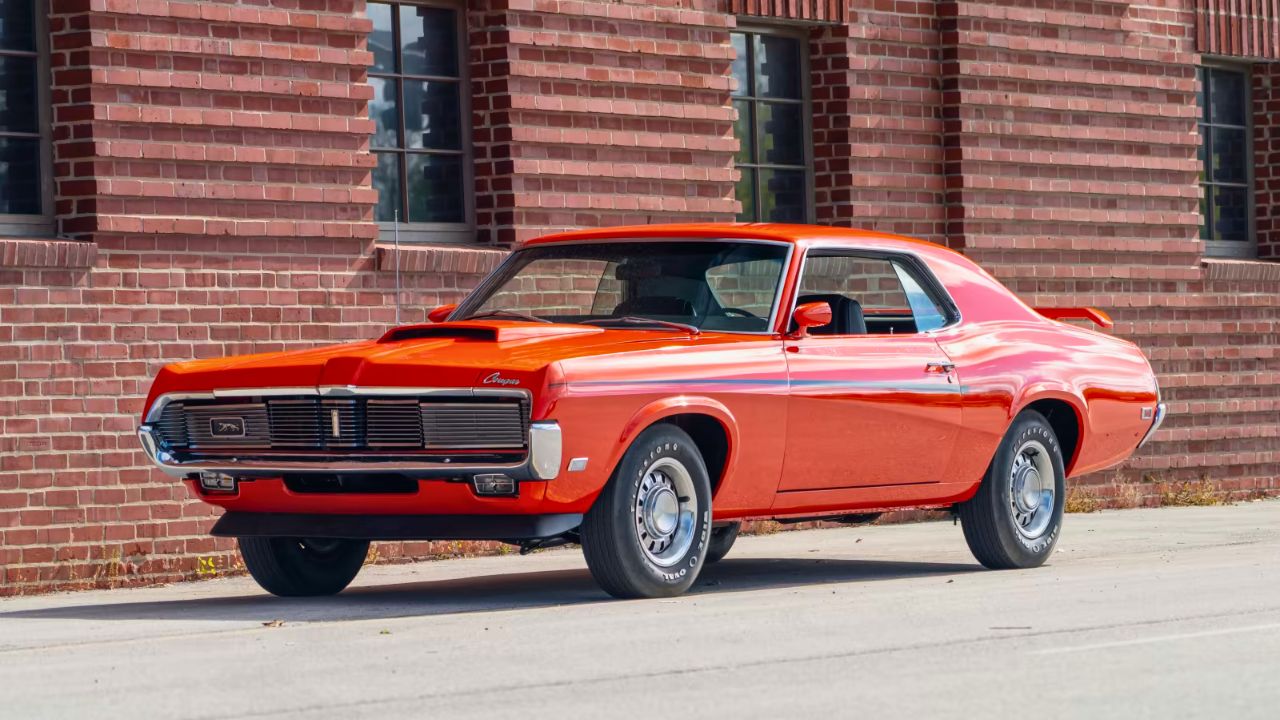
Mercury planned a 100‑unit King Cobra version of the Cougar Eliminator for NASCAR, fitting a 429 CJ with prototype hood and wing. They built 57 before NASCAR disallowed the design—claiming the fiberglass nose was a non‑stock modification.
Those half‑dozen remainder cars ended up as engineering mules or low‑key dealer ads, never raced in full spec. The handful of surviving King Cobras are reminders of a factory project that hit the track rules wall before it ever saw green.
1968 Chrysler Turbine Car
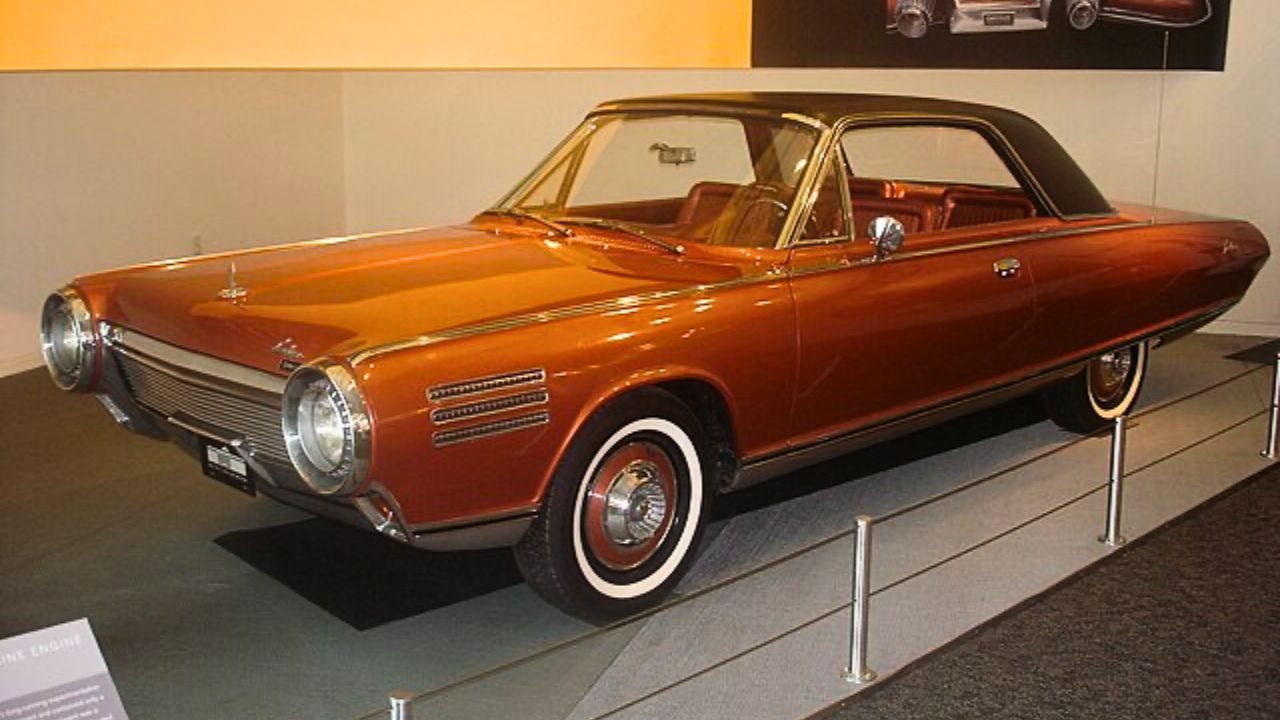
Chrysler’s turbine experiment gave 50 test cars a 2.5 L turbine engine producing 130 hp and 425 lb‑ft of torque. It used a simple two‑speed automatic and rode on a TorqueFlite platform reinforced for heat. No traditional cooling system was needed—just a catalytic exhaust that ran clean.
After public trials, the EPA and DOT raised noise and emissions objections, and Chrysler recalled and crushed nearly all examples in 1971. Only nine survived for museums—the rest were banned from the road and destroyed.
1971 Plymouth Hemi Cuda Convertible

Plymouth built just 12 Hemi Cuda convertibles in 1971, each with the 426 Hemi V8 and four‑speed manual. With no factory production line for drop‑tops, they were hand‑assembled from hardtop shells, featuring welded‑in roll bars and beefed‑up X‑member bracing.
NHRA outlawed convertibles in Super Stock, so the Hemi Cuda rag‑tops couldn’t race in their class. Collectors prize them now, but back then they were essentially a street‑only oddity barred from the very drag strips they were built to conquer.
1997 GM EV1 (Lease-Only)
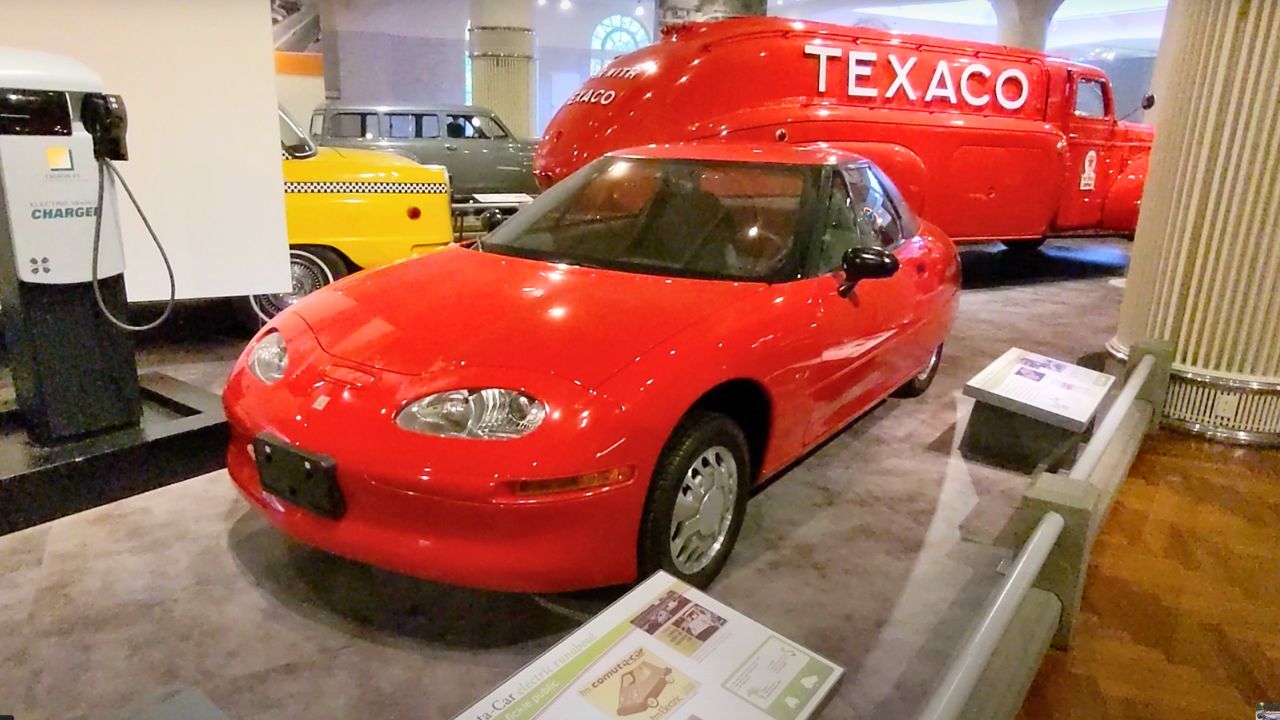
General Motors’ EV1 was the first mass‑produced electric car of the modern era, packing a 137 hp electric motor and lead‑acid or NiMH batteries for a 70–100 mile range. Its MacPherson strut front and multi‑link rear suspension delivered surprising poise for an EV of its time.
GM pulled the plug in 2002, repossessing and crushing over 1,000 leased units. Regulatory shifts and lack of charging infrastructure sealed its fate—the EV1 was effectively banned from private ownership, disappearing from roads and collector circles alike.
*This article was hand crafted with AI-powered tools and has been car-fully, I mean carefully, reviewed by our editors.