Europe’s muscle car story runs a bit counter to the U.S. script. Instead of full‑blown V8 monsters rolling off Detroit lines, you got a handful of European makers quietly fitting big engines into sleek grand tourers and rally‑bred coupes. Some of these cars were built to conquer Autobahns or dominate Group 4, but they never officially landed in American showrooms.
That meant you heard about them in magazines, saw photos in brochures, or caught a glimpse at a local import meet—but you couldn’t just walk into a dealer and drive one home. Whether it was homologation specials or limited‑run coach built coupes, these machines carried serious hardware. Up next are ten European muscle cars that never made the U.S. market yet still earned their stripes overseas. Buckle up.
Lancia 037 Stradale

Built for Group B rally, the 037 Stradale packed a 2.0 L supercharged four‑cylinder making 205 hp and 184 lb‑ft of torque. The tubular steel chassis was wrapped in lightweight fiberglass bodywork, keeping dry weight around 2,200 lbs. Front suspension used MacPherson struts with coil springs, while the rear featured a multi‑link setup—engineered for tarmac stages.
Inside, the cabin was bare‑bones: tubular door panels, a flat aluminum dash, and Sparco bucket seats with a four‑point harness. The single center gauge cluster monitored oil pressure, water temp, and boost. With only 204 road‑legal units built, the 037 never reached U.S. showrooms, but it remains a high‑octane legend overseas.
Audi Sport Quattro

Audi’s Sport Quattro slimmed down the standard model into a 7.4 ft shorter wheelbase, boosting rigidity and agility. Under the hood sat a 2.1 L five‑cylinder turbo pumping out 306 hp and 295 lb‑ft, sent through a five‑speed manual and quattro all‑wheel drive. Upgraded intercoolers and a water‑cooler oil system kept temps in check during hard pulls.
The interior added Recaro seats, a flat‑bottomed steering wheel, and an aluminum‑face gauge pod angled toward the driver. Heavy‑duty dampers and widened Hella‑equipped fenders signaled serious intent. Only 224 Sport Quattros were built—none ever officially imported—making them rare trophies on European roads.
Ford RS200
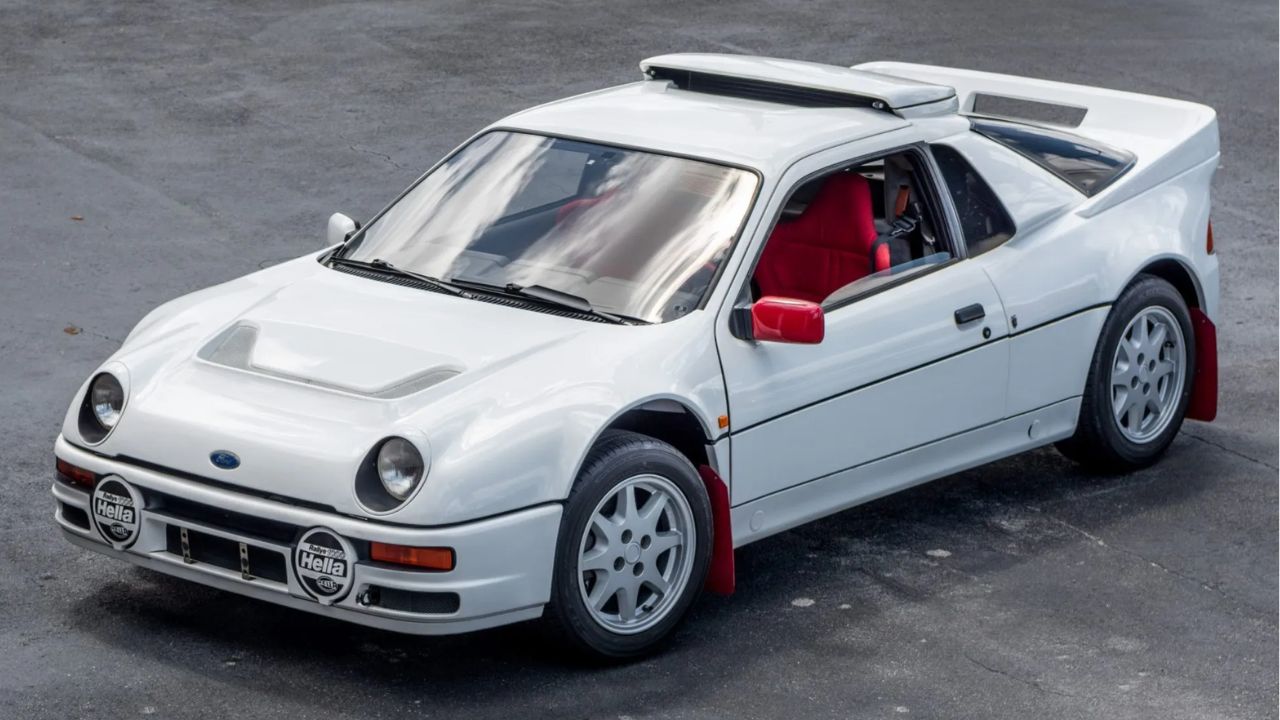
Developed in the mid‑’80s for Group B, the RS200 used a 1.8 L Cosworth turbo four‑cylinder rated at 250 hp in road spec. The space‑frame chassis supported a mid‑mounted engine and permanent four‑wheel drive. Independent double‑wishbone suspension all around gave it balanced handling, whether on gravel or asphalt.
Inside, the dash was simple molded plastic, centered around a digital boost gauge and oil‑temp readout. Bucket seats were trimmed in cloth with harness points. Just 200 street versions were made to meet homologation, and none officially crossed the Atlantic—so enthusiasts had to chase grey‑market imports to sample its rally pedigree.
MG Metro 6R4

The Metro 6R4 swapped the original Metro’s transverse engine for a mid‑mounted 3.0 L naturally aspirated V6 making 410 hp at 9,000 rpm. With its steel space‑frame and composite body panels, curb weight stayed under 2,300 lbs. Double‑wishbone suspension and coil‑over dampers gave razor‑sharp turn‑in on tight rally stages.
Inside, you found spartan Rally seats, a minimal roll‑cage‑style dashboard, and quick‑release steering wheel. A center‑mounted boost gauge and oil temp readout were all you needed. Just 200 street‑legal cars rolled out, none in U.S. dealerships, but they remain coveted for their raw, high‑revving character.
Vauxhall Lotus Carlton

Underneath the sober sedan body lurked a 3.6 L twin‑turbo inline‑six making 377 hp and 419 lb‑ft. All that muscle fed through a six‑speed Getrag manual and a limited‑slip differential. To handle it, Lotus fitted uprated springs, Bilstein dampers, and stiffer anti‑roll bars.
The interior matched Opel’s Executive trim: leather seats, wood veneer dash, and a digital instrument cluster. Lotus‑designed bucket seats and Momo wheel were factory‑installed options. Vauxhall sold around 950 units in Europe, but U.S. buyers had no official channel—making the Carlton a sleeper rarity abroad.
Alpina B7 Turbo (E12)

Alpina took BMW’s 3.5 L inline‑six and added a KKK turbo, lifting output to around 360 hp and 354 lb‑ft. The steel monocoque got strengthened subframes, while Alpina’s own suspension tune featured gas‑filled shocks, upgraded springs, and anti‑squat rear geometry for controlled launches.
Cabin upgrades included Alpina‑pinstriped leather seats, a bespoke wood‑veneer dash, and Alpina gauges showing boost and oil pressure. The five‑speed ZF gearbox was reinforced for torque. Despite strong performance—0–60 in 5.7 s—these bespoke sedans never reached U.S. dealers.
BMW 2002 Turbo
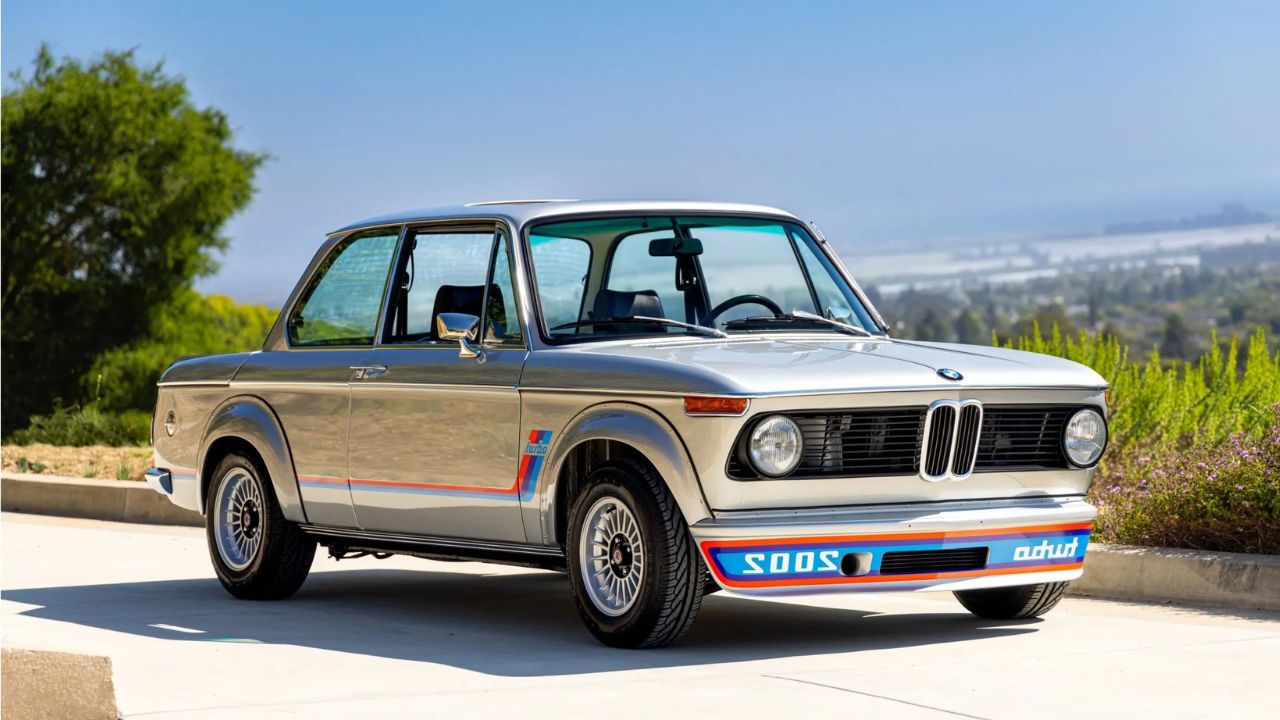
BMW’s 2002 Turbo swapped the carbureted 2.0 L inline‑four for a KKK‑charged version making 170 hp and 177 lb‑ft. With just over 2,300 lbs to haul, it hit 60 mph in 7.5 s. Suspension upgrades included stiffer front springs, reinforced control arms, and a thicker front anti‑roll bar.
Inside, you got sport seats trimmed in plaid, a body‑color steering wheel, and a boost gauge mounted above the dash. Despite initial plans, emissions regs scuttled U.S. sales. Only around 1,600 were built, making the 2002 Turbo a sought‑after legend in Europe.
Facel Vega HK500
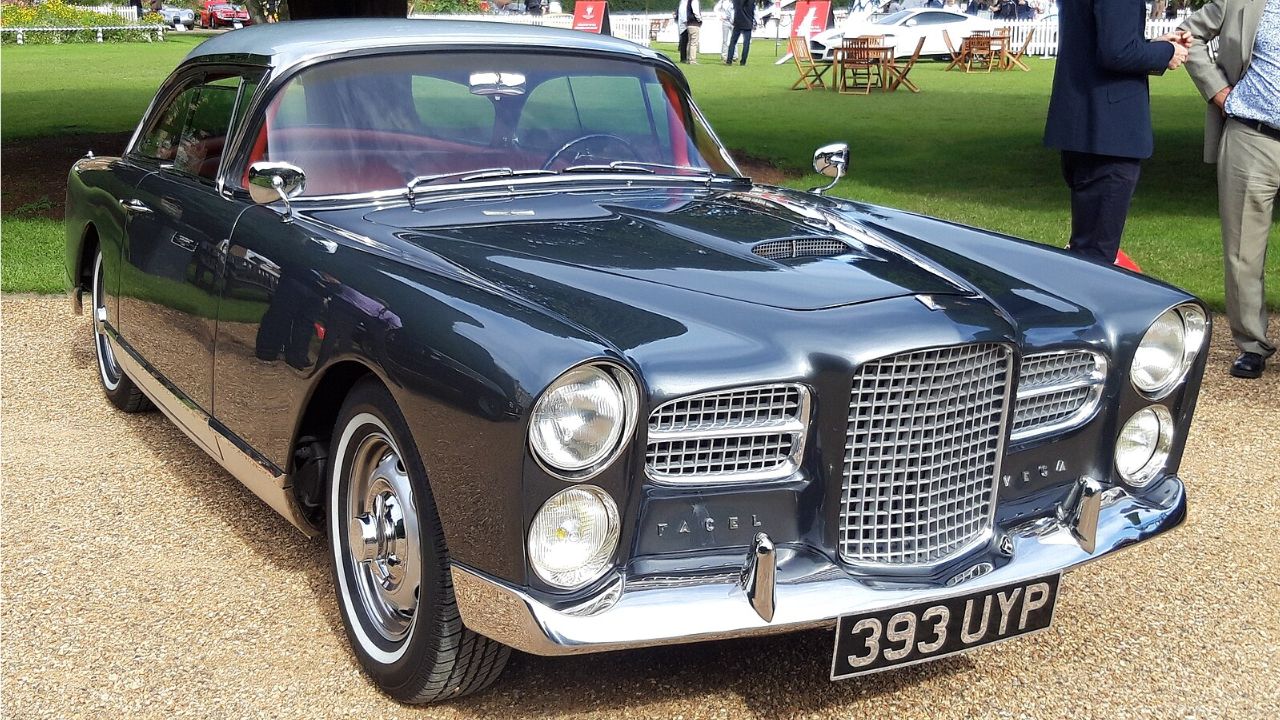
France’s Facel Vega HK500 ran a Chrysler 6.4 L Hemi V8 pumping out 360 hp. The steel‑and‑aluminum body rode on a ladder‑frame chassis with coil springs front and rear. Drum brakes were standard, but stopping power was adequate for its era thanks to wide tires.
The interior was luxury‑leaning: Connolly leather seats, walnut dashboard panels, and a full set of Smiths gauges. Air suspension option softened the ride. Just under 500 were built from 1958 to 1961, and none were officially sold in the U.S., making survivors rare.
Iso Rivolta Lele

Iso’s Lele coupe housed a Chevrolet 5.4 L small‑block V8 producing around 300 hp and 365 lb‑ft. Tubular steel chassis and independent front suspension kept weight down to 2,900 lbs. Rear multi‑leaf springs offered predictable handling on winding roads.
Inside, Lele featured Connolly leather, Electrolux carpeting, and a polished walnut dash with Moto Lita steering wheel. Ventilated disc brakes up front and drums out back provided enough stopping power. Only 285 units rolled out between 1969 and 1974, and none were officially offered stateside.
TVR Griffith 400

TVR’s Griffith 400 bolted a Ford 3.9 L Windsor V8 under a fiberglass body on a tubular frame, making roughly 220 hp. Independent double‑wishbone suspension up front with coil‑overs and a live rear axle kept it pinned in corners despite its lightweight design.
The cockpit was Spartan: vinyl‑trimmed bucket seats, a Moto Lita wood wheel, and a simple dash cluster with Veglia gauges. No radio or carpet was standard. Production from 1964 to 1967 tallied around 293 cars—all for Europe—so Americans had to look to grey imports if they wanted one.
*This article was hand crafted with AI-powered tools and has been car-fully, I mean carefully, reviewed by our editors.