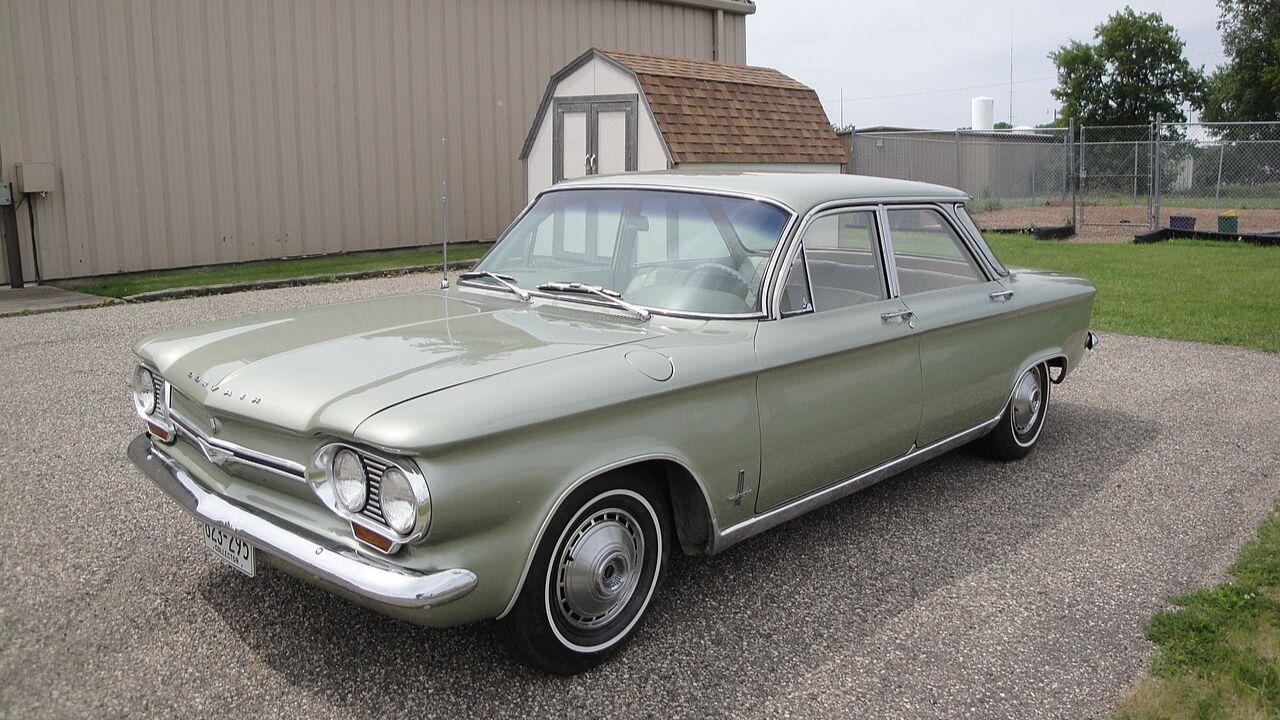
In the world of automotive innovation, not every groundbreaking vehicle succeeds in the market. Sometimes, designs that seemed destined for greatness fall short due to various reasons, from poor timing to marketing missteps. Here are ten automotive flops that had the potential to succeed but unfortunately didn’t make the mark.
DeLorean DMC-12
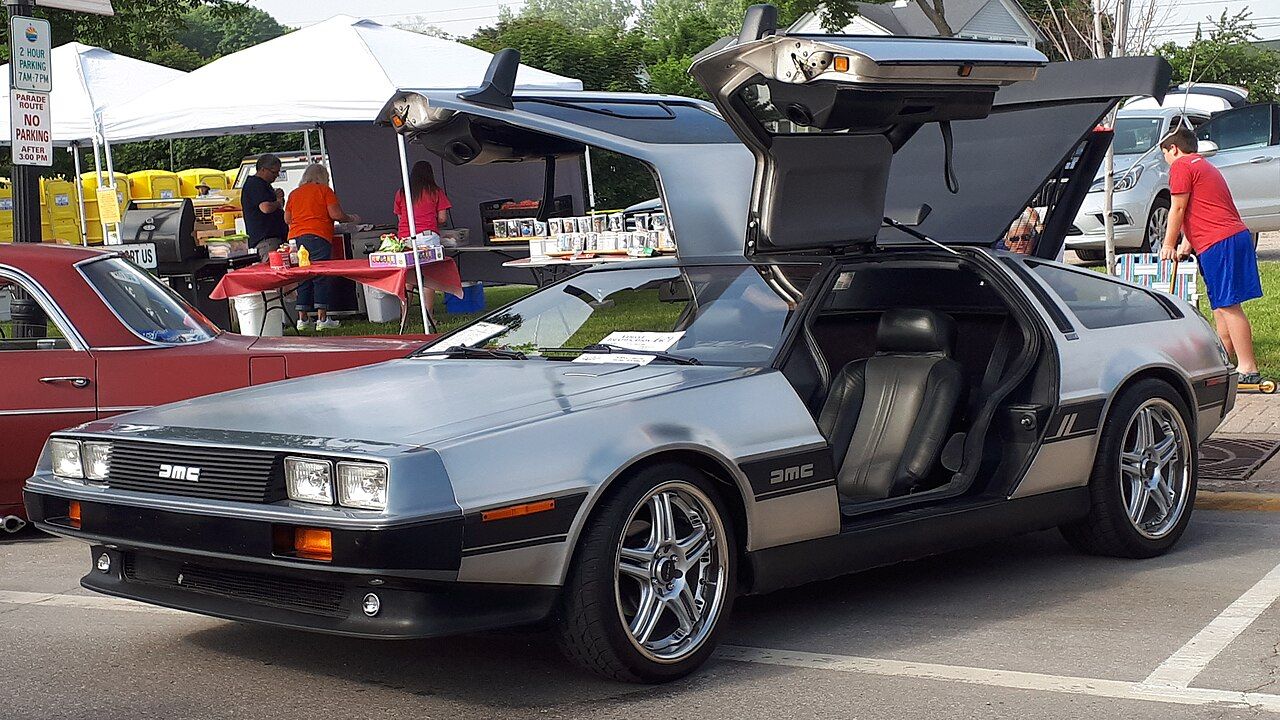
The DeLorean DMC-12 is often remembered more for its starring role in the “Back to the Future” movies than for its brief production run in the early 1980s. With its iconic gull-wing doors and stainless steel body, the DMC-12 was a unique sight on the road. However, production issues and a high price tag led to its downfall.
Despite its innovative design and pop culture fame, the DeLorean struggled with performance issues and lacked the engine power to match its futuristic appearance. If it had launched with a more reliable engine and at a more competitive price, the DMC-12 might have driven a very different path in automotive history.
Pontiac Aztek

The Pontiac Aztek often tops lists of the most controversial car designs, thanks to its polarizing aesthetics. Released in the early 2000s, the Aztek was intended to be a versatile SUV with a bold look that could attract a younger audience. Unfortunately, its design was met with widespread criticism.
Despite its aesthetic shortcomings, the Aztek was a practical vehicle with features like a camping package and a spacious interior. It was ahead of its time in terms of functionality, and with a more universally appealing design, it could have been a strong player in the SUV market.
Tucker 48
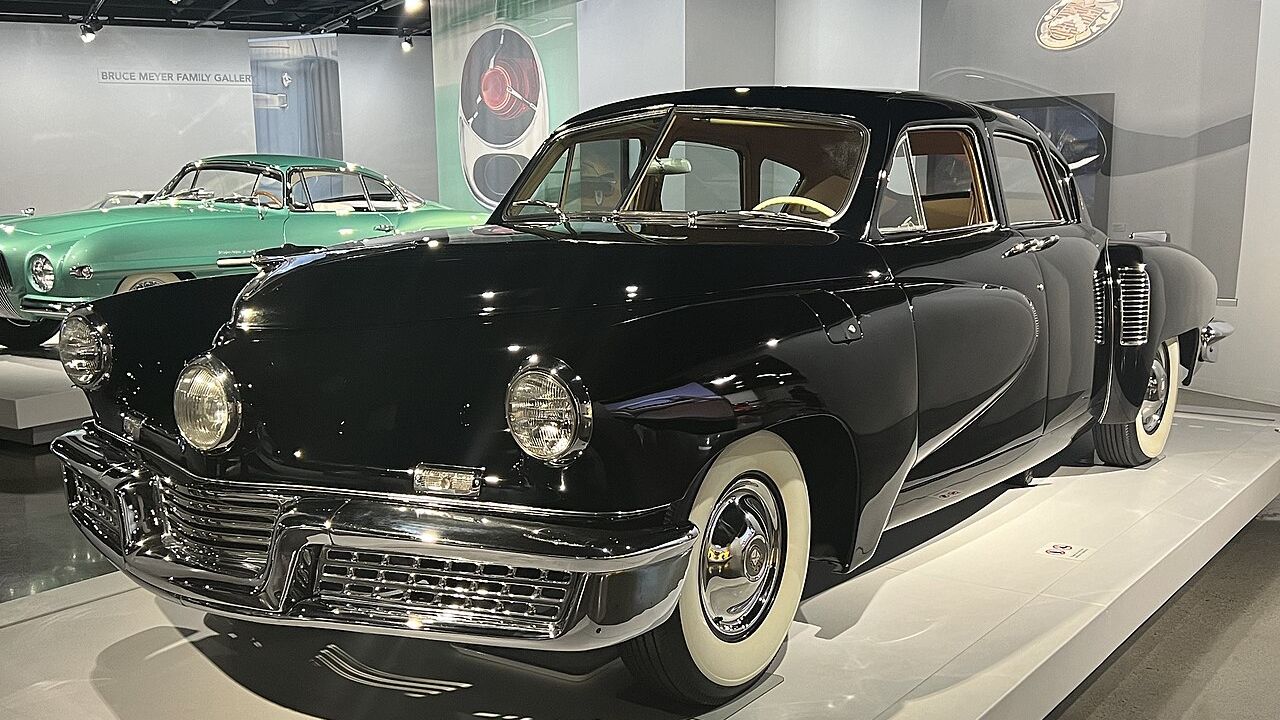
The Tucker 48, also known as the Tucker Torpedo, was an ambitious project by Preston Tucker in the late 1940s. It featured several innovative safety features, such as a third headlight that turned with the steering wheel and a padded dashboard. The design was futuristic and streamlined, capturing the imagination of many car enthusiasts.
Unfortunately, only 51 units were ever produced due to financial and legal challenges. The Tucker 48’s failure wasn’t due to its lack of innovation but rather a hostile business environment and powerful competitors who felt threatened by its advances. Had circumstances been different, the Tucker 48 might have set new standards in the automotive industry.
Ford Edsel
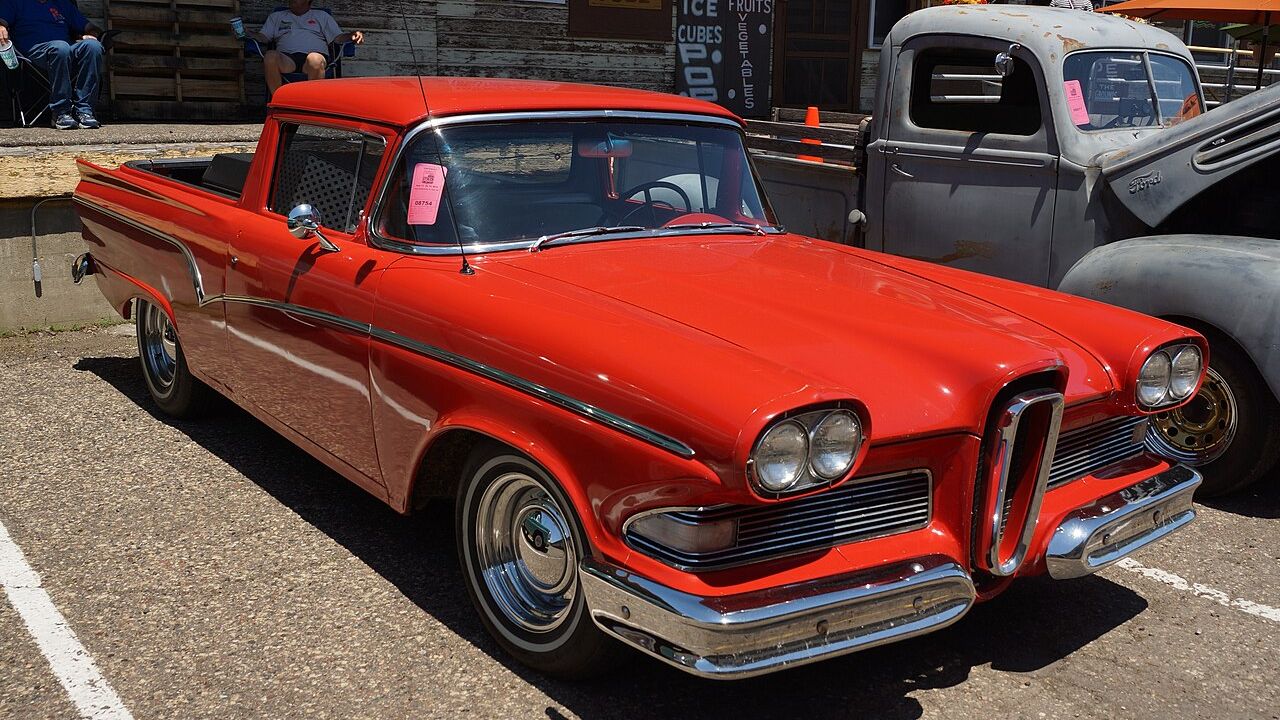
The Ford Edsel is often cited as one of the biggest failures in automotive history, launching in 1958 and lasting only until 1960. It was intended to fill a niche between Ford and Mercury models, but its launch was plagued by poor marketing decisions and economic recession.
Named after Edsel Ford, the car featured ambitious designs and advanced technology for its time, like the Teletouch transmission system. However, its high price and styling that didn’t resonate with consumers led to its quick demise. With better market research and timing, the Edsel might have found a loyal customer base.
Saab 9-5
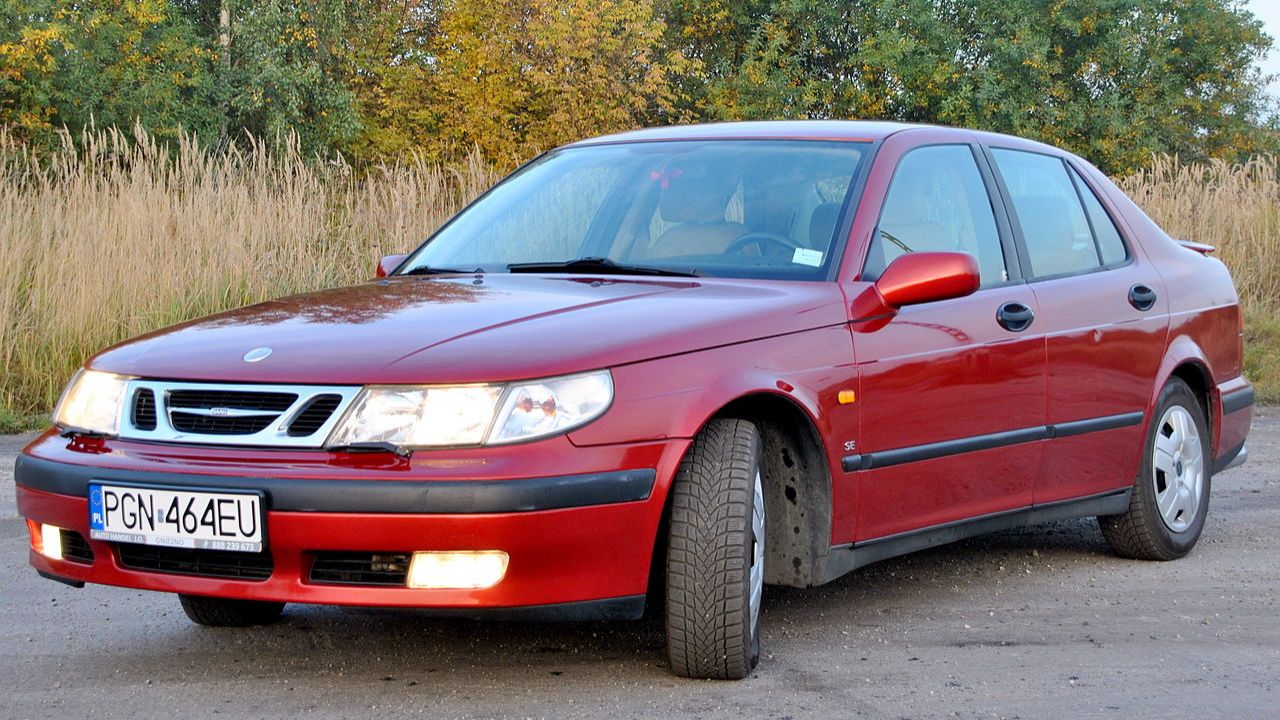
The Saab 9-5 was a luxury sedan that carried the torch for the Swedish automaker’s reputation for safety and innovation. Launched in the late 1990s, it offered a unique combination of performance and comfort, appealing to drivers looking for something different from the typical German sedans.
Despite its strengths, the 9-5 suffered from production delays and financial instability within Saab, leading to inconsistent quality and support. Had Saab been able to maintain stable operations, the 9-5 could have solidified its place as a contender in the luxury sedan market.
Chevrolet Corvair
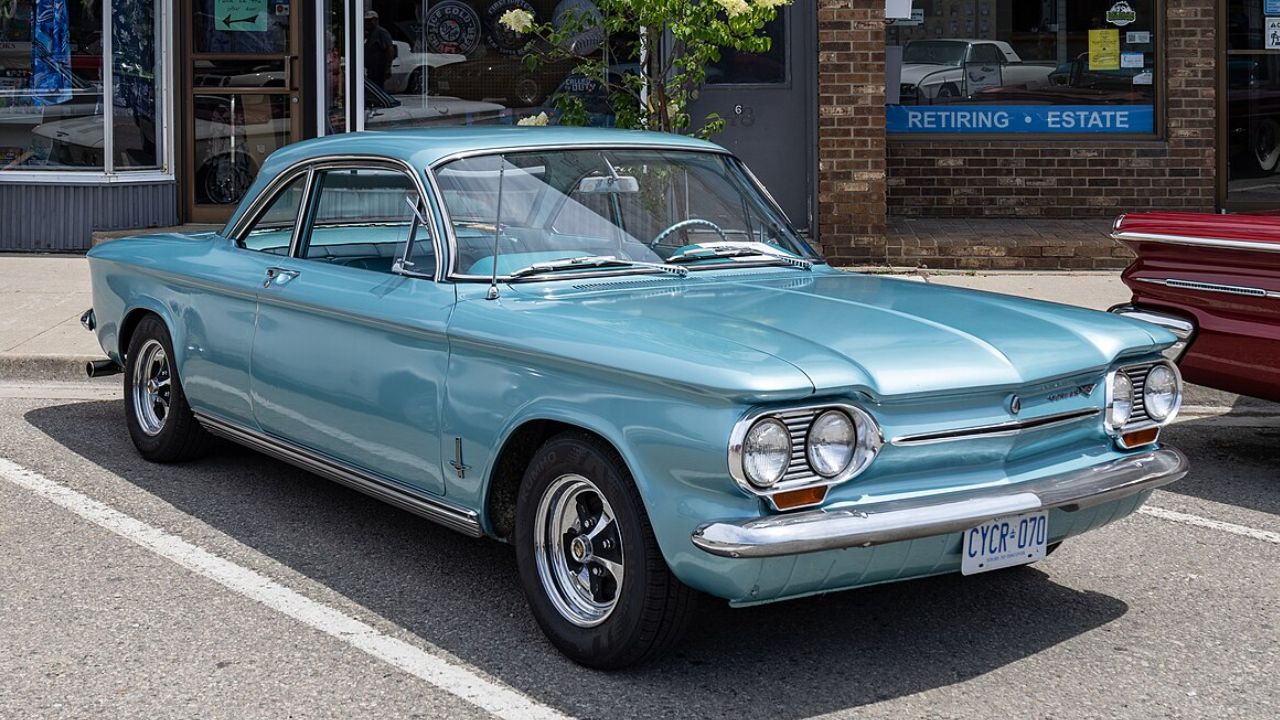
The Chevrolet Corvair was a revolutionary compact car produced in the 1960s. Its rear-engine design was unique among American cars of its time, offering a distinctive driving experience. However, it became infamous due to safety concerns highlighted in Ralph Nader’s book “Unsafe at Any Speed.”
Despite these controversies, the Corvair offered advanced engineering and style. If GM had addressed the safety issues more swiftly and effectively, the Corvair might have paved the way for more innovation in American car design.
Honda CR-Z
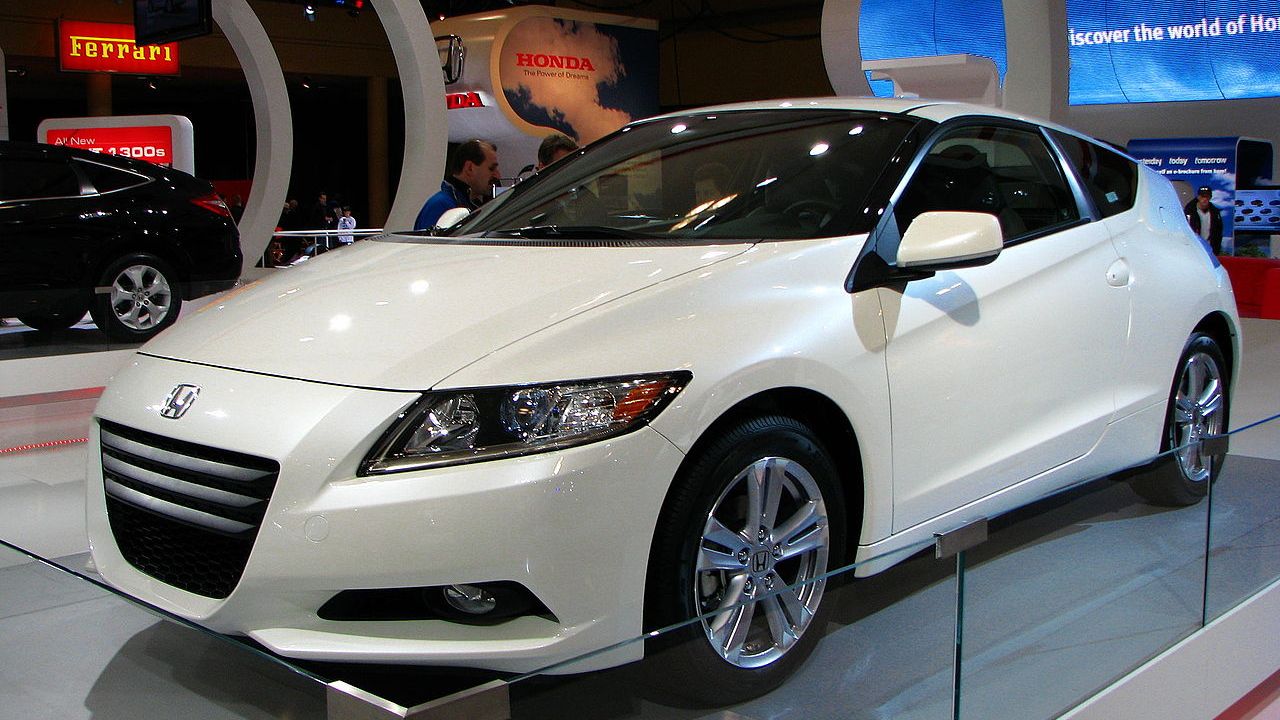
The Honda CR-Z was a sporty hybrid launched in 2010, aiming to combine the fun of a coupe with the efficiency of a hybrid. With a sleek design and nimble handling, it attracted attention from eco-conscious drivers wanting a bit of flair in their ride.
However, the CR-Z didn’t quite deliver the performance enthusiasts expected, nor did it achieve the fuel efficiency of other hybrids. With a more powerful engine option or better hybrid technology, the CR-Z could have carved out a niche for sporty hybrids.
Plymouth Prowler
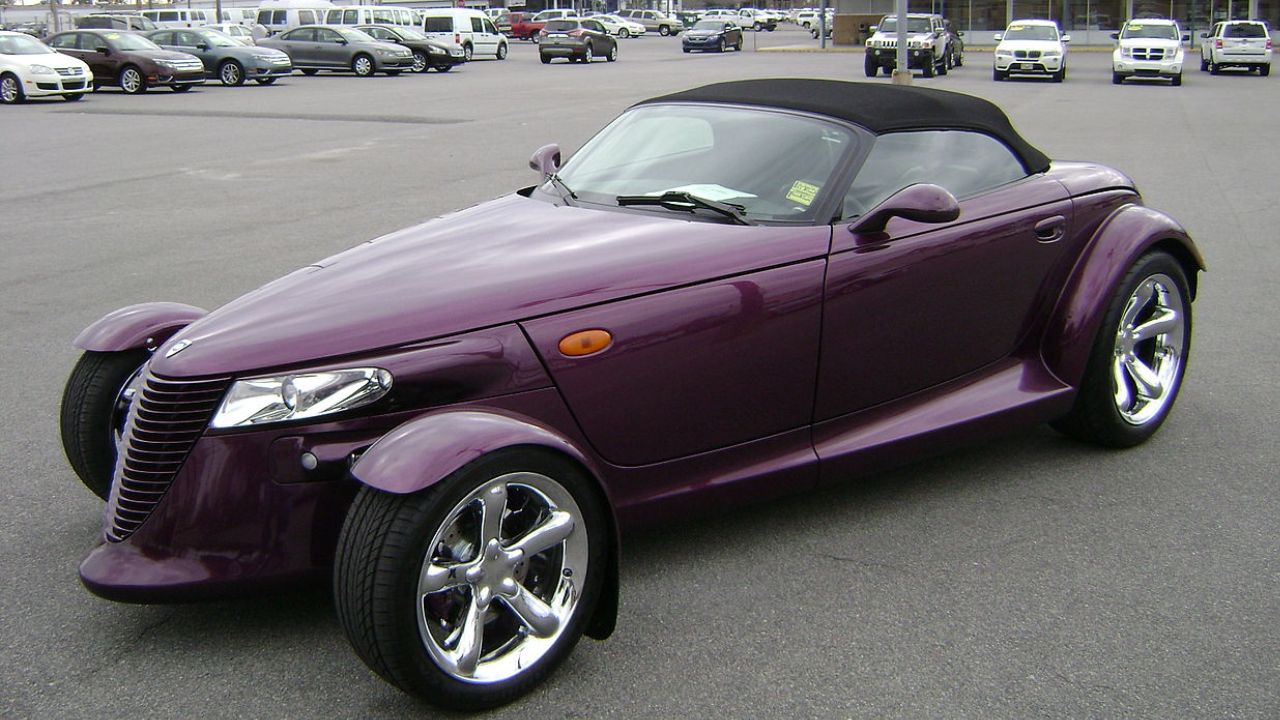
The Plymouth Prowler was a retro-styled roadster introduced in the late 1990s, designed to capture the spirit of hot rods from the past. Its eye-catching design turned heads, and it was one of the few vehicles to make it from concept to production with minimal changes.
Unfortunately, the Prowler’s V6 engine was underwhelming for its aggressive looks, and its practicality was limited. A more powerful engine and expanded features could have made the Prowler a lasting icon of modern retro automotive design.
AMC Pacer
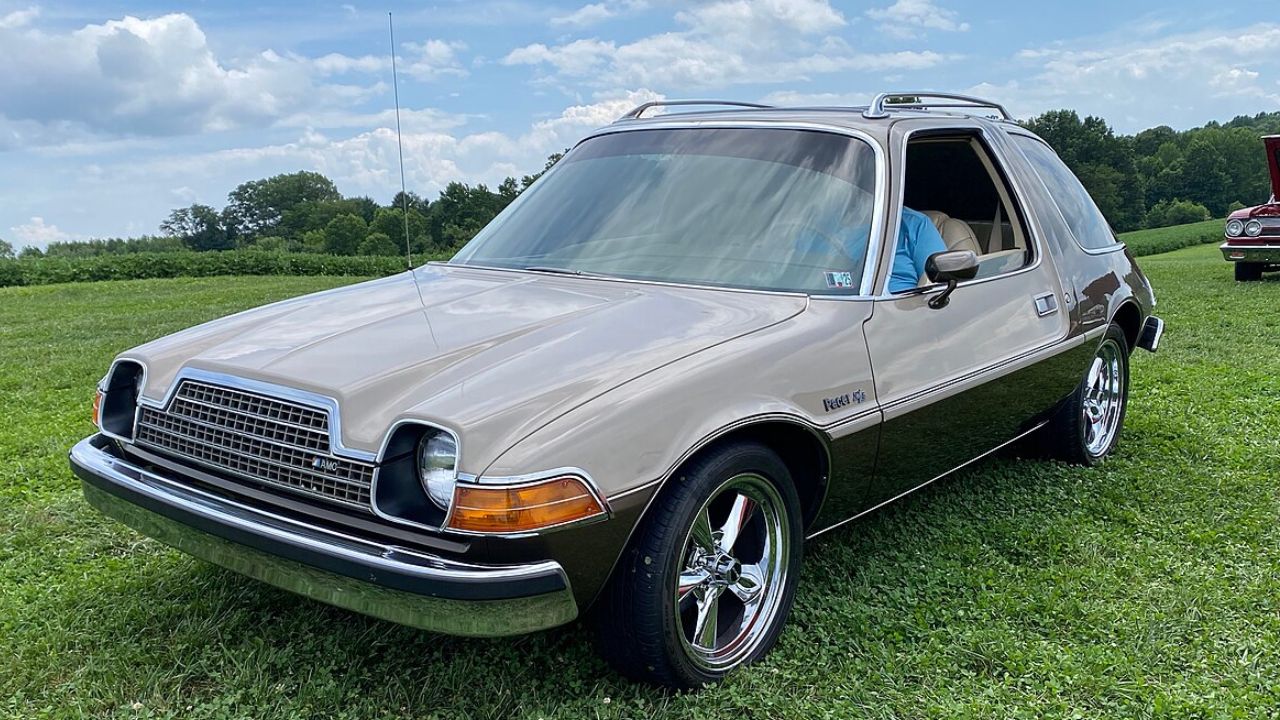
The AMC Pacer, launched in the mid-1970s, was a compact car with a futuristic design and a wide, airy cabin. Its unique appearance was meant to set it apart from other compacts on the market, and it initially saw good sales.
However, the Pacer’s weight compromised its fuel efficiency, and its unconventional looks eventually fell out of favor. If AMC had addressed these issues and perhaps marketed the Pacer differently, it might have enjoyed a longer production life.
Cadillac Allanté
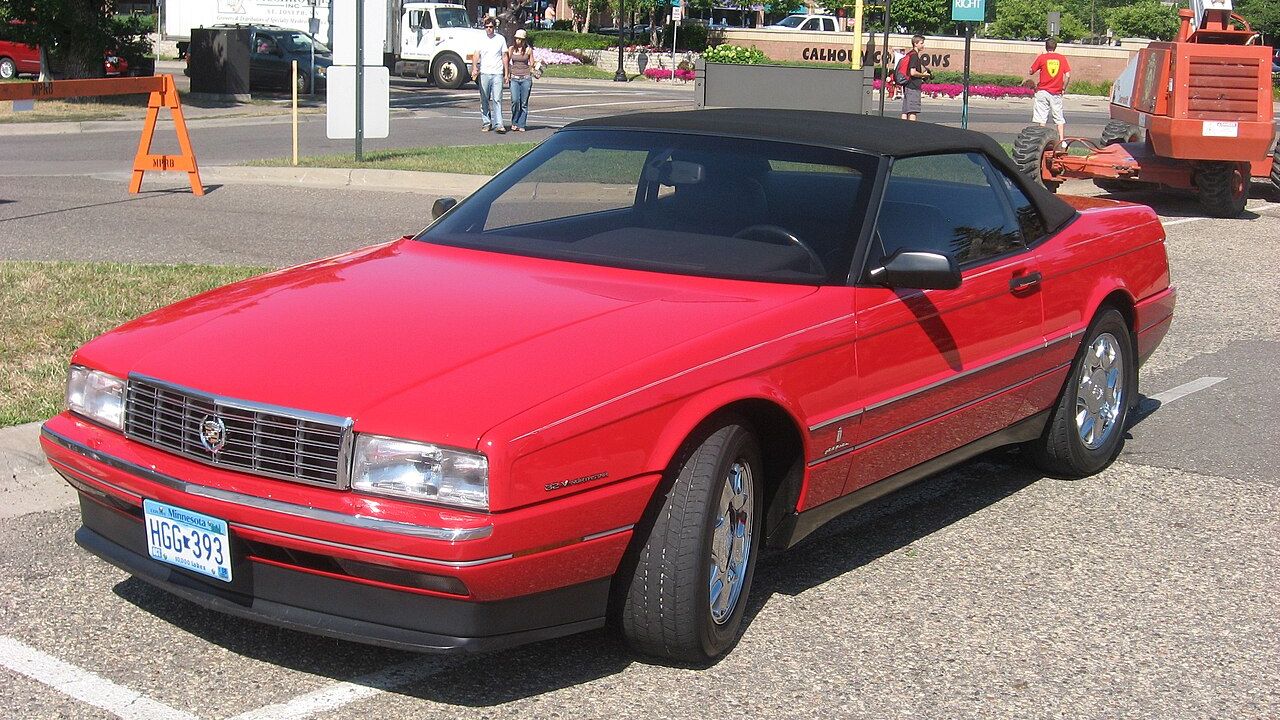
The Cadillac Allanté was a luxury roadster produced from 1987 to 1993, intended to compete with European luxury brands. Designed by Pininfarina, it offered a blend of American comfort and Italian styling. Its production involved an innovative process where bodies were flown from Italy to the U.S. for assembly.
Despite its stylish design, the Allanté struggled with performance issues and a high price point. Had it delivered on performance expectations and been priced more competitively, the Allanté could have been a serious contender in the luxury roadster market.