Pickup trucks have played a vital role in shaping America’s highways, becoming the backbone of transportation and commerce. From the early days of rugged workhorses to the modern powerhouses, these vehicles have been indispensable. As we explore their contributions, each model stands out with its unique impact on the country’s infrastructure and economy.
Ford Model TT
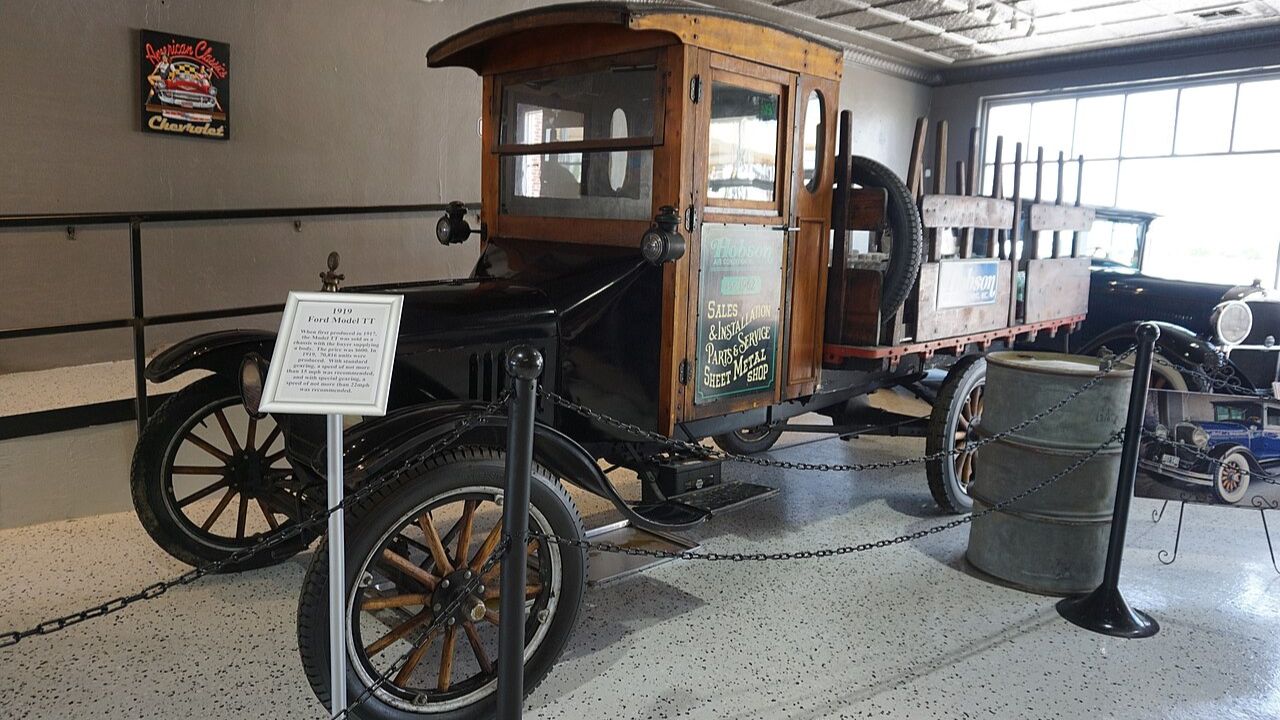
Introduced in 1917, the Ford Model TT was the first purpose-built pickup truck from Ford. It set the stage for subsequent models by providing a robust and versatile platform for a variety of tasks. The Model TT featured a one-ton chassis, making it ideal for transporting goods across the burgeoning road networks of the early 20th century. With its ability to handle heavy loads, it quickly became a favorite among farmers and small business owners.
The Model TT’s simplicity and durability were key to its success. It utilized the same engine as the Model T car but with a longer wheelbase and sturdier rear axle. This truck was instrumental in transforming many local economies by enabling more efficient transportation of goods, effectively laying the groundwork for future pickup trucks.
Chevrolet 3100 Series
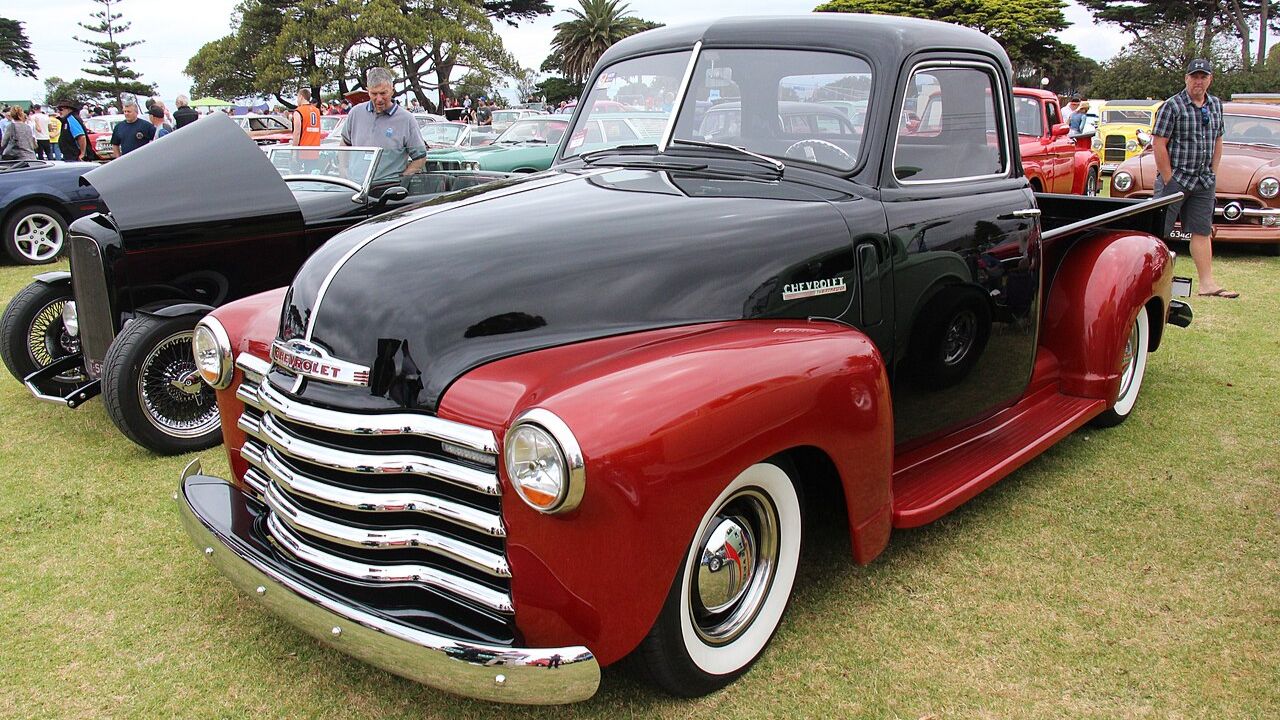
The Chevrolet 3100 Series, part of the Advance Design series, was introduced in 1947 and quickly became a staple in the American truck market. It was known for its sleek design and improved comfort, setting a new standard for pickup trucks. The 3100 Series came with a larger cabin and enhanced visibility, making it a more enjoyable drive for users.
Chevy’s 3100 Series was not only stylish but also practical, featuring a sturdy frame and a reliable inline-6 engine. Its versatility made it popular among a wide range of users, from farmers to urban delivery services, contributing significantly to post-war economic growth and infrastructure development in the United States.
Dodge Power Wagon
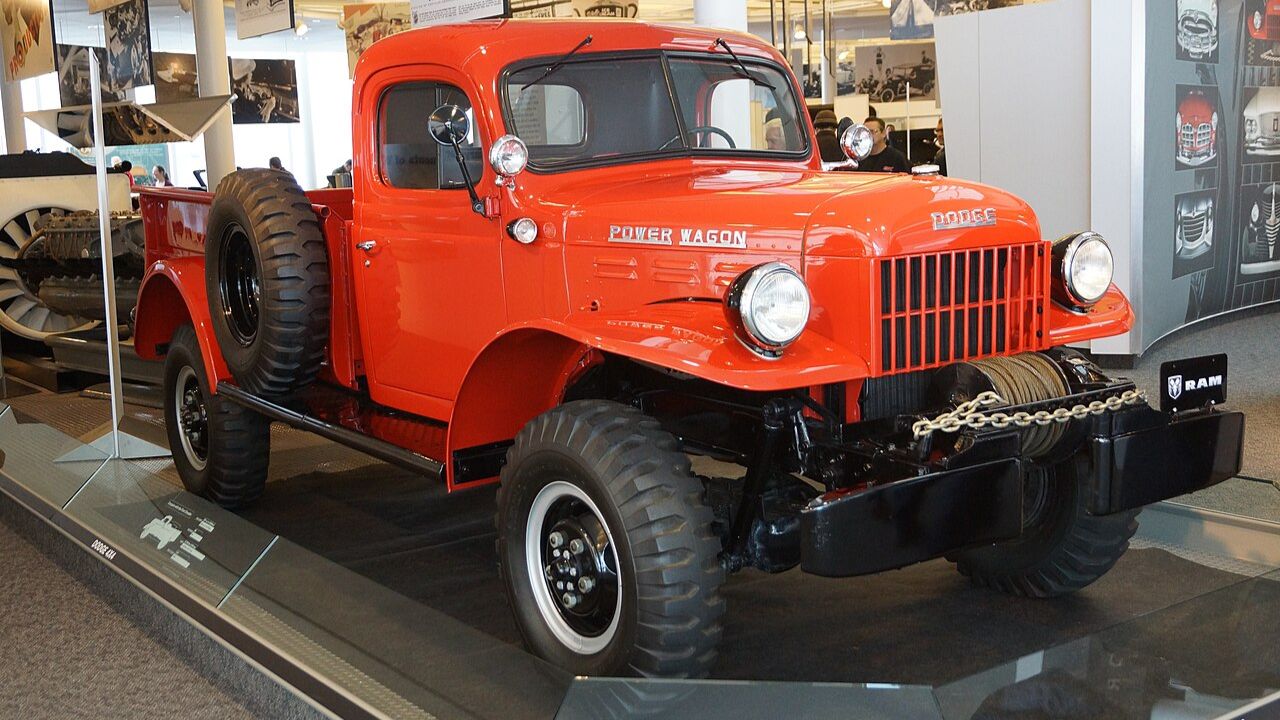
Launched in 1946, the Dodge Power Wagon was originally derived from military vehicles used during World War II. Its ruggedness and reliability made it perfect for both civilian and military applications. The Power Wagon was renowned for its four-wheel-drive capability, a novelty at the time, allowing it to tackle rough terrains and construction sites with ease.
The Power Wagon’s influence extended beyond its immediate utility, as it pioneered features that would become standard in later pickup models. Its versatility ensured that it was a valuable asset in building and maintaining America’s highways, particularly in areas with challenging landscapes.
Studebaker Transtar
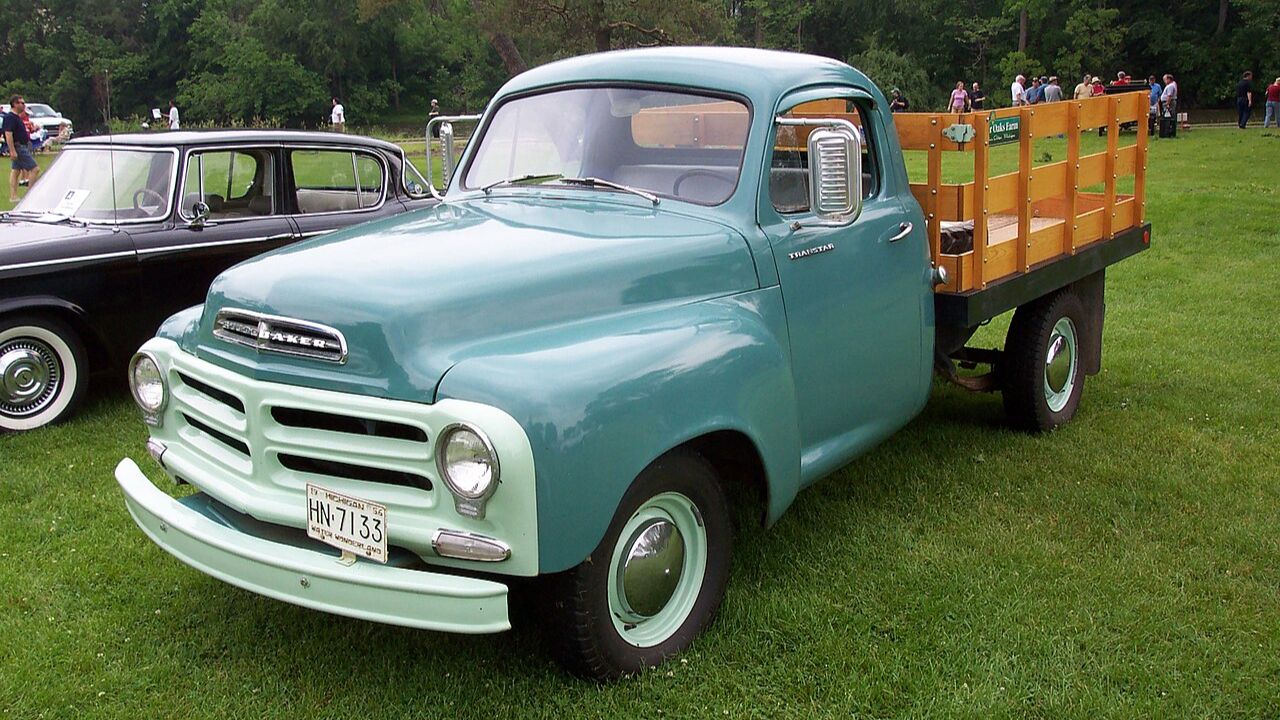
The Studebaker Transtar, introduced in the 1950s, was notable for its distinctive design and engineering innovations. It came with a powerful V8 engine option and was among the early pickup trucks to offer an automatic transmission option, making driving more accessible to a broader audience. The Transtar’s design emphasized both functionality and style.
Studebaker marketed the Transtar as a truck that could handle both heavy industrial use and everyday driving. Its innovative features and versatility made it an essential vehicle for businesses and individuals alike, contributing to the expansion and efficiency of transportation networks across the country.
GMC Blue Chip Series
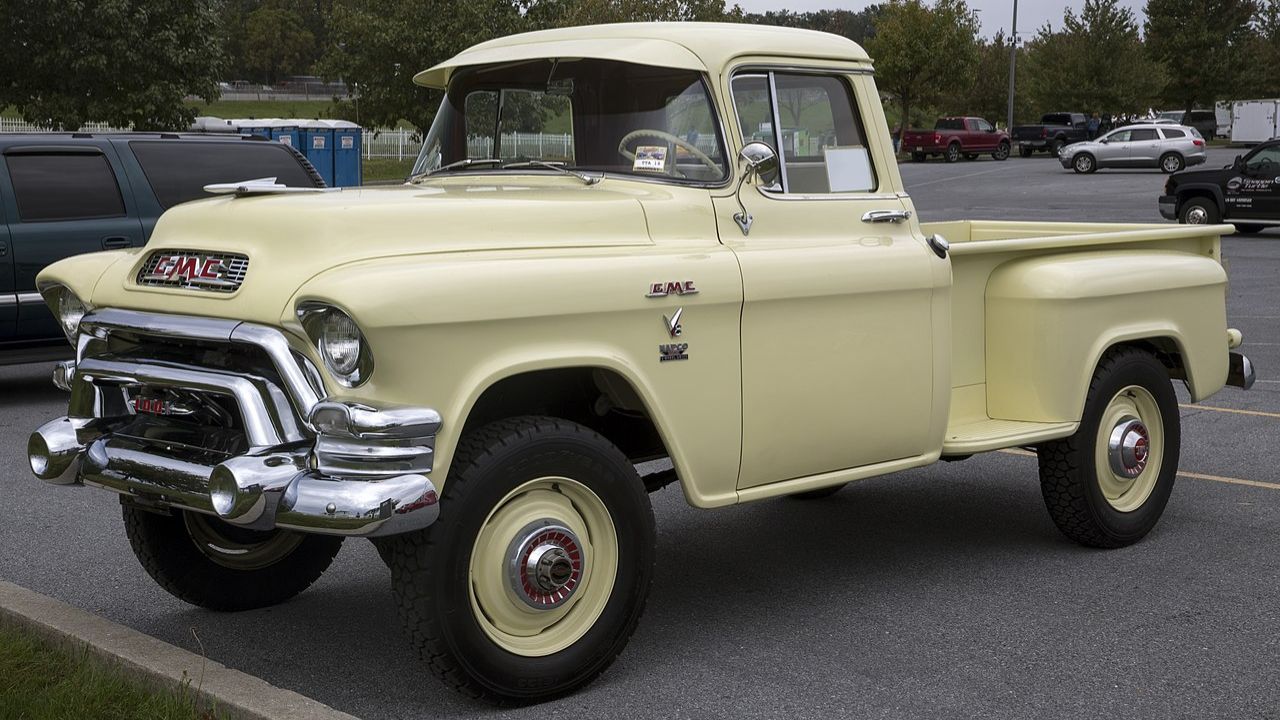
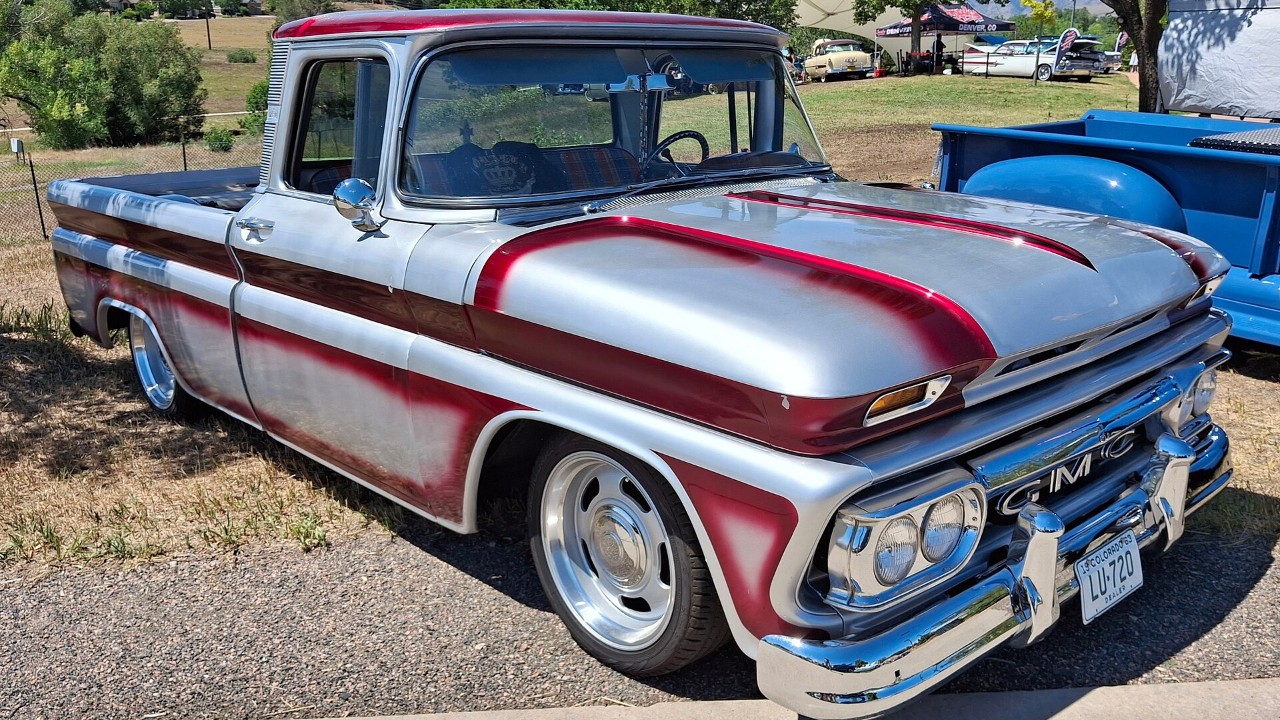
Debuting in the mid-1950s, the GMC Blue Chip Series was known for its robust construction and modern styling. These trucks were equipped with advanced features for the time, including an efficient V8 engine and improved suspension systems. The Blue Chip Series was designed to meet the growing demands of businesses and consumers in a rapidly developing economy.
The durability and performance of the GMC Blue Chip trucks made them popular choices for long-haul transportation and heavy-duty tasks. Their contribution to building and maintaining America’s highways was significant, as they provided reliable transport solutions for goods and materials across vast distances.
International Harvester R-Series
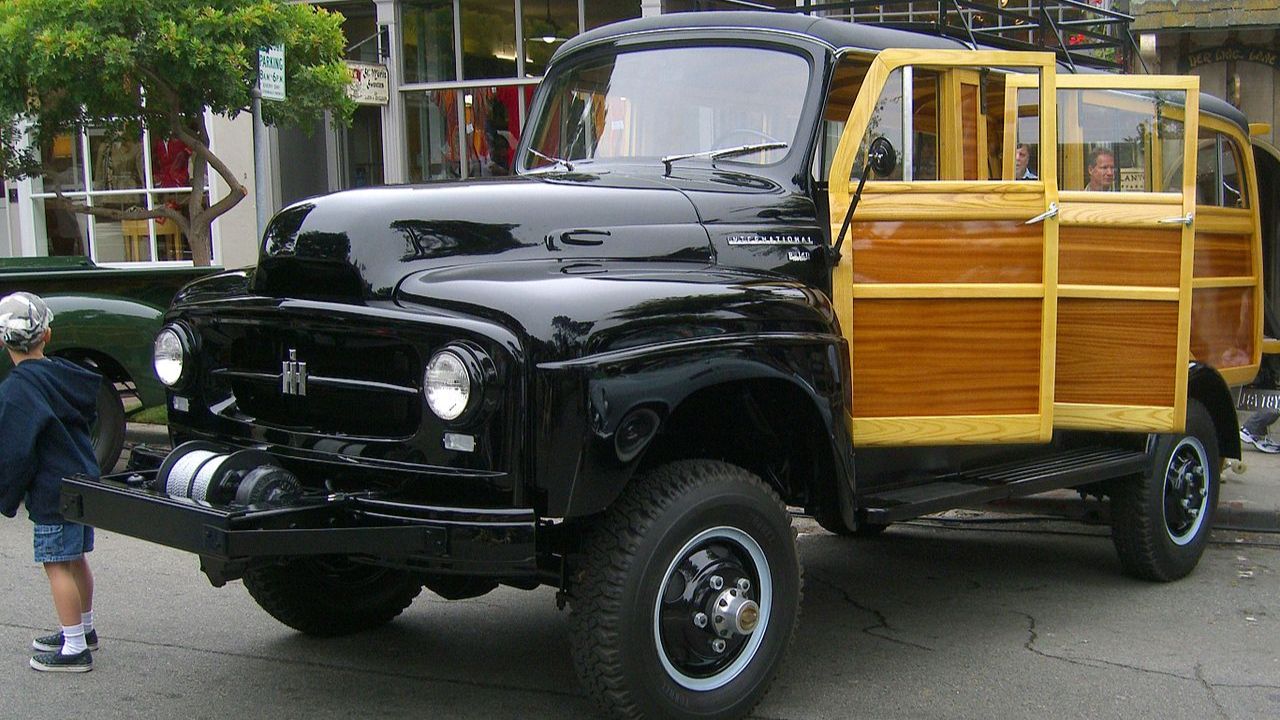
The International Harvester R-Series, launched in 1953, was celebrated for its rugged build and versatility. It offered a range of body styles and was available with both gasoline and diesel engines, catering to a diverse set of needs. The R-Series was particularly popular in rural areas where its reliability was highly valued.
International Harvester trucks played a crucial role in agriculture and construction, sectors that were vital to the development of the American highway system. The R-Series trucks were known for their ability to handle tough jobs, making them indispensable to the industries they served.
Ford F-Series
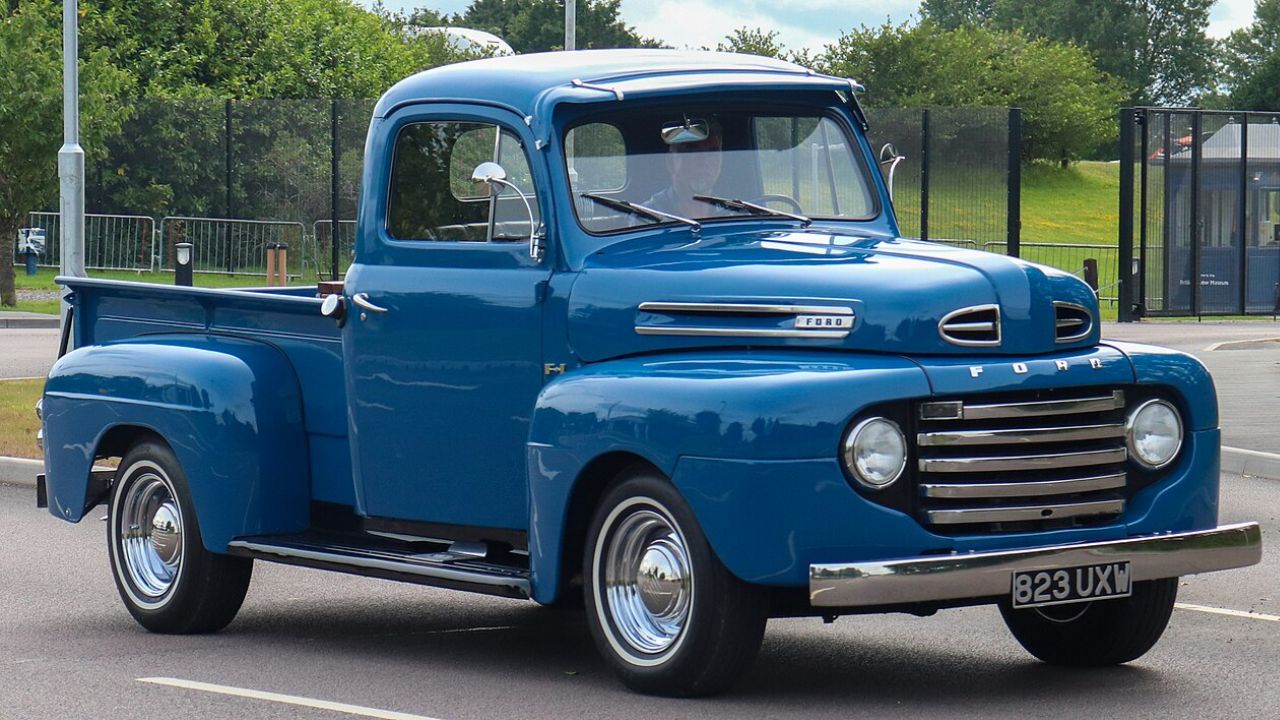
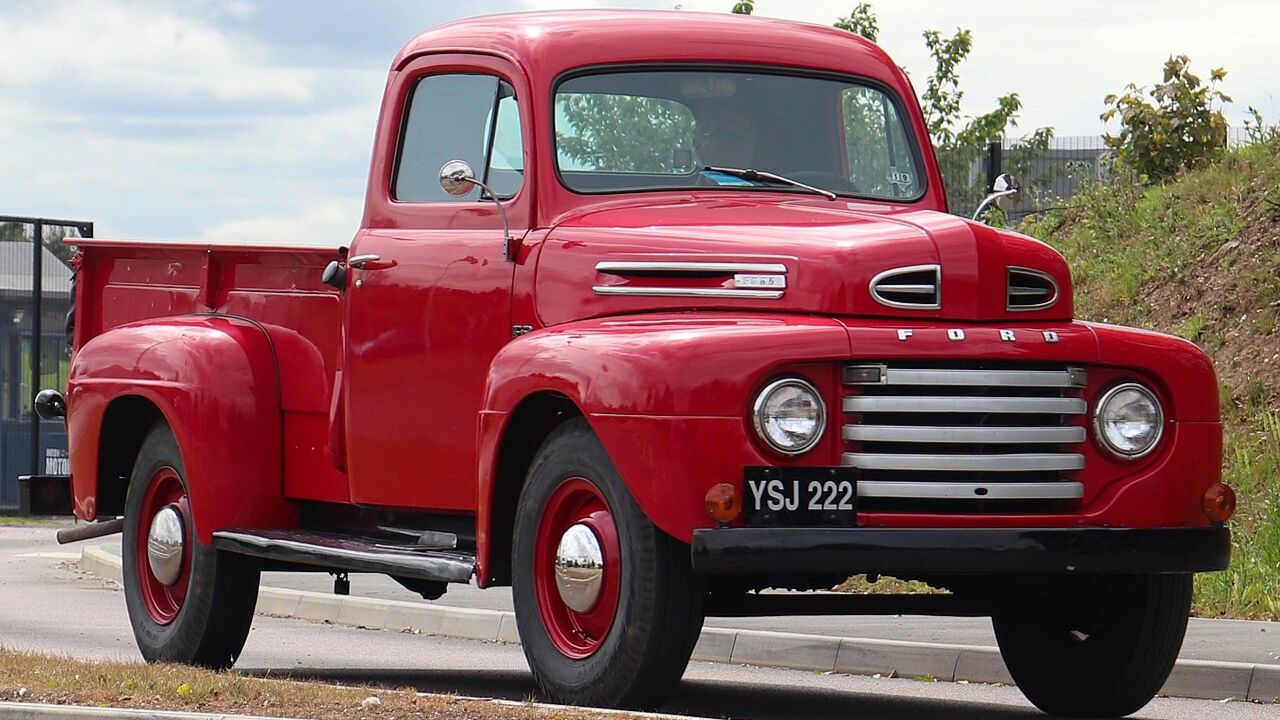
The Ford F-Series, introduced in 1948, has become one of the best-selling vehicle lines of all time. Its success is attributed to its continuous innovation and adaptability to consumer needs. The F-Series trucks are known for their durability, power, and versatility, making them a favorite among both commercial and private users.
Throughout its history, the F-Series has evolved to include advanced technology and design enhancements, ensuring its place at the forefront of the pickup truck market. Its impact on America’s highways is profound, as it has been a reliable partner in transportation and infrastructure projects nationwide.
Chevrolet C/K Series
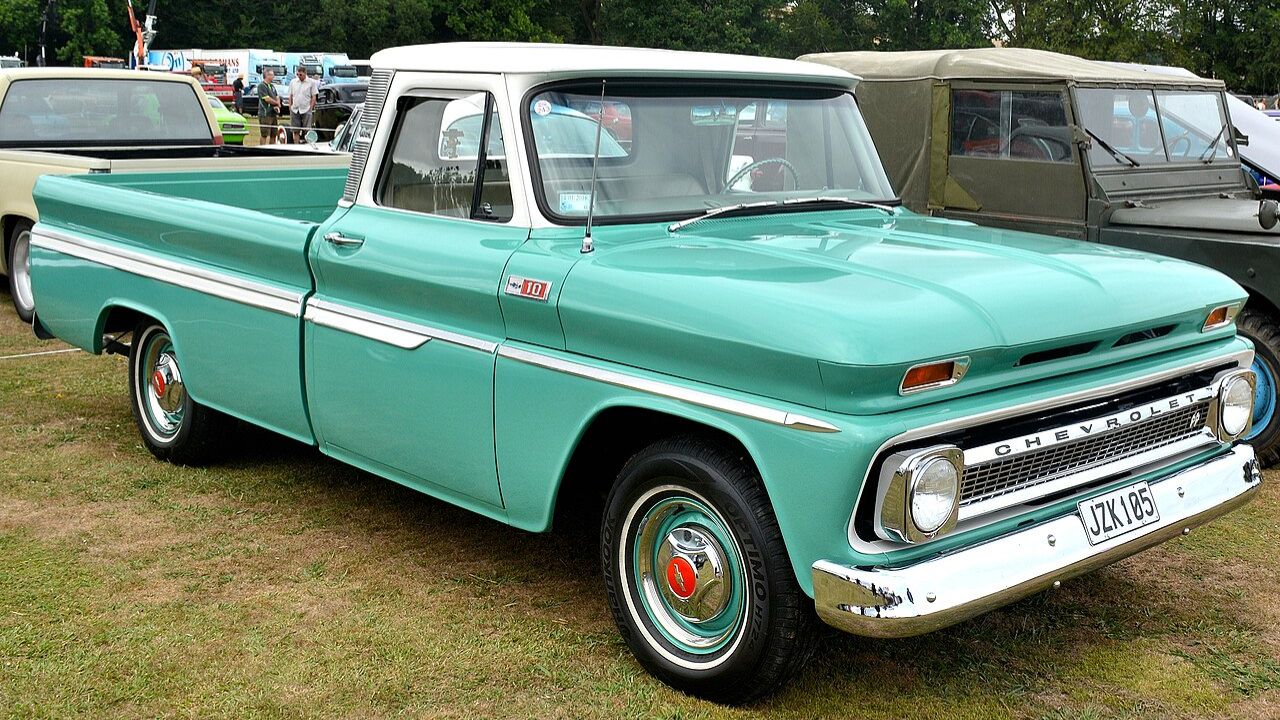
The Chevrolet C/K Series, introduced in 1960, was designed to offer a balance of comfort and utility. This series brought innovations like independent front suspension and more refined interiors, appealing to a wider audience. The C/K Series was available in various configurations, including heavy-duty models that were ideal for commercial use.
With its blend of performance and comfort, the Chevrolet C/K Series was instrumental in supporting America’s growing infrastructure. Its adaptability and reliability ensured that it was a key player in the transportation of goods and materials, contributing to the expansion of highways and urban development.