Car culture thrives on modification, from performance upgrades to cosmetic changes that reflect personal taste. But not every modification stands the test of time. Some cars lose value, character, or balance once altered too heavily. In hindsight, many enthusiasts admit that certain vehicles were better left exactly as they came from the factory.
Toyota Supra MK4
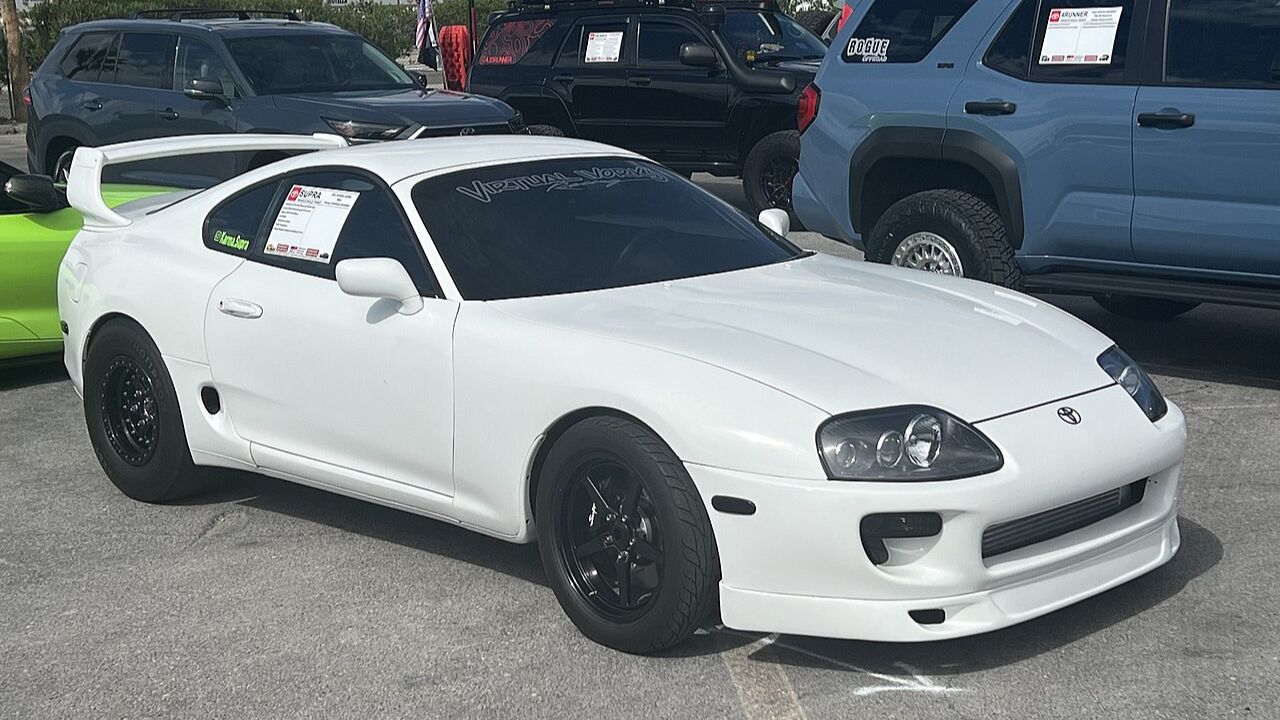
The Toyota Supra MK4 became one of the most modified sports cars ever built, but many enthusiasts now regret over-altering original examples. Its factory balance, especially in turbocharged form, offered a carefully engineered package that became difficult to replicate after heavy modifications. Clean, untouched versions are now highly prized compared to heavily modified builds.
BMW E30 M3
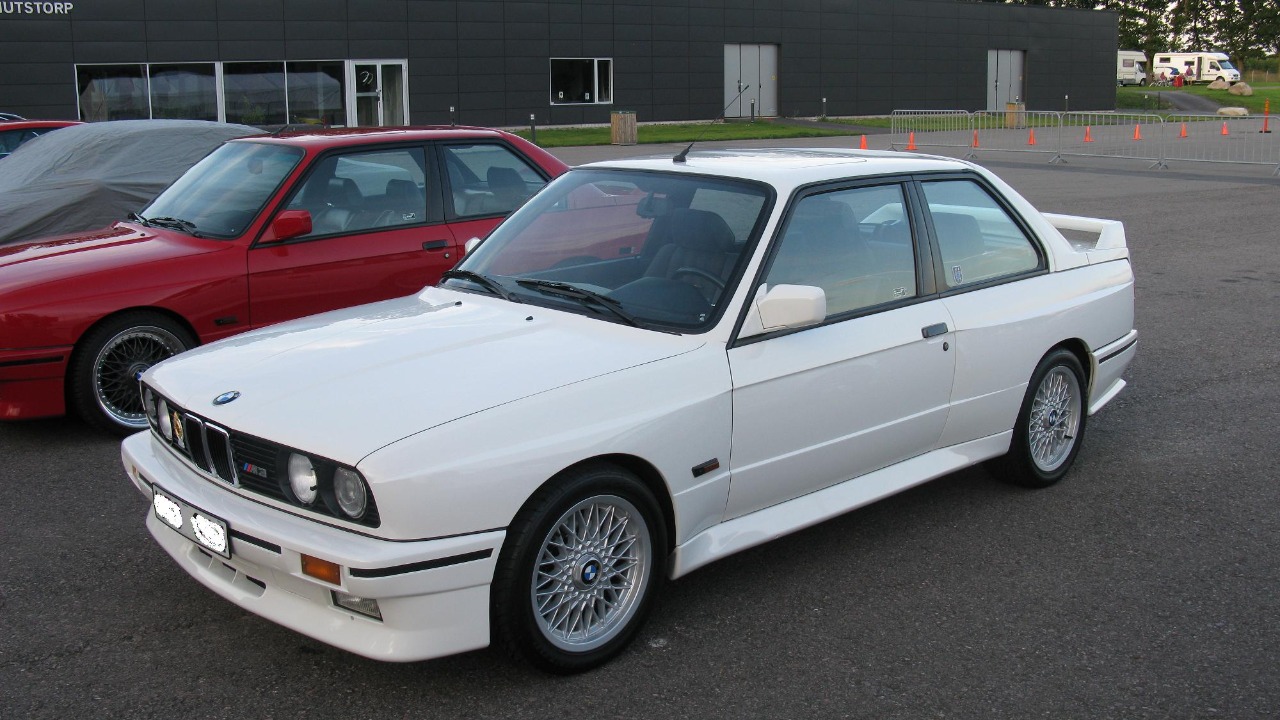
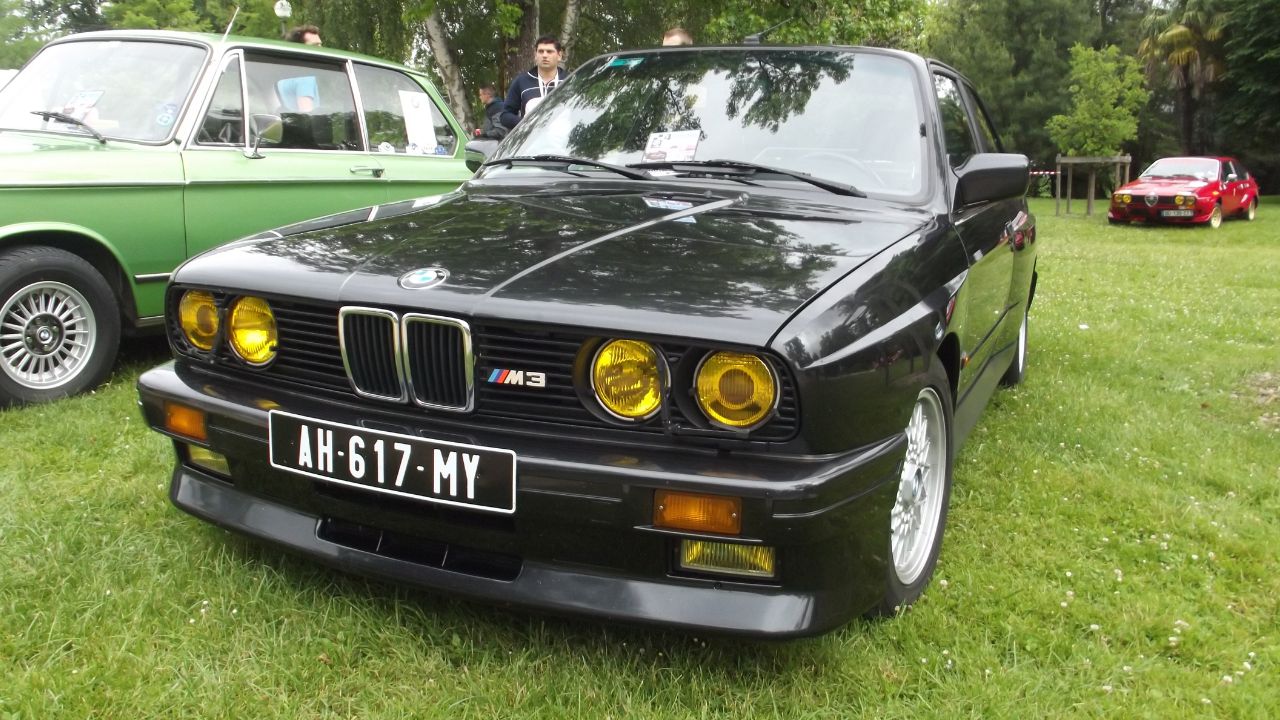
The BMW E30 M3 was engineered with precision and motorsport intent, making it especially sensitive to unnecessary changes. Many cars were modified during periods when they were less valuable, only for owners to later realize the importance of preserving originality. Today, factory-spec examples are significantly more desirable than heavily altered ones.
Mazda RX-7 FD
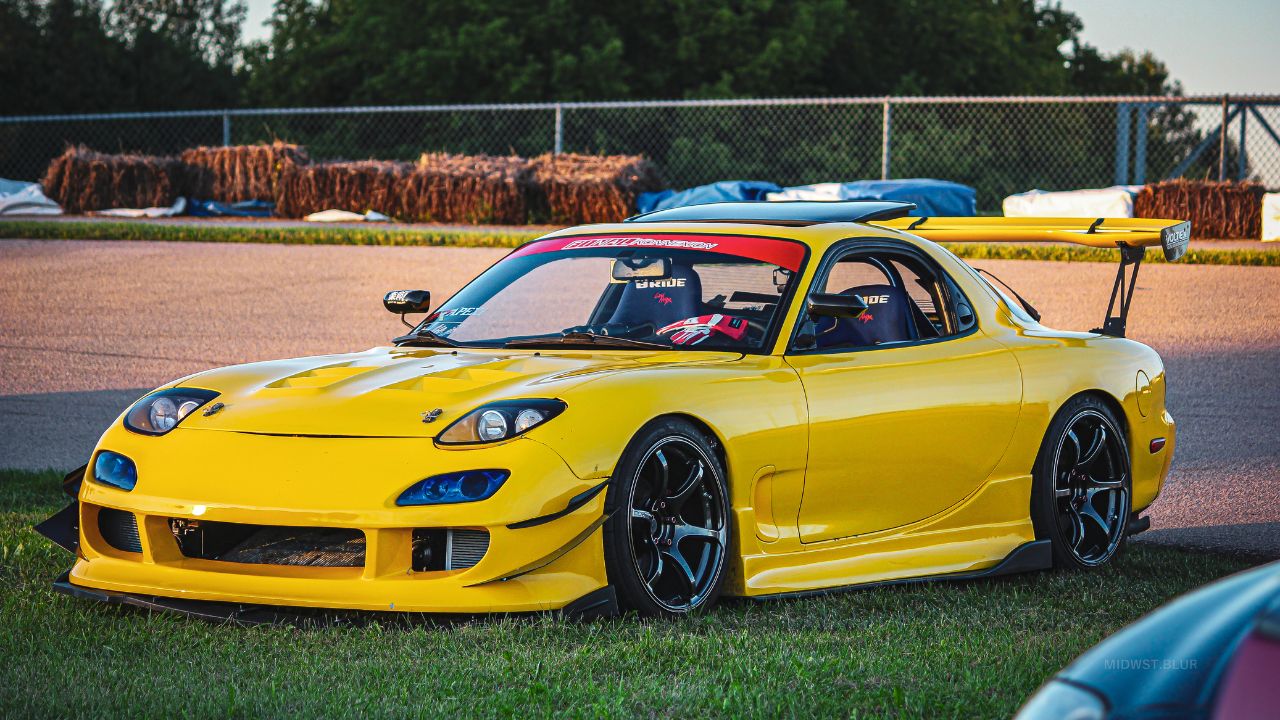
The Mazda RX-7 FD attracted widespread tuning due to its rotary engine and lightweight chassis. However, many modifications compromised reliability or drivability over time. Enthusiasts increasingly value original-condition cars, recognizing that Mazda’s factory setup already delivered a finely tuned balance of performance and character.
Nissan Skyline GT-R R32
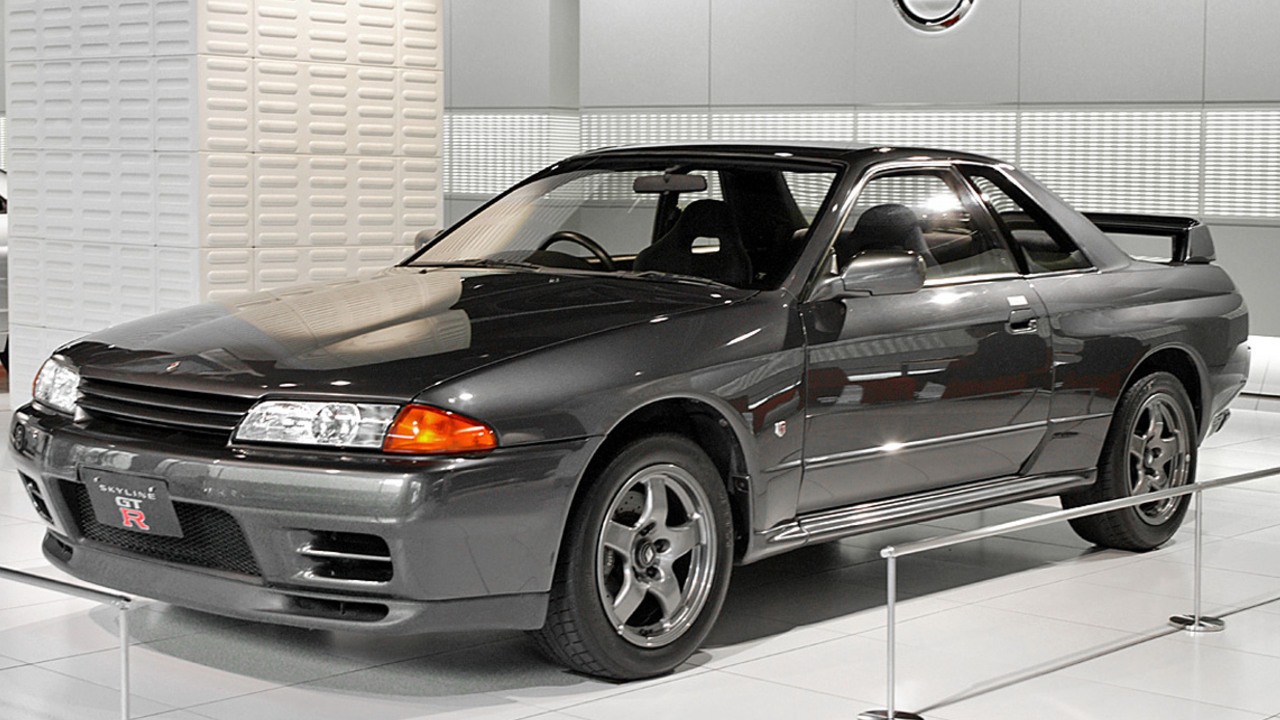
The Nissan Skyline GT-R R32 became a tuning icon, but many examples suffered from extensive aftermarket changes. Over time, collectors and enthusiasts realized how significant factory engineering was to the car’s identity. Unmodified versions now stand out as more authentic representations of its original performance philosophy.
Toyota MR2 Turbo
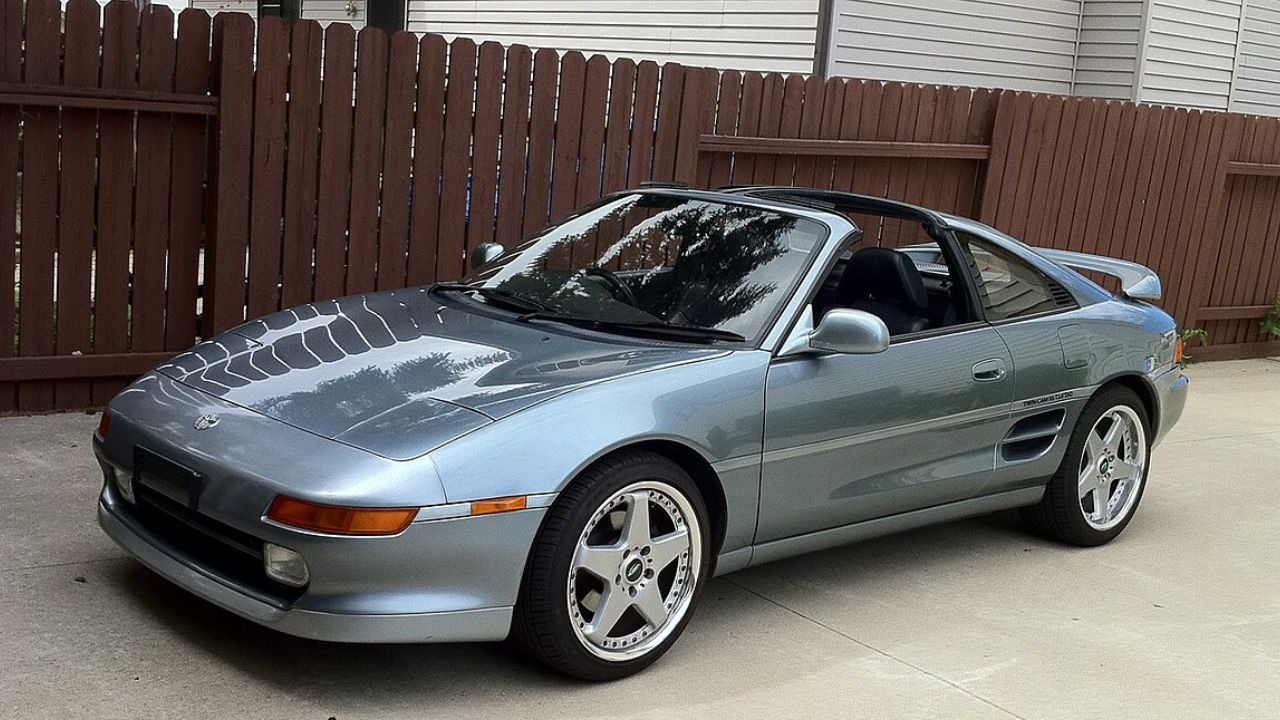
The Toyota MR2 Turbo was often modified for additional power, but its mid-engine balance could be easily disrupted by poorly chosen upgrades. Many owners later regretted altering suspension or engine setups that compromised handling. Preserved examples are now increasingly appreciated for maintaining Toyota’s original engineering intent.
Porsche 911 (Air-Cooled Generations)
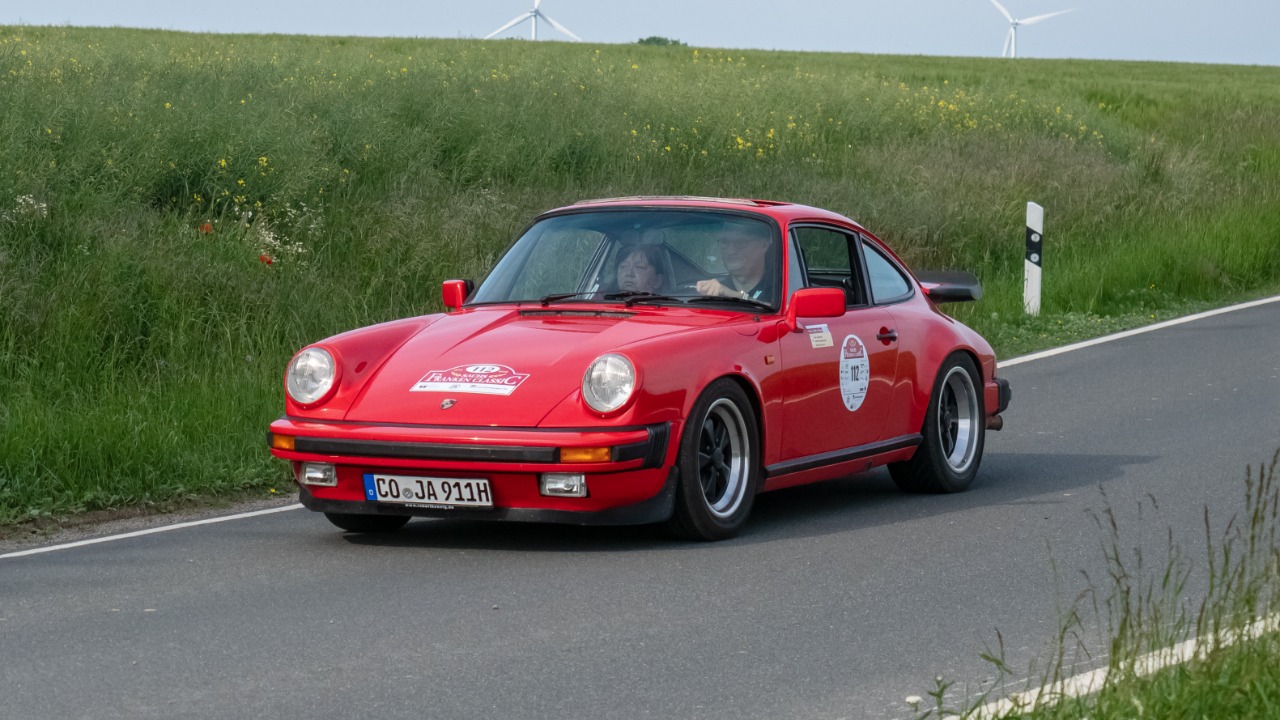
Air-cooled Porsche 911 models were frequently modified in the past when they were more affordable. Today, originality plays a major role in value and desirability. Enthusiasts now often wish they had preserved factory specifications, as even small changes can significantly impact collectability and driving character.
Honda NSX
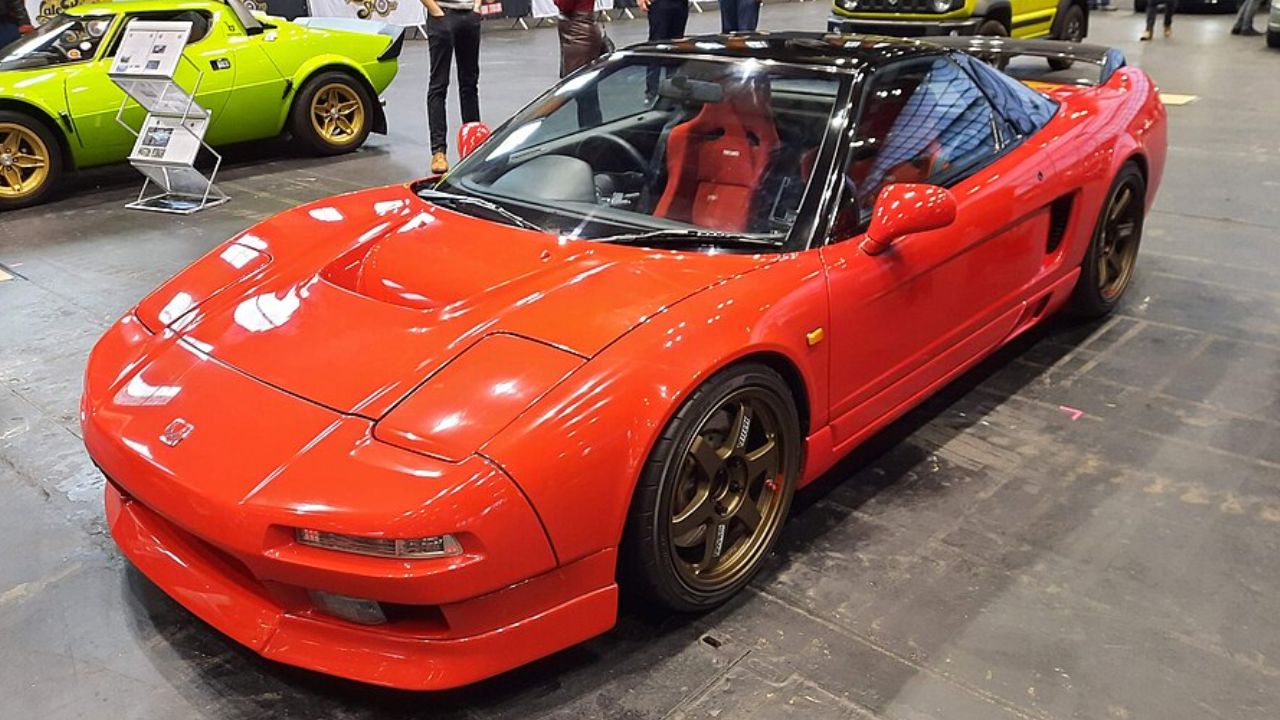
The Honda NSX was engineered with input from Formula 1 technology and carefully tuned for balance. While many owners modified these cars during earlier years of ownership, originality has become highly prized. Factory-spec NSXs now represent the purest expression of Honda’s engineering philosophy and are increasingly difficult to find.
Ford Mustang Fox Body
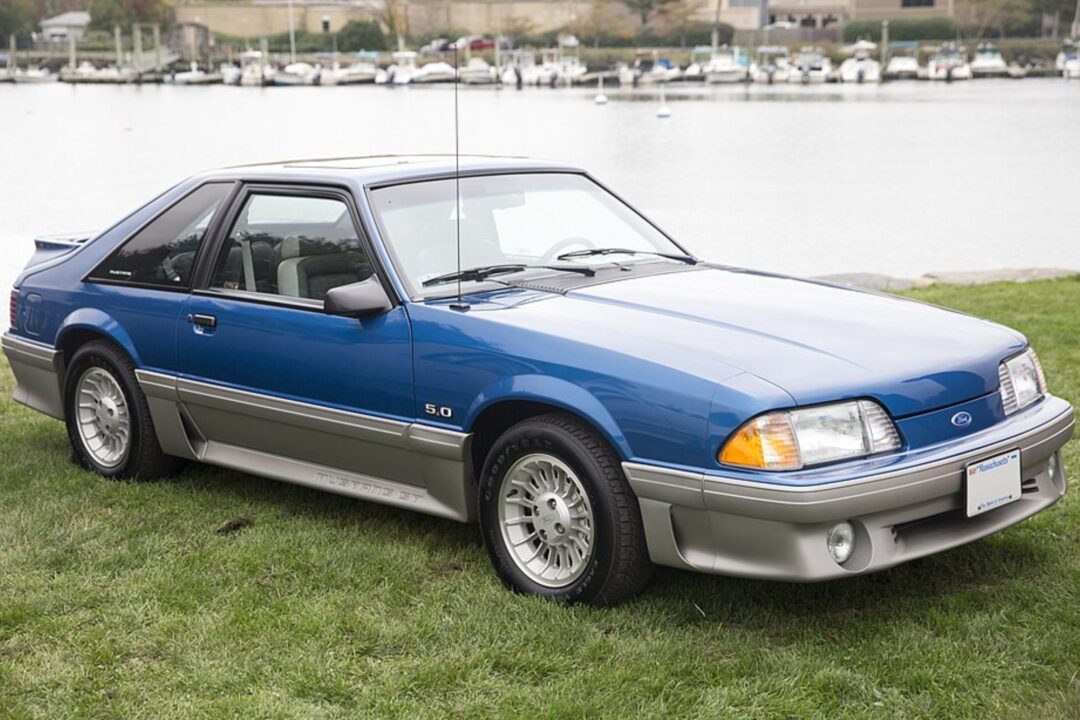
The Ford Mustang Fox Body was one of the most commonly modified American performance cars. While many upgrades improved power, they often came at the expense of originality and long-term value. Clean, unmodified examples are now sought after by collectors who appreciate its factory configuration.
Chevrolet Corvette C4 ZR-1
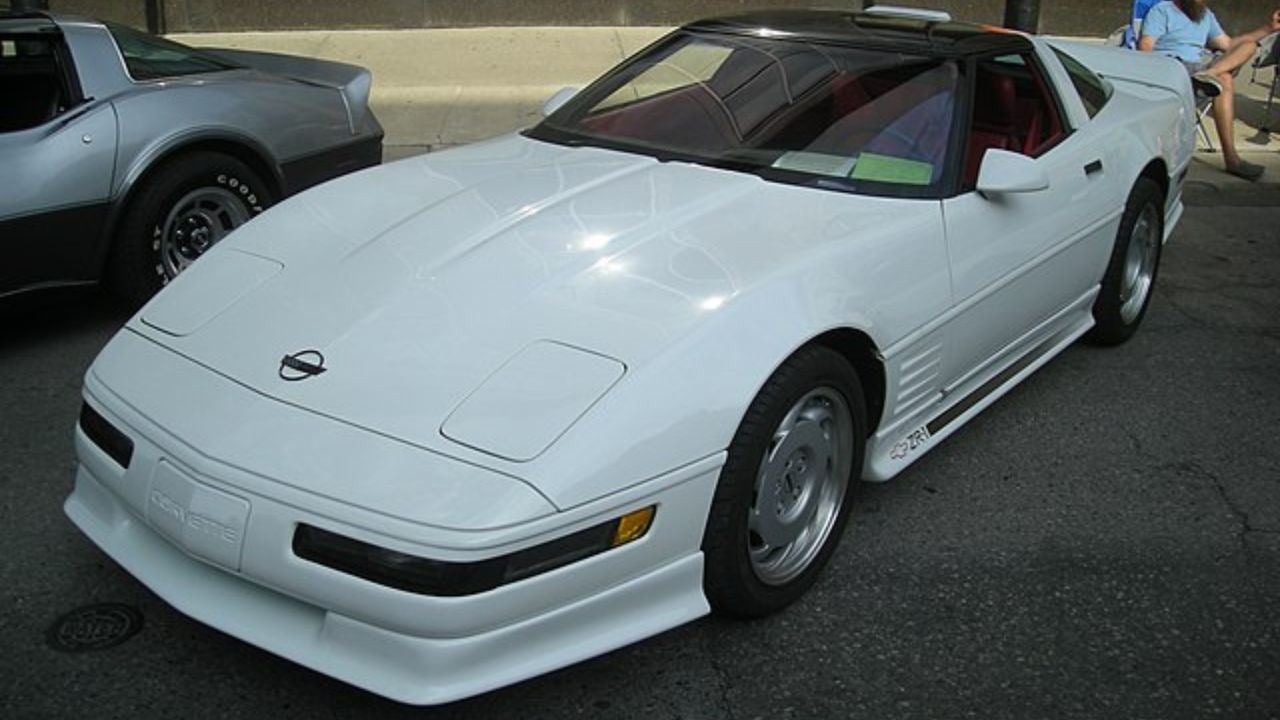
The Chevrolet Corvette C4 ZR-1 was already a high-performance machine from the factory, but many owners still pursued modifications. Over time, enthusiasts realized that the original Lotus-developed engineering provided a unique driving experience that aftermarket changes often diminished. Stock examples are now more respected in collector circles.
Mitsubishi Lancer Evolution VI
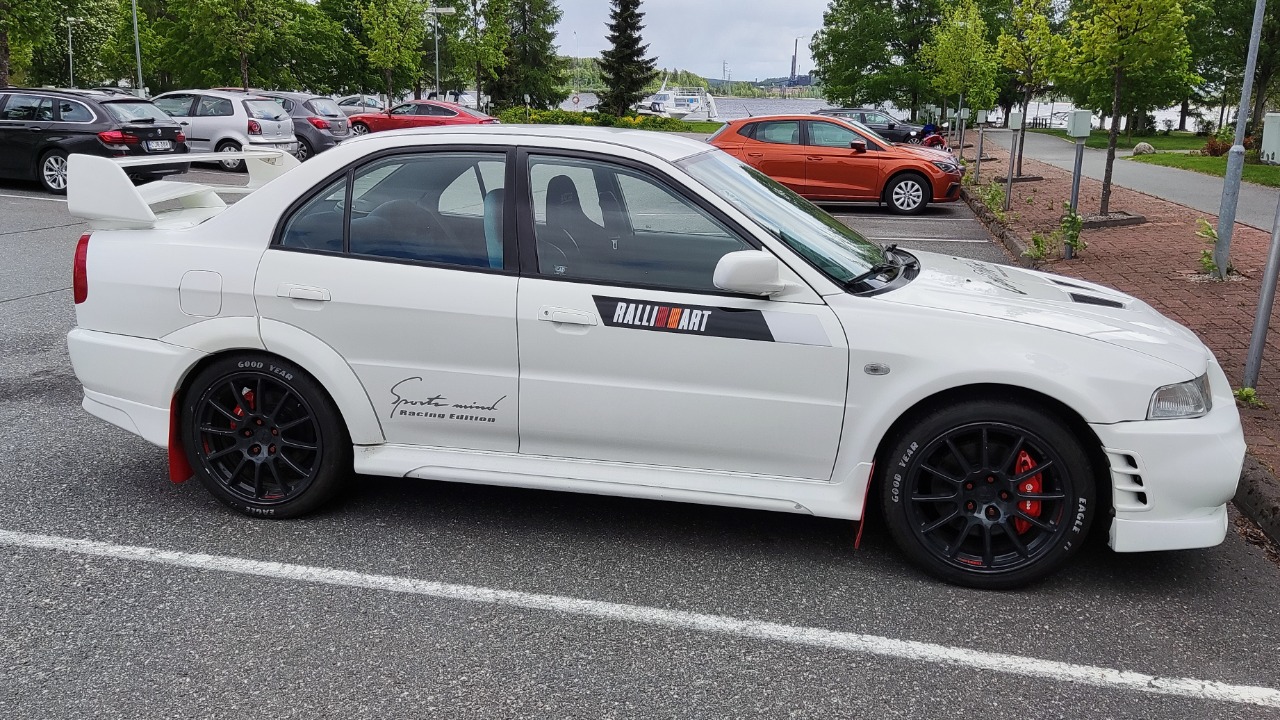
The Mitsubishi Lancer Evolution VI was built as a rally-bred performance machine, but many examples were heavily modified for street use. While tuning was popular, it often altered the car’s carefully engineered dynamics. Preserved factory versions are now valued for maintaining the original balance of performance and handling.
More from Fast Lane Only
- Unboxing the WWII Jeep in a Crate
- 15 rare Chevys collectors are quietly buying
- 10 underrated V8s still worth hunting down
- Police notice this before you even roll window down
*Research for this article included AI assistance, with all final content reviewed by human editors