Many cars possess an alluring design that suggests speed and performance, yet they often disappoint when it comes to actual power and acceleration. This juxtaposition between appearance and reality can lead to some amusingly slow experiences behind the wheel. Here are ten cars that look fast but are surprisingly sluggish on the road.
Ford Mustang II
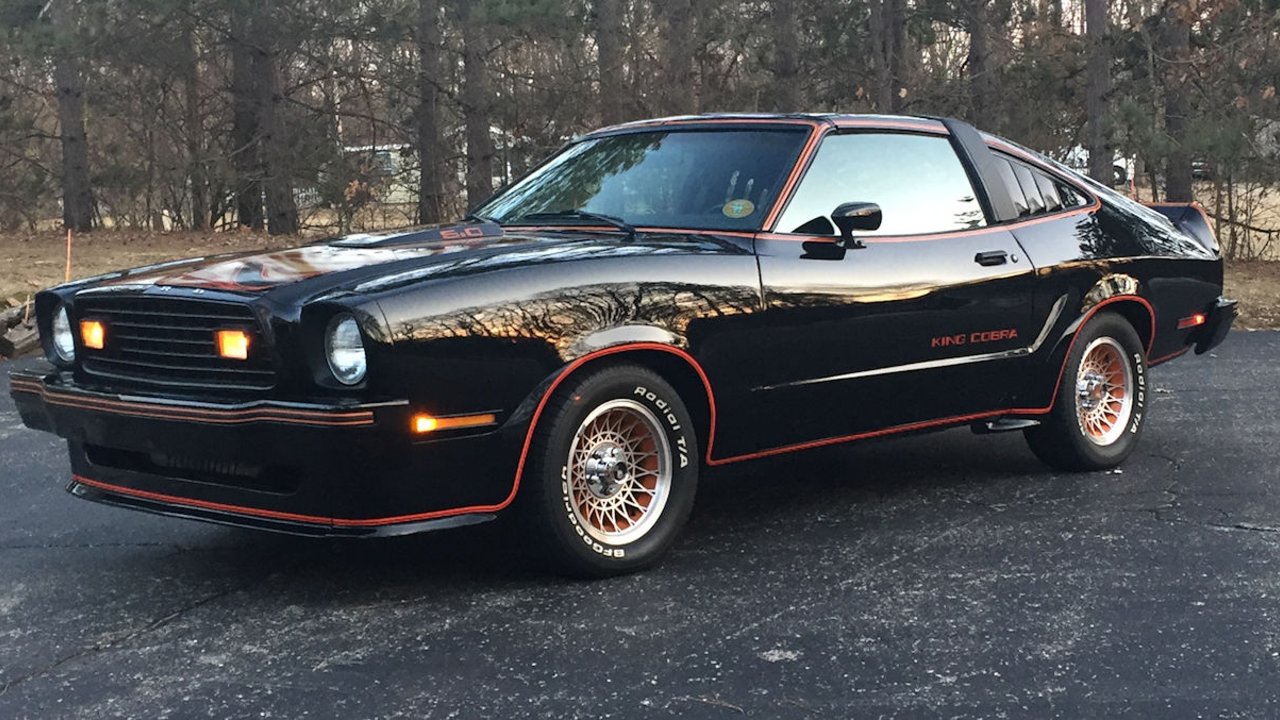
The Ford Mustang II, produced from 1974 to 1978, is a classic example of a car that looked the part but failed to deliver on performance. Marketed as a compact version of the original Mustang, it was equipped with a modest four-cylinder engine that struggled to produce a mere 88 horsepower. This resulted in a 0-60 mph time that could stretch beyond ten seconds, leaving many enthusiasts disappointed. In a world where muscle cars were expected to roar, the Mustang II felt like a purring kitten. Its design may have evoked speed, but the reality was a far cry from its sporty appearance.
Chevrolet Camaro (1970s)
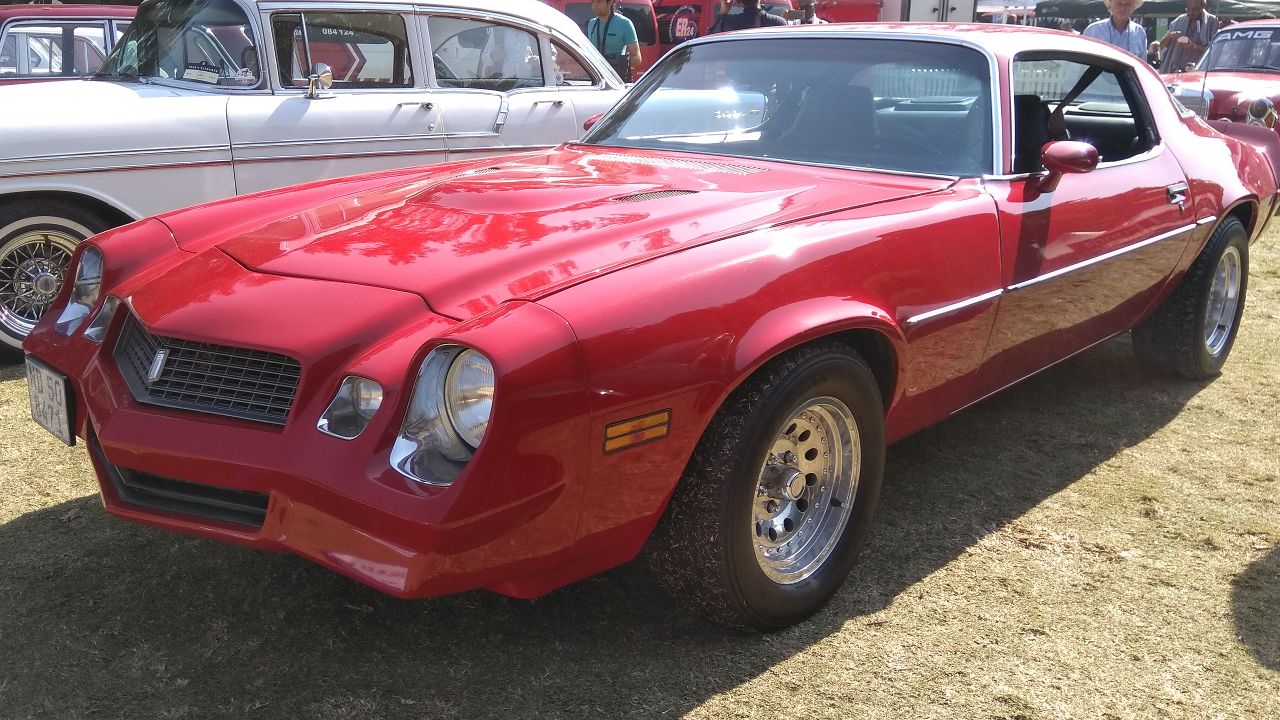
During the 1970s, the Chevrolet Camaro lost much of its muscle car edge due to increasingly stringent emissions regulations and a shift towards fuel efficiency. The models produced in this era were often equipped with underpowered engines, such as the 305 cubic inch V8, which produced only 145 horsepower. As a result, the Camaro’s performance plummeted, with some versions taking over ten seconds to reach 60 mph. While the design remained aggressive and sporty, the driving experience left much to be desired, making the 1970s Camaro a frustrating choice for speed enthusiasts.
Dodge Avenger
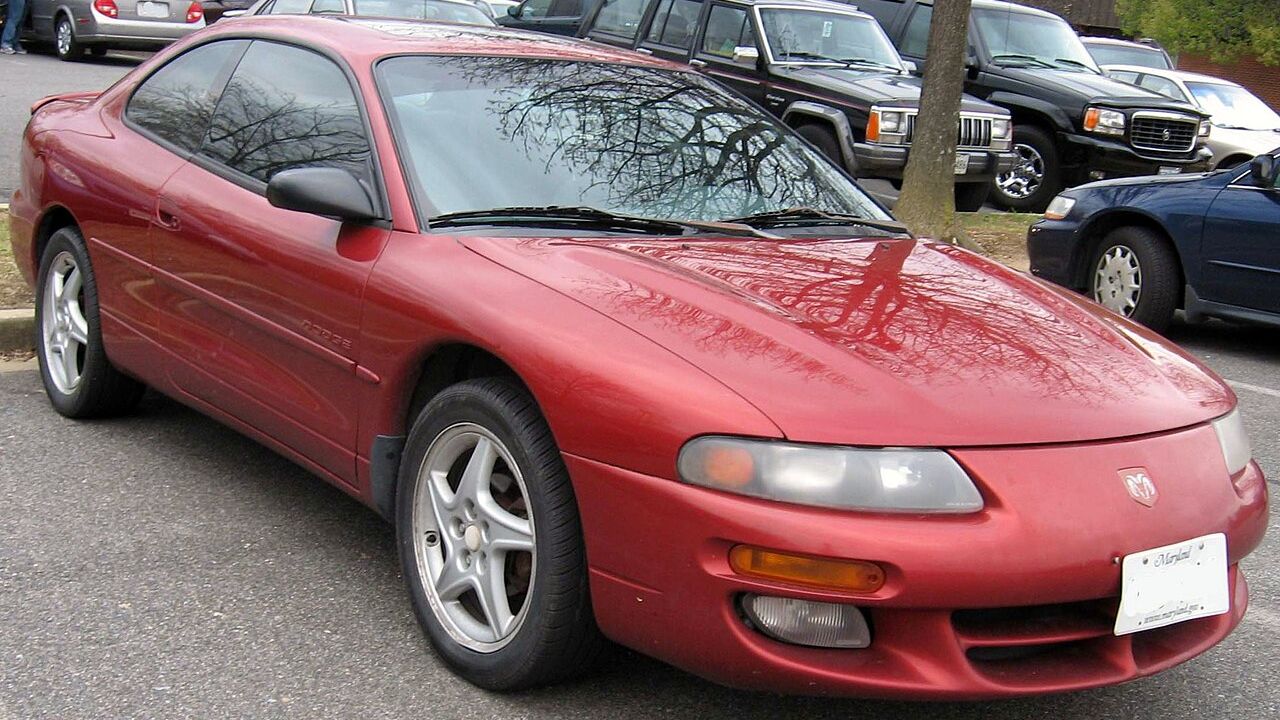
The Dodge Avenger, despite its sleek design and sporty intent, was more of a fashion statement than a performance vehicle. Offered from 1995 to 2000, the Avenger had a 2.0-liter inline-four engine that only generated a paltry 130 horsepower. The car’s styling suggested agility and speed, but it struggled with acceleration, often taking over nine seconds to reach 60 mph. This discrepancy between its looks and performance left many drivers feeling underwhelmed. While it may have turned heads, the Avenger’s lack of speed was an unfortunate reality.
Pontiac Fiero
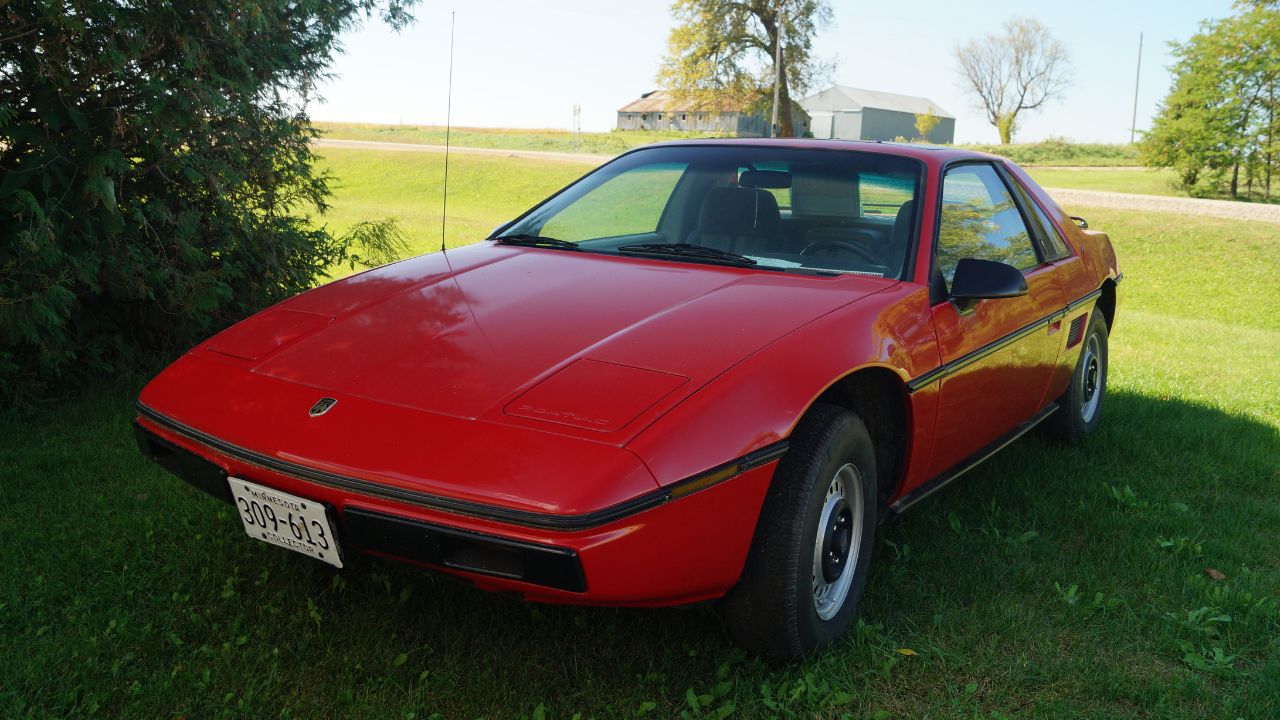
The Pontiac Fiero was introduced in 1984 as a sporty, mid-engine coupe that promised excitement. However, it fell short of expectations with its lackluster performance. The base model came with a 2.5-liter four-cylinder engine that produced just 92 horsepower, leading to sluggish acceleration times of over 10 seconds to 60 mph. The Fiero was designed to look fast, with its low profile and aggressive lines, but its engine simply did not match that aesthetic. While it had a unique design, the Fiero’s performance left many wanting more.
Subaru BRZ

While the Subaru BRZ may appear to be a performance-oriented sports car, it actually offers a more subdued driving experience. Powered by a 2.4-liter flat-four engine, the BRZ produces around 228 horsepower, which sounds promising but is underwhelming in reality. The car’s 0-60 mph times hover around 6 seconds, which is decent but not competitive in its class. Its lightweight construction and agile handling do provide some fun behind the wheel, yet the BRZ’s styling gives the impression of a faster vehicle than it actually is. It’s a perfect example of style over substance.
Mazda RX-8
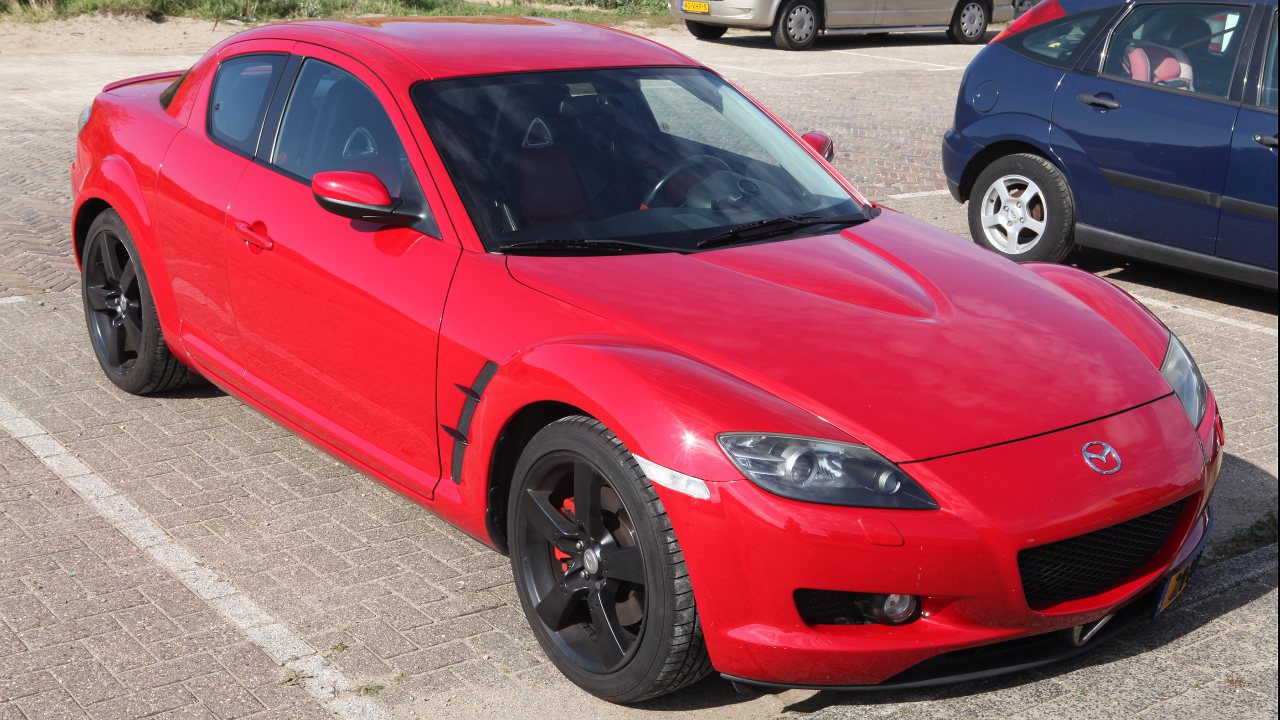
The Mazda RX-8 is a vehicle that many enthusiasts admire for its unique rotary engine and sporty design. However, despite its striking looks, it offers lackluster performance compared to its competitors. The RX-8’s 1.3-liter rotary engine produces about 238 horsepower, which sounds impressive but translates to a 0-60 mph time of approximately 6.4 seconds. While it handles beautifully and has a distinctive aesthetic, the RX-8 often disappoints those seeking thrilling speed. Its design suggests agility, yet the performance doesn’t quite match the enticing exterior.
Toyota Celica (2000s)
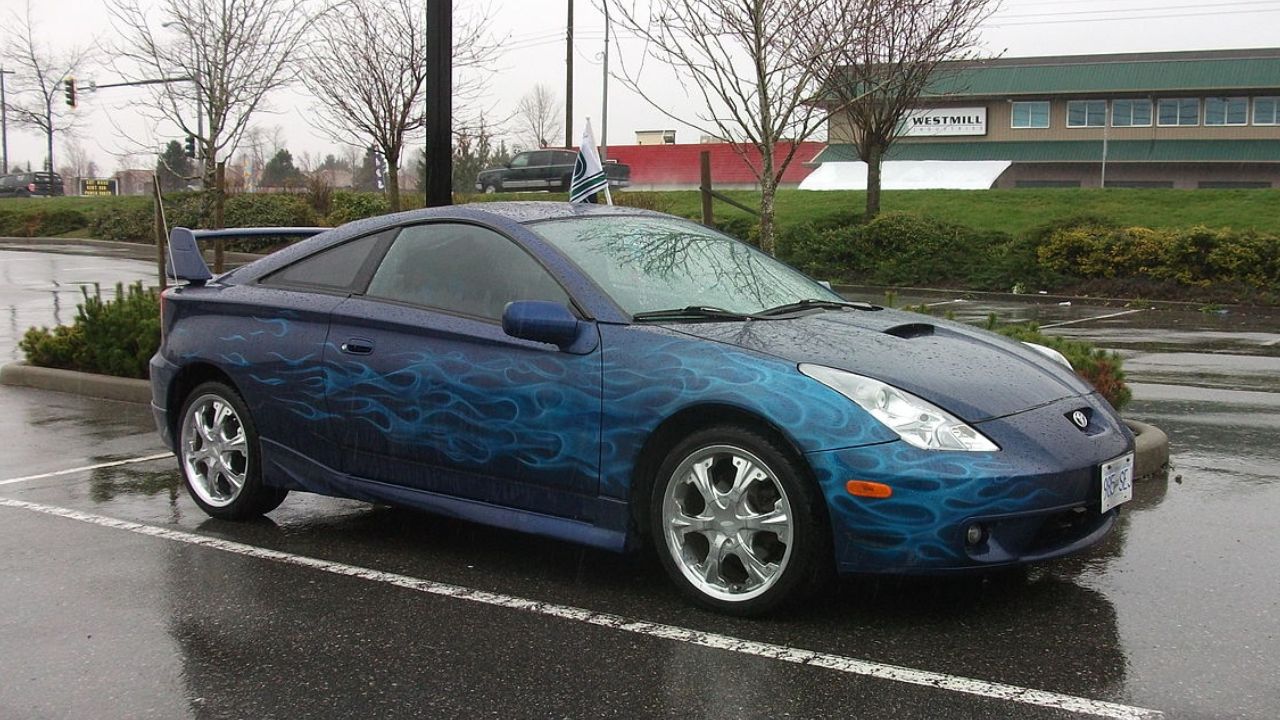
The Toyota Celica, particularly in the early 2000s, was marketed as a sporty compact car. However, many versions were equipped with underpowered engines that limited their performance. The 2000-2005 models had a 1.8-liter inline-four engine producing only 140 horsepower, leading to a disappointing 0-60 mph time of around 8 seconds. The Celica’s sleek lines and aggressive stance may have suggested speed, but the actual driving experience was far from exhilarating. This disconnect between appearance and reality left many drivers feeling that they were driving a car that looked quicker than it truly was.
Nissan 350Z

The Nissan 350Z was celebrated for its bold design and sporty appeal. However, despite its powerful 3.5-liter V6 engine capable of producing 306 horsepower, the driving experience was often less thrilling than expected. The car’s performance metrics indicated a 0-60 mph time of around 5.5 seconds, which is respectable but not particularly fast by contemporary standards. The 350Z’s aggressive styling suggested a high-performance sports car, yet it struggled to keep up with newer competitors in its class. The excitement of its appearance was not fully matched by its performance on the road.
Volkswagen Beetle (New Generation)

The new generation of the Volkswagen Beetle, introduced in 2011, carried the iconic design into a modern context. However, underneath its charming exterior lay a rather uninspired driving experience. The base model featured a 2.0-liter four-cylinder engine producing just 150 horsepower, resulting in a 0-60 mph time of around 8 seconds. While the Beetle’s retro styling suggested a lively and spirited ride, the performance was anything but thrilling. It was a nostalgic nod to the past that ultimately failed to deliver the speed that its looks promised.
Honda Prelude

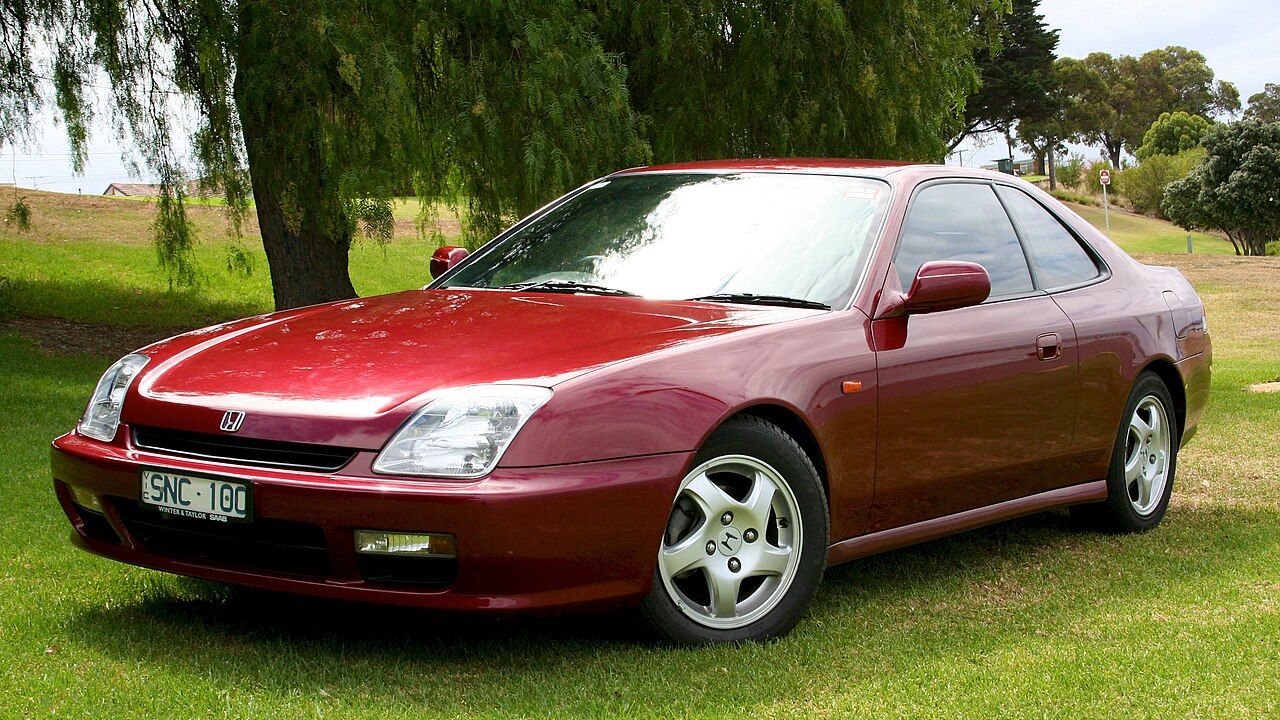
The Honda Prelude, particularly in its later years, is often remembered for its stylish design and reputation for reliability. However, many models, especially those produced during the 1990s, were equipped with engines that lacked the necessary power to match their sporty appearance. The 1997 model, for example, had a 2.2-liter four-cylinder engine that produced a modest 145 horsepower, resulting in a 0-60 mph time of around 8.5 seconds. While the Prelude looked fast with its sleek lines and sporty stance, the actual driving experience often fell short of the expectations set by its design.
More from Fast Lane Only