Modern cars are faster, quieter, and more technologically advanced than ever before, but many enthusiasts believe something important has been lost along the way. Older automobiles demanded greater driver involvement, rewarded mechanical understanding, and created stronger connections between person and machine. These cars remind people that driving once felt more engaging, making many modern vehicles seem surprisingly disconnected by comparison.
Porsche 356
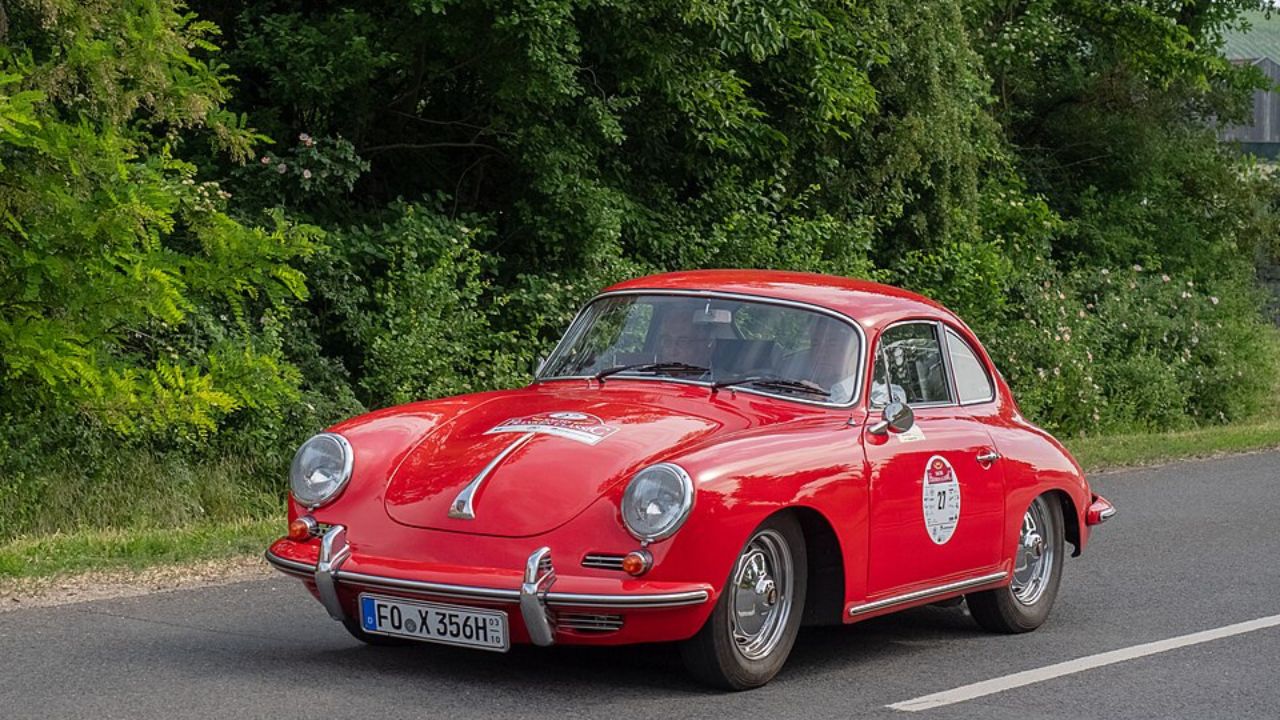
The Porsche 356 delivers an experience built around lightweight engineering, precise steering, and direct driver feedback. Without relying on electronic driving aids, every input feels meaningful, encouraging owners to become fully involved behind the wheel. Its modest power emphasizes momentum and skill rather than outright speed. Even decades after production ended, the 356 continues demonstrating how mechanical simplicity can create a driving experience that feels remarkably alive.
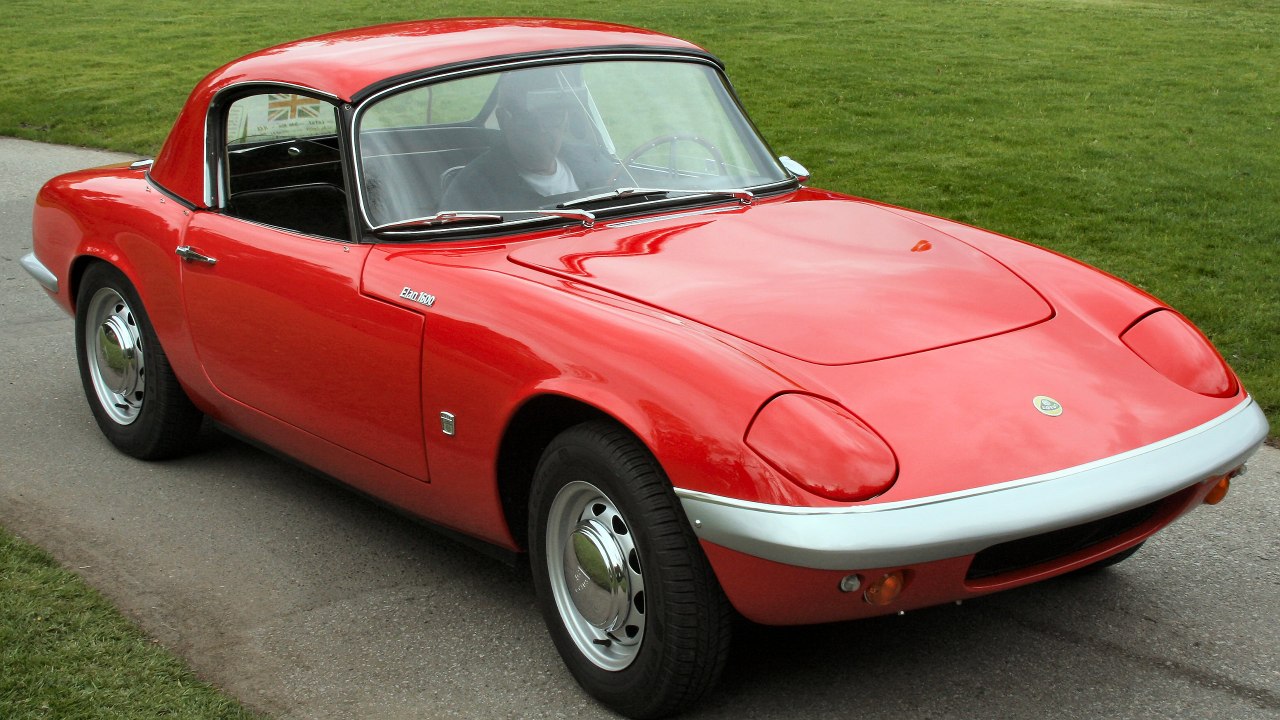
Lotus Elan (Series 2)
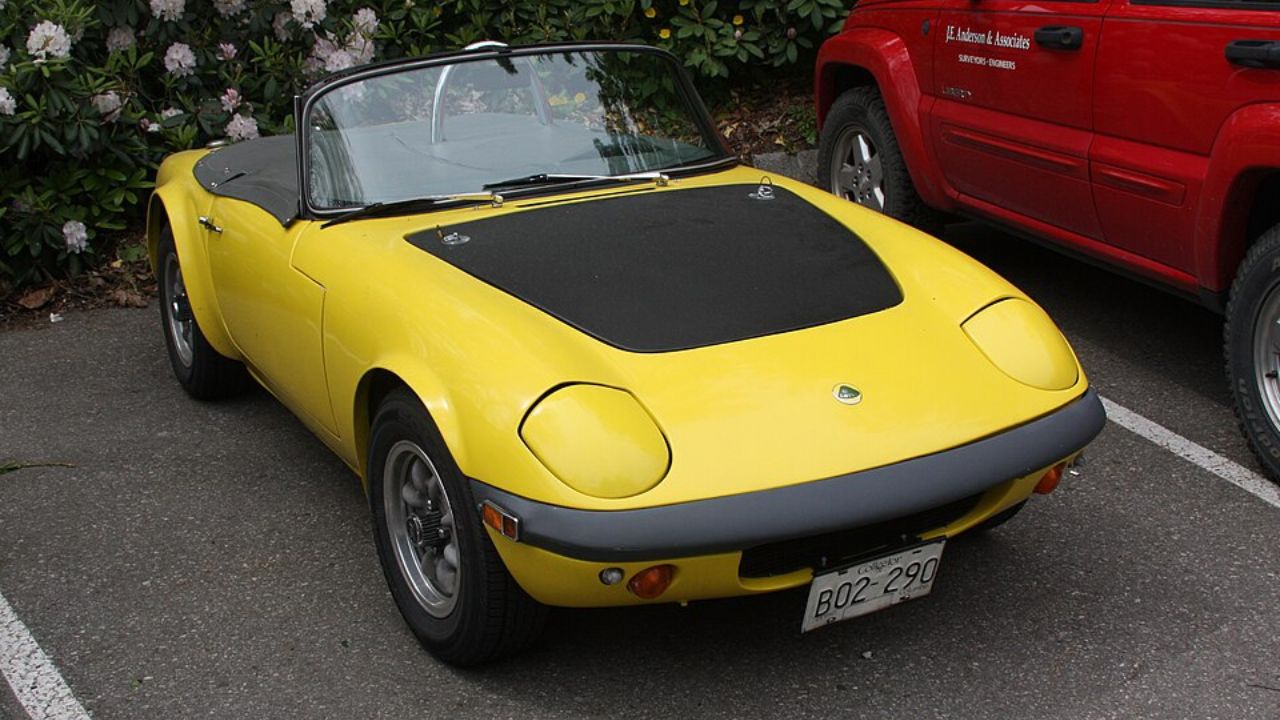
The Lotus Elan earned legendary status through exceptional balance and responsive handling rather than overwhelming horsepower. Its lightweight construction allowed every corner to become rewarding, while its communicative steering inspired confidence at virtually any speed. Owners often describe the Elan as an extension of themselves instead of merely a vehicle. It reminds enthusiasts that genuine driving enjoyment often comes from connection rather than increasingly sophisticated technology.
Alfa Romeo Giulia Sprint GT
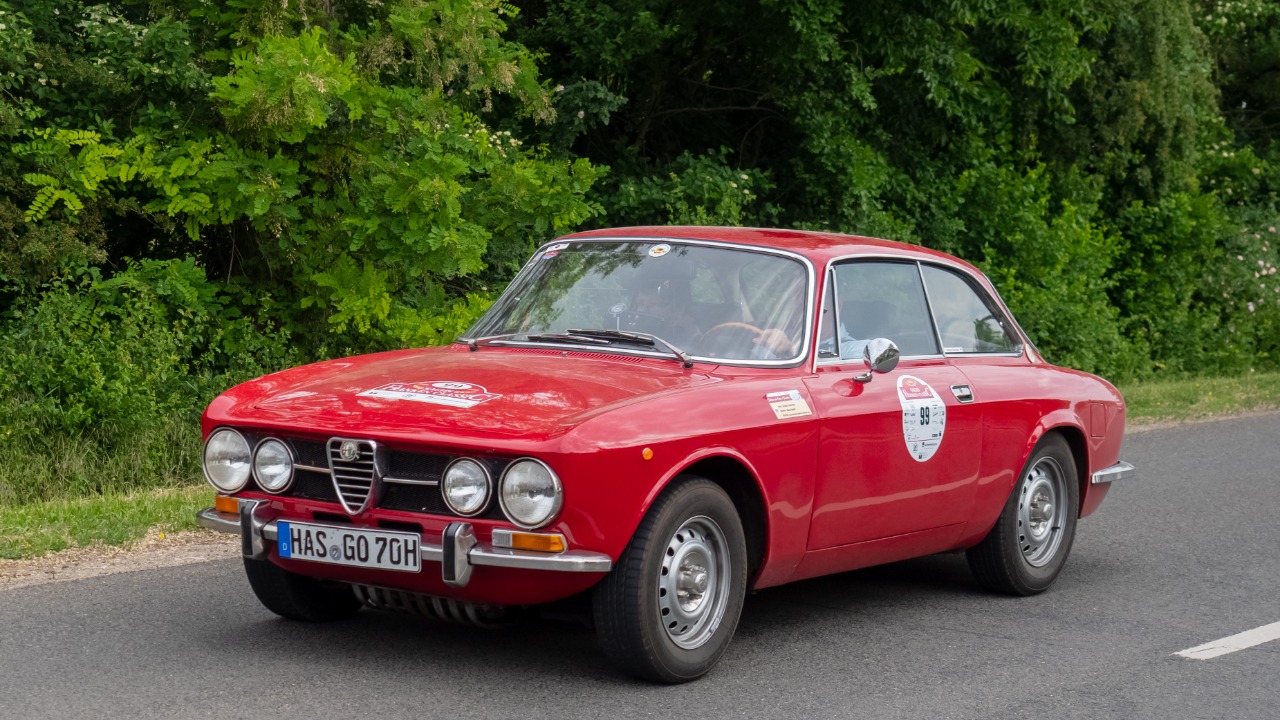
The Alfa Romeo Giulia Sprint GT combines lively twin-cam performance with agile handling and unmistakable Italian character. Every gear change, steering input, and engine response contributes to an engaging driving experience that encourages active participation. Owners appreciate its willingness to communicate exactly what the car is doing at all times. Compared with many modern performance cars, the Sprint GT feels refreshingly honest and mechanically transparent.
BMW 2002
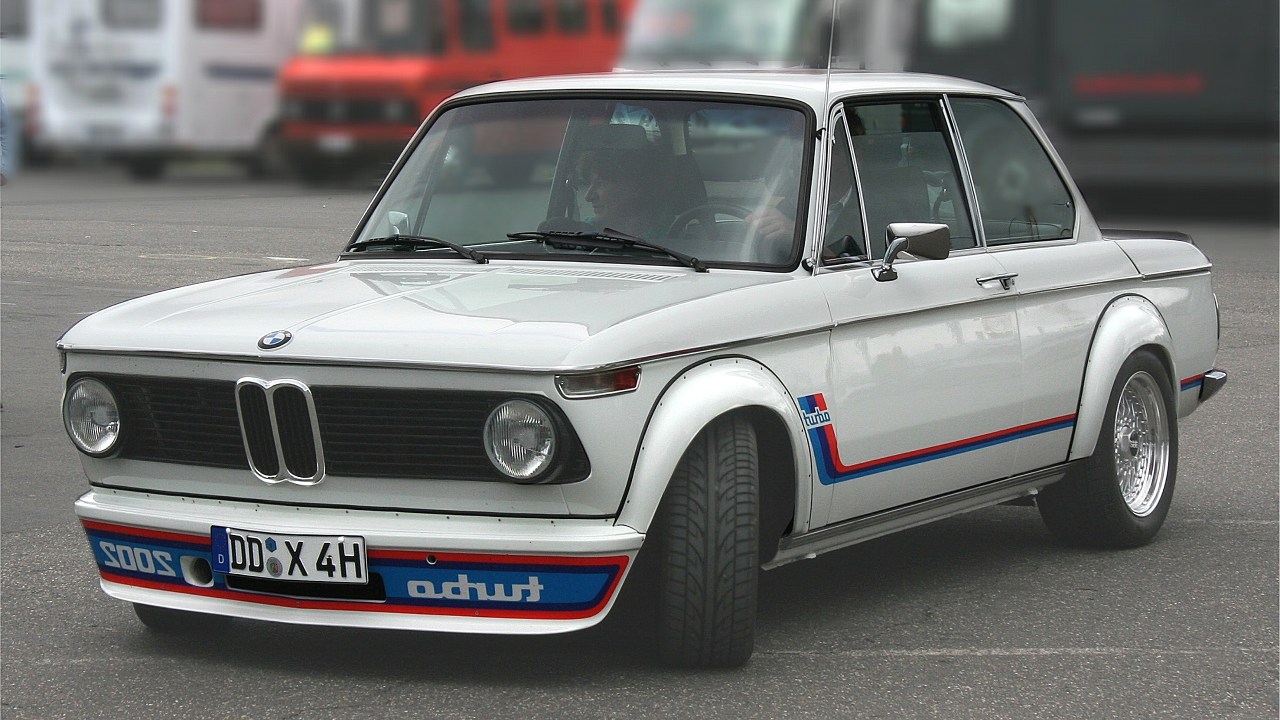
The BMW 2002 became famous because it balanced everyday practicality with an engaging driving experience. Its compact dimensions, responsive chassis, and excellent visibility encourage confident driving without requiring extraordinary speeds. Owners frequently discover that even routine commutes become enjoyable. Rather than isolating the driver, the 2002 constantly invites participation, reminding enthusiasts why it helped establish BMW’s reputation for building driver’s cars.
Datsun 240Z
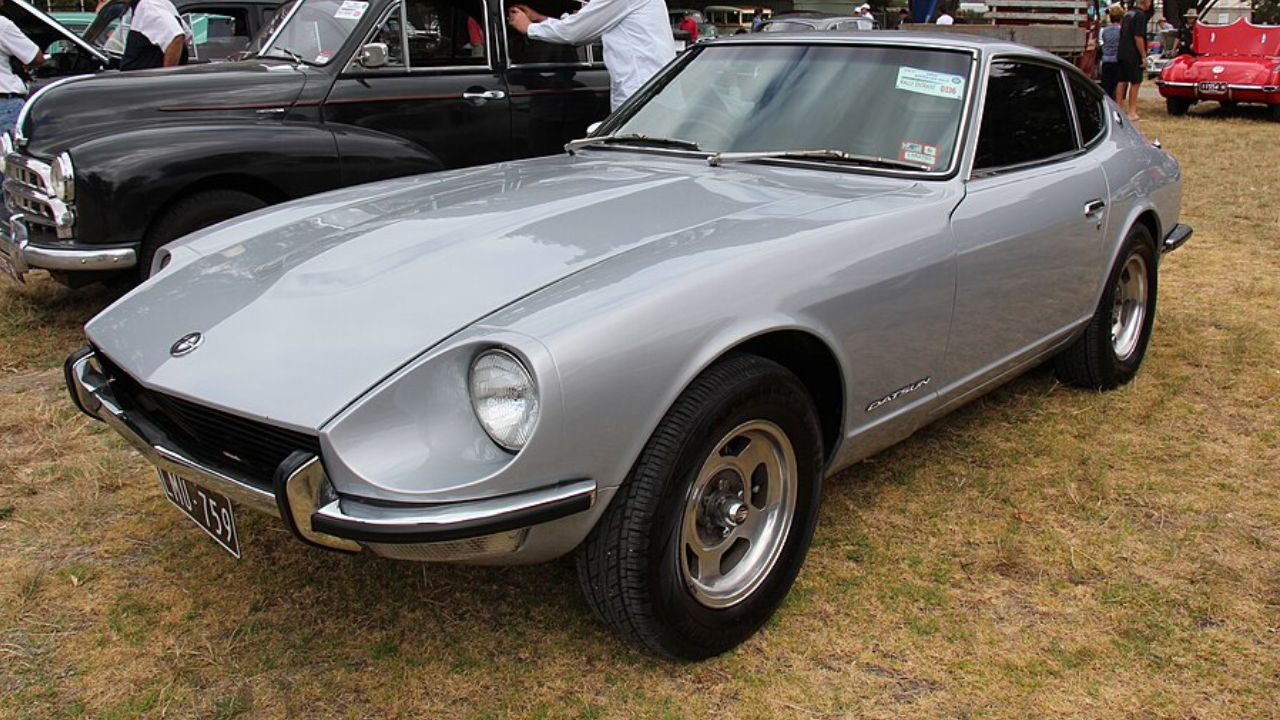
The Datsun 240Z proved that an affordable sports car could still deliver genuine involvement behind the wheel. Its naturally aspirated engine, balanced chassis, and straightforward controls rewarded smooth, deliberate driving. Owners appreciated its reliability without sacrificing personality, creating an experience that remained enjoyable for decades. The 240Z continues showing that meaningful driver engagement often depends more on thoughtful engineering than overwhelming performance figures.
Triumph TR6
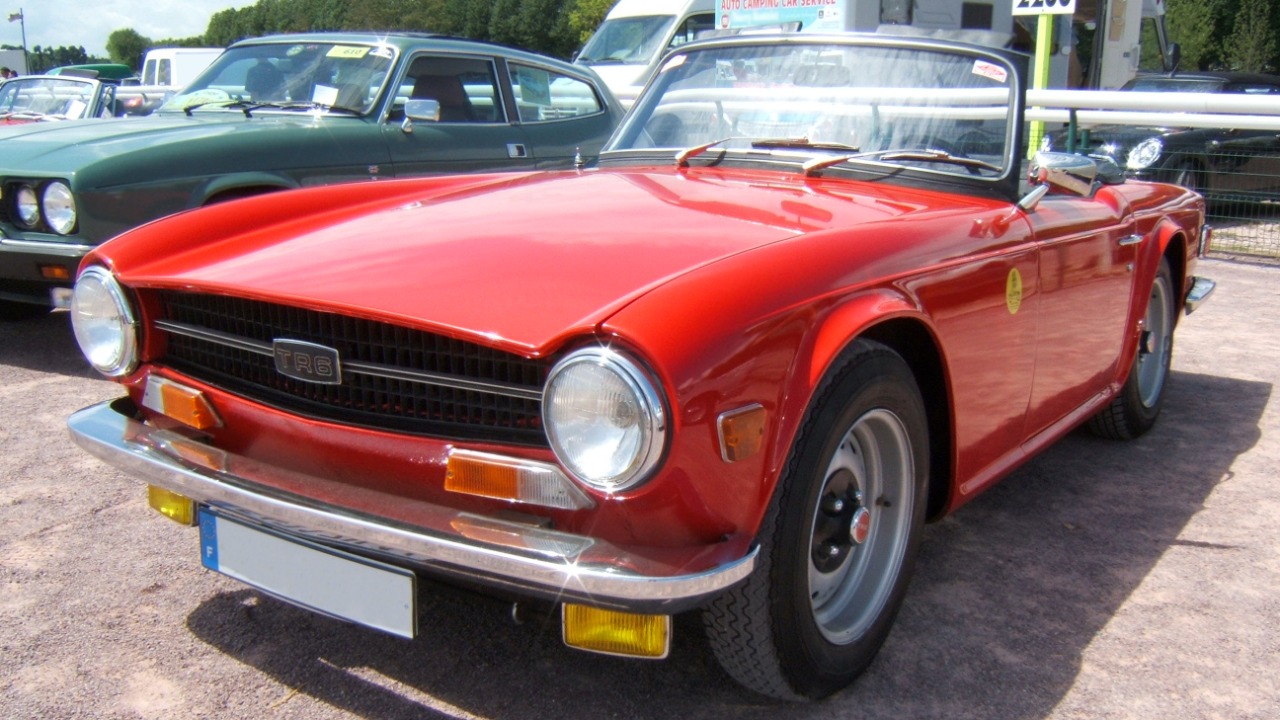
The Triumph TR6 offers a classic British roadster experience centered on open-air driving and mechanical simplicity. Its responsive steering, traditional manual gearbox, and charismatic inline-six engine encourage drivers to savor every journey. Owners often discover that ordinary roads become memorable simply because the car demands greater attention and involvement. Compared with many modern convertibles, the TR6 feels wonderfully authentic and refreshingly uncomplicated.
Chevrolet Corvette Sting Ray (1963)
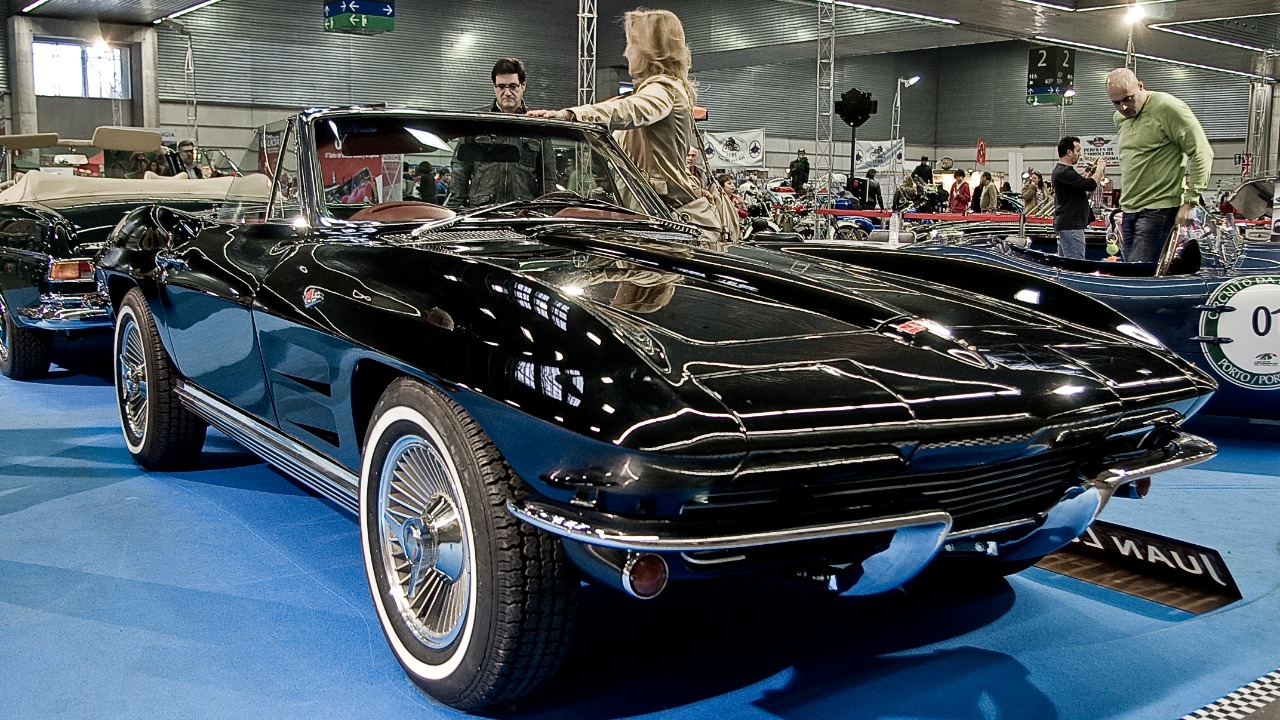
The 1963 Chevrolet Corvette Sting Ray combined striking styling with an engaging V8-powered driving experience that rewarded confident drivers. Its direct steering, manual transmission, and unmistakable soundtrack created a lasting emotional connection. Owners frequently describe every drive as an event rather than routine transportation. The Sting Ray demonstrates that genuine excitement often comes from mechanical character instead of increasingly advanced electronic systems.
Mazda RX-7 (FD)

The Mazda RX-7 FD earned admiration through lightweight construction, balanced handling, and its distinctive rotary engine. Owners appreciated how naturally the car responded to every steering and throttle input, creating a sense of unity between driver and machine. Rather than overwhelming with unnecessary complexity, the RX-7 emphasized precision and involvement. Its character continues making many modern sports cars feel comparatively distant and less engaging.
Ford Mustang Boss 302 (1969)

The 1969 Ford Mustang Boss 302 blended muscular V8 performance with handling improvements inspired by competitive racing. Drivers needed to understand the car’s behavior, making every successful drive especially rewarding. Owners valued the sense of accomplishment that came from mastering its capabilities instead of relying on electronic assistance. The Boss 302 remains a reminder that confidence behind the wheel once developed through experience rather than software.
Morgan Plus 4
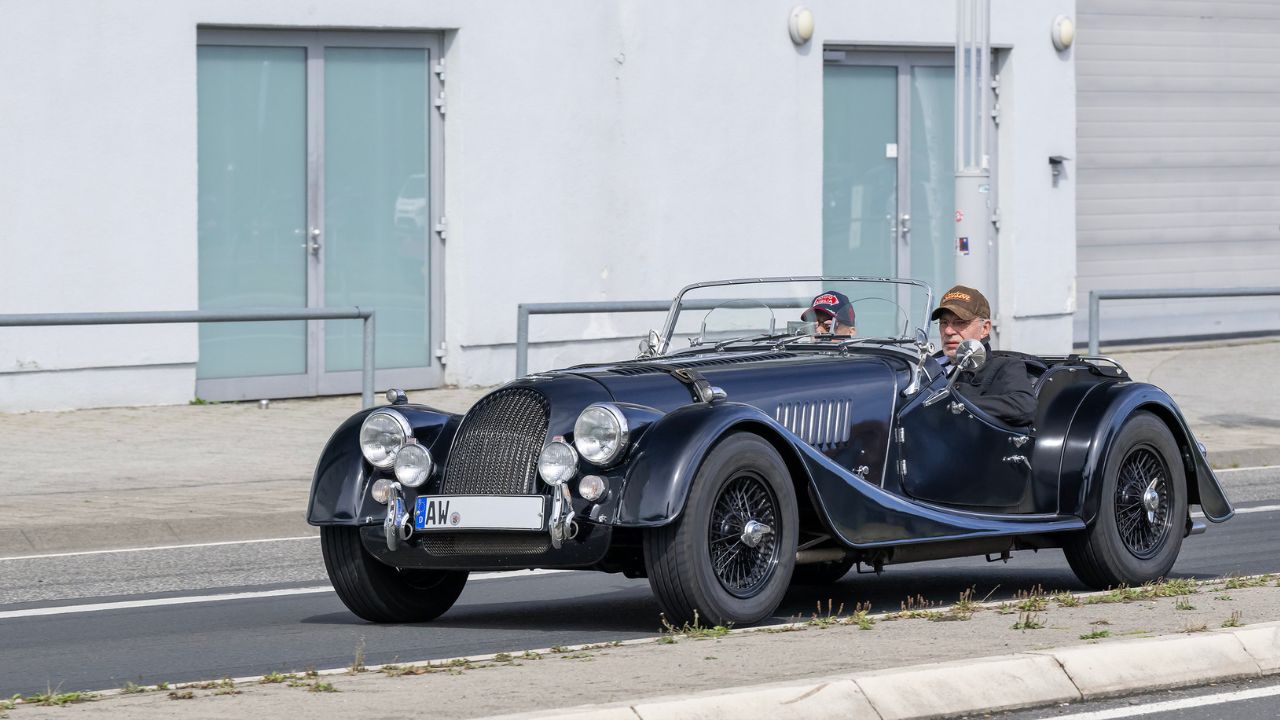
The Morgan Plus 4 preserves a traditional sports car formula that has remained remarkably unchanged for decades. Its lightweight body, simple construction, and direct controls deliver an experience that feels almost timeless. Owners enjoy the sensation of driving a machine that communicates through every vibration, steering movement, and gear change. In an increasingly digital automotive world, the Plus 4 continues proving that authentic driving experiences never become outdated.
More from Fast Lane Only
- Unboxing the WWII Jeep in a Crate
- 15 rare Chevys collectors are quietly buying
- 10 underrated V8s still worth hunting down
- Police notice this before you even roll window down
*Research for this article included AI assistance, with all final content reviewed by human editors