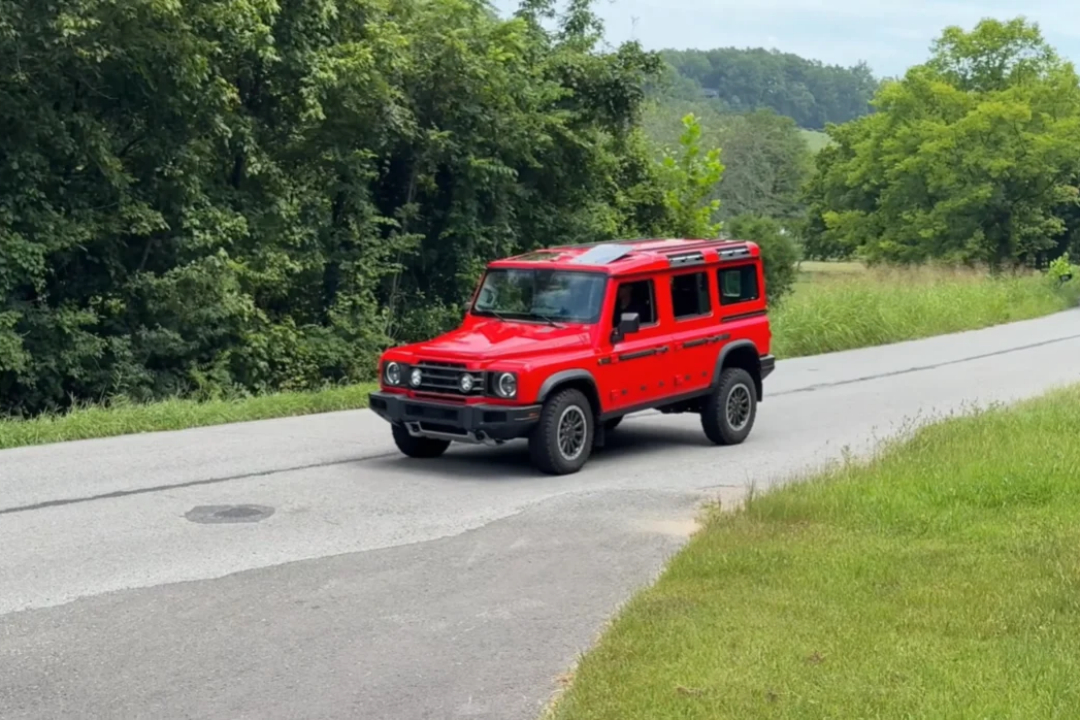
Automakers that think in decades instead of product cycles leave a distinct signature in their cars. The following ten models show how patient engineering, consistent philosophy, and careful iteration can create machines that feel cohesive rather than rushed. Each one reveals what happens when a company treats a car as a long project, not a short marketing play.
Mazda MX-5 Miata
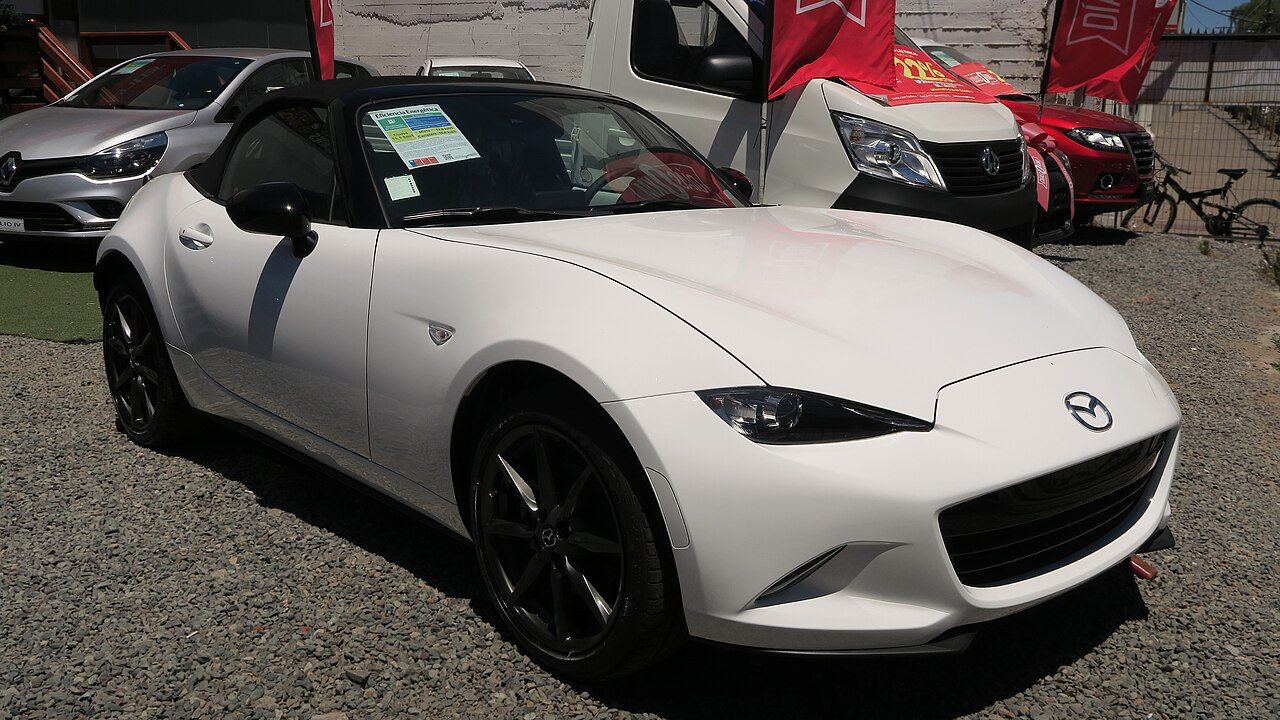
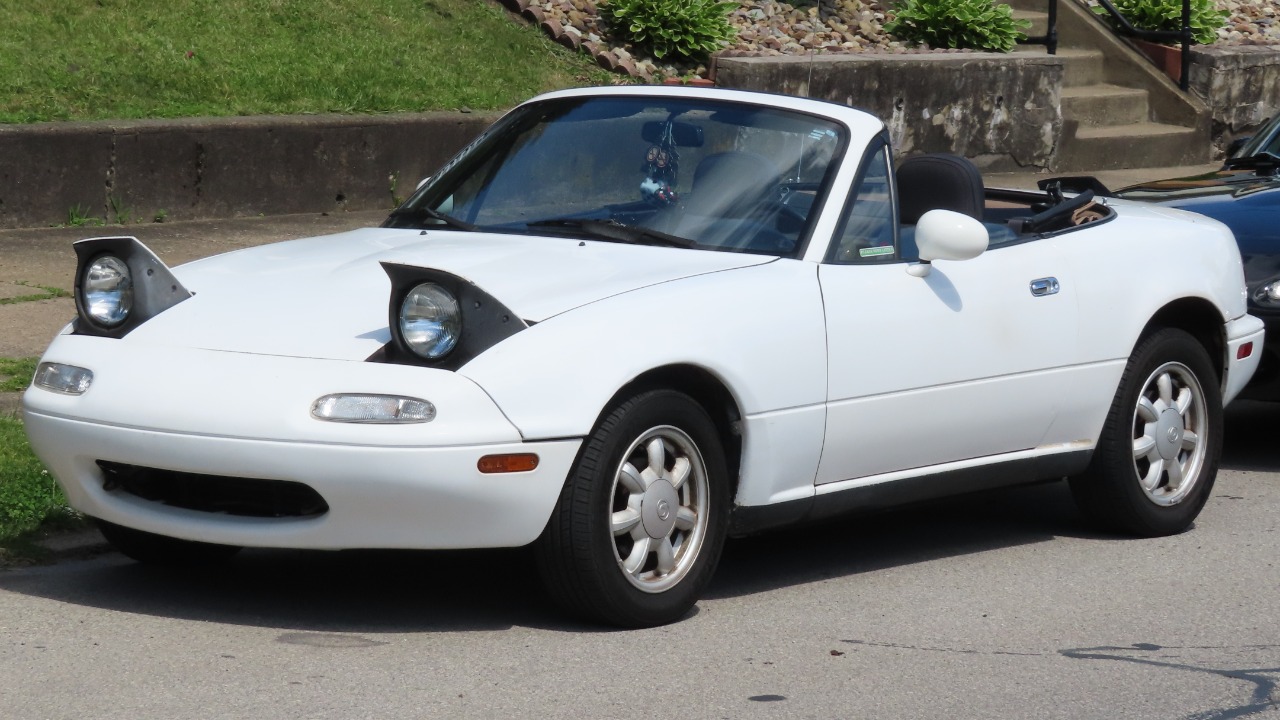
The Mazda MX-5 Miata is a textbook case of long-term focus. Since the original NA model, engineers have protected a simple formula: light weight, rear-wheel drive, and modest power paired with exceptional balance. Over successive generations, they have trimmed excess mass, refined suspension geometry, and improved steering feel without losing the easygoing character that made the car popular with club racers and daily drivers alike.
That persistence shows in the current ND, which uses a compact Skyactiv-G engine, a tight footprint, and a meticulous seating position to keep driver inputs at the center of the experience. Instead of chasing headline horsepower, Mazda has invested in incremental chassis stiffening, gearbox feel, and ergonomics. The result is a roadster that still rewards precision and consistency more than raw speed.
Porsche 911
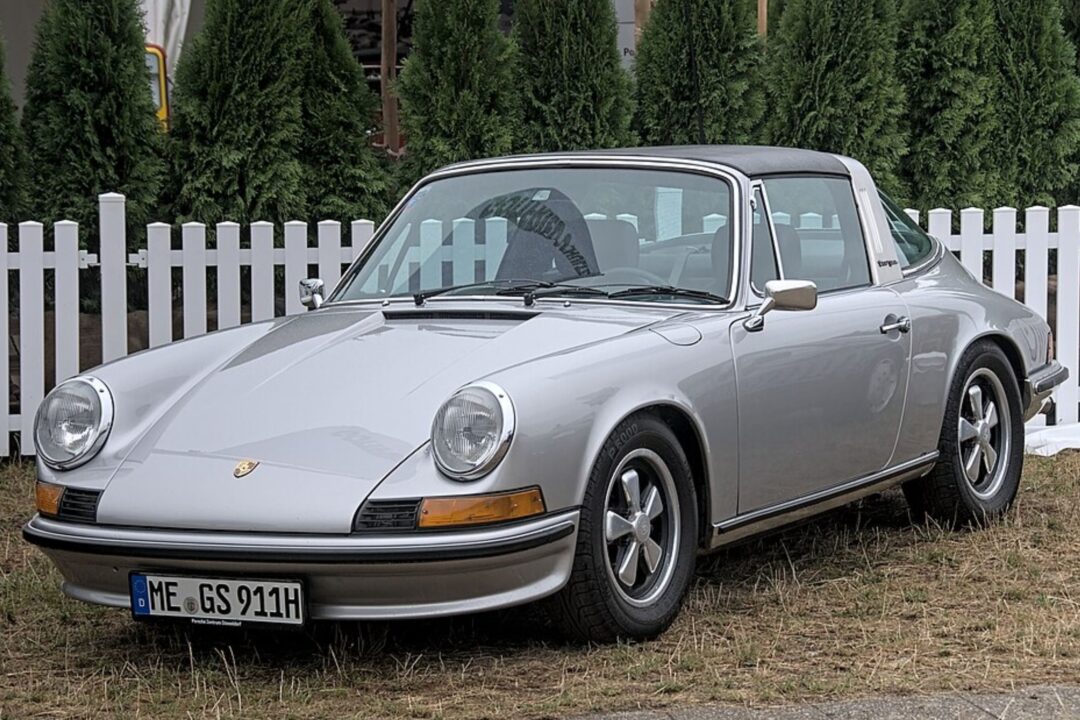
The Porsche 911 has carried its rear-engine layout through decades of criticism and constant refinement. Engineers have spent generations addressing weight distribution, cooling, and stability, turning what began as a quirky sports car into a benchmark for everyday usability and track performance. Each redesign keeps the silhouette and basic architecture intact, even as materials, electronics, and aero evolve.
This continuity lets Porsche refine details at a microscopic level. Steering calibration, brake pedal travel, and torque delivery are tuned so that a modern 911 still feels connected to older air-cooled models. Long-term investment in turbocharging, dual-clutch gearboxes, and active suspension has not erased the car’s core identity; it has made the 911 more capable on road and circuit while preserving its familiar rhythm.
Toyota Corolla
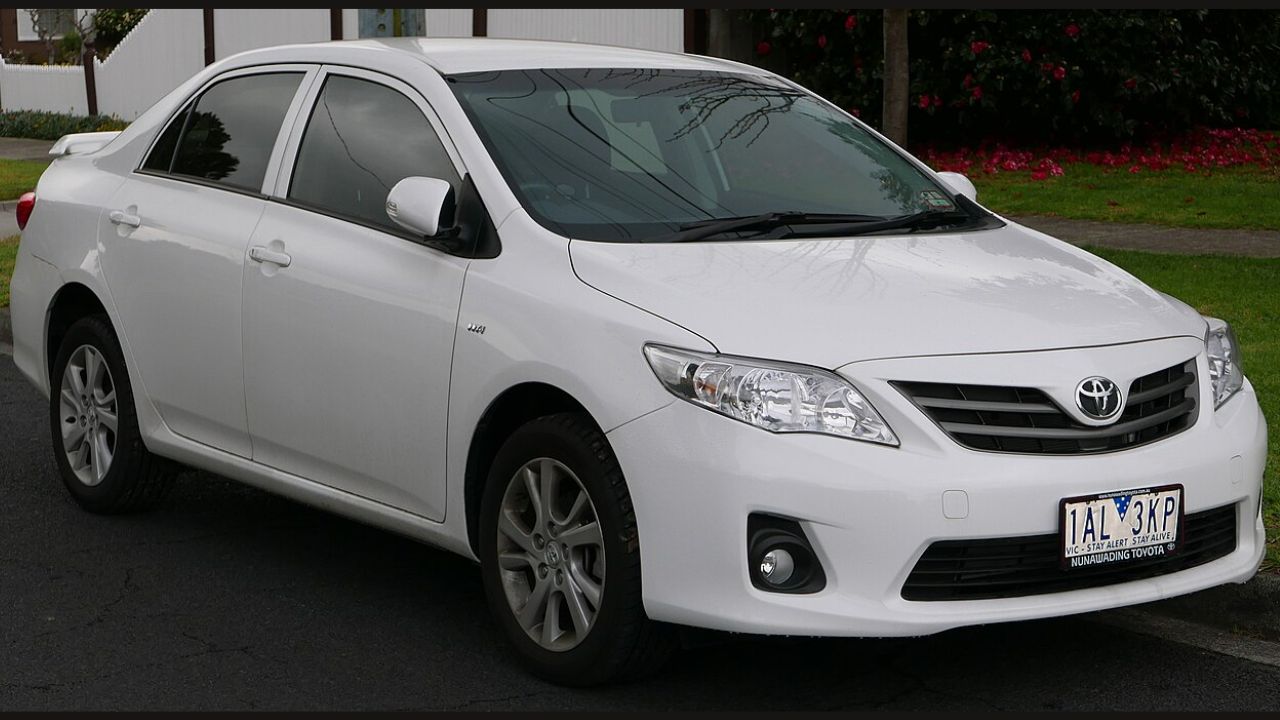
The Toyota Corolla is not a halo car, yet it might be one of the clearest examples of disciplined engineering. Over multiple generations, Toyota has focused on durability, predictable handling, and low running costs. The result is a compact car that consistently earns a reputation for reliability, with engines and transmissions designed to survive high mileage and rough maintenance habits.
In recent generations, Toyota has added independent rear suspension, improved crash structures, and more sophisticated electronics without abandoning that conservative mechanical base. Engineers have quietly upgraded corrosion protection, cooling capacity, and interior materials. This patient approach shows up in real-world fleets, where Corollas often outlast rivals in taxi and rideshare duty, reinforcing the value of long-term design priorities.
Honda Civic
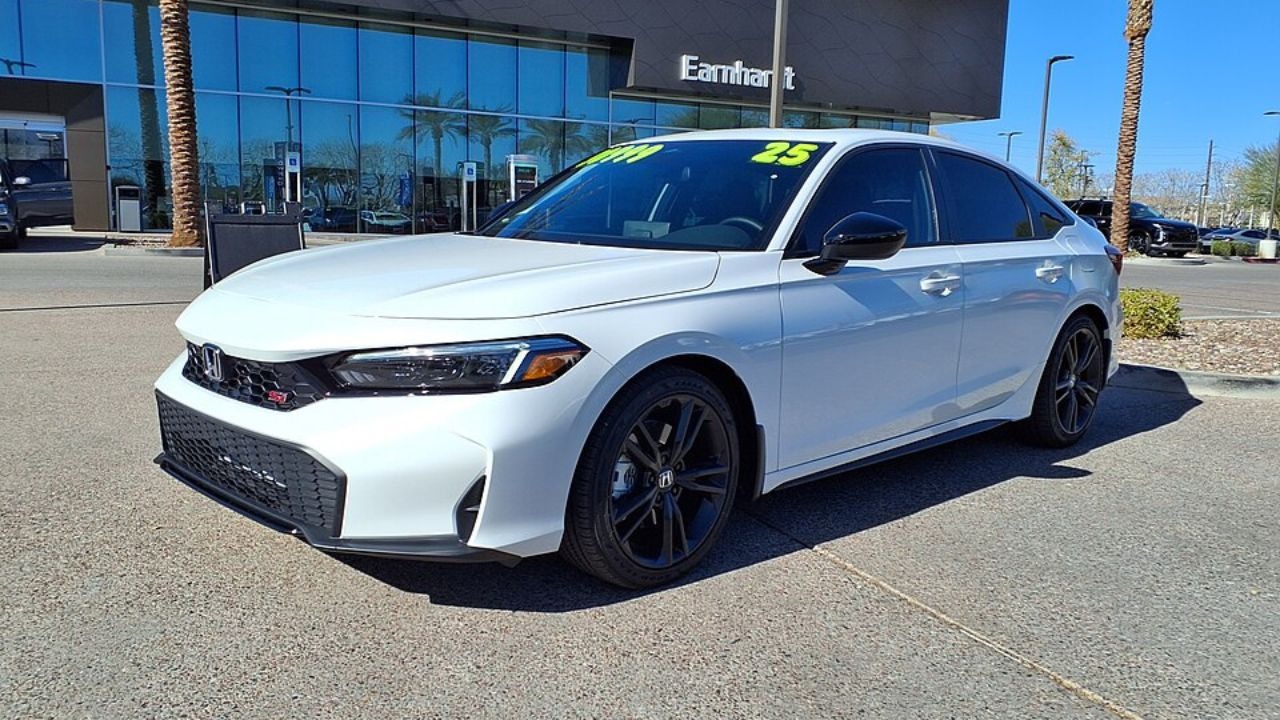
The Honda Civic has shifted shapes over the years, from subcompact to family hatchback to performance sedan, but a few traits keep returning. Honda repeatedly invests in high-revving engines, precise shifters, and responsive chassis tuning, even on lower trims. That consistency reveals a company that treats the Civic as a showcase for its engineering culture, not just a sales volume tool.
Today’s Civic pairs efficient turbocharged engines with a rigid platform and carefully tuned suspension. Noise and vibration levels have dropped, yet steering feedback and body control remain sharp. The Type R variants push that philosophy further, using track development to refine cooling, aero balance, and brake durability. Across trims, the Civic illustrates how long-term learning can make a mass-market car feel surprisingly sophisticated.
BMW 3 Series
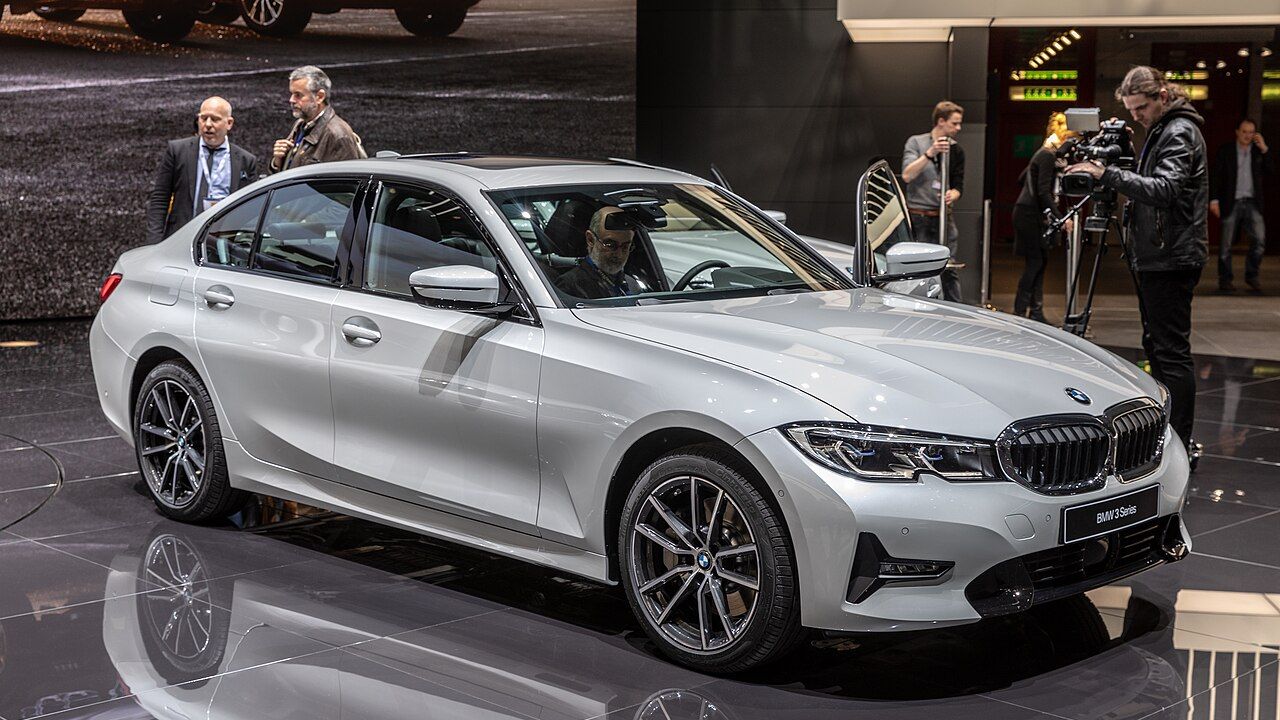
For decades, the BMW 3 Series has been the reference point for sports sedans. Engineers have treated the car as a rolling lab for rear-wheel-drive dynamics, perfecting weight distribution, suspension kinematics, and powertrain integration. Even as the lineup has expanded and electrification has begun to reshape the brand, the 3 Series still centers on balance and driver engagement.
Long-term investment in straight-six engines, multi-link rear suspensions, and near 50:50 weight distribution has paid off in consistent road manners. Steering has moved from hydraulic to electric, yet BMW continues to chase a linear, predictable response. Iterative improvements in body rigidity and crash performance have been introduced without sacrificing agility, showing how a legacy platform can adapt while protecting its core mission.
Mercedes-Benz S-Class
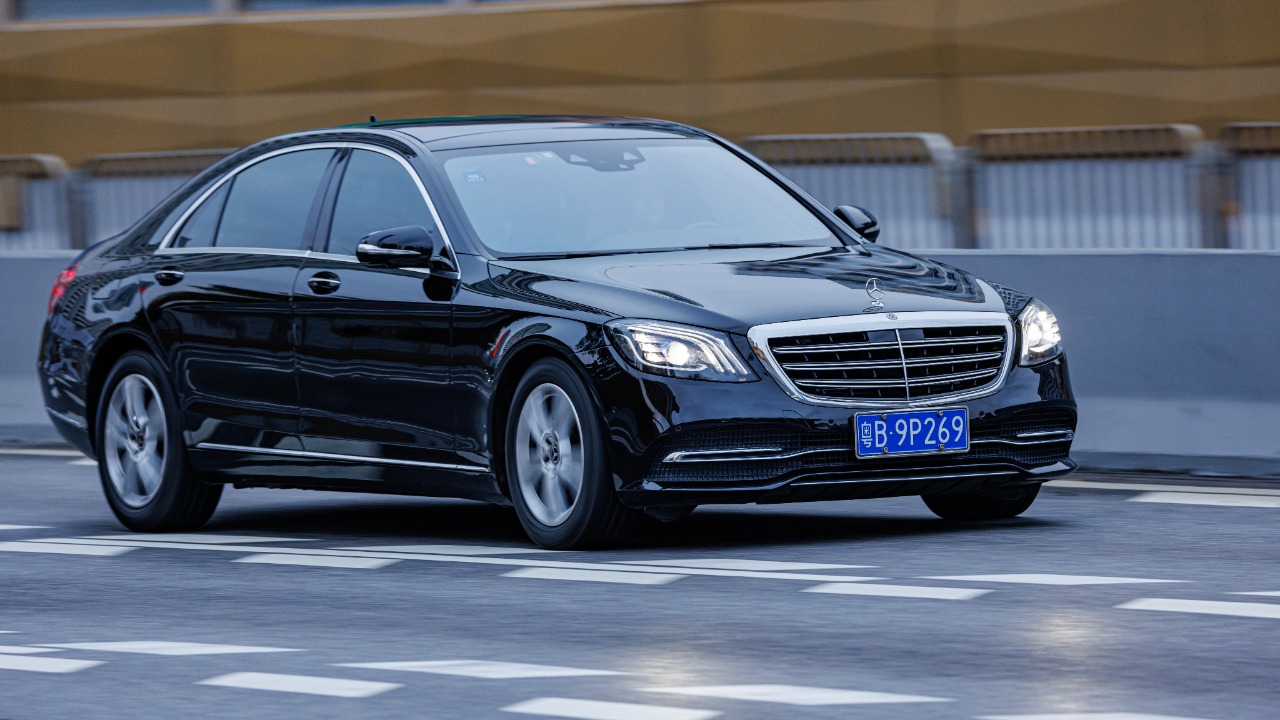
The Mercedes-Benz S-Class is engineered as a technology flagship, and its history shows how long-term planning shapes the entire industry. Features that first appeared on the S-Class, such as advanced safety systems, adaptive suspensions, and sophisticated infotainment, often filter down to more affordable models years later. Engineers design each generation with enough electrical and structural headroom to support future updates.
That patient approach appears in the way Mercedes integrates driver assistance, noise isolation, and ride comfort. Air suspension tuning, body rigidity, and cabin acoustics are developed together so that new features do not compromise the serene character buyers expect. The S-Class illustrates how a clear long-horizon roadmap can turn a luxury sedan into a rolling preview of mainstream automotive technology.
Toyota Land Cruiser
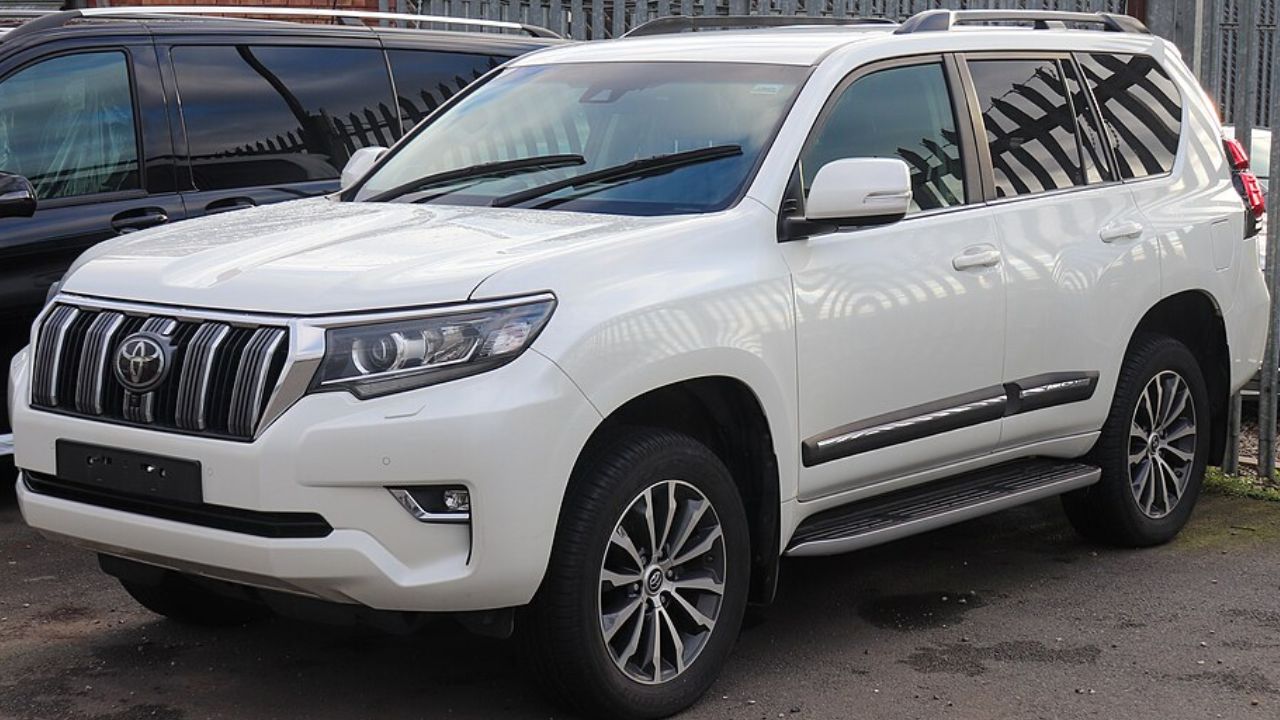
The Toyota Land Cruiser has earned its reputation in harsh environments where failure is not an option. Engineers have spent decades refining ladder frames, solid axles, and four-wheel-drive systems that can survive desert heat, remote expeditions, and heavy towing. Many design choices prioritize serviceability and durability over fashion, reflecting a long-term commitment to real-world use cases.
Generational changes often look conservative from the outside, yet under the skin Toyota has upgraded engines, transmissions, and safety systems while preserving the Land Cruiser’s core strengths. Cooling systems, fuel filtration, and drivetrain components are engineered with significant margins. That long-term thinking has made the Land Cruiser a favorite for humanitarian work, mining operations, and overland travel, where reliability counts more than showroom drama.
Chevrolet Corvette
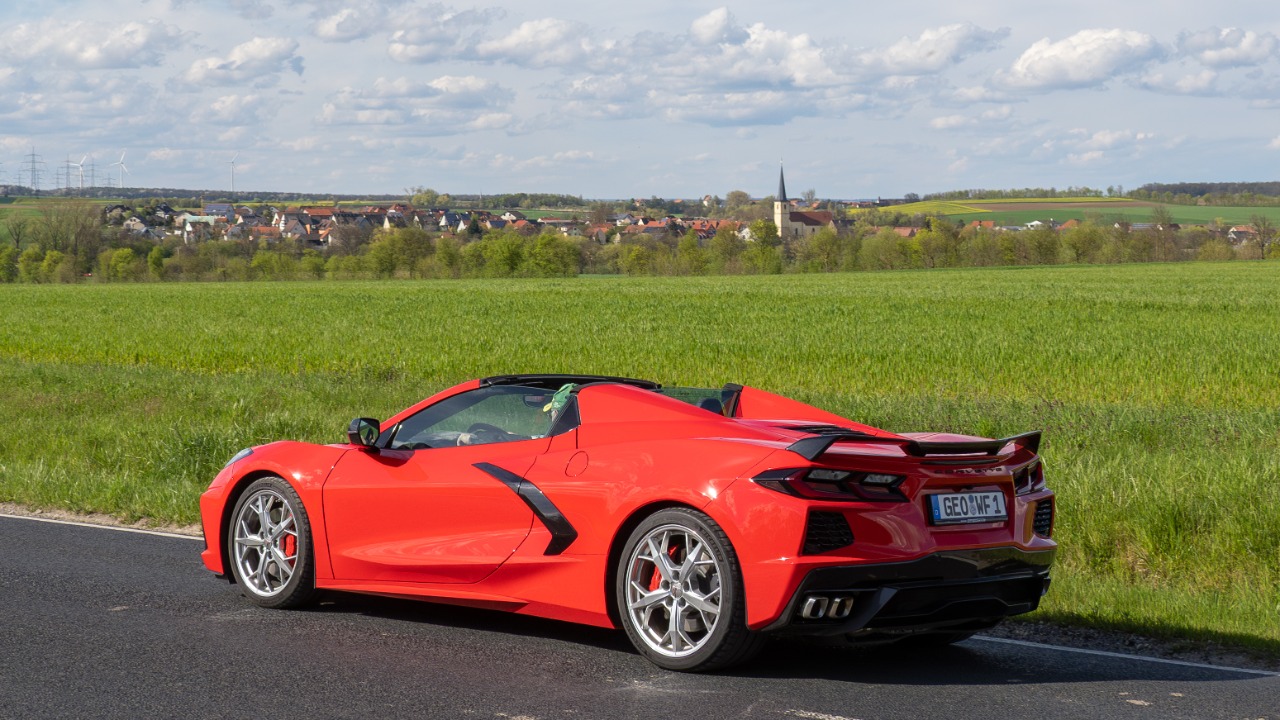
The Chevrolet Corvette shows how a brand can evolve a sports car over decades while keeping it recognizable. Earlier front-engine generations built a strong base of V8 power, composite bodywork, and relatively accessible pricing. Engineers learned how to extract performance from pushrod engines, fiberglass panels, and simple suspensions, gradually adding sophistication without losing the car’s American flavor.
The switch to a mid-engine layout in the C8 generation reflects long-term planning rather than a sudden pivot. Development teams had studied mid-engine prototypes and racing programs for years before committing. The result is a car that competes with established exotics on track performance while still using familiar small-block V8 architecture and a price structure that targets a broader audience than most supercars.
Ford Mustang
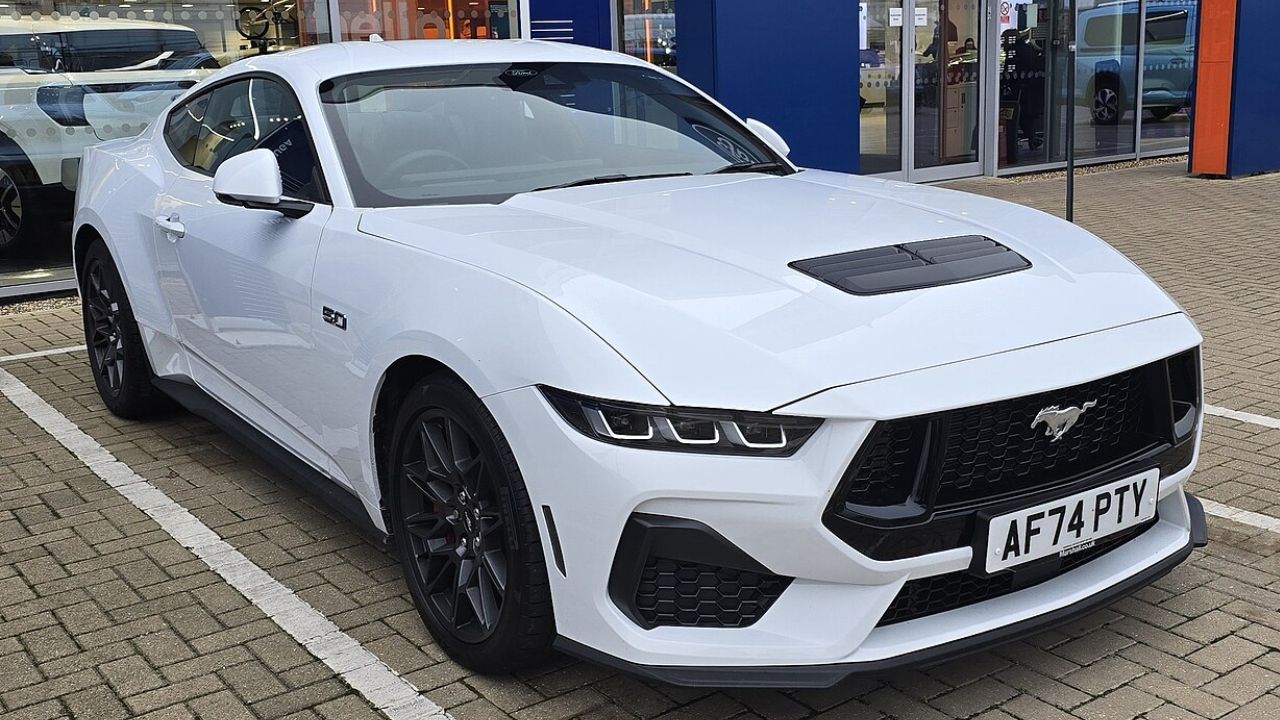
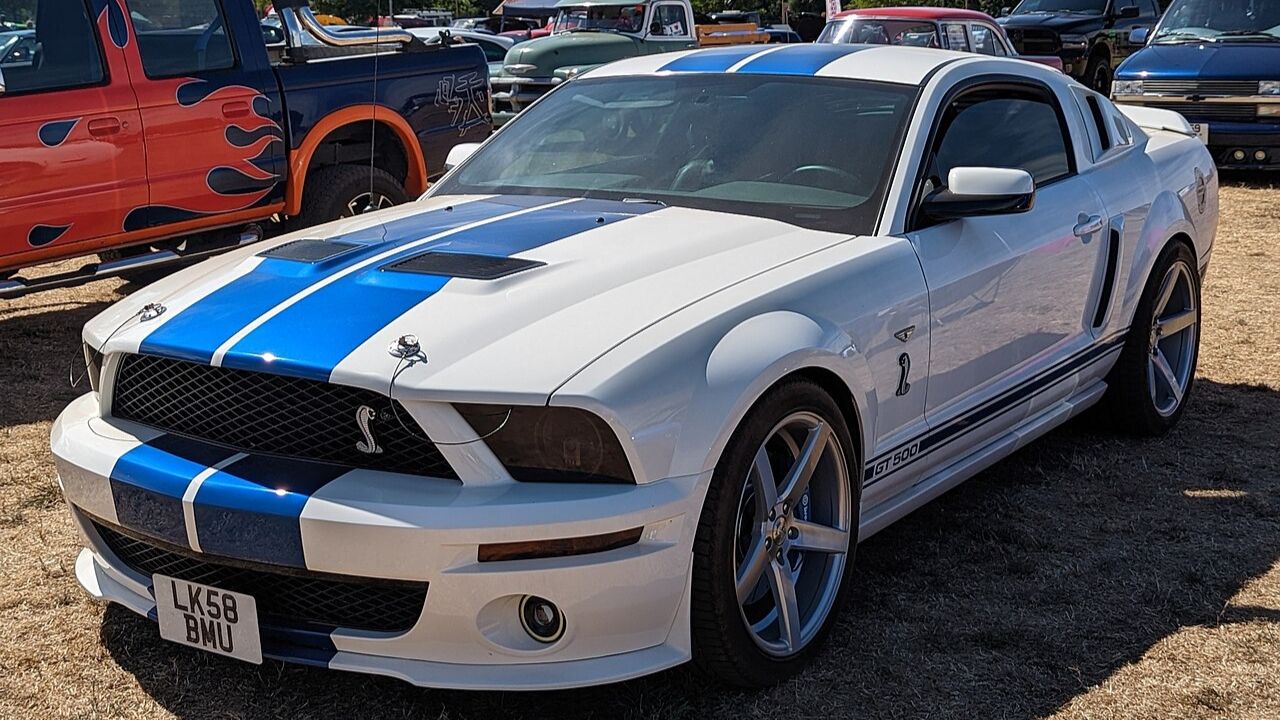
The Ford Mustang has navigated muscle car booms, fuel crises, and emissions crackdowns by leaning on a clear identity: accessible performance with a strong emotional hook. Engineers have repeatedly adapted the platform to new regulations and customer expectations, moving from carbureted V8s to modern turbocharged fours and advanced safety structures. Through these shifts, the Mustang has kept rear-wheel drive and a focus on straight-line speed combined with improving handling.
Recent generations benefit from independent rear suspension, sophisticated traction control, and track-focused packages that draw on racing experience. Long-term investment in modular V8 families, manual gearboxes, and performance tuning has allowed Ford to keep the Mustang relevant to enthusiasts while meeting stricter efficiency and safety standards. The car’s survival across so many eras shows how a clear engineering vision can adapt without losing its core appeal.
Porsche 718 Cayman / Boxster
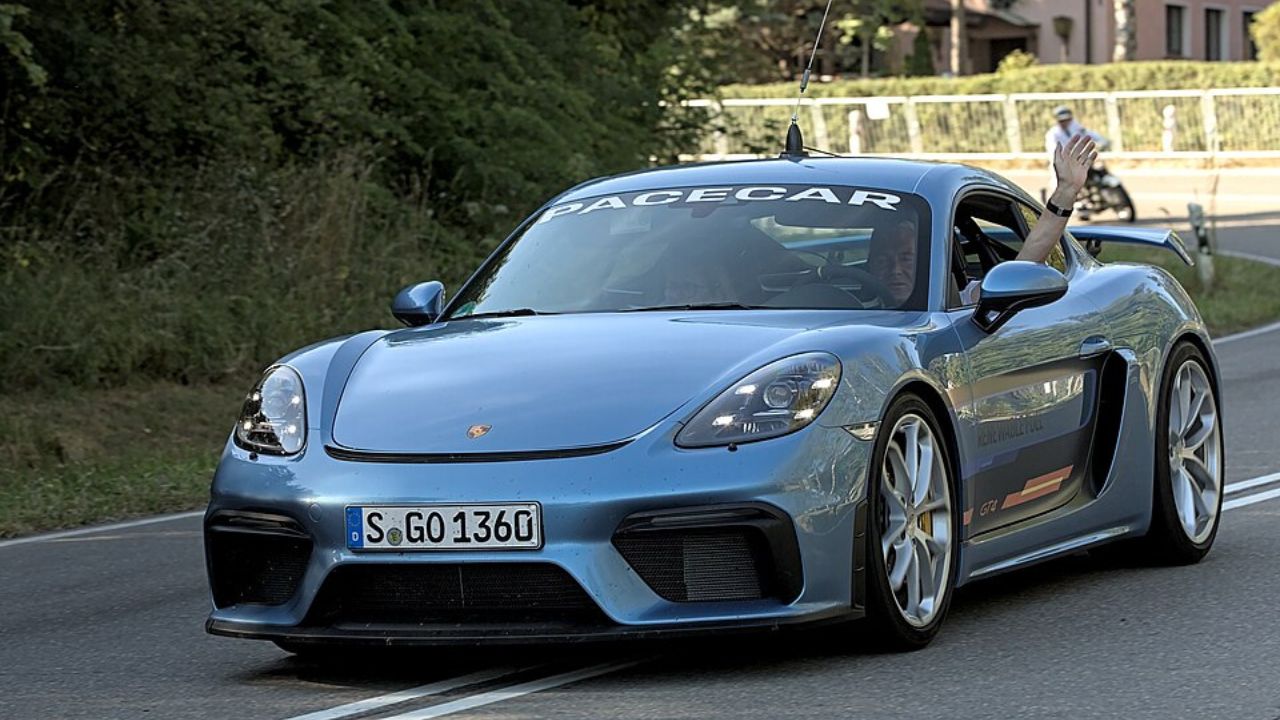
The Porsche 718 Cayman and Boxster demonstrate how a manufacturer can refine a mid-engine sports car concept over time. From the early Boxster, engineers focused on chassis balance, steering accuracy, and braking performance rather than raw power. Later generations introduced stiffer bodies, improved suspension hardware, and more powerful engines, but the core idea of a neutral, confidence-inspiring car stayed intact.
Even as the lineup shifted to turbocharged four-cylinder engines in some trims, the 718 platform continued to deliver precise handling and strong track capability. Special models with naturally aspirated flat-sixes, such as those highlighted among modern performance cars, show how Porsche blends heritage with current technology. The continued refinement of aerodynamics, cooling, and weight distribution reflects a long-term engineering program aimed at preserving driver connection while meeting modern performance and emissions targets.
More From Fast Lane Only: