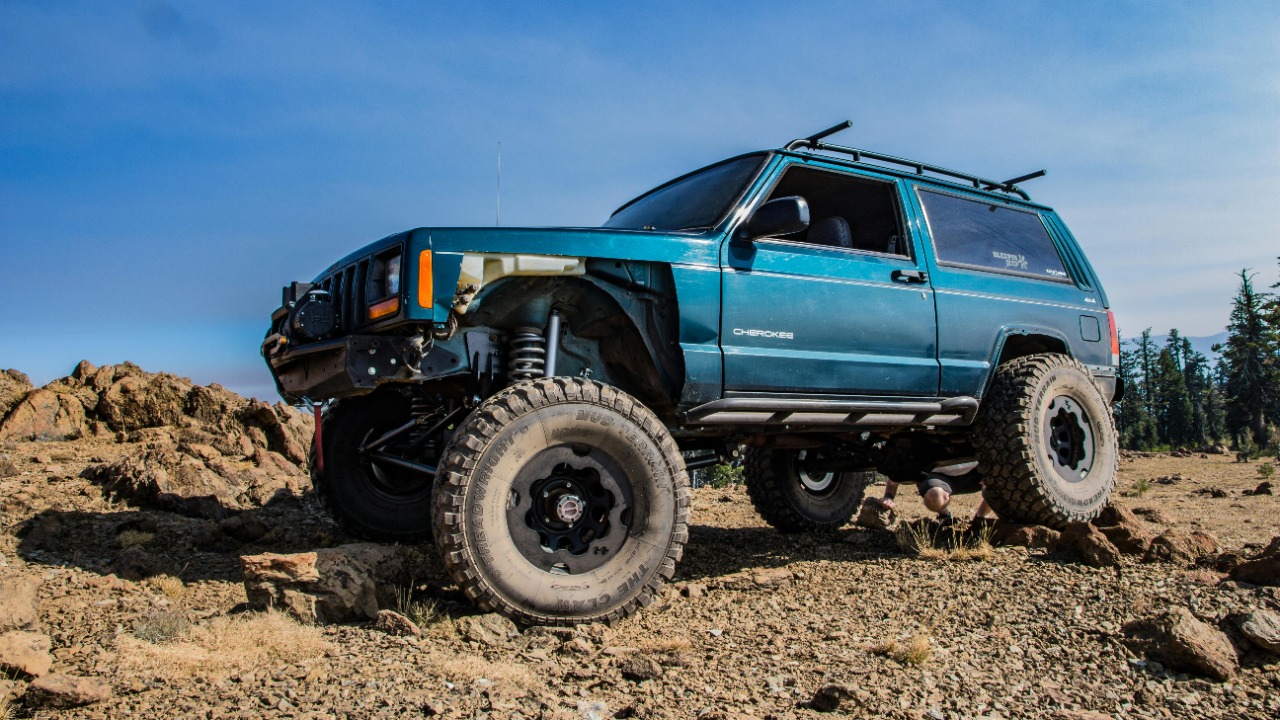
There’s a certain kind of respect reserved for a vehicle that doesn’t need a pep talk. You turn the key, it starts, and it just keeps going—whether the day is hot, the road is rough, or the schedule is laughably optimistic. That’s the vibe surrounding a classic workhorse that’s been quietly proving, again and again, that “old” doesn’t automatically mean “fragile.”
Over the past several months, a growing number of owners and local mechanics have been trading the same story: the classic rig kept performing even under demanding conditions. Not in a museum-piece way, either. More like the kind of dependable performance that makes you forget to worry until you realize you’ve gone weeks without a hiccup.
A tough day out: heat, hills, and heavy loads
Demanding conditions can mean a lot of things, but most people agree on the basics: high heat, steep grades, stop-and-go traffic, and loads that push the suspension into a squat. In those scenarios, newer vehicles often lean heavily on sensors and software to keep everything in line. This classic relies more on straightforward engineering—and that simplicity can be a real advantage when conditions get messy.
Several owners described the same pattern: long climbs without overheating, steady oil pressure even after hours of driving, and braking performance that stayed consistent when it mattered. It’s not that the vehicle ignores physics; it’s that its systems seem comfortable doing the hard stuff all day. If anything, it seems to prefer being used rather than pampered.
Why it keeps going: simple systems, fewer surprises
Part of the reason this vehicle holds up is that there’s just less to go wrong. The mechanical layout is easy to understand, and most components are accessible without dismantling half the front end. When something does need attention, the fix often involves tools you can actually name without checking a specialized catalog.
That simplicity also changes how people maintain it. Instead of chasing intermittent electronic gremlins, owners tend to stick to basics—fluids, belts, hoses, and routine adjustments. The result is a machine that stays predictable, and predictability is a secret superpower when you’re far from home or short on time.
Cold starts and hot afternoons: the “anytime” factor
Performance under pressure isn’t only about big dramatic moments on the highway. It’s also the everyday stuff: starting on a cold morning, idling smoothly in traffic, or running errands in heat that makes asphalt shimmer. Owners say this classic has an “anytime” factor—like it’s always ready, even when people aren’t.
In cold conditions, the talk is about reliable ignition and steady warm-up behavior, especially when paired with a healthy battery and proper tune. In summer, people point to cooling systems that—when maintained—can handle long idle periods without creeping into the danger zone. It’s not magic; it’s just a design that doesn’t seem easily rattled.
On the road: steady steering, honest feedback
Driving it is a different kind of experience from modern cars, and that’s part of the charm. The steering tends to feel more direct, the suspension more communicative, and the cabin less insulated from the world outside. It’s not trying to filter reality; it’s trying to survive it.
That “honest feedback” can actually help in demanding conditions. When traction changes, you often feel it sooner. When the engine’s working hard, you can hear it and adjust your driving before a warning light ever would’ve existed.
Maintenance that feels like a relationship, not a subscription
People who keep these vehicles running don’t usually talk about them like appliances. They talk about them like dependable friends with a few quirks, the way someone might mention that a buddy is always on time but refuses to text back. The maintenance isn’t always zero-effort, but it’s straightforward enough that it feels doable.
Mechanics often mention that routine care goes a long way here: clean fuel delivery, solid cooling, fresh lubricants, and attention to rubber parts that age out over time. When those bases are covered, the vehicle doesn’t ask for much drama. And when it does, the fixes are usually visible and mechanical—less “mystery,” more “oh, that’s the worn part right there.”
Parts, repairs, and the quiet support network
One reason classic vehicles can keep performing is the ecosystem around them. Parts availability isn’t perfect for every model, but many key components remain accessible through specialty suppliers, rebuilders, and a surprisingly active community of enthusiasts. If a component fails, there’s often a known fix and a dozen people who’ve done it before.
That community knowledge matters in tough conditions. It’s not just about finding a replacement; it’s about knowing which upgrades actually help, which “improvements” cause headaches, and how to set things up for the way the vehicle is truly used. The collective wisdom has a way of turning potential weak spots into solved problems.
Real-world durability: not fast, not flashy, just reliable
No one’s pretending this classic is the fastest thing on the road. It’s also not trying to be a rolling tech showcase with ten drive modes and a dashboard that looks like a tablet store. What it does offer is a kind of steady competence that shows up when conditions are less than polite.
Owners describe it as the vehicle they trust when plans change, weather turns, or the route becomes questionable. The power delivery is usually described as “usable,” the gearing as “made for work,” and the overall feel as sturdy. It’s the automotive equivalent of a tool that might not be pretty, but it never rounds off the bolt.
What demanding conditions reveal about design
Stress has a way of exposing weak links. Long climbs highlight cooling capacity, heavy loads reveal suspension and drivetrain health, and bad roads test chassis rigidity and steering components. This classic seems to handle those tests with a shrug—assuming it’s been maintained and not asked to defy common sense.
That last part matters. Even the most durable vehicle will complain if it’s neglected, overloaded, or driven like it’s invincible. But when treated like a machine—serviced on schedule and driven with a little mechanical sympathy—it tends to repay the effort with a kind of reliability that feels almost out of fashion.
The charm of a vehicle that still earns its keep
There’s something satisfying about a classic that isn’t just preserved, but used. It turns errands into small adventures and makes routine driving feel a bit more connected. And when it keeps performing under demanding conditions, it’s hard not to feel impressed—maybe even a little smug, in the most harmless way.
In a world where so much feels disposable, this vehicle’s staying power is a reminder that durability isn’t always about complexity. Sometimes it’s about solid engineering, clear maintenance habits, and a design that was built to work for a living. And honestly, it’s nice to see something old still doing its job without making a big fuss about it.
More from Fast Lane Only