When you buy a car, you expect it to be a safe, predictable machine, not a rolling experiment that might be called back to the factory. Yet history is full of models that triggered massive recalls, reshaping how you think about safety, regulation, and corporate honesty. Here are 10 cars whose problems were so serious, or so widespread, that they became cautionary tales for every driver on the road.
Chevrolet Cobalt
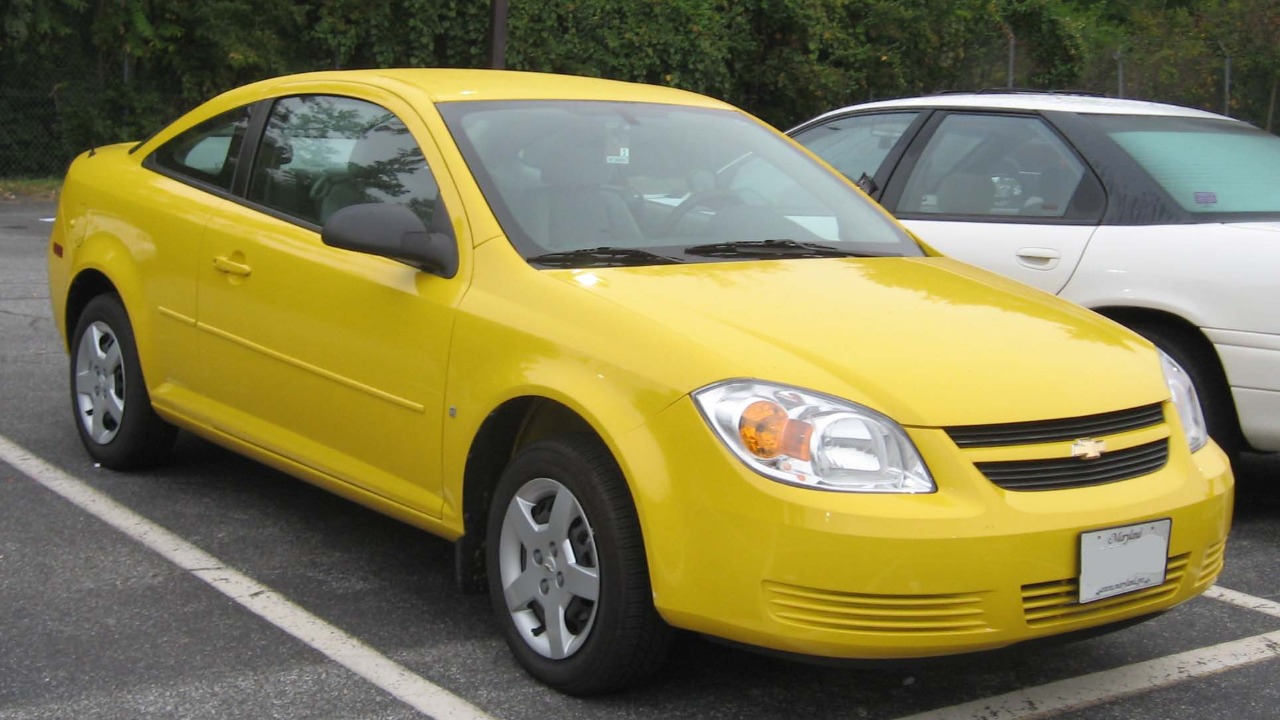
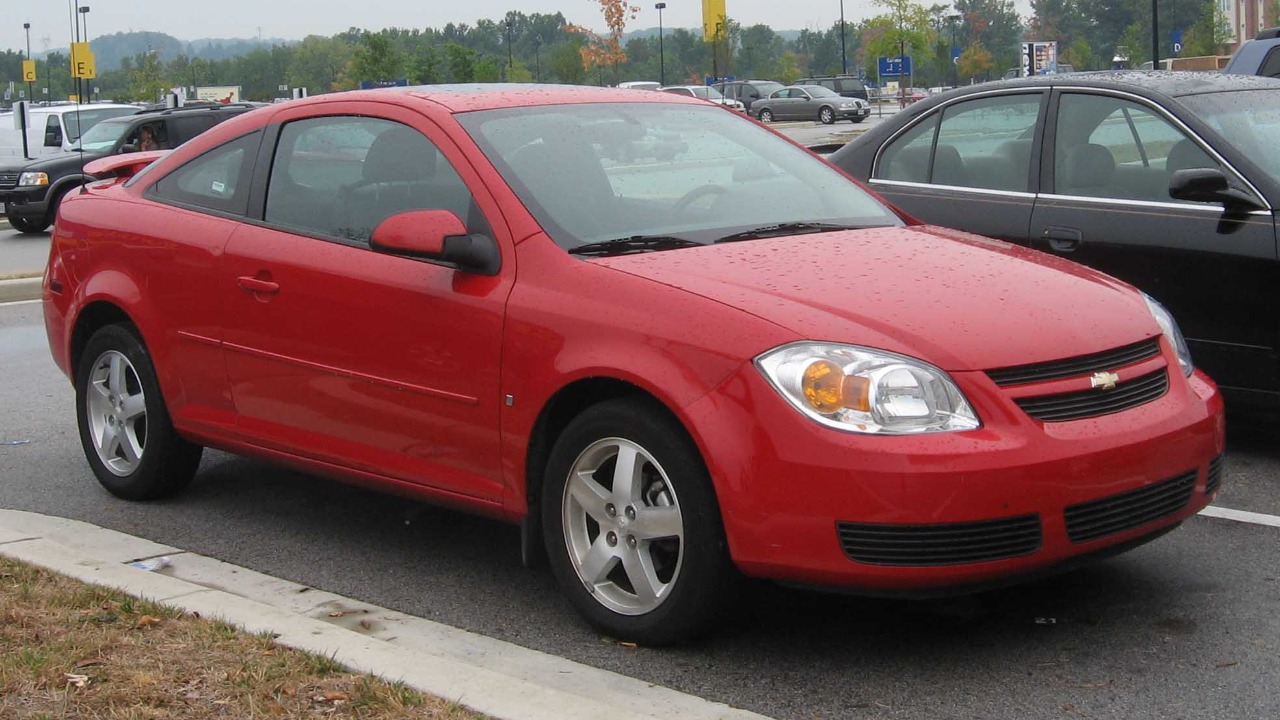
The Chevrolet Cobalt became a symbol of how a small part can hide a deadly flaw. The biggest design problem was an ignition switch that could slip out of the “run” position, cutting power to the engine and disabling critical systems such as airbags and brake assist while driving. Reporting on the Chevrolet Cobalt describes how this defect lingered for years before a full recall. For owners, the stakes were life or death, because a simple bump of the key ring could turn a routine trip into a catastrophic crash.
The recall fallout showed you why transparency matters. Once the defect was fully exposed, regulators and lawmakers pressed for clearer reporting rules and faster action when engineers spot patterns of failure. Drivers learned to pay attention to warning signs like unexplained stalling or disabled airbags, and to treat recall notices as urgent, not optional. The Cobalt’s story underlined that even budget-friendly compact cars must meet the same safety expectations as any luxury model.
General Motor Engine Mounts (Chevrolet full-size models)
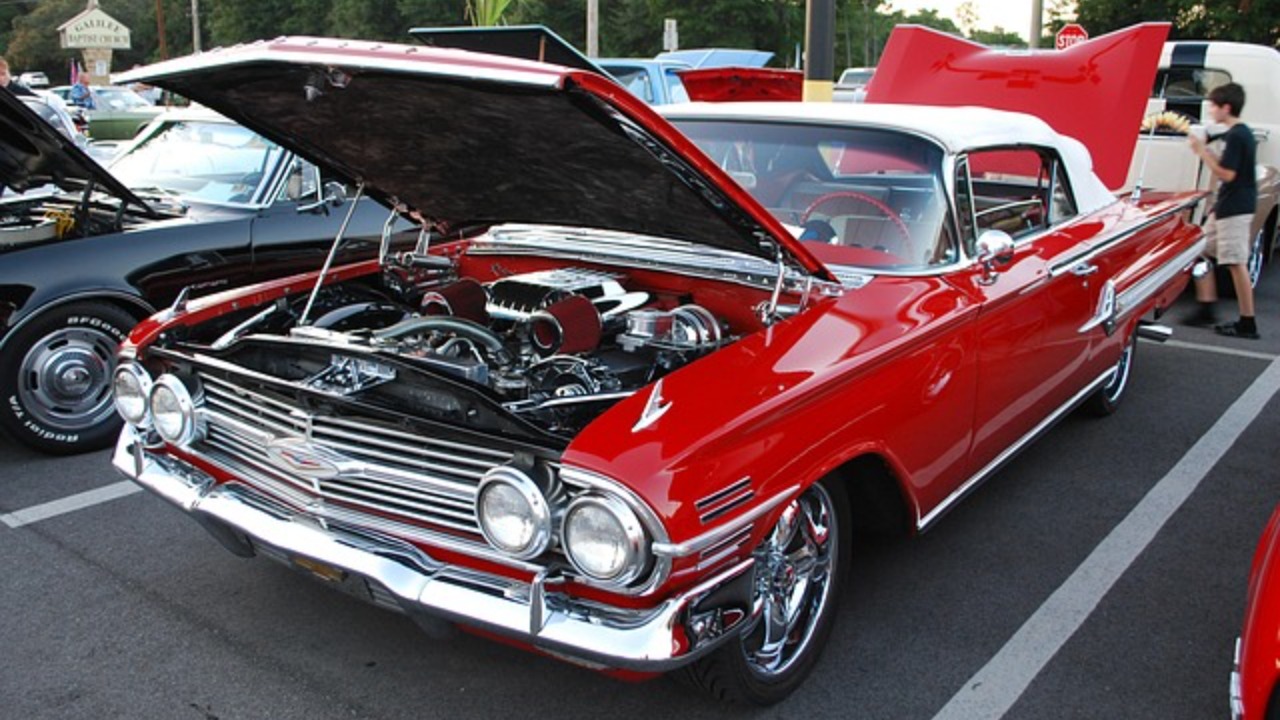
Long before the Cobalt, General Motor Engine Mounts on popular Chevrolet full-size cars set the template for a modern mega recall. As detailed in coverage of notorious defects, the General Motor Engine could fail, letting the engine shift under load. That movement sometimes jammed the throttle open, sending cars surging forward even when drivers lifted off the gas. For you as a driver, that kind of runaway acceleration is one of the most terrifying scenarios imaginable.
The recall forced the company to retrofit millions of vehicles with restraining cables and redesigned mounts, proving that even basic hardware like rubber-and-steel supports can be a critical safety component. It also nudged regulators to look harder at how mechanical failures can cascade into loss of control. For owners, it was an early lesson that recalls are not just about electronics or software, but about every bolt that keeps your car in one piece.
Honda models with defective seat belts
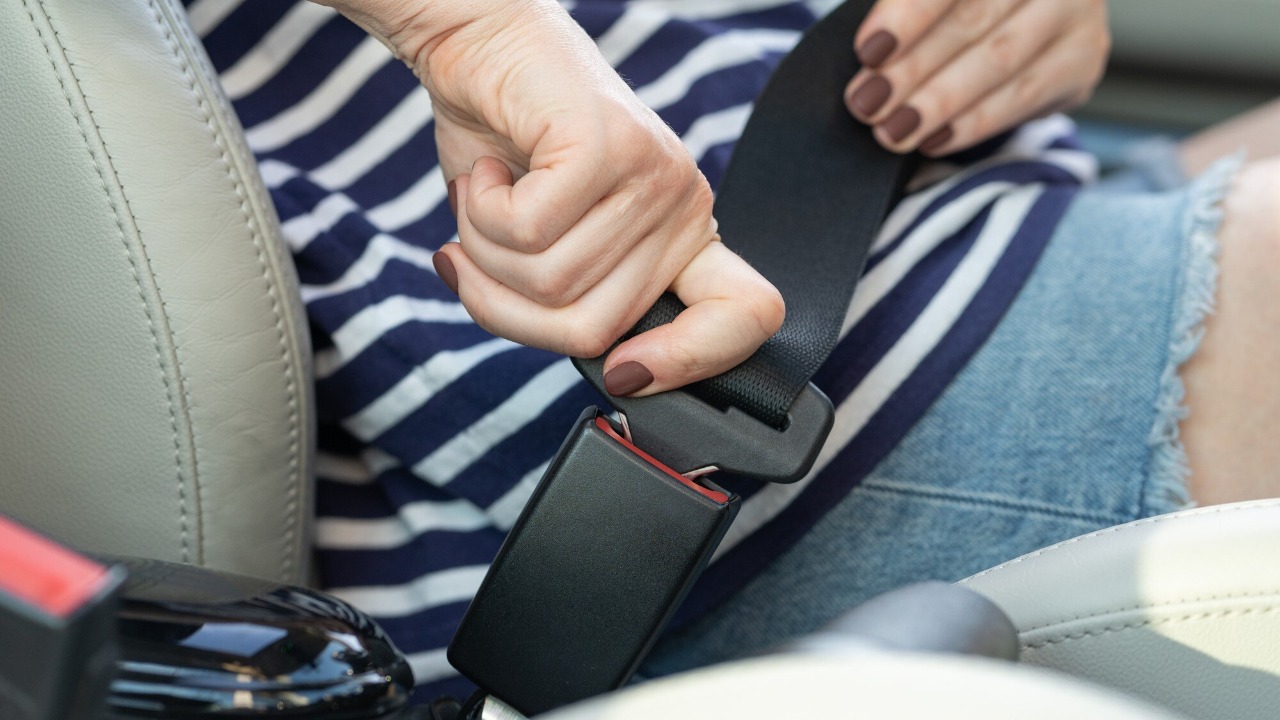
Honda Seat Belts became a landmark case in how passive restraints are regulated. Investigations found that some buckles could fail to latch or stay latched, leaving occupants effectively unrestrained in a crash. Analyses of infamous recalls highlight how the Fatal Car Recalls list includes safety systems you might assume are foolproof. When a seat belt does not work, every other safety feature in the car has to absorb more of the impact, and the risk of serious injury or Death rises sharply.
For you, this recall underscored why you should never ignore a seat belt warning, whether it is a dashboard light or a mailed notice. It also pushed regulators to tighten testing standards for latching mechanisms and webbing strength. Automakers learned that cutting corners on restraint components can lead to massive liability, while drivers gained a better understanding that even “simple” parts deserve scrutiny.
Audi 5000 with “Sticky Acceleration”
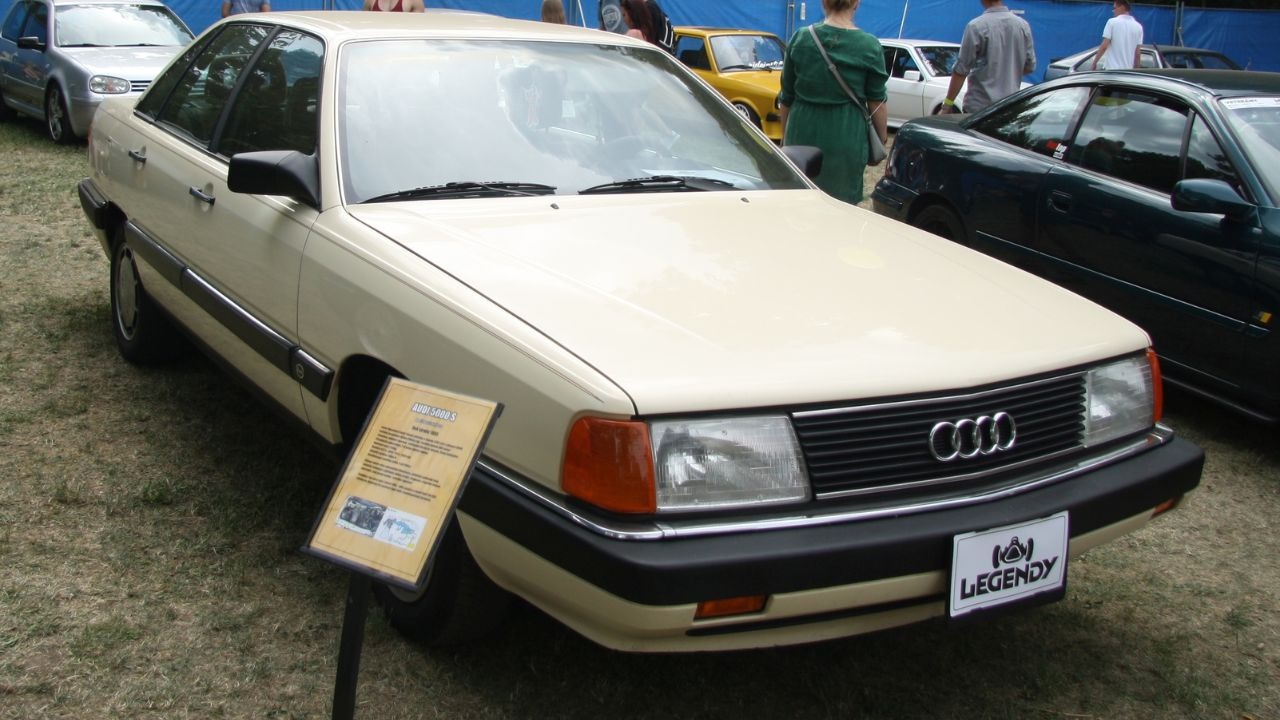
The Audi 5000 became infamous for reports of unintended acceleration, often described as Sticky Acceleration. Some drivers said the car surged forward when they pressed the brake, leading to crashes in driveways and parking lots. Coverage of notorious defects notes how Vehicles involved in high-profile recalls can suffer lasting reputational damage, even when later investigations debate the exact cause. For the Audi 5000, the phrase Sticky Acceleration became shorthand for a car you could not fully trust.
Regardless of whether pedal placement, driver error, or mechanical issues were most to blame, the recall changed how you interact with your car’s controls. Automakers began redesigning pedal layouts, adding shift interlocks, and eventually moving toward electronic throttle controls with more safeguards. The episode showed that when drivers feel a car behaves unpredictably, confidence evaporates, and no amount of marketing can repair that without concrete engineering fixes.
Ford Explorer with Firestone tires
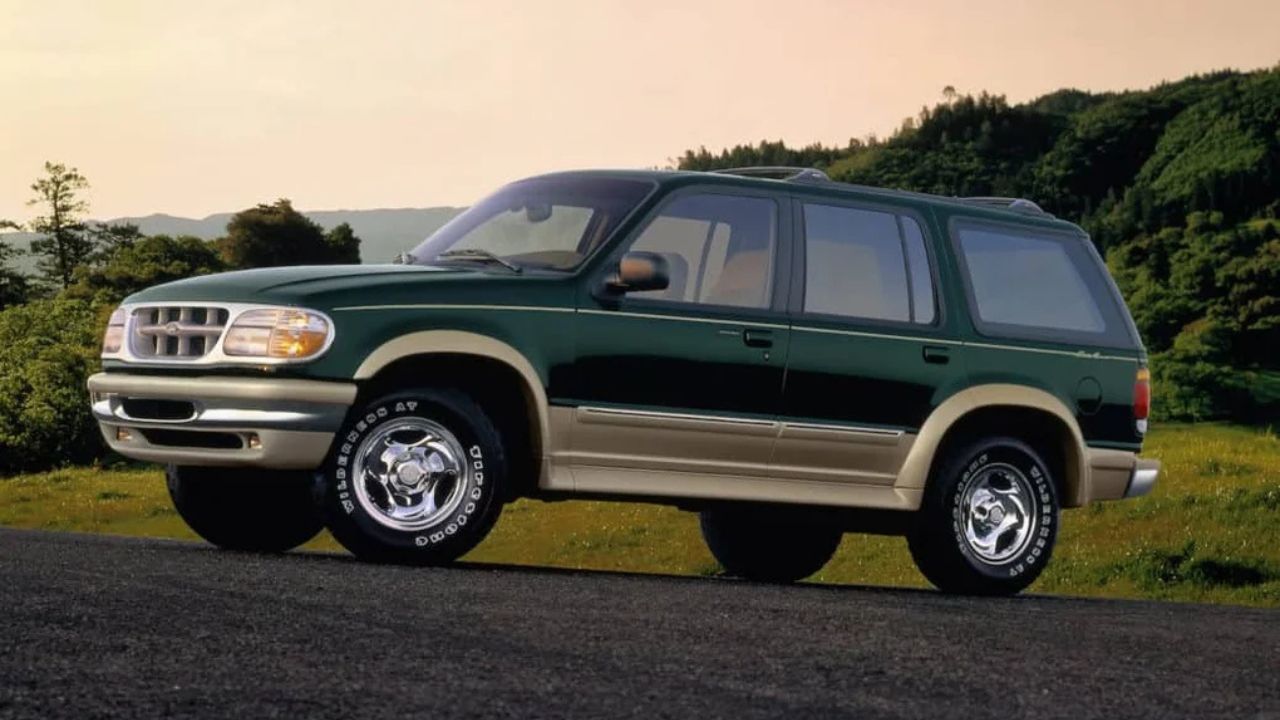
The Ford Explorer paired with certain Bridgestone-Firestone tires triggered one of the most publicized safety crises in SUV history. Tread separations on these tires were linked to rollovers, especially at highway speeds, and the combination of a tall SUV and failing rubber proved deadly. Analyses of infamous recalls point to the Bridgestone-Firestone Tires issue as a turning point in how you think about tire maintenance and load ratings. Suddenly, checking sidewalls and inflation was not just about fuel economy, but about survival.
The recall forced millions of tire replacements and pushed both automakers and tire makers to share data more openly. It also led to new rules on tire pressure monitoring, so you now get dashboard alerts when pressures drop dangerously low. For drivers, the lesson was clear, you cannot treat tires as an afterthought. The wrong specification, or a flawed design, can undermine even the most robust chassis and suspension engineering.
Volkswagen Beetle (1972 emissions and safety recall)
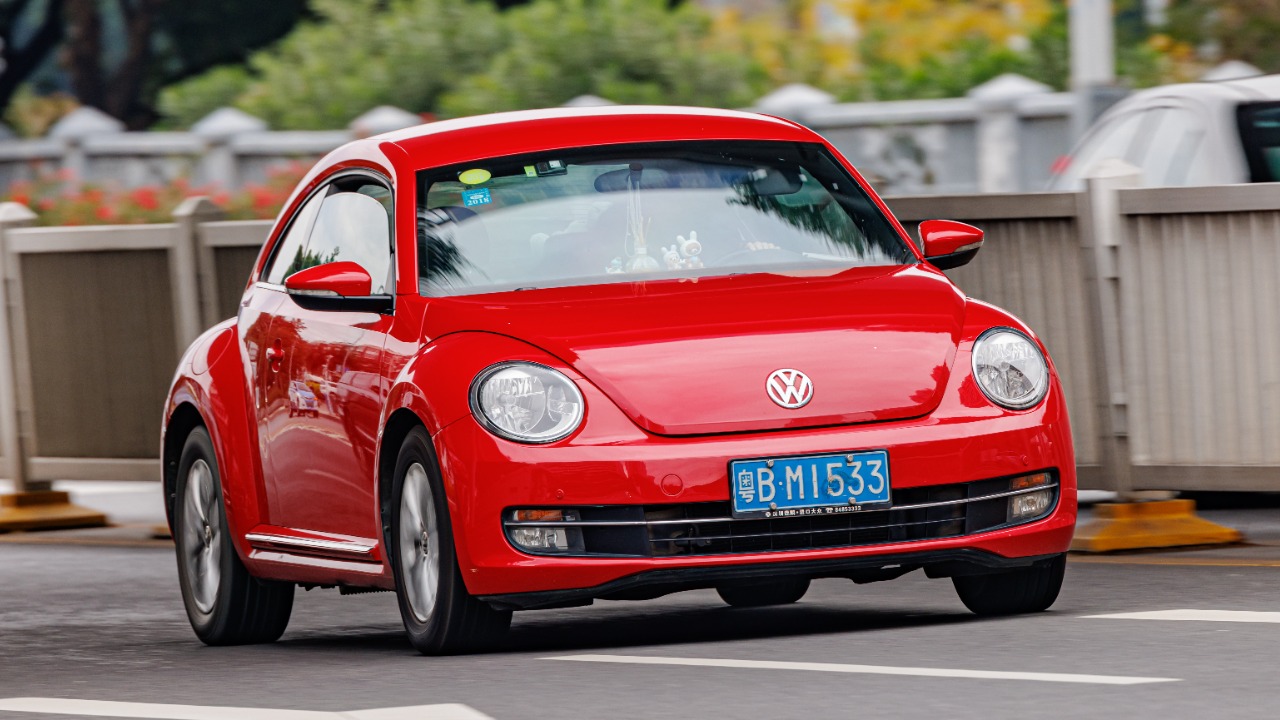
Volkswagen faced a massive recall in the early 1970s involving about 3.7 m cars, including many Beetles, for issues tied to emissions and safety hardware. Reporting on historic recalls notes that Volkswagen had to address defects documented in Wikipedia and regulatory files. For you, the scale of 3.7 m affected Vehicles showed that even beloved icons are not immune to sweeping safety and compliance problems.
This recall era foreshadowed later controversies, including Volkswagen Dieselgate, by highlighting how emissions systems and safety components intersect. When regulators dig into one area, they often uncover broader weaknesses in testing and documentation. Owners learned that a cute shape and loyal fan base do not guarantee flawless engineering. The Beetle’s recall history reminds you to check recall databases for any used classic you might be tempted to buy, no matter how nostalgic it feels.
Toyota Corolla (highly recalled passenger car)
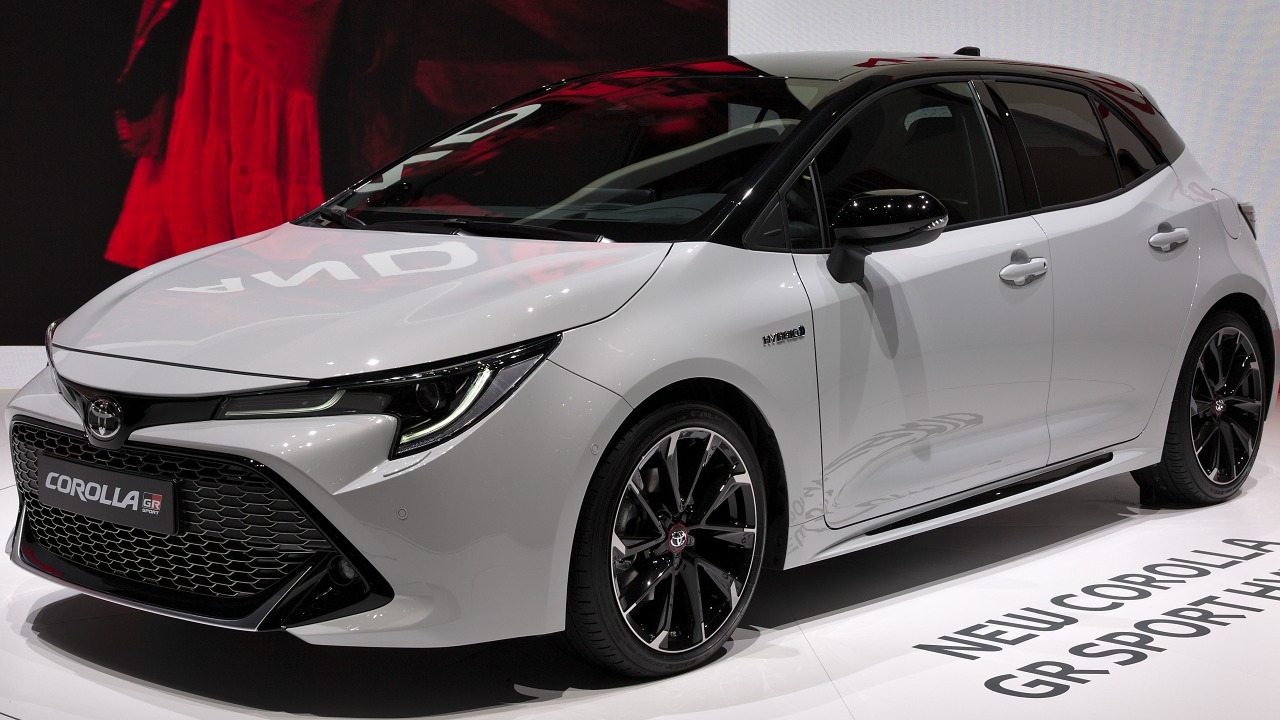
The Toyota Corolla, one of the world’s best-selling cars, also ranks among the Most Recalled Passenger Vehicles of All Time. Data comparing models by Vehicle Make, Vehicle Model, and Number of campaigns shows how often the Corolla has been called back for fixes ranging from airbags to engine control software. When you look at lists of the Most Recalled Passenger, the Corolla’s presence proves that popularity and reliability scores do not shield a model from repeated safety updates.
For you as an owner, the key takeaway is that a high recall count is not automatically a red flag, but it is a signal to stay engaged. A company that sells millions of units will naturally generate more campaigns, especially when it responds quickly to defects. The Corolla’s history shows how large-scale recalls can coexist with a reputation for durability, as long as the manufacturer treats each issue as a chance to improve rather than something to hide.
Mazda 6 (spider-related fuel recall)
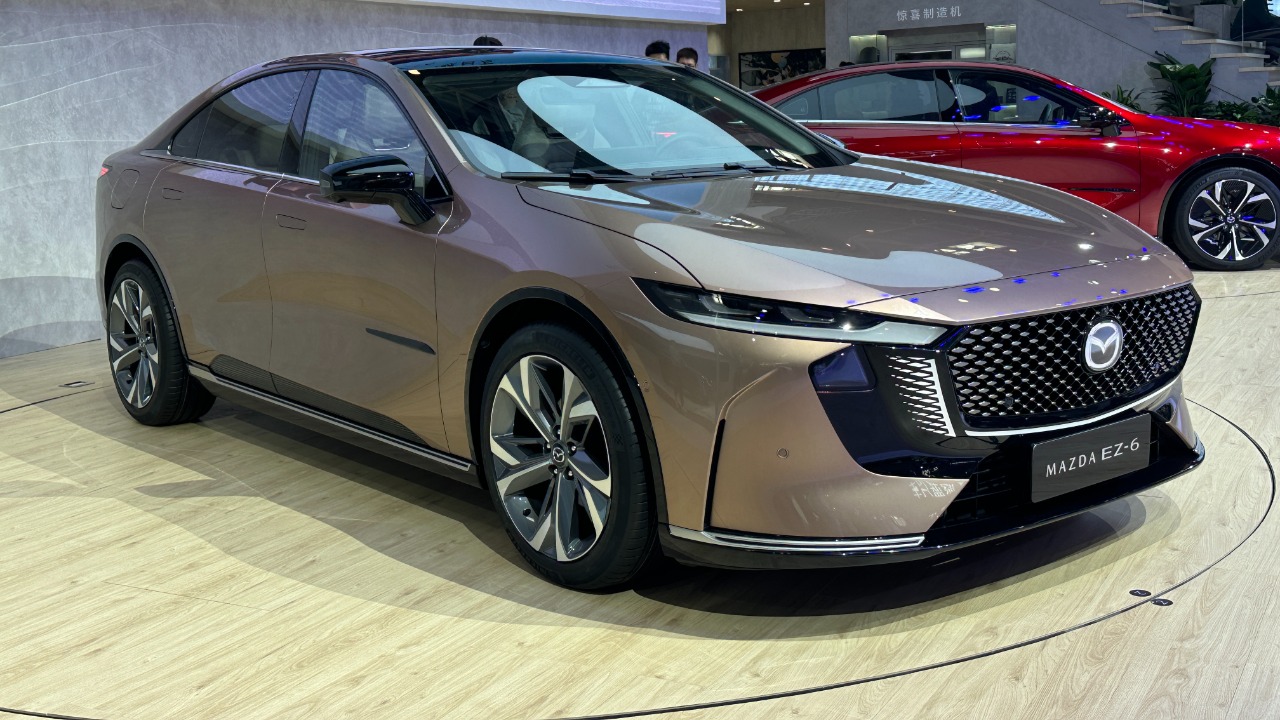
The Mazda 6 earned a strange place in recall history when it had to be inspected for spiders nesting in its fuel system. Ten of the weirdest recall lists describe how Mazda traced fuel tank ventilation problems to arachnids attracted to gasoline vapors. In one widely cited case, about 42,000 M units were affected, and the Mazda recall notice even cited Reason and SPIDERS as the root cause. For you, it was a reminder that not every safety issue starts on the assembly line.
Although the defect was bizarre, the stakes were serious, because blocked vents can lead to fuel leaks or tank deformation. Mazda responded with revised hardware and cleaning procedures, showing that even oddball problems demand a structured fix. Drivers learned to take every recall seriously, even when the explanation sounds like a joke. The Mazda 6 case also highlighted how environmental factors, from insects to road salt, can interact with design choices in unexpected ways.
Ford models with fuel leak defects
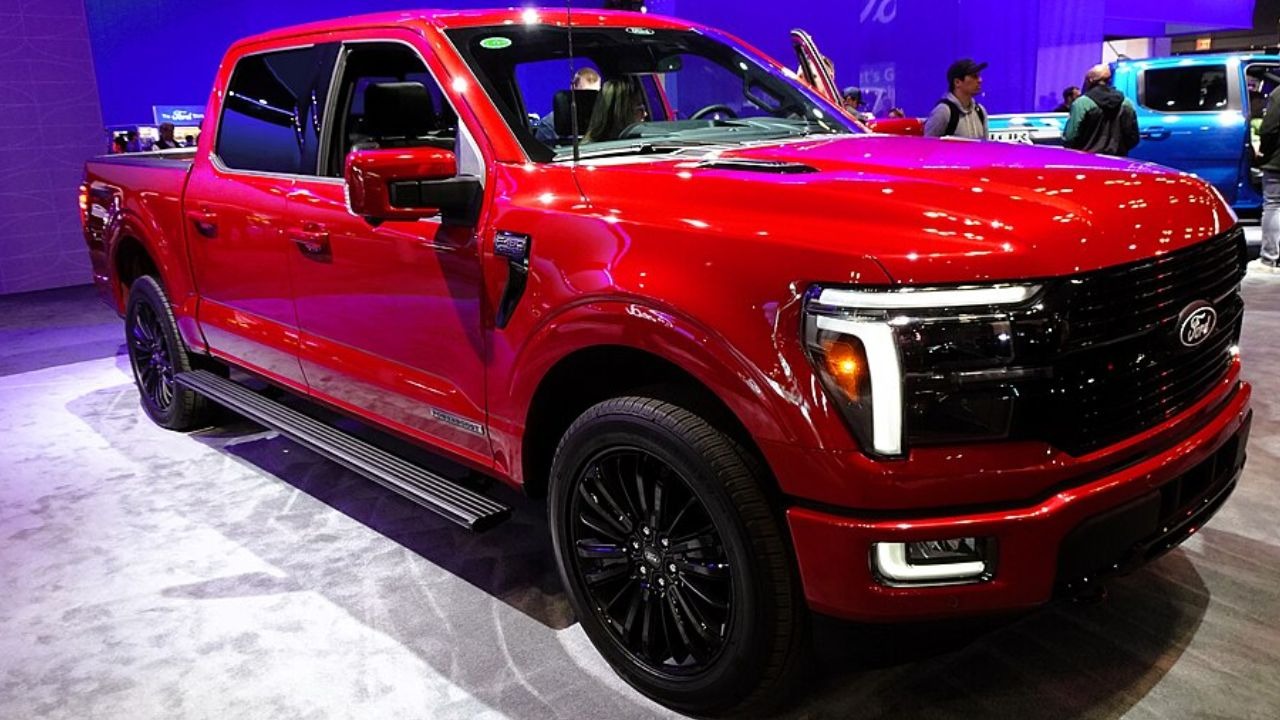
Several Ford models have been swept into large recalls over fuel leak risks, where faulty components could allow gasoline to escape near hot engine parts. Analyses of the largest recalls in history describe how a major Ford fuel leak campaign carried huge financial implications. For you, the danger is obvious, leaking fuel can ignite, turning a minor fender bender or even a parked car into a fire scene.
These recalls pushed automakers to improve materials used in fuel lines, tank seals, and connectors, especially under high-temperature conditions. They also encouraged regulators to demand more rigorous durability testing for components exposed to vibration and heat. Owners were reminded to act quickly on any recall mentioning fuel, and to watch for smells of gasoline or visible drips. The Ford experience showed that even a slow seep can escalate into a headline-grabbing crisis if it is not addressed promptly.
Takata airbag-equipped models across brands
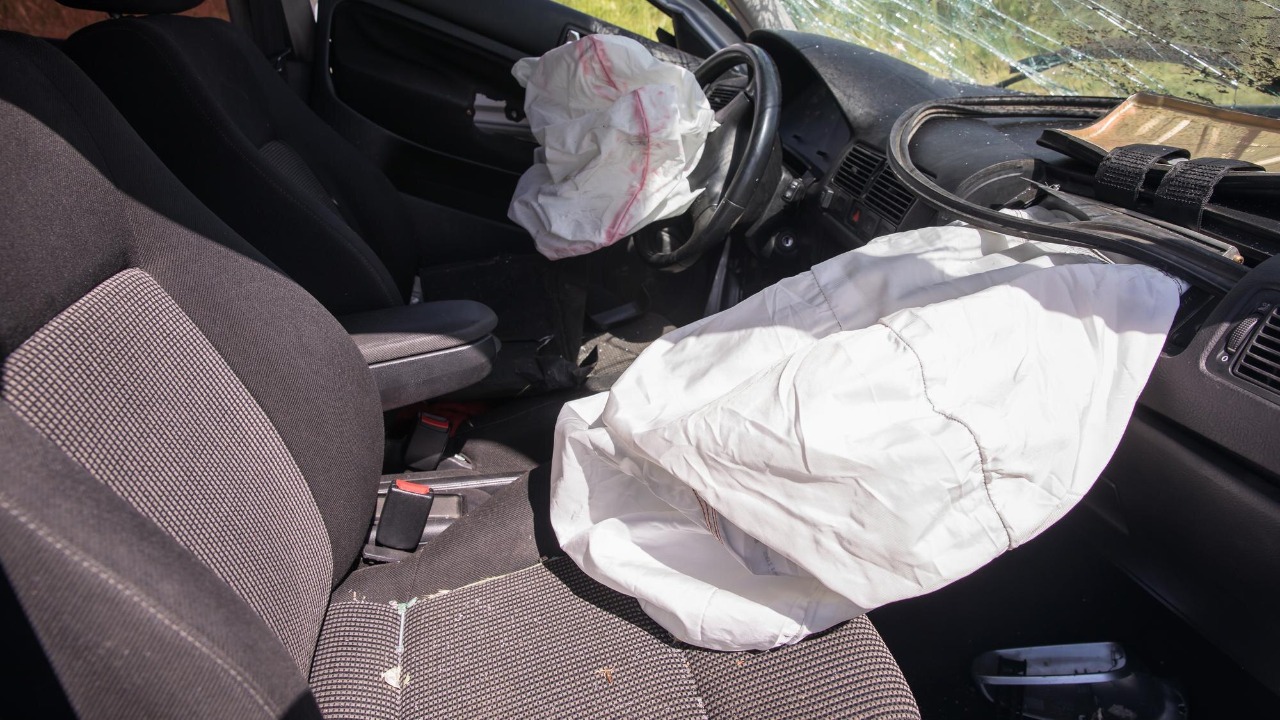
The Takata Airbags crisis is widely regarded as one of the most far-reaching automotive recalls ever, affecting at least 63 m vehicles worldwide. Legal analyses of Takata Airbags describe how defective inflators could explode, sending metal fragments into the cabin instead of cushioning you. For drivers, this meant that a device designed to save your life in a crash could instead become the source of fatal injuries, turning everyday commutes into a lingering risk until repairs were completed.
Because Takata supplied so many brands, the recall swept through lineups from economy hatchbacks to luxury sedans, forcing automakers to coordinate parts, scheduling, and communication on a global scale. The scale of 63 m affected vehicles pushed regulators and companies to rethink how they track components across platforms and years. For you, the lesson is clear, always check your vehicle identification number against official recall databases such as the NHTSA system, and never delay an airbag replacement, even if the car seems to drive perfectly.
More from Fast Lane Only