Time has a way of changing automotive reputations. Some classic cars struggled to find buyers when new, while others were marketed for one purpose but became famous for something entirely different. As generations of enthusiasts revisited these models, overlooked strengths and historical significance came into sharper focus. Today, these classics are remembered in ways that often differ dramatically from how manufacturers originally introduced and sold them.
Ford Thunderbird (1955)
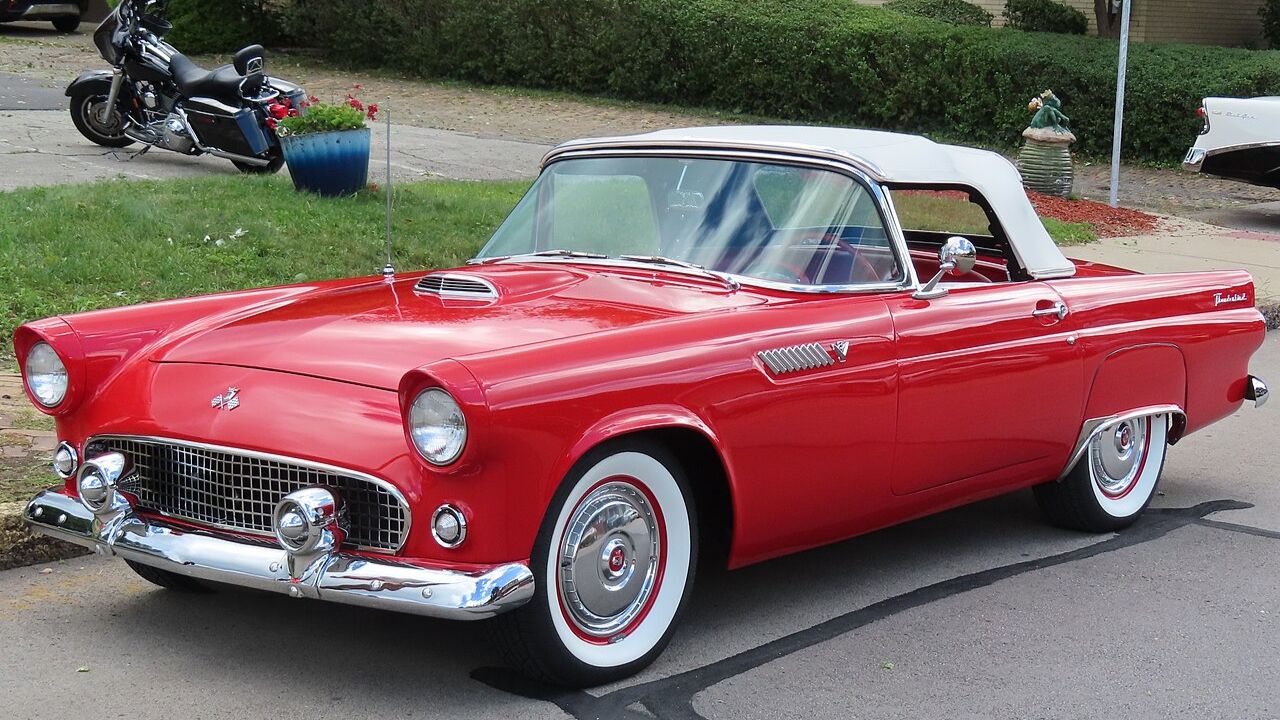
The original Ford Thunderbird was marketed as a personal luxury car rather than an all-out sports car. Buyers appreciated its comfort and stylish design, but many expected it to compete directly with European roadsters. Over time, enthusiasts came to remember the Thunderbird as an American icon that successfully created an entirely new market segment. Its lasting legacy centers on elegant cruising and timeless styling instead of outright performance.
AMC Gremlin
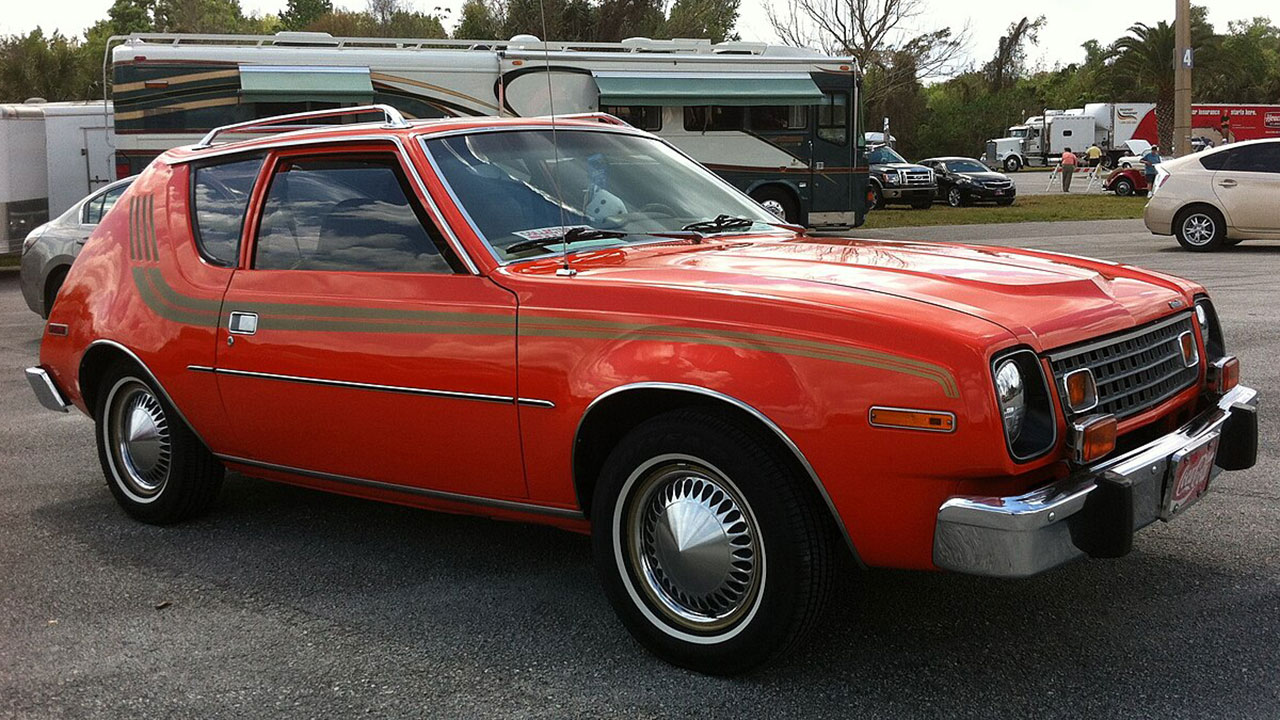
The AMC Gremlin entered the market as an affordable compact designed to compete with growing demand for economical transportation. While its unusual styling divided opinions, practicality remained its primary selling point. Decades later, the Gremlin is remembered less as basic transportation and more as one of the boldest automotive designs of the 1970s. Collectors now appreciate the individuality that many buyers originally viewed as unconventional.
Chevrolet Corvair
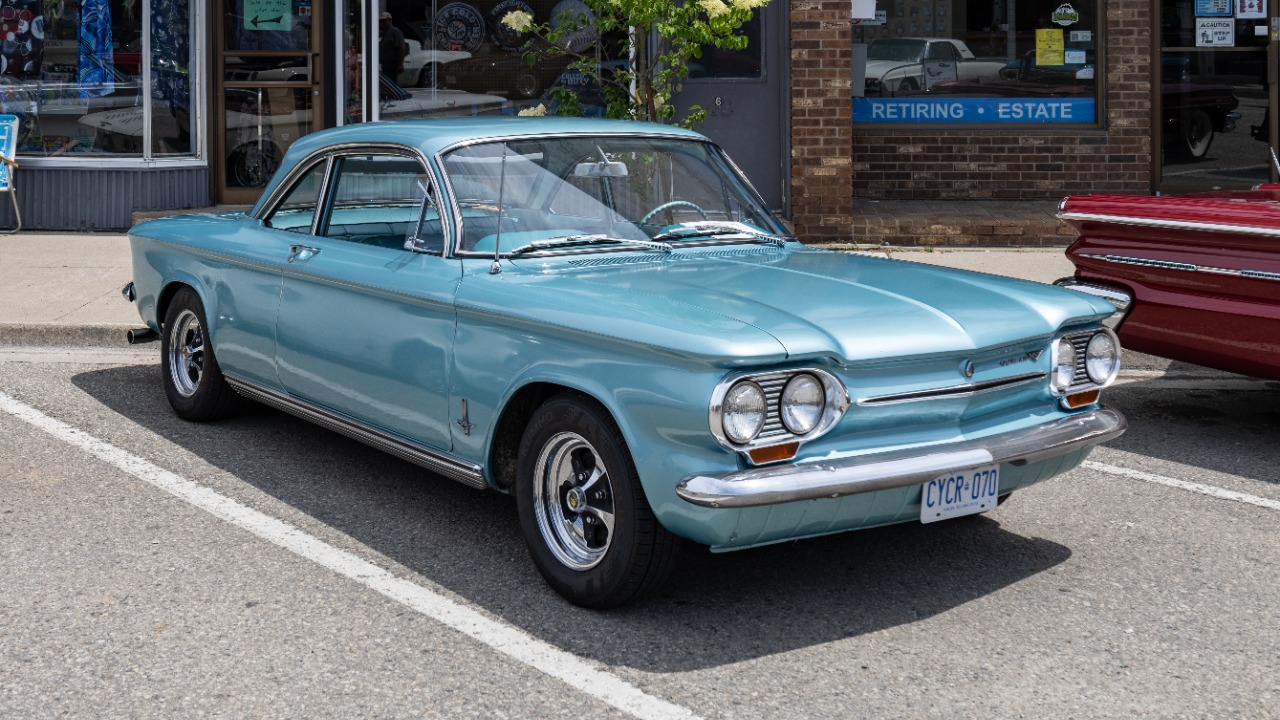
The Chevrolet Corvair was introduced as an innovative compact featuring a rear-mounted, air-cooled engine unlike anything else built by a major American manufacturer. Although controversy later dominated public discussion, modern enthusiasts often recognize the car’s engineering ambition and distinctive driving characteristics. Today, many remember the Corvair as an unusually creative experiment that challenged Detroit’s traditional approach rather than simply focusing on the criticism that followed.
Volvo P1800

The Volvo P1800 was originally promoted as a refined grand touring coupe combining attractive styling with dependable engineering. While buyers appreciated those qualities, it gradually earned a stronger reputation for exceptional durability and timeless design. As surviving examples continued accumulating impressive mileage, enthusiasts began viewing the P1800 as one of Volvo’s defining classics. Its legacy today extends well beyond the grand touring role it originally filled.
Lincoln Continental (1961–1969)
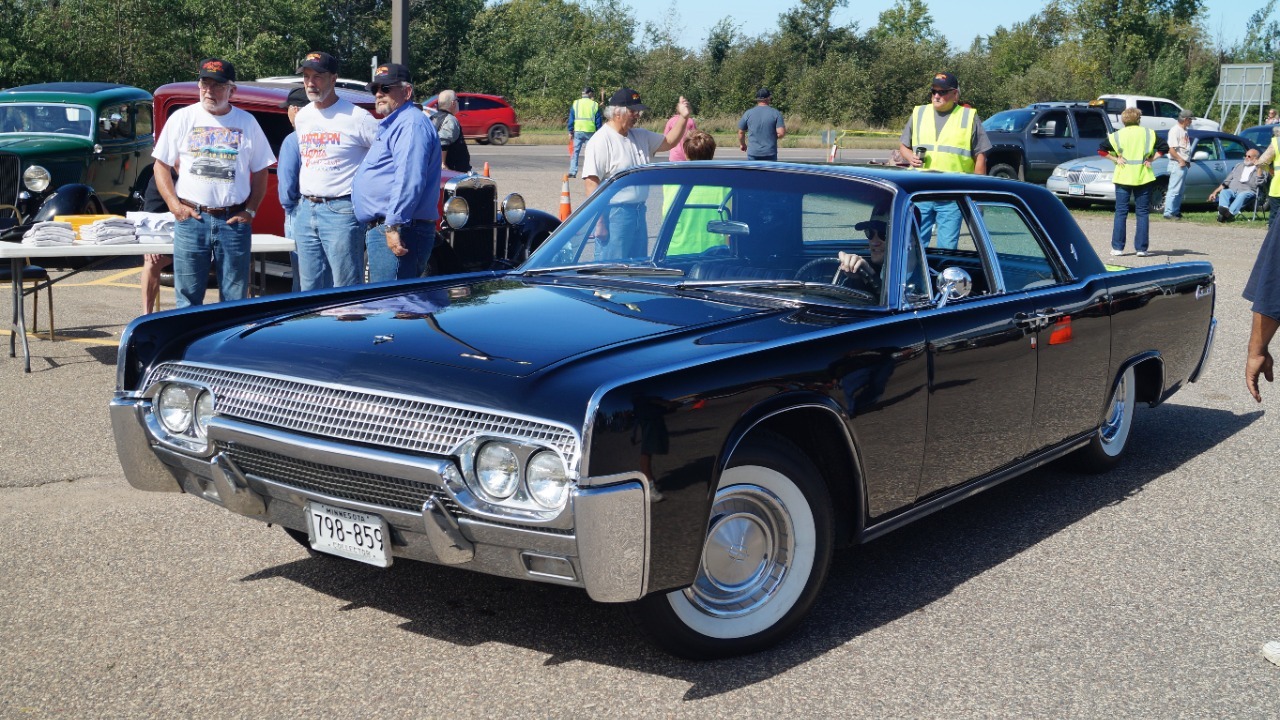
The 1961 Lincoln Continental was introduced as a luxury sedan emphasizing clean styling and understated elegance. Although highly respected when new, its historical associations and distinctive rear-hinged doors eventually became central to its identity. Modern collectors often remember the Continental as one of America’s greatest design achievements rather than simply another premium sedan. Its timeless appearance has become just as important as its luxury credentials.
Citroën 2CV

The Citroën 2CV was designed to provide inexpensive transportation for rural France, focusing on simplicity and practicality above everything else. Few expected it to become a cultural icon admired around the world. Today, enthusiasts remember the 2CV for its charm, unmistakable appearance, and ingenious engineering. What began as basic transportation evolved into one of the most beloved and recognizable economy cars ever produced.
Studebaker Avanti
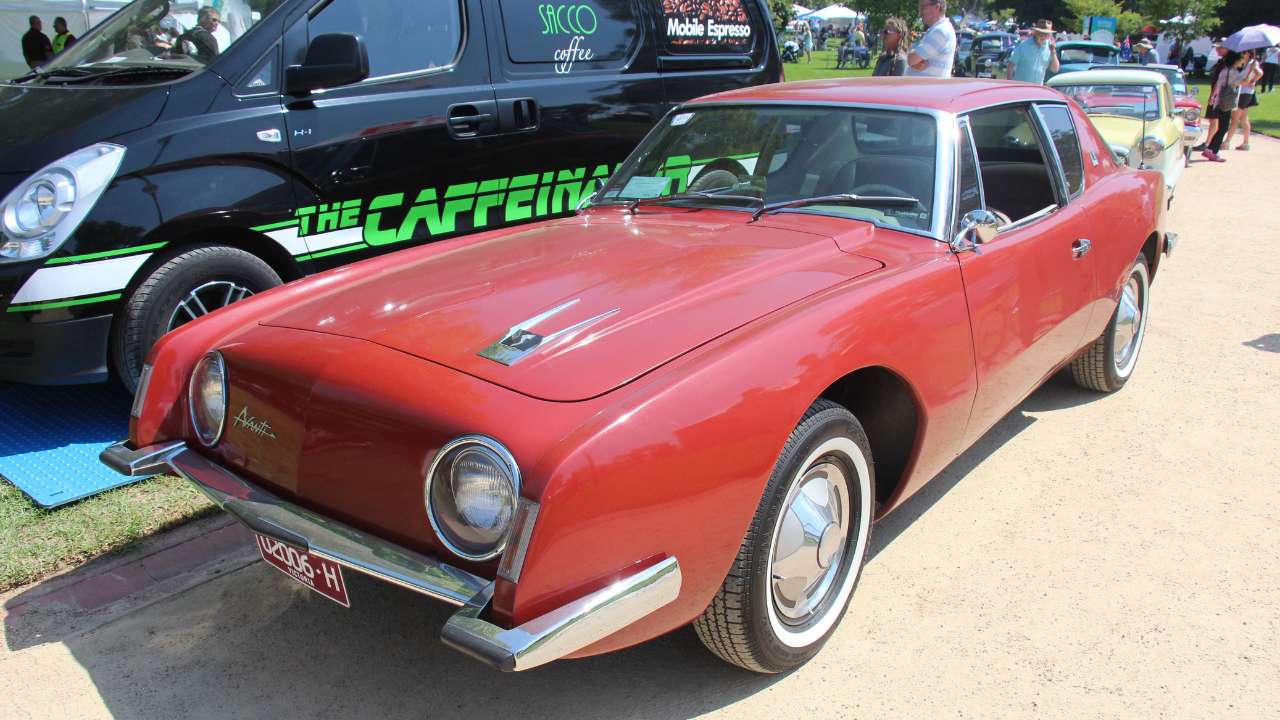
The Studebaker Avanti arrived as a technologically advanced personal coupe with futuristic styling intended to revitalize its manufacturer. Despite production difficulties limiting its commercial success, the Avanti’s daring design continued attracting admiration. Modern collectors often celebrate it as one of the boldest American automobiles ever built. Rather than remembering its difficult launch, enthusiasts focus on its originality and willingness to challenge conventional styling.
Oldsmobile Toronado
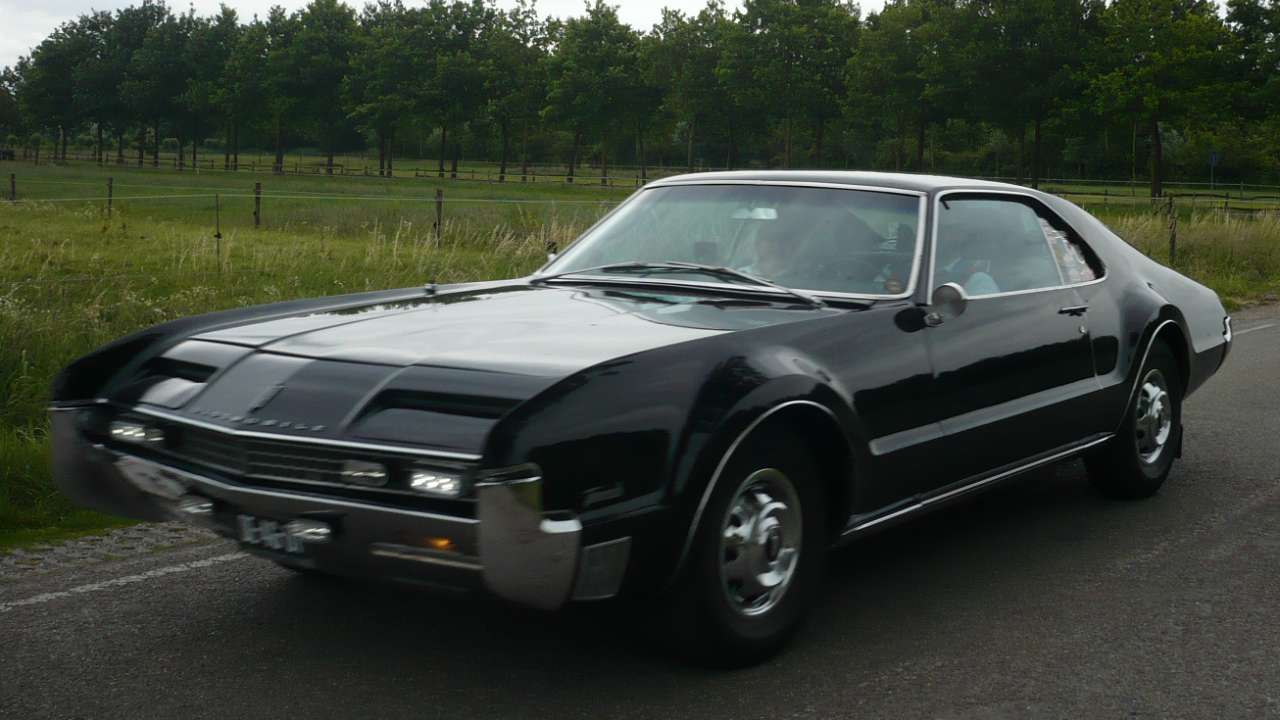
The Oldsmobile Toronado debuted as a luxurious personal coupe showcasing advanced front-wheel-drive engineering. While buyers admired its technology, its significance became even clearer with time. Enthusiasts now remember the Toronado as one of the most innovative American production cars of its era. Its bold engineering decisions and distinctive styling have become the defining parts of its legacy, overshadowing the market position it originally occupied.
Volkswagen Karmann Ghia
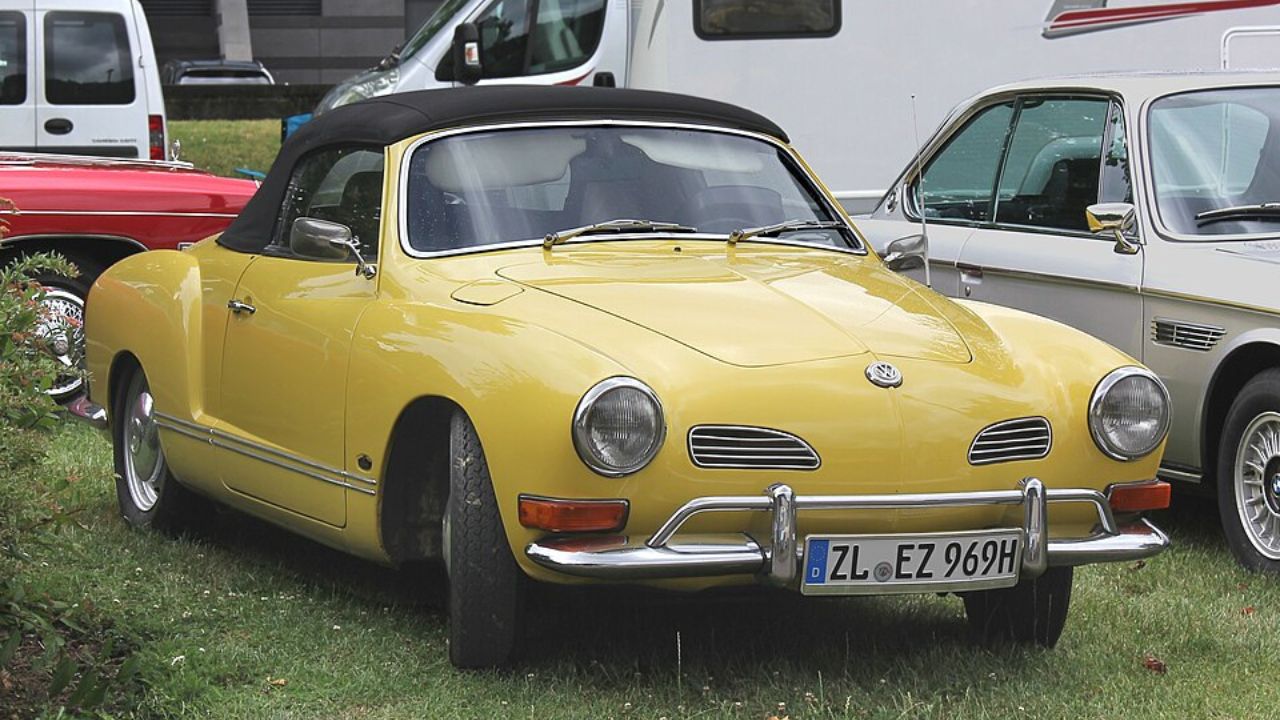
The Volkswagen Karmann Ghia was sold as an elegant coupe built upon familiar Beetle mechanical components. Buyers appreciated its attractive appearance, but few considered it a serious enthusiast’s car. Today, collectors often value the Karmann Ghia for its timeless Italian-influenced styling and relaxed driving experience. It is remembered less as a stylish economy car and more as one of Volkswagen’s most charming classics.
Tucker 48
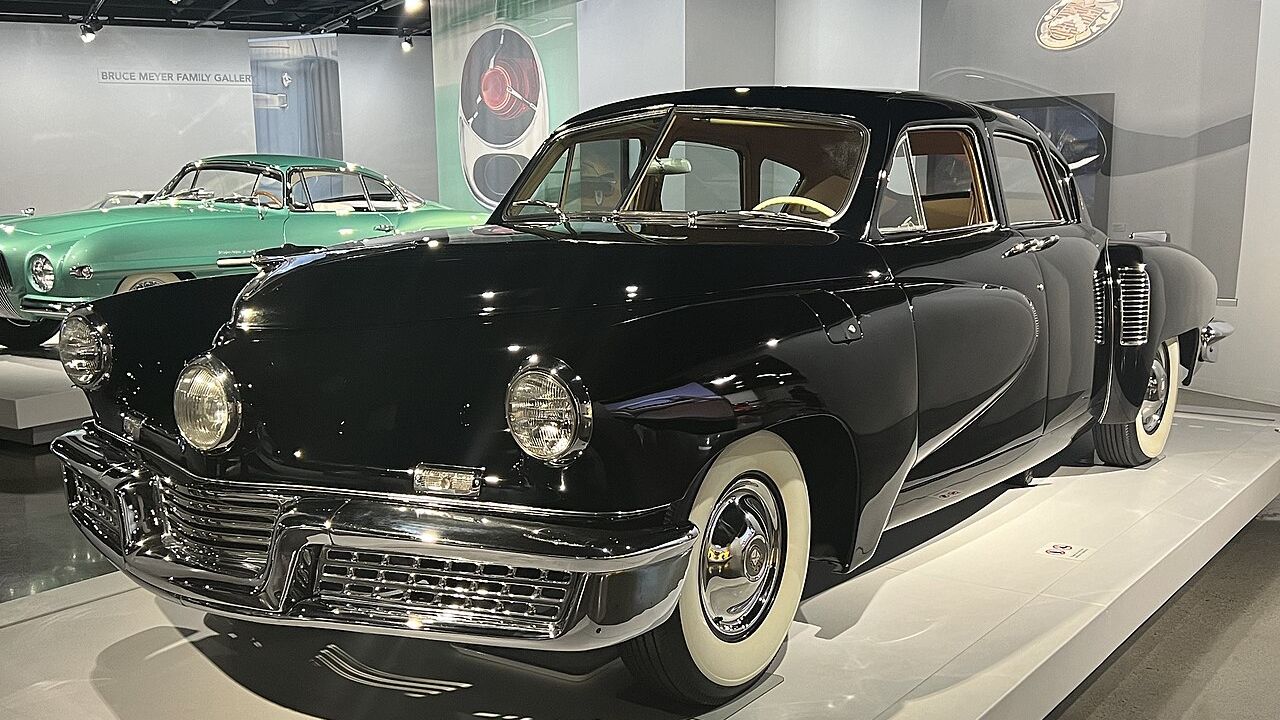
The Tucker 48 entered the automotive world promising revolutionary safety innovations and advanced engineering. Production ended before those ambitions could fully develop, leaving the car commercially unsuccessful. Over the decades, however, the Tucker became a symbol of vision, determination, and independent innovation. Enthusiasts now remember it as one of the most fascinating “what if” stories in automotive history, giving it a legacy far greater than its original production numbers.
More from Fast Lane Only
- Unboxing the WWII Jeep in a Crate
- 15 rare Chevys collectors are quietly buying
- 10 underrated V8s still worth hunting down
- Police notice this before you even roll window down
*Research for this article included AI assistance, with all final content reviewed by human editors