There was a time when automotive designers were encouraged to create cars with unmistakable personalities. Every curve, grille, roofline, and chrome detail helped define a model’s identity. These classics weren’t designed to blend in—they were created to be remembered. Decades later, they continue reminding enthusiasts of an era when styling was often just as important as performance.
Cord 810
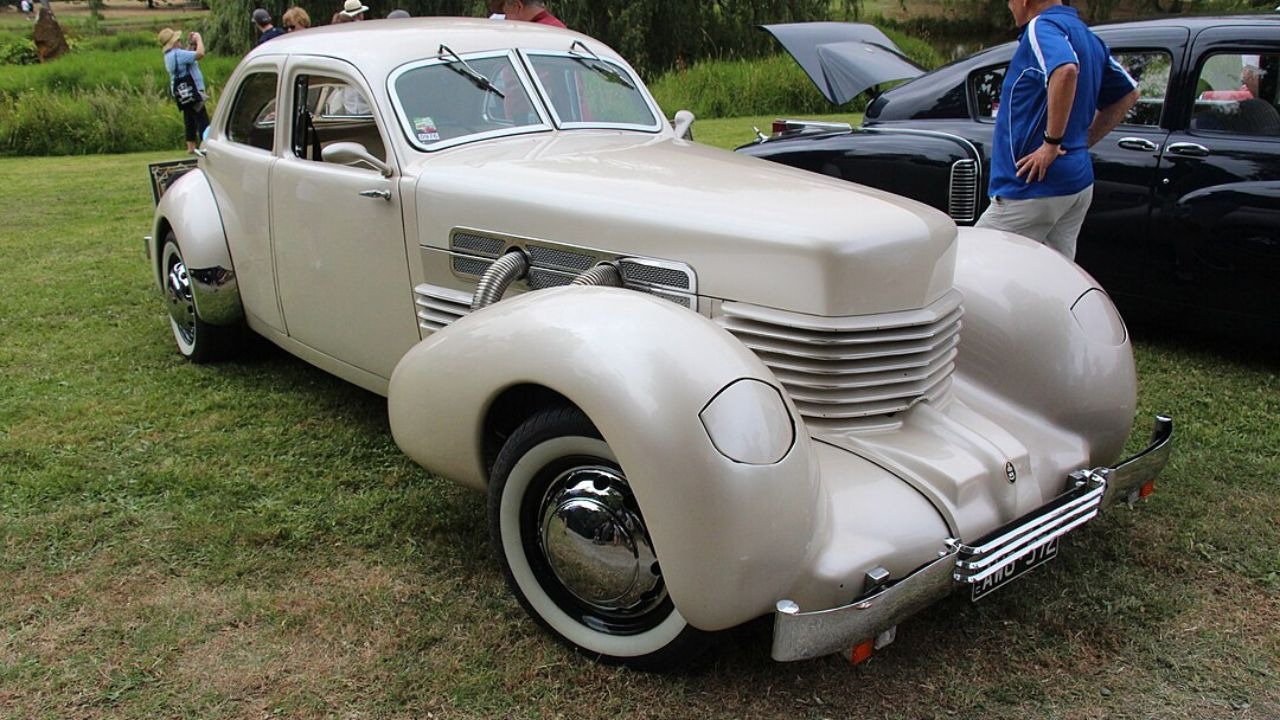
The Cord 810 stunned the automotive world with its hidden headlights, streamlined body, and front-wheel-drive layout. Its futuristic styling looked years ahead of its time, making it one of the most influential American designs ever produced. Even today, it appears remarkably modern despite debuting in the 1930s.
Facel Vega HK500
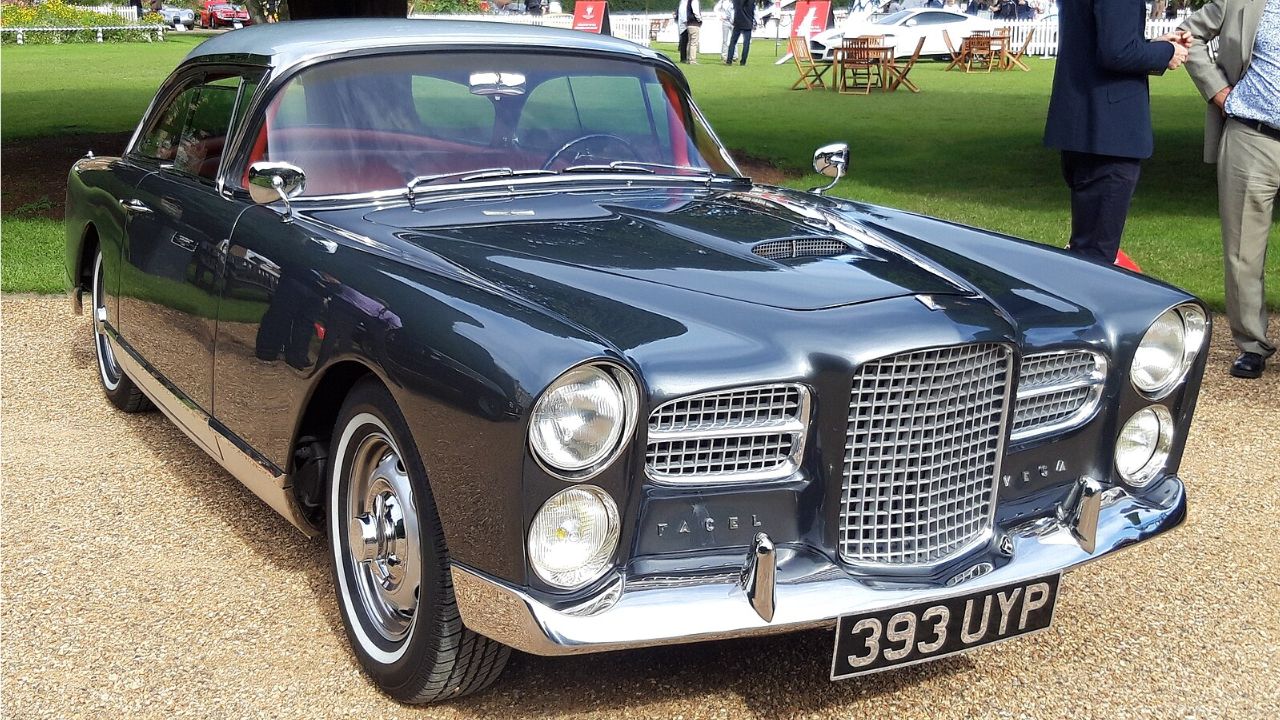
The Facel Vega HK500 blended French elegance with American V8 power, creating a grand tourer unlike anything else on the road. Its clean proportions, panoramic windshield, and beautifully crafted interior made it instantly recognizable. It remains one of Europe’s most distinctive luxury automobiles.
Studebaker Avanti
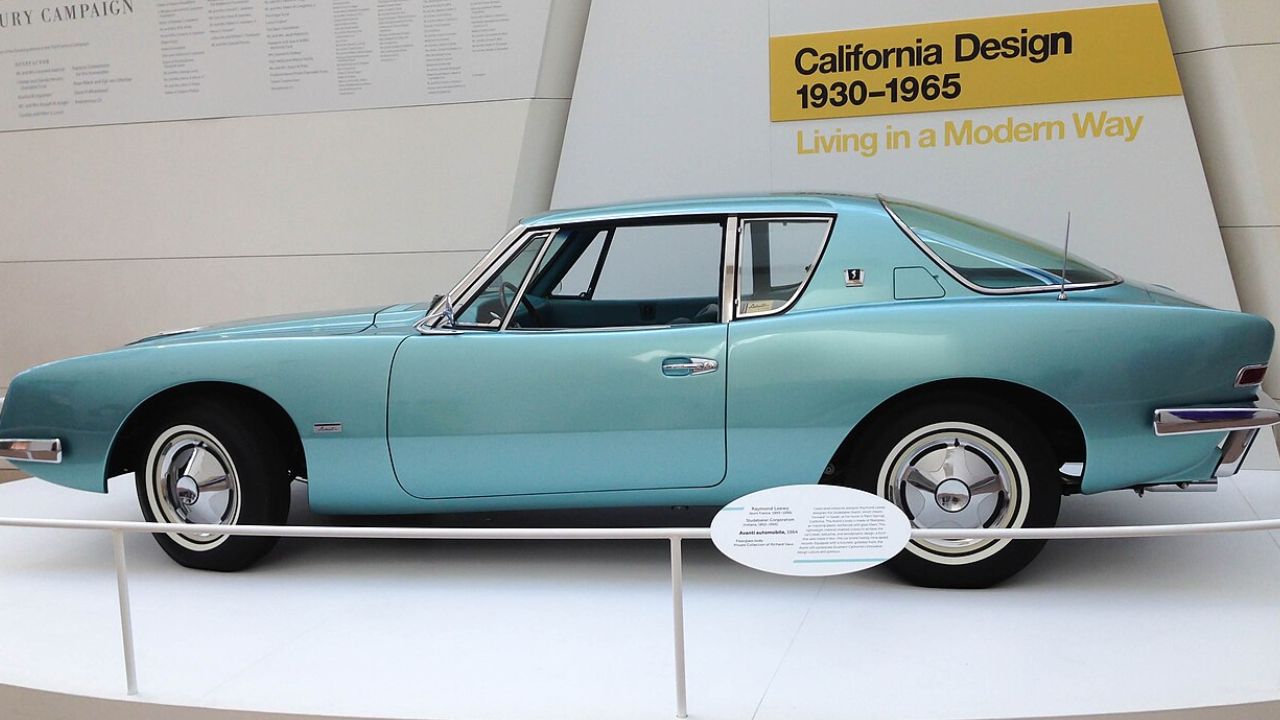
The Studebaker Avanti challenged conventional styling with smooth, sculpted bodywork and an unmistakable nose lacking a traditional grille. Its fiberglass construction and futuristic appearance helped it stand apart from every contemporary competitor. Decades later, it still looks refreshingly original.
De Tomaso Mangusta
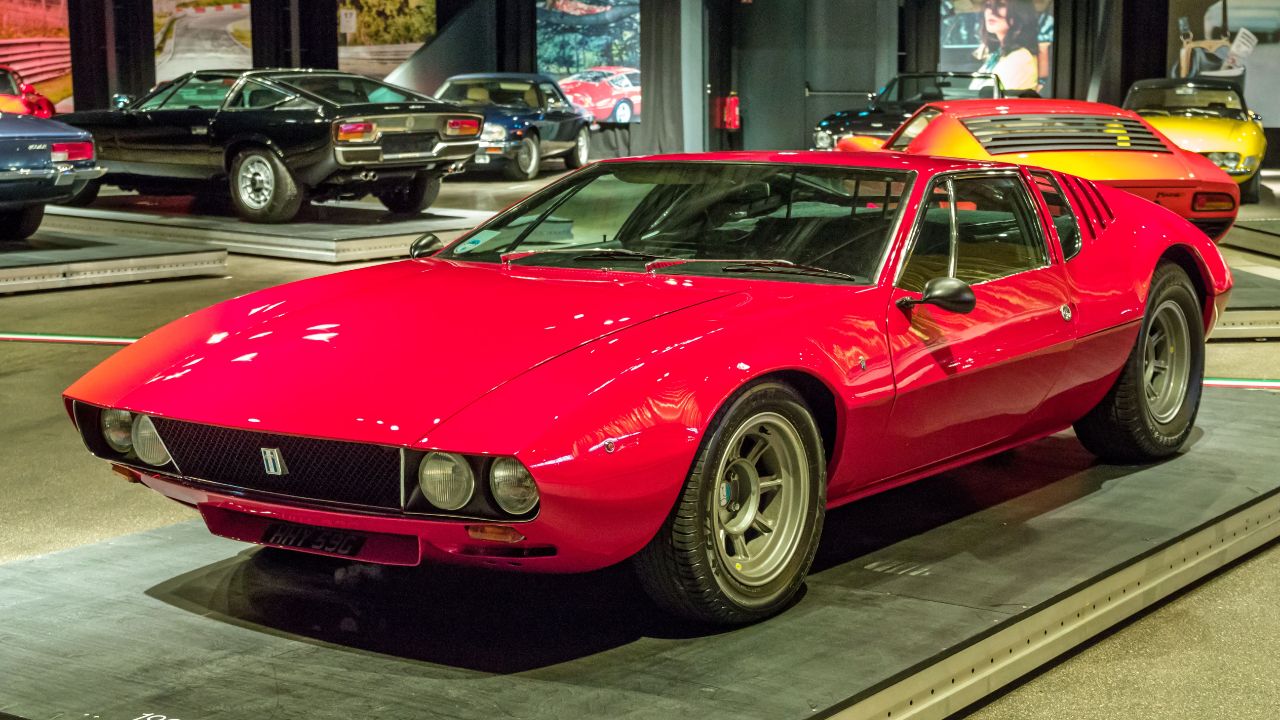
The De Tomaso Mangusta combined dramatic Italian styling with dependable American V8 performance. Its low profile, gullwing-style rear engine covers, and sharp lines gave it an exotic presence that continues turning heads. Few classics balance aggression and elegance so effectively.
Nash-Healey Roadster
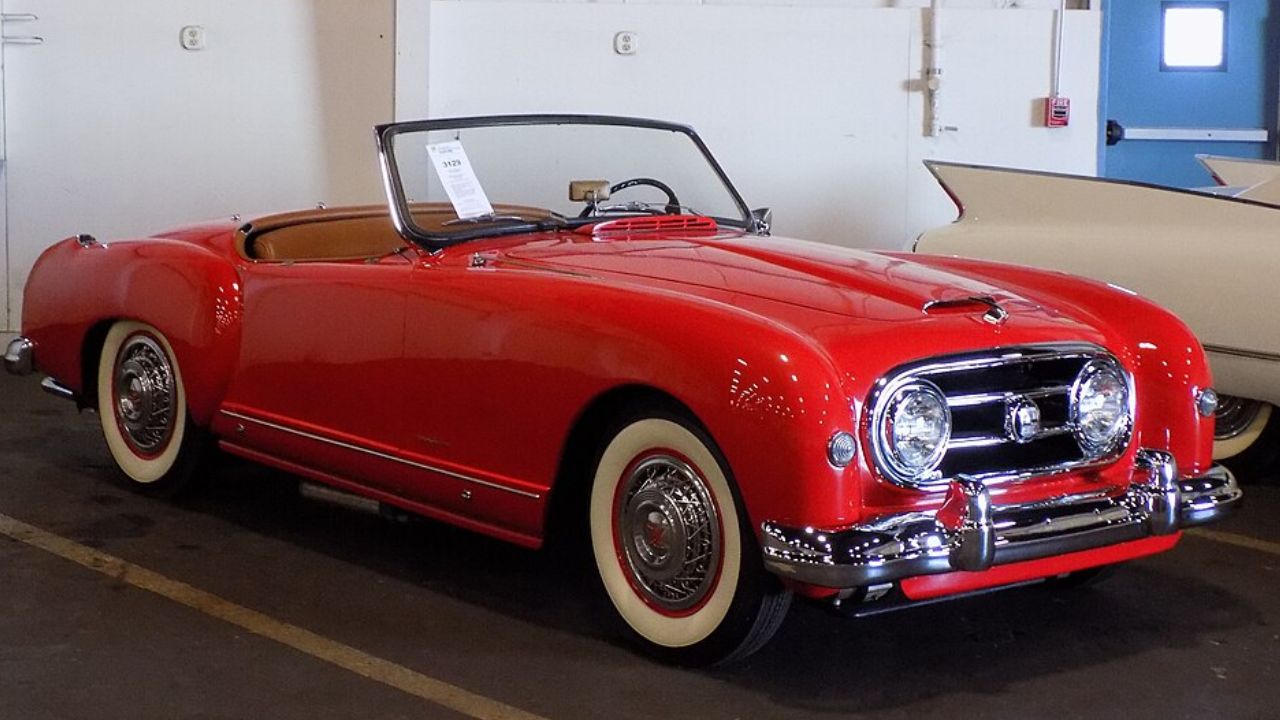
The Nash-Healey Roadster brought together American engineering and Italian coachbuilding to create one of the earliest postwar sports cars. Its graceful bodywork and refined proportions reflected an era when craftsmanship played a major role in automotive design. It remains a rare and fascinating collector’s car.
Iso Grifo
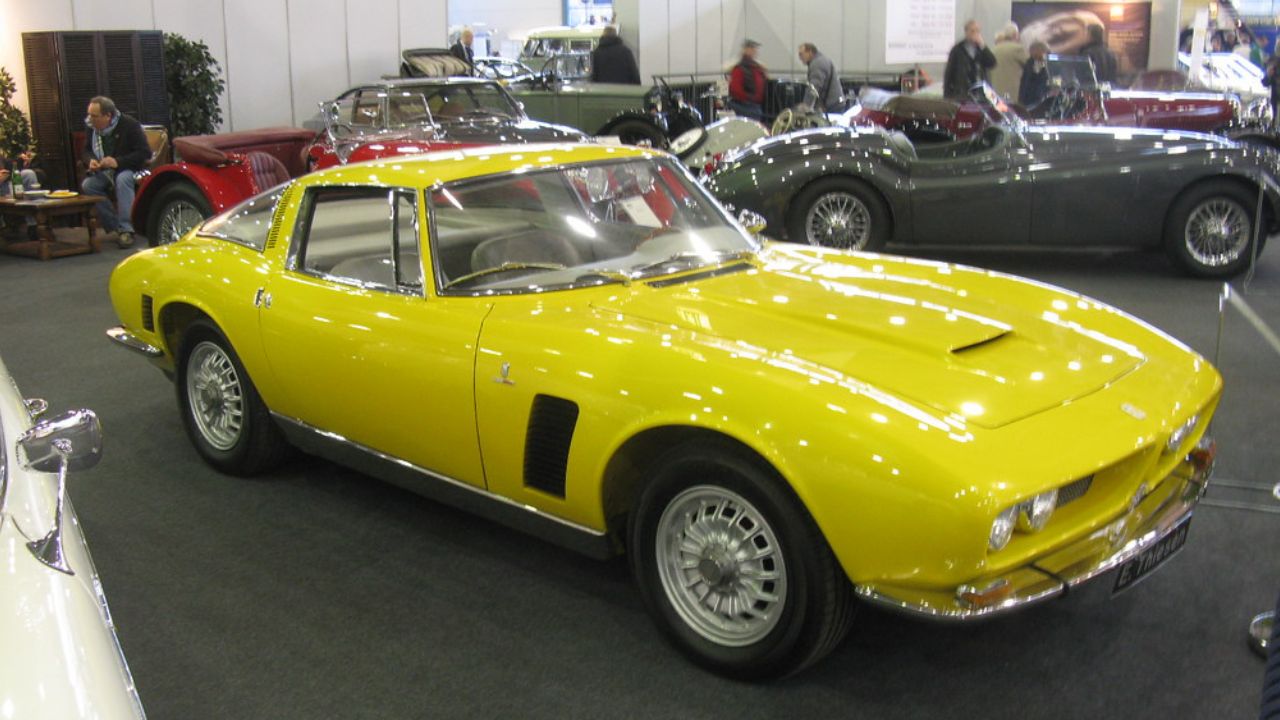
The Iso Grifo paired sleek Giugiaro styling with Chevrolet V8 power, delivering both beauty and performance. Its long hood, fastback roofline, and restrained detailing have helped it age exceptionally well. Many enthusiasts consider it one of Italy’s most underrated grand touring masterpieces.
Chrysler Turbine Car
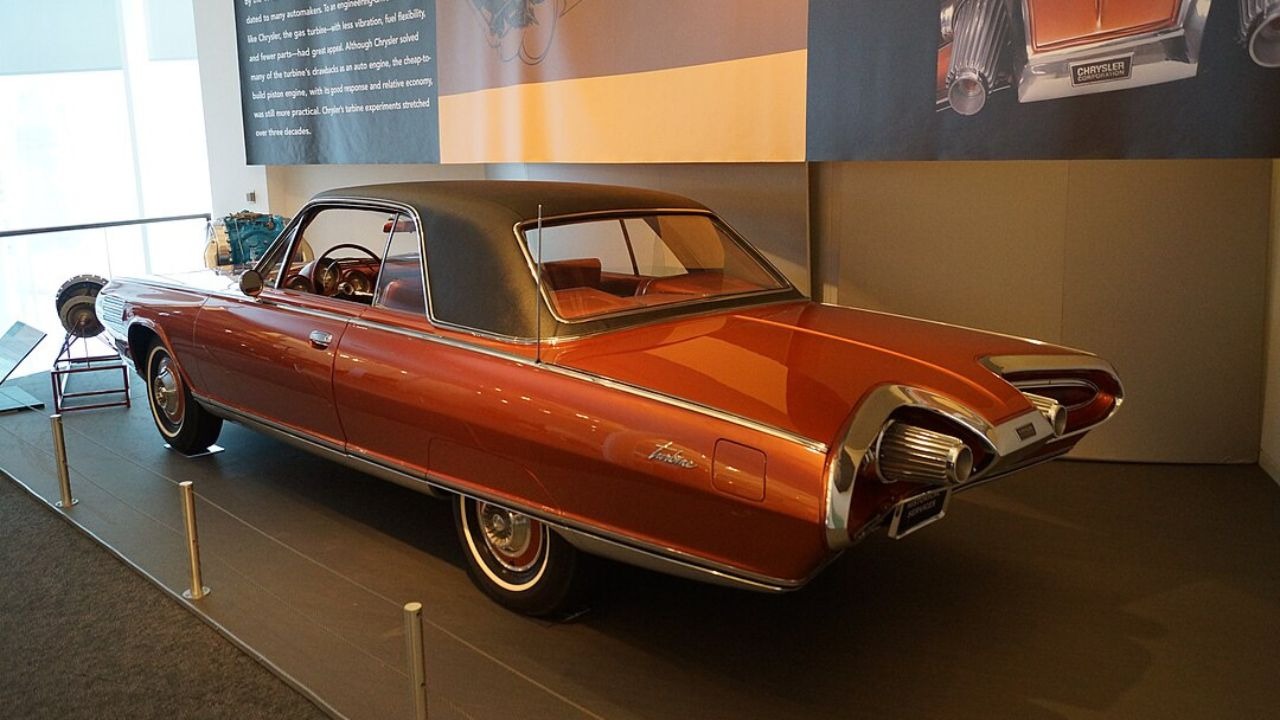
The Chrysler Turbine Car looked as advanced as the revolutionary engine beneath its hood. Clean lines, turbine-inspired trim, and elegant proportions gave it a futuristic appearance that perfectly matched its experimental purpose. It remains one of the most memorable concept-based production programs in automotive history.
Jensen Interceptor
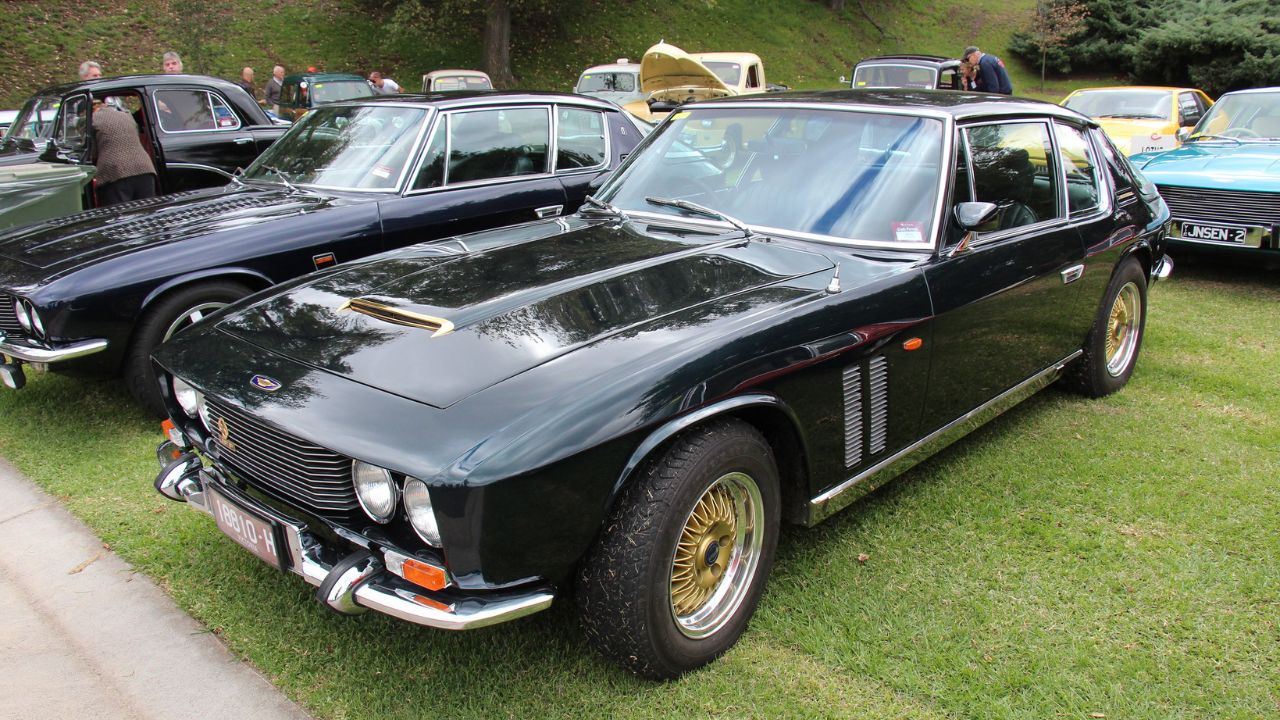
The Jensen Interceptor stood apart through its sweeping fastback design and enormous wraparound rear glass. Combined with muscular Chrysler V8 power, it offered a unique blend of British luxury and American performance. Its styling continues feeling distinctive more than half a century later.
AMC Marlin
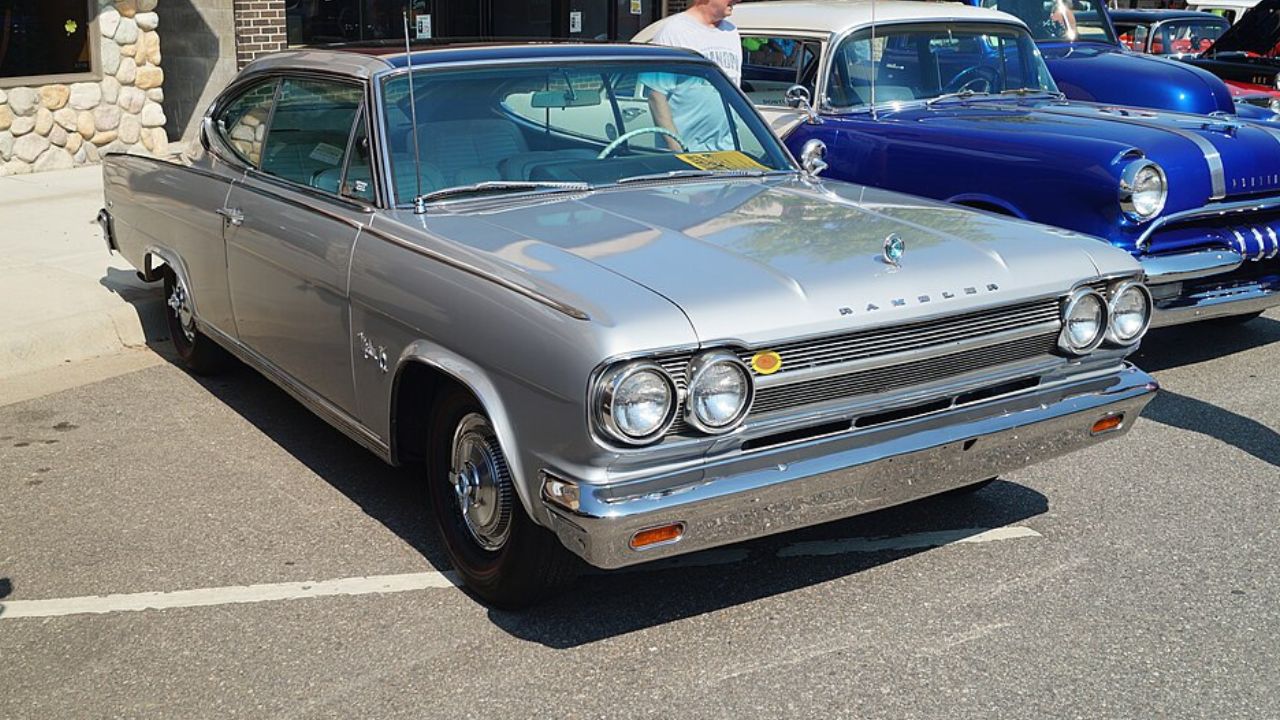
The AMC Marlin embraced dramatic fastback styling during a period when American manufacturers were experimenting with bold new shapes. Its long roofline and unique silhouette ensured it would never be mistaken for anything else. Today, collectors appreciate its willingness to be different.
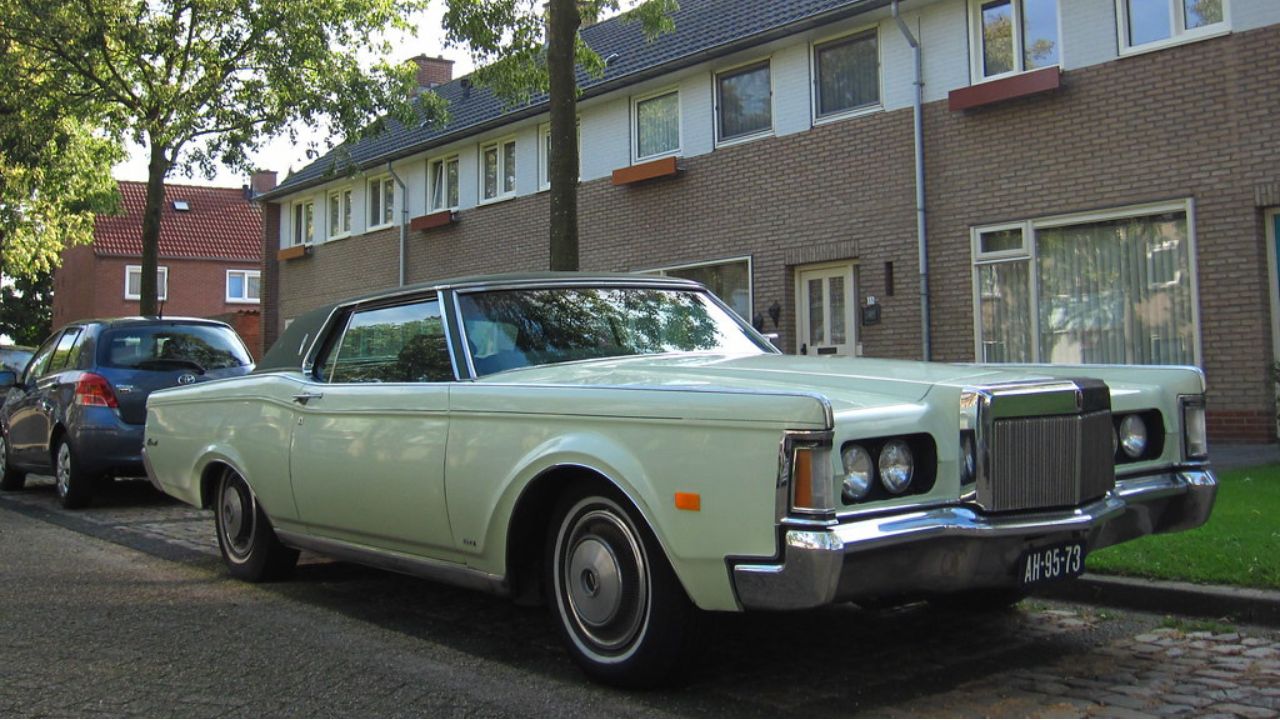
Lincoln Continental Mark III

The Lincoln Continental Mark III introduced a formal luxury design language that influenced American personal luxury cars for years to come. Its long hood, restrained chrome, and signature spare-tire-inspired decklid created a sophisticated appearance that still commands respect. It remains a timeless reminder that elegance never goes out of style.
More from Fast Lane Only
- Unboxing the WWII Jeep in a Crate
- 15 rare Chevys collectors are quietly buying
- 10 underrated V8s still worth hunting down
- Police notice this before you even roll window down
*Research for this article included AI assistance, with all final content reviewed by human editors