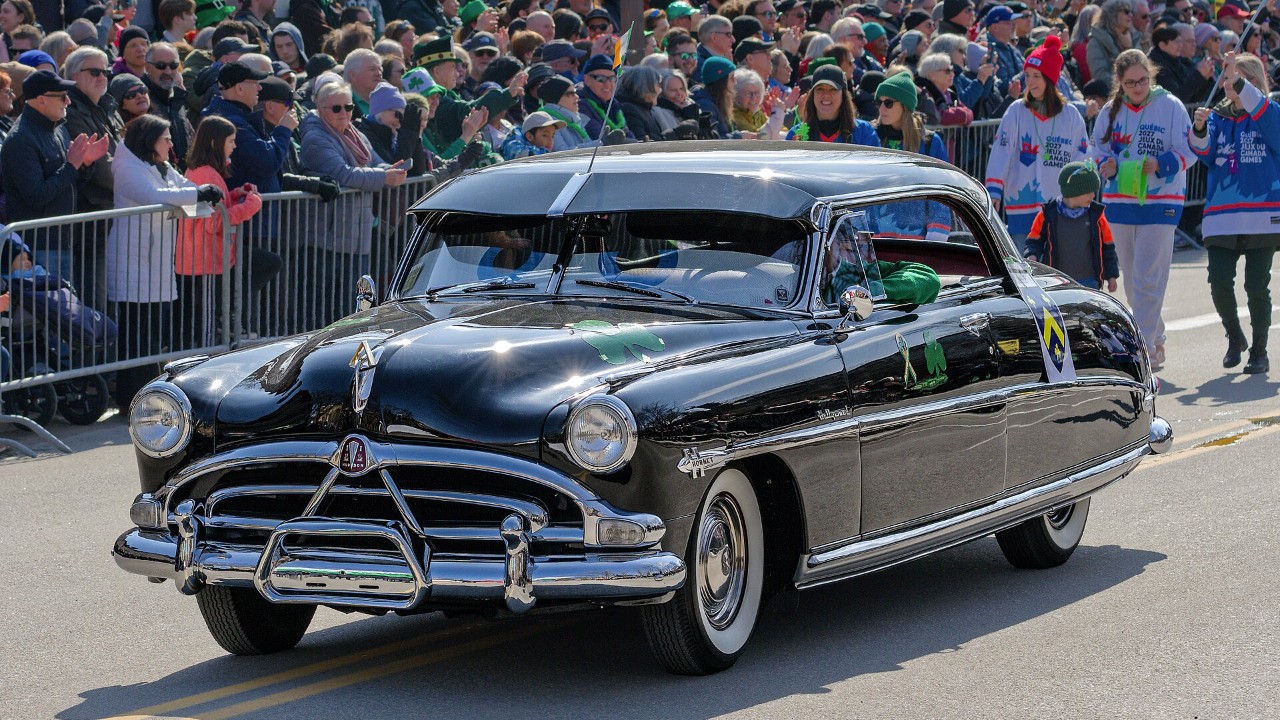
European exotic cars have long represented the peak of automotive performance, styling, and engineering ambition. Some became famous for outrageous speed while others earned admiration through dramatic designs and unforgettable soundtracks. Even decades after their debuts, these machines still attract crowds wherever they appear because they embody the excitement, prestige, and emotion that define true exotic motoring.
Lamborghini Diablo
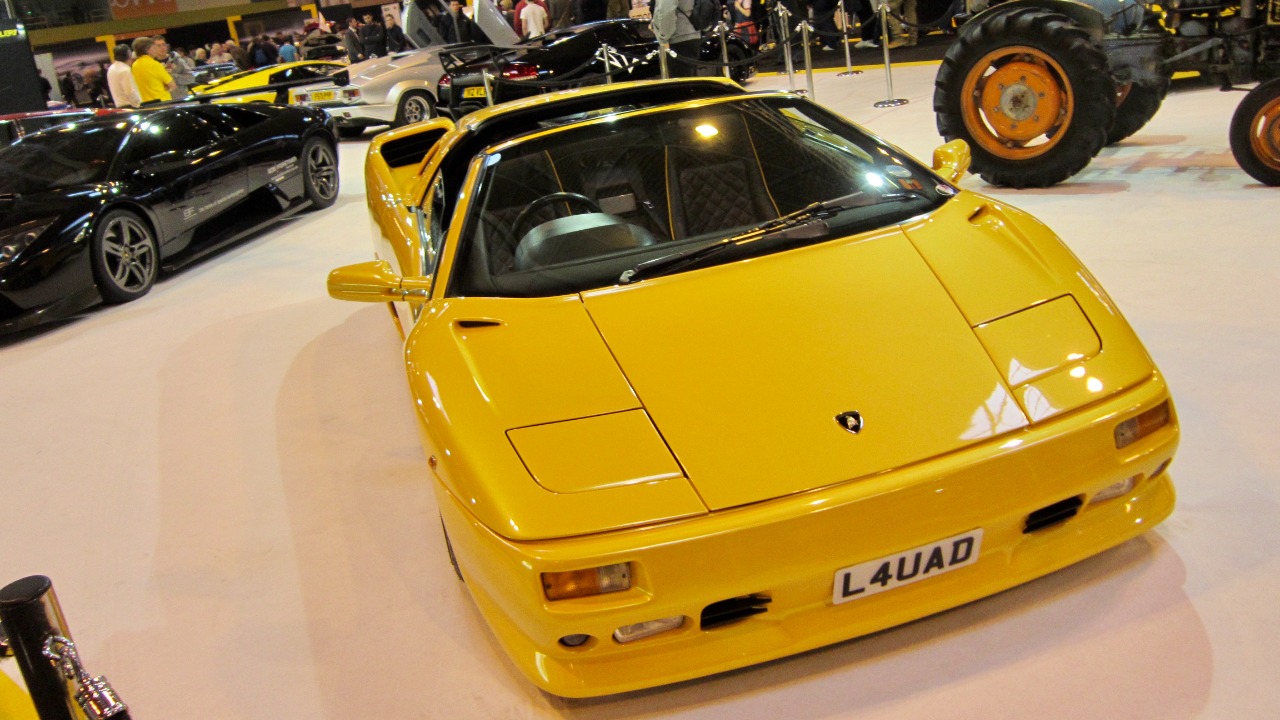
The Lamborghini Diablo became one of the most outrageous symbols of 1990s excess with its scissor doors, aggressive wedge styling, and massive V12 engine. It represented the era when supercars prioritized drama and excitement above all else. The Diablo’s low stance and thunderous exhaust note made it impossible to ignore in traffic or at car shows. Even today, the car’s unmistakable silhouette instantly attracts attention from enthusiasts and casual observers alike, preserving its reputation as one of the most iconic European exotics ever built.
Ferrari F40
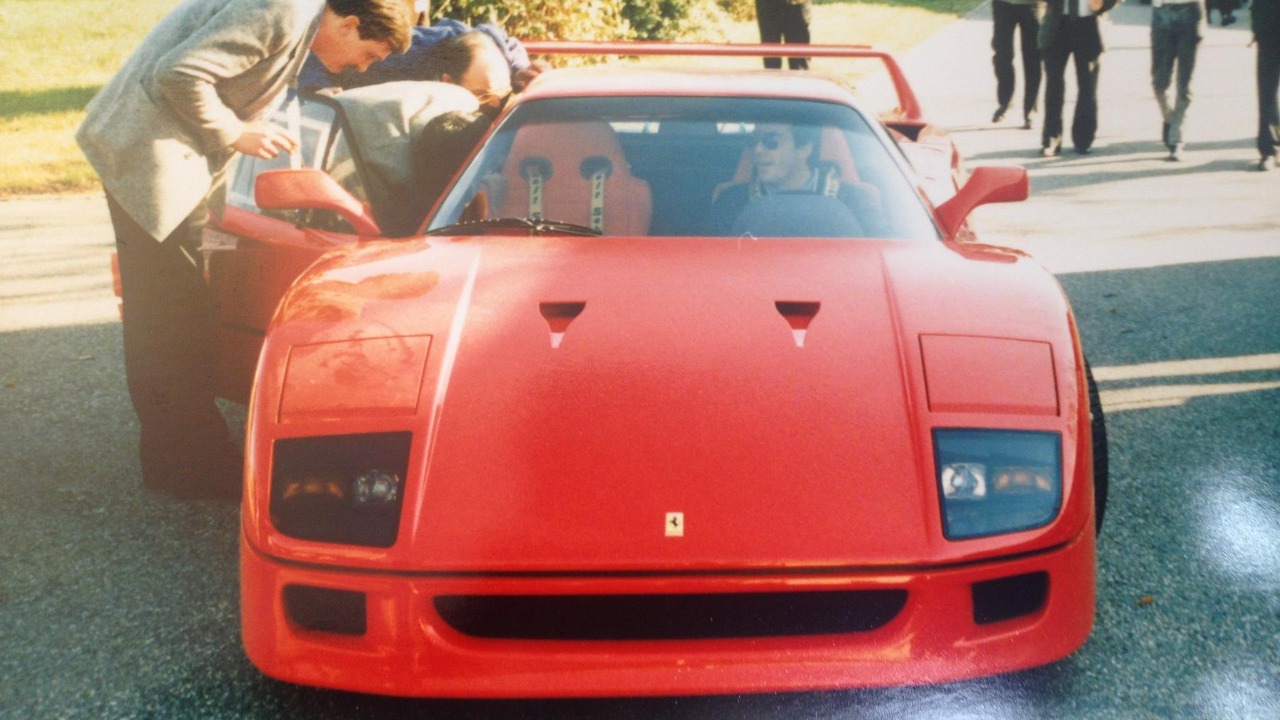
The Ferrari F40 remains one of the purest and most celebrated supercars ever created thanks to its raw driving experience and unmistakable styling. Built to commemorate Ferrari’s 40th anniversary, it featured lightweight construction, a twin-turbo V8 engine, and race-inspired engineering with minimal luxury distractions. The F40 symbolized the final era of analog exotic cars before electronic driver aids became widespread. Its massive rear wing, dramatic proportions, and legendary performance still draw enormous crowds at automotive gatherings across the world decades after production ended.
Porsche Carrera GT
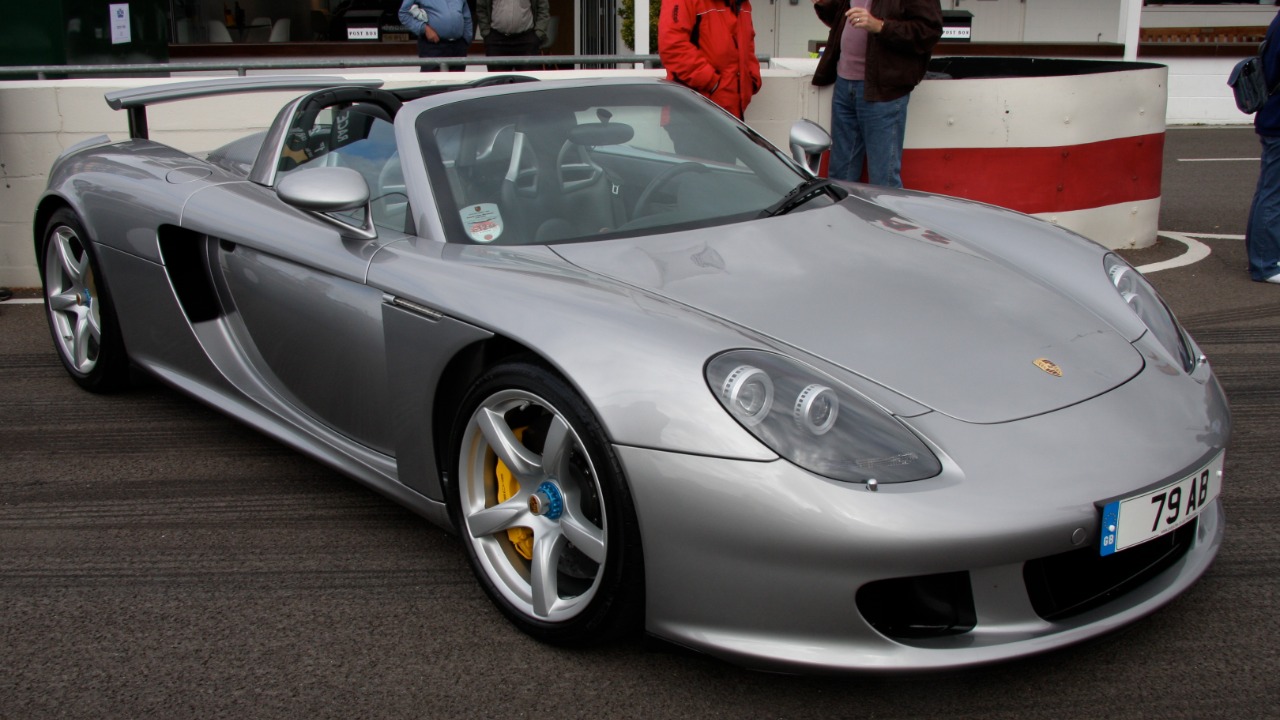
The Porsche Carrera GT earned legendary status for combining breathtaking engineering with one of the most thrilling engines ever installed in a road car. Its naturally aspirated V10 produced an unforgettable sound while the lightweight carbon-fiber chassis delivered extraordinary performance. The Carrera GT symbolized the height of early-2000s analog supercar engineering before modern electronic systems softened the driving experience. Its dramatic appearance, center-exit exhaust, and reputation for demanding skill behind the wheel continue making it one of the most crowd-stopping European exotics ever produced.
Bugatti Veyron
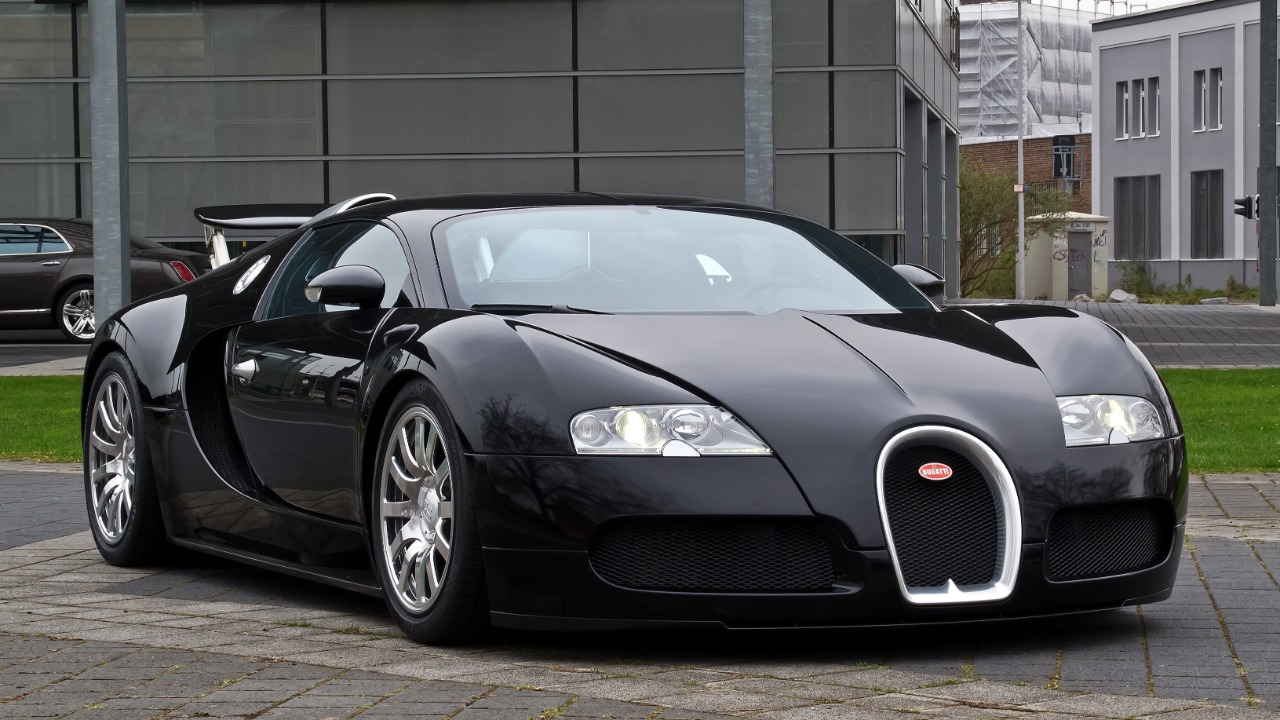
The Bugatti Veyron completely redefined automotive performance expectations when it debuted with over 1,000 horsepower and a top speed exceeding 250 miles per hour. The Veyron represented an engineering achievement many believed impossible at the time, combining extreme speed with luxury-level refinement and reliability. Its distinctive shape and enormous proportions instantly separated it from ordinary supercars. Even years later, seeing a Veyron in public remains a rare event that attracts massive attention because it symbolizes the beginning of the modern hypercar era.
Jaguar XJ220
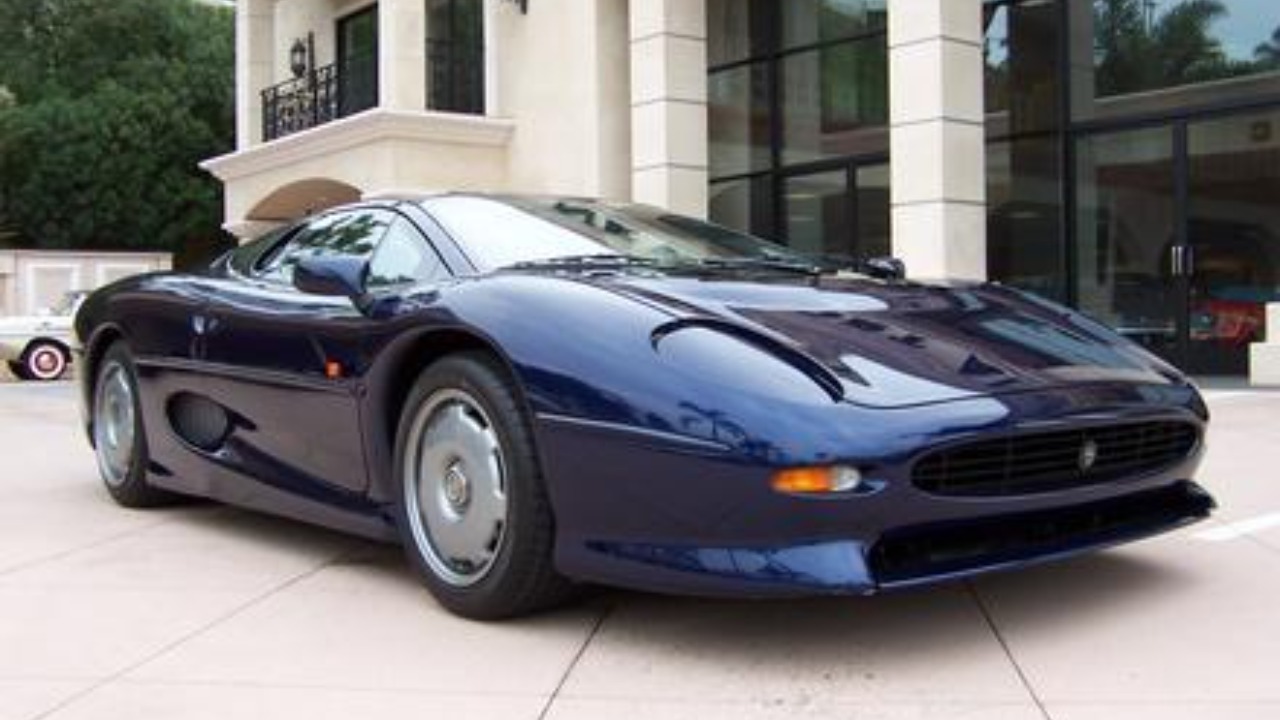
The Jaguar XJ220 became an icon of early-1990s performance thanks to its sleek aerodynamic body and record-breaking speed capabilities. Once the fastest production car in the world, it represented Britain’s ambitious attempt to challenge Ferrari and Lamborghini on the exotic-car stage. The XJ220’s low profile and long proportions created one of the most visually striking designs of its era. Its rarity and historical significance ensure it still draws fascinated crowds whenever one appears at concours events or high-end automotive gatherings.
McLaren P1
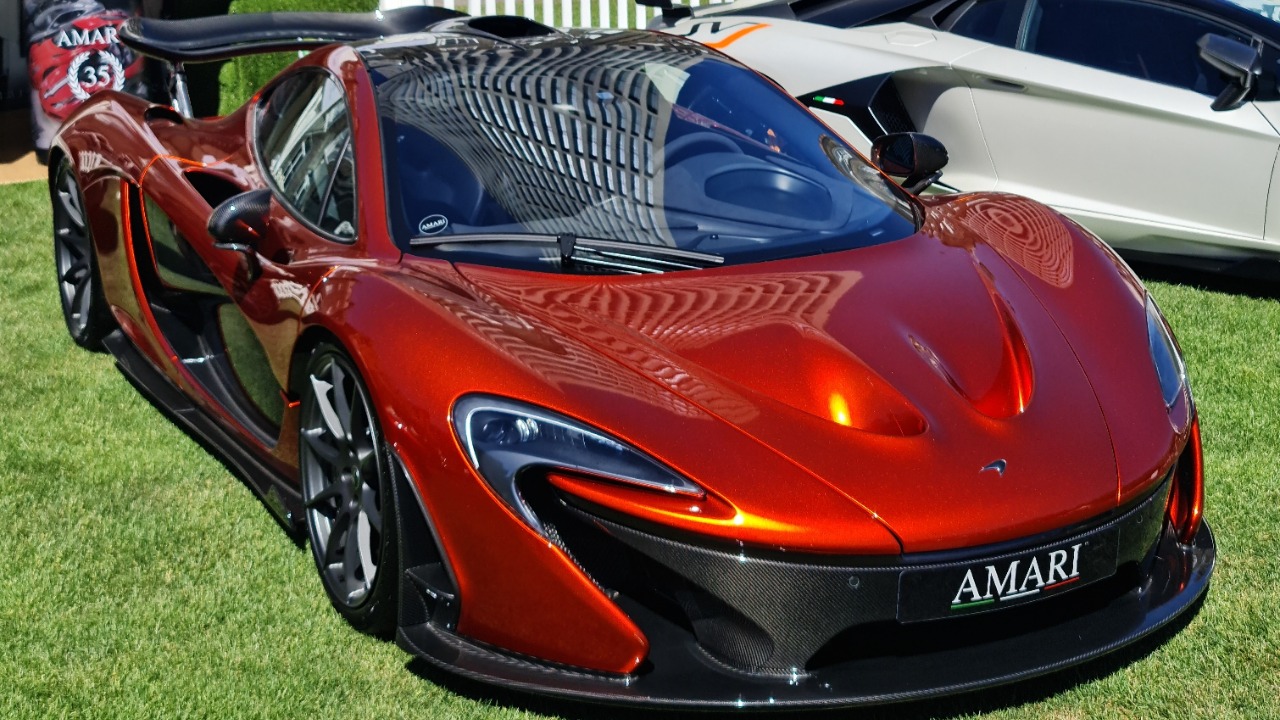
The McLaren P1 symbolized the arrival of hybrid technology in the exotic performance world without sacrificing excitement or speed. Developed with Formula 1-inspired engineering, it combined a twin-turbocharged V8 engine with electric assistance to deliver astonishing acceleration and track performance. The P1’s futuristic styling, active aerodynamics, and extreme rarity instantly command attention anywhere it appears. It became one of the defining hypercars of the 2010s and proved that electrification could enhance the emotional and performance qualities enthusiasts expected from elite European exotics.
Ferrari Testarossa
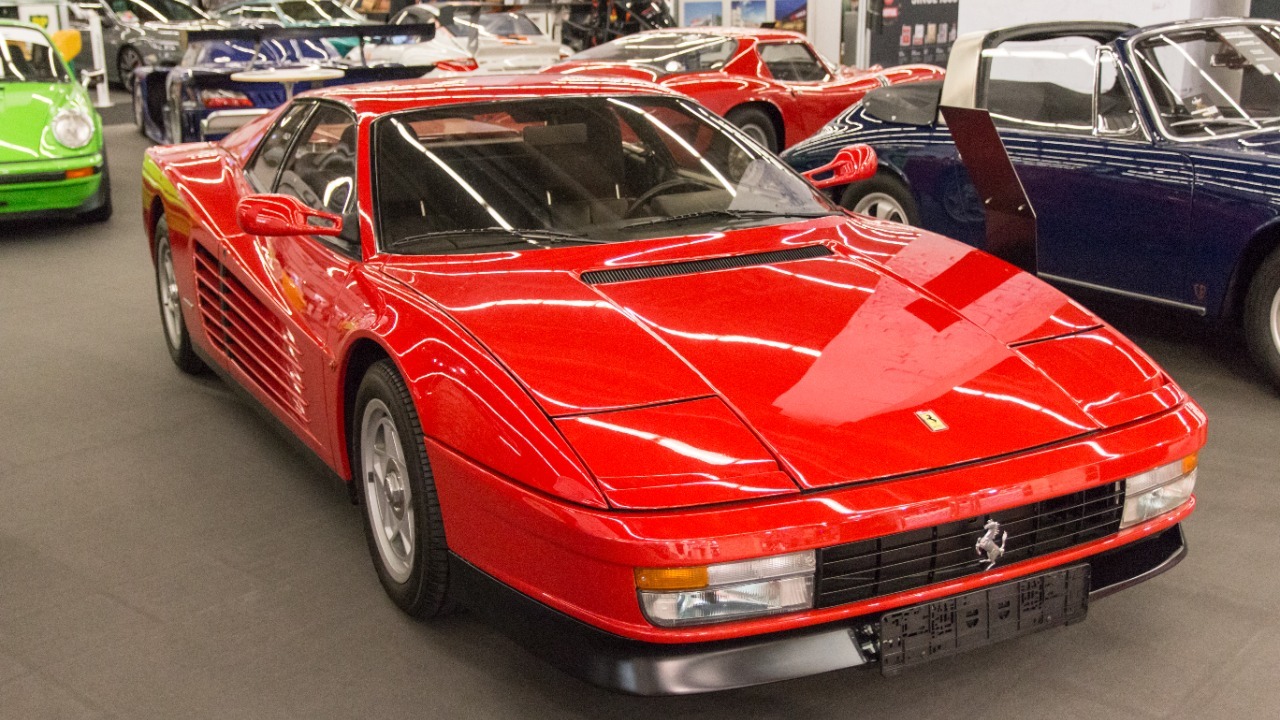
The Ferrari Testarossa became one of the defining automotive symbols of the 1980s through its dramatic side strakes, wide body, and unmistakable flat-12 engine soundtrack. Frequently appearing in movies, television, and celebrity garages, it represented the glamorous supercar lifestyle of the decade. The Testarossa’s aggressive styling made it instantly recognizable even to non-enthusiasts. Decades later, the car continues drawing crowds because it perfectly captures the flashy and excessive spirit that defined exotic performance cars during the height of the 1980s supercar boom.
Aston Martin DBS
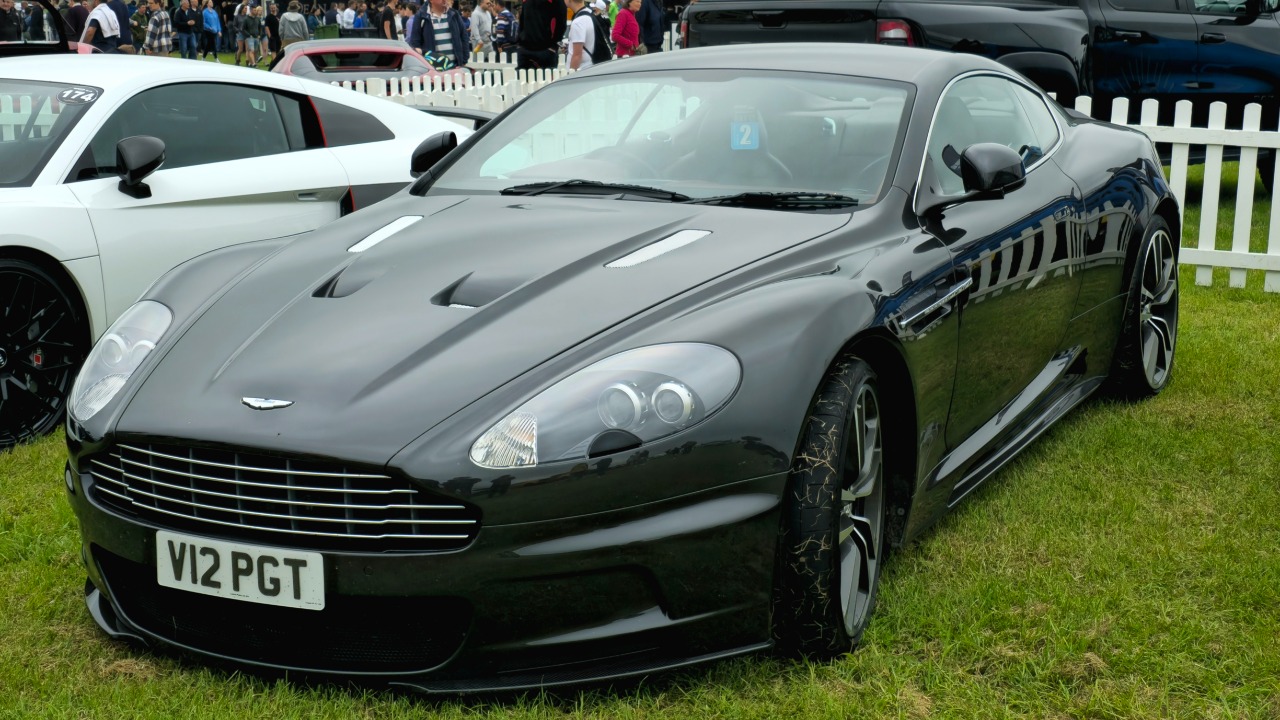
The Aston Martin DBS gained worldwide attention through its elegant design, powerful V12 engine, and association with modern James Bond films. The coupe represented a blend of British sophistication and aggressive performance that separated it from louder Italian rivals. Its muscular proportions and handcrafted interior created an exotic presence rooted in refinement rather than pure extravagance. The DBS continues stopping crowds because it combines timeless styling with cinematic fame, making it one of the most admired grand touring exotics of the modern era.
Pagani Zonda
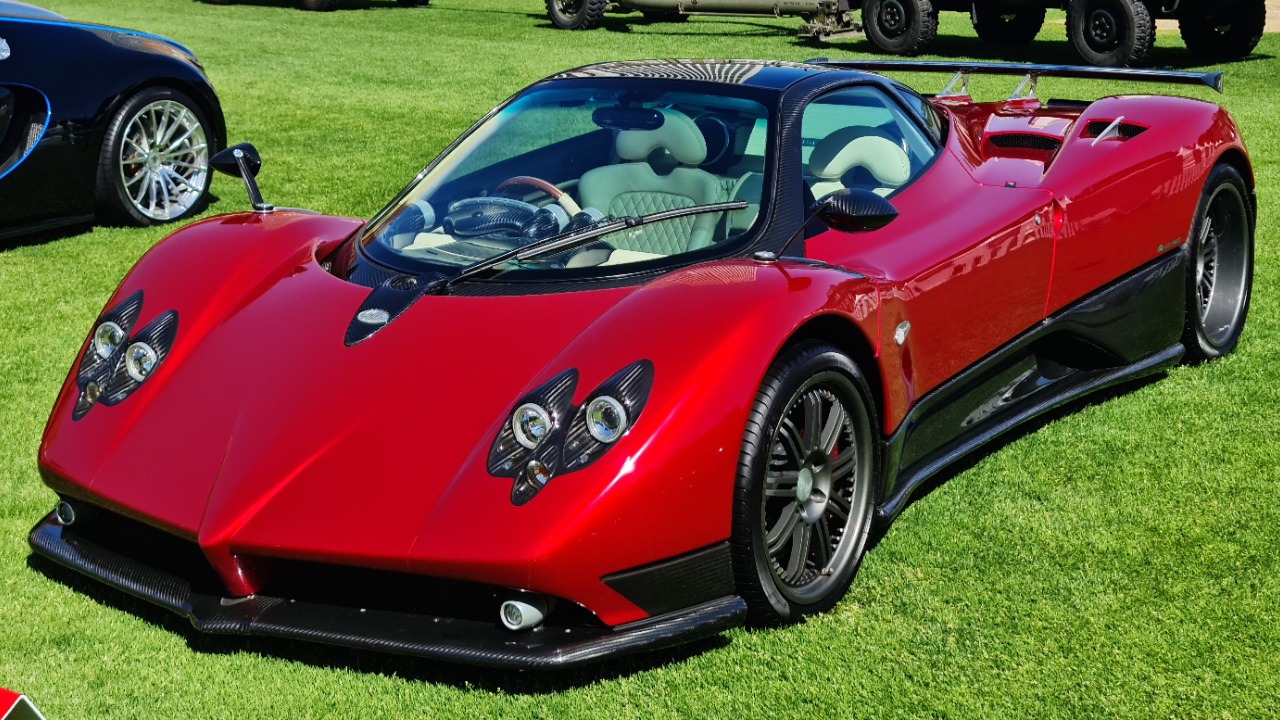
The Pagani Zonda became legendary for its artistic design, exposed carbon-fiber construction, and screaming naturally aspirated AMG-sourced V12 engine. Every Zonda felt more like a handcrafted sculpture than a traditional production vehicle, helping Pagani establish itself among elite exotic manufacturers. The hypercar’s dramatic curves, central exhaust arrangement, and extraordinary attention to detail make it unforgettable in person. Even among modern hypercars, the Zonda still commands enormous attention because it represents an uncompromising blend of art, engineering, and raw mechanical emotion.
Lotus Esprit V8
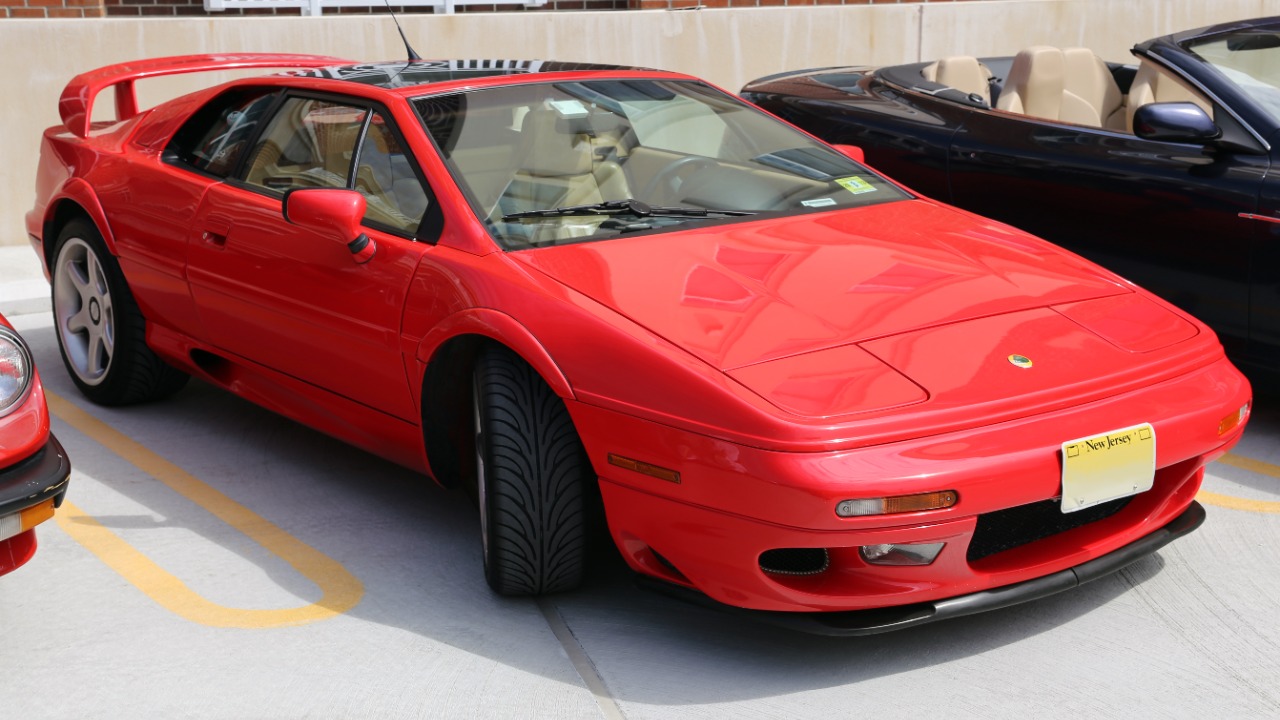
The Lotus Esprit V8 remained an enduring exotic icon thanks to its sharp angular styling and strong connection to popular culture. Originally introduced during the 1970s and evolving for decades, the Esprit became famous through motorsports influence and memorable movie appearances. The later V8 version added serious performance to the already dramatic design. Its low wedge profile and unmistakable silhouette continue turning heads because the car represents a classic era of lightweight British exotic engineering focused on agility and visual drama.
More from Fast Lane Only