American car culture has always loved understatement, and few machines prove it better than the low-key classics that hide serious performance behind plain sheet metal. These sleeper cars look like ordinary commuters or family coupes, yet deliver power figures that once belonged to race grids and supercars. Each of the following models shows how quietly specified options, big-displacement engines, and conservative styling combined to create shockingly potent American classics.
1) 1970 Buick 455 sleeper coupe

The 1970 Buick 455 sleeper coupe exemplifies how conservative styling can conceal extraordinary performance. Reporting on a forgotten 1970 sleeper highlights that, while the Oldsmobile and Pontiac 455s had similar power outputs, what made the Buick 455 special was its ability to achieve peak torque at relatively low rpm. That broad, early surge of twist turned an otherwise unassuming Buick into a car capable of humiliating flashier muscle machines in real-world driving.
Because the bodywork and trim remained restrained, many owners treated these cars as comfortable daily drivers rather than weekend toys. Yet the combination of a big 455 cubic-inch V8 and quiet luxury appointments meant the Buick could deliver supercar-level acceleration without attracting attention. For collectors and enthusiasts, this balance of subtlety and force has become a defining trait of the American sleeper tradition.
2) 1960s Street Hemi B-body sedan

The 1960s Street Hemi B-body sedan, particularly in its plainer two-door and four-door forms, stands as one of the most formidable sleepers of its era. The Street Hemi V8 was officially rated at 425 horsepower and 490 torque, figures directly descended from Chrysler race engines that dominated professional competition. As period coverage of 1960s sleeper cars notes, this engine specification effectively transplanted track-grade hardware into what could appear to be a modest family car.
When ordered without stripes, scoops, or flamboyant colors, these B-body sedans blended into commuter traffic while carrying performance that rivaled dedicated drag machines. The stakes for rivals were clear: underestimate a Street Hemi sedan at a stoplight and risk being left behind by a car that looked like a taxi. For modern observers, the contrast between its subdued appearance and 425, 490 output remains one of the clearest examples of low-key American power.
3) 1971 Pontiac GT-37 L75

The 1971 Pontiac GT-37 L75 took the intermediate A-body platform and wrapped it in some of the most understated performance packaging of the early 1970s. Contemporary descriptions of the Pontiac GT-37 emphasize how its plain trim, simple badging, and bench-seat interiors made it look like a basic fleet car. Yet the L75 option quietly added a serious big-block V8, turning what appeared to be a budget coupe into a legitimate muscle threat.
Outdoor photography from HEMMINGS shows the GT-37 sitting on modest wheels with minimal ornamentation, reinforcing its low-profile character. Underneath, however, the Engine and Transmission combinations mirrored far more expensive GTO configurations. For enthusiasts who understood Pontiac GT ordering codes, the 37 designation signaled a rare chance to access strong performance without paying for or advertising a high-profile nameplate, a strategy that still resonates with sleeper fans today.
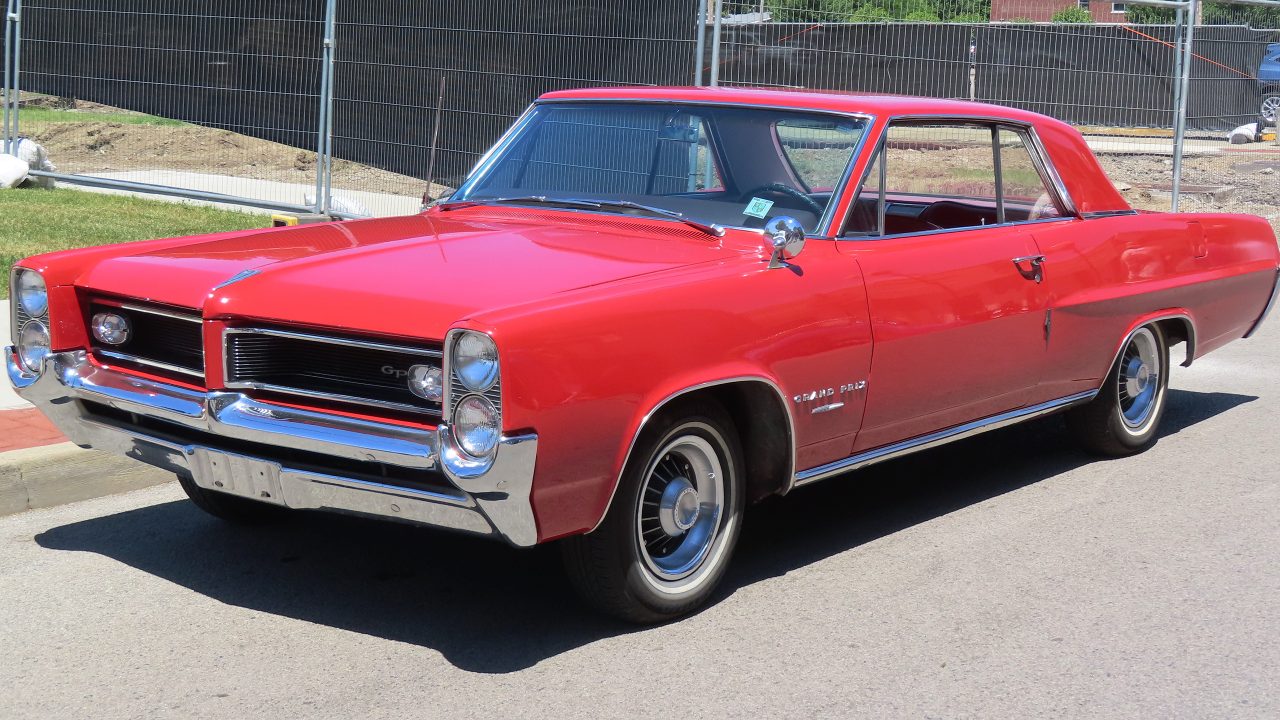
4) Early 1960s Pontiac Super Duty Catalina
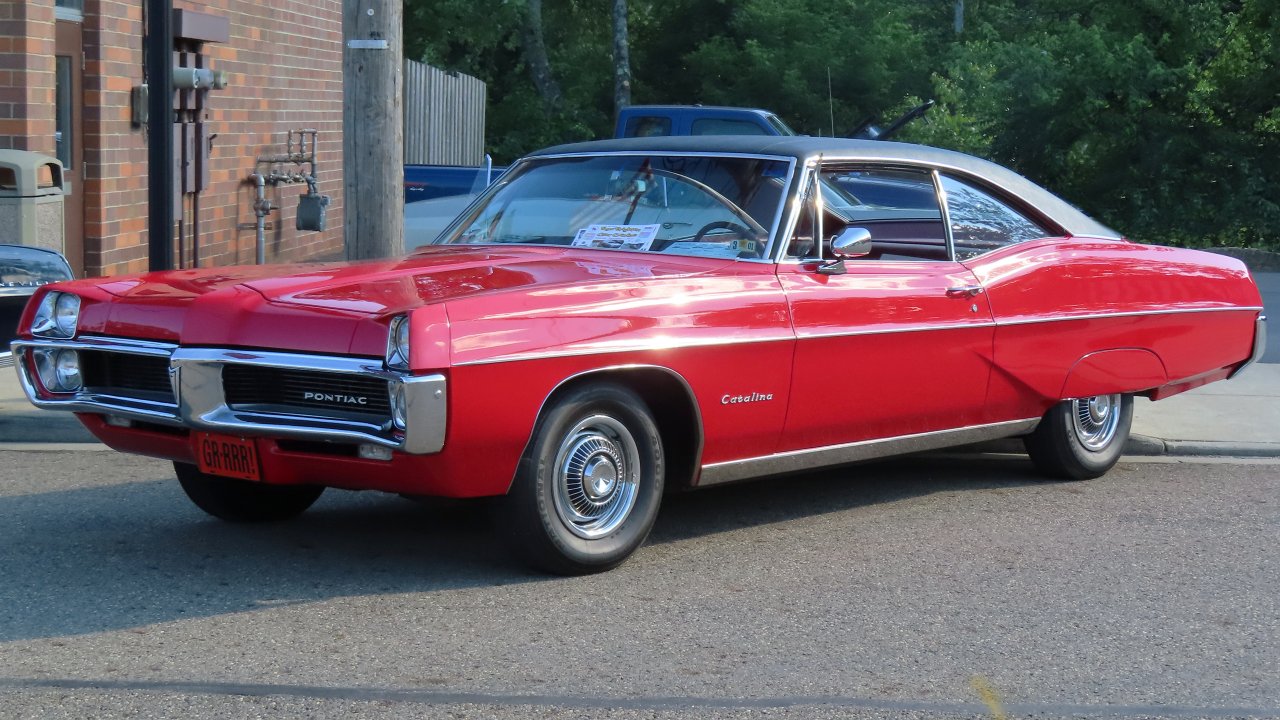
The early 1960s Pontiac Super Duty Catalina blurred the line between full-size family transport and competition hardware. Coverage of the best 1960s muscle cars notes that Pontiac had already set the stage for the performance revolution with its spectacular series of Super Duty engines. Installed in relatively plain Catalinas, these engines brought freer-flowing intake manifolds and heavy-duty internals to what could pass for a conservative full-size sedan or coupe.
Visually, many Super Duty Catalinas avoided wild graphics, relying instead on subtle badging and standard colors. That restraint made their drag-strip dominance even more striking, as they arrived looking like company cars and left with trophies. For stakeholders inside Pontiac, the program demonstrated how engineering-led performance could transform the brand’s image without abandoning mainstream buyers, a lesson that would echo through later sleeper projects.
5) 1970 Buick 455-powered family sedan

Beyond coupes, the 1970 Buick 455 also found its way into family sedans that looked almost anonymous in traffic. Analysis of the Buick 455 highlights that, while the Oldsmobile and Pontiac 455s had similar power outputs, Buick tuned its version for strong low-end response. In a four-door body, that meant instant thrust from stoplights and effortless highway passing, all delivered with minimal noise and drama.
These sedans typically wore hubcaps, narrow tires, and muted paint, signaling practicality rather than aggression. Yet the drivetrain mirrored that of more celebrated performance models, giving owners a discreet way to access serious speed. For families and business drivers who valued comfort but appreciated power, the 455 sedan offered a uniquely American solution, pairing quiet interiors with performance that could surprise purpose-built sports cars of the period.
6) Plain-trim Street Hemi hardtop

While many Street Hemi cars wore bold graphics, a subset left the factory in plain trim that amplified their sleeper status. Documentation of Street Hemi options underscores that the same 425 horsepower and 490 torque could be ordered in relatively bare-bones hardtops, with dog-dish hubcaps and minimal chrome. In these configurations, the only obvious clue to their capability was a subtle badge, easily overlooked by casual observers.
Owners who chose this specification often prioritized performance over image, channeling Chrysler race technology into cars that could pass for entry-level models. The result was a machine that could dominate quarter-mile contests while remaining nearly invisible in a parking lot. For the broader market, these cars illustrated how option sheets, rather than styling packages, often held the real key to American performance potential.
7) 1971 Pontiac GT-37 budget coupe

A second look at the 1971 Pontiac GT-37 reveals how its budget positioning further enhanced its sleeper credentials. Reports on boring American classics emphasize that the GT-37 was marketed as an affordable alternative to better-known muscle cars. Yet when equipped with the right drivetrain, it delivered performance that belied its price and low-key image.
American buyers who selected the GT-37 often did so to avoid insurance surcharges tied to more famous badges, a practical concern that shaped the sleeper landscape. The car’s restrained styling, combined with serious mechanical capability, allowed drivers to enjoy strong acceleration without drawing the scrutiny that followed high-profile models. In retrospect, this strategy turned the GT-37 into one of the most effective stealth performers of its generation.
8) 1960s Super Duty street sedan

Not all Super Duty hardware stayed on the track; some found its way into street-legal sedans that looked almost ordinary. Accounts of Pontiac performance describe how Super Duty engines, with their freer-flowing intake manifold and competition-grade internals, transformed otherwise standard-bodied cars. When paired with bench seats and column shifters, these sedans could easily be mistaken for fleet vehicles.
For law enforcement, rival drivers, and even insurance assessors, the understated appearance of these cars made their true capability difficult to gauge. Yet on open roads and at informal drag strips, their acceleration and durability set new expectations for what a full-size American sedan could achieve. The legacy of these builds continues to influence modern sleeper projects that hide upgraded powertrains inside conservative exteriors.
9) Buick 455-powered personal luxury coupe

The Buick 455 also powered personal luxury coupes that prioritized comfort and refinement, further extending its sleeper reputation. Coverage of the Buick big-block notes that its torque-rich character made heavy cars feel unexpectedly quick, especially in midrange acceleration. In a plush two-door with vinyl roof, soft suspension, and quiet exhaust, that performance arrived with almost no visual or auditory drama.
Buyers drawn to these coupes often sought status and comfort rather than outright speed, yet the drivetrain gave them access to performance that rivaled dedicated muscle cars. This dual character broadened the appeal of high-output engines beyond traditional enthusiasts, showing manufacturers that power could be integrated into upscale, understated packages. The approach foreshadowed later trends in grand touring and executive performance cars.
10) Low-option Street Hemi drag special
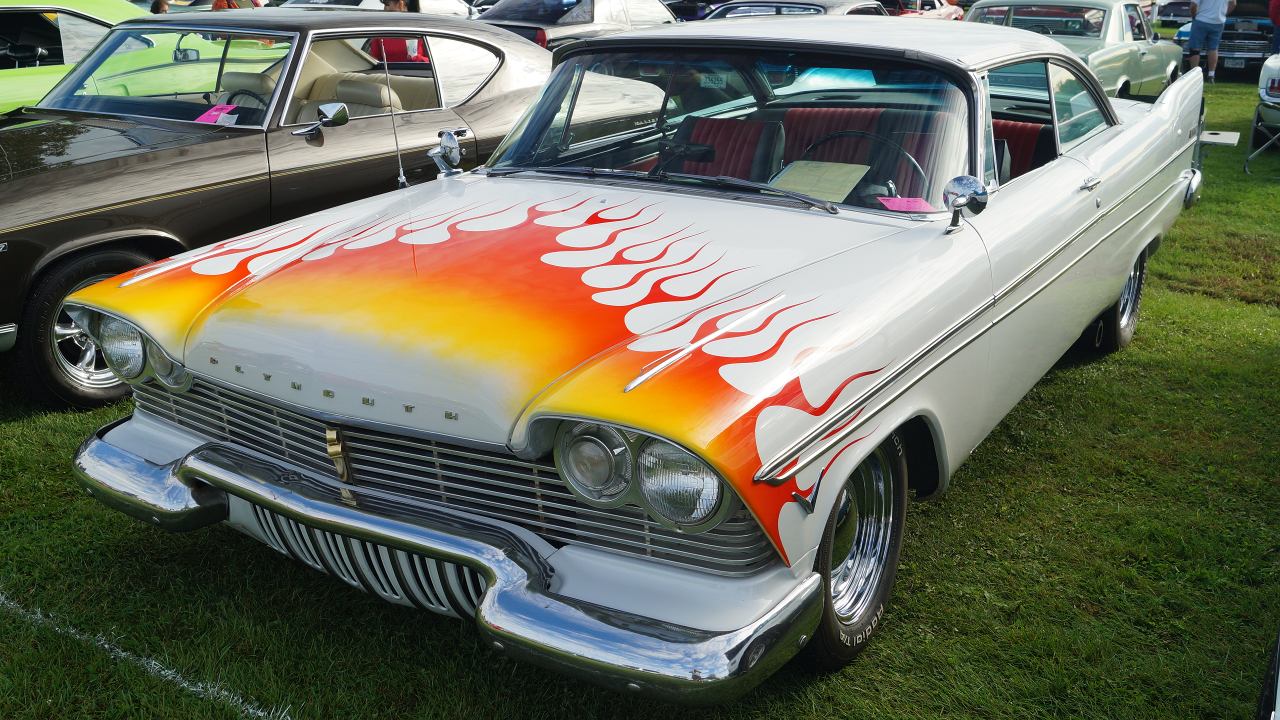
Finally, the low-option Street Hemi drag special represents the most extreme expression of sleeper philosophy within the factory catalog. As detailed in discussions of ultimate sleeper cars, some buyers specified Street Hemi power with minimal comfort features, plain paint, and basic interiors, focusing every dollar on performance. The resulting cars carried the same 425 horsepower and 490 torque as more lavishly trimmed models, but looked almost utilitarian.
These drag-focused builds often served as rolling laboratories for Chrysler engineering, proving that race-derived components could survive street use. For grassroots racers and serious hobbyists, they offered a direct path from showroom to strip without the visual excess that sometimes accompanied muscle-era performance. Their continued reverence among collectors underscores how deeply the idea of hidden capability is woven into American automotive history.
More from Fast Lane Only