For a century, Chrysler has repeatedly forced the rest of the auto industry to rethink what a car should be, from engineering breakthroughs to entirely new vehicle segments. Across boom years and near-collapse, the company’s most daring ideas have often arrived just as rivals grew comfortable, resetting expectations for performance, safety, and practicality. These eight moments show how Chrysler did more than survive industry upheaval, it changed the direction of the automobile itself.
1) The 1924 Chrysler Six and hydraulic brakes
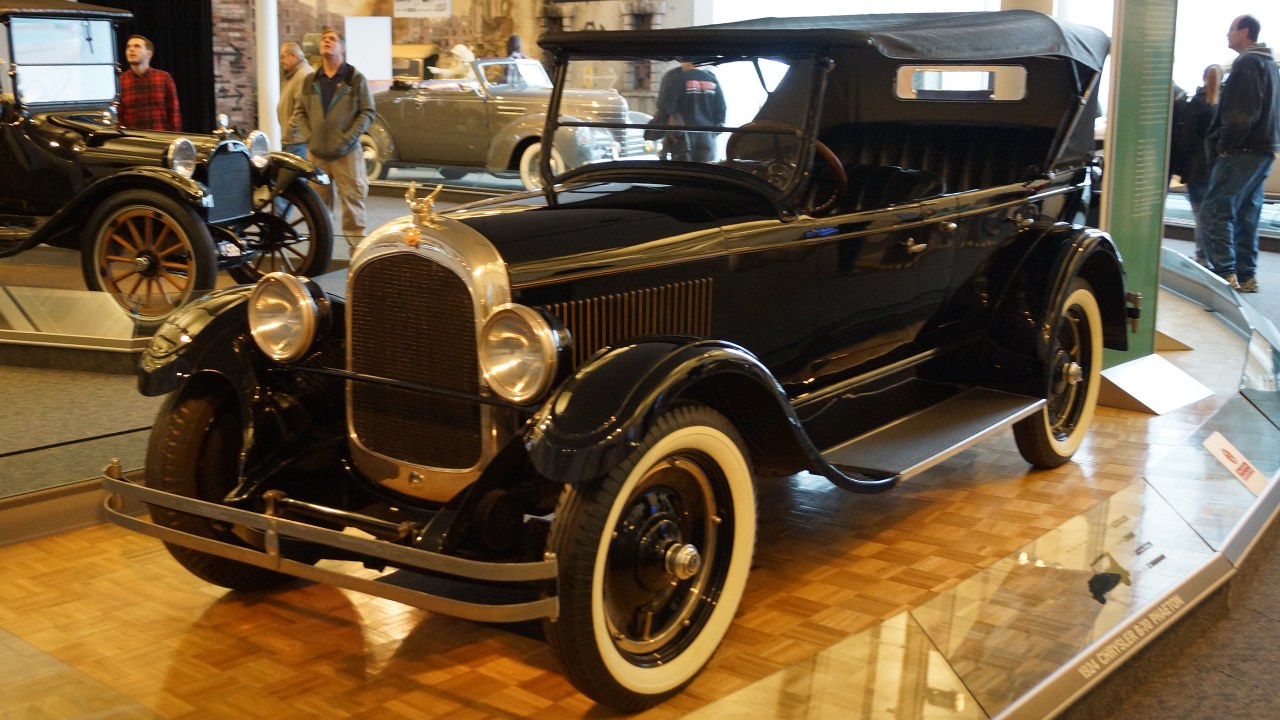
The Chrysler Six, unveiled at the National Automobile Show in New York, signaled that Walter Chrysler intended to compete on engineering rather than sheer size. Contemporary accounts describe the original 1924 Chrysler as a car that bundled advanced features usually reserved for far more expensive marques, including a high-compression six-cylinder engine and full-pressure lubrication. According to company history, Walter Chrysler used this car to position his new firm as “Detroit’s engineering company,” promising middle-class buyers technology that had previously been out of reach.
Central to that promise was the early adoption of four-wheel hydraulic brakes, highlighted in later retrospectives as a defining safety advance. An analysis of Chrysler’s early engineering notes that the Introduction of Hydraulic Brakes gave drivers shorter stopping distances, more consistent performance in wet conditions, and better control than the mechanical systems common at the time. That shift pressured competitors to upgrade their own braking technology, accelerating the industry-wide move toward safer, more sophisticated chassis design.
2) Wind-tunnel aerodynamics in the 1930s
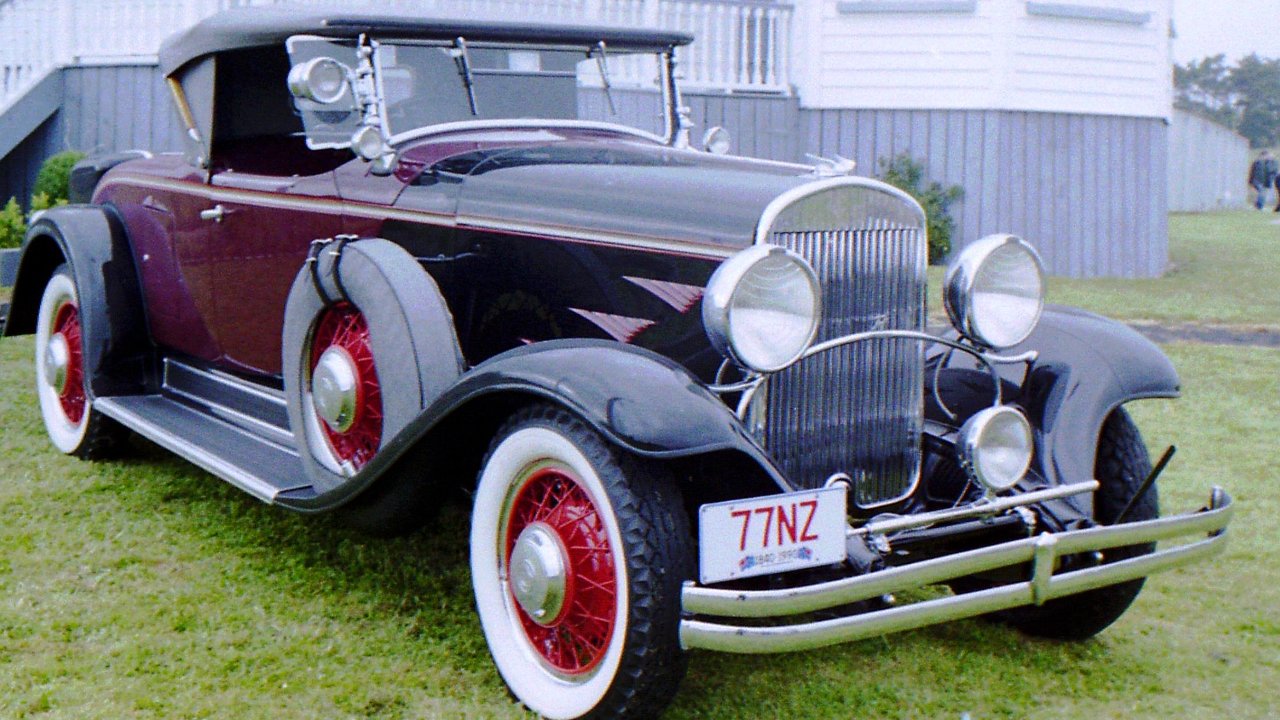
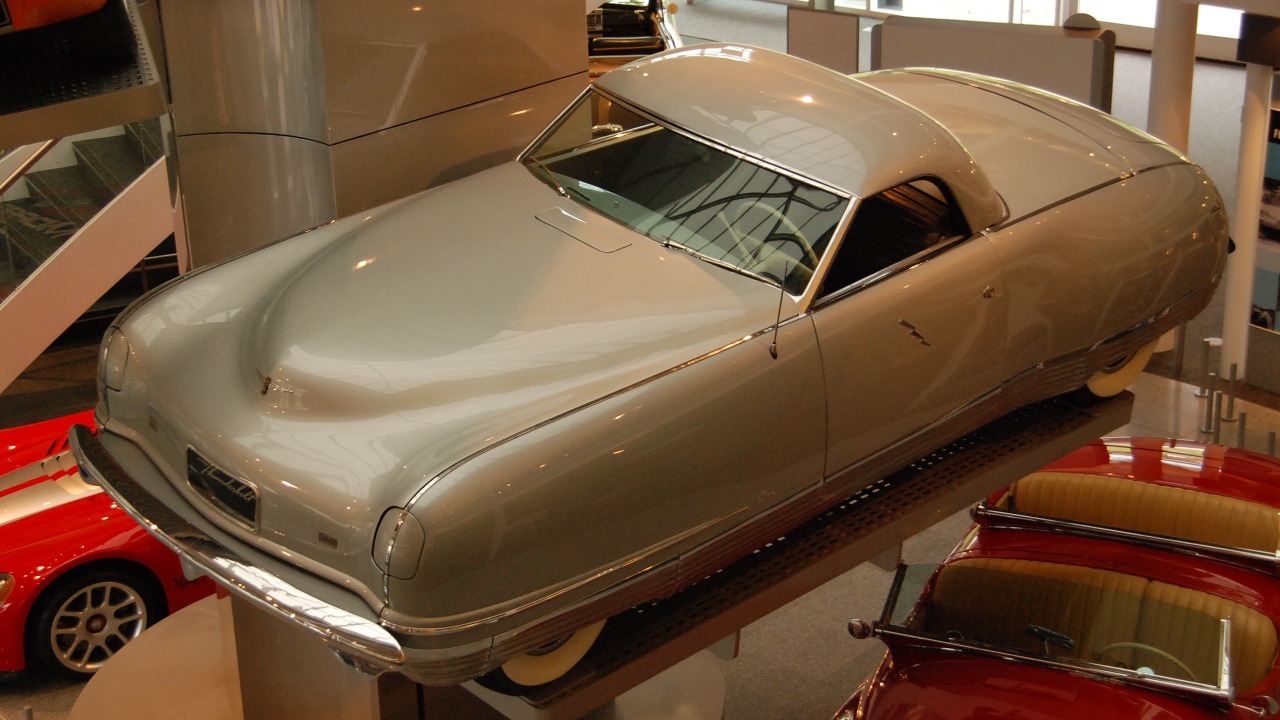
Chrysler’s investment in wind-tunnel testing during the 1930s marked another decisive break with prevailing practice. While most manufacturers still styled cars with little regard for airflow, Chrysler engineers began systematically shaping bodies to reduce drag, improve stability, and cut fuel consumption. Reporting on the company’s centennial notes that this work started in the early 1930s, when Chrysler commissioned aerodynamic studies that treated the automobile more like an aircraft fuselage than a rolling carriage.
The resulting streamlined designs, including early Airflow models, were commercially polarizing but technically influential. By proving that scientific aerodynamics could be applied to mass-produced cars, Chrysler helped normalize the idea that wind tunnels belonged in automotive development. Later industry leaders adopted similar methods, and the emphasis on drag coefficients, high-speed stability, and fuel efficiency that dominates modern vehicle engineering can be traced back to this early, controversial push toward airflow-driven styling.
3) Replaceable element oil filters and service-friendly design
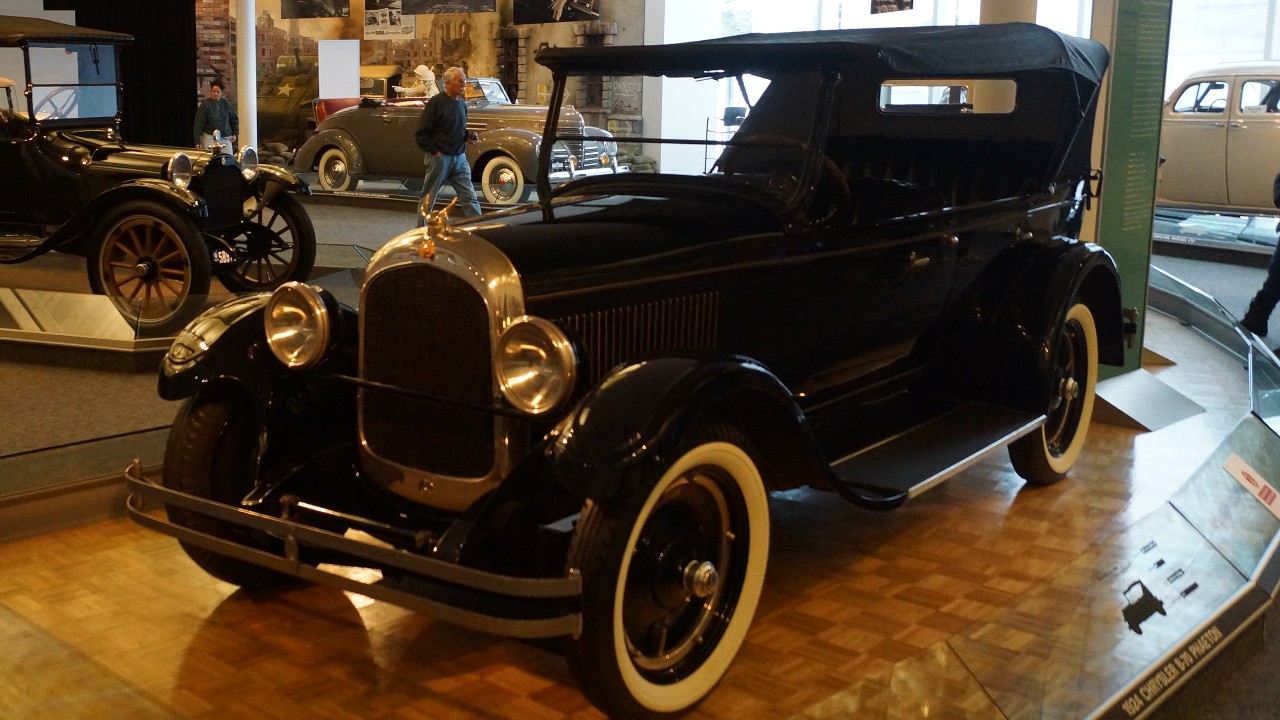
Chrysler’s focus on practical engineering also extended to how cars were maintained, not just how they performed. A detailed list of the company’s historical innovations credits Chrysler with the Replaceable element oil filter in 1924, a feature that simplified routine service and improved engine longevity. Instead of requiring messy, time-consuming procedures, the new design allowed mechanics and owners to swap a cartridge, making regular oil changes more feasible and more likely to be performed on schedule.
This seemingly modest component had broad implications for ownership expectations and dealership operations. Easier service reduced downtime and operating costs, which in turn supported higher-mileage use and greater confidence in car travel. As other manufacturers adopted similar replaceable filters, the idea that complex mechanical systems should be designed for straightforward maintenance became a quiet but powerful industry norm, influencing everything from lubrication systems to modern modular components.
4) The Chrysler 300 and the birth of OG Muscle
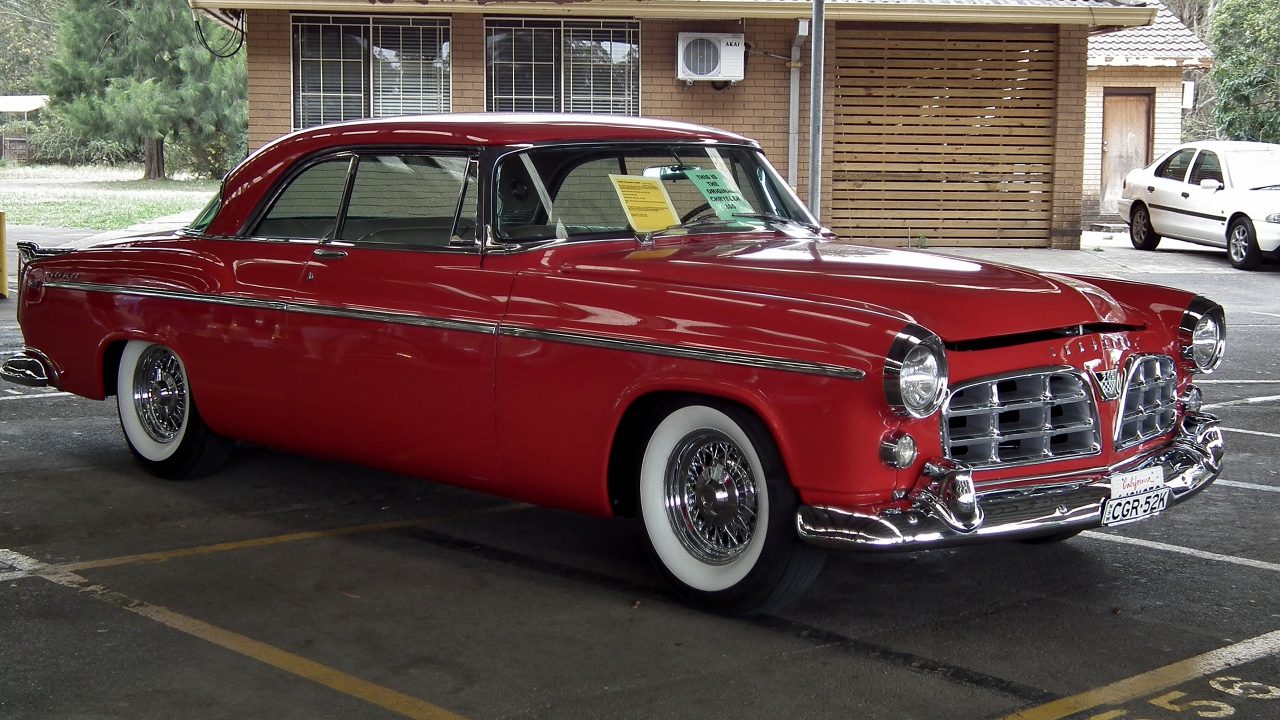
The Chrysler 300 of 1955, often described as “OG Muscle,” redefined American performance by pairing luxury with unprecedented power. A centennial retrospective notes that One of the first muscle cars, the Chrysler 300, arrived with a 300-horsepower HEMI V-8, a figure that stunned an industry still dominated by softer, more sedate cruisers. The car’s combination of a refined hardtop body and race-ready drivetrain made it a favorite in stock-car competition and a status symbol on the street.
By proving that a full-size, well-appointed coupe could also be a high-speed weapon, the Chrysler 300 set a template that rivals soon followed. The “letter series” that grew from this concept helped cement the idea that horsepower could be a central marketing hook, not just a technical specification. That shift fueled the broader muscle car era, influencing everything from Detroit’s horsepower wars to the modern resurgence of high-output V-8s in performance sedans and coupes.
5) Turbine car experiments and alternative powertrains
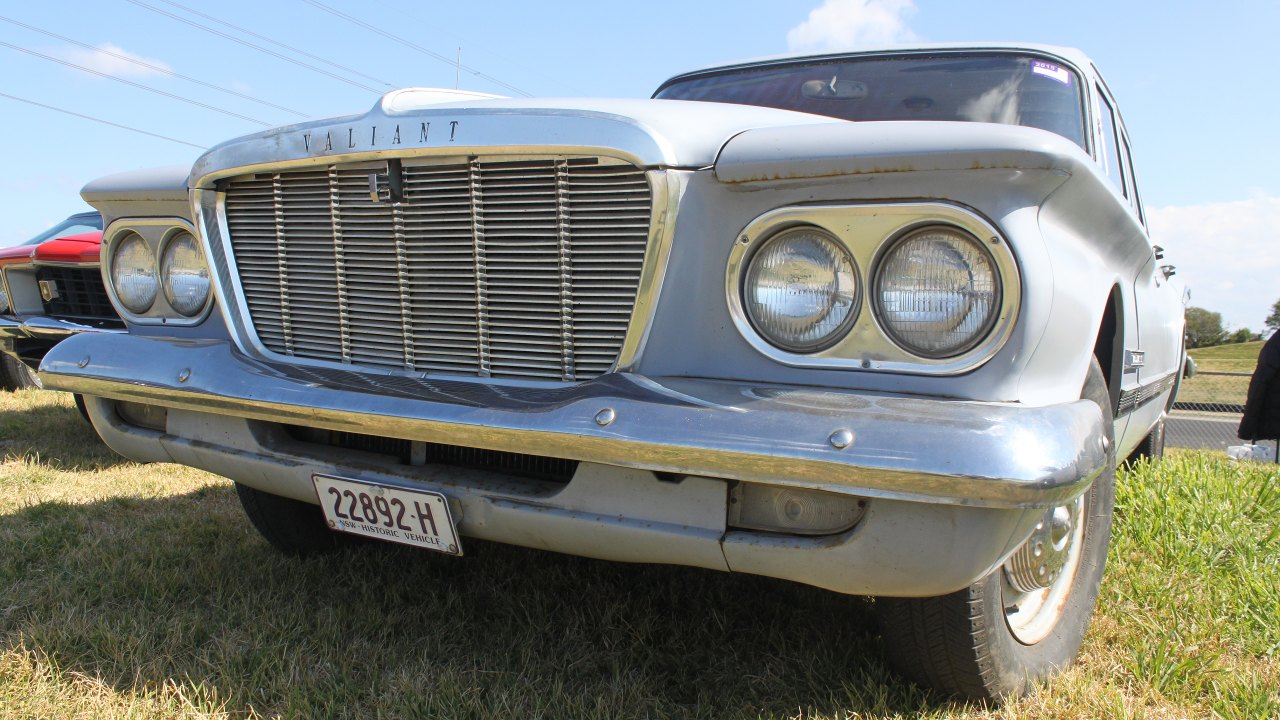
Chrysler’s turbine car program, which produced a limited run of experimental vehicles in the 1960s, pushed the industry to consider radically different powertrains. Drawing on gas-turbine technology more commonly associated with aviation, Chrysler engineers built drivable prototypes that could run on a variety of fuels and featured far fewer moving parts than conventional piston engines. Centennial coverage of the company’s history highlights these turbine cars as emblematic of a period when Chrysler was willing to test ideas that seemed closer to science fiction than showroom reality.
Although the turbine program never reached mass production, its impact extended beyond the small group of drivers who tested the cars. The project demonstrated that mainstream automakers could seriously explore alternative propulsion, long before hybrids and battery-electric vehicles became central to strategy. Lessons from turbine research, including materials science and thermal management, informed later engineering work, and the program’s ambition helped normalize the notion that the internal combustion engine might one day be replaced or fundamentally reimagined.
6) The 1984 minivan and a new family template
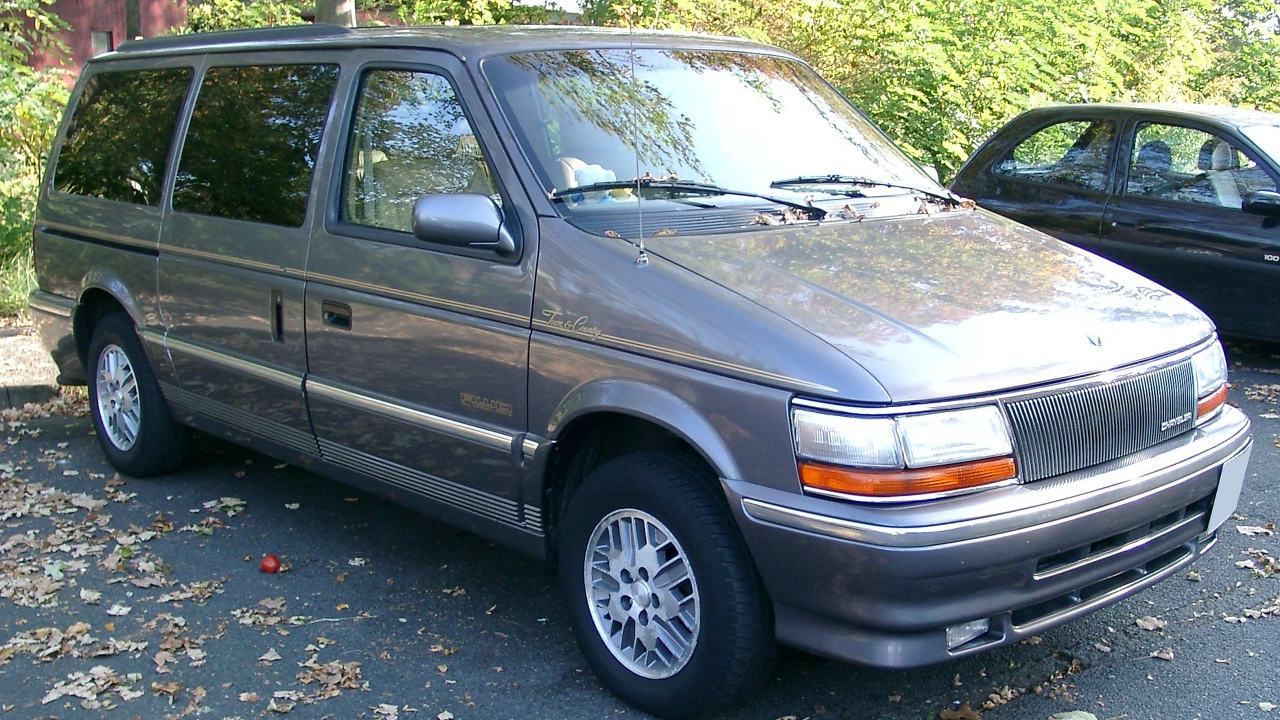
The Chrysler minivan, introduced in the 1980s, reshaped family transportation and created a segment that competitors rushed to enter. A detailed examination of Chrysler’s game-changing ideas notes that the company decided there was room between traditional station wagons and full-size vans, and developed a front-wheel-drive people mover with a low step-in height and flexible interior. According to that analysis of game-changing auto innovations, the result was a vehicle that initially puzzled some observers but quickly became indispensable to suburban families.
More remarkable than the packaging itself was how thoroughly the minivan reset expectations for practicality. Sliding doors, configurable second- and third-row seats, and carlike driving dynamics made it easier to move children, cargo, and everything in between. The success of Chrysler’s minivans forced rivals to abandon long-standing assumptions about what a family car should look like, paving the way for today’s crossovers and multi-purpose vehicles that prioritize interior flexibility over traditional three-box styling.
7) Stow ’n Go seating and interior flexibility
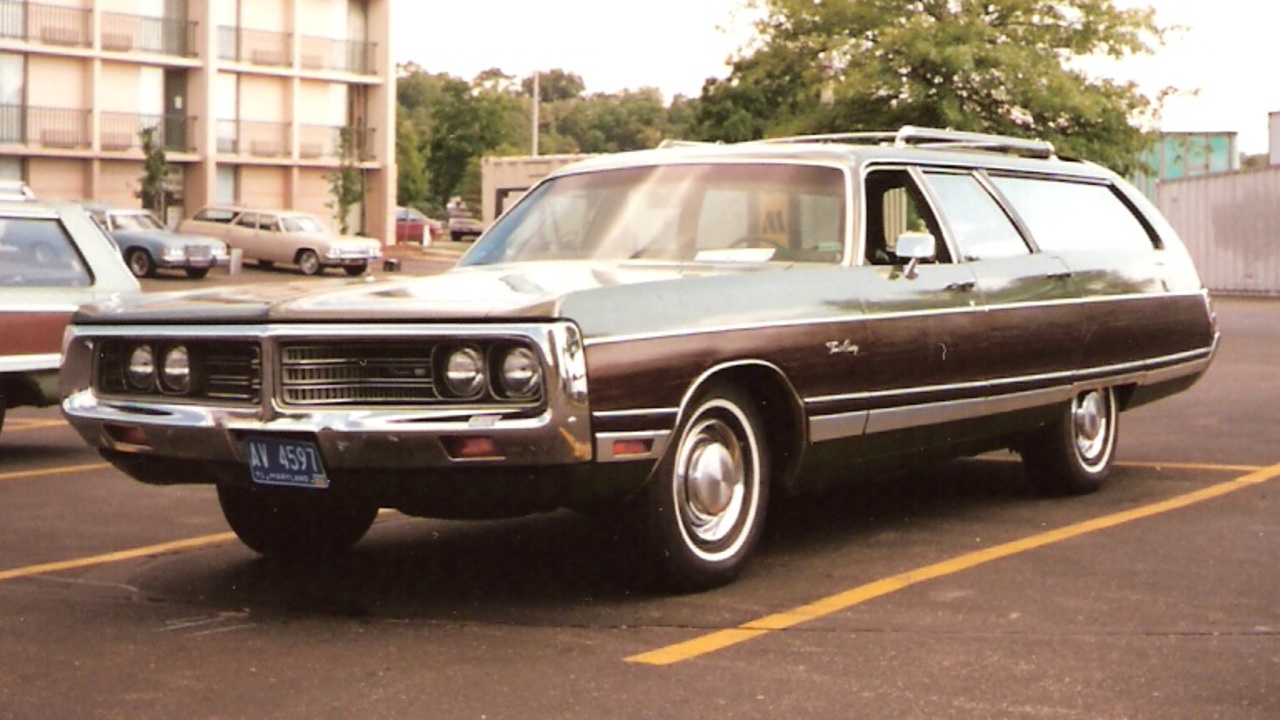
(Original text: Josephew), via Wikimedia Commons, CC BY-SA 3.0
Chrysler’s later refinement of the minivan formula with Stow ’n Go seating again nudged the industry forward on interior versatility. Building on its earlier people movers, the company engineered second- and third-row seats that could fold flat into the floor, eliminating the need to remove heavy seats to create a cargo van. A centennial overview of Chrysler’s innovations highlights this system as a key evolution, noting how it transformed the minivan from a family hauler into a true multi-role vehicle within seconds.
This approach to packaging had implications far beyond one model line. By proving that complex folding mechanisms could be robust, quiet, and user-friendly, Chrysler encouraged other manufacturers to rethink how they used interior volume. The emphasis on quick reconfiguration, hidden storage, and tool-free seat operation now shapes everything from compact crossovers to full-size SUVs, reflecting a consumer expectation that cabins should adapt instantly to changing needs.
8) Surviving crisis to reach 100 years of innovation
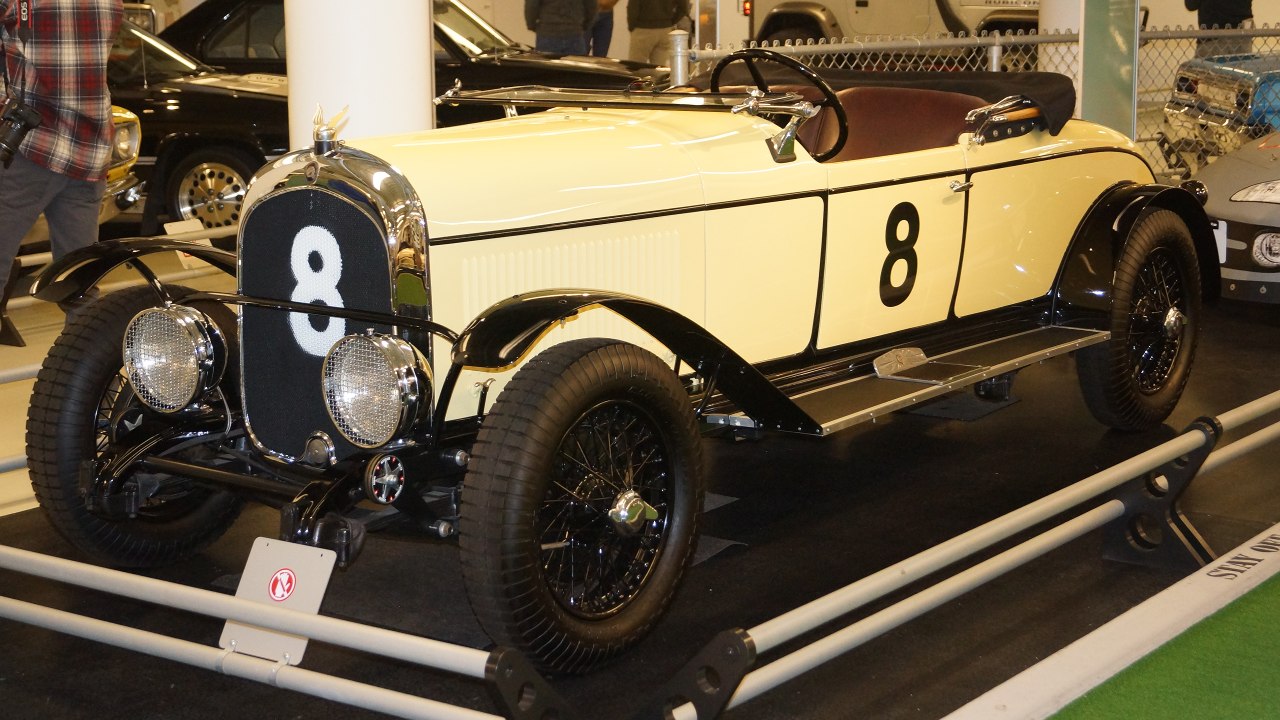
Chrysler’s ability to reach its 100-year milestone, despite repeated financial crises and ownership changes, has itself influenced how the industry thinks about resilience and reinvention. A comprehensive history of the company’s Century of Innovation, Crisis, Comebacks traces a pattern in which bold engineering bets, from early hydraulic brakes to the minivan revolution, repeatedly pulled Chrysler back from the brink. The narrative emphasizes that a bold businessman named Walter Chr set a tone of calculated risk-taking that later leaders continued.
Reaching 100 years has also given Chrysler a platform to frame its legacy as a series of turning points for the wider market. Official centennial materials describe “100” years of shaping automotive history, underscoring how each breakthrough forced competitors to respond. For suppliers, regulators, and rival automakers, Chrysler’s survival story is a reminder that technological daring can be both a lifeline and a competitive weapon, reshaping not only one company’s fortunes but the trajectory of the entire industry.
More from Fast Lane Only