
Luxury cars often represent the pinnacle of automotive design and engineering, capturing the imagination of enthusiasts and collectors alike. However, some models, despite their initial allure, have not stood the test of time. Whether due to design flaws, market changes, or evolving consumer tastes, these vehicles have seen their prestige fade.
DeLorean DMC-12
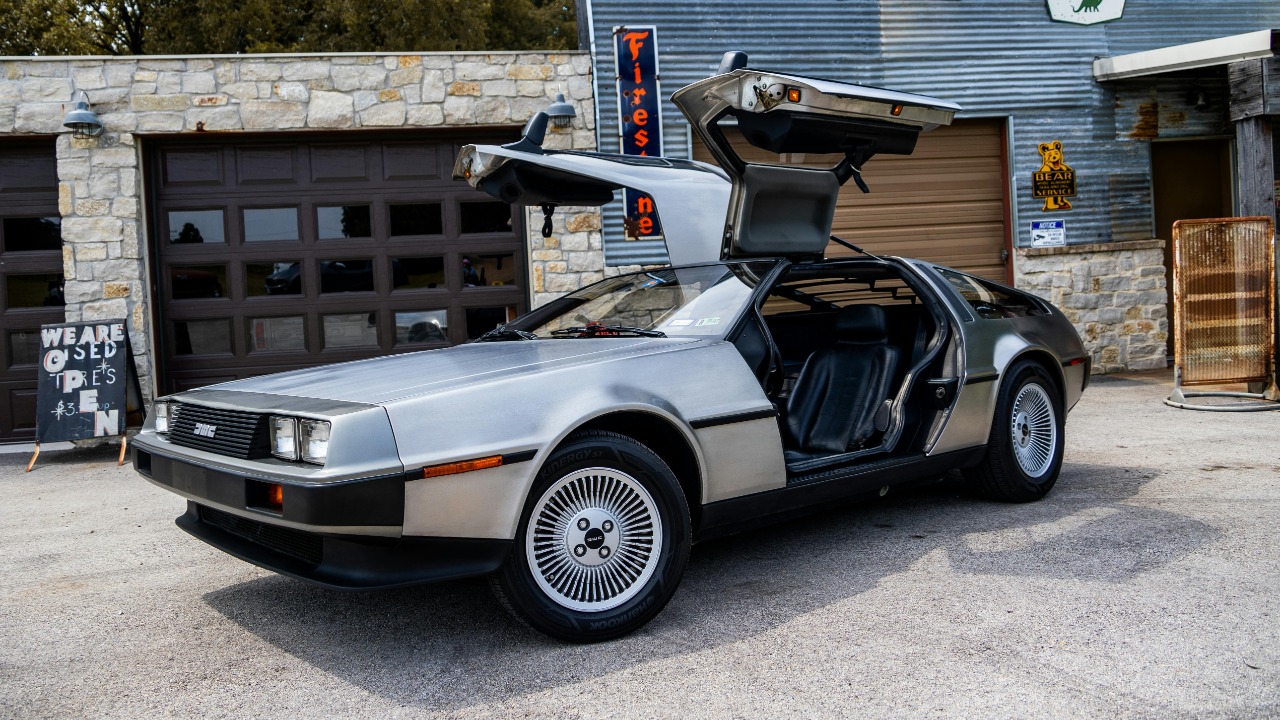
The DeLorean DMC-12 is iconic, thanks in large part to its starring role in the “Back to the Future” film series. However, its fame in pop culture did not translate to long-term success in the automotive market. The car’s stainless steel body and gull-wing doors were innovative, yet it was plagued by poor performance and reliability issues. The underpowered V6 engine and questionable build quality left much to be desired. Ultimately, the DMC-12’s production ceased after just a few years, leaving behind a legacy more cinematic than automotive.
Cadillac Allante
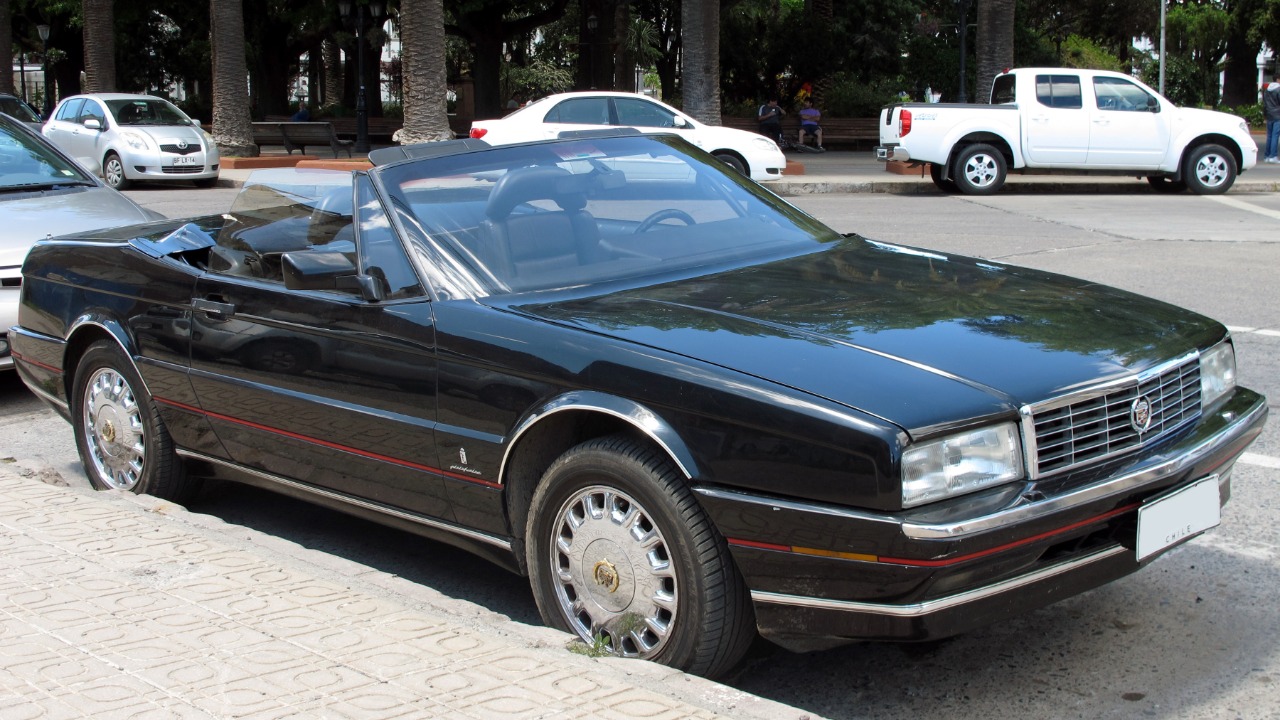
The Cadillac Allante was introduced in 1987 as a luxury roadster designed to compete with European brands like Mercedes-Benz. Despite its Italian design by Pininfarina, the Allante struggled due to its complex production process and a lackluster powertrain. The car was built in Italy, then flown to the U.S. for assembly, contributing to high costs. Additionally, early models suffered from underwhelming performance, hindering its ability to compete effectively. Production ended in 1993, marking a failed attempt by Cadillac to capture the luxury convertible market.
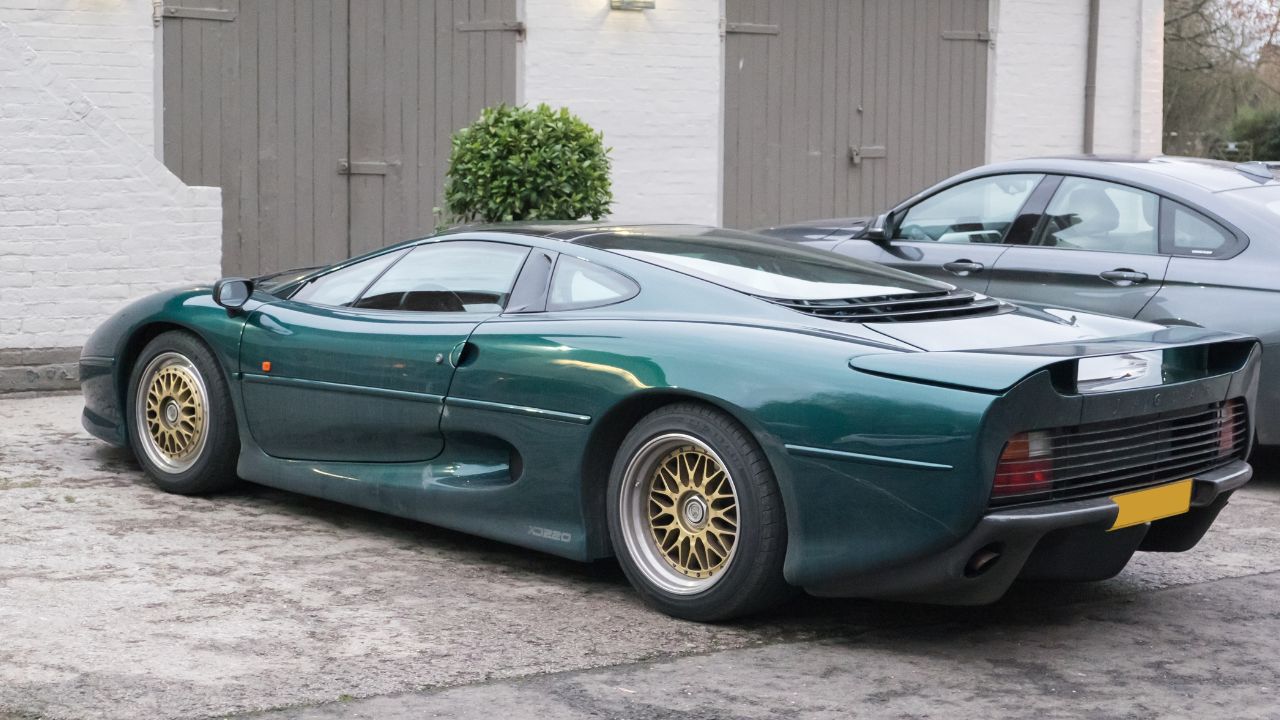
Jaguar XJ220

The Jaguar XJ220 was born out of ambition, aiming to be the fastest production car in the world upon its release in 1992. Initially promised with a V12 engine and all-wheel drive, the final product featured a twin-turbo V6 and rear-wheel drive, disappointing early depositors. Despite achieving notable speeds, the car’s high price and economic downturn of the early ’90s led to poor sales. Only 275 units were produced, and while it remains a marvel of engineering, its market failure overshadowed its achievements.
Aston Martin Lagonda
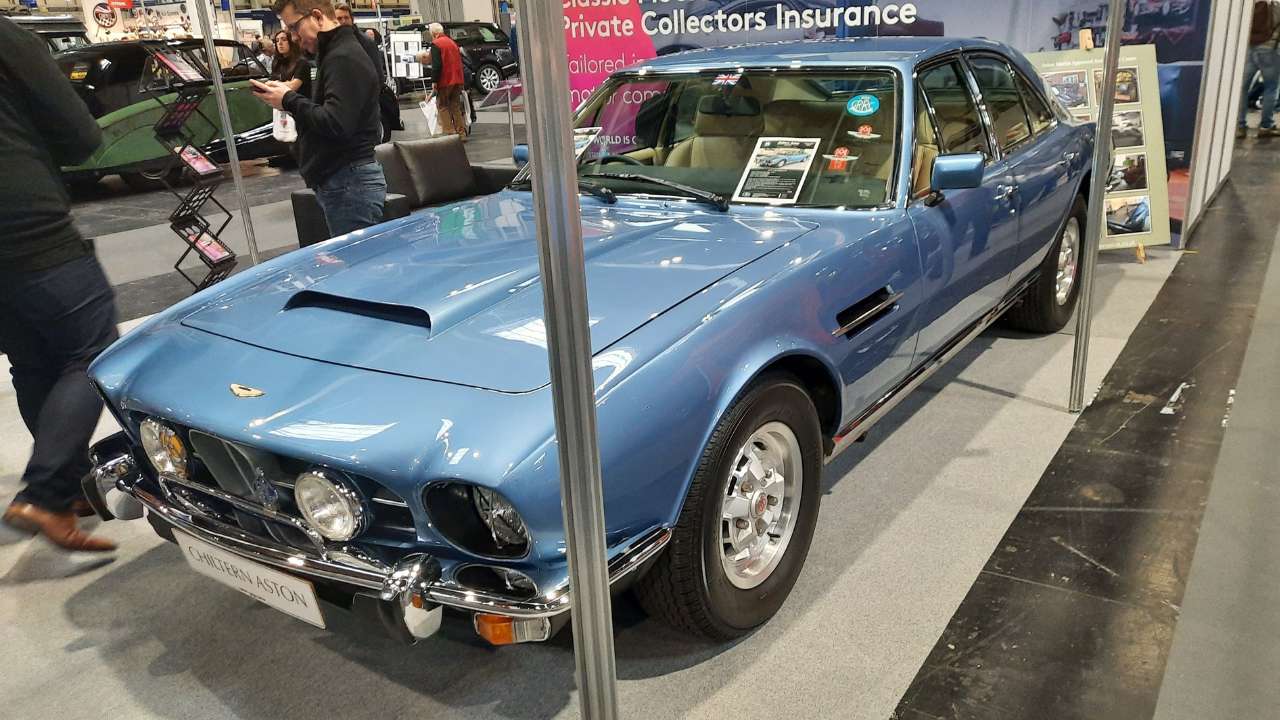
The Aston Martin Lagonda is perhaps one of the most polarizing luxury cars ever made. Launched in the mid-1970s, its futuristic design and advanced electronics were groundbreaking. Unfortunately, the cutting-edge technology proved to be unreliable, and the car’s high price point limited its appeal. The Lagonda’s bold design did not resonate with all buyers, and its production lasted until 1990 with only 645 units built. Today, it is often remembered more for its quirks than its luxury.
Maserati Biturbo
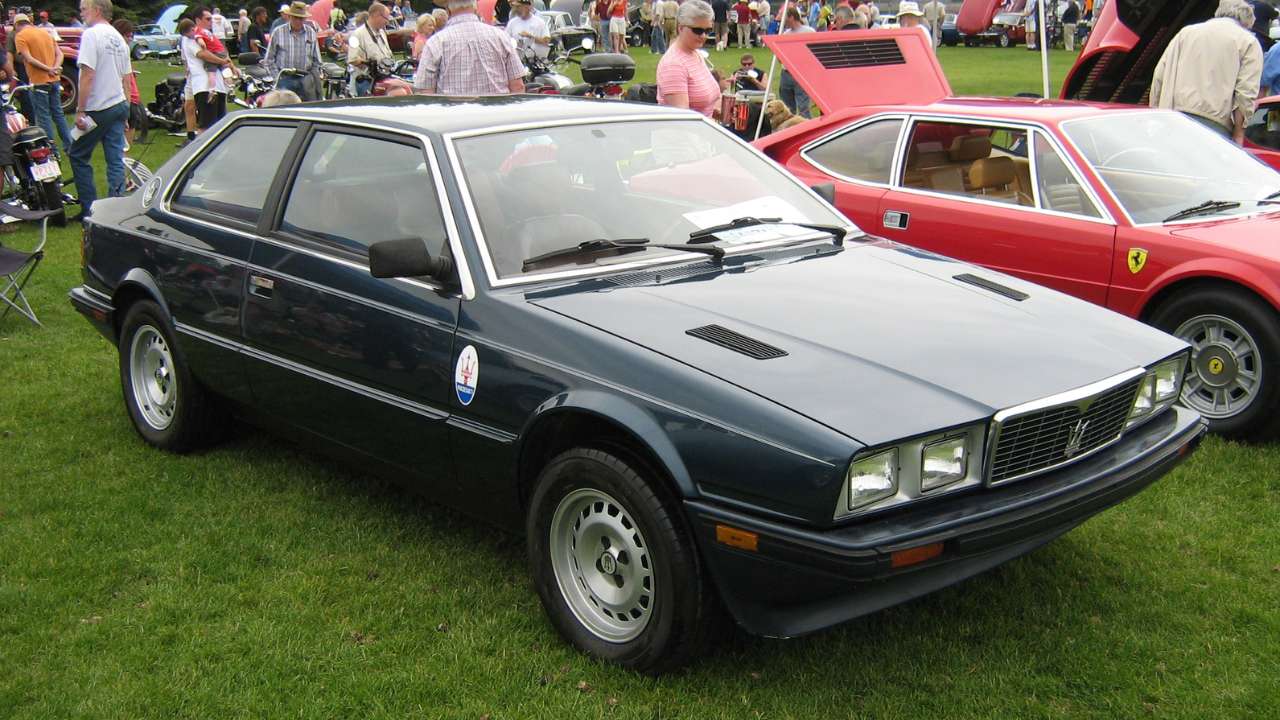
The Maserati Biturbo, introduced in 1981, promised to bring the Maserati brand to a broader audience with a smaller, more affordable luxury car. However, the Biturbo’s ambitious goals were overshadowed by significant reliability problems. The twin-turbocharged engine, while powerful, was notoriously temperamental, leading to frequent mechanical failures. Poor build quality further tarnished its reputation. Although Maserati attempted to improve the model over the years, the Biturbo is often seen as a cautionary tale of over-promising and under-delivering.
Ferrari Mondial
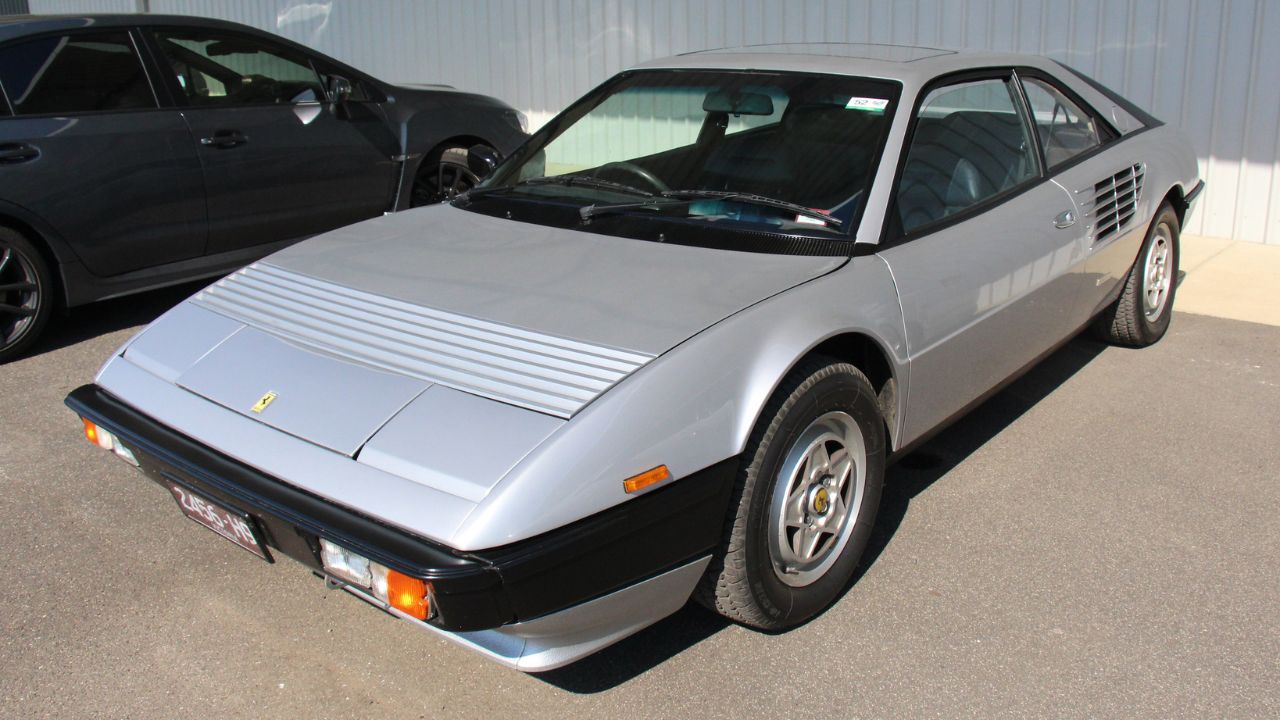
The Ferrari Mondial was introduced as a more practical, everyday Ferrari, featuring a 2+2 seating arrangement. Despite its intentions, the Mondial was criticized for its lackluster performance compared to other models in Ferrari’s lineup. With a V8 engine that was underwhelming by Ferrari standards, it struggled to excite enthusiasts. Additionally, its styling was not as universally praised as other Ferraris. While it remained in production from 1980 to 1993, the Mondial is often viewed as an underperformer in Ferrari’s storied history.
BMW 8 Series (E31)
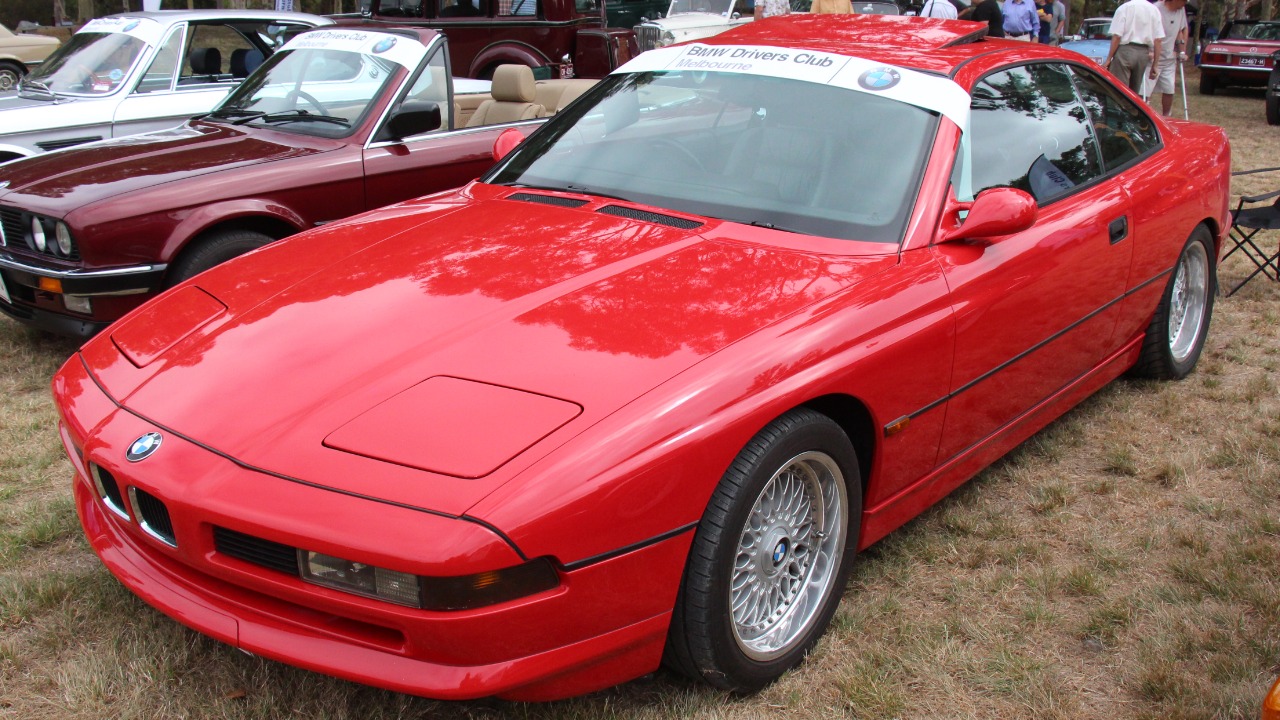
The BMW 8 Series, produced from 1989 to 1999, was a technological tour de force featuring advanced electronics and a sleek design. However, its high cost, both to purchase and maintain, limited its appeal. The car’s complex systems were prone to issues, leading to expensive repairs. Additionally, the early ’90s recession impacted its sales, and BMW eventually discontinued the model. While the 8 Series has seen a resurgence in later years, the E31’s initial reception was not as successful as BMW had hoped.
Mercedes-Benz R-Class

Introduced in 2005, the Mercedes-Benz R-Class was marketed as a luxury crossover with the space of a minivan and the style of an SUV. However, it struggled to find its niche. The car’s design was polarizing, and it was criticized for not excelling in any particular area, neither fully embracing the SUV market nor the luxury sedan segment. As a result, the R-Class experienced sluggish sales, leading to its discontinuation in 2012. Its attempt to blend multiple automotive categories ultimately led to its downfall.
Saab 9000 CD
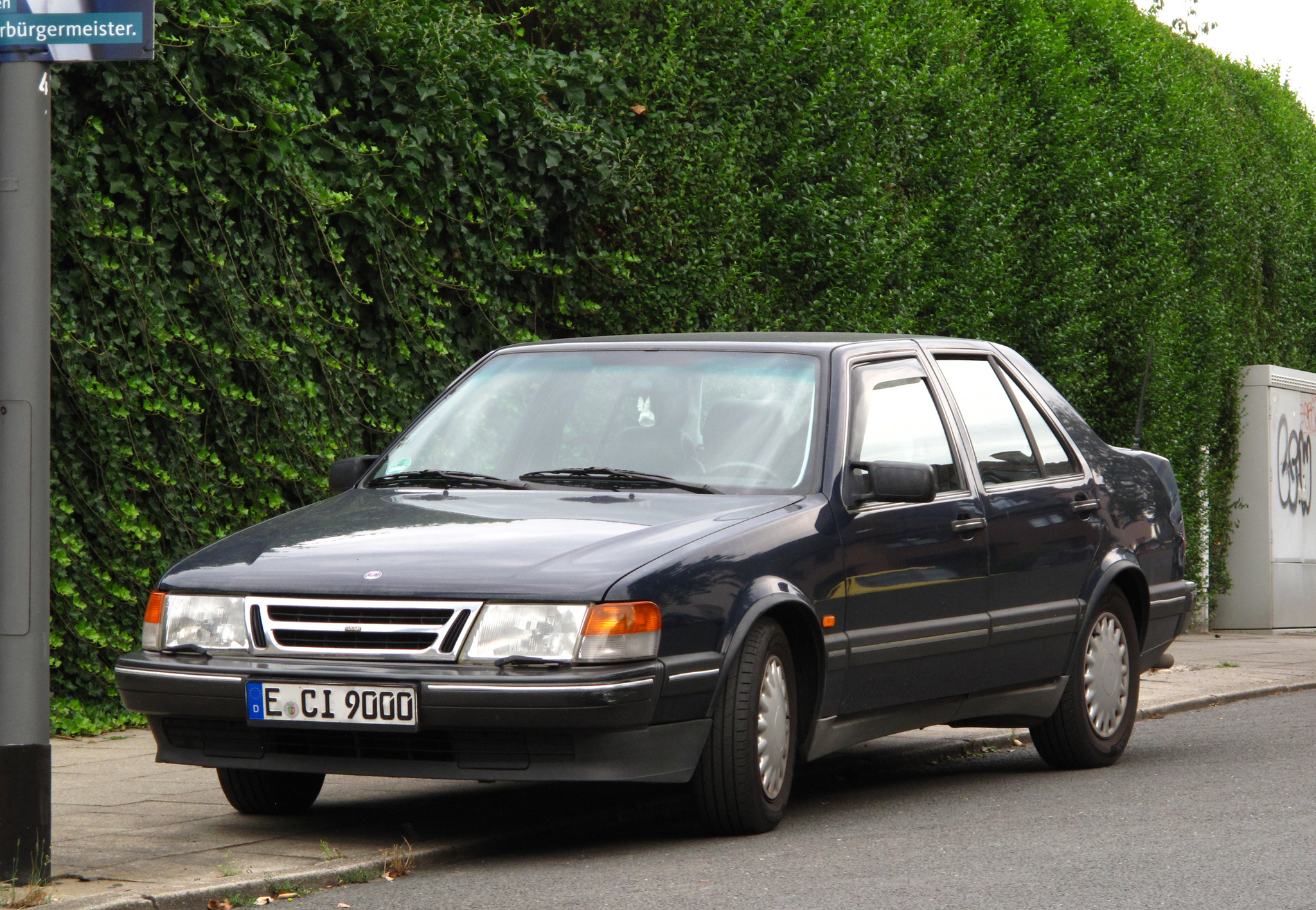
The Saab 9000 CD was part of Saab’s foray into the executive car market. Introduced in the late 1980s, it offered Swedish engineering and a spacious interior. However, the 9000 CD struggled with its identity, caught between being a luxury vehicle and maintaining Saab’s quirky, utilitarian image. Additionally, the financial struggles of Saab’s parent company impacted its development and marketing efforts. While it had a loyal following, the 9000 CD never achieved the commercial success needed to secure its place in the luxury market.
Lincoln Blackwood
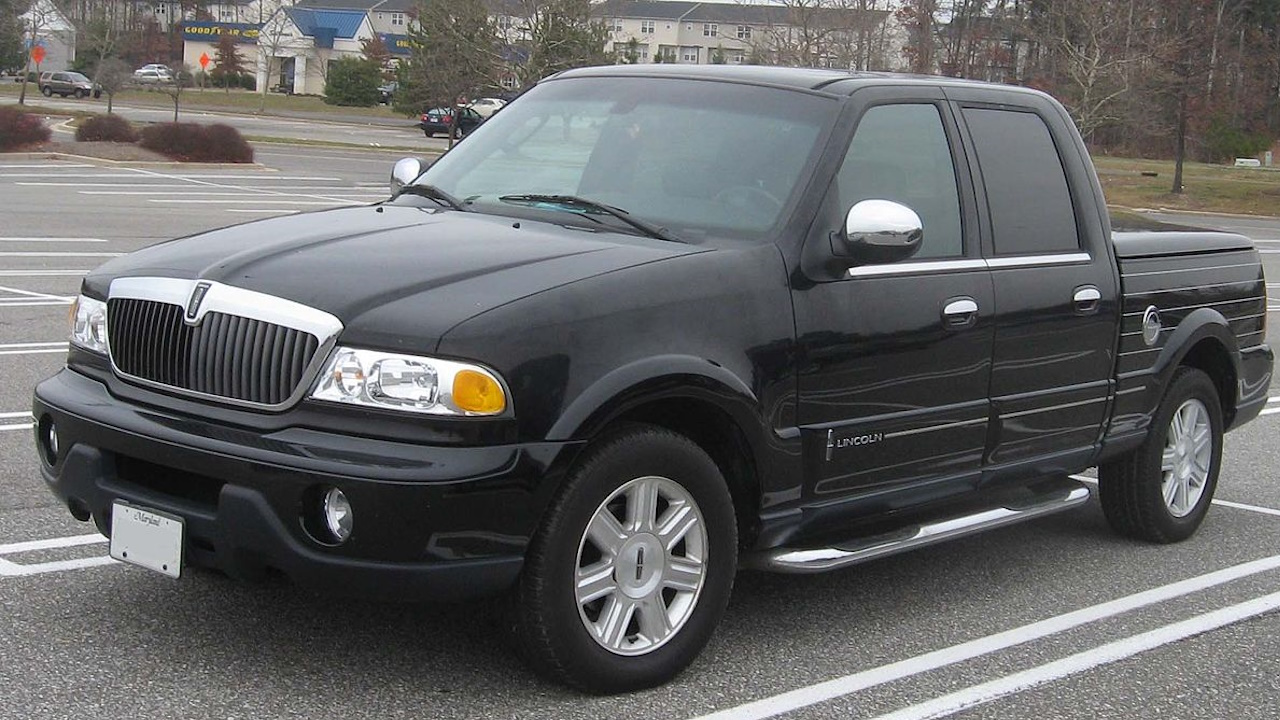
The Lincoln Blackwood was Ford’s attempt to combine luxury with the utility of a pickup truck, launched in 2002. Unfortunately, it failed to resonate with consumers. The Blackwood was only available in a single, expensive configuration, limiting its market appeal. Its lack of true utility, with a non-functional bed, and high price tag turned potential buyers away. Production ended just a year after its debut, making it one of Lincoln’s most short-lived models. The Blackwood remains a lesson in the challenges of blending luxury with practicality.



Leave a Reply