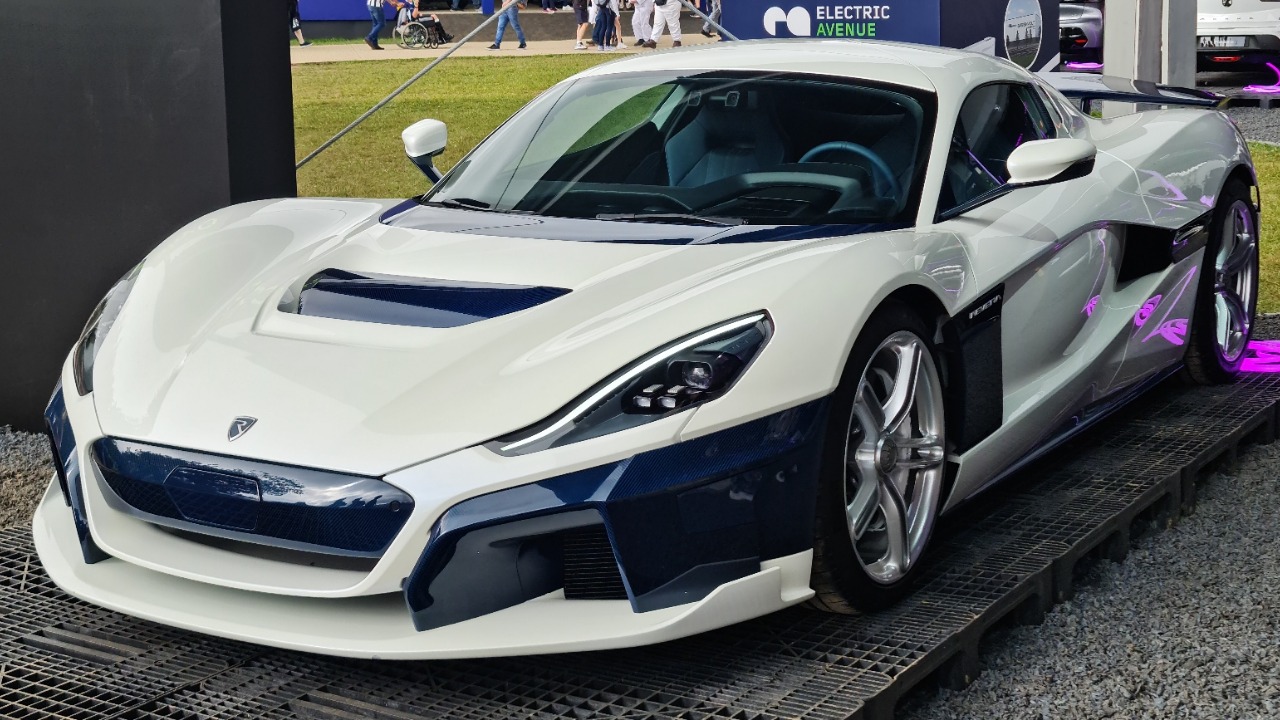
Electric performance cars have gone from science project to status symbol so quickly that the classic-car world is still checking its mirrors. As battery-powered rockets reset expectations for speed, noise and running costs, they are quietly reshaping what collectors pay for chrome, carbs and camshafts. The result is a market where some vintage icons are soaring, others are sweating, and everyone is trying to guess how much a silent launch control run is worth compared with a perfectly tuned V12.
At the center of this shift is a simple tension: electric performance cars are redefining what “fast” and “desirable” mean, while classic cars still trade on scarcity, story and smell of fuel. The collision of those values is already influencing prices, from concours-grade originals to EV-swapped restomods and purpose-built “new classics.”
Electric rockets and the new performance benchmark
I used to think a 0 to 60 sprint in under five seconds was something you bragged about for years; now it is what your neighbor’s family EV does on the school run. High-end electric performance cars are proving that electric powertrains can match, and in some cases exceed, the benchmarks set by traditional supercars, which is forcing collectors to rethink what they are actually paying for when they chase old-school horsepower. As High-end EVs deliver instant torque and track-ready acceleration, they are expanding the definition of automotive excellence and making some older “fast” classics feel more like charming antiques than weapons.
This shift in expectations matters for values because performance used to be a core part of the premium for many modern classics. When a new EV sedan humiliates a 1990s halo car in a straight line, the older car has to lean harder on design, heritage and driving feel to justify its price. At the same time, the broader move toward electric power in the luxury market, with a substantial shift toward full electric drivetrains for high-end brands, signals that future buyers will grow up seeing electric speed as normal, not novel. That does not kill demand for classics, but it nudges the market toward cars that offer something EVs cannot, such as manual gearboxes, analog steering and the kind of mechanical drama no battery pack can fake.
Why some classics are rising as EVs spread
Here is the twist that keeps classic-car owners sleeping at night: as electric cars become more common, the value of certain classics is rising precisely because they are not electric. One analysis argues that as more combustion cars are scrapped in the shift to cleaner fleets, surviving classics will become rarer and more desirable, especially for enthusiasts who want to “save” characterful old machines from disappearing. That scarcity effect is already visible in segments where distinctive styling and analog driving feel cannot be replicated by modern EVs, no matter how quick they are.
Demographics are helping too. As baby boomers age out of the market and downsize, Generation X, millennials and Gen Zers are taking over the buying, and they are bringing different tastes. Younger buyers are gravitating toward “younger” classics, including 1980s and 1990s cars that blend nostalgia with some modern usability, and they are often comfortable daily-driving something older while keeping an EV or hybrid as a commuter. Market observers note that while some models have cooled and prices have flattened, the overall classic-car market is still poised for strength, with buyers also wanting younger cars that feel like a bridge between the analog past and the electric future.
Originality versus electrification: two diverging value paths
On one side of the garage, you have the purists, polishing matching-number engines and decoding build sheets like sacred texts. For that crowd, originality is still currency: cars with factory-correct paint and trim, matching numbers and rare options tend to command higher prices because they signal authenticity and careful stewardship. Guidance on classic-car valuation stresses that originality, documented history and correct specification increase buyer confidence, which is another way of saying people pay more when they believe no one has “improved” the car with a laptop and a parts catalog.
On the other side, electric conversions are carving out their own niche, especially for owners who want classic style with modern reliability. Replacing the traditional engine with an electric motor can give a classic new life, with its strength and efficiency transforming the way the car drives and cutting running costs. Analyses of electric classic cars point out that they benefit from lower fuel and maintenance expenses and can even qualify for reduced taxes or congestion fees, depending on local rules. For some buyers, that practicality and the promise of a Greener Future Investment outweigh the loss of originality, especially when the alternative is a car that sits broken in the garage.
Do EV conversions hurt or help resale value?
Ask ten collectors whether an EV swap ruins a classic and you will get eleven opinions, but the market is starting to draw some lines. For historically significant or rare models, heavy modification usually hurts value, because the top end of the market still rewards untouched examples with strong provenance. Advice on factors influencing classic-car value is clear that originality and correct specification are key drivers of price, so ripping out a numbers-matching engine to install a battery pack is unlikely to impress the concours crowd, no matter how quick the result.
Yet there is a parallel market where electric classic cars are pitched as a future proof investment. Some specialists argue that in a world where low-emission zones and fuel restrictions are tightening, an electric conversion can protect a car’s usability and therefore its long-term appeal. Cost analyses highlight that electric classic cars present distinct advantages in operating costs, and that They can benefit from lower energy prices and fewer moving parts to service. There is also a growing distinction between restomod conversions, which often require extensive retrofitting and compromises, and purpose-built “new classic” EVs that are designed from the start for range, efficiency and integration of modern drivetrains. Unlike heavily modified one-offs, these new classic EVs aim to deliver classic looks with engineered reliability, which could make their resale values more predictable over time.
Electric depreciation drama and what it teaches classic buyers
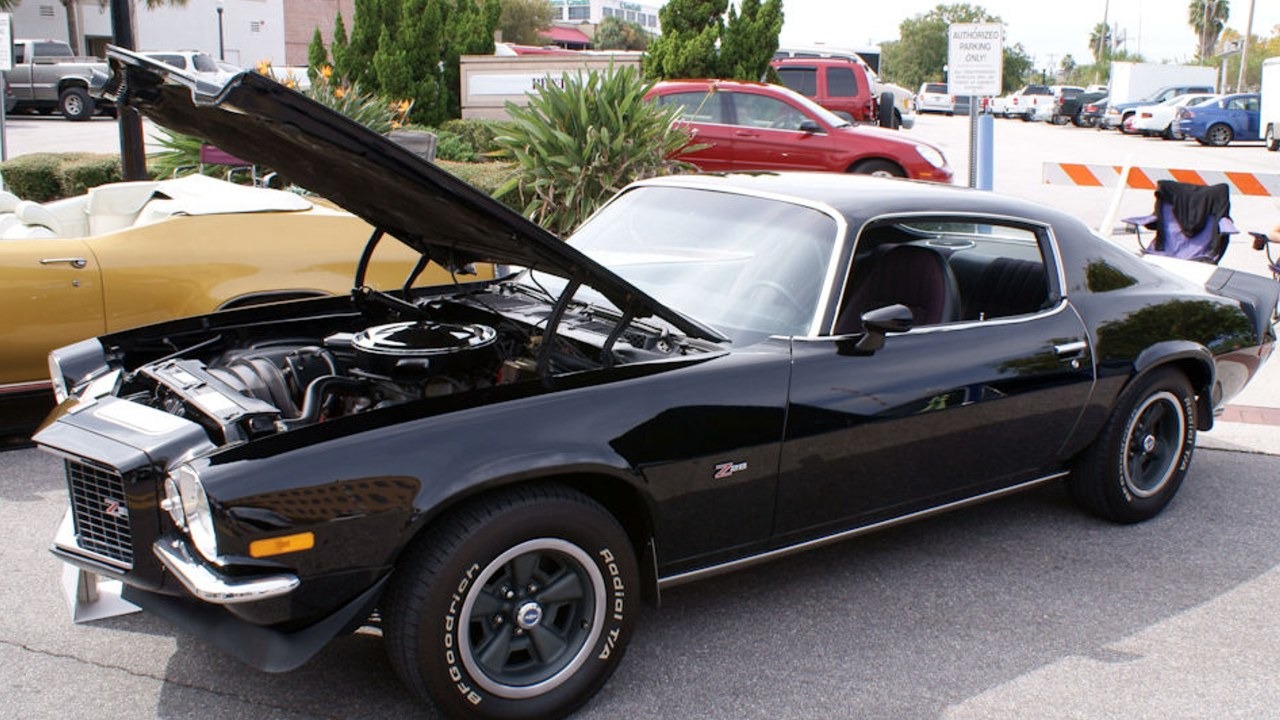
If you want to feel better about the money you just spent on a carb rebuild, look at EV depreciation charts. Market data shows that the average EV loses significantly more value than petrol or diesel cars in the first three years, and one study found that the Bestselling EV, the Tesla Model Y, still drops 53.4 % in five years. Other reports note that EVs can be up to a third more expensive on the forecourt while buyers worry about residual values, which is not a recipe for calm, rational decision making. When the shiny new electric rocket in the showroom is expected to shed value faster than a set of budget tires, collectors start to see their older, fully depreciated classics as a safer store of automotive joy.
That contrast is sharpening as EV demand shifts. Analysts describe Electric as a split story, with generic interest in “EVs” ebbing while specific segments such as SUVs, hybrids and second-hand EVs continue to grow as prices normalize and charging improves. Dealers told Insider the that buyer demographics for EVs have shifted from die-hard early adopters to more pragmatic shoppers comparing options between EVs, hybrids and gasoline cars. For classic-car values, the lesson is simple: if new electric performance cars are seen as fast but financially fragile, well-bought classics with stable or rising values start to look less like indulgences and more like hedges against the depreciation curve.
Regulation, access and the rise of electric classics
Governments are quietly playing co-pilot in this story. In the United Kingdom, for example, upcoming rules will end sales of new petrol and diesel cars, but Classic cars using petrol or diesel will not be banned when the legislative changes arrive. That carve-out is good news for collectors, but it comes with a catch: it is likely that the cost of driving combustion cars will rise through fuel prices, taxes or access restrictions for everyday drivers in the future. As cities tighten emissions rules, the ability to actually use a classic in traffic, not just admire it in a garage, becomes a key part of its value proposition.
That is where the rise of electric classic cars comes in. As the EV market booms, some enthusiasts are turning to electric conversions to keep older cars on the road in low-emission zones and to make them more enjoyable to drive regularly. Market reports on the electric classic car segment point to Another opportunity in advancing battery and propulsion technologies, with Inn innovations making conversions more efficient and attractive. For owners in dense urban areas, an electric classic that glides into city centers without fees can be more practical than a stock version that is increasingly confined to weekend runs and special permits.
Younger buyers, new ownership models and the “two-car solution”
While older collectors debate originality versus electrons, younger buyers are quietly rewriting the rulebook on how cars are owned and enjoyed. There is a general shift in consumer preferences away from outright ownership toward more flexible models, such as subscriptions and short-term leases, especially for EVs. Analysts note that these subscription schemes help tackle key adoption barriers like high upfront cost, which makes it easier for someone to daily-drive an electric car while keeping a classic as a separate, more emotional purchase. In other words, the EV becomes the appliance, the classic becomes the hobby, and the two stop competing directly for the same budget.
At the same time, broader research on the road to electric suggests that the shift is shaped by more than just the vehicles, with infrastructure, policy and lifestyle all influencing how quickly drivers go electric. Luxury segments are already embracing full electric drivetrains, and market reports show that by 2025 a substantial share of high-end models in places like the UAE will be battery powered. For classic-car values, this creates a “two-car solution” culture: one modern electric for commuting and status, one older machine for weekends and identity. That setup can actually support classic prices, because it allows enthusiasts to choose cars for character rather than commuting duty, and it reduces pressure to retrofit every old engine with a motor just to survive in traffic.
Where values go next: icons, outliers and electric wildcards
Trying to predict classic-car values in an electric age is a bit like tuning carburetors with a smartphone, but some patterns are emerging. True icons with strong originality, documented history and emotional pull are likely to keep climbing, because nothing in the electric world can replicate their combination of design, sound and cultural weight. Guidance on valuation repeatedly highlights that originality, matching numbers and correct trim increase buyer confidence, and that is not going to change just because a new EV is quicker off the line. If anything, as everyday cars go silent, the sensory drama of a well-preserved classic becomes more special, which supports premiums for the best examples.
The wildcards are the cars that sit between eras: modern classics that are not quite rare enough to be blue-chip, and converted classics whose value depends heavily on build quality and documentation. Electric classic car specialists argue that resale value can be strong when conversions are done professionally and marketed as a Greener Future Investment, especially in regions with strict emissions rules. Cost analyses emphasize that Electric classics benefit from lower running costs, and that they can appeal to buyers who want style without the smell of fuel. In the end, electric performance cars are not killing classic-car values; they are forcing the market to be more honest about what it is really paying for, whether that is speed, story, or the simple joy of hearing an old engine clear its throat on a cold morning.