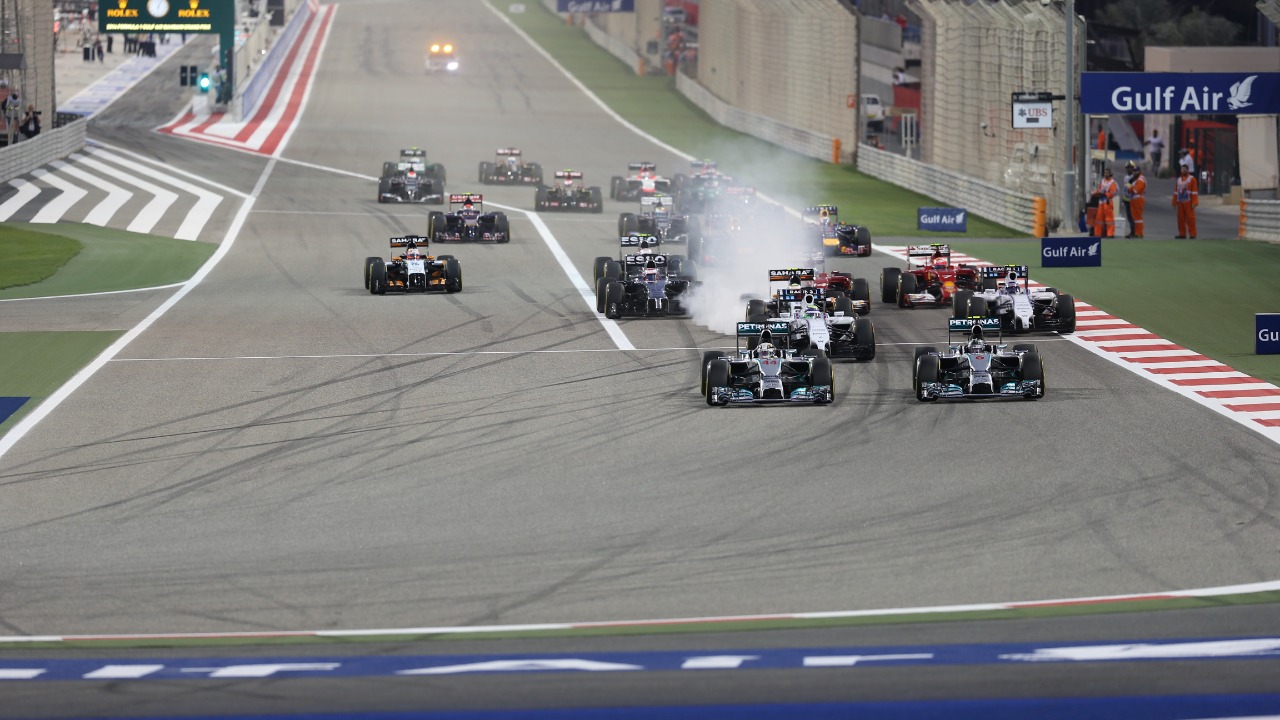
Motorsports have a rich history filled with exhilarating moments that fans still debate long after the dust settles. From controversial finishes to scandals that shook the racing world, the stories behind these events often spark passionate discussions among enthusiasts. Here are ten motorsports moments that continue to ignite arguments decades later.
The Controversial Finish at the 1979 Daytona 500
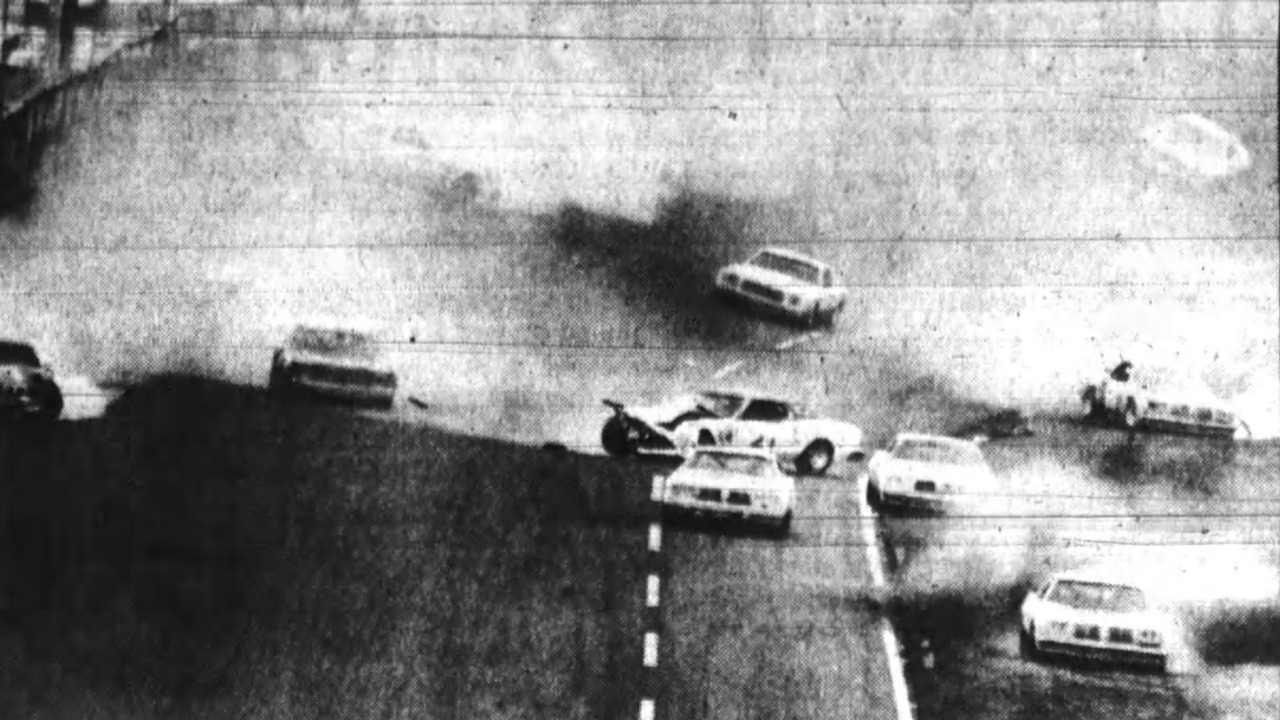
The 1979 Daytona 500 is often remembered not just for its thrilling finish but for the drama that unfolded in the final laps. As the race neared its conclusion, a fierce battle between Richard Petty and Dale Earnhardt captivated fans. However, it was the infamous fight between the two drivers after the race ended that truly left an impression. As they battled for position, they collided, allowing Buddy Baker to sneak by for the win. This chaotic moment, with its unexpected twist, has since been a topic of heated debate among fans regarding who deserved the victory.
The race was also notable for its timing, airing live on CBS during a snowstorm, which drew in a massive viewership unfamiliar with the sport. This incident introduced many to the excitement of NASCAR racing and set the stage for the sport’s explosive growth in the 1980s. To this day, fans still argue about the implications of that finish and how it affected the careers of the drivers involved.
The Crash that Changed Everything: Ayrton Senna at Imola 1994
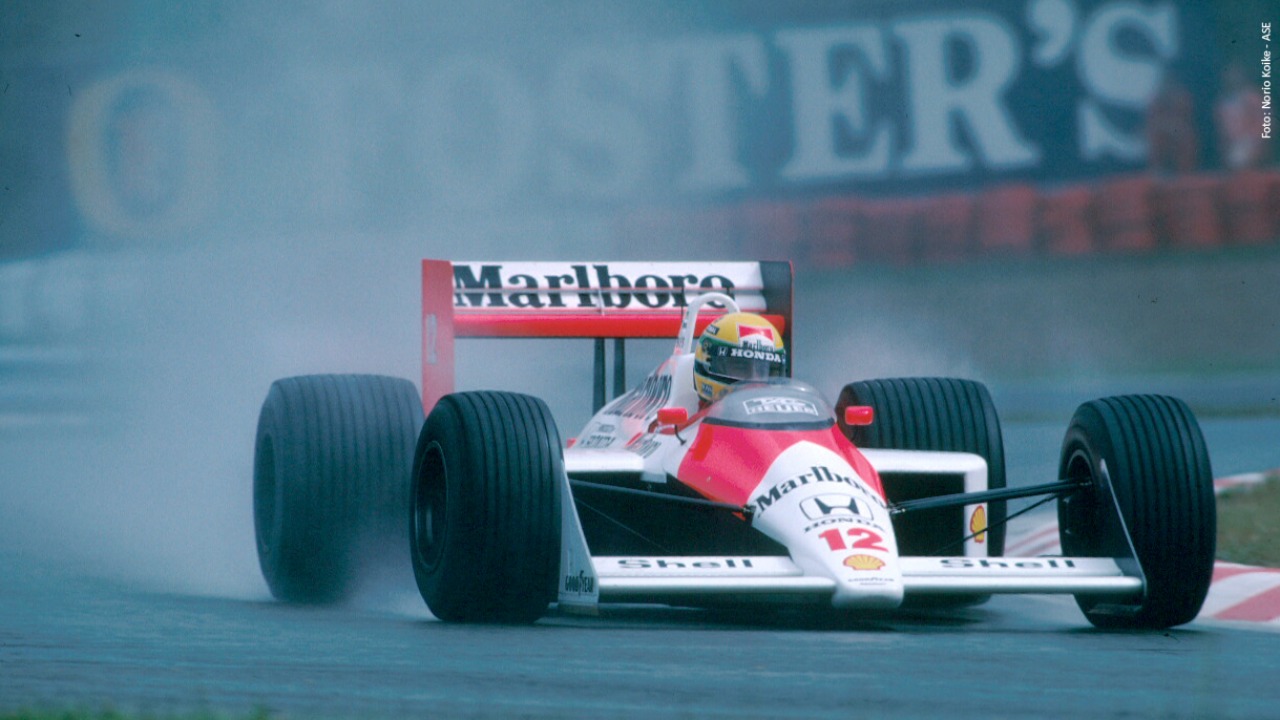
Ayrton Senna’s tragic death during the 1994 San Marino Grand Prix at Imola marked a pivotal point in Formula 1 history. The Brazilian driver, widely regarded as one of the greatest, suffered a fatal crash on the seventh lap, sending shockwaves through the motorsport community. The circumstances surrounding the crash have been dissected endlessly, with fans and experts discussing whether it was a result of driver error, mechanical failure, or a combination of factors. The impact of Senna’s passing led to an overhaul of safety regulations in Formula 1, making the sport safer for future generations.
Many fans still debate the role of the track conditions and the car’s design, particularly the Williams FW16, in this tragic event. Investigations revealed that the car’s suspension had failed, leading to the crash. The emotional aftermath of Senna’s death prompted a reevaluation of safety protocols, and it remains a watershed moment in racing history. His legacy continues to influence discussions about driver safety and the evolution of motorsport regulations.
The 1994 Formula 1 Season: Schumacher vs. Hill
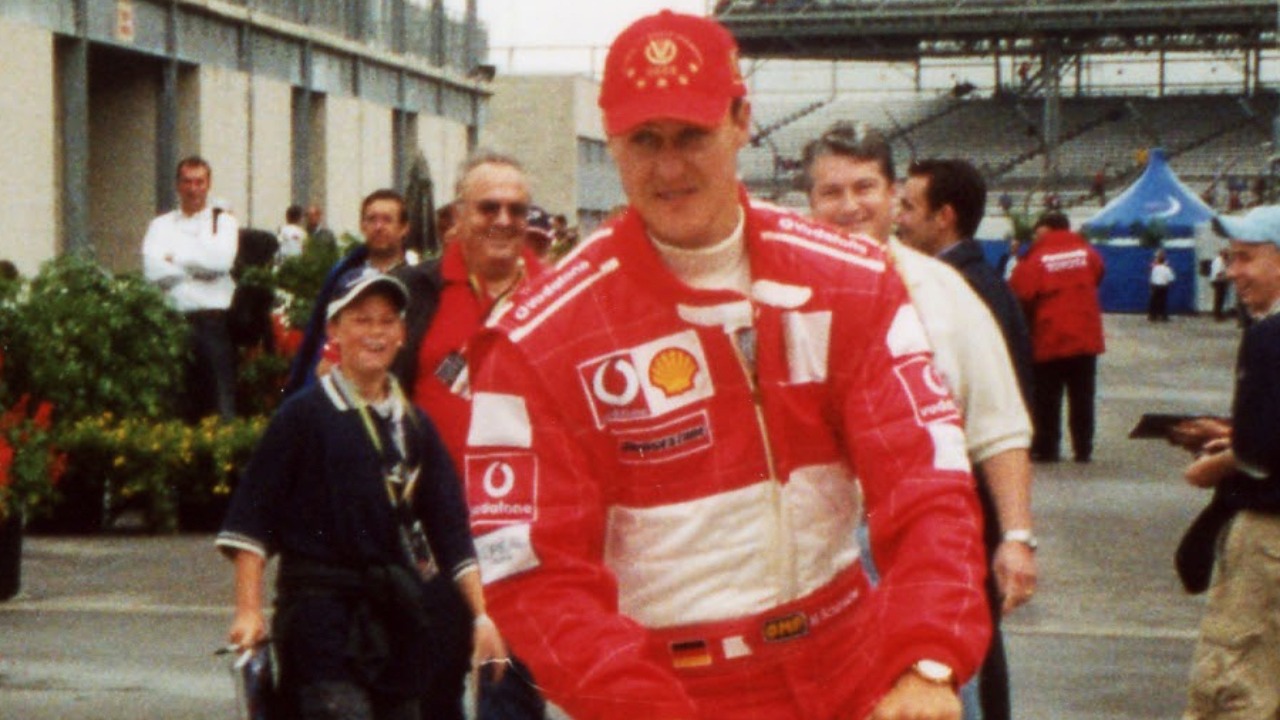
The 1994 Formula 1 season was overshadowed not just by the tragedy of Ayrton Senna but also by the intense rivalry between Michael Schumacher and Damon Hill. Schumacher, driving for Benetton, dominated the early part of the season following Senna’s death, leading to a heated battle for the championship. The season culminated at the Australian Grand Prix, where controversy erupted. Schumacher crashed out, leaving Hill with a chance to secure the title.
In a dramatic twist, Hill attempted to pass Schumacher, who had come to a stop after his crash. The two collided, and Hill’s car was damaged, allowing Schumacher to clinch the championship. Fans are still divided over whether Hill’s move was justified or if Schumacher’s actions were an intentional tactic to secure his title. This season remains a focal point for debates about sportsmanship and the lengths drivers will go to secure a championship.
The “Spygate” Scandal in Formula 1
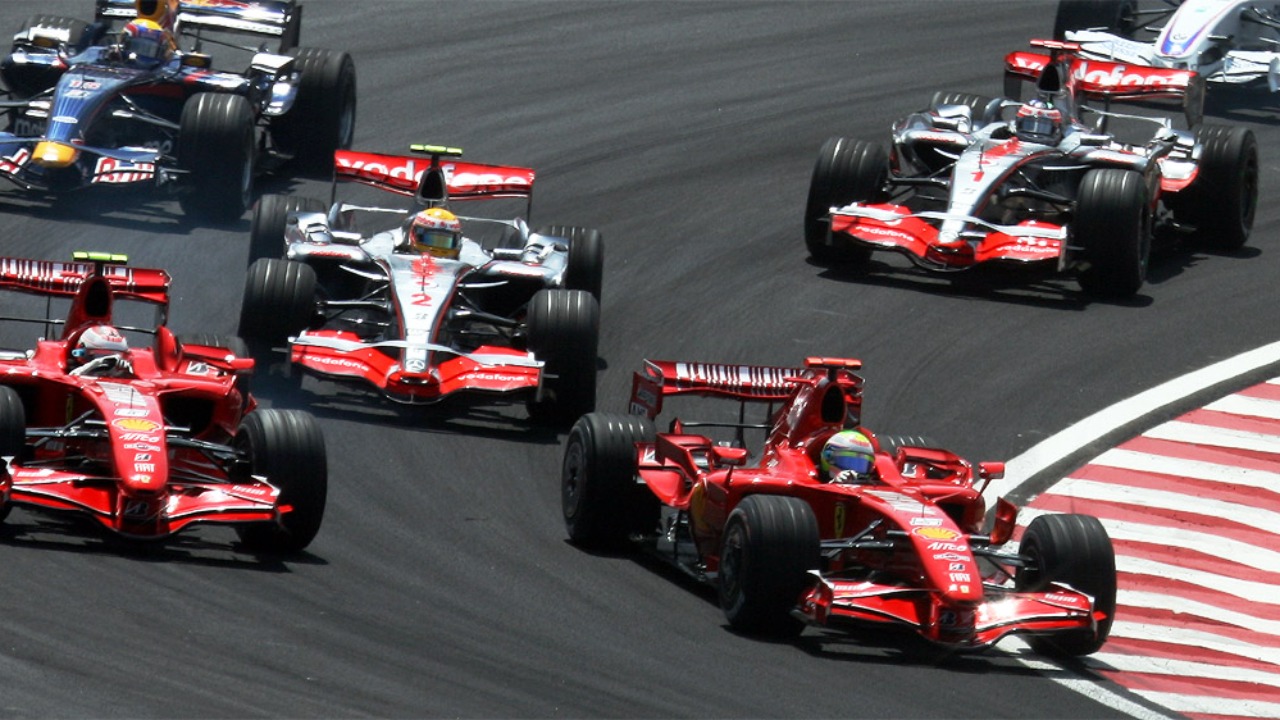
The “Spygate” scandal rocked Formula 1 in 2007, pitting McLaren against Ferrari in a battle that questioned the integrity of the sport. The controversy erupted when it was revealed that a McLaren employee had stolen confidential technical information from Ferrari. This data leak provided McLaren with a significant competitive advantage, resulting in a fierce rivalry that year. As the season progressed, the scandal overshadowed the championship battle between Lewis Hamilton and Fernando Alonso, both driving for McLaren.
In the aftermath, McLaren was fined a staggering $100 million, and they were stripped of all constructor points for the season. The penalties sparked debates among fans about the fairness of the decision and the implications for the sport’s future. While some viewed the penalties as necessary to uphold the sport’s integrity, others felt they were excessively harsh. This incident still serves as a cautionary tale about the lengths teams might go to in pursuit of victory.
NASCAR’s “Big One” at Talladega: 2000
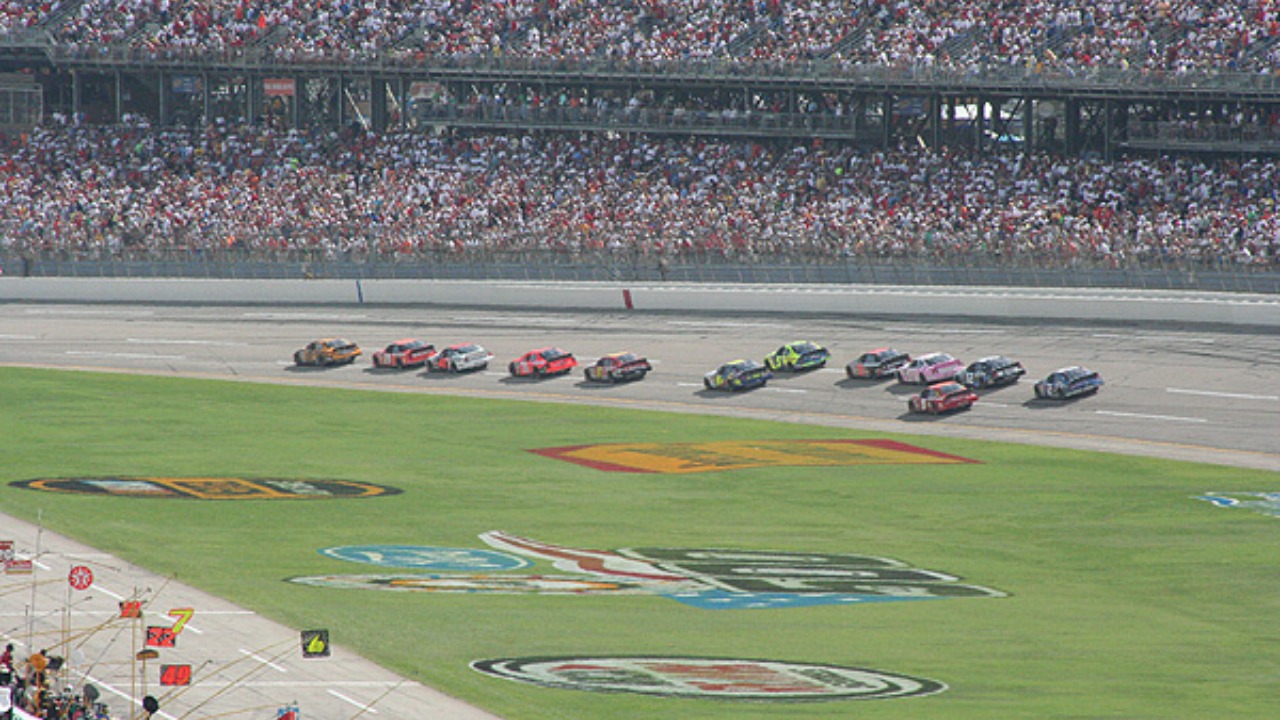
The 2000 NASCAR season featured one of the most infamous moments in racing history: the “Big One” at Talladega. During the Aaron’s 499, a massive multi-car pileup occurred on the final lap, involving 18 drivers. This chaotic incident was a perfect storm of aggressive racing, high speeds, and the typical turbulence that comes with restrictor plate racing at Talladega. Fans still debate the causes and outcomes of this crash, particularly the role of drafting and how it can lead to such catastrophic events.
The aftermath of the crash raised questions about NASCAR’s safety protocols, especially as it involved several high-profile drivers. While no serious injuries occurred, the sheer scale of the crash left fans and drivers alike shaken. The incident has since been analyzed in countless documentaries and articles, highlighting the inherent risks of NASCAR racing and the delicate balance drivers must maintain between aggression and caution.
The Infamous “Crashgate” Scandal
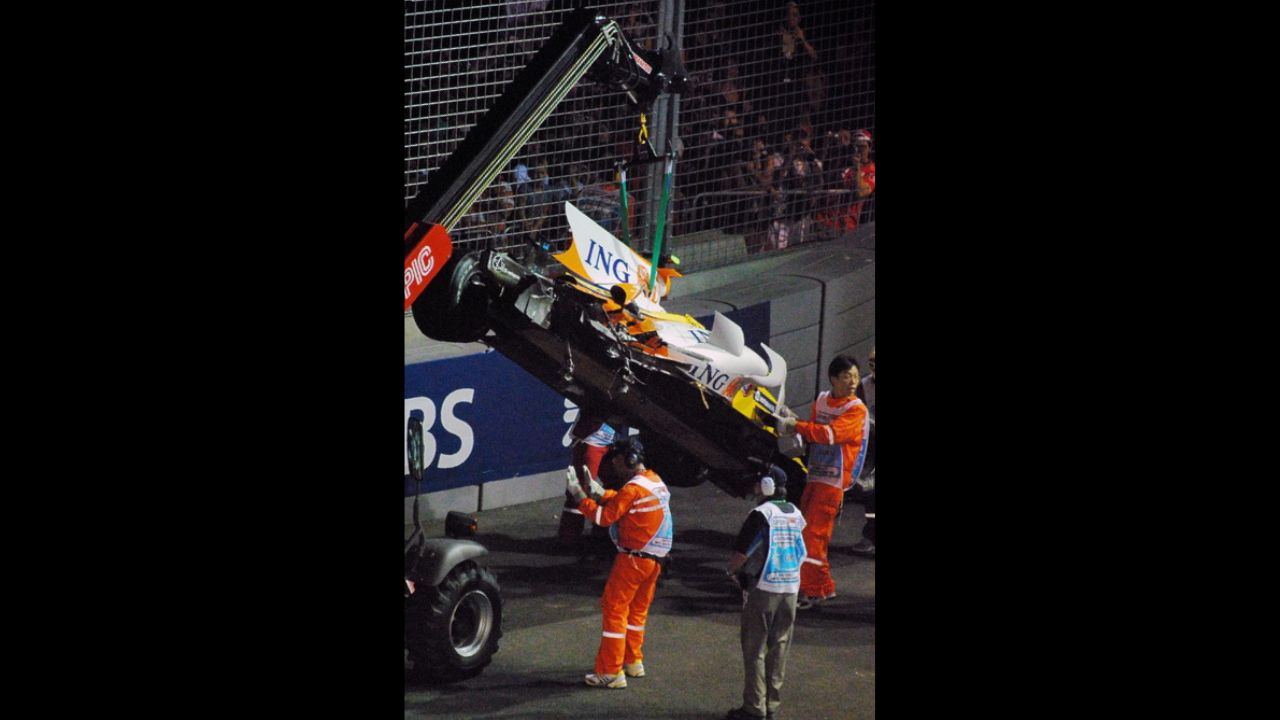
The “Crashgate” scandal during the 2008 Singapore Grand Prix is one of the most notorious incidents in Formula 1 history. In a shocking turn of events, it was revealed that the Renault team had conspired to orchestrate a crash by driver Nelson Piquet Jr. This intentional crash allowed Fernando Alonso to pit under caution, ultimately leading him to victory. The scandal erupted when details were leaked, prompting widespread outrage and investigations.
Fans and experts are still divided over the ethics of the team’s strategy and the implications of manipulating race results. The fallout was significant, resulting in severe penalties for Renault, including the departure of team principal Flavio Briatore and executive director Pat Symonds. The incident remains a pivotal case study in discussions about ethics in sports and is still referenced when debates about team strategies arise.
Lewis Hamilton’s 2008 Championship Win: The Rainy Finale
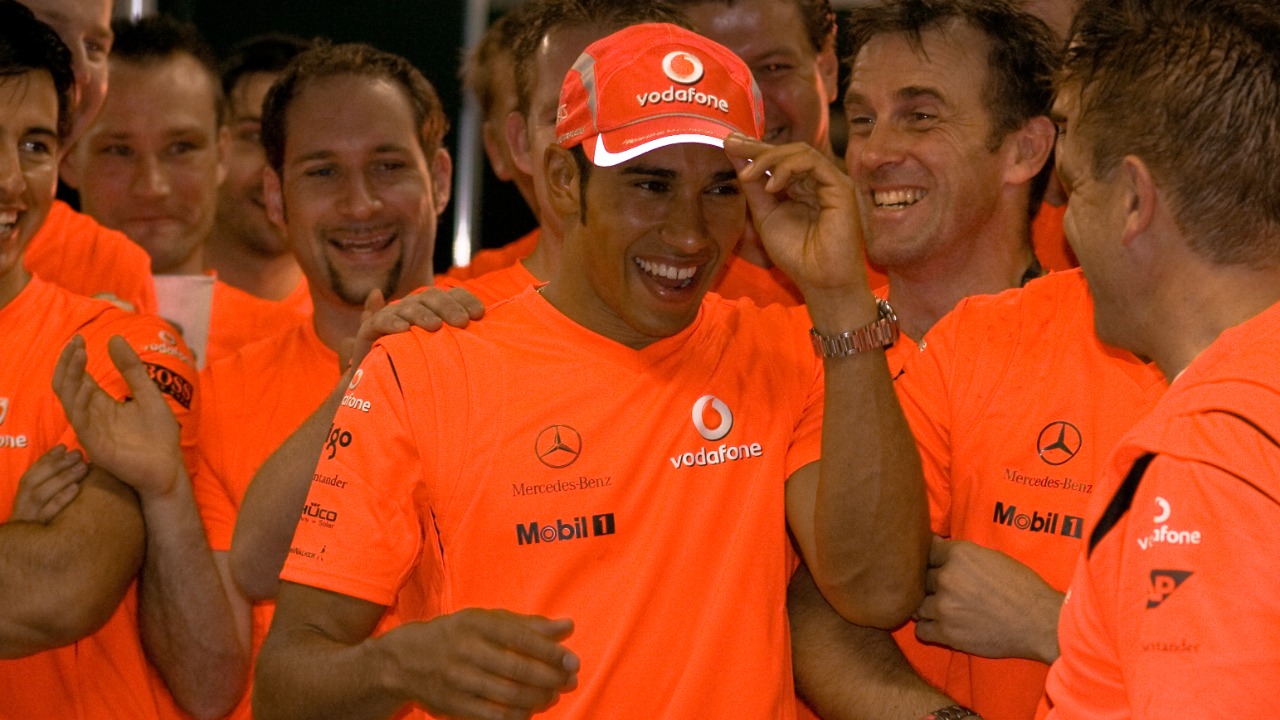
Lewis Hamilton’s dramatic championship win at the 2008 Brazilian Grand Prix is a highlight of his career, but it also sparked considerable debate among fans. The race was characterized by changing weather conditions that led to chaotic strategies. Hamilton, needing to finish at least sixth to secure the title, found himself in a nail-biting situation as the rain intensified. In the closing laps, he managed to pass Toyota’s Timo Glock, who had stayed out on dry tires, allowing Hamilton to clinch the championship on the last corner of the race.
Fans remain divided over the legitimacy of Hamilton’s title, with some arguing that the weather played an unfair role in the outcome. Others believe it showcased Hamilton’s incredible skill and composure under pressure. The race is often cited in discussions about luck versus skill in motorsport, making it a key moment in both Hamilton’s career and Formula 1 history.
The 1989 Japanese Grand Prix: Senna vs. Prost
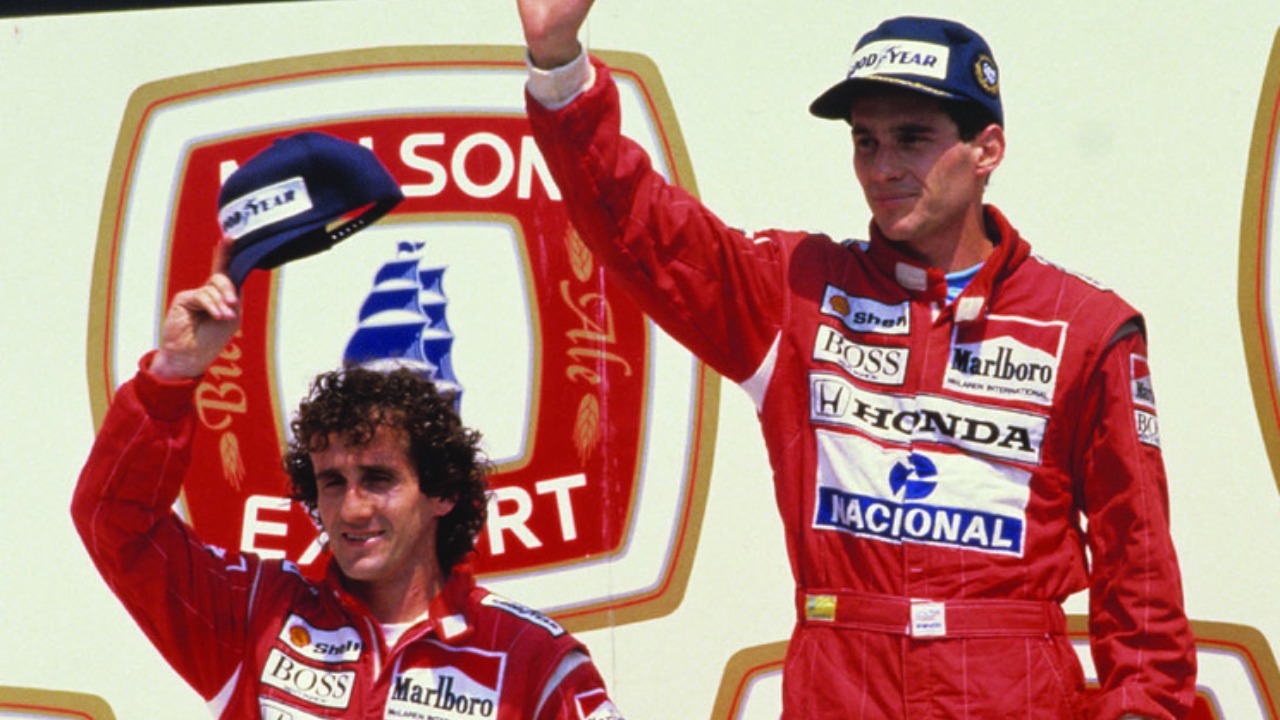
The 1989 Japanese Grand Prix at Suzuka is one of the most controversial races in Formula 1 history, featuring a dramatic clash between Ayrton Senna and Alain Prost. The championship was on the line, and tensions were high. In a fateful moment, Senna attempted to overtake Prost at the first corner, but the two collided, ending both of their races. This incident not only decided the championship but also ignited fierce debates among fans regarding tactics and racing ethics.
Senna’s subsequent actions—returning to the track to attempt to restart his race—only fueled the controversy. The fallout from this race led to a bitter rivalry that lasted for years, with both drivers making accusations against each other. The incident is frequently referenced in discussions about the ethics of racing and team dynamics, as it encapsulates the fierce competitive spirit that defines motorsport.
The “Team Orders” Controversy: Ferrari at the 2010 German Grand Prix
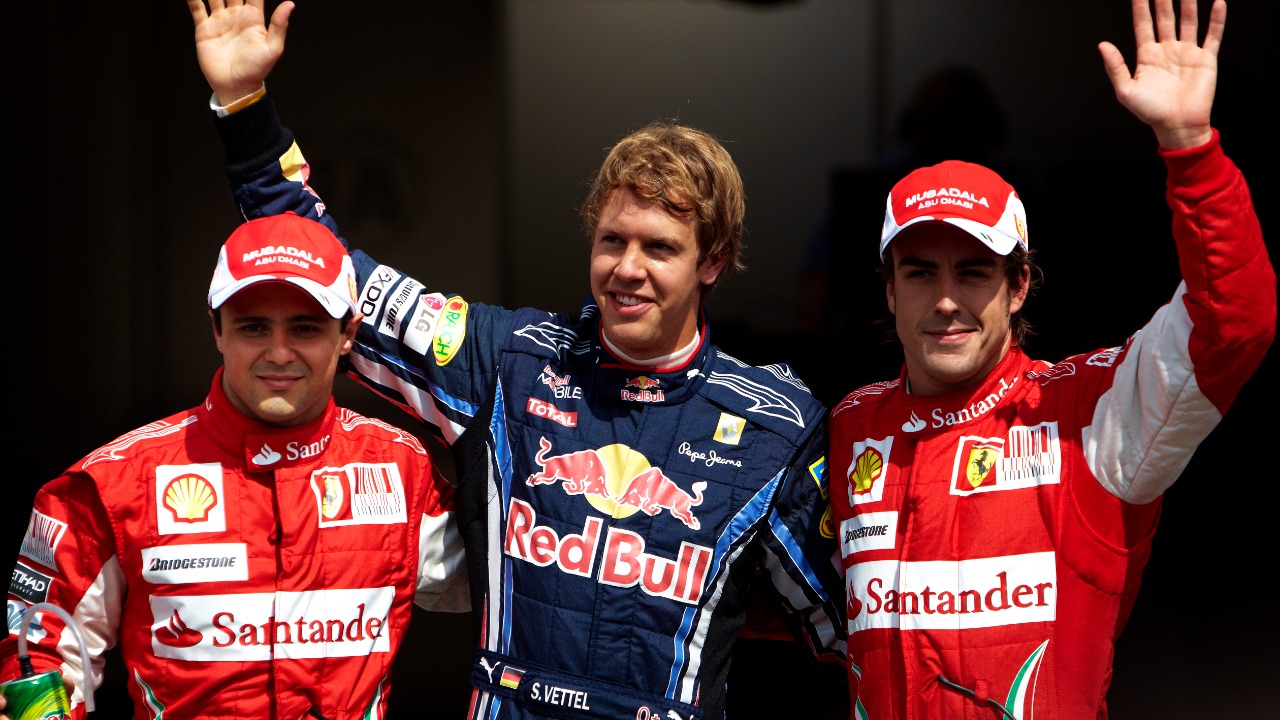
In 2010, the German Grand Prix became infamous for the “team orders” controversy involving Ferrari and drivers Fernando Alonso and Felipe Massa. With Alonso trailing Massa during the race, Ferrari ordered Massa to let Alonso pass, allowing him to take the lead. This orchestrated maneuver sparked outrage among fans and critics alike, igniting debates about the integrity of racing and the role of team orders.
Many argued that the move was unfair to Massa, who had been leading the race and was in a position to win. The incident was viewed as a blatant disregard for the principles of fair competition, leading to discussions about the legality of team orders in Formula 1. The fallout contributed to changes in regulations regarding team orders, making this moment a significant chapter in the history of racing ethics.
The 2021 Abu Dhabi Grand Prix: A Finale for the Ages
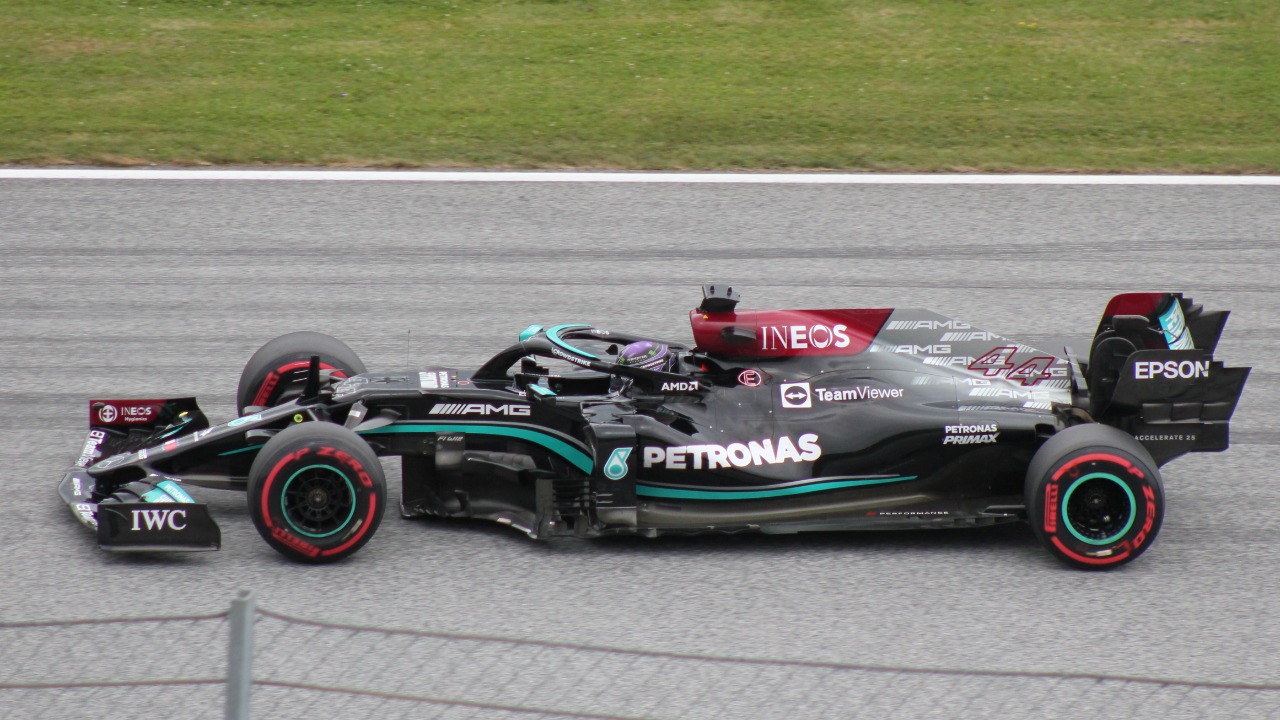
The 2021 Abu Dhabi Grand Prix was a thrilling conclusion to the Formula 1 season, but it also became one of the most controversial races in recent memory. The championship battle between Lewis Hamilton and Max Verstappen reached a fever pitch as the race unfolded. A late-race incident brought out the safety car, leading to a contentious decision by race director Michael Masi regarding how many lapped cars could un-lap themselves.
The subsequent final lap, where Verstappen overtook Hamilton after the safety car was pulled in, has led to heated debates among fans about the fairness of the race’s ending. Many argue that the decisions made in the final moments contradicted established protocols, while others believe it added to the excitement of the championship finale. The fallout from this race continues to be discussed, with implications for the future of race management and rules in Formula 1.
More from Fast Lane Only
- Unboxing the WWII Jeep in a Crate
- 15 rare Chevys collectors are quietly buying
- 10 underrated V8s still worth hunting down
- Police notice this before you even roll window down
*Research for this article included AI assistance, with all final content reviewed by human editors.