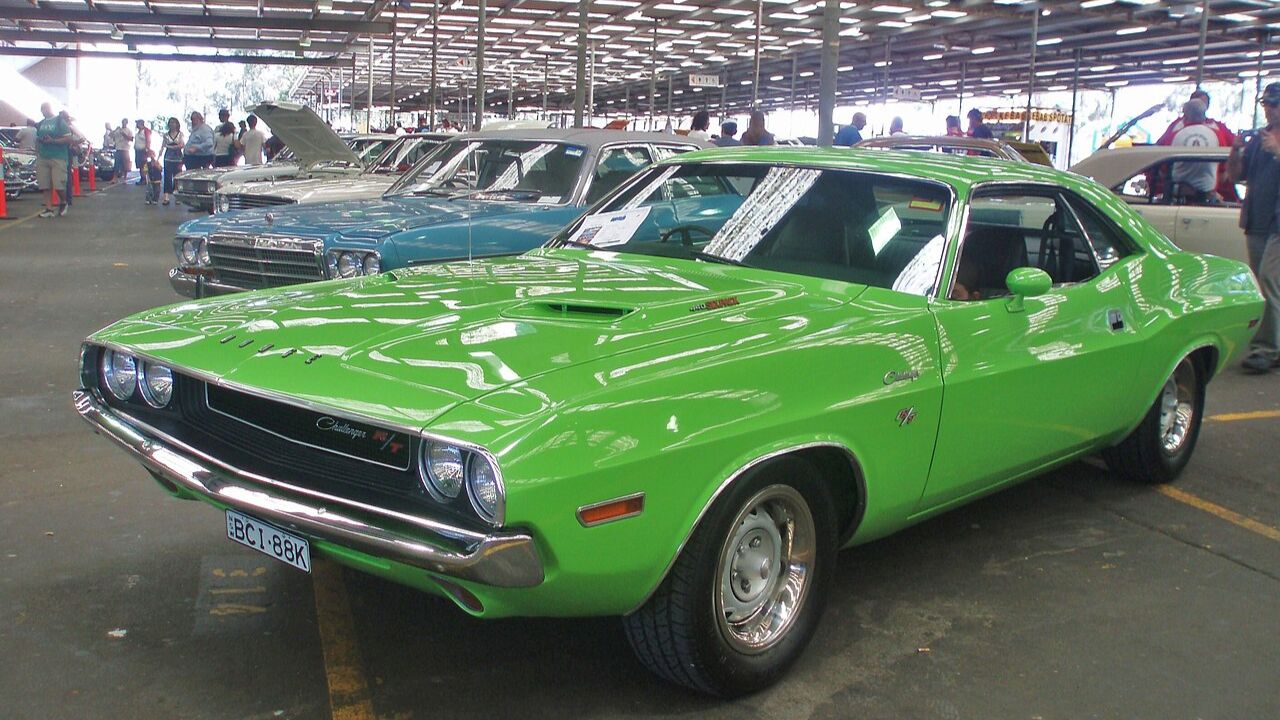
The muscle car era has significantly influenced the automotive landscape, representing a unique blend of power, style, and American culture. These high-performance vehicles emerged in the 1960s and 1970s, capturing the hearts of enthusiasts and reshaping the concepts of speed and design. Below are ten iconic muscle cars that played a pivotal role in shaping performance history.
1964 Pontiac GTO

The 1964 Pontiac GTO is often credited with launching the muscle car movement. With its powerful 389 cubic inch V8 engine, it produced an impressive 325 horsepower, setting a new standard for performance. The GTO’s combination of a lightweight body and potent engine made it a favorite among car enthusiasts. Its design featured a distinctive split grille and sculpted lines that captured the essence of the mid-60s. The GTO’s success not only solidified Pontiac’s reputation but also set the stage for future muscle cars. This vehicle is a true testament to American automotive innovation, representing the dawn of a new era in performance cars.
1967 Chevrolet Camaro
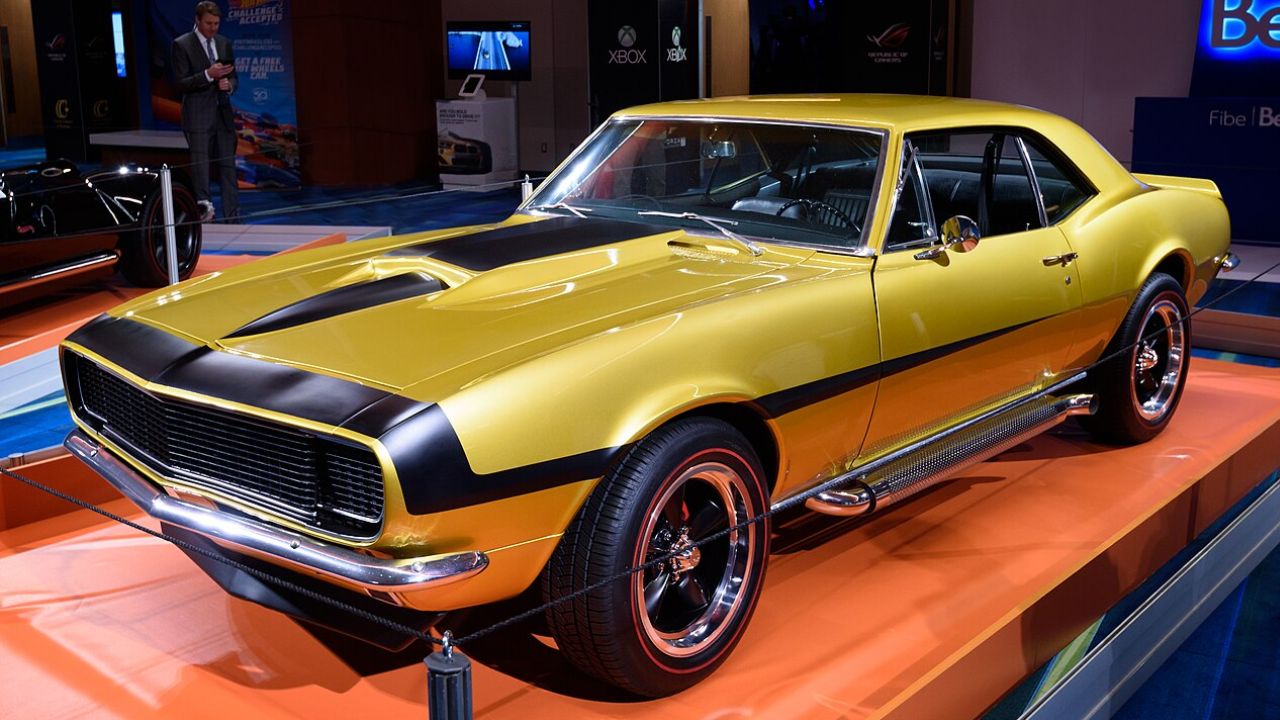
Introduced as a response to the Ford Mustang, the 1967 Chevrolet Camaro quickly established itself as a formidable contender in the muscle car arena. With a variety of engine options, including the powerful 396 cubic inch big-block V8, the Camaro offered performance to match its aggressive styling. Its design showcased a long hood and short rear deck, emphasizing speed and agility. The Camaro quickly garnered a loyal following, and its success on the racetrack only added to its allure. The vehicle became a symbol of American muscle, as it embodied the spirit of competition and performance that defined the era. For those interested in muscle car history, the Camaro remains a significant chapter.
1968 Ford Mustang GT
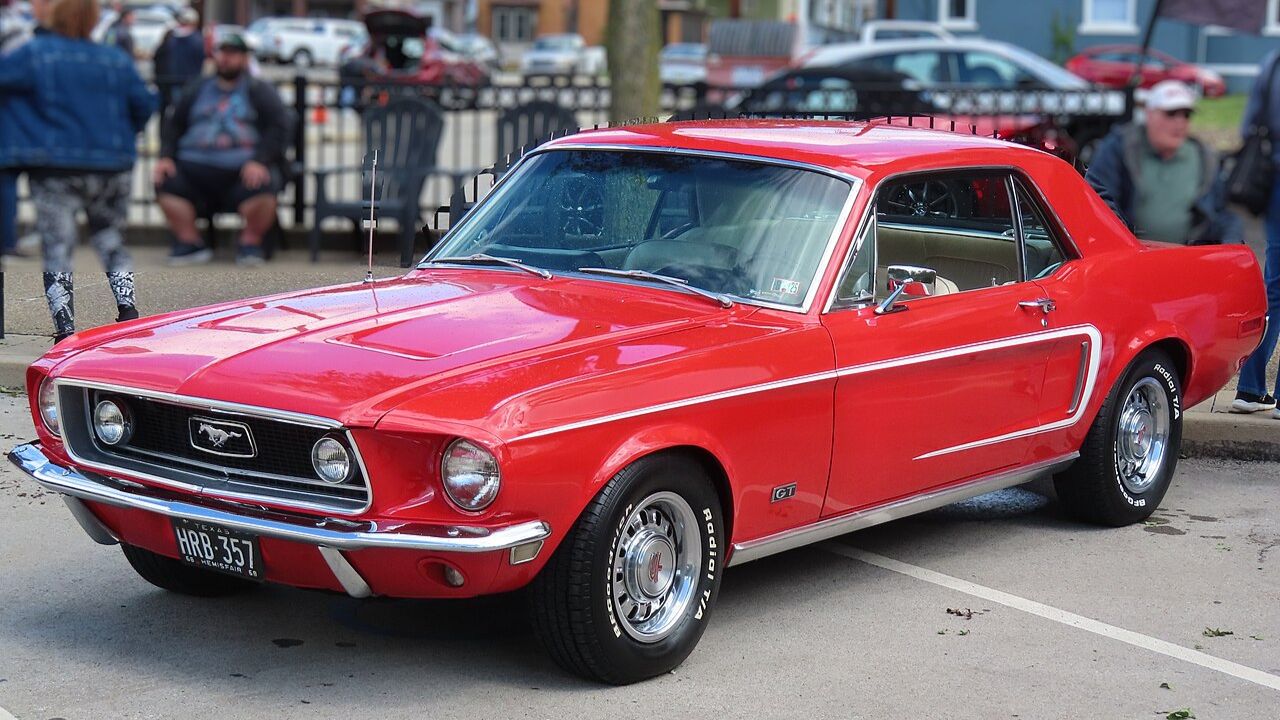
The 1968 Ford Mustang GT is an iconic representation of the muscle car genre, known for its distinct styling and powerful performance. Featuring a range of engine options, including the formidable 390 cubic inch V8, the Mustang GT provided a thrilling driving experience. Its sleek lines and aggressive stance made it a favorite among car enthusiasts, while its performance on the road and track solidified its status. The Mustang GT was more than just a car; it was a cultural phenomenon, appearing in films and music, and influencing generations of automotive design. This vehicle is a cornerstone of American automotive history and continues to inspire new models today.
1970 Dodge Challenger R/T

The 1970 Dodge Challenger R/T emerged as one of the most powerful muscle cars of its time, often remembered for its bold design and exceptional performance. Equipped with a range of potent engines, including the legendary 426 Hemi, the Challenger R/T was a force to be reckoned with on the streets. Its aggressive styling, characterized by a wide stance and long hood, made it a standout in any lineup. The Challenger R/T not only excelled in performance but also captured the essence of the muscle car spirit. Its legacy continues to influence modern muscle cars, making it a key player in the history of performance vehicles.
1970 Chevrolet Chevelle SS 454

The 1970 Chevrolet Chevelle SS 454 is often hailed as one of the most powerful muscle cars ever produced. With its massive 454 cubic inch V8 engine capable of delivering 450 horsepower, the Chevelle SS became the benchmark for performance. Its muscular design combined with a spacious interior made it appealing for both speed enthusiasts and families alike. The Chevelle’s success at the drag strip and on the road solidified its place in automotive history. Today, it remains a coveted classic, a true representation of the muscle car’s golden age and a vehicle that continues to inspire admiration among collectors and enthusiasts.
1971 Plymouth Hemi ‘Cuda
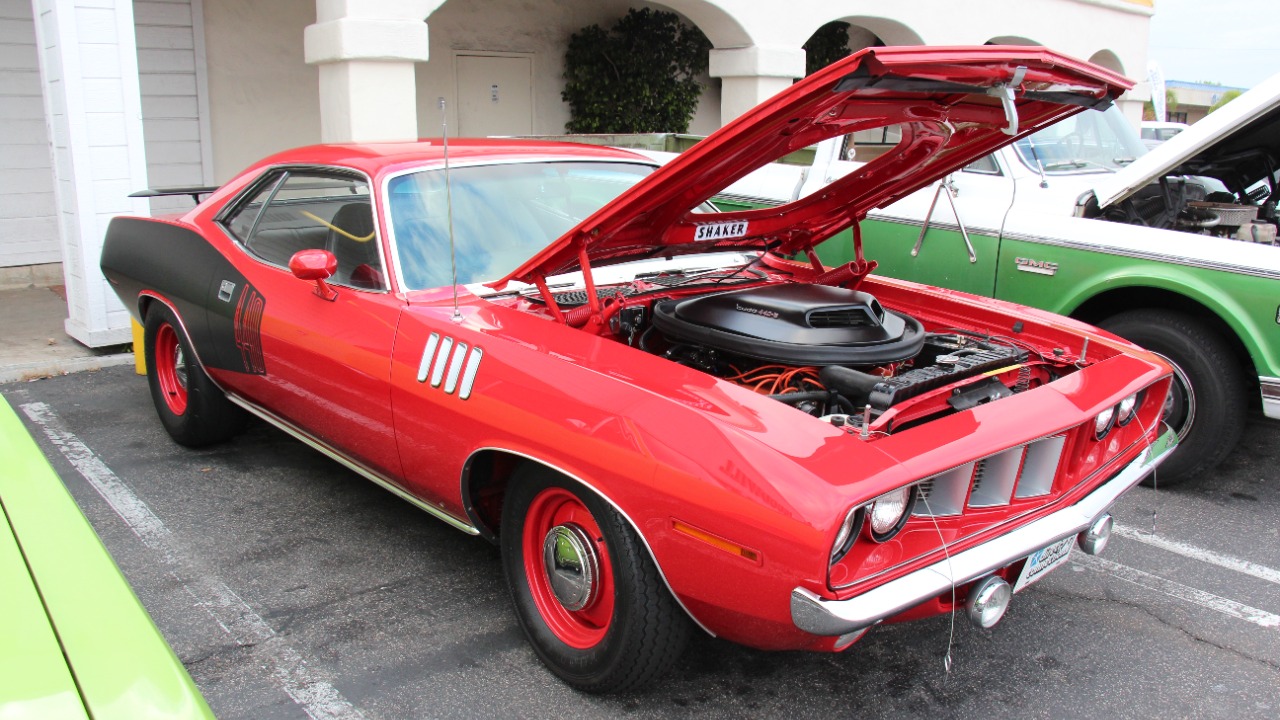
The 1971 Plymouth Hemi ‘Cuda is celebrated for its raw power and distinctive styling. Featuring the legendary Hemi V8 engine, it could produce up to 425 horsepower, making it one of the most formidable muscle cars of its time. The ‘Cuda’s aggressive looks, with its wide body and bold graphics, captured the attention of enthusiasts and casual drivers alike. Although production was limited, its performance and design have cemented its status as a classic. The Hemi ‘Cuda is not just a car; it is a symbol of an era where horsepower reigned supreme, appealing to those who sought both speed and style in their vehicles.
1974 Pontiac Firebird Trans Am
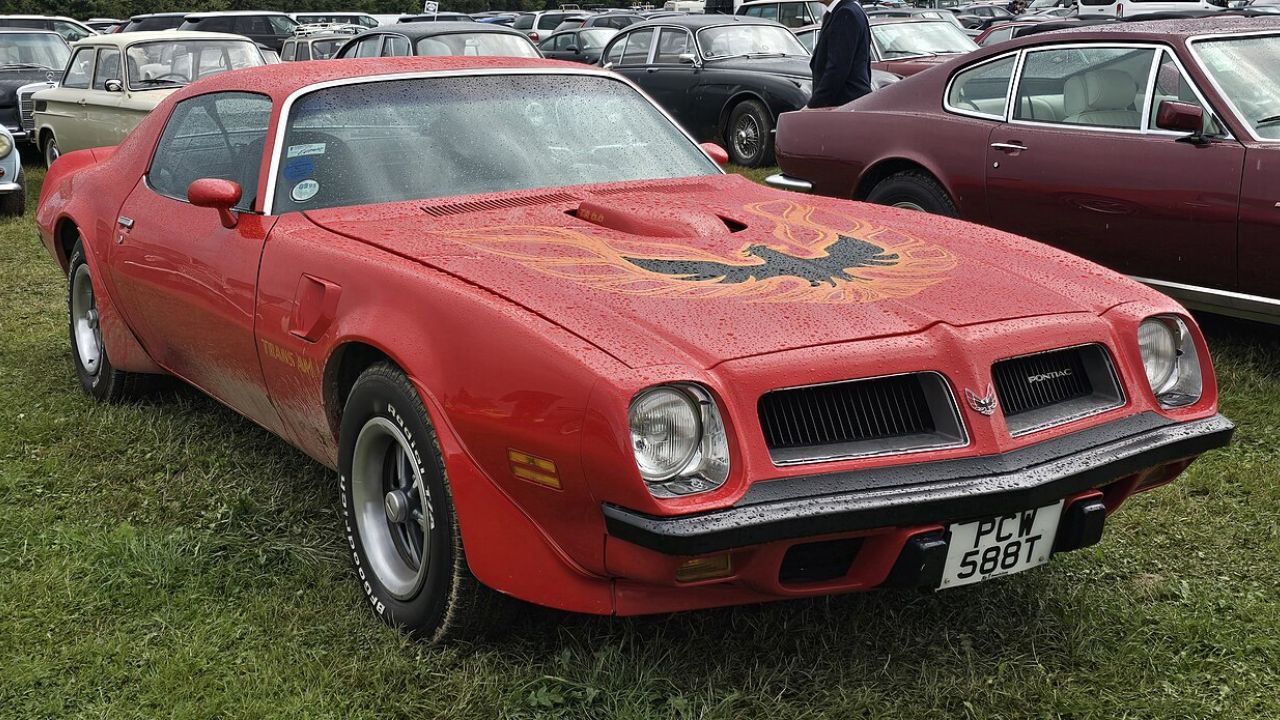
The 1974 Pontiac Firebird Trans Am represents the tail end of the muscle car era, offering a unique blend of performance and style. With its iconic “screaming chicken” hood decal and aggressive stance, the Trans Am became a cultural icon. Although it faced stricter emissions regulations, Pontiac still managed to equip it with a powerful 455 cubic inch V8 engine, delivering impressive torque and performance. The Trans Am’s reputation was further solidified by its appearances in popular films, making it a household name. This vehicle is a testament to the enduring appeal of muscle cars, even in challenging times for the automotive industry.
1987 Buick Grand National
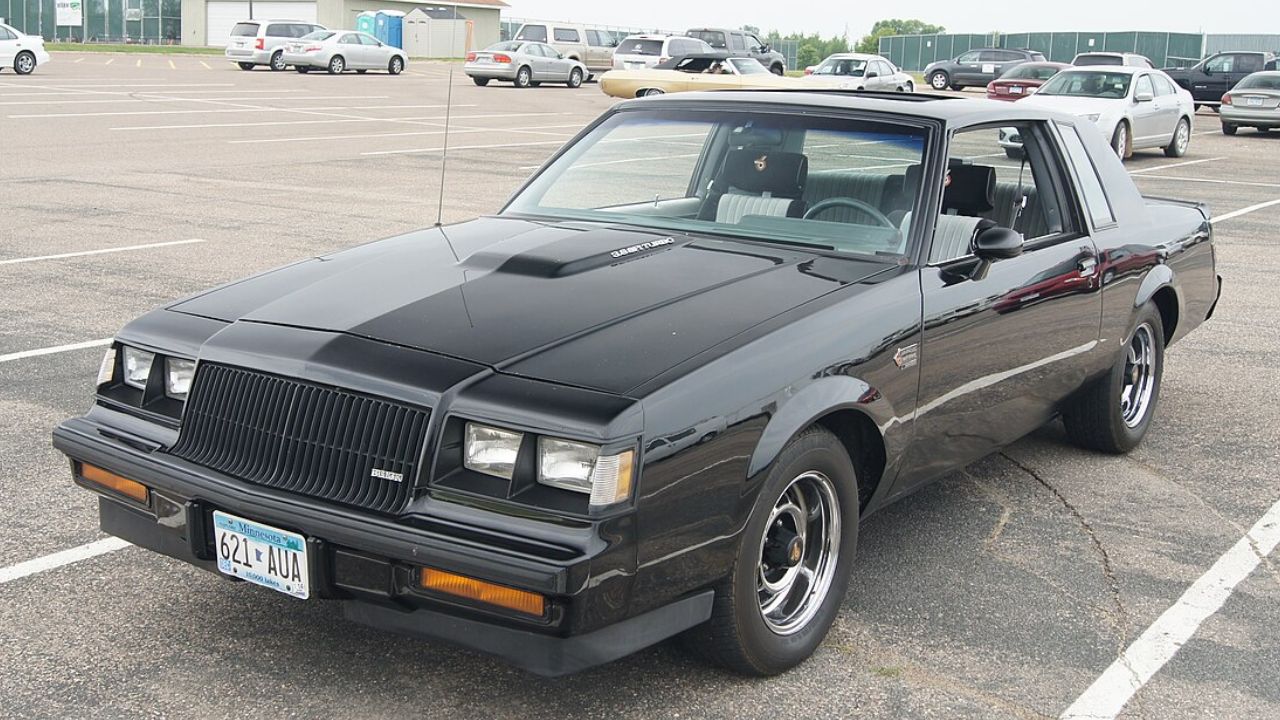
The 1987 Buick Grand National is often regarded as a hidden gem in the muscle car world, blending luxury with performance. Powered by a turbocharged 3.8-liter V6 engine, it produced an astonishing 276 horsepower, challenging the traditional definitions of muscle cars. Its understated yet aggressive styling, characterized by its black exterior and minimal chrome, set it apart from its contemporaries. The Grand National gained fame for its impressive acceleration and performance, earning it a dedicated following. Today, it is celebrated not only for its speed but also for its unique place in the evolution of American muscle, representing a shift towards forced induction technology.
2003 Ford Mustang SVT Cobra
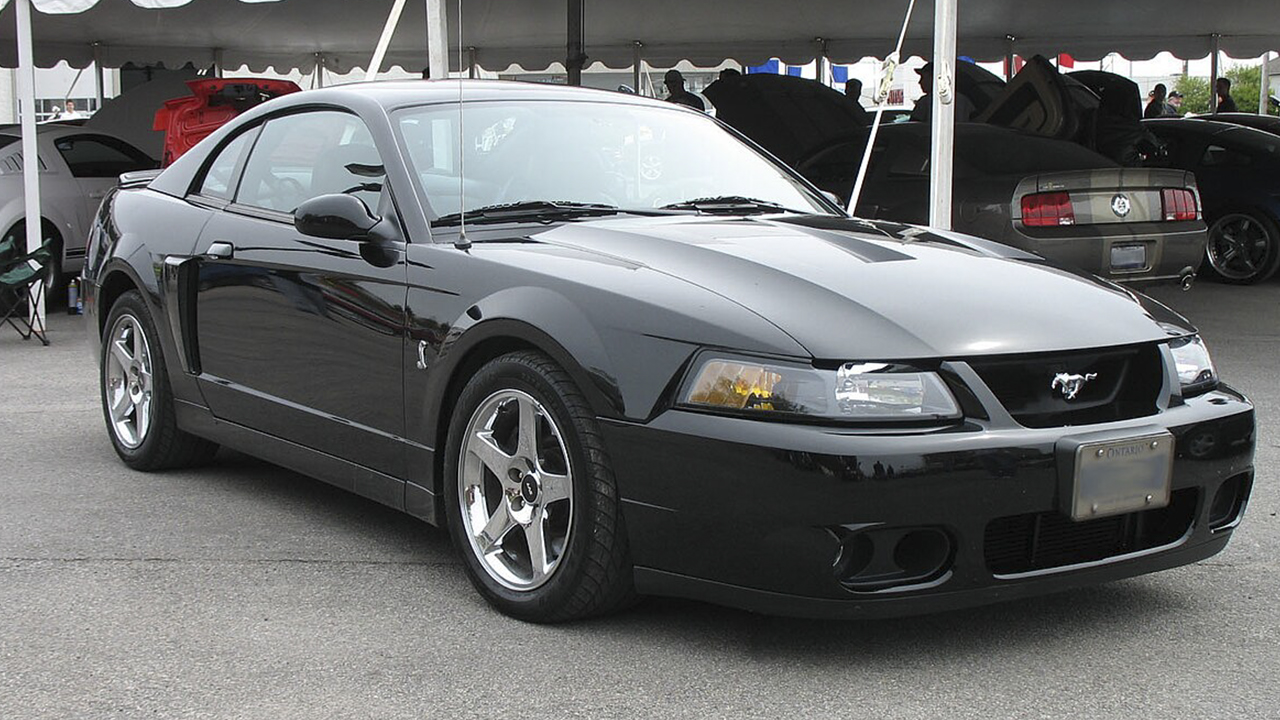
The 2003 Ford Mustang SVT Cobra marked a significant return to form for the Mustang nameplate, combining retro styling with cutting-edge performance. Equipped with a supercharged 4.6-liter V8 engine, it delivered an impressive 390 horsepower, ensuring exhilarating performance on the road. The Cobra’s aggressive aerodynamics and sporty suspension made it a standout in the modern muscle car segment. This iteration of the Mustang paid homage to its predecessors while embracing modern technology and design. The SVT Cobra is remembered as a pivotal model in the revitalization of the Mustang brand, illustrating the enduring legacy of muscle cars in American automotive culture.
2015 Dodge Charger SRT Hellcat
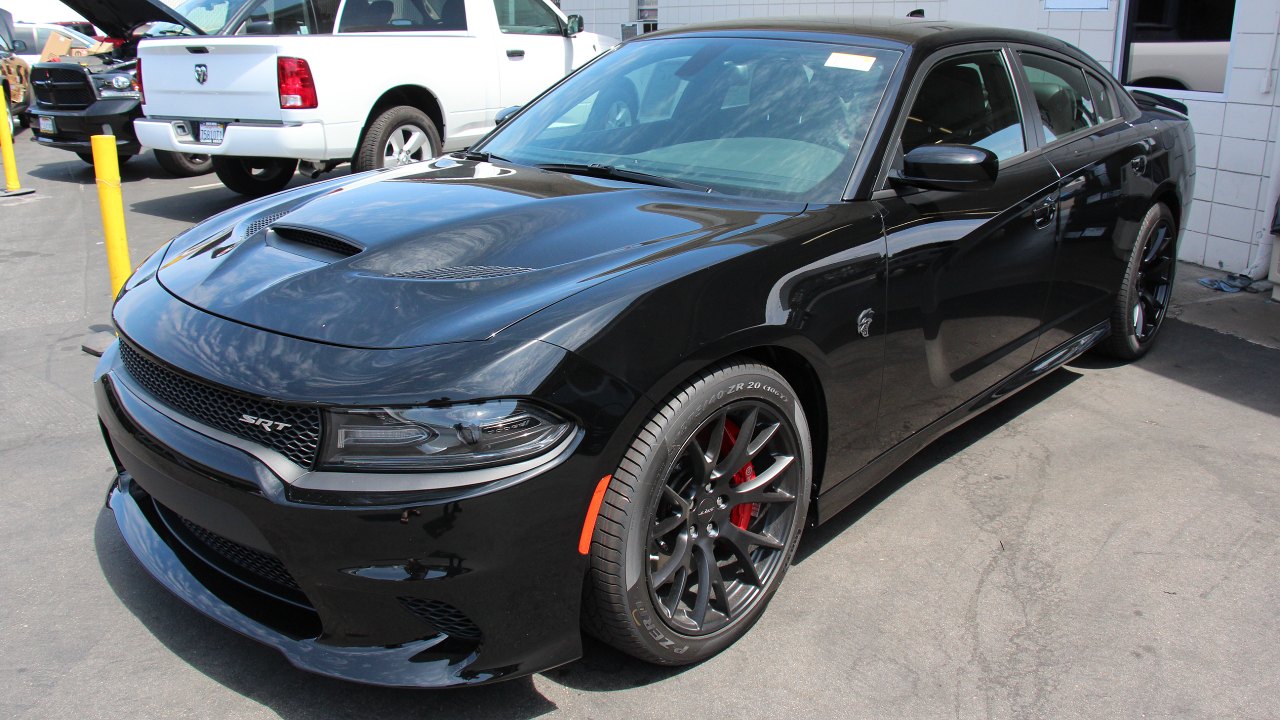
The 2015 Dodge Charger SRT Hellcat takes the muscle car legacy into the 21st century, boasting the title of the most powerful production sedan at the time. With a supercharged 6.2-liter HEMI V8 engine producing 707 horsepower, it redefined what performance could mean for a four-door vehicle. The Charger SRT Hellcat’s aggressive styling and advanced technology created a perfect blend of luxury and raw power. Its ability to go from 0 to 60 mph in just 3.6 seconds showcased its performance capabilities. This model stands as a testament to the evolution of muscle cars, proving that they remain relevant and exciting in today’s automotive landscape, with a future that continues to thrill enthusiasts.
More from Fast Lane Only