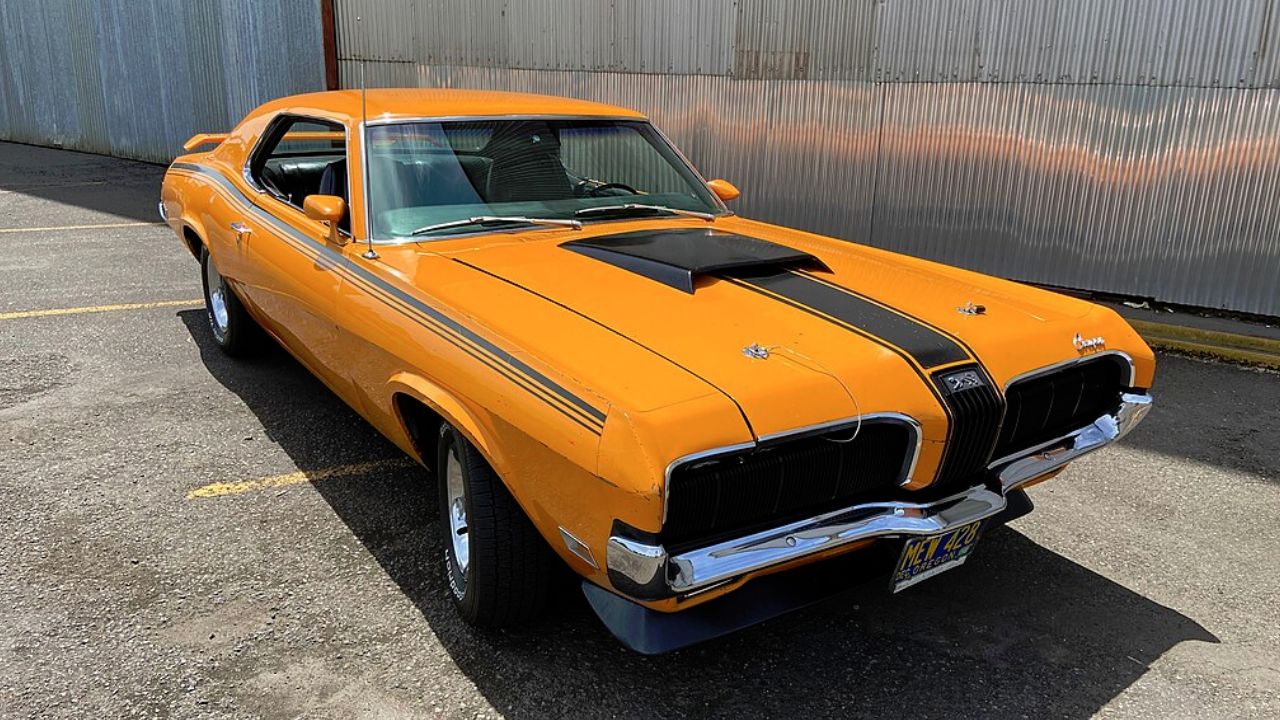
Muscle cars have always been a staple of American automotive culture, embodying power and style. However, some models not only captured the essence of their time but also set the stage for future innovations. Let’s take a look at ten muscle cars that were ahead of their time and see what made them stand out.
Pontiac GTO
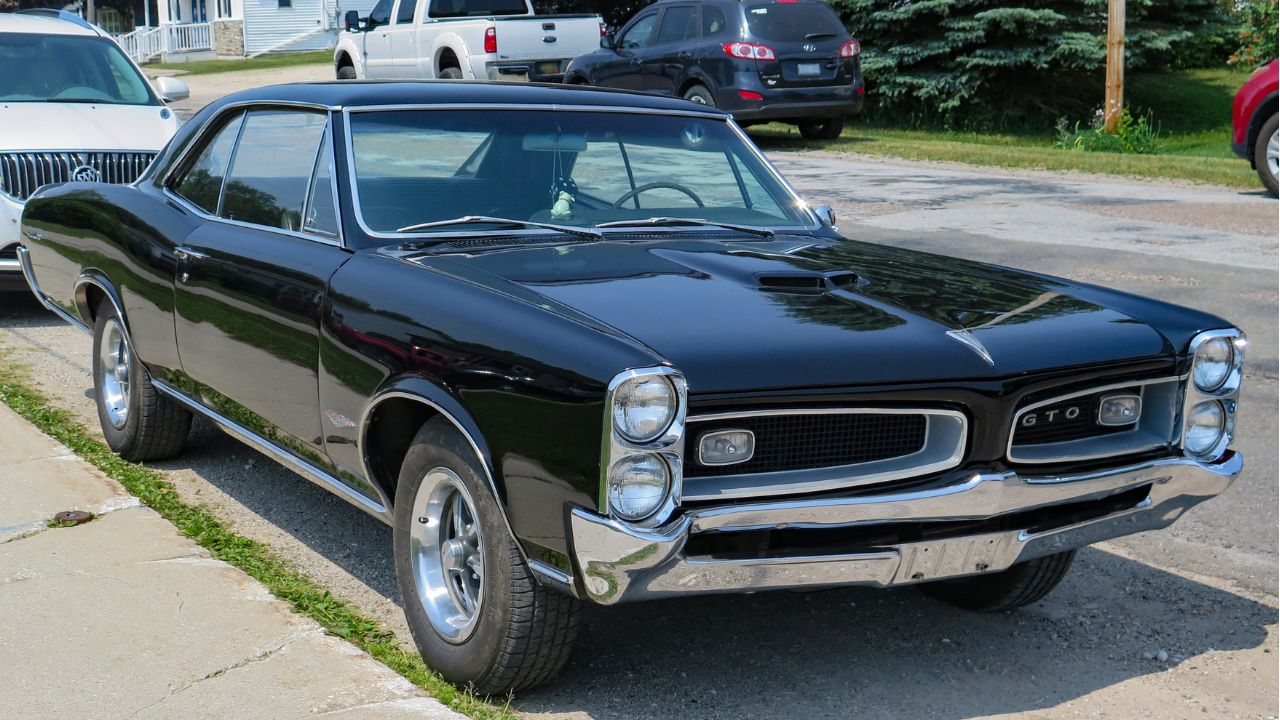
The Pontiac GTO, introduced in 1964, revolutionized the automotive industry by kickstarting the muscle car era. Nicknamed the “Goat,” this car was one of the first to combine a potent V8 engine with a midsize body. The 1966 model, with its 389 cubic-inch engine, became a symbol of performance and style. It offered up to 360 horsepower, making it a formidable competitor on the road.
Pontiac’s decision to package high performance in an affordable and accessible format was visionary. The GTO’s success demonstrated that there was a substantial market for muscle cars, inspiring other manufacturers to follow suit. Its impact is still felt today, as it laid the groundwork for the muscle cars that followed.
Ford Mustang Boss 429
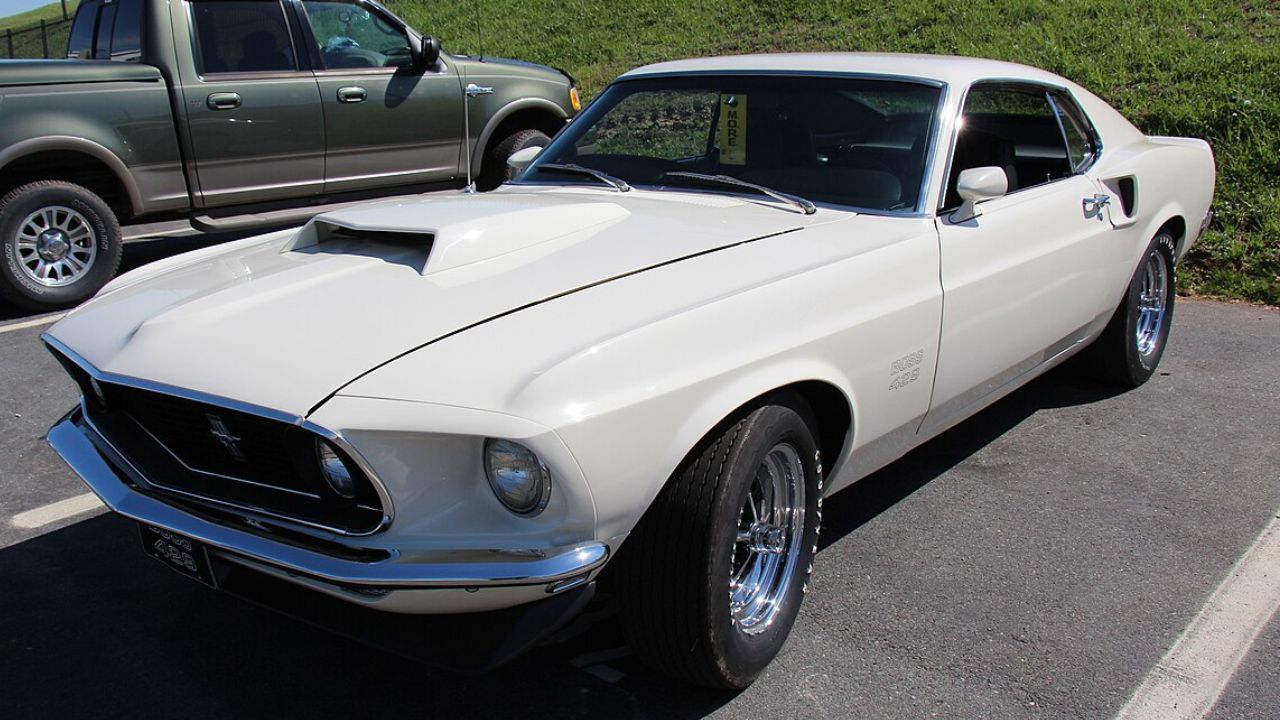
Released in 1969, the Ford Mustang Boss 429 was a marvel of engineering. Designed to homologate Ford’s NASCAR engine, the Boss 429 was built around a massive 429 cubic-inch V8 engine, making it one of the most powerful Mustangs ever produced. With a semi-hemispherical combustion chamber, it delivered an astounding 375 horsepower.
The Boss 429 was more than just a straight-line performer; it showcased advanced engineering and was a testament to Ford’s commitment to innovation. Though only 1,356 units were produced, its rarity and performance capabilities have made it a legend among muscle car enthusiasts.
Chevrolet Camaro ZL1
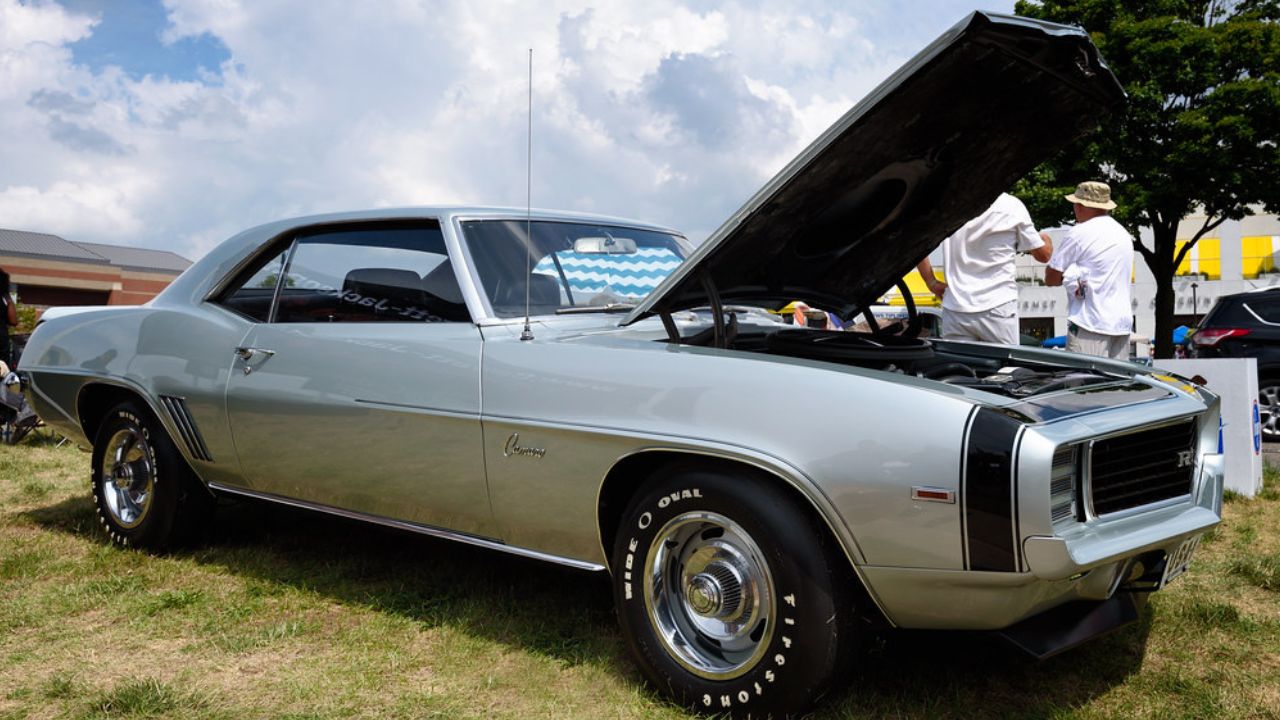
The 1969 Chevrolet Camaro ZL1 was an extraordinary piece of machinery, featuring an all-aluminum 427 cubic-inch V8 engine. Initially designed for the drag strip, the ZL1 could produce over 500 horsepower, a figure that was understated in its official rating. It was one of the most powerful cars of its time.
With only 69 units produced, the ZL1 was a rare breed. Its impressive performance and limited production run have made it highly sought after by collectors. The ZL1’s groundbreaking use of an aluminum engine block demonstrated Chevrolet’s ability to push the boundaries of what was possible in a production car.
Dodge Charger Daytona
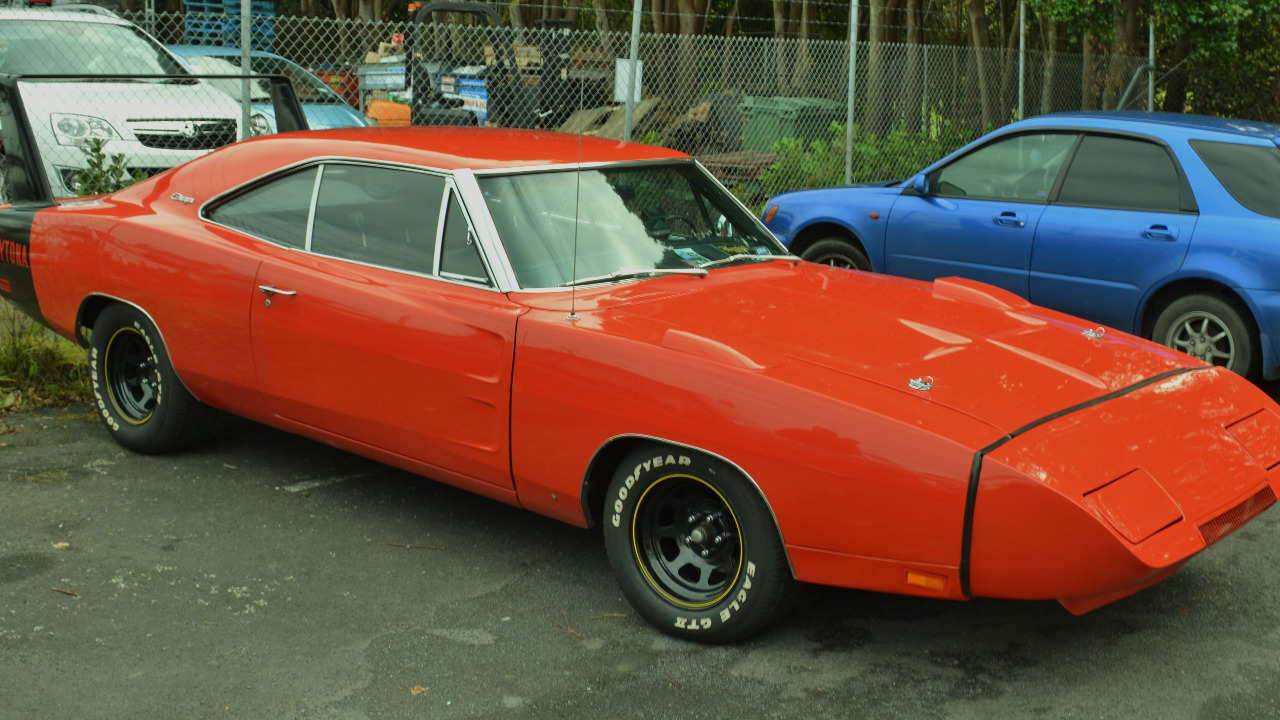
The Dodge Charger Daytona, introduced in 1969, was designed with one primary goal: to dominate NASCAR. Its distinctive aerodynamic shape, including a prominent nose cone and massive rear wing, was engineered to reduce drag and increase downforce. These features helped the Daytona become the first car to break the 200 mph barrier on a closed circuit.
Though its looks were polarizing, the Charger Daytona’s performance was undeniable. It cemented its place in automotive history by setting new standards for speed and aerodynamics, influencing the design of race cars for years to come.
Plymouth Superbird
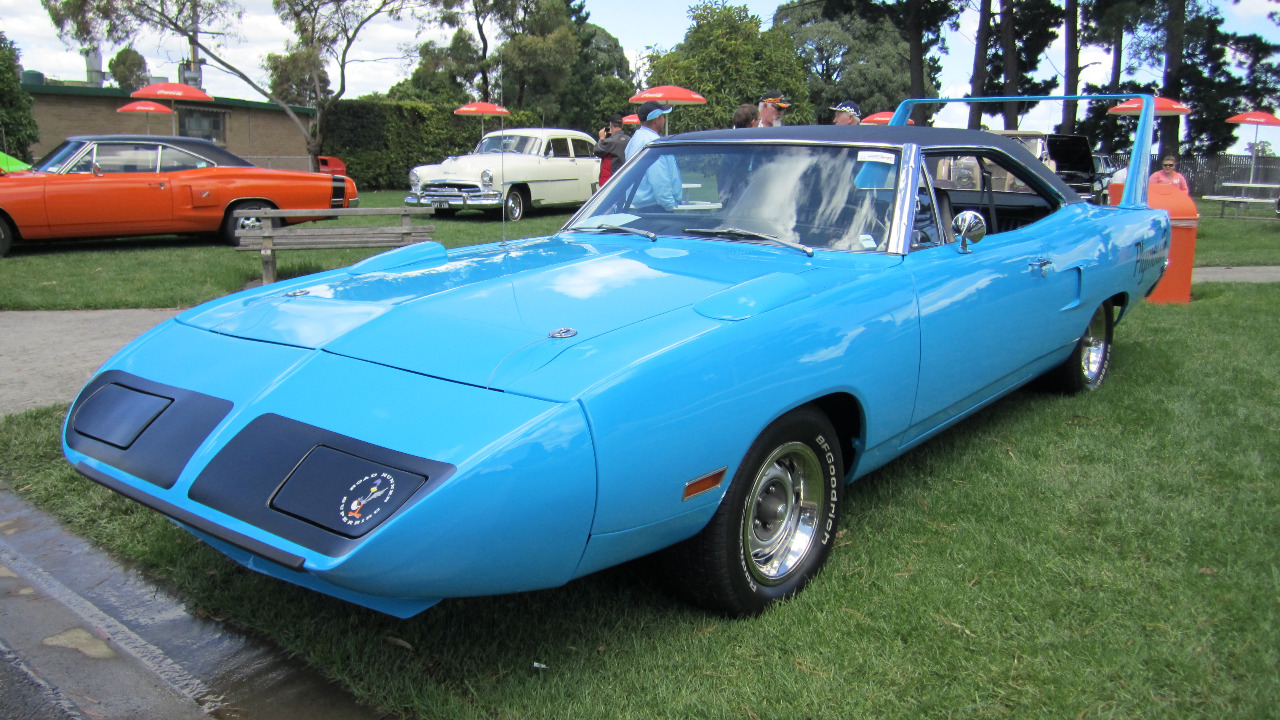
Following the success of the Daytona, Plymouth introduced the Superbird in 1970. It shared many aerodynamic innovations with its Dodge counterpart, including a streamlined nose and towering rear wing. The Superbird was powered by a selection of engines, the most famous being the 426 Hemi V8, which delivered 425 horsepower.
The Superbird was not just a race car but also a statement of Plymouth’s commitment to performance. Its unique design and limited production run have made it a collector’s dream, and its legacy lives on as one of the most iconic muscle cars ever built.
AMC Javelin AMX
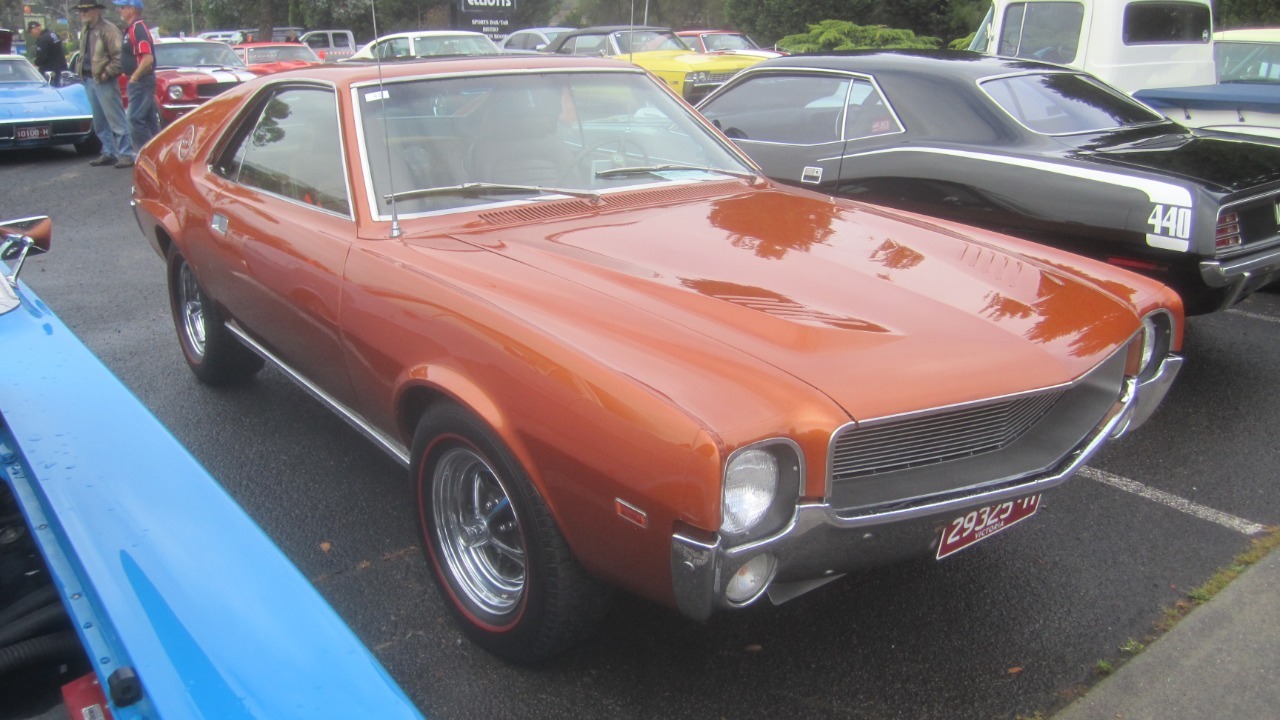
The AMC Javelin AMX was introduced in 1968 as a high-performance variant of the Javelin. It offered a range of powerful engines, including a 390 cubic-inch V8 that could produce up to 340 horsepower. The AMX was a versatile vehicle that could hold its own on both the street and the race track.
AMC’s focus on innovation and performance helped the Javelin AMX stand out in a crowded muscle car market. It proved that a smaller manufacturer could compete with the automotive giants, offering enthusiasts a unique and exciting driving experience.
Buick GSX
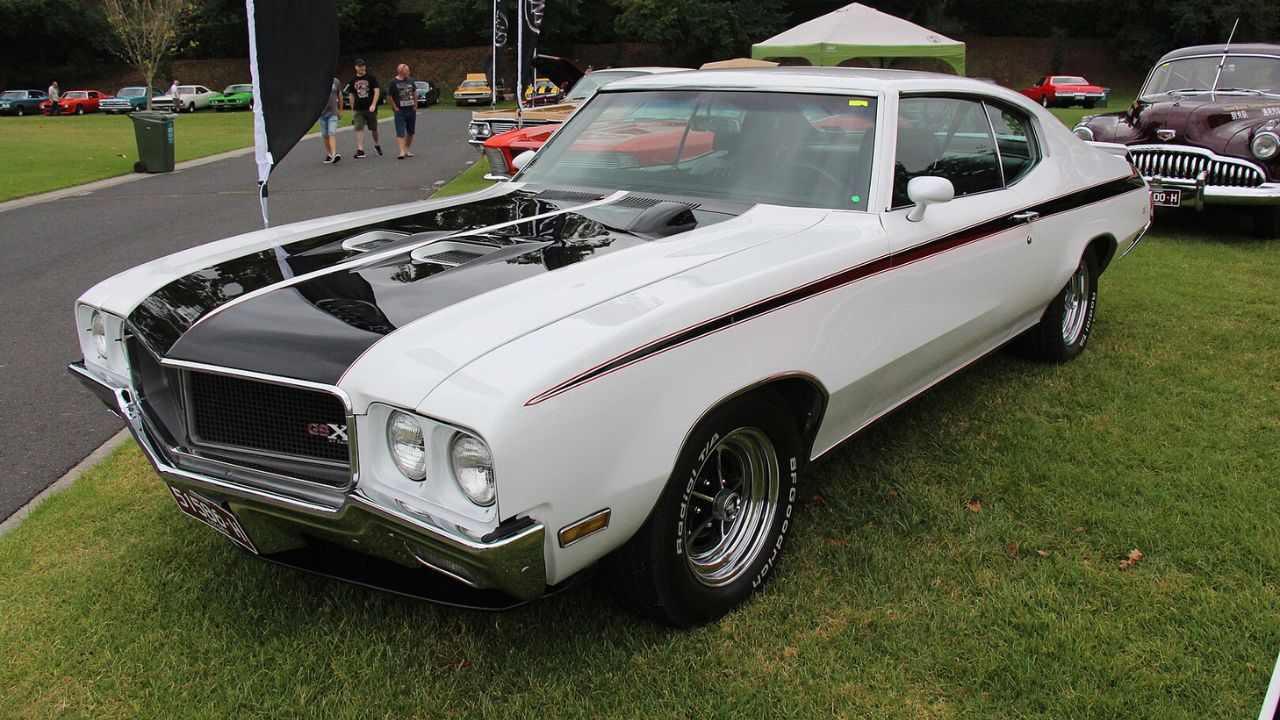
The Buick GSX, introduced in 1970, was a high-performance version of the Buick Skylark. It came equipped with a 455 cubic-inch V8 engine capable of producing 360 horsepower and an astounding 510 lb-ft of torque. This made it one of the fastest muscle cars of its era.
Buick’s GSX was more than just raw power; it also featured a range of advanced options like a functional hood tachometer and a unique suspension setup. The GSX proved that muscle cars could offer both luxury and performance, setting a new standard for what these vehicles could be.
Oldsmobile 442 W-30
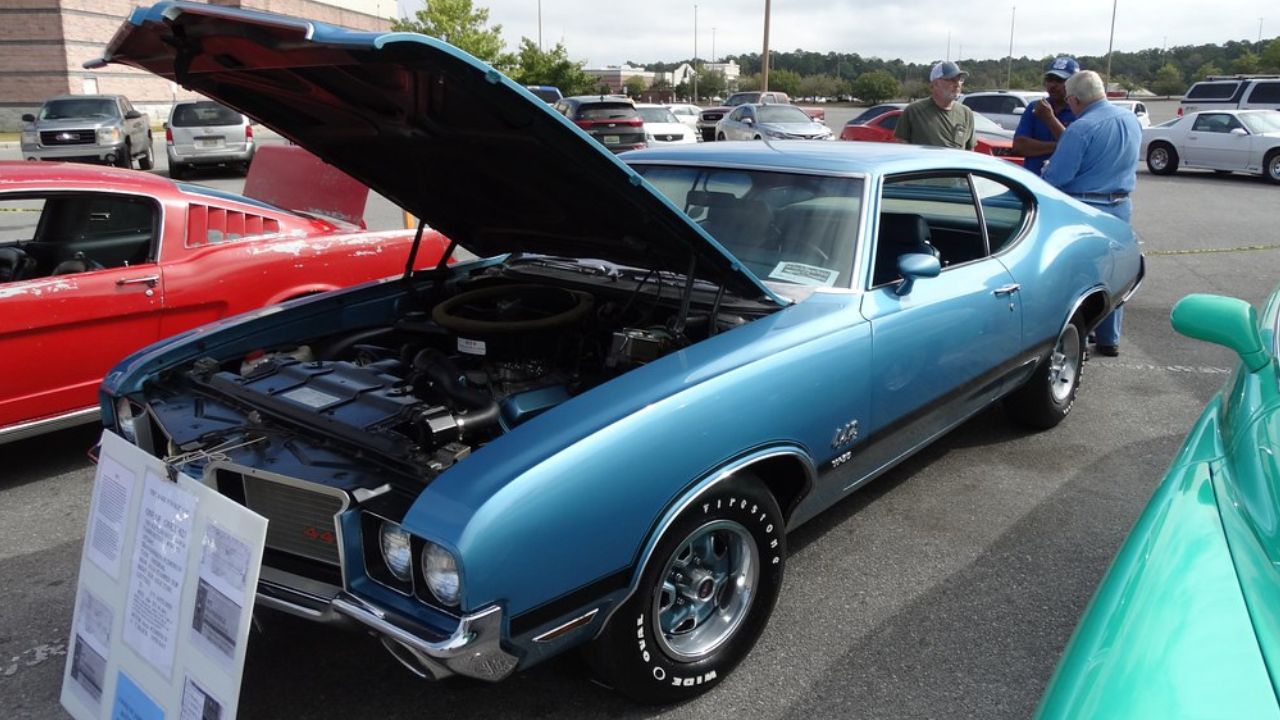
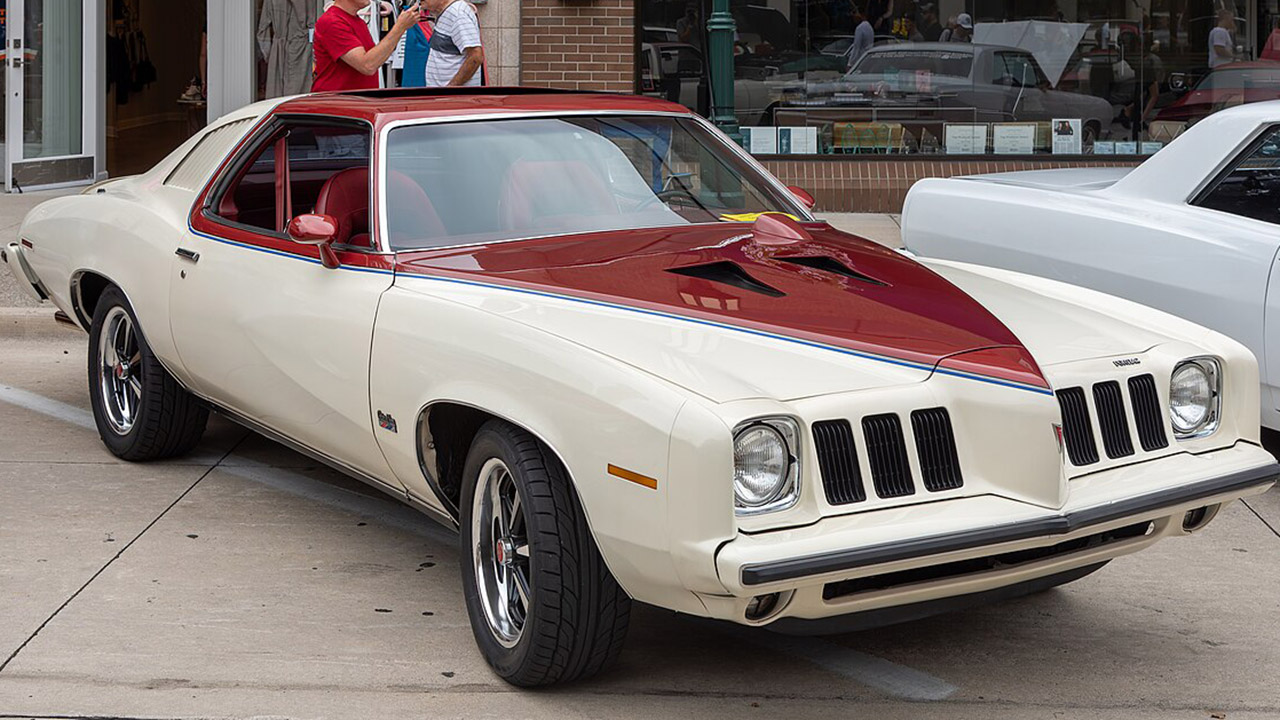
The Oldsmobile 442 W-30 was a performance-oriented variant of the 442, introduced in 1966. By 1970, the W-30 package included a potent 455 cubic-inch V8 engine, rated at 370 horsepower. It featured a fiberglass hood with functional air scoops and an advanced air induction system.
The 442 W-30 was a testament to Oldsmobile’s engineering prowess, offering performance enhancements that were ahead of their time. Its blend of power and sophistication appealed to a wide range of enthusiasts and showcased Oldsmobile’s commitment to pushing the envelope in the muscle car segment.
Mercury Cougar Eliminator
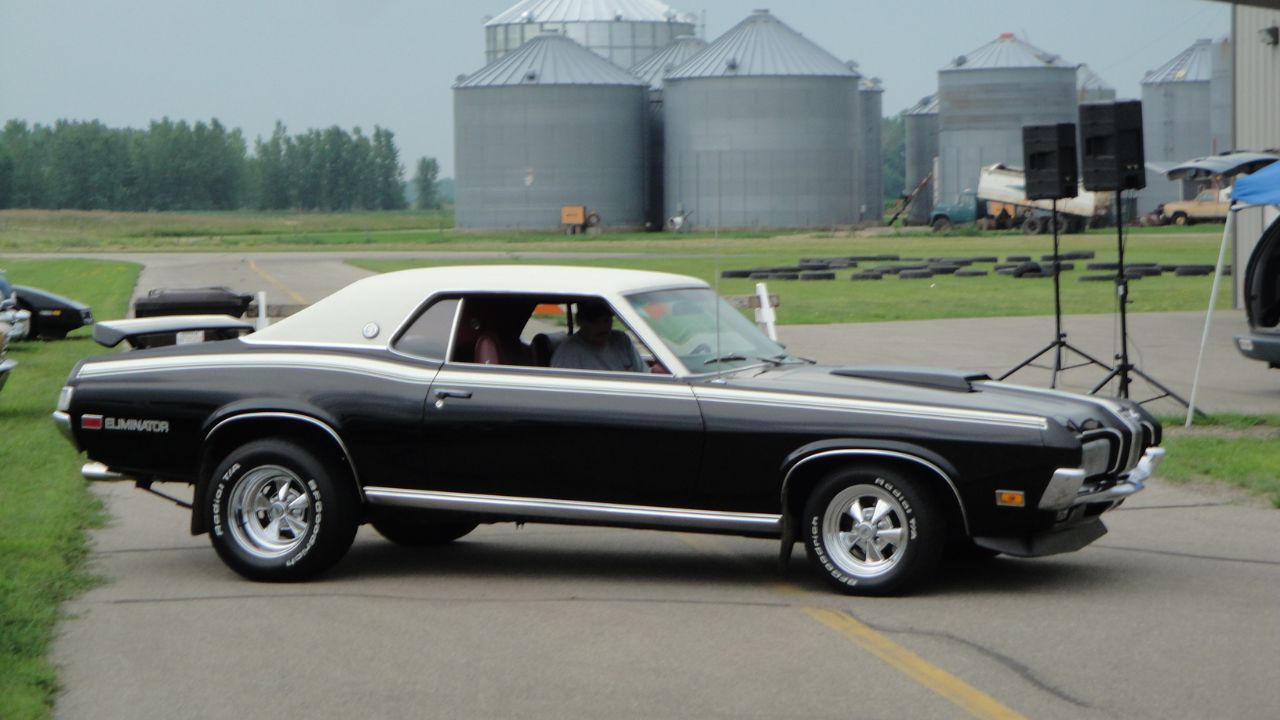
The Mercury Cougar Eliminator, launched in 1969, was designed to be a high-performance version of the Cougar. With engine options like the Boss 302 and the 428 Cobra Jet, the Eliminator offered impressive power and speed. It also featured a distinctive appearance package that included bold graphics and a rear spoiler.
The Cougar Eliminator stood out for its combination of performance and style. It demonstrated that Mercury was capable of producing a muscle car that could compete with the best, offering enthusiasts a unique alternative to more mainstream options.
Chrysler 300 Hurst Edition
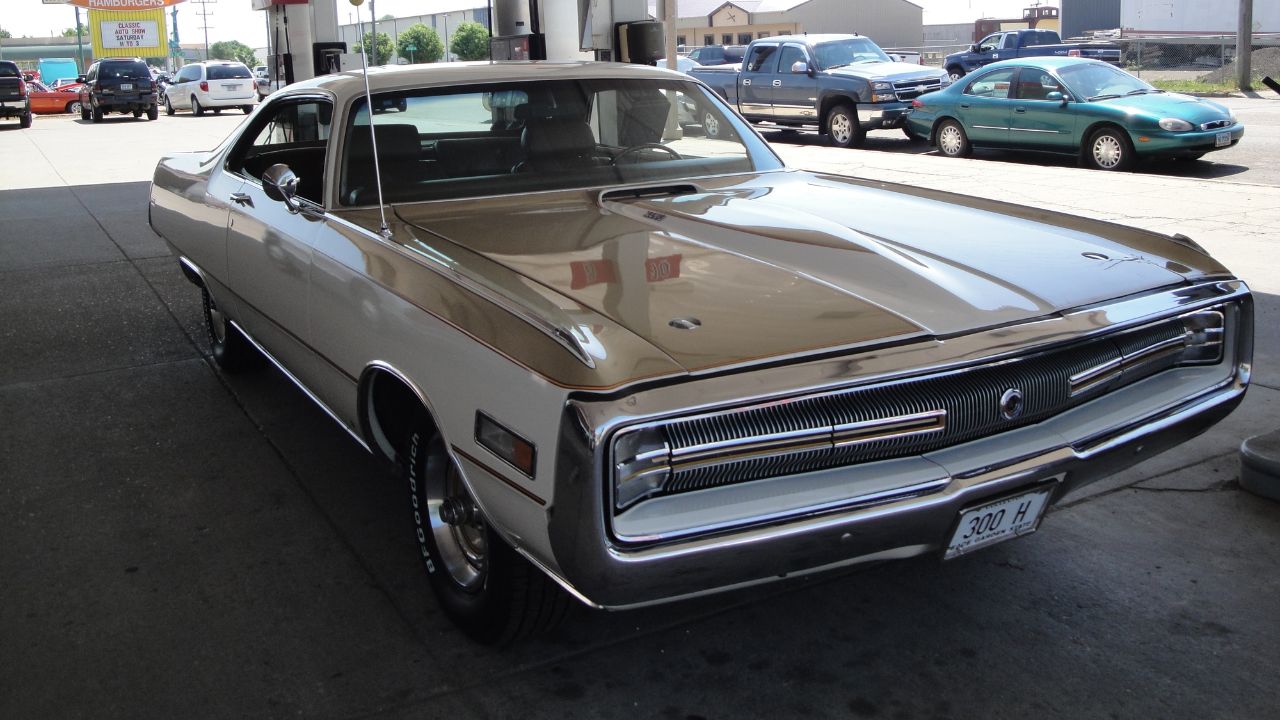
The Chrysler 300 Hurst Edition, introduced in 1970, was a special collaboration between Chrysler and Hurst Performance. It featured a 440 cubic-inch V8 engine capable of producing 375 horsepower. The Hurst Edition included unique styling elements like a fiberglass hood and a special interior with luxurious touches.
This limited-production model showcased Chrysler’s ability to combine luxury with performance. The 300 Hurst Edition was a rare and unique vehicle that captured the imagination of muscle car enthusiasts, offering a glimpse into what high-performance luxury could look like.
Like Fast Lane Only’s content? Be sure to follow us.
Here’s more from us:
*Created with AI assistance and editor review.