In an era dominated by complex technologies and sophisticated designs, there’s a certain charm and reliability in the simplicity of past engineering marvels. The following vehicles exemplify how straightforward design and functionality often trump modern complexities. These iconic models remind us that sometimes, less is indeed more.
Volkswagen Beetle
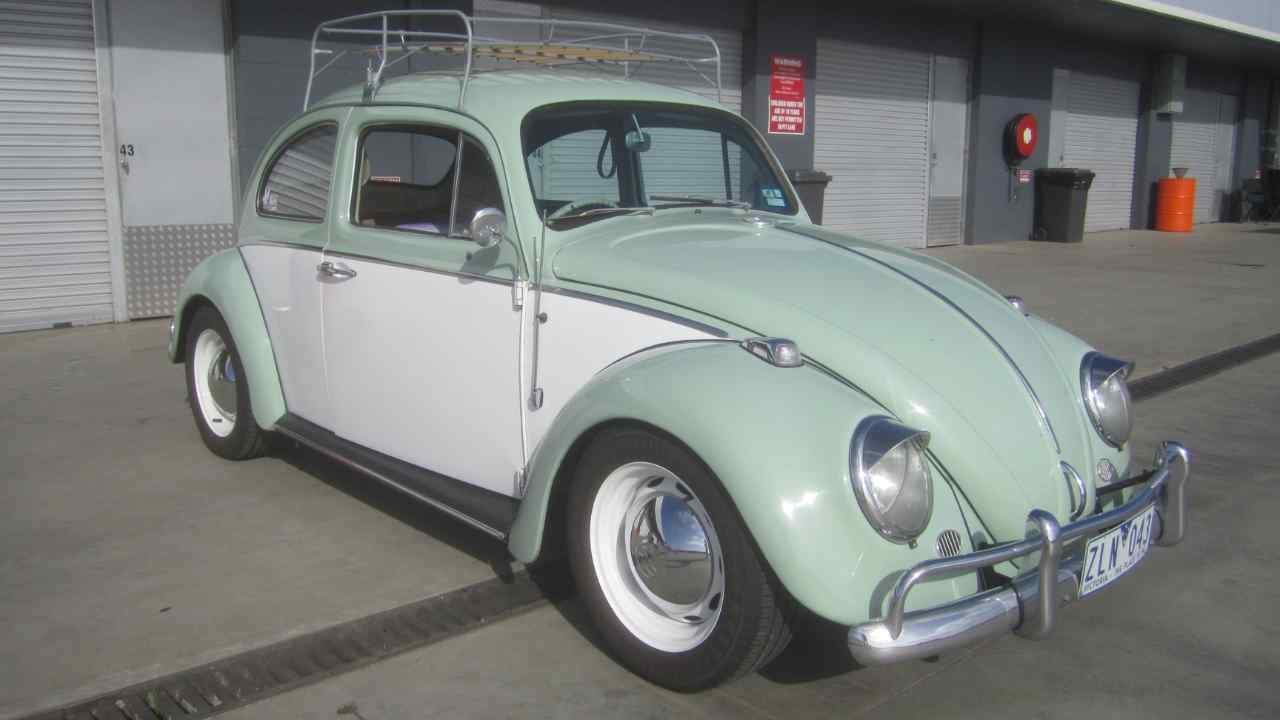
The Volkswagen Beetle, first introduced in 1938, is a testament to the power of simplicity in automotive engineering. With its distinct shape and robust design, the Beetle was designed for the masses, providing a reliable and affordable mode of transportation. Its air-cooled engine and minimalistic approach made it easy to maintain, earning it a reputation for durability.
The Beetle’s legacy is further solidified by its cultural impact and enduring popularity. It remained in production for decades, with over 21 million units sold worldwide. The Beetle’s straightforward engineering continues to inspire nostalgia and admiration among car enthusiasts and collectors alike.
Ford Model T
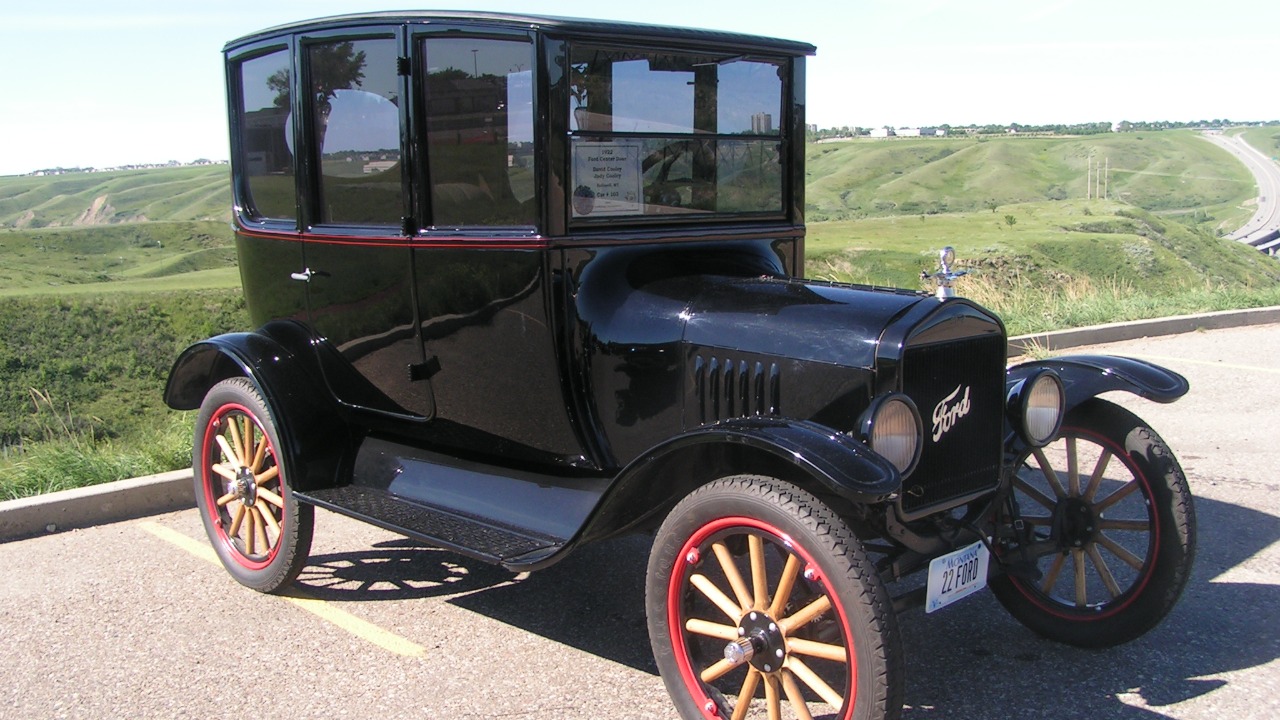
The Ford Model T, affectionately known as the “Tin Lizzie,” revolutionized the automotive industry with its simple yet effective design. Introduced in 1908, it was the first vehicle to be mass-produced on an assembly line, making car ownership accessible to the average American. Its basic construction and interchangeable parts set the standard for future manufacturing practices.
Despite its simplicity, the Model T was incredibly versatile and durable, able to navigate the rough roads of its time. Its impact on society was profound, transforming transportation and paving the way for the modern automobile industry we know today.
Willys Jeep
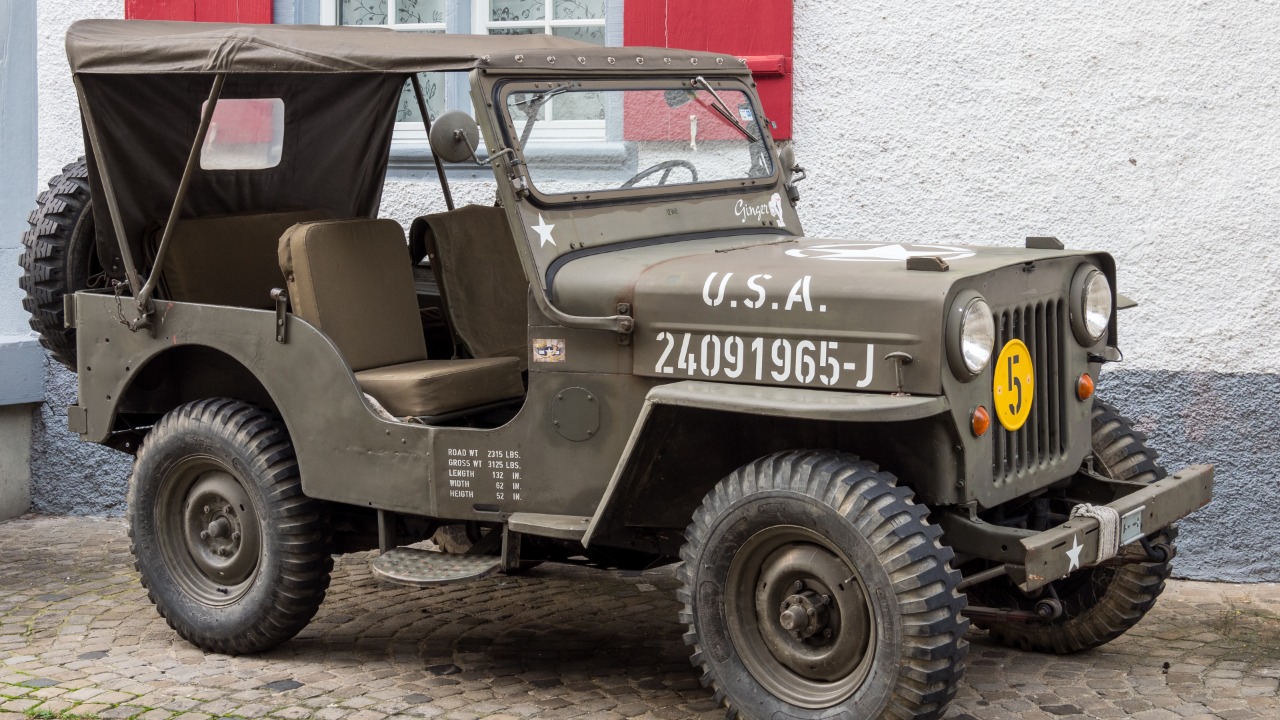
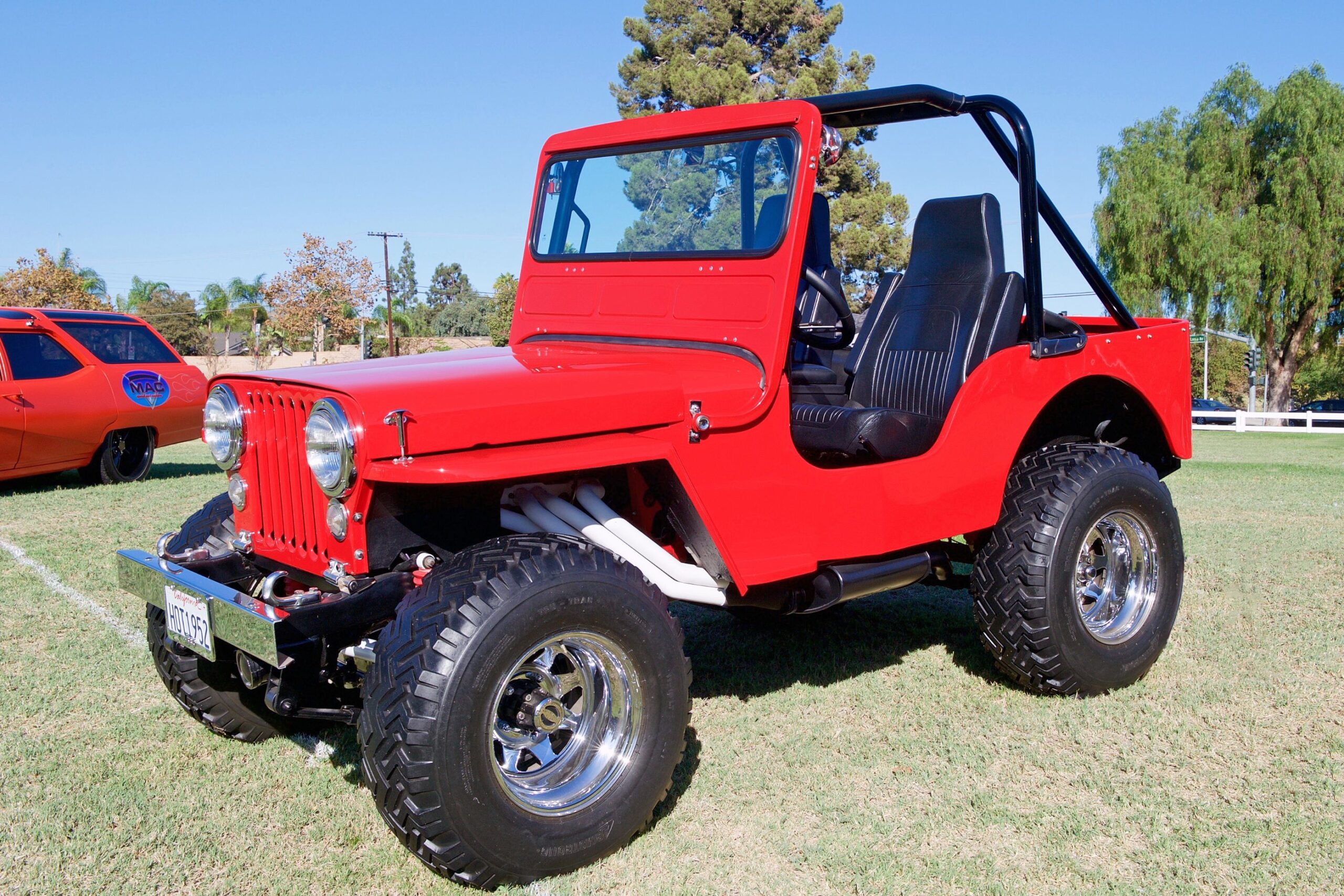
The Willys Jeep, originally designed for military use during World War II, exemplifies rugged simplicity. Known for its off-road capabilities and straightforward mechanics, the Jeep was a reliable workhorse that could tackle any terrain. Its design prioritized functionality and ease of repair, making it a favorite among soldiers and civilians alike.
Post-war, the Jeep transitioned into civilian life, maintaining its iconic status as a symbol of adventure and resilience. Its influence can still be seen in modern SUVs and off-road vehicles, proving that its simple engineering continues to inspire.
Citroën 2CV
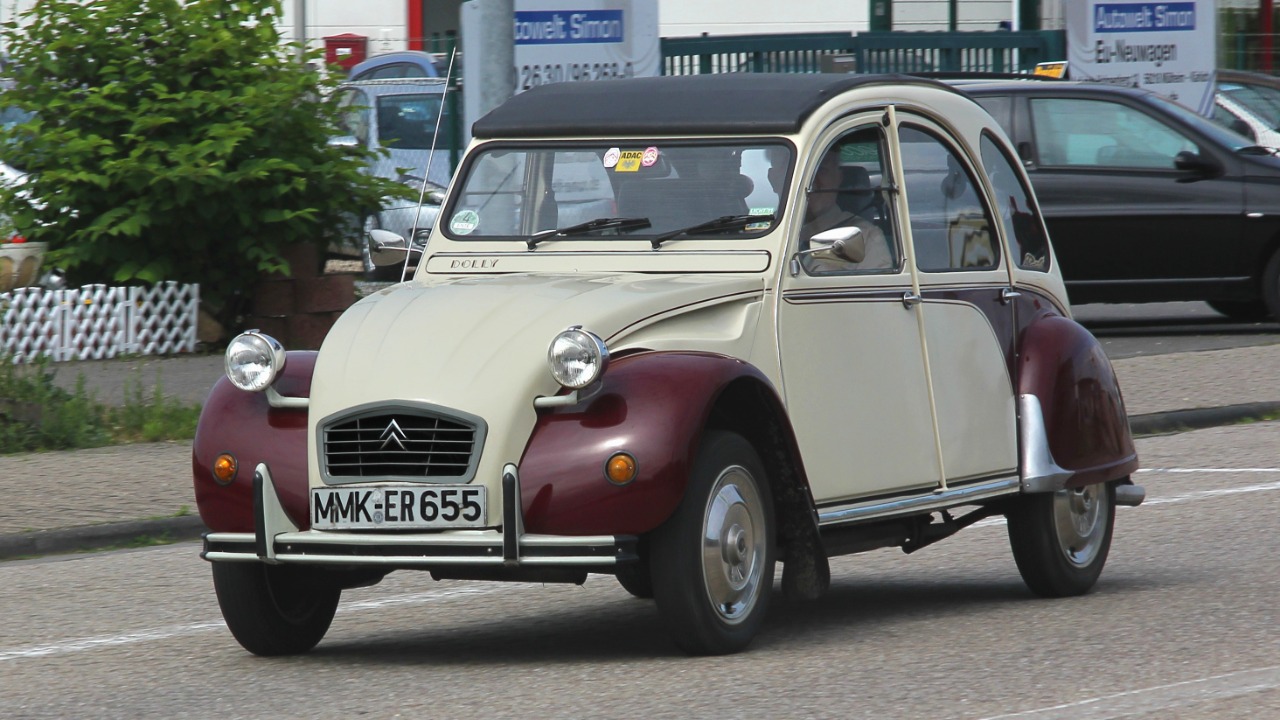
The Citroën 2CV, affectionately known as the “Deux Chevaux,” was designed to provide affordable mobility to rural French farmers. Launched in 1948, its minimalist design and lightweight construction made it economical and easy to maintain. The car’s suspension system was so advanced for its time that it could traverse a plowed field with ease.
Despite its humble beginnings, the 2CV became a beloved icon, celebrated for its quirky design and practicality. It remained in production until 1990, cementing its place in automotive history as a triumph of simple engineering.
Toyota Land Cruiser FJ40
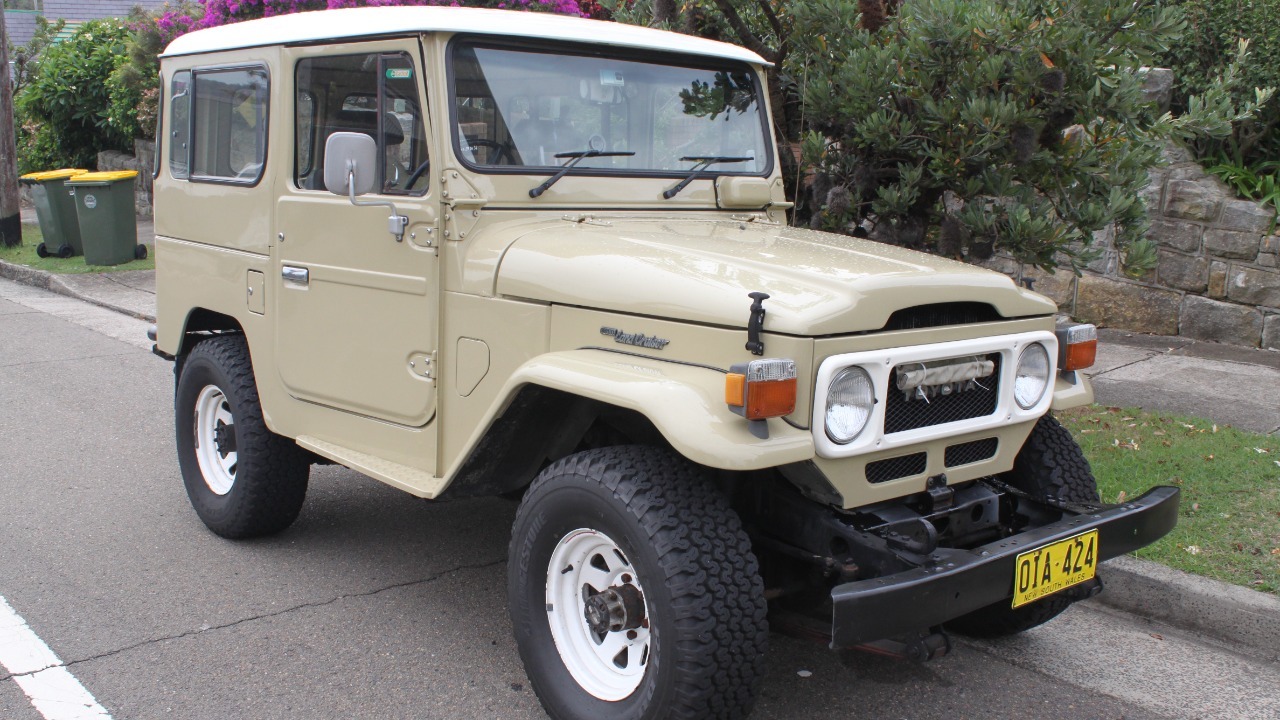
The Toyota Land Cruiser FJ40 is renowned for its durability and off-road prowess. Introduced in the 1960s, it quickly became a favorite for those needing a reliable vehicle in harsh conditions. Its straightforward design and robust construction made it easy to repair, even in remote locations.
The FJ40’s reputation for reliability and ruggedness has made it a sought-after classic among collectors and adventurers. Its legacy continues to influence modern off-road vehicles, showcasing the timeless appeal of simple engineering.
Austin Mini
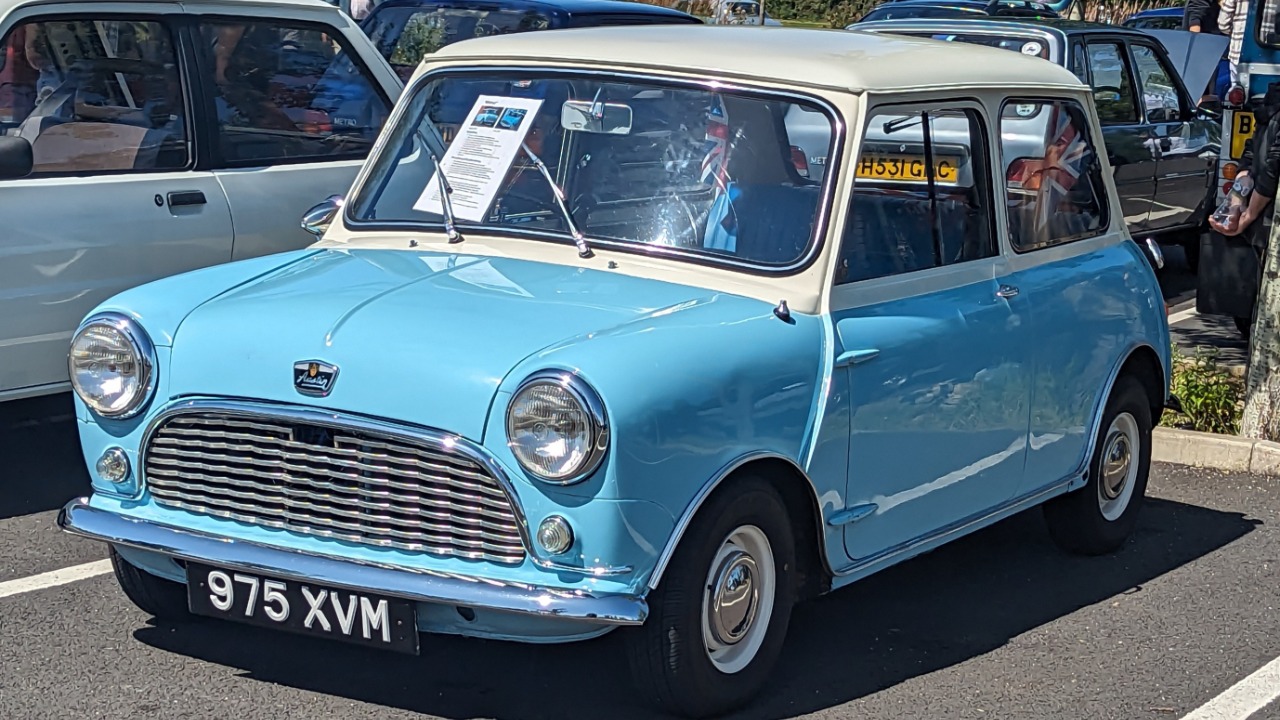
The Austin Mini, launched in 1959, was a groundbreaking vehicle that redefined small car design. Its compact size and front-wheel-drive layout maximized interior space while maintaining a nimble driving experience. The Mini’s simple yet innovative engineering made it a favorite on both city streets and racing circuits.
With its distinctive style and practicality, the Mini became an icon of 1960s British culture. Its influence is still felt today, as modern compact cars owe much to the pioneering design of the original Mini.
Land Rover Series I
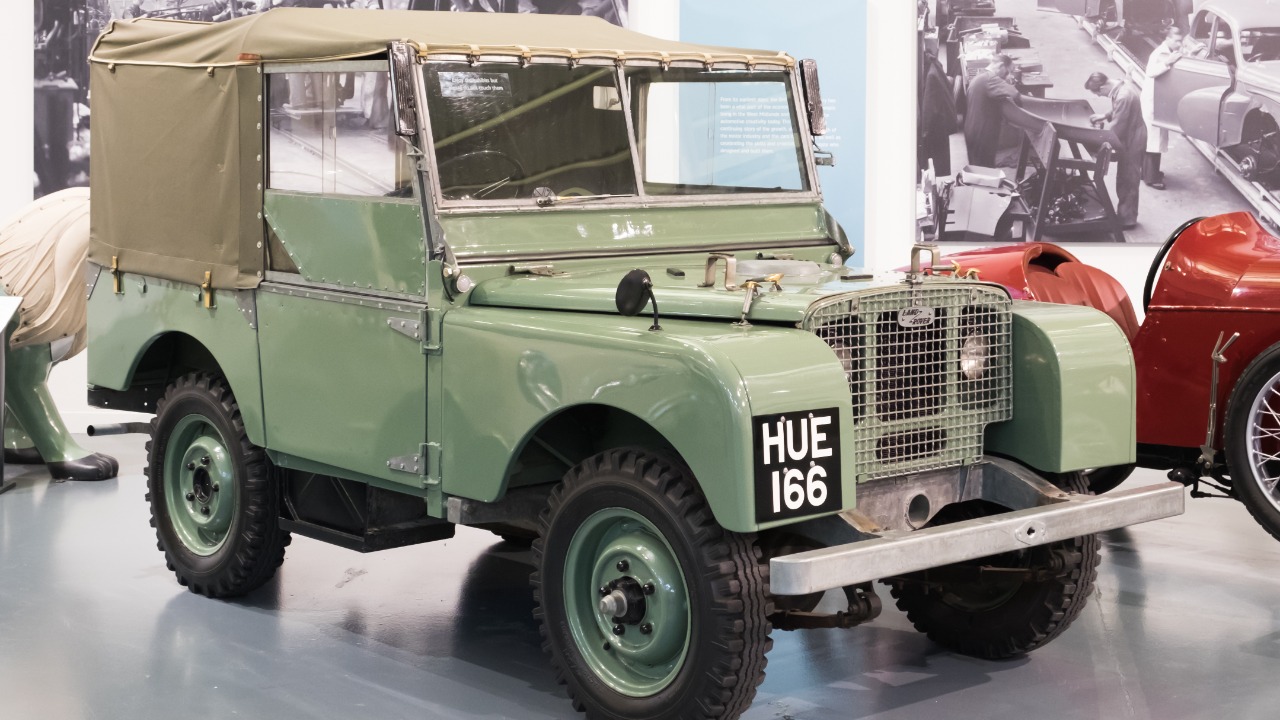
The Land Rover Series I, first produced in 1948, was designed to be a versatile and robust vehicle capable of handling the toughest terrains. Its simple construction and four-wheel-drive system made it ideal for agricultural and military use, establishing its reputation for reliability.
Over the years, the Series I evolved into a global icon, beloved by adventurers and explorers. Its legacy lives on in the modern Land Rover Defender, which continues to be a favorite for those seeking adventure.
Fiat 500
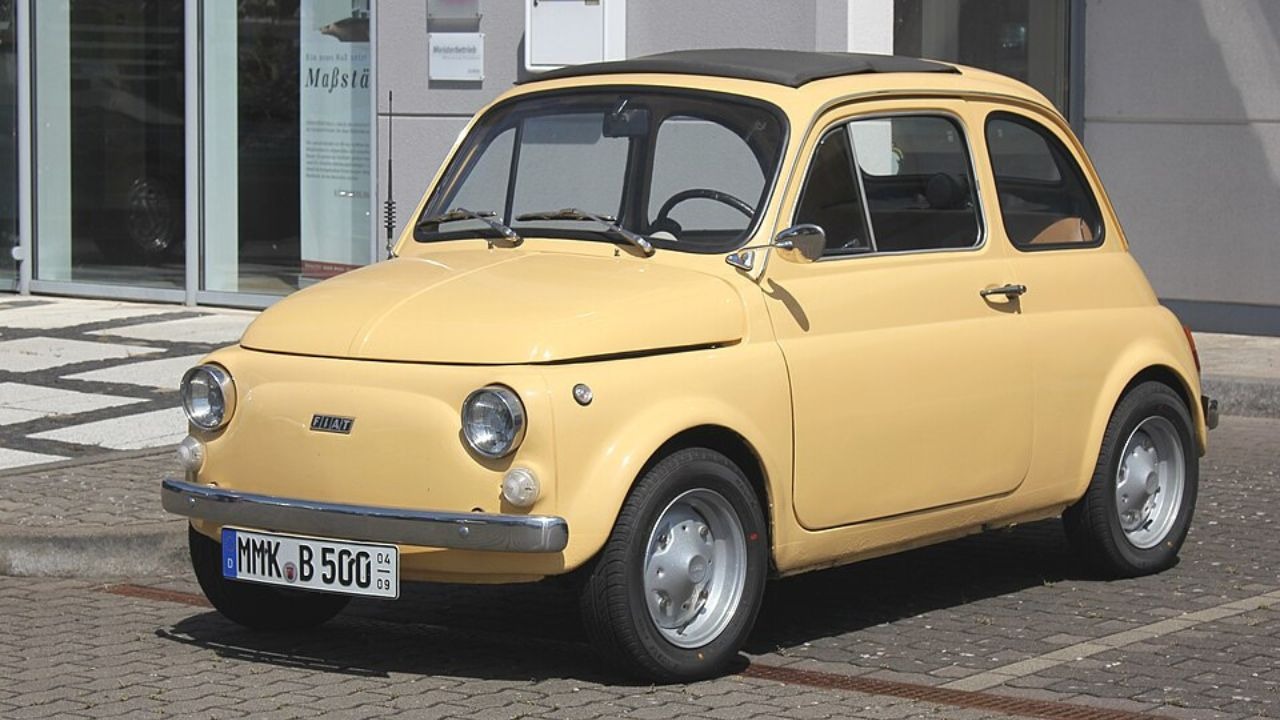
The Fiat 500, introduced in 1957, quickly became a symbol of Italian automotive design. This compact car was designed to be affordable, efficient, and easy to drive, making it perfect for navigating the narrow streets of post-war Italy. Its charming design and straightforward mechanics made it a beloved choice for many.
Despite its small size, the Fiat 500 offered remarkable versatility and practicality. Its enduring popularity led to its revival in the 21st century, proving that its simple yet effective design still resonates with car enthusiasts today.
Mercedes-Benz 300SL Gullwing
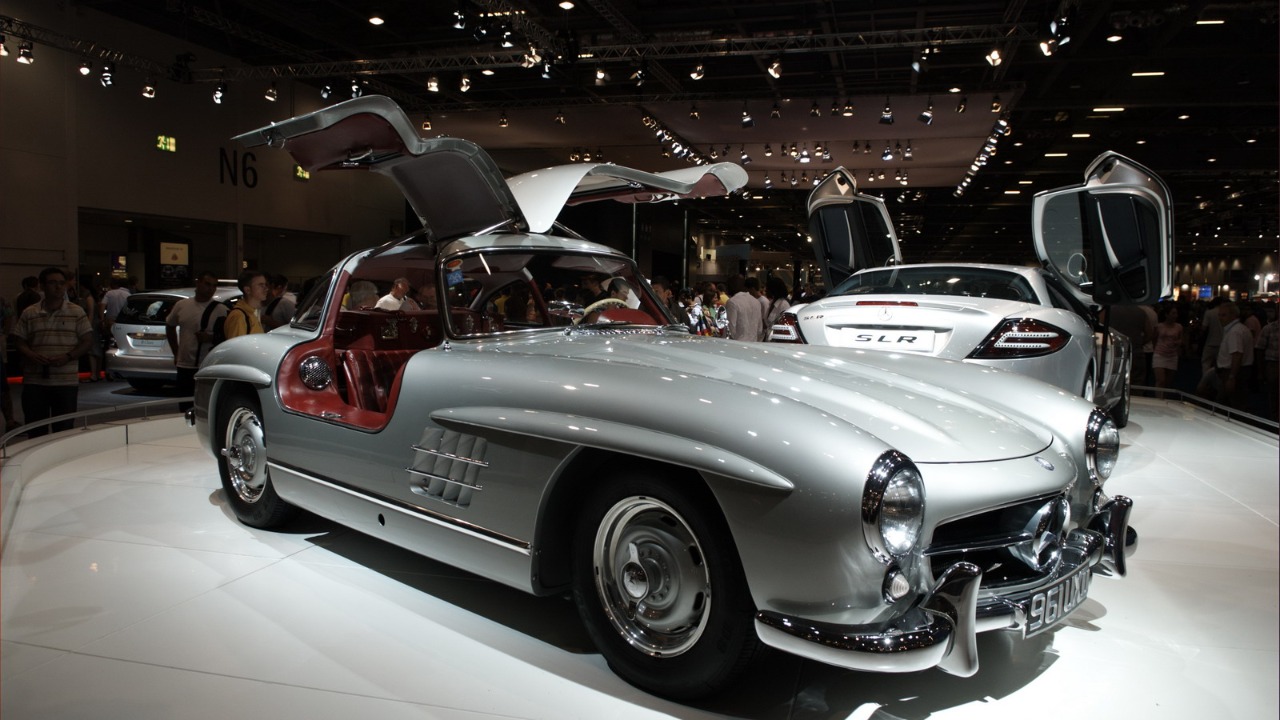
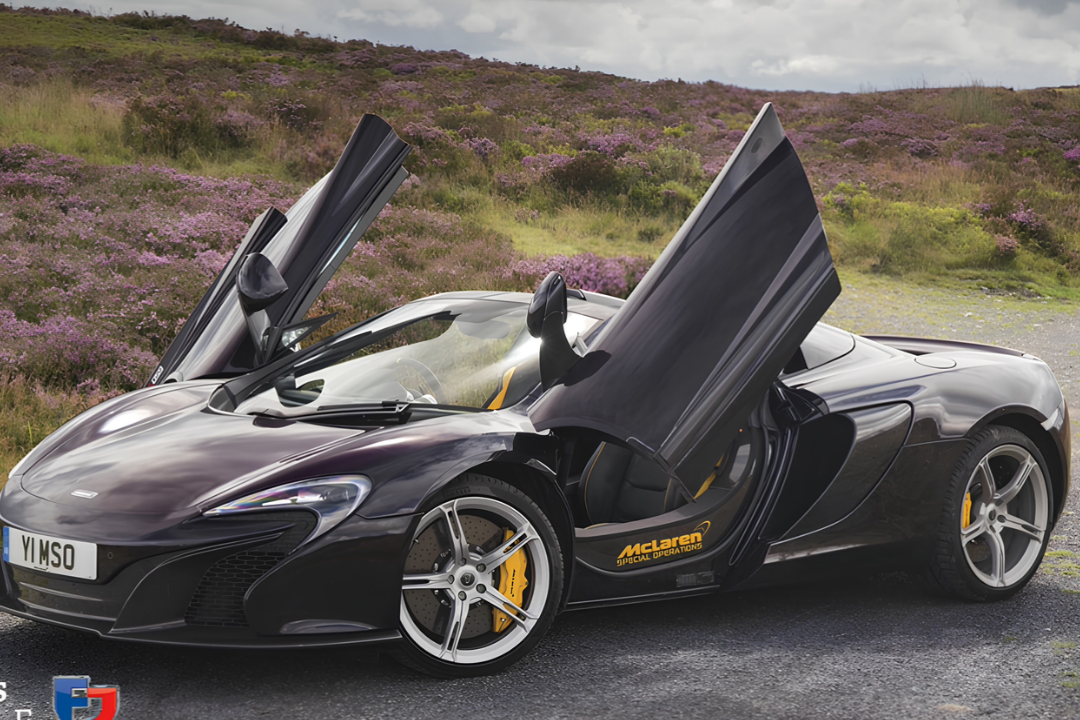
The Mercedes-Benz 300SL Gullwing, launched in 1954, is an exemplar of engineering excellence. Known for its innovative gullwing doors and sleek design, the 300SL was a marvel of its time. Its advanced engineering, including a fuel-injected engine, set new performance standards for sports cars.
While it was sophisticated for its era, the 300SL’s design was rooted in the principles of simplicity and efficiency. Its legacy continues to influence modern sports car design, highlighting the timeless appeal of straightforward engineering.
Honda Super Cub

The Honda Super Cub, first introduced in 1958, revolutionized personal transportation with its simple yet innovative design. This lightweight motorcycle was designed for ease of use, with a step-through frame and automatic clutch that made riding accessible to everyone. Its reliable performance and economical operation contributed to its widespread popularity.
The Super Cub’s enduring success, with over 100 million units sold worldwide, underscores the power of simple engineering. Its influence on the motorcycle industry is undeniable, making it one of the most successful vehicles of all time.
More from Fast Lane Only