NASCAR has undergone a remarkable evolution since its inception, with pivotal moments shaping the trajectory of the sport. From groundbreaking races to significant safety reforms, each event has left an indelible mark on NASCAR’s culture and operations. Here are ten moments that not only defined the sport but also altered its course dramatically.
The Birth of the NASCAR Cup Series (1949)
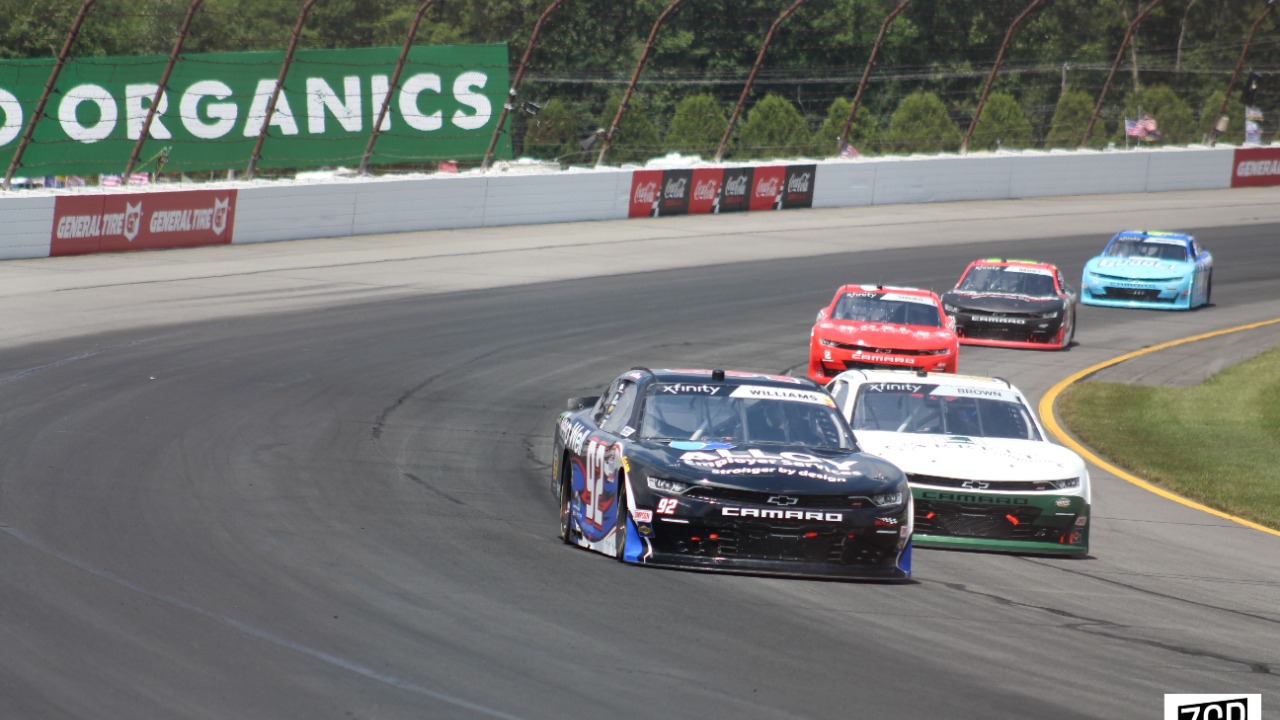
The establishment of the NASCAR Cup Series in 1949 marked the dawn of stock car racing as we know it today. Founded by Bill France Sr., NASCAR aimed to create a structured framework for racing enthusiasts. The inaugural race took place in Daytona Beach, Florida, and featured a modest field of 15 cars. The victory by Jim Roper in a Lincoln Continental set a precedent for competitive racing that would evolve over the ensuing decades. The series quickly gained traction, and by the 1950s, it had transformed into a national sensation, capturing the hearts of fans across the United States. This foundational moment paved the way for the rich history and culture that surrounds NASCAR today.
The First Daytona 500 (1959)
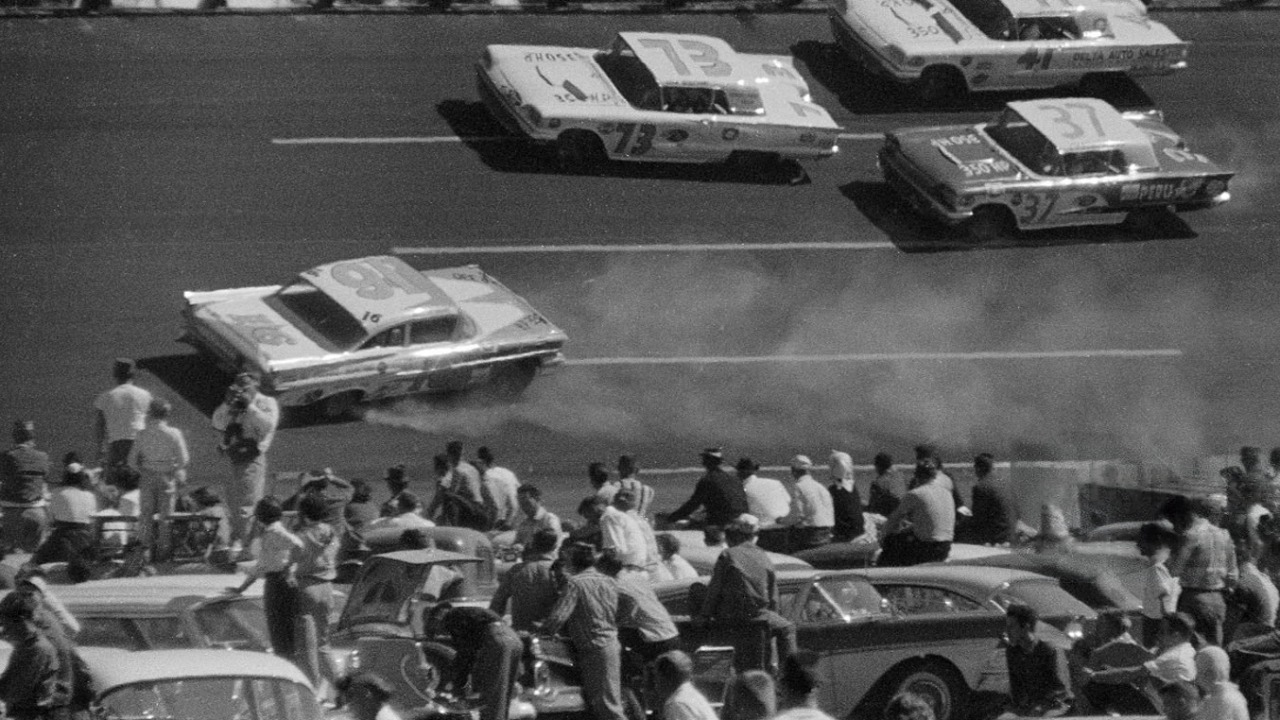
The first Daytona 500, held on February 22, 1959, is often referred to as the “Great American Race” and is one of the most significant events in NASCAR history. This inaugural event at the newly constructed Daytona International Speedway featured a thrilling finish where Lee Petty edged out Johnny Beauchamp in a photo finish that remains iconic. The race attracted an estimated 41,000 fans, showcasing the potential for stock car racing as a major spectator sport. The Daytona 500 has since become the crown jewel of the NASCAR schedule, capturing the attention of millions and solidifying its importance within the motorsports community. This race transformed Daytona into a racing capital and set a precedent for future events.
The Introduction of the Restrictor Plate (1988)
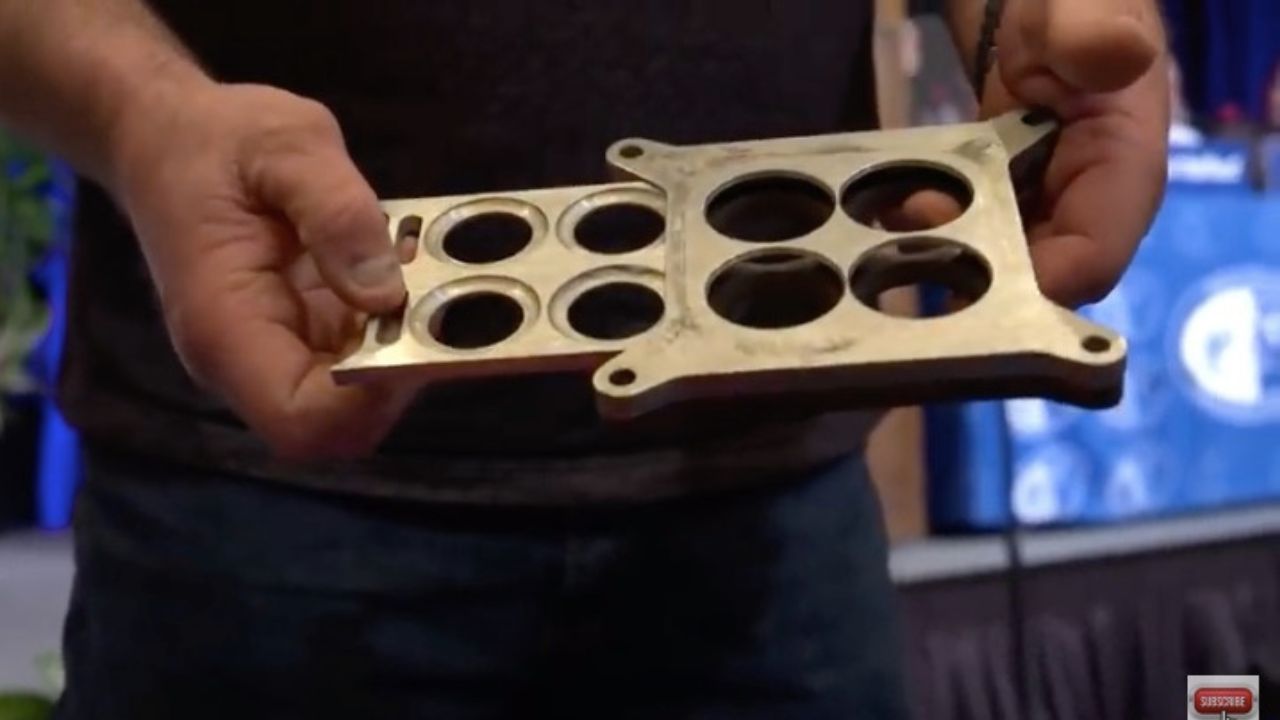
In 1988, NASCAR introduced the restrictor plate as a response to safety concerns and competitive balance. The plate reduces the airflow to the engine, limiting horsepower and consequently slowing down the cars. This change was primarily implemented at superspeedways like Daytona and Talladega, where high speeds had led to dangerous crashes. The most notable instance was the 1987 Talladega race, which saw multiple cars reach speeds exceeding 200 mph. The restrictor plate helped create more competitive racing by allowing for closer pack racing and increased overtaking opportunities. While some drivers and fans initially resisted this change, it ultimately contributed to thrilling races and improved safety, reshaping the racing landscape.
Dale Earnhardt’s Fatal Crash (2001)
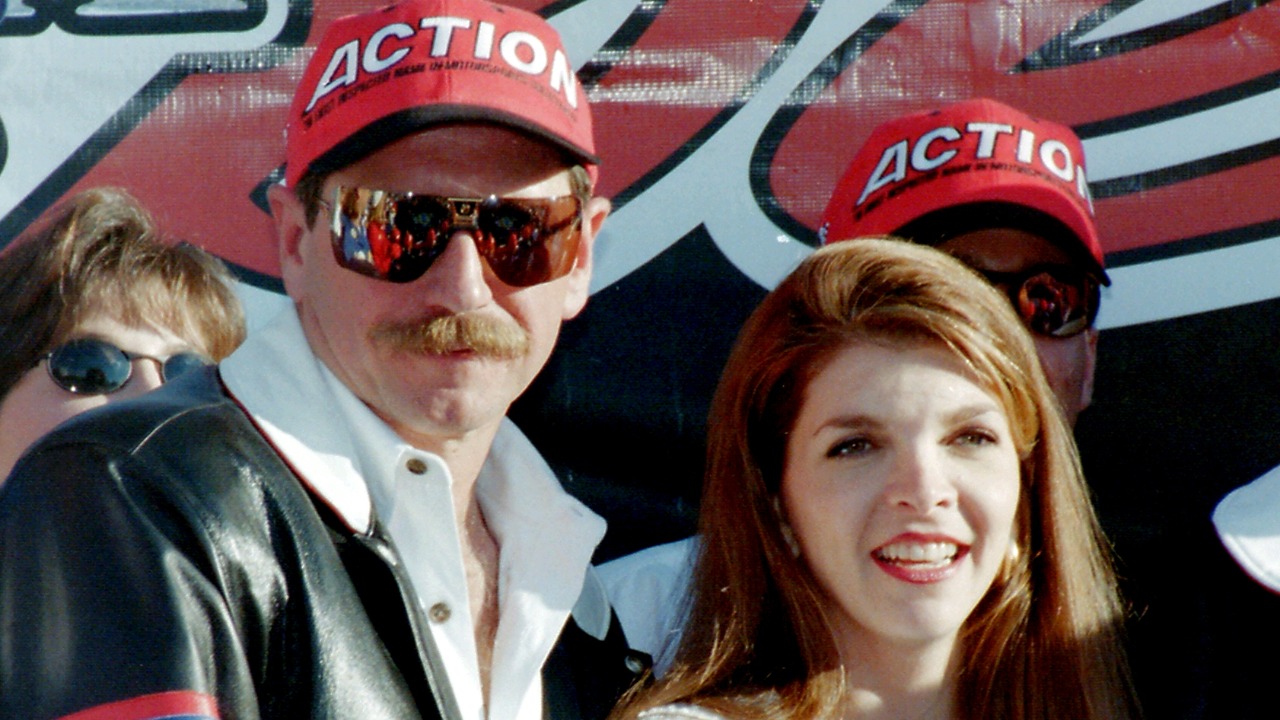
The tragic death of Dale Earnhardt during the final lap of the 2001 Daytona 500 sent shockwaves through the NASCAR community. As one of the sport’s most iconic figures, Earnhardt’s passing highlighted the critical need for enhanced safety measures in racing. His crash, caused by a collision with the wall, led to the implementation of the HANS device (Head and Neck Support) and other safety innovations in car design. In the years following his death, NASCAR focused on improving driver safety, introducing changes such as SAFER barriers and stricter crash testing protocols. Earnhardt’s legacy lives on, emphasizing the importance of safety in a sport that thrives on speed and competition.
The Implementation of the Chase Format (2004)
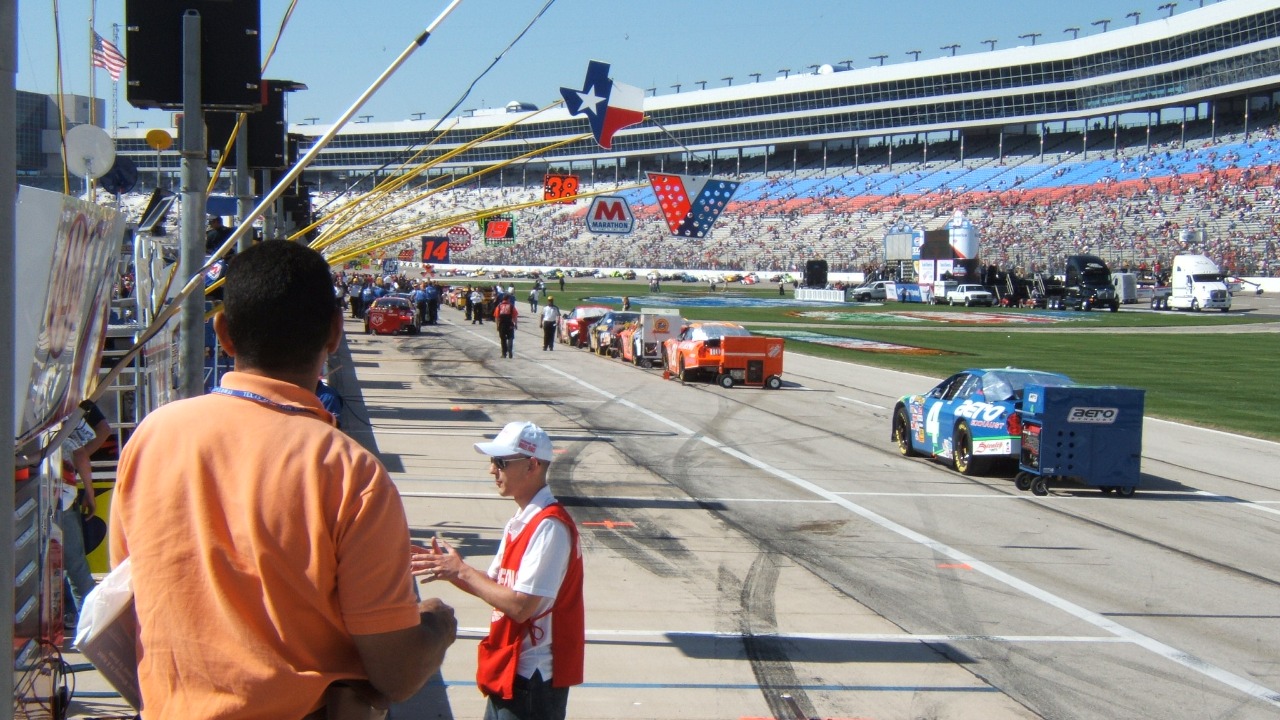
In 2004, NASCAR introduced the Chase for the Nextel Cup, a playoff system that fundamentally changed the way championships were decided. The format aimed to heighten excitement and engagement among fans by creating a more structured and competitive finale to the season. Under this system, the top ten drivers, along with two wildcard qualifiers, competed over ten races for the championship. The Chase added a layer of drama and strategy, leading to memorable moments that captivated audiences. While the format has undergone several revisions since its inception, it undeniably shifted the focus of the NASCAR season and enhanced fan interest, making the sport more dynamic and competitive.
The Rise of the Car of Tomorrow (2007)
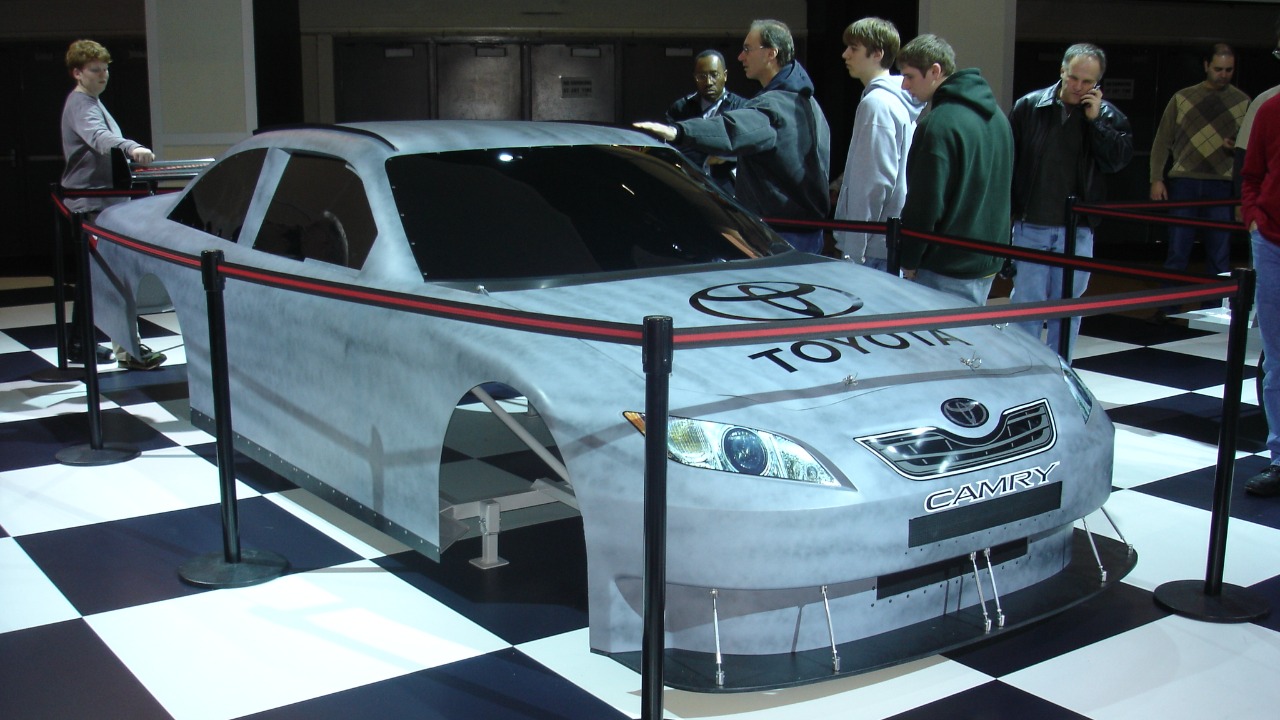
The introduction of the Car of Tomorrow (COT) in 2007 represented a significant shift in NASCAR’s approach to vehicle design and safety. The COT was developed to improve driver safety, reduce costs, and enhance competition. With its larger dimensions and improved aerodynamics, the car aimed to create better racing and minimize the risks associated with high-speed crashes. The first race featuring the COT took place at Bristol Motor Speedway, and while it faced some backlash from drivers and fans, it ultimately set a new standard for safety and performance. The COT’s introduction marked a pivotal moment in NASCAR’s evolution, influencing subsequent car designs and safety measures in the sport.
The First Nationwide Series Race at Road America (2010)
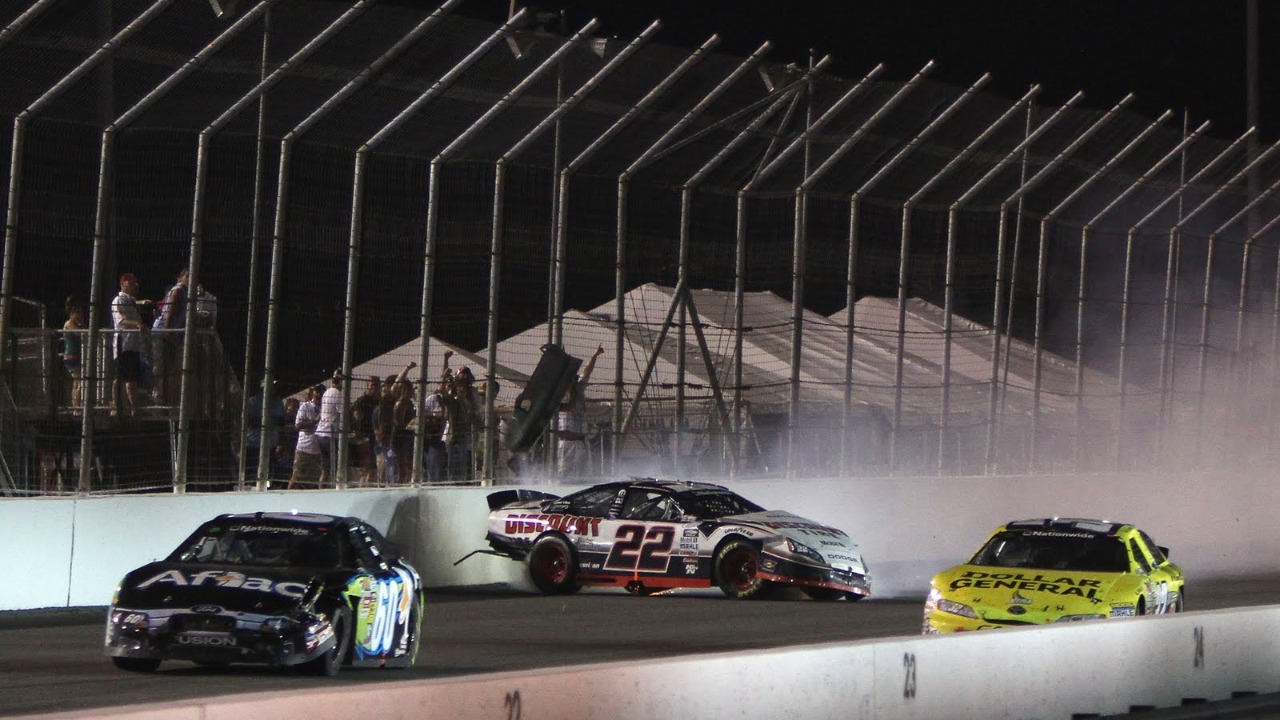
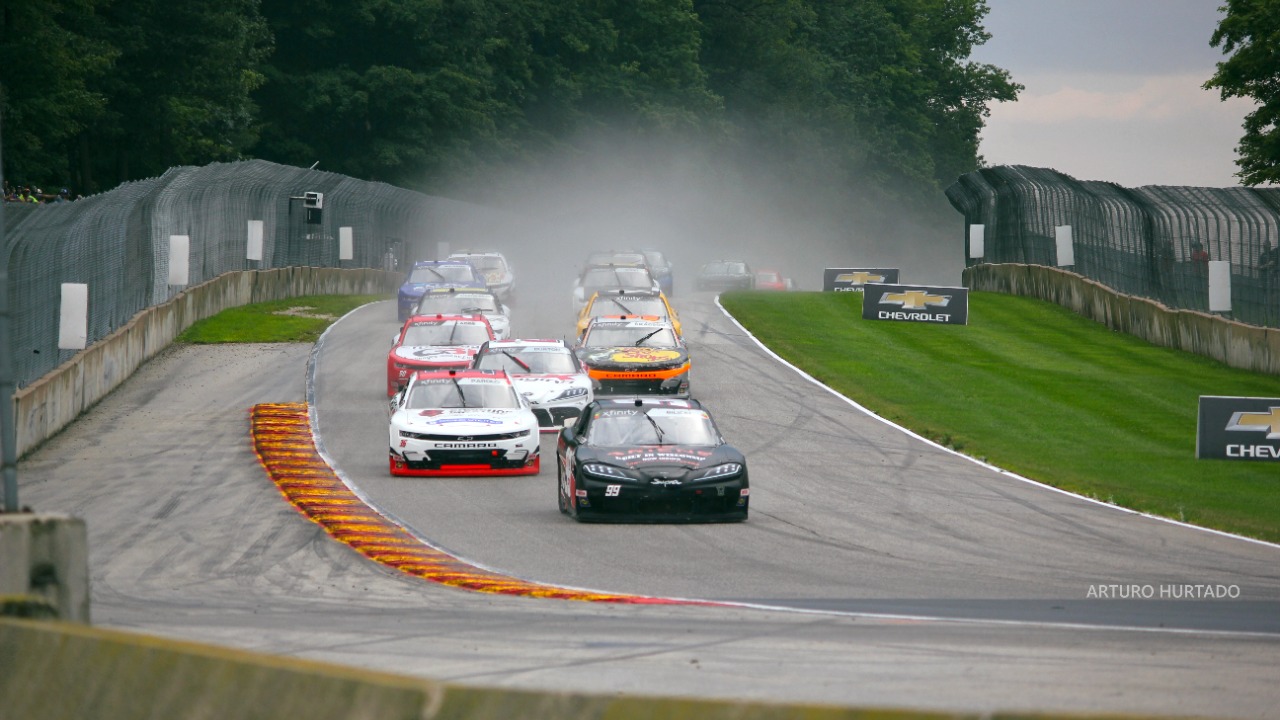
The inaugural NASCAR Nationwide Series race at Road America in 2010 opened new avenues for stock car racing, particularly in road course events. Previously, NASCAR primarily focused on ovals, and this race marked a significant shift in the series’ approach to diverse racing formats. The event attracted a large crowd, and the thrilling performance by drivers showcased the adaptability of stock cars on road courses. The success of this race led to a reevaluation of the NASCAR schedule, ultimately resulting in more road course events being added to the calendar. This moment highlighted NASCAR’s willingness to evolve and embrace different racing styles, enhancing the sport’s appeal to a broader audience.
The Launch of iRacing and Virtual Racing (2011)
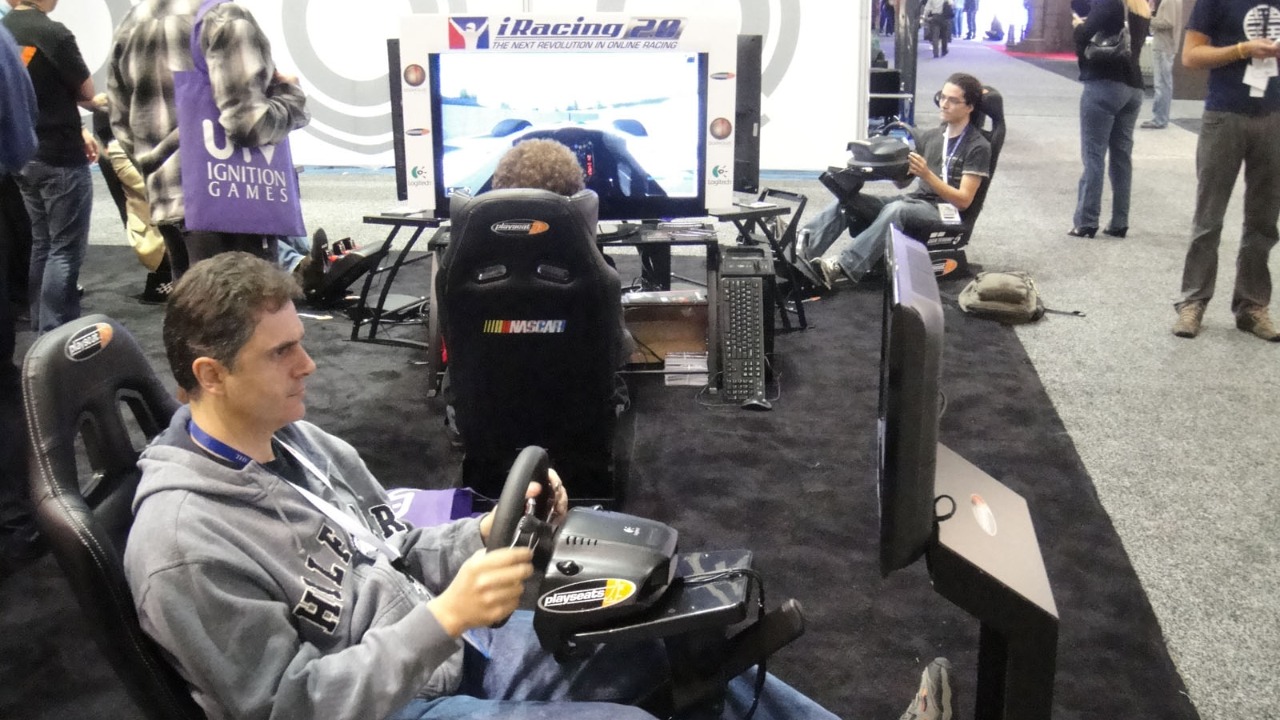
The launch of iRacing in 2008, which gained traction in 2011, revolutionized the way fans and drivers engaged with NASCAR. This online racing simulation platform allowed users to compete in realistic racing scenarios, fostering a new generation of racing enthusiasts. The rise of eSports, particularly during the COVID-19 pandemic, showcased how virtual racing could maintain fan engagement when traditional racing was halted. Notably, NASCAR held the eNASCAR iRacing Pro Series during this time, drawing significant viewership and demonstrating the potential of virtual racing. iRacing has since become an essential training tool for drivers and a popular platform for fans, enhancing the sport’s visibility and accessibility.
The Shift to a New Engine Package (2019)
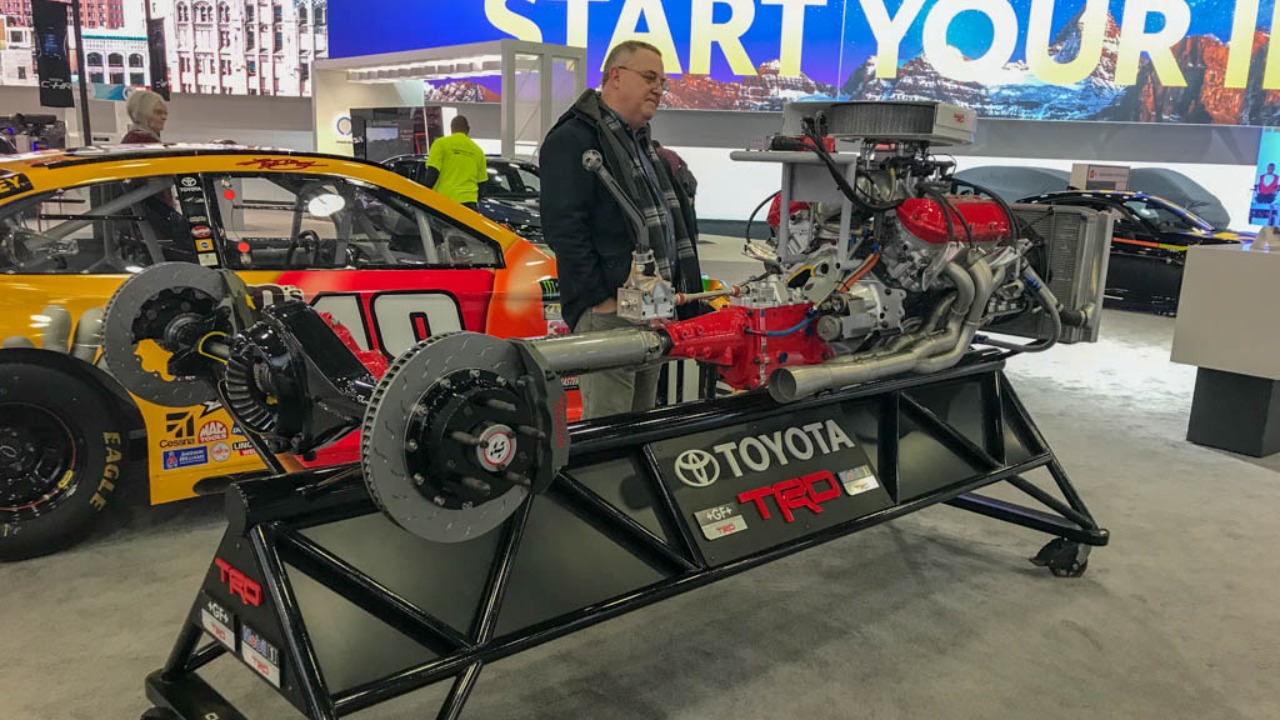
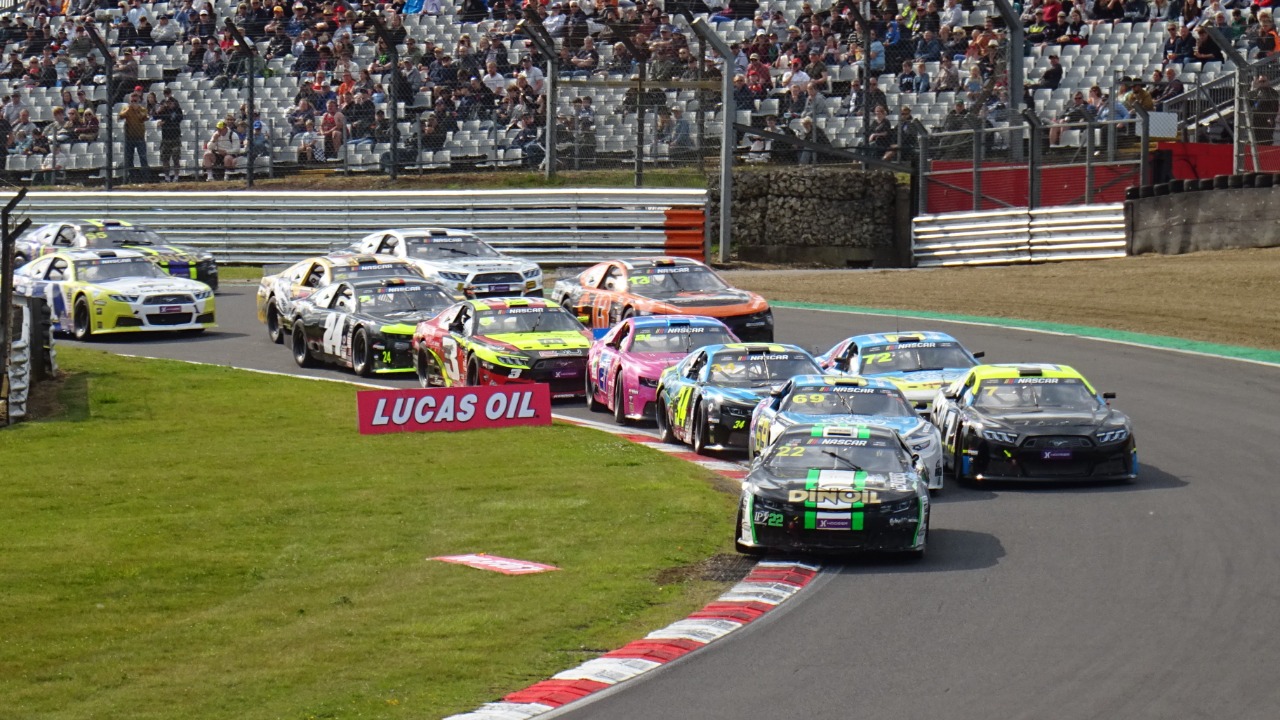
In 2019, NASCAR made a pivotal shift to a new engine package aimed at enhancing competition and increasing excitement during races. This package included a smaller tapered spacer, which reduced horsepower while promoting closer racing and better handling. The change aimed to create more parity among teams and reduce the dominance of specific manufacturers. The impact was immediate, with thrilling finishes and increased overtaking opportunities throughout the season. This strategic move not only revitalized the racing experience for fans but also attracted new viewers, demonstrating NASCAR’s commitment to innovation and adaptation in a rapidly changing motorsports landscape.
The Impact of the COVID-19 Pandemic on Racing (2020)
The COVID-19 pandemic brought unprecedented challenges to the NASCAR schedule in 2020, forcing the sport to adapt quickly. Races were postponed, and when they resumed, NASCAR implemented strict health protocols, including limited fan attendance. The sport also turned to virtual racing, with events like the eNASCAR iRacing Pro Series becoming a significant part of the racing landscape during lockdown. NASCAR’s ability to pivot and engage fans remotely showcased its resilience, while the return of live racing, complete with safety measures, reignited enthusiasm among fans. The pandemic ultimately highlighted the sport’s adaptability and the importance of community, setting the stage for a new era in NASCAR.
More from Fast Lane Only
- Unboxing the WWII Jeep in a Crate
- 15 rare Chevys collectors are quietly buying
- 10 underrated V8s still worth hunting down
- Police notice this before you even roll window down
*Research for this article included AI assistance, with all final content reviewed by human editors.