Pickup trucks are a staple on American roads, prized for their power and utility. However, as automotive technology advances, these vehicles have grown significantly in size. This trend has sparked debates about practicality, safety, and environmental impact. Here are ten pickup trucks that exemplify this growth, raising questions about whether bigger is always better.
Ford F-250 Super Duty

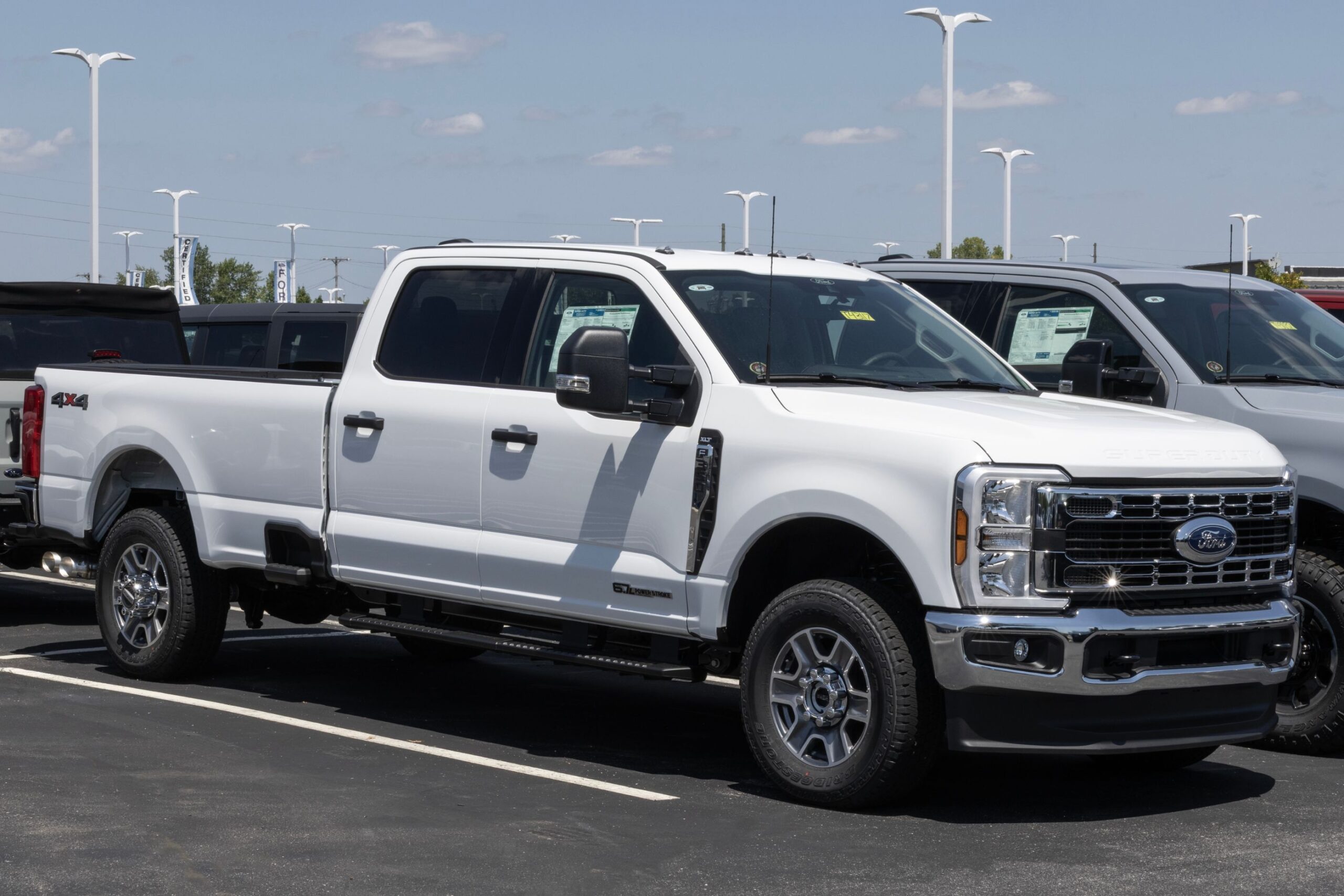
The Ford F-250 Super Duty is a robust workhorse that has seen considerable growth over the years. The 2023 model sports a massive frame that exceeds 250 inches in length, making it a formidable presence on the road. While this size contributes to its towing capabilities, it also makes navigating tight urban spaces a challenge for drivers. As a result, some critics argue that the F-250 has become too large for practical everyday use.
Despite its size, the F-250 remains popular due to its powerful engines and advanced technology. However, its sheer bulk raises concerns about regulations on vehicle dimensions and their impact on road safety and congestion.
Chevrolet Silverado 2500HD
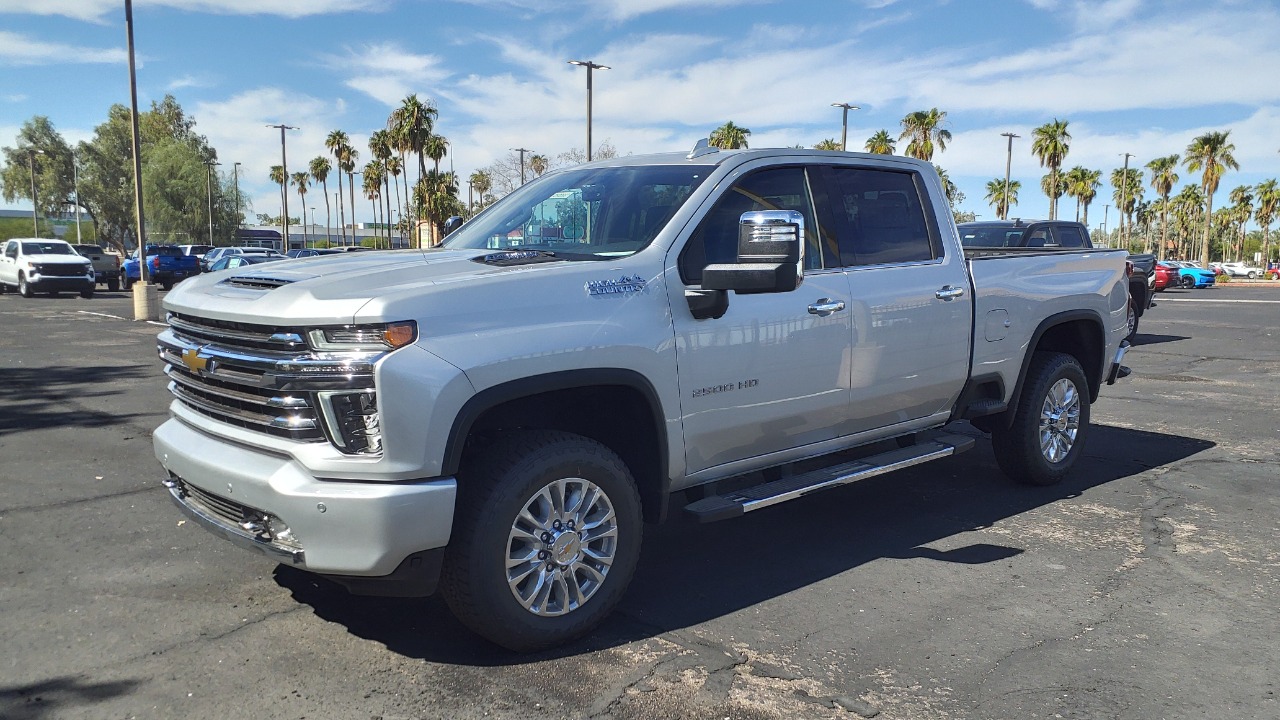
The Chevrolet Silverado 2500HD is another example of a pickup truck that has expanded significantly over the years. Known for its durability and performance, the 2500HD has grown into a giant on wheels. Its large size accommodates a spacious interior and a high payload capacity, but it also contributes to increased fuel consumption and environmental concerns.
The 2023 Silverado 2500HD comes with a range of powerful engine options, enhancing its appeal to truck enthusiasts. However, it also underscores the ongoing debate about the necessity of such large vehicles. As cities grow more congested, the practicality of driving such massive trucks is increasingly called into question.
RAM 2500
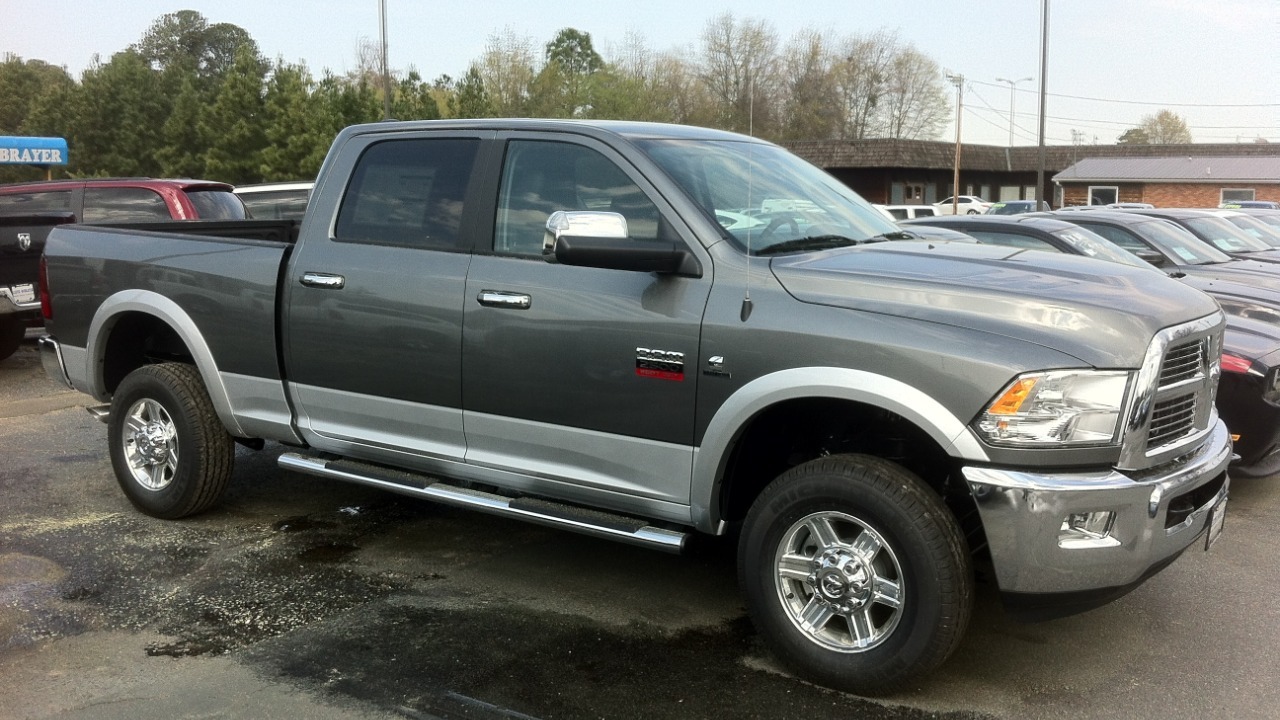
The RAM 2500 offers impressive power and capability, but its size has ballooned over the years. The current models are known for their luxurious interiors and cutting-edge technology, yet their dimensions can pose challenges in urban settings. This growth in size is partially driven by demands for increased towing capacity and passenger comfort.
While the RAM 2500 is celebrated for its performance, some drivers find its size cumbersome for daily use. As pickups continue to evolve, manufacturers like RAM face the challenge of balancing power with practicality and sustainability.
GMC Sierra 2500HD
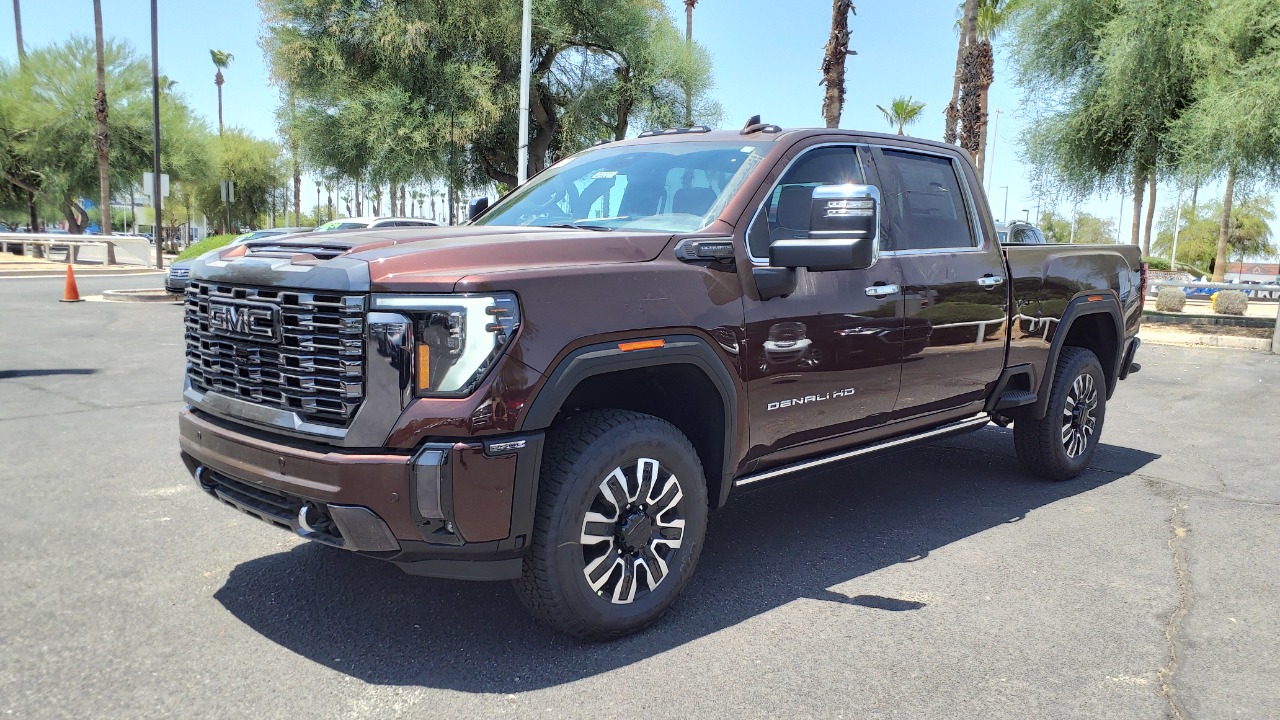
The GMC Sierra 2500HD is a powerful, heavy-duty truck that has become synonymous with strength and reliability. However, with a length that can stretch beyond 250 inches, its size is a double-edged sword. While it offers ample cargo space and towing capabilities, maneuvering such a large vehicle can be daunting.
The Sierra 2500HD’s growth reflects broader trends in the truck market, where size often correlates with perceived capability. Yet, as consumers become more aware of environmental impacts, there is growing interest in more sustainable vehicle options.
Nissan Titan XD
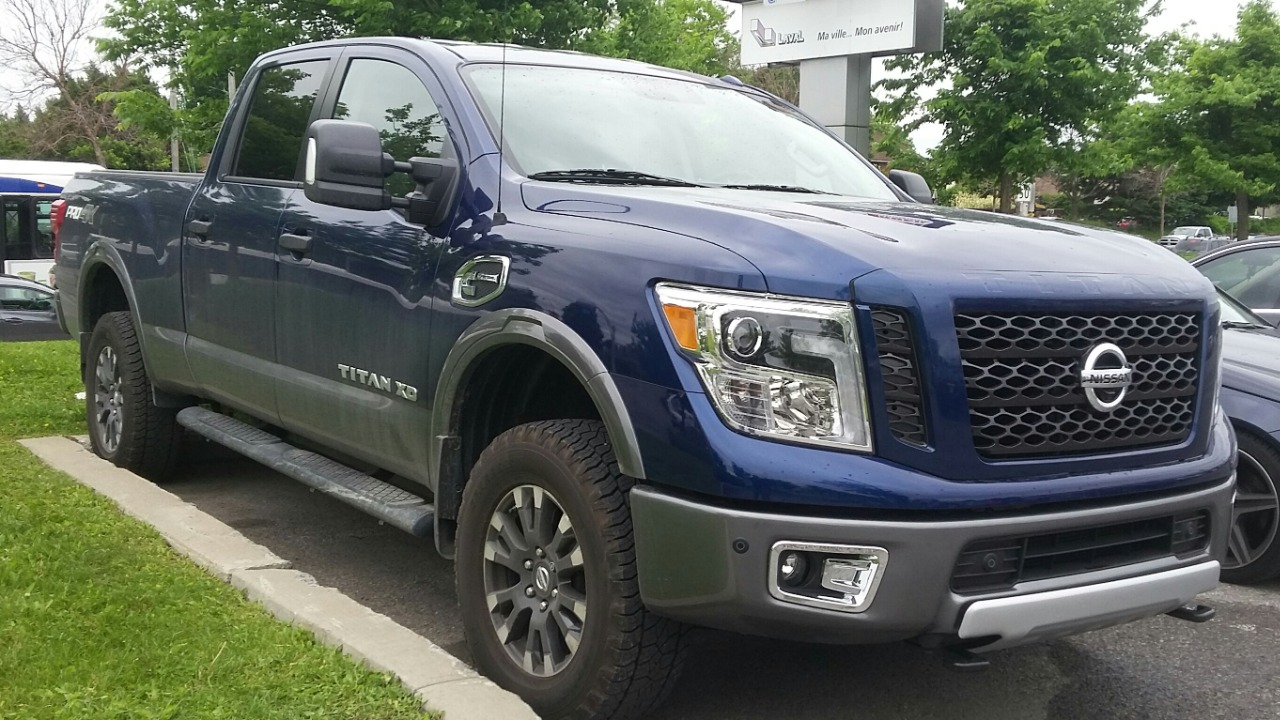
The Nissan Titan XD occupies a unique niche between light-duty and heavy-duty trucks, but its size has grown considerably. With its large frame and powerful engine options, the Titan XD offers substantial towing capacity. However, this comes at the cost of reduced fuel efficiency and increased emissions.
For drivers who need a truck with heavy-duty capabilities but aren’t ready for a full-size pickup, the Titan XD is an attractive option. Nonetheless, its dimensions and environmental impact raise questions about the future of truck design and sustainability.
Toyota Tundra
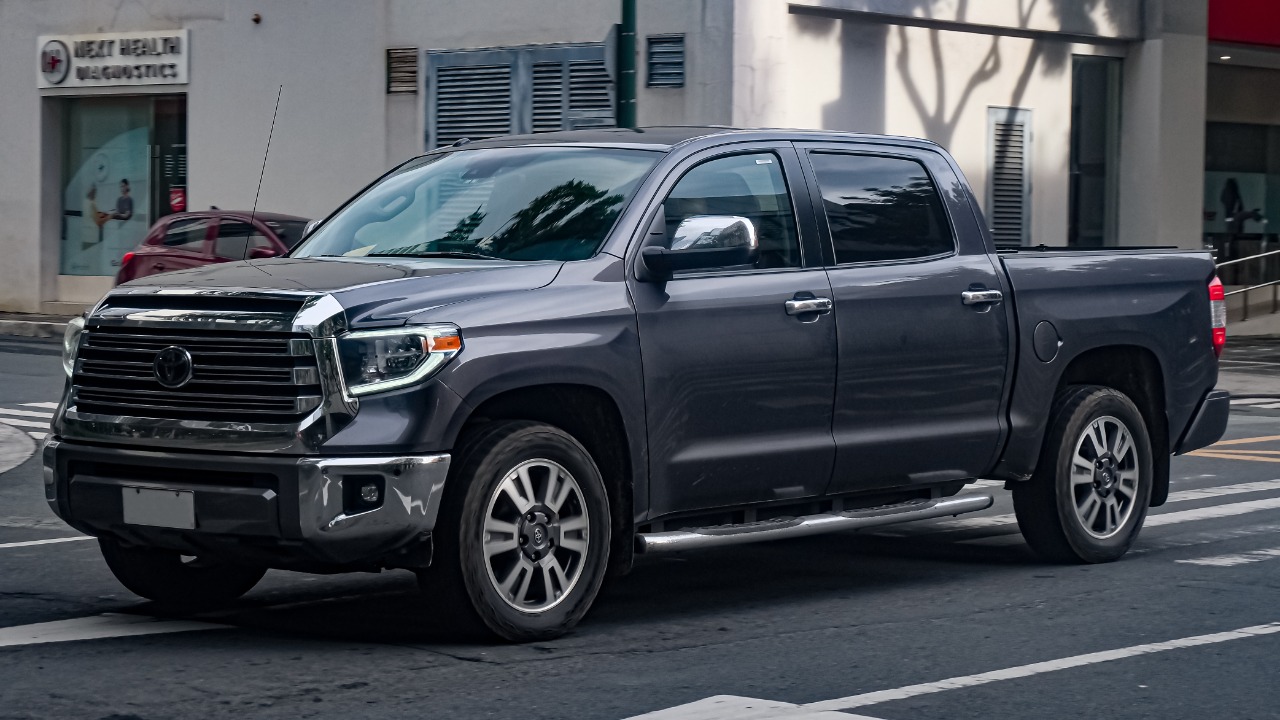
The Toyota Tundra has long been a favorite among pickup enthusiasts, known for its reliability and off-road prowess. Over the years, the Tundra has grown in size, with the 2023 model featuring a broader stance and longer wheelbase. This growth enhances its comfort and cargo space but also contributes to its bulky presence on the road.
As consumer preferences shift, the Tundra’s size may become a point of contention. With increasing focus on sustainability and efficiency, Toyota faces the challenge of balancing traditional truck capabilities with modern demands for smaller, more eco-friendly vehicles.
Ford F-350 Super Duty
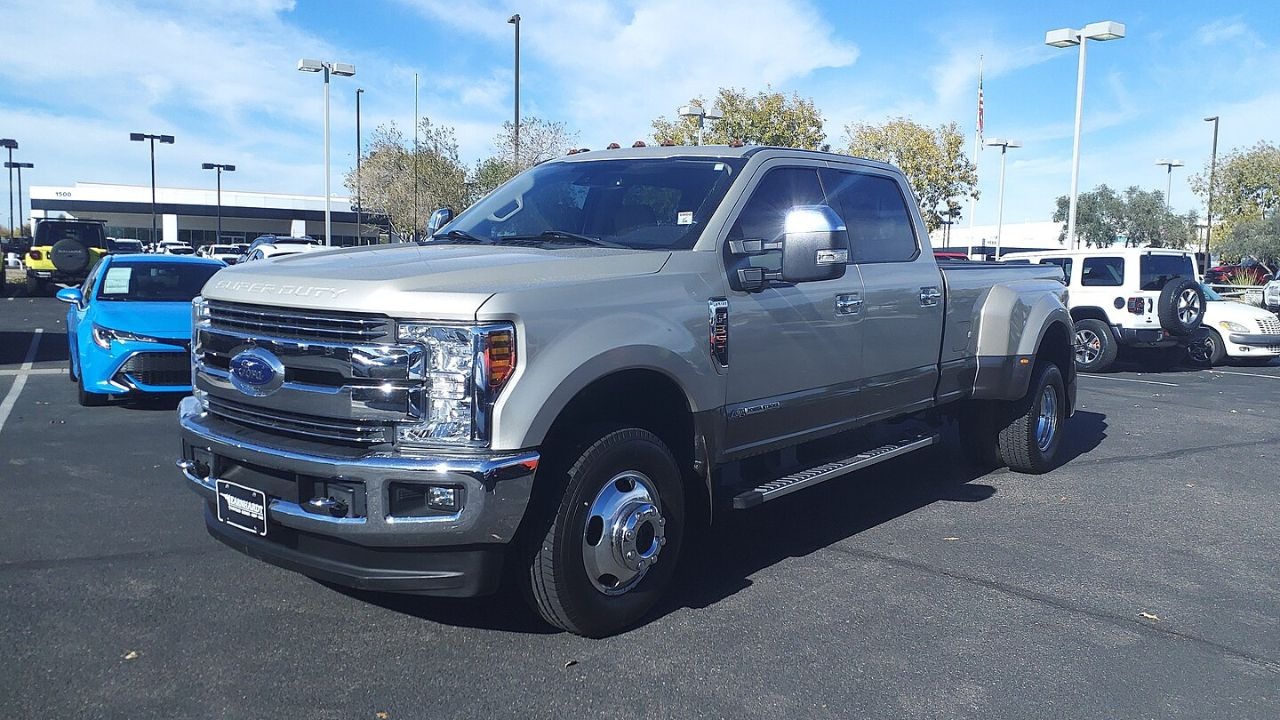
The Ford F-350 Super Duty is the epitome of a heavy-duty truck, designed for the toughest jobs. Its size has grown to accommodate increased towing and payload capabilities, but this expansion also makes it less practical for everyday driving. The F-350’s sheer size often requires specialized parking and can be challenging to navigate in urban environments.
While the F-350 is celebrated for its power, its dimensions have sparked discussions about the necessity of such large vehicles. As urban areas become denser, the practicality and environmental impact of driving oversized trucks like the F-350 are increasingly scrutinized.
Chevrolet Silverado 3500HD
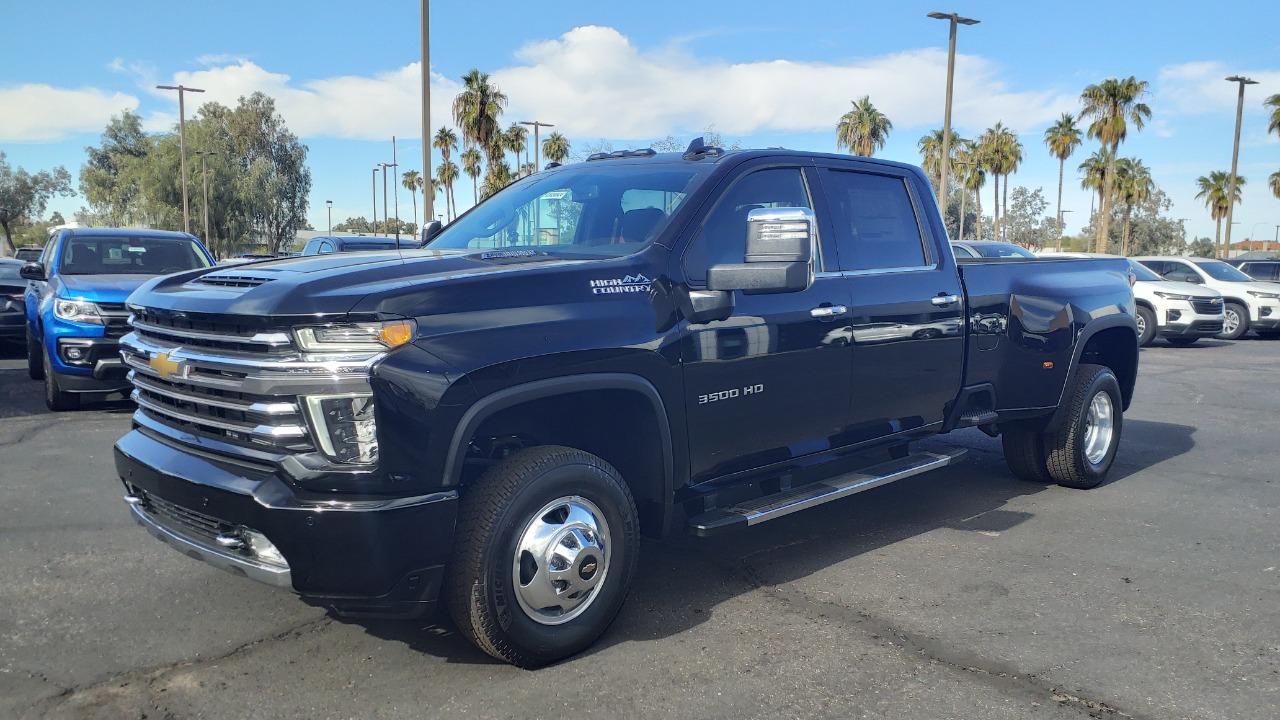
The Chevrolet Silverado 3500HD is a titan in the truck world, known for its exceptional towing capacity and durability. However, its gargantuan size can be a hurdle for those who drive in cities or have limited parking space. The 3500HD’s dimensions contribute to its robust performance but also add to its environmental footprint.
The Silverado 3500HD’s growth reflects a broader industry trend towards larger vehicles. As discussions around vehicle size and sustainability continue, manufacturers like Chevrolet face the challenge of meeting consumer demands while addressing environmental concerns.
RAM 3500
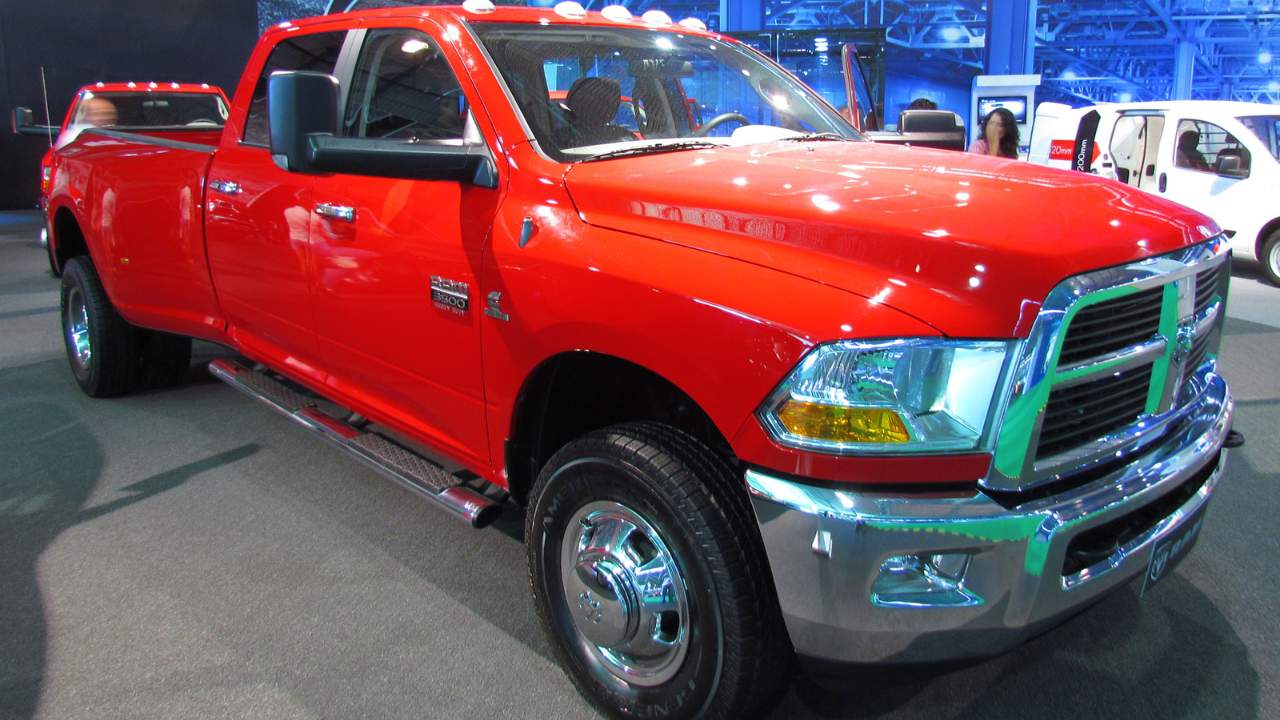
The RAM 3500 is designed for those who need maximum power and capability. Its size, however, has grown significantly, making it a less feasible option for daily commuting. With its heavy-duty construction, the RAM 3500 excels in towing and hauling, yet its bulk can be unwieldy in congested areas.
As RAM continues to innovate, the challenge lies in maintaining the 3500’s legendary power while addressing the growing need for efficiency and environmental responsibility. The balance between size and sustainability remains a key consideration for future models.
GMC Sierra 3500HD
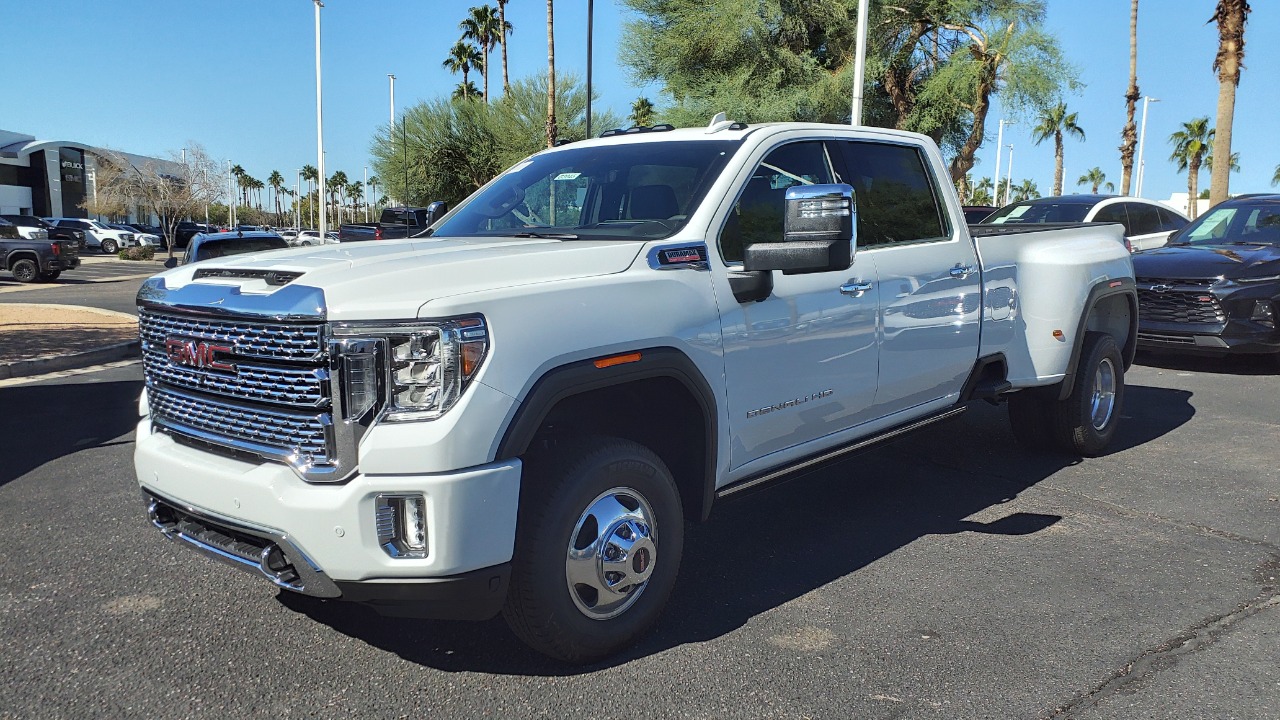
The GMC Sierra 3500HD is one of the largest pickups on the market, offering unparalleled strength and towing capabilities. However, its size comes with drawbacks, especially for those who primarily drive in urban settings. The 3500HD’s dimensions can make parking and maneuvering difficult, limiting its practicality for everyday use.
The Sierra 3500HD exemplifies the trend towards larger, more powerful trucks, yet it also highlights the challenges of balancing performance with practicality. As concerns about vehicle size and regulations continue to grow, the future of oversized pickups remains a topic of discussion among manufacturers and consumers alike.
More from Fast Lane Only