Ford Motor Company has a storied history of innovation and durability, crafting vehicles that have become synonymous with American culture. Among its most influential contributions are its trucks, each model playing a significant role in transforming how we tow and haul across the country. Here, I explore ten Ford trucks that have left an indelible mark on America’s roads and workspaces.
Ford Model TT (1917)

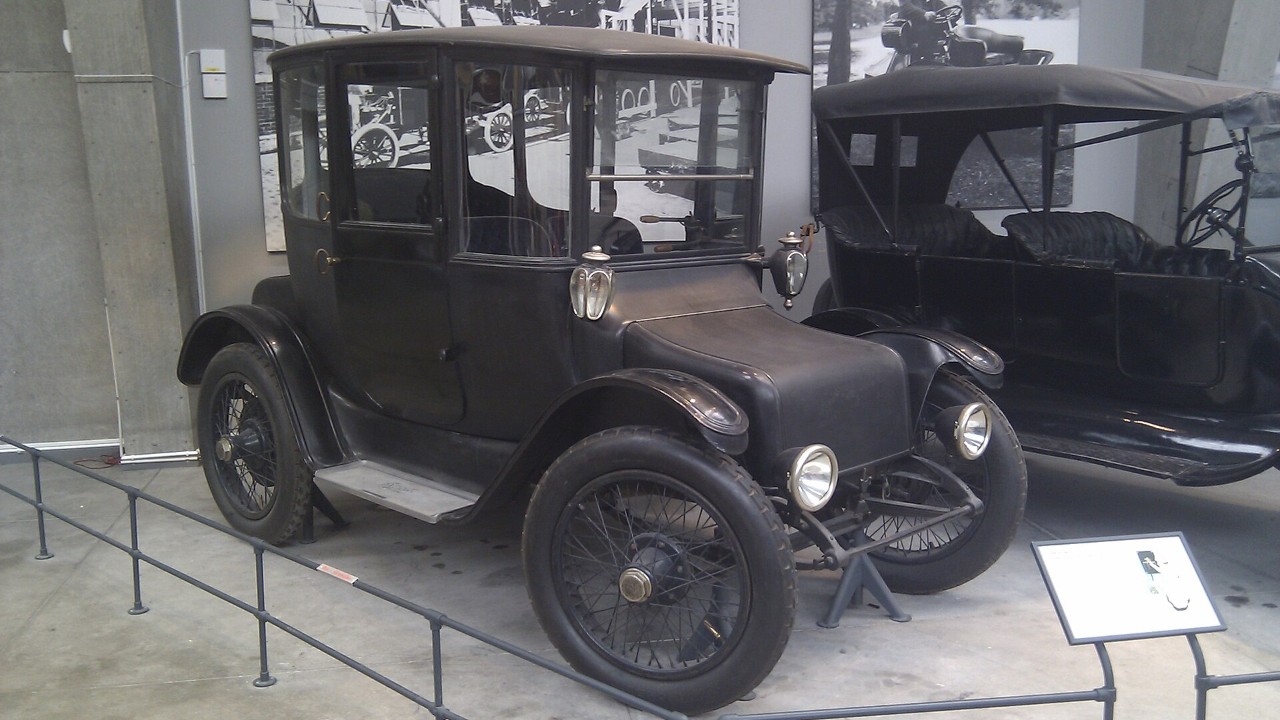
The Ford Model TT, introduced in 1917, was the company’s first foray into the truck market. Based on the Model T car, the Model TT featured a heavier frame and a rear axle capable of carrying a ton of cargo. This vehicle marked a significant shift from horse-drawn wagons to motorized transport, paving the way for the widespread use of trucks in farming and industry.
The Model TT was versatile, with owners often customizing it with various body types to suit their specific needs. Its affordability and adaptability made it a favorite among small business owners and farmers, helping to boost productivity and efficiency in multiple sectors.
Ford F-1 (1948)
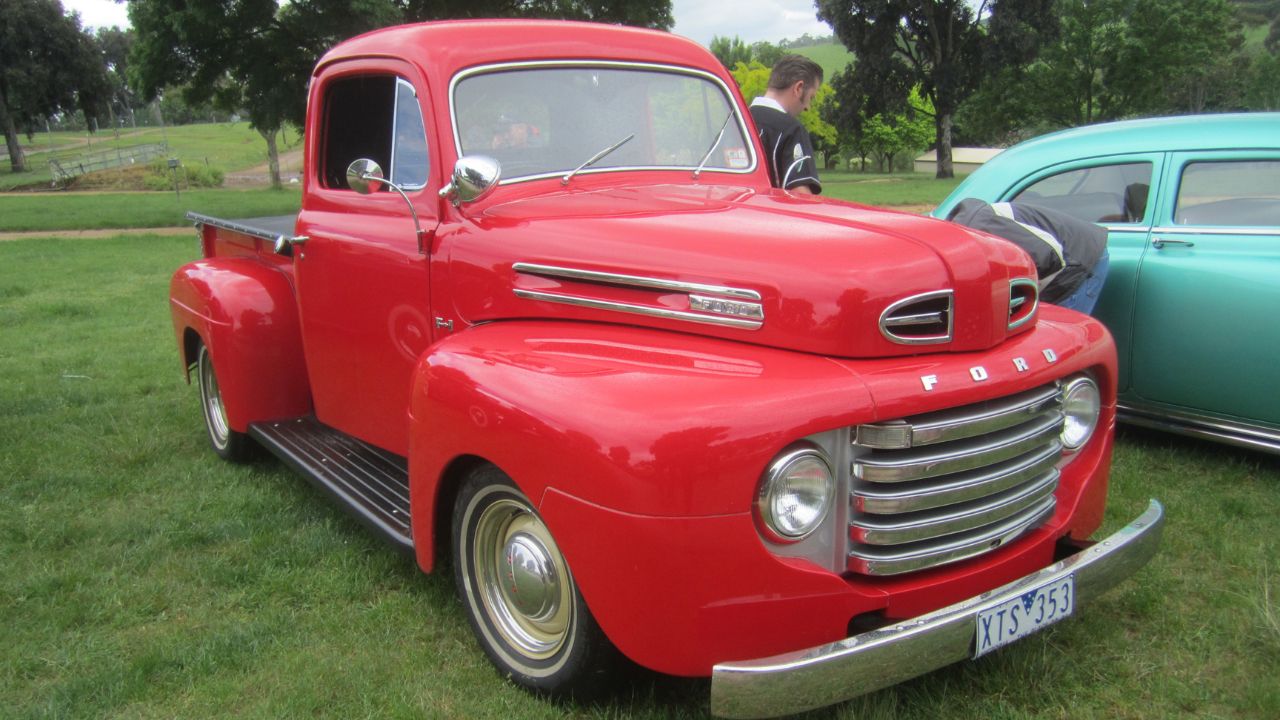
The launch of the Ford F-1 in 1948 marked the beginning of the legendary F-Series, which has become a cornerstone of Ford’s lineup. The F-1 was a post-war redesign that featured a more robust and modern design compared to its predecessors. It was equipped with a cab-over-engine design, offering improved visibility and a more comfortable ride.
This model set the standard for pickup trucks with its durable construction and reliable performance. The F-1’s success laid the groundwork for future generations of the F-Series, which would go on to become America’s best-selling trucks.
Ford F-100 (1953)

Introduced in 1953, the Ford F-100 was part of the second generation of the F-Series and represented a significant evolution in truck design. It boasted a more streamlined and stylish appearance, with a redesigned grille and cab. The F-100 offered improved engine options and enhanced comfort features, appealing to a broader audience.
The F-100’s introduction of the “Driverized Cab” set a new benchmark for comfort, with features like a wider seat, better ventilation, and soundproofing. This model helped solidify the pickup truck’s role as a multipurpose vehicle, suitable for both work and leisure.
Ford Ranchero (1957)
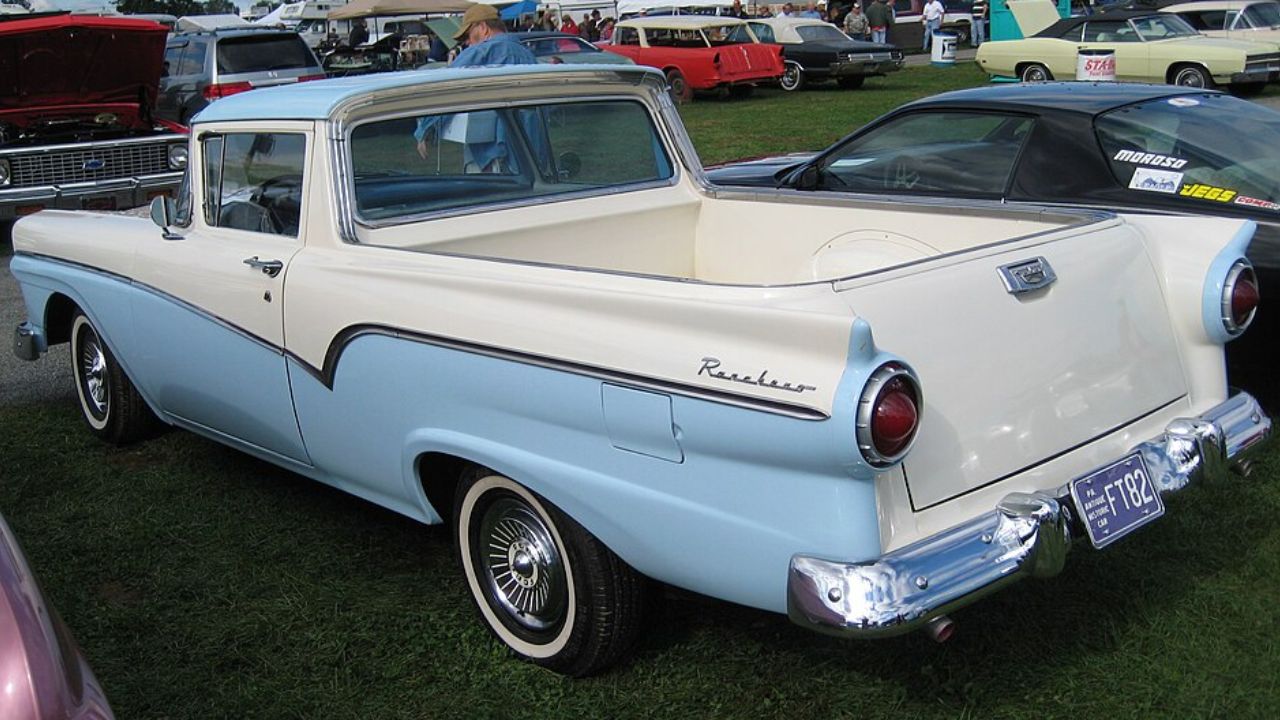
The Ford Ranchero, debuting in 1957, was a unique addition to Ford’s lineup, combining the utility of a pickup truck with the comfort of a passenger car. This innovative design featured a car-like front end with a truck bed, offering a versatile solution for those needing both passenger and cargo space.
The Ranchero appealed to urban buyers who wanted a vehicle that could handle light hauling tasks while still providing a smooth ride. Its introduction spurred the creation of similar models by other manufacturers, ultimately influencing the development of modern crossover vehicles.
Ford F-250 Super Duty (1999)

The Ford F-250 Super Duty, introduced in 1999, represented a new era of heavy-duty trucks. Built to withstand the toughest jobs, the Super Duty line featured a stronger frame, more powerful engines, and increased towing and payload capacities compared to the standard F-Series trucks.
The F-250 Super Duty catered to contractors, farmers, and anyone needing a reliable workhorse. Its durability and performance have made it a leader in the heavy-duty truck market, with subsequent generations continuing to push the boundaries of what a work truck can do.
Ford F-150 SVT Lightning (1993)
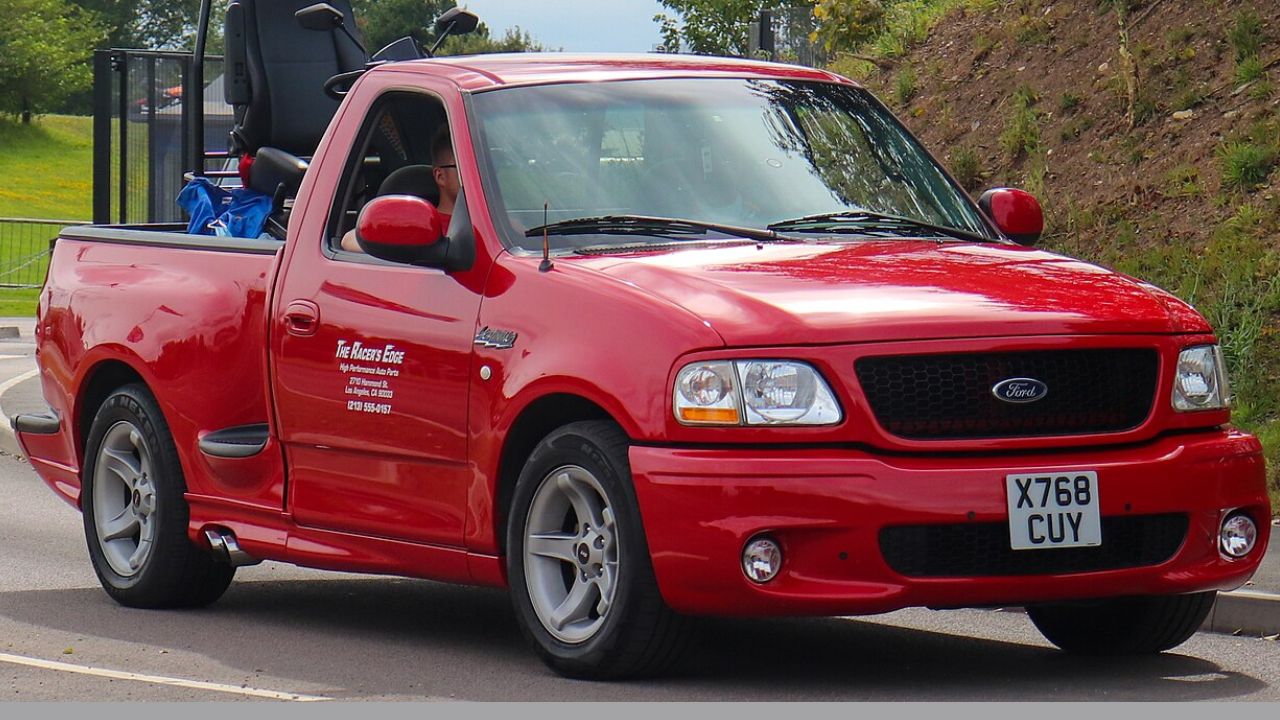
The Ford F-150 SVT Lightning, launched in 1993, was a performance-oriented pickup that combined power and speed with utility. Developed by Ford’s Special Vehicle Team (SVT), the Lightning featured a high-output V8 engine and sport-tuned suspension, making it a standout in the world of performance trucks.
This model demonstrated that trucks could be both practical and exhilarating to drive, appealing to enthusiasts who wanted the best of both worlds. The Lightning’s legacy lives on, influencing the design of future high-performance trucks and inspiring other manufacturers to explore this niche market.
Ford F-150 Raptor (2010)

The introduction of the Ford F-150 Raptor in 2010 redefined the off-road truck segment. Designed for high-speed desert racing, the Raptor featured a powerful engine, long-travel suspension, and aggressive styling. It was equipped to handle the toughest terrains, making it a favorite among off-road enthusiasts.
The Raptor’s success demonstrated the demand for factory-built off-road performance trucks. Its continued evolution with advanced technology and engineering has cemented its status as an icon in the off-road community, influencing competitors to develop similar models.
Ford Transit Connect (2002)

Introduced in 2002, the Ford Transit Connect revolutionized the compact van market. Designed initially for the European market, it quickly gained popularity in the United States for its practicality and efficiency. The Transit Connect offered a spacious cargo area within a compact footprint, ideal for urban deliveries and small businesses.
Its success highlighted the growing demand for versatile, fuel-efficient commercial vehicles. The Transit Connect’s adaptability and reliability have made it a popular choice for various industries, proving that size doesn’t always dictate capability.
Ford F-150 PowerBoost Hybrid (2021)
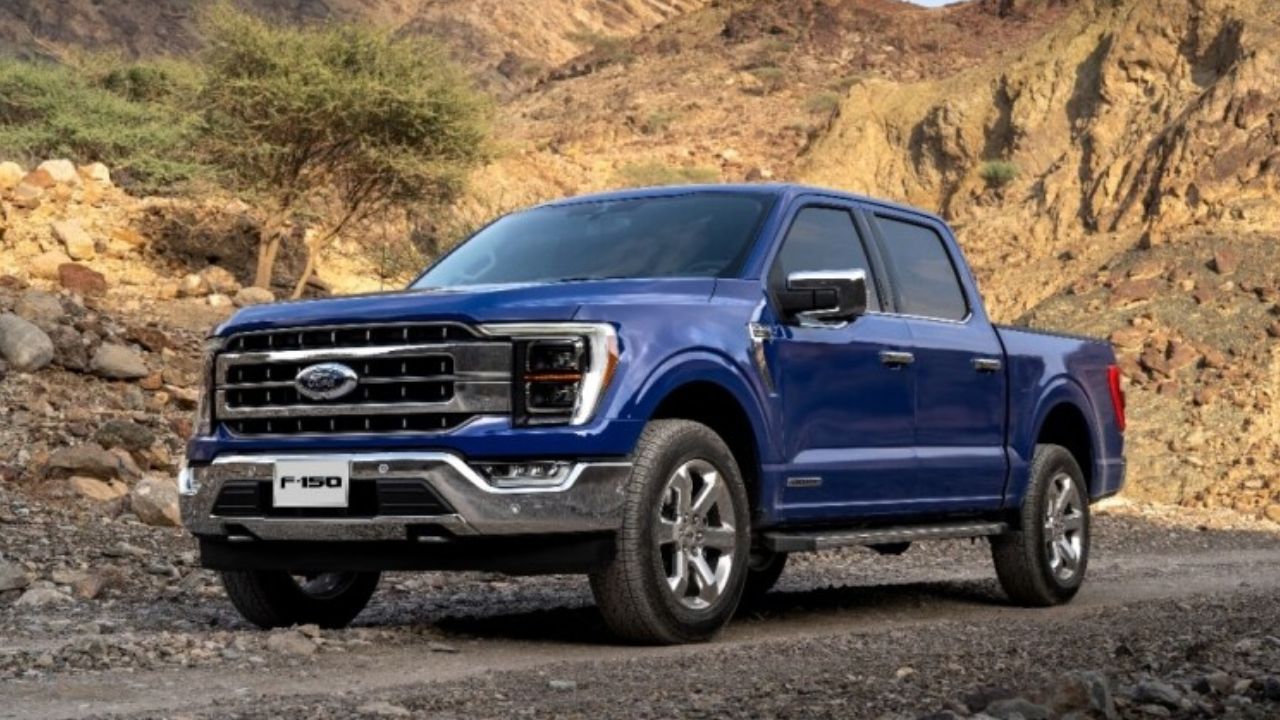
The Ford F-150 PowerBoost Hybrid, released in 2021, signified a major step forward in the integration of hybrid technology into the pickup truck market. This model combined a twin-turbo V6 engine with an electric motor, offering impressive power and fuel efficiency without compromising towing capacity.
With features like an onboard generator, the PowerBoost Hybrid catered to both work and recreational needs, providing a reliable power source in remote locations. This truck demonstrated Ford’s commitment to innovation and sustainability, setting a new standard for hybrid pickup trucks.
Ford Maverick (2022)
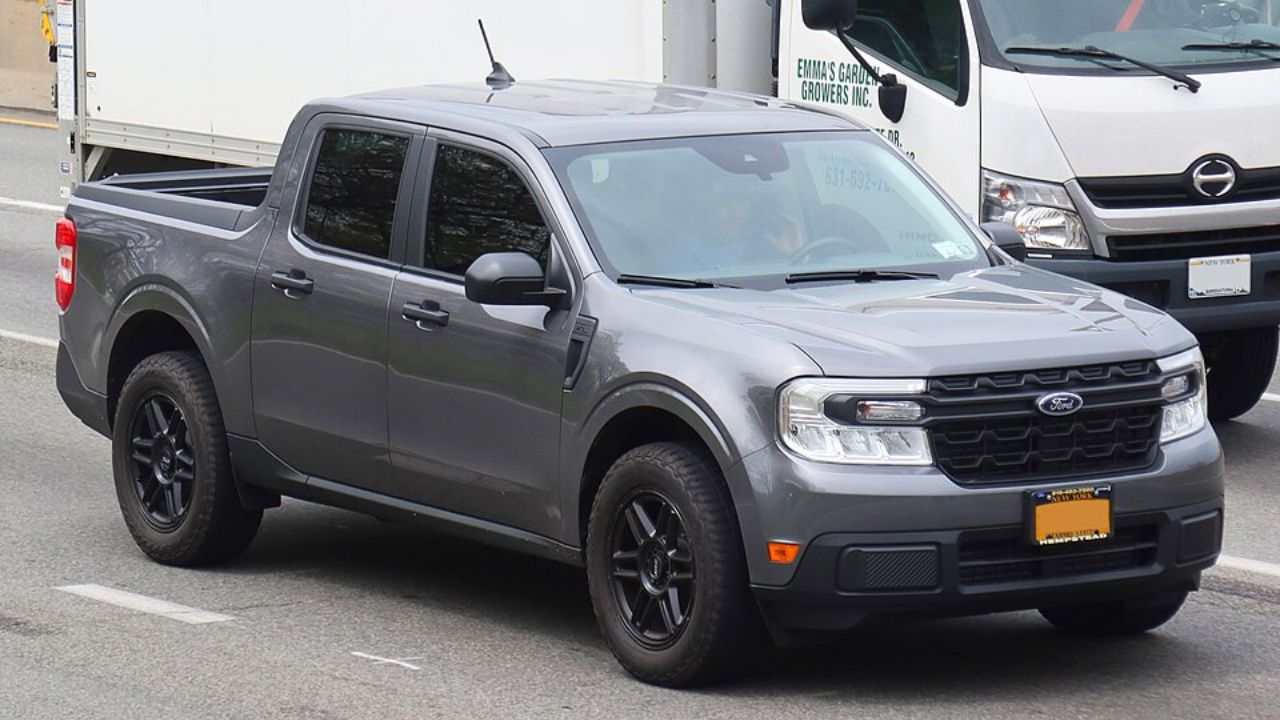
The Ford Maverick, launched in 2022, brought a fresh perspective to the compact pickup truck segment. With a unibody design and a hybrid powertrain as standard, the Maverick appealed to environmentally conscious buyers seeking a practical and affordable vehicle.
This model highlighted the shift towards smaller, more efficient trucks without sacrificing functionality. The Maverick’s success demonstrated the viability of compact trucks in today’s market, influencing other manufacturers to explore similar offerings and expanding the definition of what a pickup truck can be.
More from Fast Lane Only