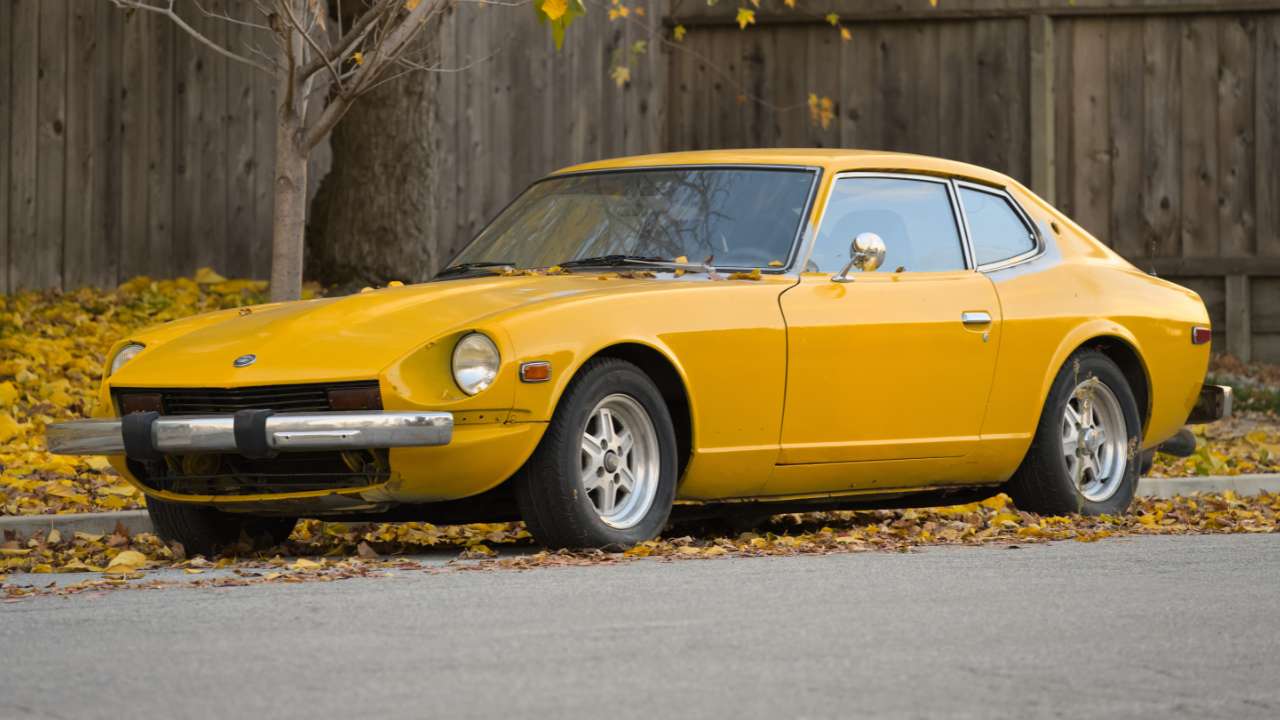
Classic-car collectors are increasingly looking beyond the obvious icons. As familiar muscle cars and sports cars become harder to afford, attention is shifting toward overlooked models with interesting histories, distinctive designs, limited production, or strong enthusiast followings. These ten classics have the ingredients that can make an ordinary-looking old car considerably more desirable over time.
AMC Javelin
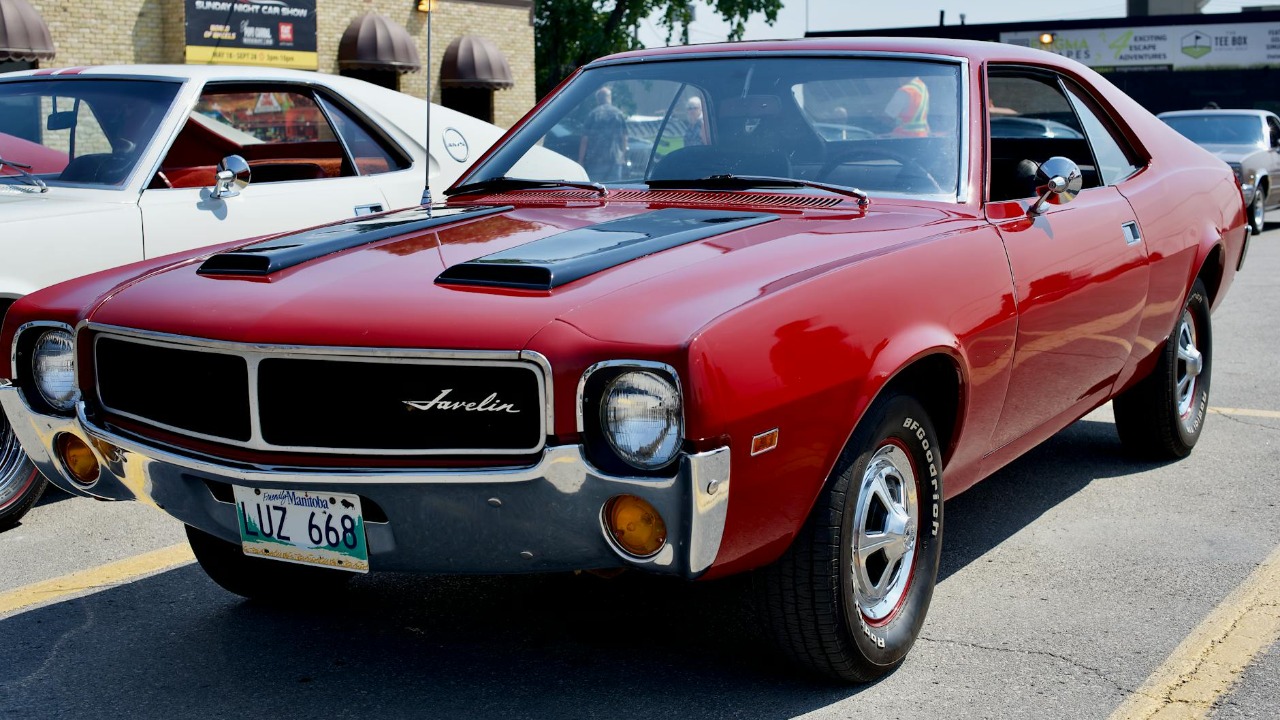
The AMC Javelin has gained attention as collectors rediscover the alternatives to Ford, Chevrolet, and Chrysler muscle cars. Its distinctive fastback styling, available V8 engines, and relatively low production numbers give it plenty of character. Because it never reached the popularity of the Mustang or Camaro, surviving examples can still feel unusual at gatherings. Increasing interest in independent American manufacturers has helped the Javelin become a more appreciated collector car.
Buick GSX
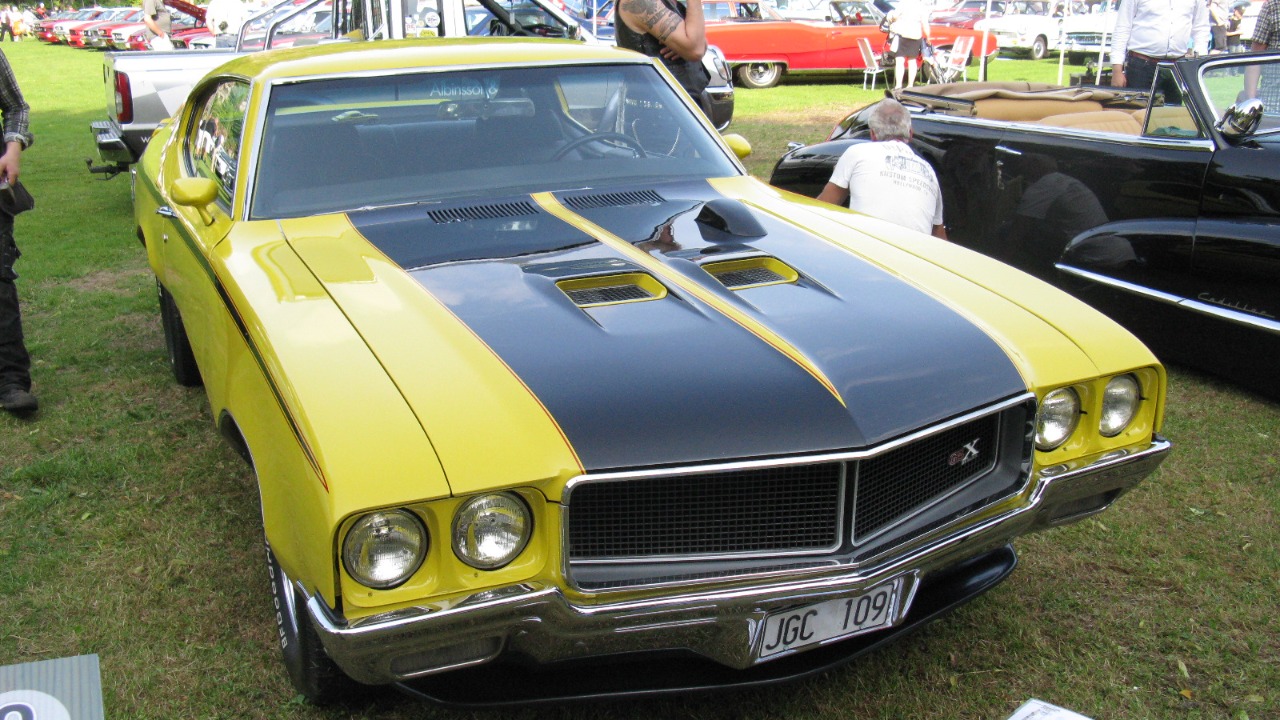
The Buick GSX combined serious muscle-car performance with the upscale character associated with Buick. Its large-displacement V8, bold graphics, performance suspension, and distinctive appearance made it one of the brand’s most aggressive offerings. Production numbers were limited compared with mainstream muscle cars, making original examples particularly interesting. Collectors increasingly recognize the GSX as a powerful alternative to better-known Chevrolet, Pontiac, and Dodge performance models.
Mercury Cyclone Spoiler
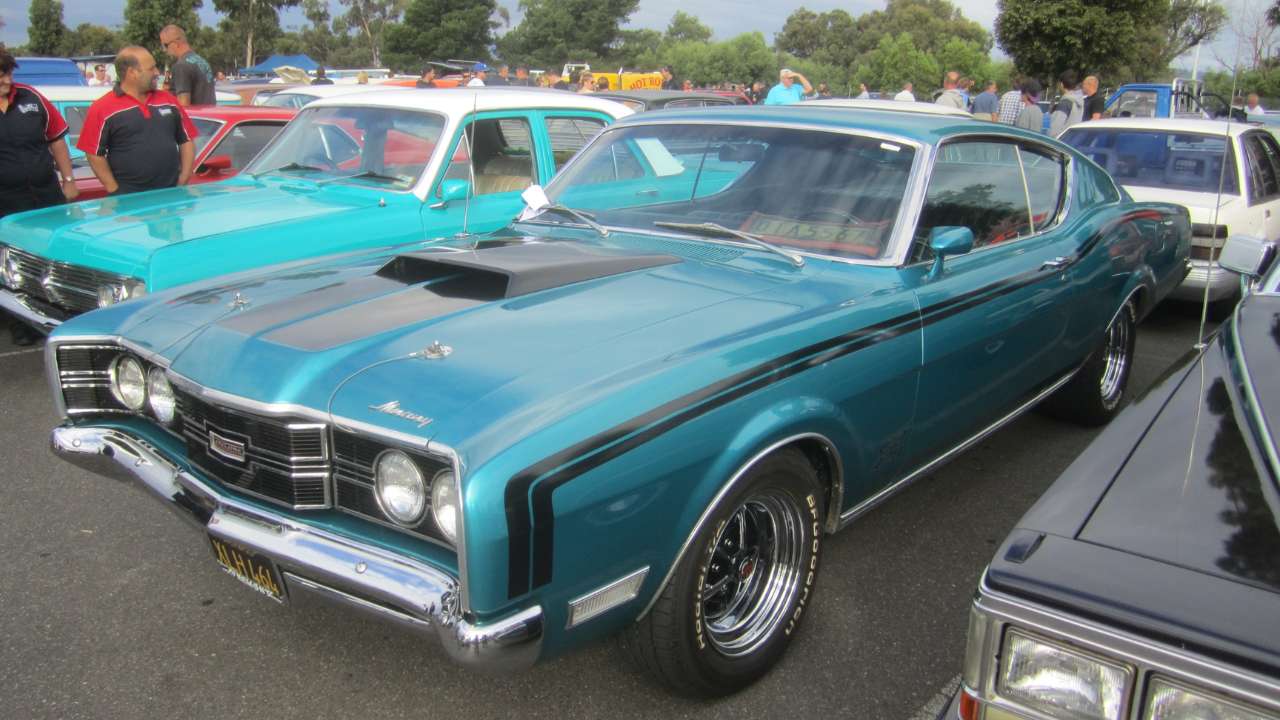
The Mercury Cyclone Spoiler remains one of the more overlooked fastback performance cars from the muscle-car era. Its sleek shape, available V8 power, and connection to Mercury’s performance lineup give it considerable appeal. Because Mercury models received less attention than their Ford counterparts, surviving examples are often less familiar to casual collectors. That relative obscurity is becoming part of the attraction as enthusiasts search for unusual American classics.
Oldsmobile Cutlass 442
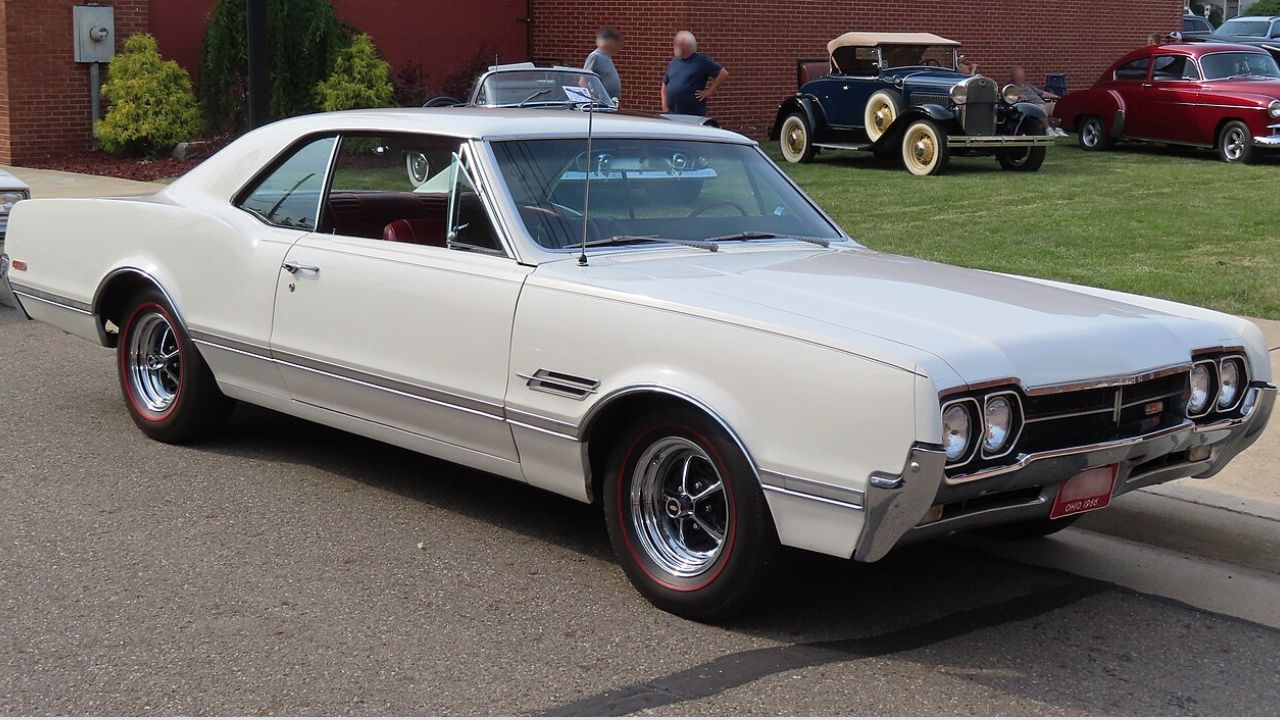
The Oldsmobile Cutlass 442 offered a combination of strong V8 performance and a more refined personality than many traditional muscle cars. Its performance equipment and upscale interior made it suitable for buyers who wanted speed without sacrificing comfort. Certain versions remain highly desirable, while lesser-known configurations are beginning to receive more attention. Collectors who appreciate Oldsmobile’s engineering increasingly view the 442 as an important part of the muscle-car story.
Pontiac Firebird Formula

The Pontiac Firebird Formula provided much of the performance potential associated with the Trans Am while taking a more understated approach. Its cleaner exterior and powerful V8 options made it appealing to buyers who preferred a less theatrical appearance. Some Formula versions were produced in relatively modest numbers, especially when equipped with desirable engines and packages. As enthusiasts look beyond the famous Trans Am, well-preserved Formula models are gaining greater recognition.
Chevrolet Corvair Monza

The Chevrolet Corvair Monza has become increasingly interesting to collectors because of its unusual rear-engine layout and distinctive engineering. Unlike conventional American cars of its period, the Corvair used an air-cooled flat-six mounted at the rear. The sporty Monza versions added extra appeal without abandoning the model’s unique character. Its once-controversial reputation has softened with time, allowing enthusiasts to appreciate the Corvair as one of Chevrolet’s boldest experiments.
Ford Falcon Sprint
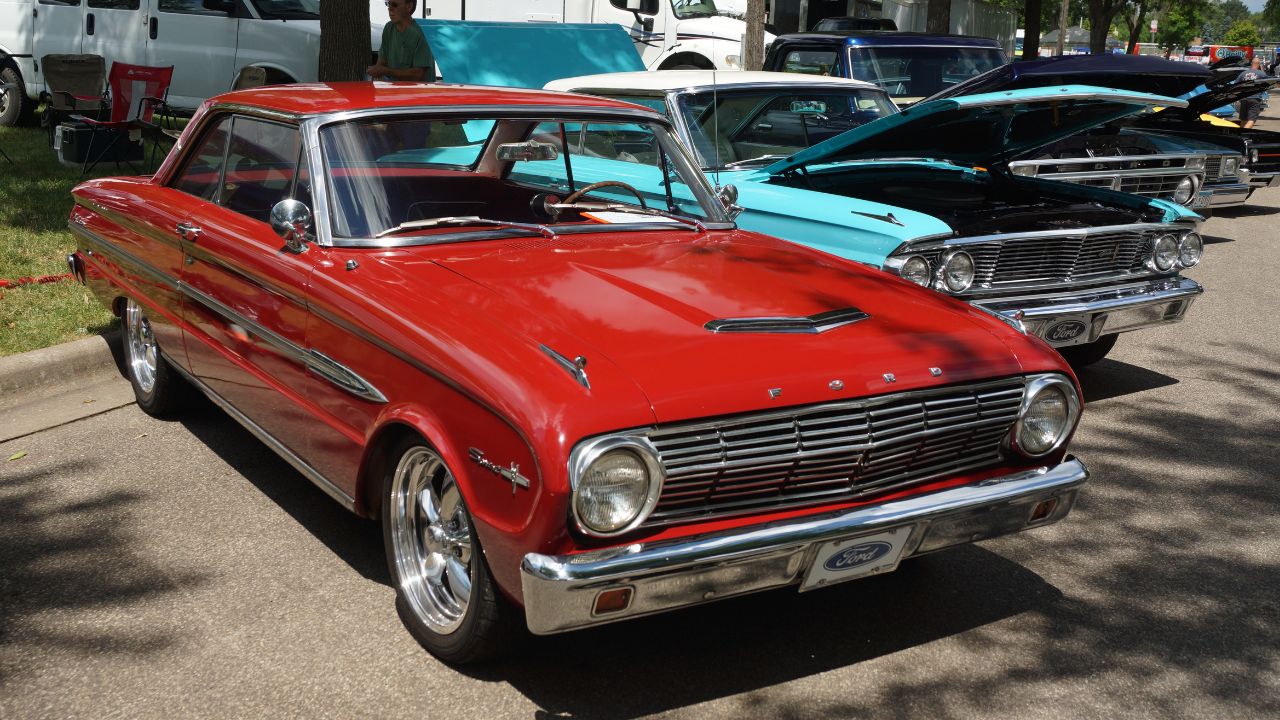
The Ford Falcon Sprint combined compact dimensions with V8 power, giving it a surprisingly entertaining performance character. Its relatively restrained appearance allowed it to remain less famous than the Mustang that followed it, but that same obscurity makes surviving examples interesting today. The Sprint represents an early stage in Ford’s move toward compact performance cars. Collectors increasingly value it because it connects practical economy-car design with emerging American performance culture.
Plymouth Duster 340
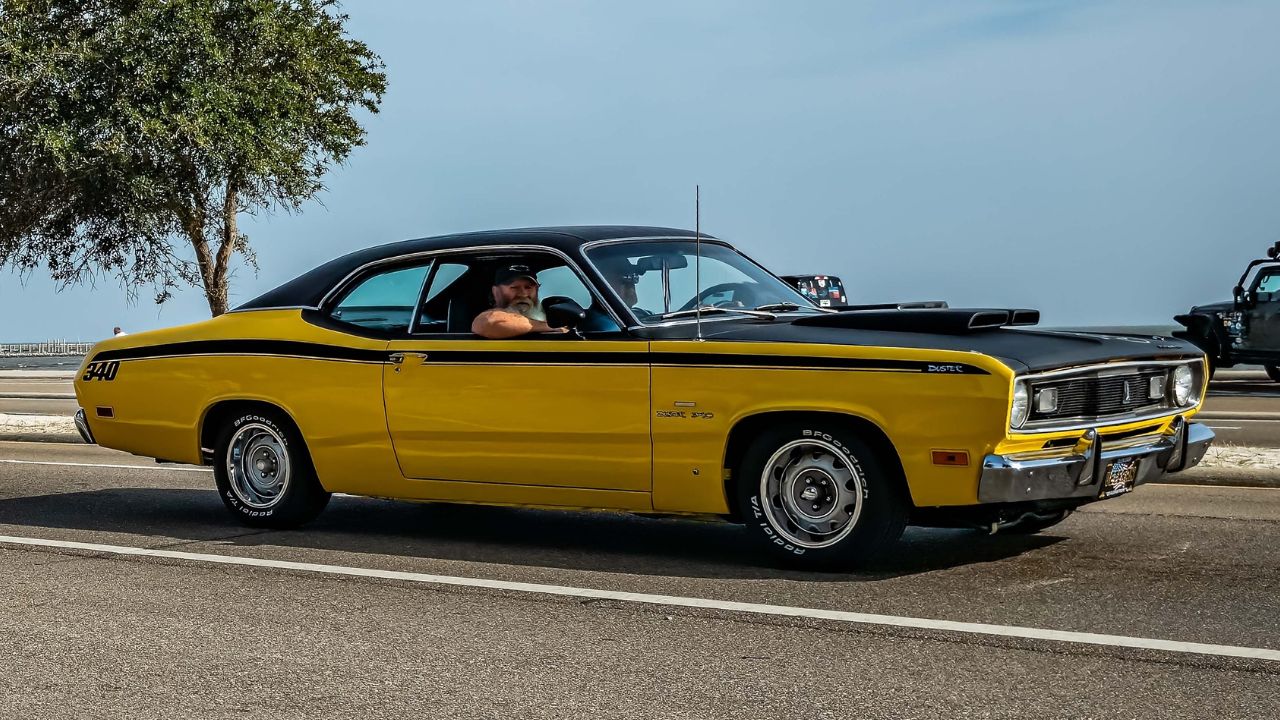
The Plymouth Duster 340 delivered muscle-car performance in a compact and relatively affordable package. Its lightweight body and small-block V8 created an appealing balance of acceleration and simplicity. Unlike the most famous Plymouth muscle cars, the Duster has often remained within reach of enthusiasts seeking something less predictable. Growing appreciation for compact muscle cars has made strong, original examples increasingly attractive to collectors searching for usable classics with genuine performance credentials.
Chevrolet Monza Spyder

The Chevrolet Monza Spyder offered a sporty interpretation of Chevrolet’s compact lineup during the 1970s. Its distinctive styling, rear-wheel-drive layout, and available performance-oriented equipment gave it more character than many economy-focused cars of the period. It never achieved the cultural status of the Camaro or Corvette, leaving it relatively overlooked for years. Today, its rarity and unusual place in Chevrolet history make surviving examples increasingly appealing to niche collectors.
Datsun 240Z
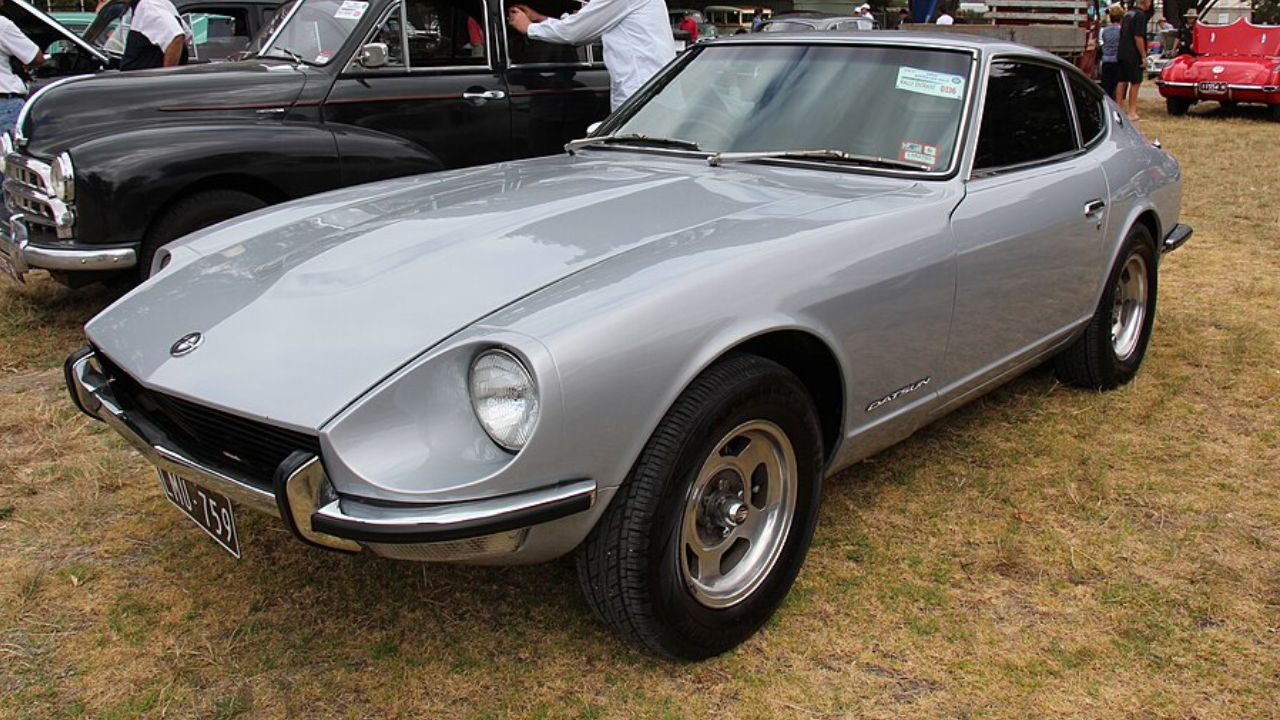
The Datsun 240Z has already become recognized as an important classic, but it remains underrated when compared with much more expensive European sports cars. Its lightweight construction, inline-six engine, independent suspension, and attractive styling delivered an impressive combination at a relatively accessible price when new. Clean original examples are increasingly difficult to find. As collectors continue appreciating Japanese classics, the 240Z’s historical importance and driving character make it a strong long-term collectible.
More from Fast Lane Only
- Unboxing the WWII Jeep in a Crate
- 15 rare Chevys collectors are quietly buying
- 10 underrated V8s still worth hunting down
- Police notice this before you even roll window down
*Research for this article included AI assistance, with all final content reviewed by human editors