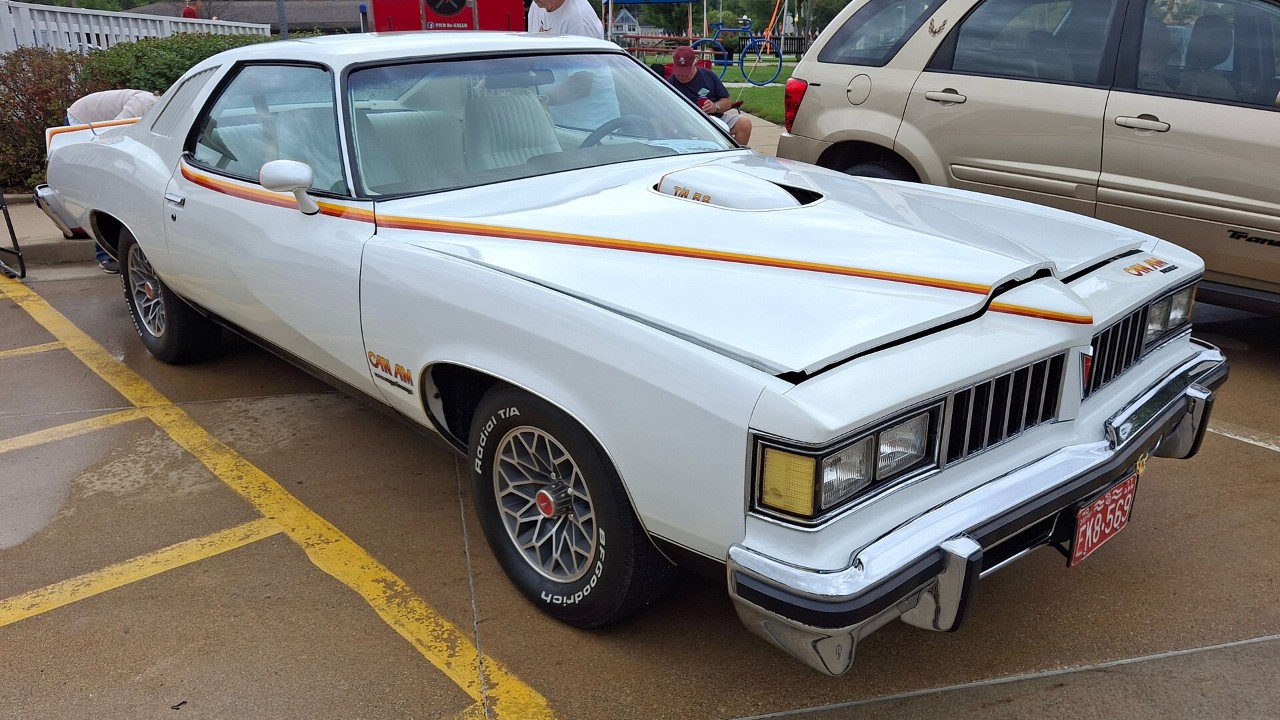
Vintage V8 performance cars were never designed to blend quietly into traffic. They were loud, oversized, aggressive, and built to command attention with thunderous exhaust notes and intimidating styling. These machines embraced excess during the golden age of performance, proving that sometimes the best way to make an impression was with overwhelming horsepower and absolutely no restraint.
Dodge Coronet Super Bee 440 Six Pack
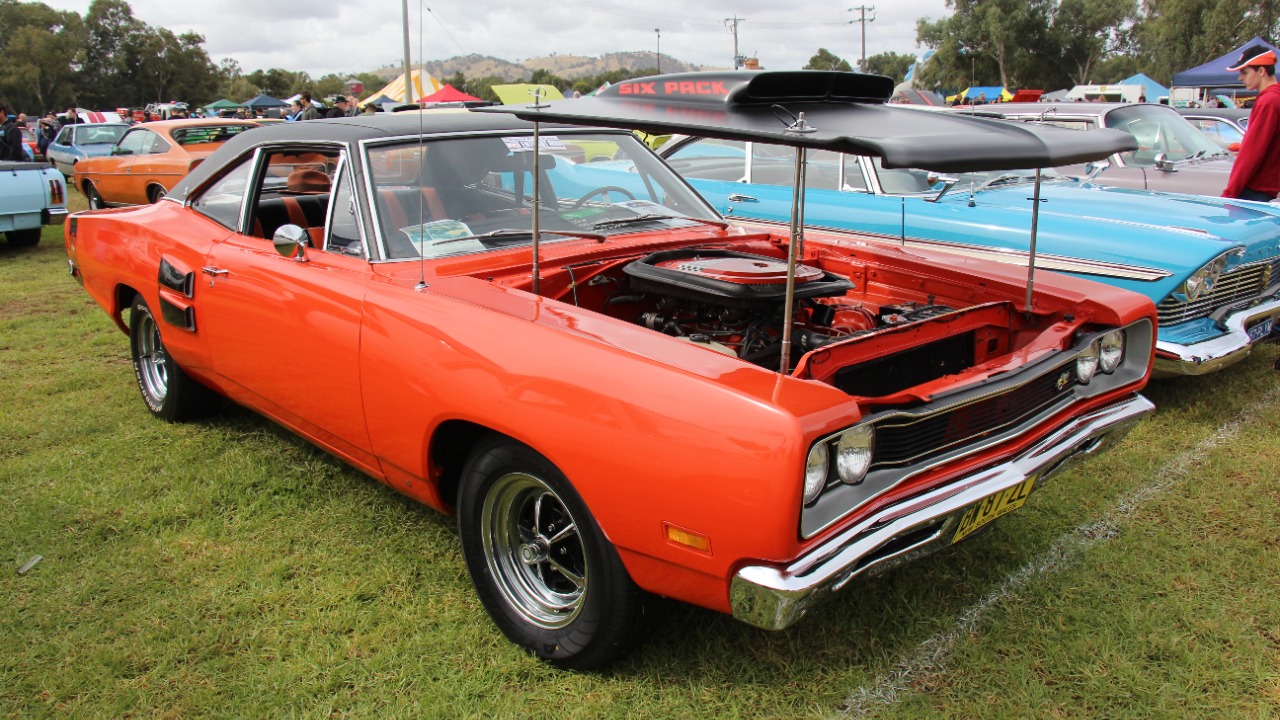
The Dodge Coronet Super Bee 440 Six Pack existed purely to dominate streets and drag strips with brute-force V8 power. Its massive 440 cubic-inch engine paired with triple carburetors delivered explosive acceleration and an exhaust note impossible to ignore. Mechanics admired the durability and tuning flexibility of the Six Pack setup under hard driving conditions. Bright graphics, bold hood scoops, and aggressive stance ensured the Super Bee attracted attention long before the engine even started rumbling.
Buick Riviera GS 455
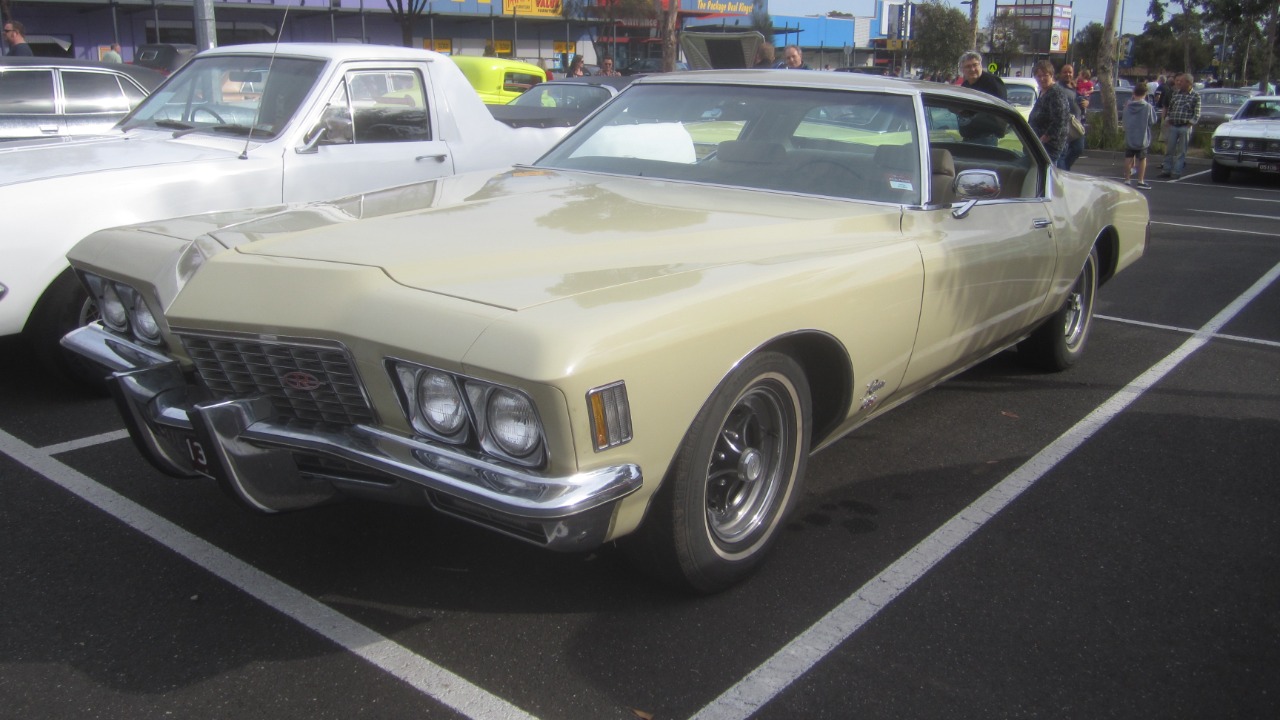
The Buick Riviera GS 455 combined luxury styling with huge big-block power in a way that felt excessive even by 1970s standards. Its 455 cubic-inch V8 produced enormous low-end torque, making acceleration feel effortless and intimidating. Mechanics appreciated the engine’s strength and smooth power delivery despite the car’s large size. The Riviera GS stood out because it delivered muscle car aggression wrapped inside dramatic luxury coupe styling that demanded attention everywhere it appeared.
AMC Rebel Machine
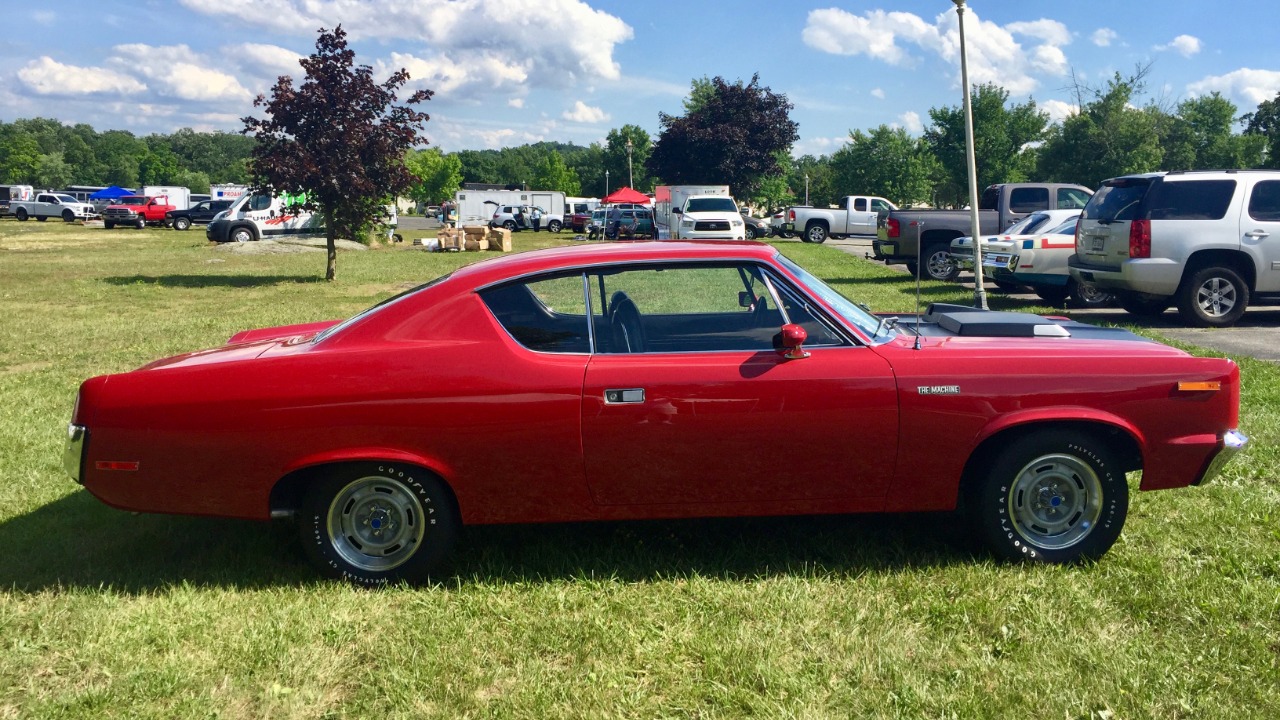
The AMC Rebel Machine proved American Motors could build outrageous muscle cars capable of challenging larger competitors. Its high-output 390 V8 delivered serious straight-line speed, while patriotic red, white, and blue paint schemes made subtlety impossible. Mechanics respected its surprisingly strong drivetrain and competitive factory performance. The Rebel Machine became memorable because it looked loud, sounded aggressive, and carried an attitude far larger than AMC’s size within the muscle car market.
Oldsmobile Toronado GT
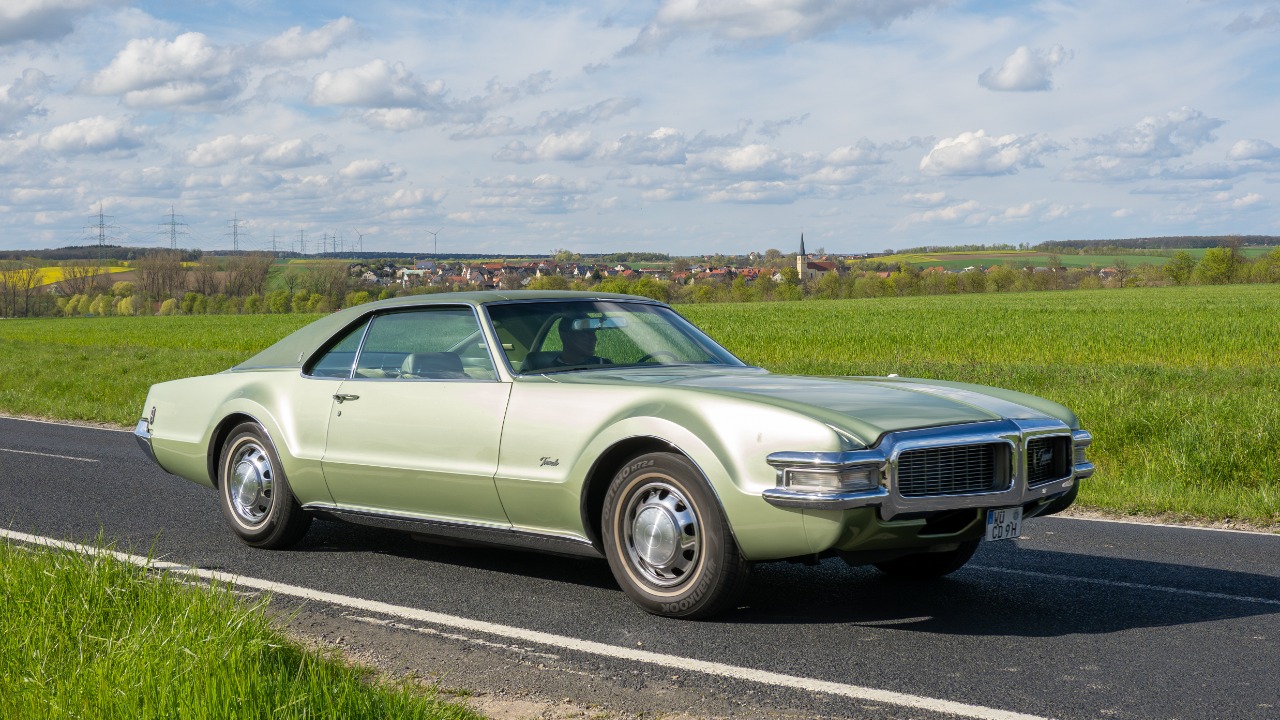
The Oldsmobile Toronado GT pushed unconventional engineering into the world of vintage V8 performance with massive styling and huge displacement power. Its large V8 delivered impressive torque despite driving the front wheels, creating a unique muscle car experience. Mechanics admired the engineering ambition behind its unusual drivetrain layout. Massive proportions, hidden headlights, and aggressive body lines gave the Toronado GT a road presence that felt dramatic and unmistakably American.
Mercury Cougar Eliminator
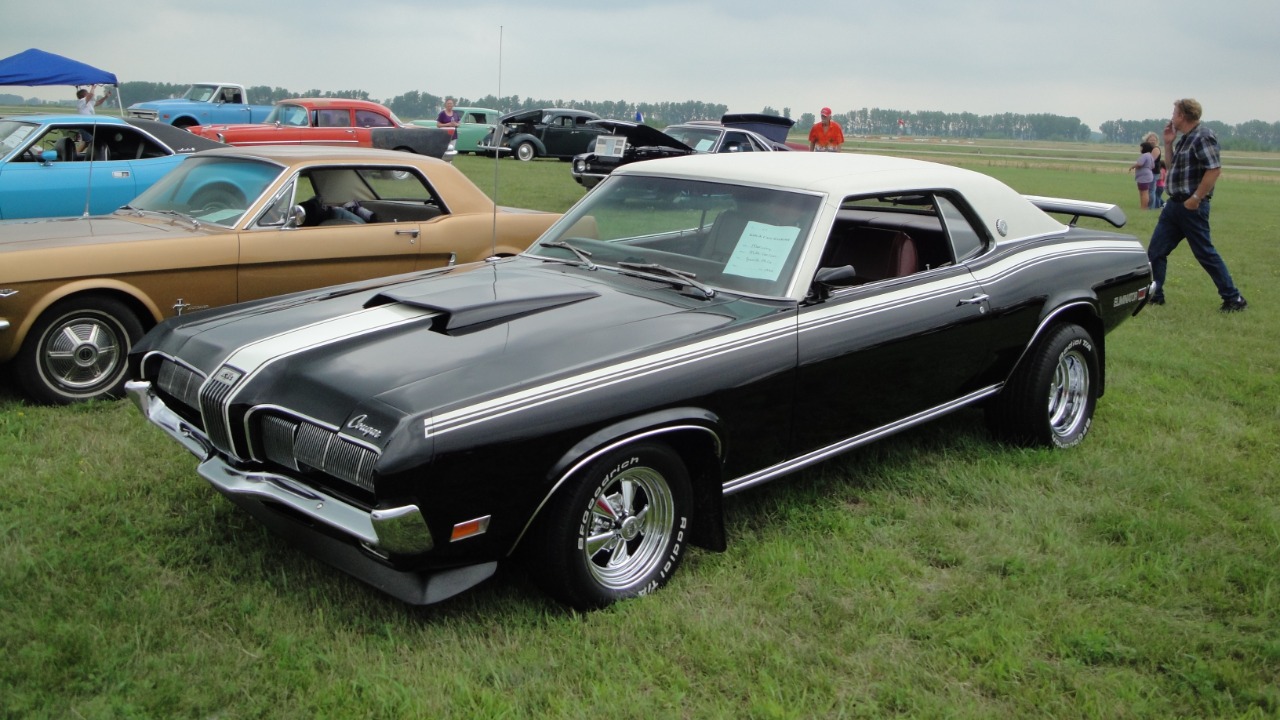
The Mercury Cougar Eliminator transformed Mercury’s stylish coupe into a loud and aggressive street machine with serious V8 performance. Available with powerful Cobra Jet engines, it delivered strong acceleration alongside bright graphics and bold spoilers. Mechanics appreciated the durability of Ford’s high-performance V8 platforms under aggressive use. The Cougar Eliminator refused to stay understated, using dramatic styling and unmistakable exhaust noise to stand apart from more conservative personal luxury coupes.
Chevrolet Impala SS 409
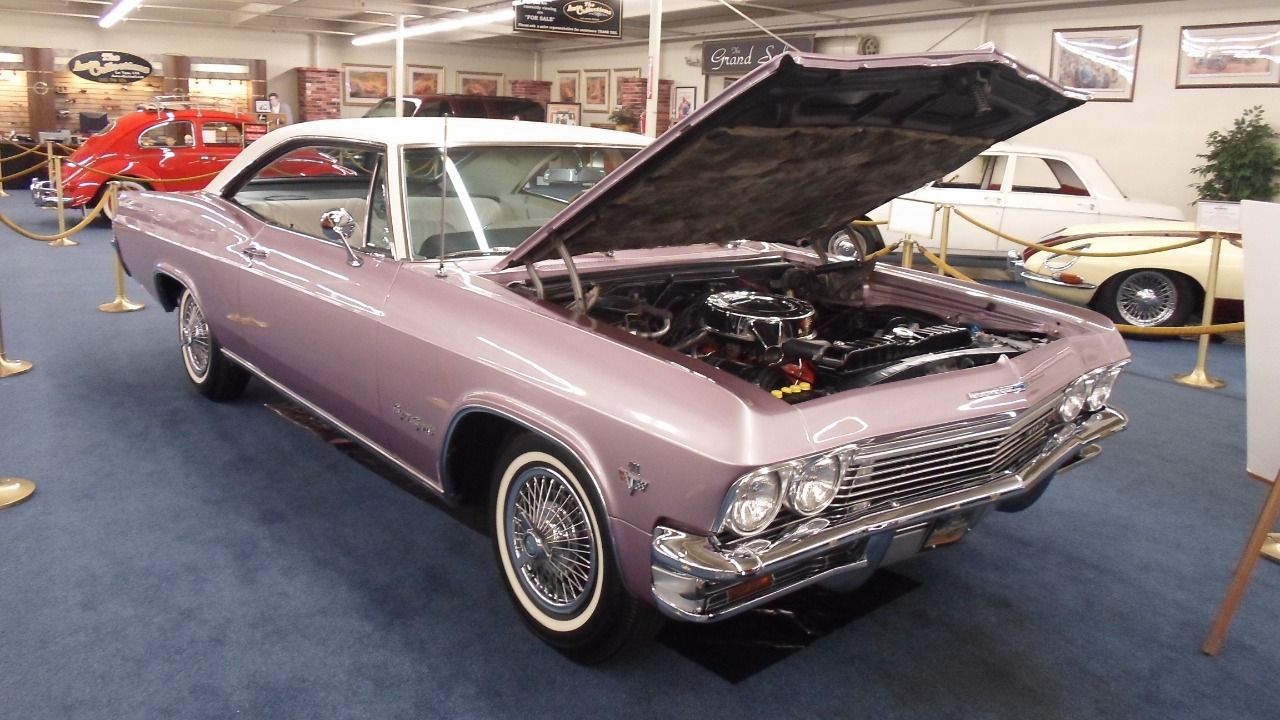
The Chevrolet Impala SS 409 became legendary for combining enormous size with serious V8 performance during the early muscle car era. Its 409 cubic-inch engine produced strong acceleration and a deep exhaust tone that made the massive Impala feel surprisingly aggressive. Mechanics respected the engine’s strength and straightforward tuning capability. The car’s oversized body, chrome-heavy styling, and booming V8 soundtrack created a larger-than-life personality impossible to overlook.
Ford Fairlane Thunderbolt
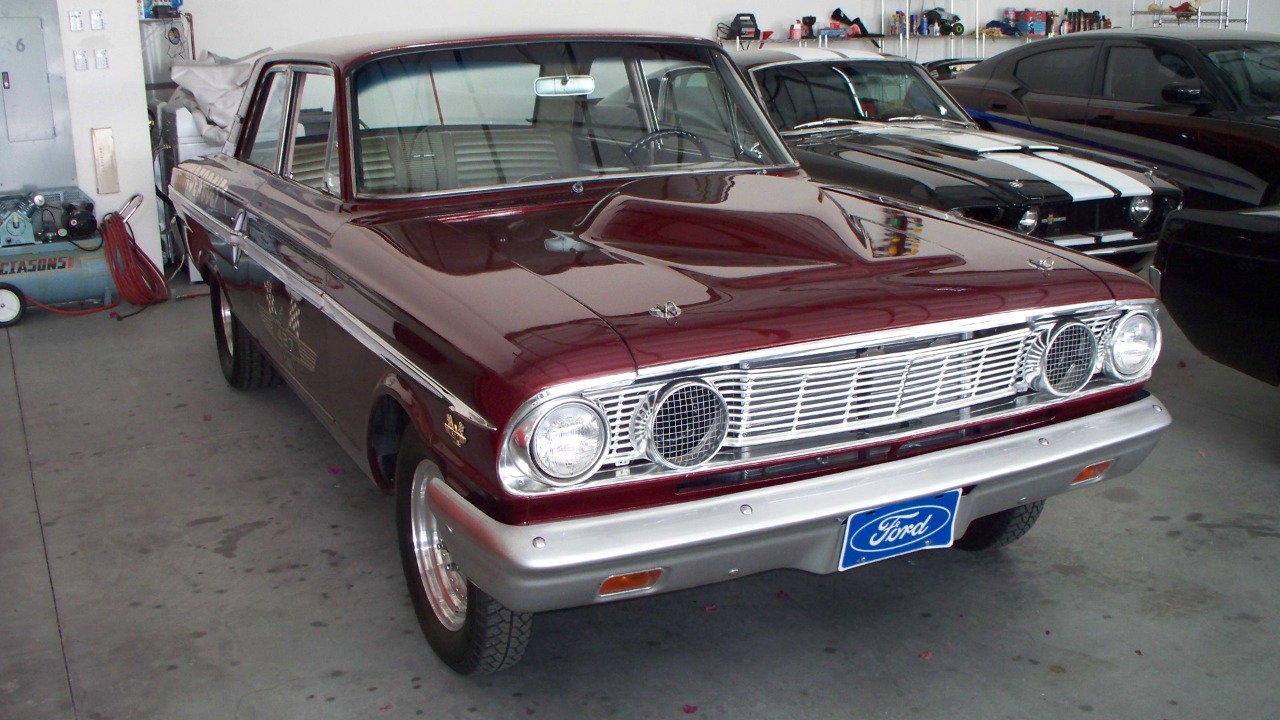
The Ford Fairlane Thunderbolt existed for one purpose: dominating drag strips with overwhelming V8 power. Equipped with Ford’s brutal 427 engine and lightweight modifications, it delivered violent acceleration rarely seen in factory cars of its time. Mechanics admired its race-focused simplicity and incredible straight-line capability. The Thunderbolt looked aggressive, sounded ferocious, and carried a reputation so intimidating that rival racers immediately recognized its serious performance intentions.
Pontiac Catalina 2+2
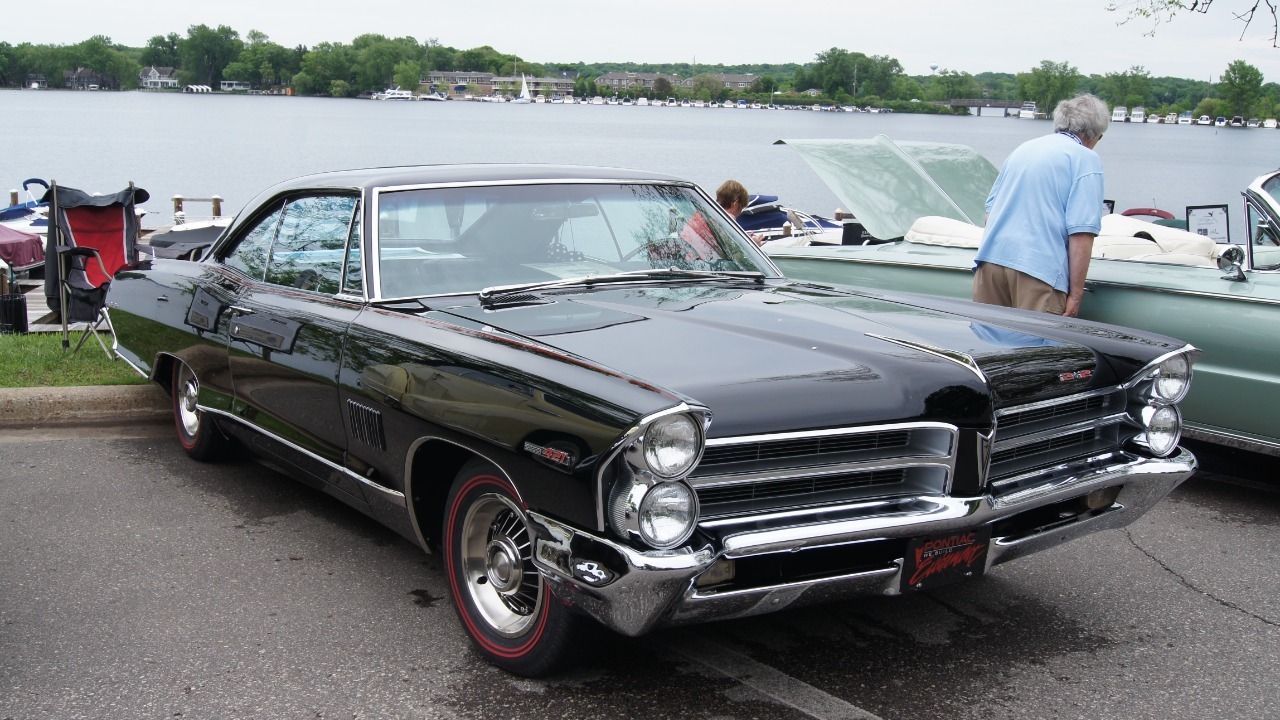
The Pontiac Catalina 2+2 took Pontiac’s already massive Catalina platform and added oversized engines with muscle car attitude. Big-block V8 options delivered heavy torque and impressive highway performance despite the car’s enormous dimensions. Mechanics appreciated Pontiac’s durable engine designs and accessible performance upgrades. The Catalina 2+2 made no attempt at restraint, using bold styling, loud exhaust notes, and huge physical presence to dominate American roads during the 1960s.
Chrysler 300 Letter Series
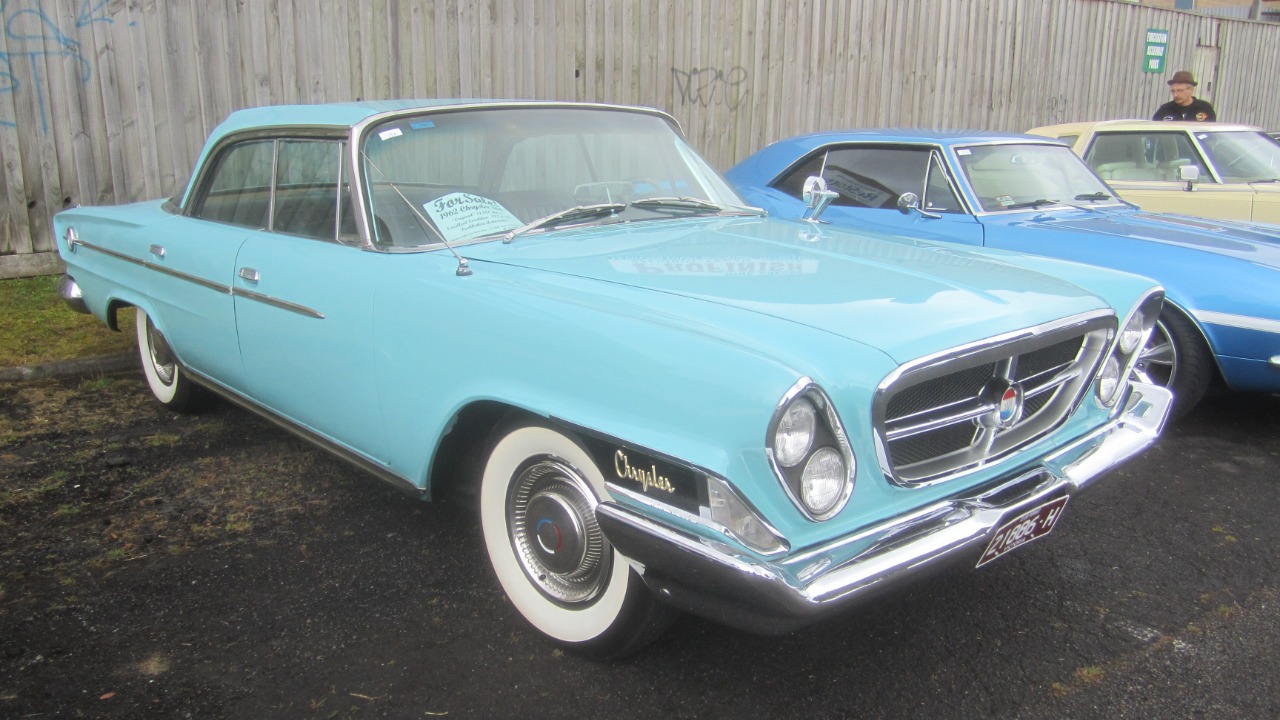
The Chrysler 300 Letter Series blended upscale styling with race-inspired V8 power long before luxury muscle cars became common. Its large displacement engines delivered strong performance that surprised many rivals during the 1950s and early 1960s. Mechanics respected the advanced engineering and durability of Chrysler’s powerful HEMI and wedge-head engines. Massive chrome grilles, dramatic proportions, and aggressive acceleration made the 300 Letter Series feel bold and unapologetically excessive.
Studebaker Golden Hawk
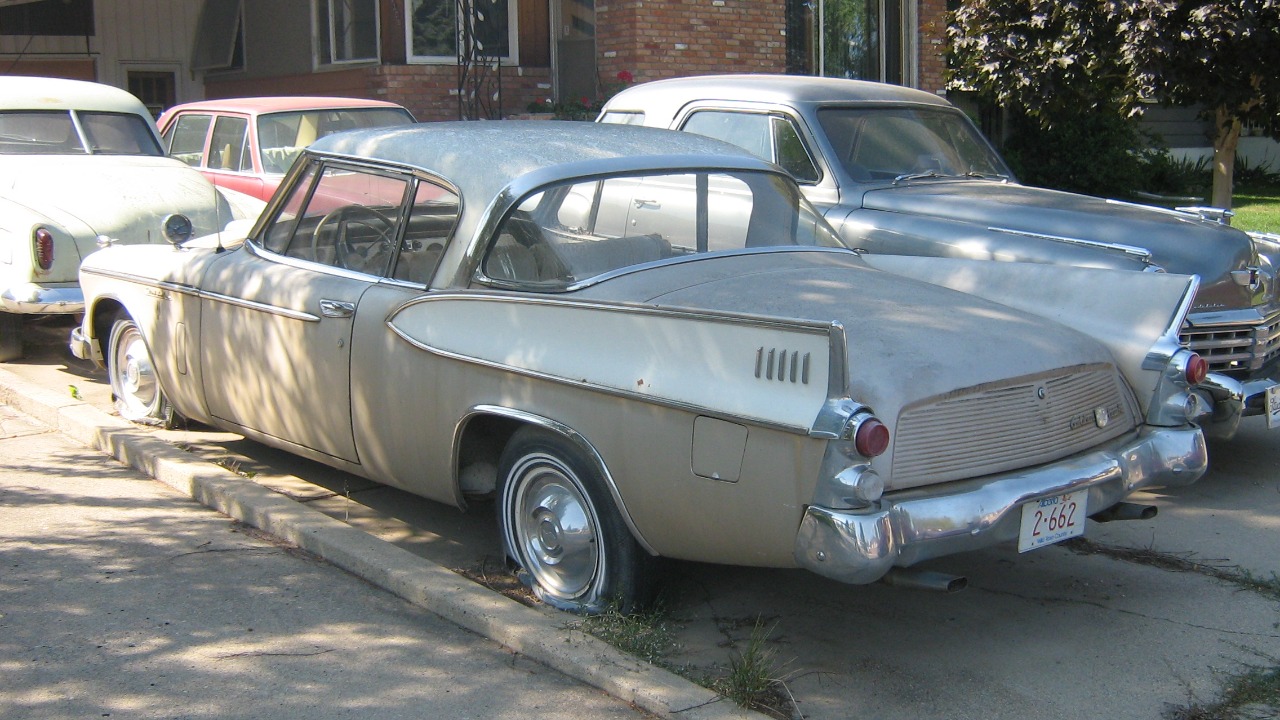
The Studebaker Golden Hawk stood out from competitors by combining lightweight construction with supercharged V8 power. Its dramatic tailfins, oversized grille, and unique styling already guaranteed attention before the engine even started. Mechanics admired the effectiveness of its supercharged setup, which delivered impressive acceleration for its era. The Golden Hawk felt wild and unconventional, proving smaller manufacturers could still create unforgettable V8 machines that completely rejected subtlety.
More from Fast Lane Only