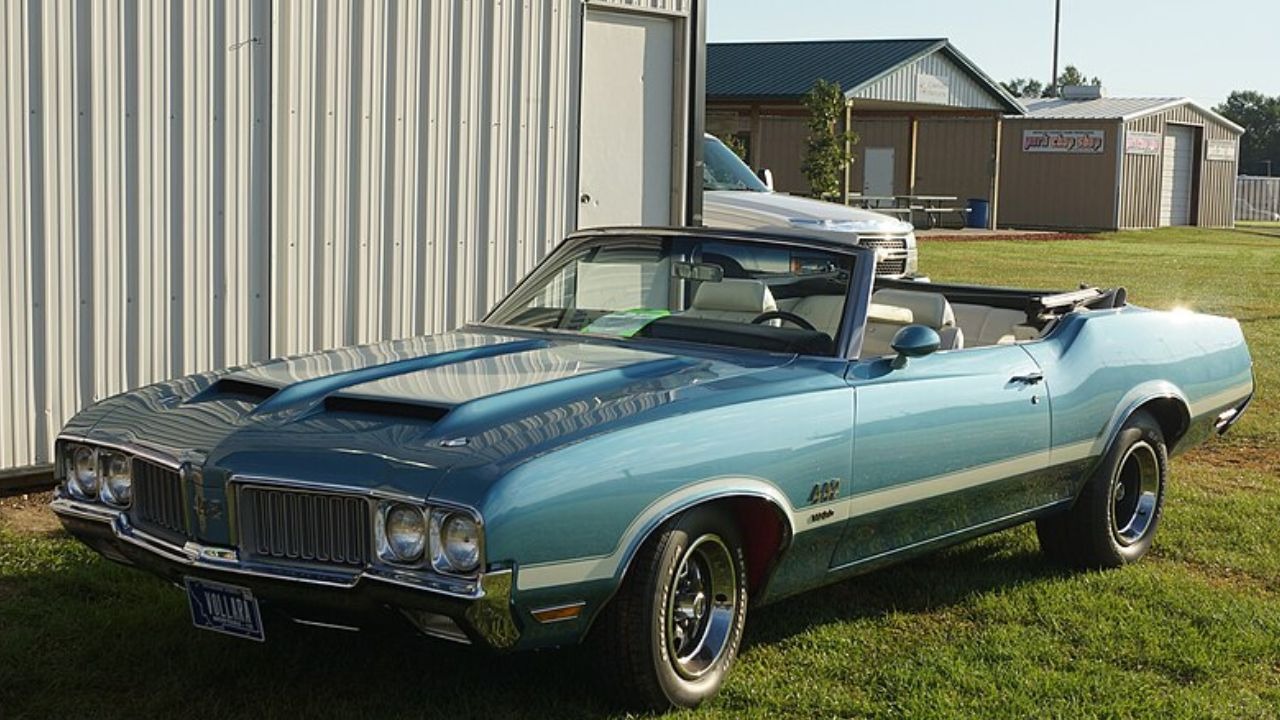
Collectors are chasing a shrinking pool of rare metal, from a 1970 Oldsmobile 442 to modern hypercars like the Lamborghini Veneno, and that hunt is getting tougher every season. As Nov market reports on the Investment Potential of Exotic Cars explain, limited-production runs are now treated as serious financial assets, not just toys. If you are trying to secure one of these 11 models, you are competing with global money that understands Understanding which cars are scarce and investment grade, and that pressure is exactly why these builds are growing harder to source.
1970 Oldsmobile 442 W-30 Convertible
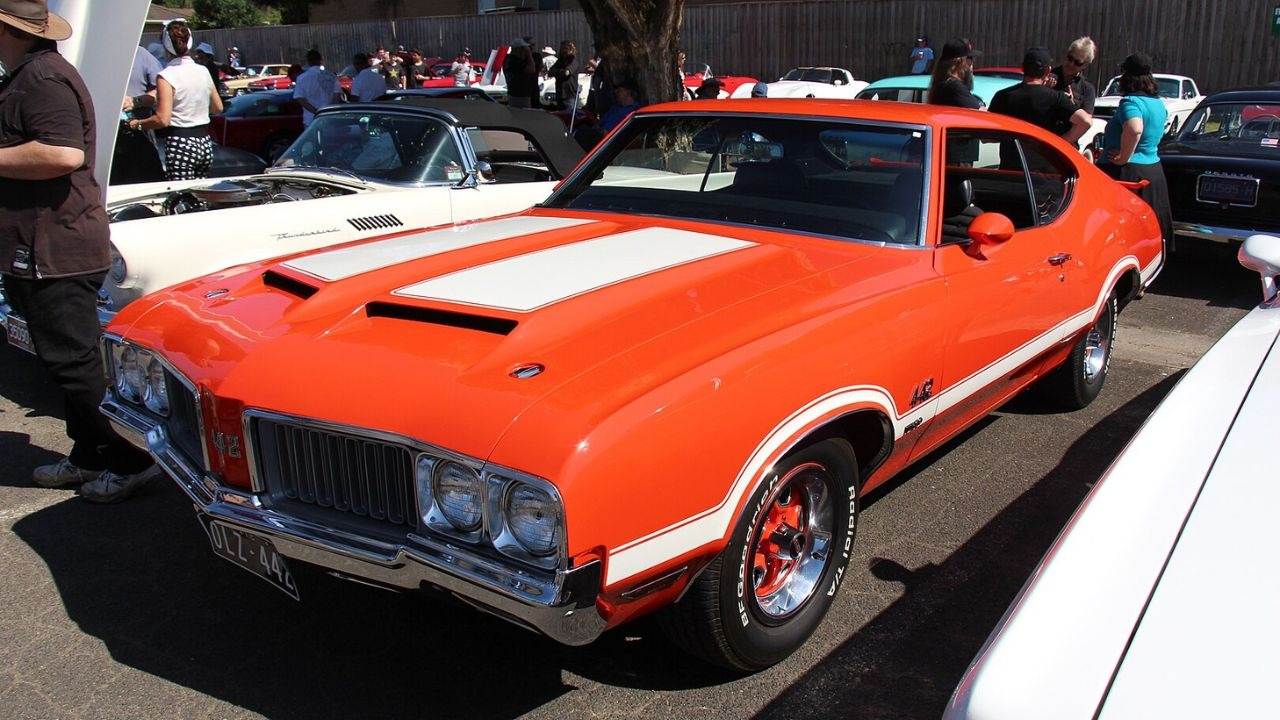
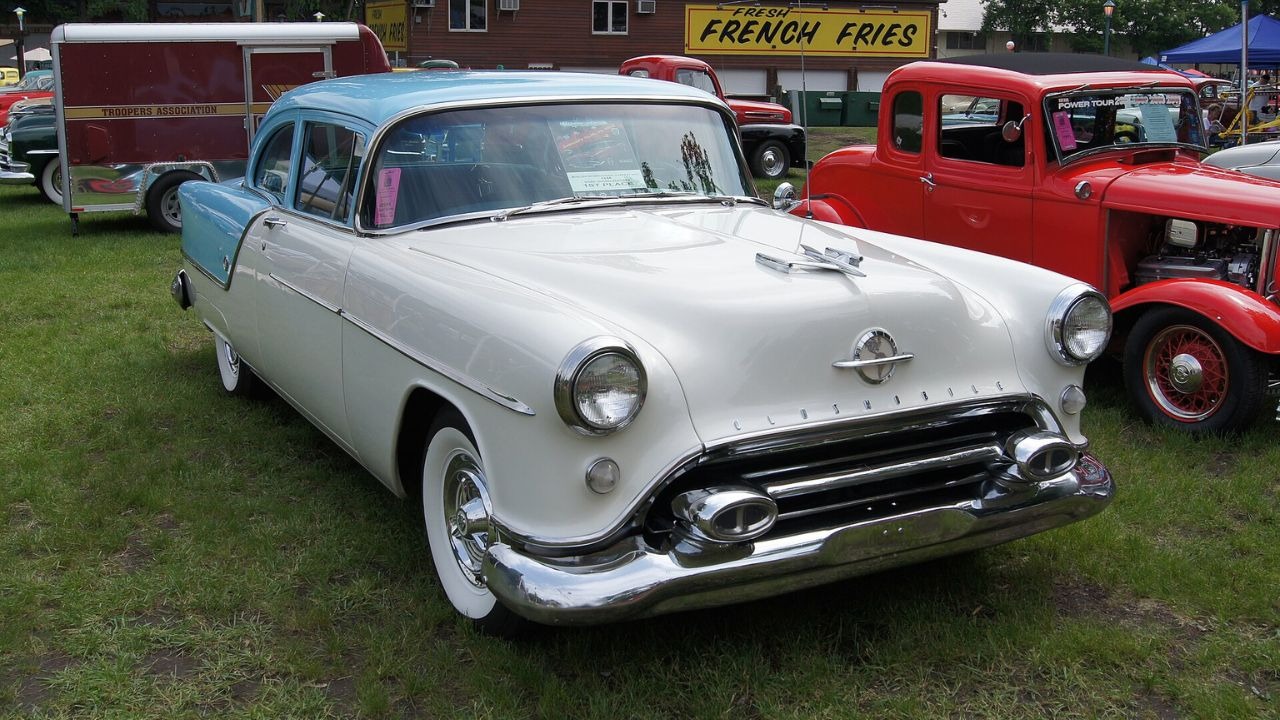
The 1970 Oldsmobile 442 W-30 Convertible is a textbook example of a muscle car that has moved from rare to nearly unobtainable. One detailed breakdown notes that only 96 of these cars were Built, making any surviving Convertible a blue-chip prize. You will often see it described alongside the Oldsmobile Cutlass in Mecum Aucti catalogs, but the W-30 package, with its hotter engine and performance hardware, is what sends values spiraling upward.
Because only 96 left the factory, most examples now live in locked-away private collections, not on public listings. If you want to buy one, you are likely chasing estate sales or quiet broker calls rather than open auctions. That scarcity means each trade resets expectations, and every strong sale teaches other owners to hold out, which is why this 442 is growing harder to source at any price.
2013 Lamborghini Veneno
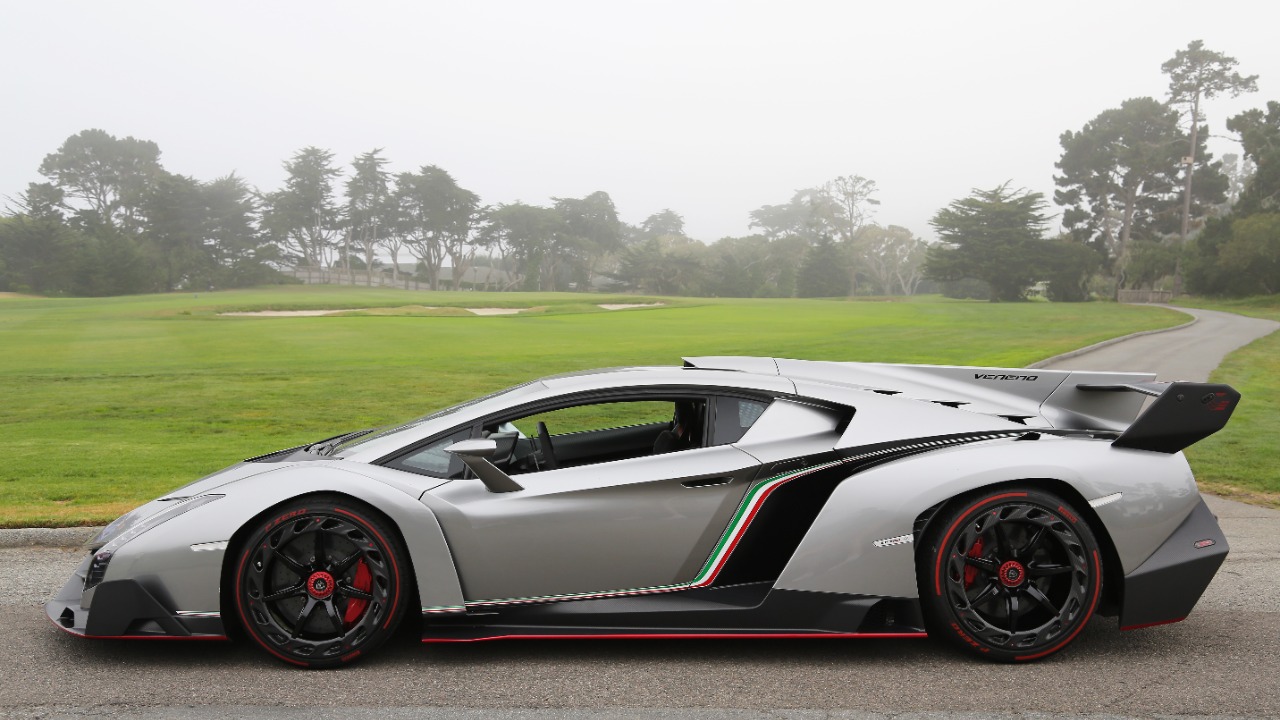
The 2013 Lamborghini Veneno is one of the purest expressions of limited-production strategy. Sources describe The Lamborghini Veneno as a hypercar created to mark the company’s 50th anniversary, and they stress how tiny the build run was. In coverage of rare exotics, analysts point out that Lamborghini Veneno production numbers were so low that the car instantly became a “great investment opportunity.”
For you as a buyer, that means the Veneno almost never appears on the open market. Owners treat it as a financial instrument and a status symbol rolled into one, often holding through multiple supercar cycles. When one does surface, you are bidding not only against enthusiasts but also against funds and family offices that see the Veneno as a hedge, which keeps supply thin and prices aggressive.
2024 Pagani Huayra Imola Roadster

Image Credit: Matti Blume – Own work – CC BY-SA 4.0 / wikipedia
The 2024 Pagani Huayra Imola Roadster pushes scarcity to an extreme. One detailed walkaround highlights that this Pagani Huayra Imola Roadster is “1 of just 8 ever made,” and also notes that Its valuation is already approaching the upper tier of modern hypercars. With only eight cars worldwide, you are essentially competing for a single-digit pool of chassis, each tied to a high-profile owner.
Because every Imola Roadster is effectively a bespoke commission, swapping hands can be as much about relationships as money. If you are not already inside the Pagani circle, you are unlikely to see one offered directly. That social gatekeeping, combined with the microscopic production run, is why this Pagani has moved beyond rare and into almost theoretical territory for most collectors.
1971 Plymouth Hemi ’Cuda Convertible
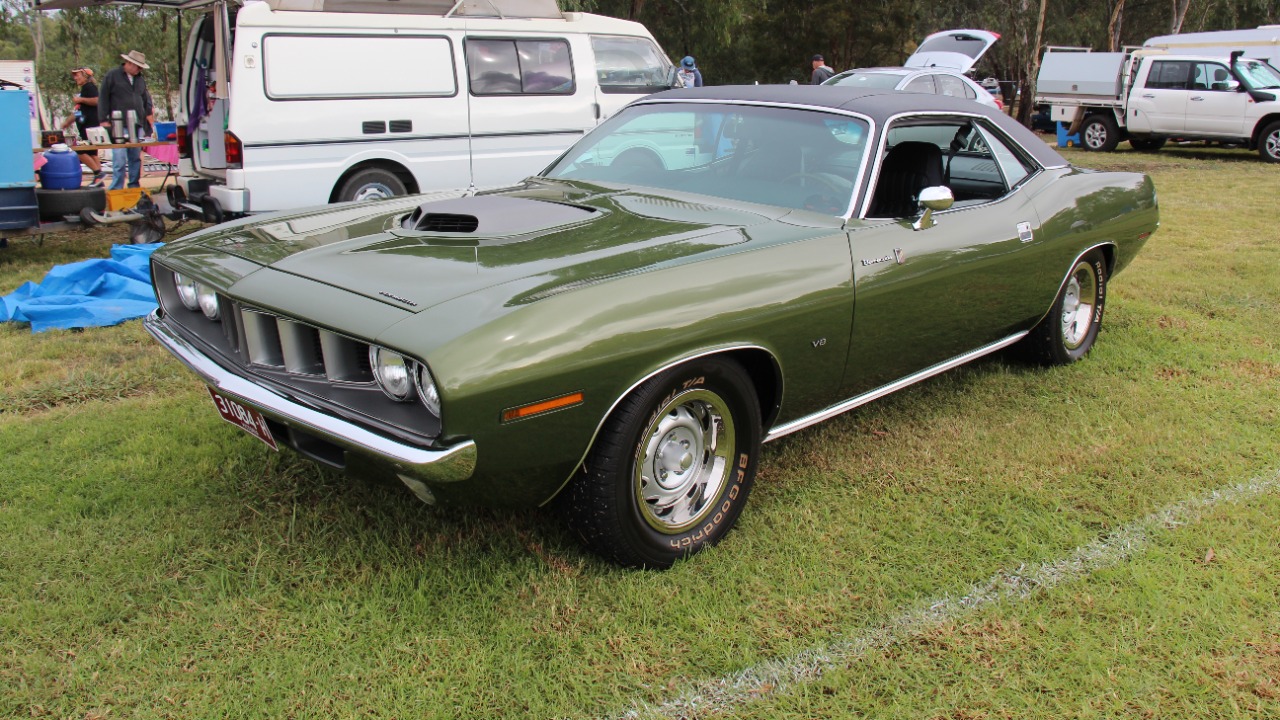
The 1971 Plymouth Hemi ’Cuda Convertible is often called the holy grail of American muscle, and the numbers back that up. Detailed shipping and auction research explains that the Plymouth Hemi ’Cuda Convertible was designed to help Chrysler homologate its racing program, with only 7 sold to the public. That tiny figure makes any surviving car a once-in-a-decade opportunity.
If you are trying to buy one, you are more likely to see it in a museum than in a dealer’s showroom. When a ’Cuda Convertible does trade, it often happens through quiet negotiations among top-tier collectors. For the broader market, this car mainly sets a benchmark, signaling how far scarcity and racing pedigree can push values when supply is limited to single digits.
2012 Bugatti Veyron Grand Sport
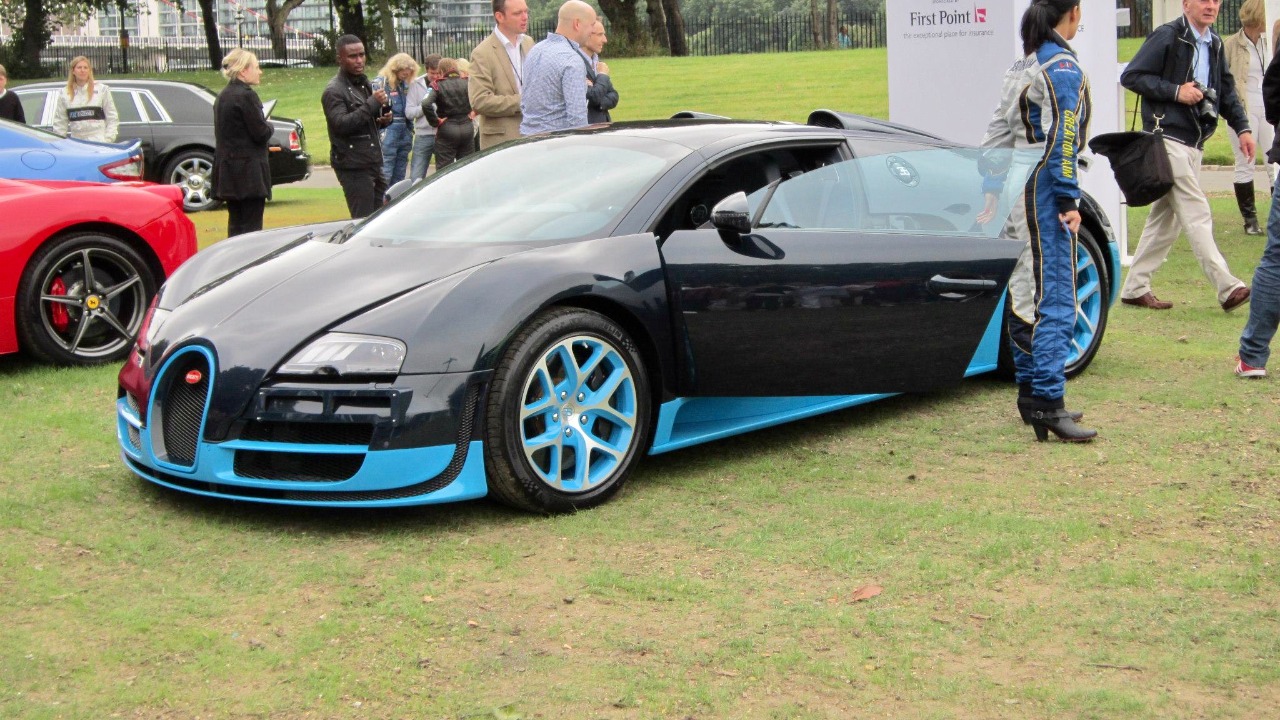
The 2012 Bugatti Veyron Grand Sport shows how even “modern” exotics can slip out of reach. Detailed sales listings describe the Bugatti Veyron Grand Sport as “1 of 450,” and some catalogs even flag the car with prompts like VIEW PRICE AND LISTING to draw attention to its rarity. While 450 may sound high compared with single-digit builds, that total covers the entire production, not just one year.
As the Veyron ages, more examples end up in long-term collections, and fewer circulate through public channels. If you want one, you face not only high entry prices but also a shrinking pool of well-maintained cars. That combination of limited supply and global demand from new wealth makes the Grand Sport harder to source with each passing year.
2018 Ford GT

The 2018 Ford GT is another limited-production model that is quietly disappearing from the open market. Detailed for-sale data shows that the 2018 Ford GT was capped at “1 of 1,350,” a figure often listed right alongside the 450 Veyron examples in collector catalogs. While 1,350 units is larger than some hypercar runs, Ford’s global fan base means demand is spread across continents.
Ford also handpicked many original buyers, which concentrated cars in enthusiast garages instead of speculative flippers. As those owners hold on, the number of GTs that reach public auction each year remains small. For you, that means paying a premium not just for the car but for the privilege of finding one that is actually for sale and not locked away.
Ford Mustang Boss 302 Laguna Seca
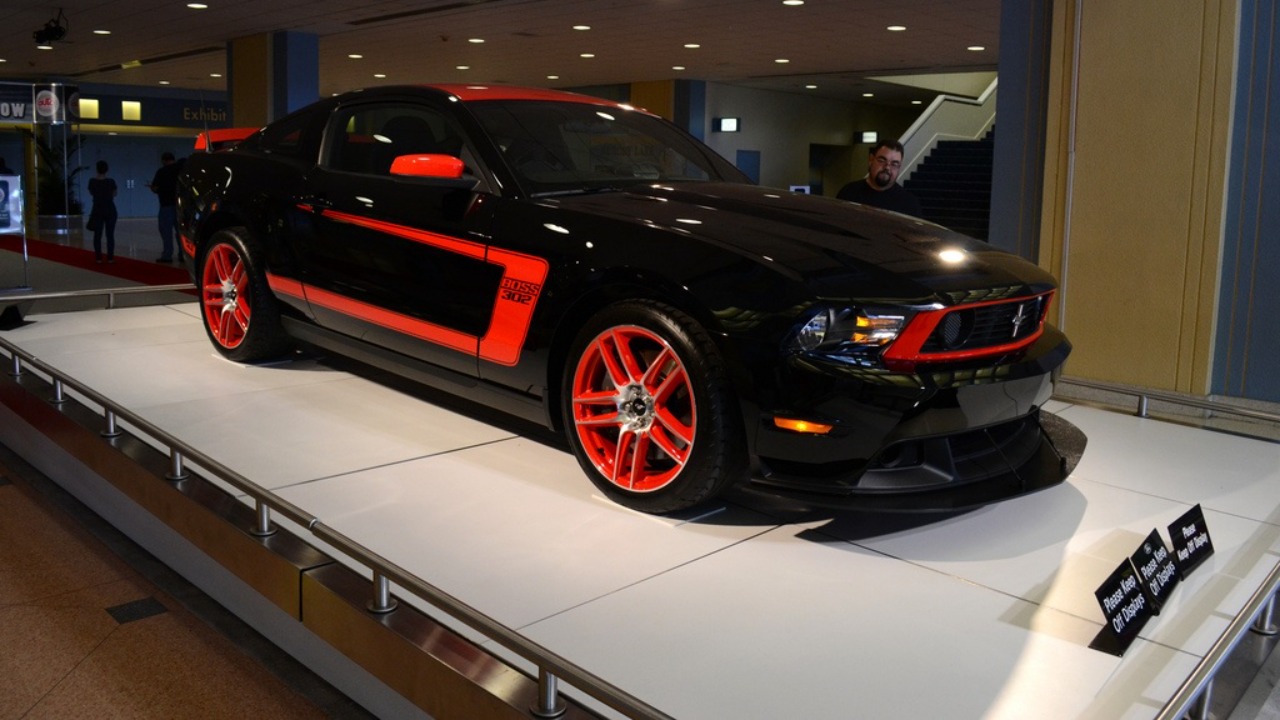
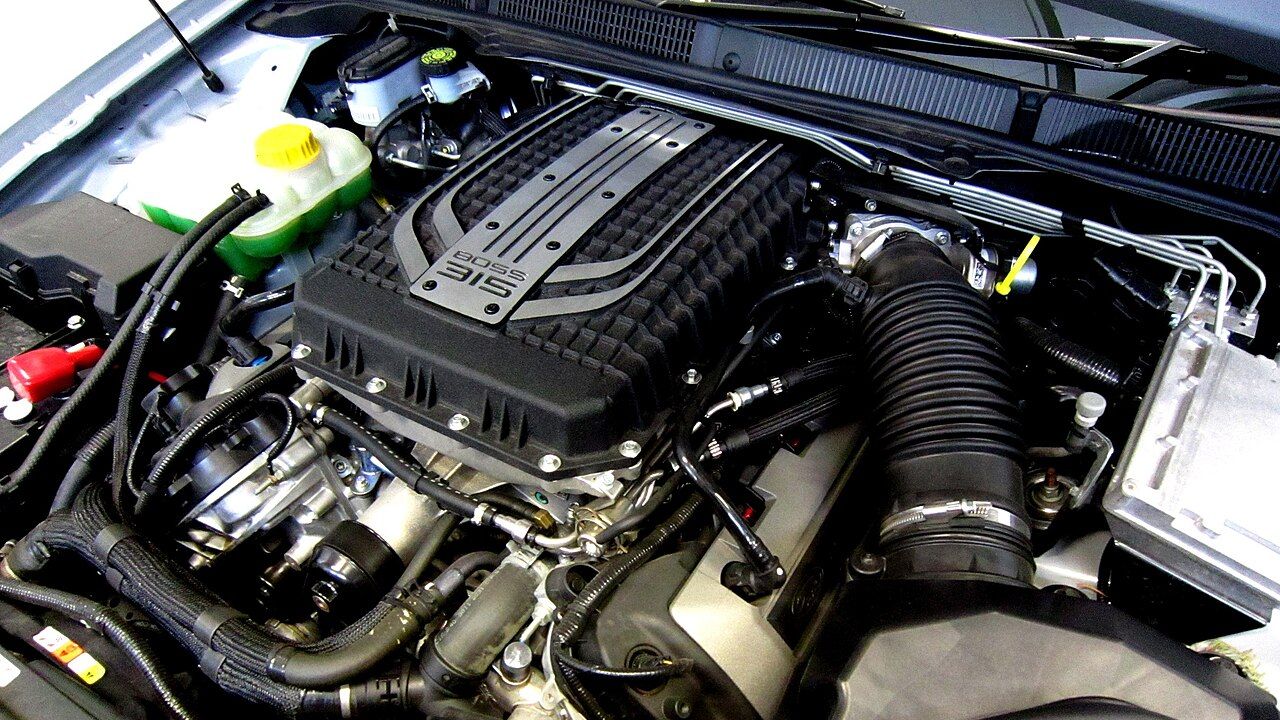
The Ford Mustang Boss 302 Laguna Seca proves that even track-focused pony cars can become hard to find. Period buyer guides describe The Ford Mustang Boss 302 as a limited-production road racing version of the Mustang, with the Laguna Seca package sharpening the suspension and aerodynamics for serious circuit work. Enthusiasts often shorten the name to Ford Mustang Boss or just Laguna Seca when they talk about these cars at events.
Because many owners use the 302 on track, clean, low-mile examples are much rarer than the original build numbers suggest. If you are shopping, you will quickly see that cars with full documentation and minimal modifications command a steep premium. The mix of nostalgia, genuine performance and limited supply has pushed this special Mustang into the “hunt hard or go home” category.
Porsche 911 Speedster (991)

The 991-generation 911 Speedster combined GT3 mechanicals with open-top driving and a manual transmission. Limited global production ensured exclusivity from the moment it launched.
Collectors quickly recognized its significance as one of the last naturally aspirated, manual-focused special editions. As more examples disappear into long-term collections, finding low-mile, original cars has become increasingly difficult.
Chevrolet Camaro Z/28 (Fifth Generation)
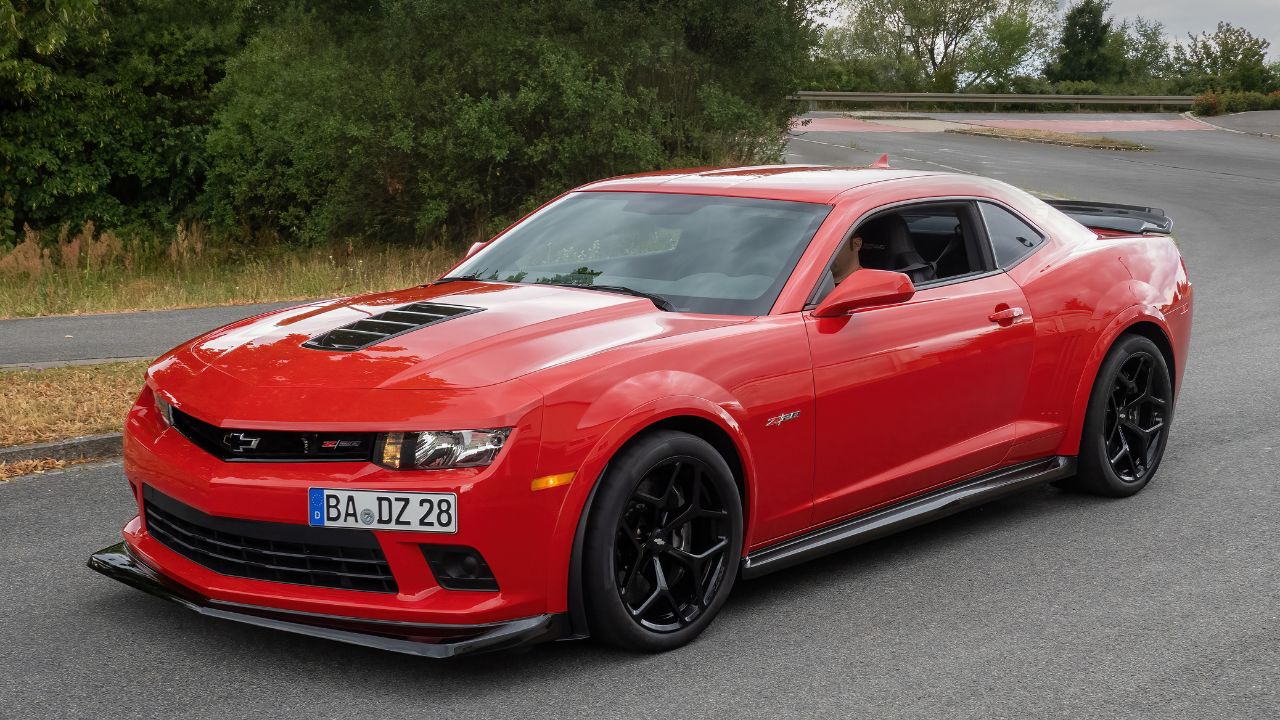
Image Credit: Ermell – CC-BY-SA-4.0 / Wiki Commons
The fifth-generation Camaro Z/28 prioritized track performance over comfort, featuring lightweight components and a naturally aspirated 7.0-liter V8. Production remained tightly controlled.
Many examples were either tracked heavily or stored immediately, reducing the pool of well-preserved cars. Buyers seeking clean, documented examples often find slim pickings.
Dodge Viper ACR (Gen V)
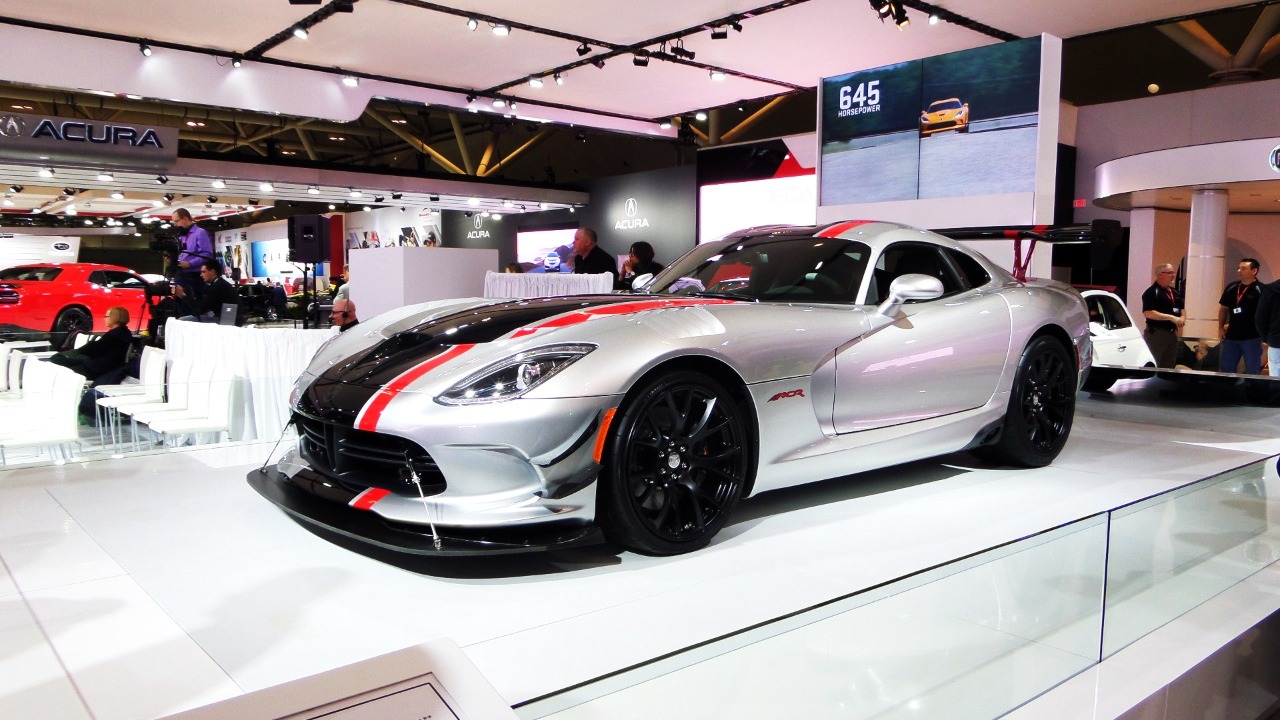
The Gen V Viper ACR delivered extreme aerodynamic performance and track capability. Built in limited numbers, it represented the final evolution of Dodge’s raw, naturally aspirated supercar formula.
With the Viper nameplate discontinued, enthusiasts see the ACR as historically significant. Many examples are tightly held, and sourcing low-mile, unmodified cars has become progressively harder.
Audi R8 GT (First Generation)

The first-generation Audi R8 GT featured weight reductions, enhanced power, and limited global production. It represented the ultimate evolution of the original V8 platform.
With many examples secured by collectors early on, public availability has dwindled. Enthusiasts seeking original-condition cars often encounter limited listings and rising asking prices.
More from Fast Lane Only