You can tell a lot about the auto industry by looking at the cars that missed the moment. Some vehicles were packed with ideas yet still flopped, others were sunk by scandal or by a shift in what drivers wanted. Here are 12 cars that found themselves on the wrong side of industry change, and what they reveal about where you might be headed next as a buyer or enthusiast.
Edsel Corsair
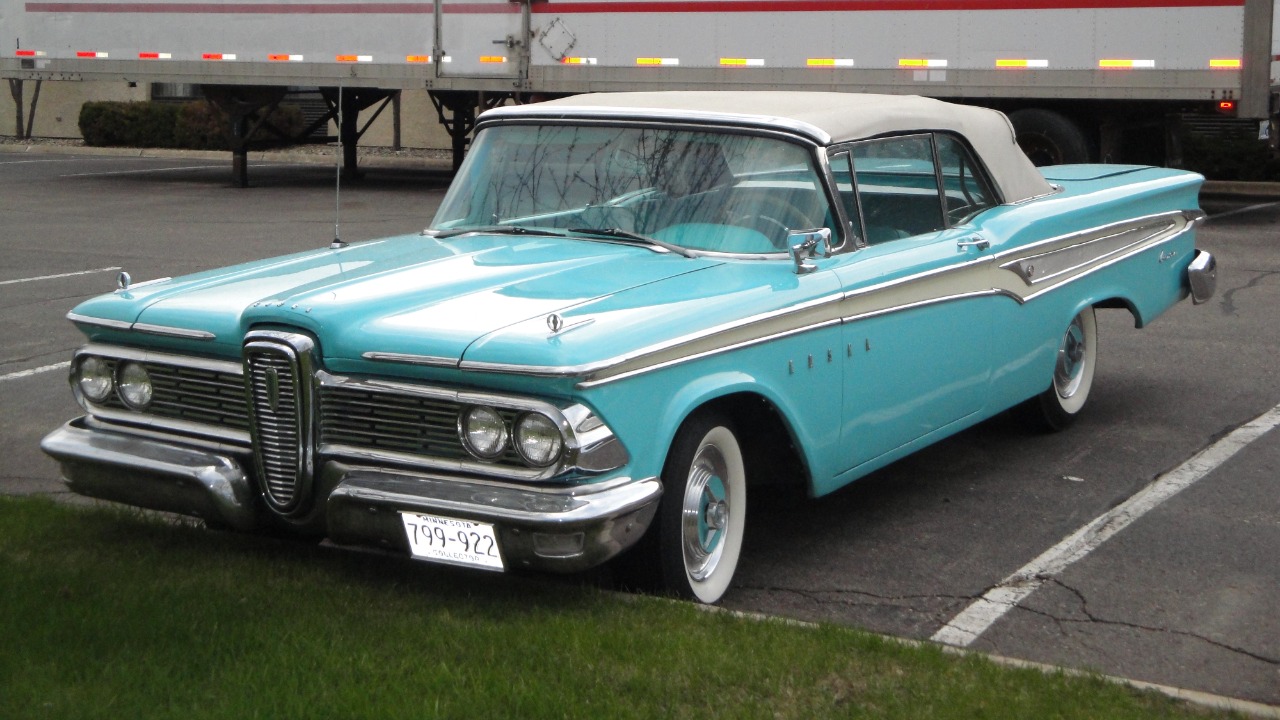
The Edsel Corsair is often held up as the classic example of a car that arrived at the wrong time. One detailed list of troubled models notes Edsel under a section that includes automobiles notable for, and a later social media post even calls Edsel “the biggest flop in American Auotmotive History.” You can see how a bold new brand, pushed hard by its parent company, still collapsed when buyers shifted toward smaller, cheaper cars.
For you, the Edsel story is a warning about betting too heavily on hype. The car tried to stand apart with styling and features, but the market was moving toward practical value and better fuel use. When you look at a new badge or sub-brand today, it helps to ask whether the timing lines up with real demand or whether history might repeat itself.
Chevrolet Corvair
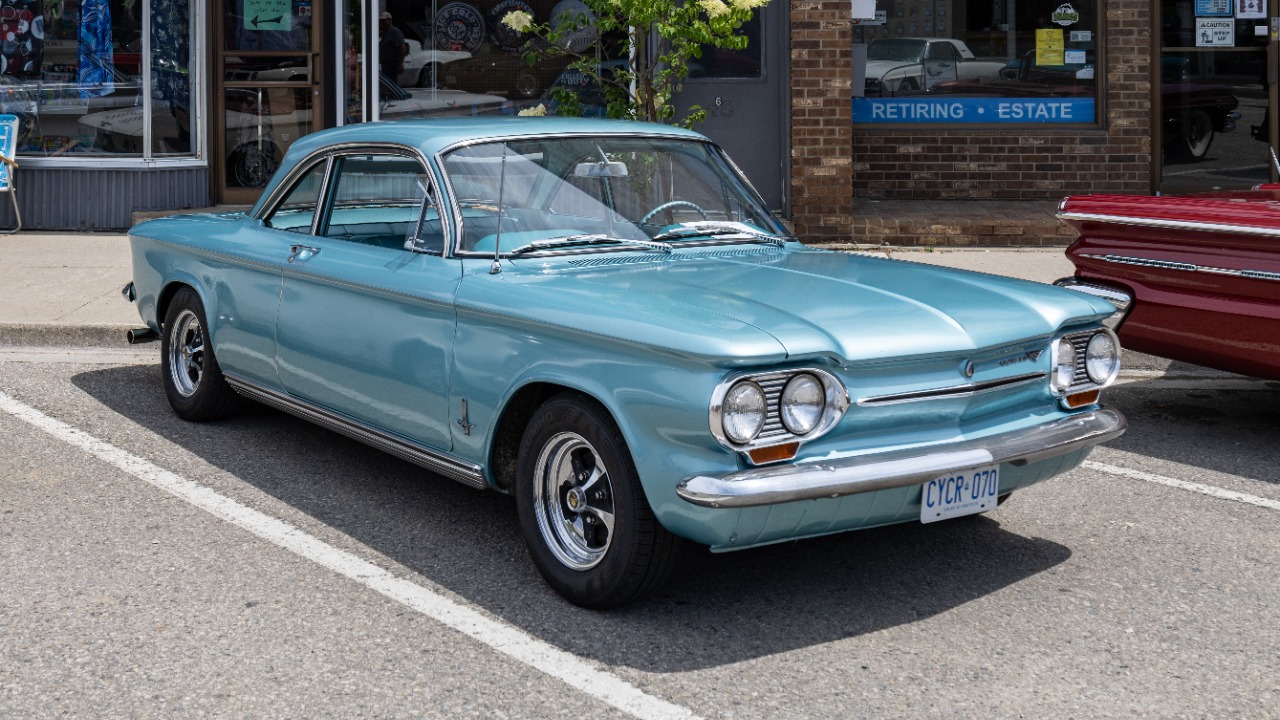
The Chevrolet Corvair shows how safety concerns can flip a car’s image almost overnight. A major review of auto scandals highlights the Chevrolet Corvair and notes that it helped make Ralph Nader a household name. The car’s rear-engine layout and handling raised questions, and that debate fed a wider push for stronger oversight of how companies designed and tested vehicles.
If you care about safety ratings and crash tests, you are living with the results of that fight. The Corvair’s troubles showed that ignoring early warnings can damage a brand for years. When you compare models now, the presence of independent testing and clear safety data is one legacy of that 196 era of scrutiny.
Ford Pinto
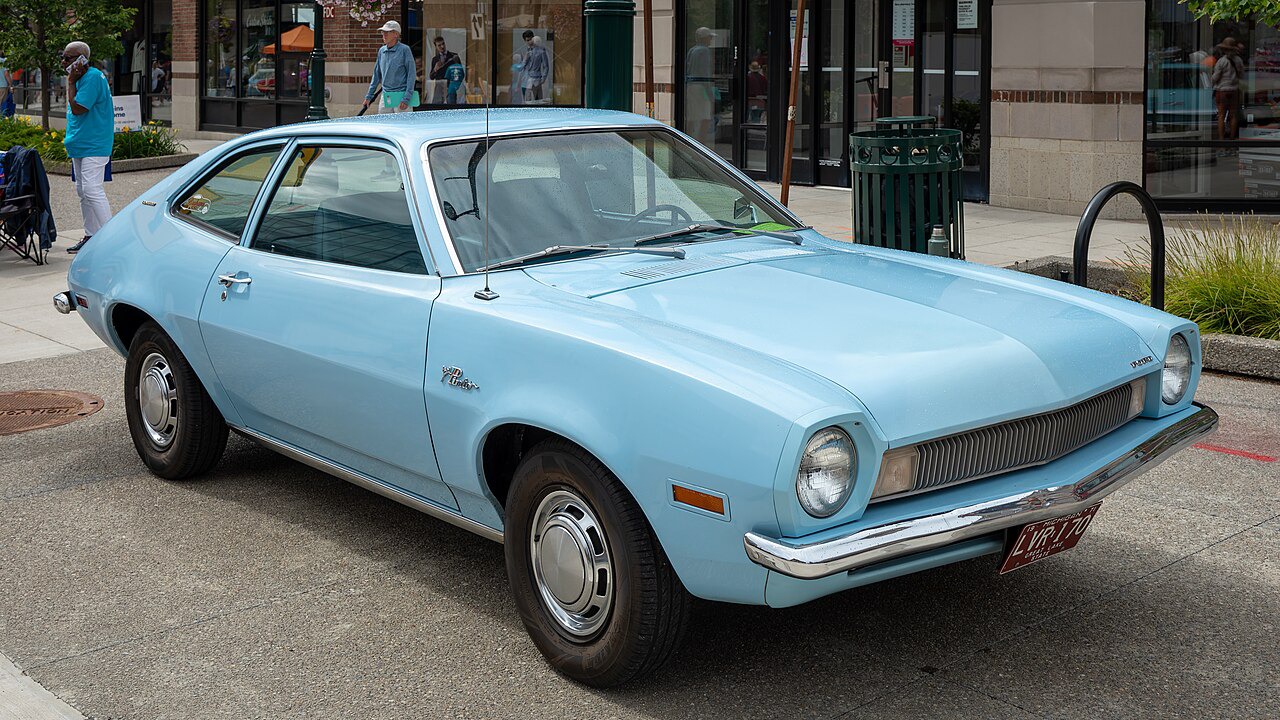
The Ford Pinto is another model that became a symbol of risk and corporate misjudgment. A legal review of major scandals describes how the Ford Pinto case was followed by more trouble for Ford, including a recall where NHTSA said some vehicles could roll unexpectedly. The Pinto’s fuel tank design and the way executives weighed cost against safety turned into a public lesson in what not to do.
For drivers, that history explains why you now see faster recalls and more transparent defect notices. Regulators such as NHTSA learned from the Pinto era that they had to act when patterns of risk appeared. When you get a recall letter today, it is part of a system shaped by those earlier failures and the pressure that came after them.
Cadillac ELR
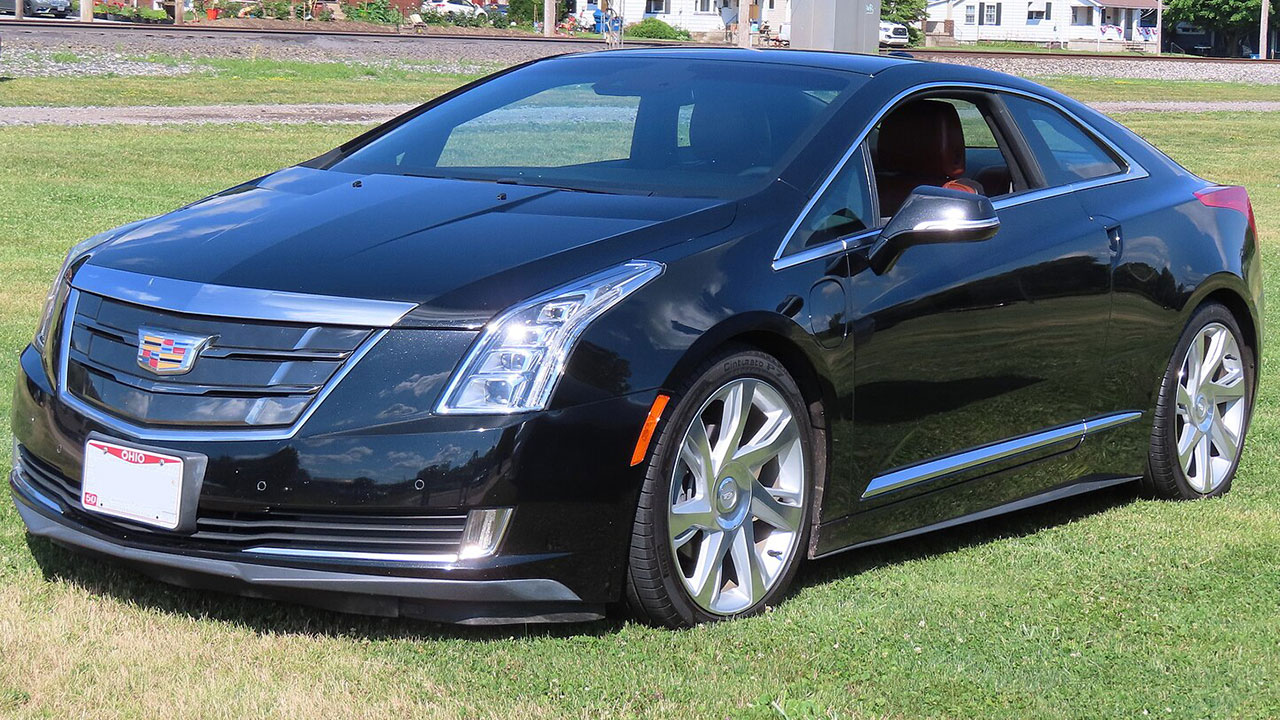
The Cadillac ELR reimagined plug-in hybrid technology within a premium coupe format. It aimed to blend efficiency with distinctive styling and upscale appointments.
High pricing and limited performance created confusion about its purpose. Arriving before luxury EV adoption accelerated, it struggled to resonate with buyers navigating a shifting electrification landscape.
Fisker Karma
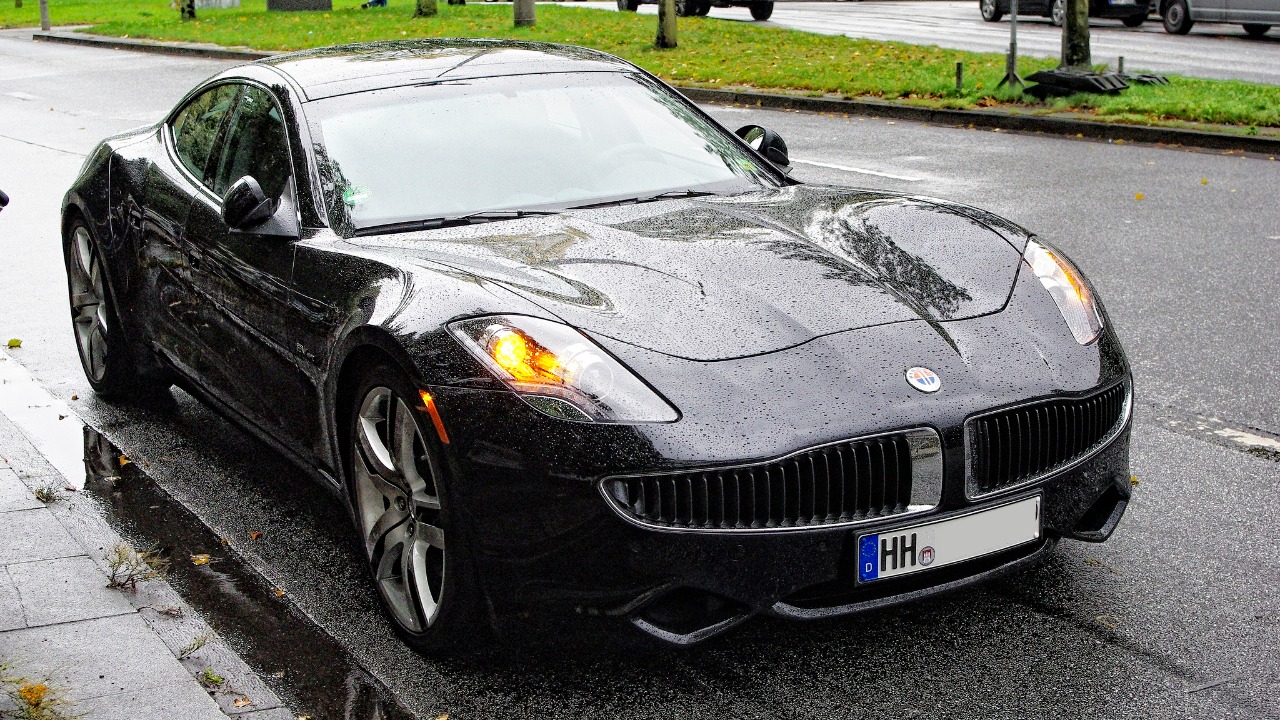
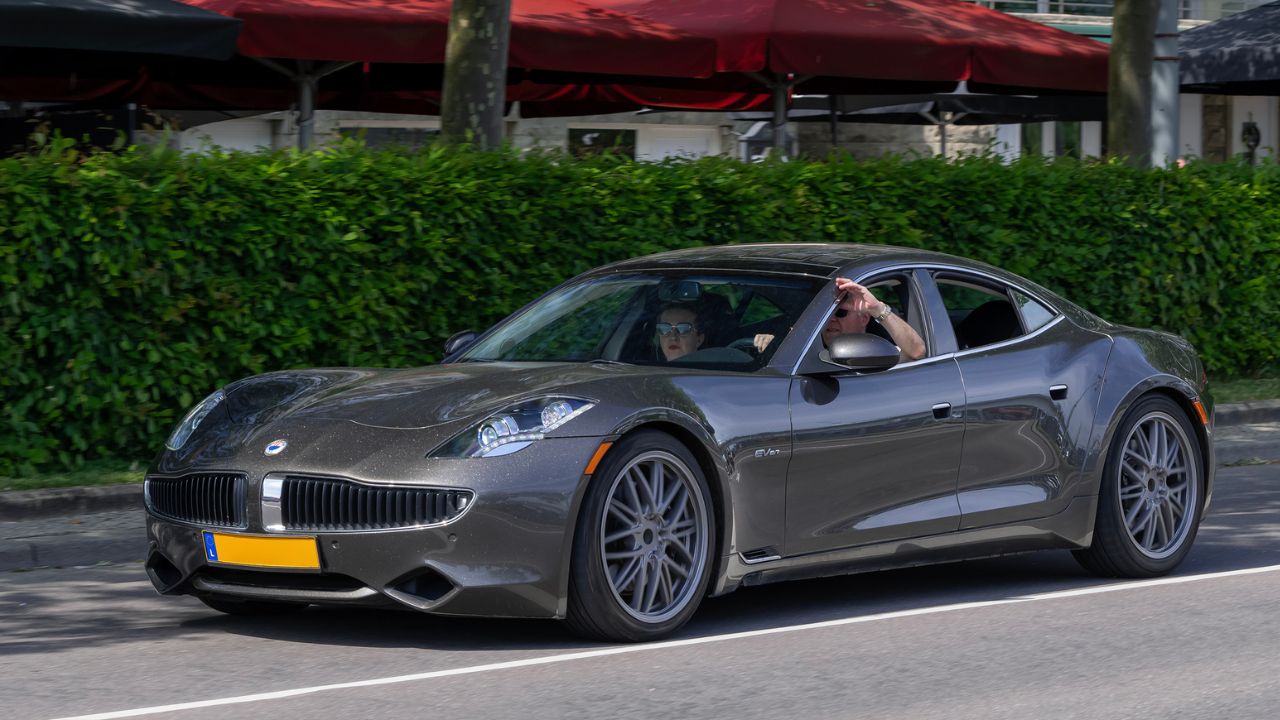
The Fisker Karma tried to blend green tech with luxury, but it landed between eras. A review of recent car misfires notes that The Karma shared a platform idea with the Chevy Volt, using a plug-in hybrid layout, yet it cost six figures and still had limited space. That mix of high price and early-stage technology made it a hard sell once more practical electric options appeared.
If you are weighing an EV or plug-in hybrid today, the Karma’s fate shows why range, packaging, and charging access matter as much as styling. The car was a step toward electrification, but the market soon demanded better value and more usable interiors. You can see how fast expectations move once new tech becomes mainstream.
Nissan Murano CrossCabriolet
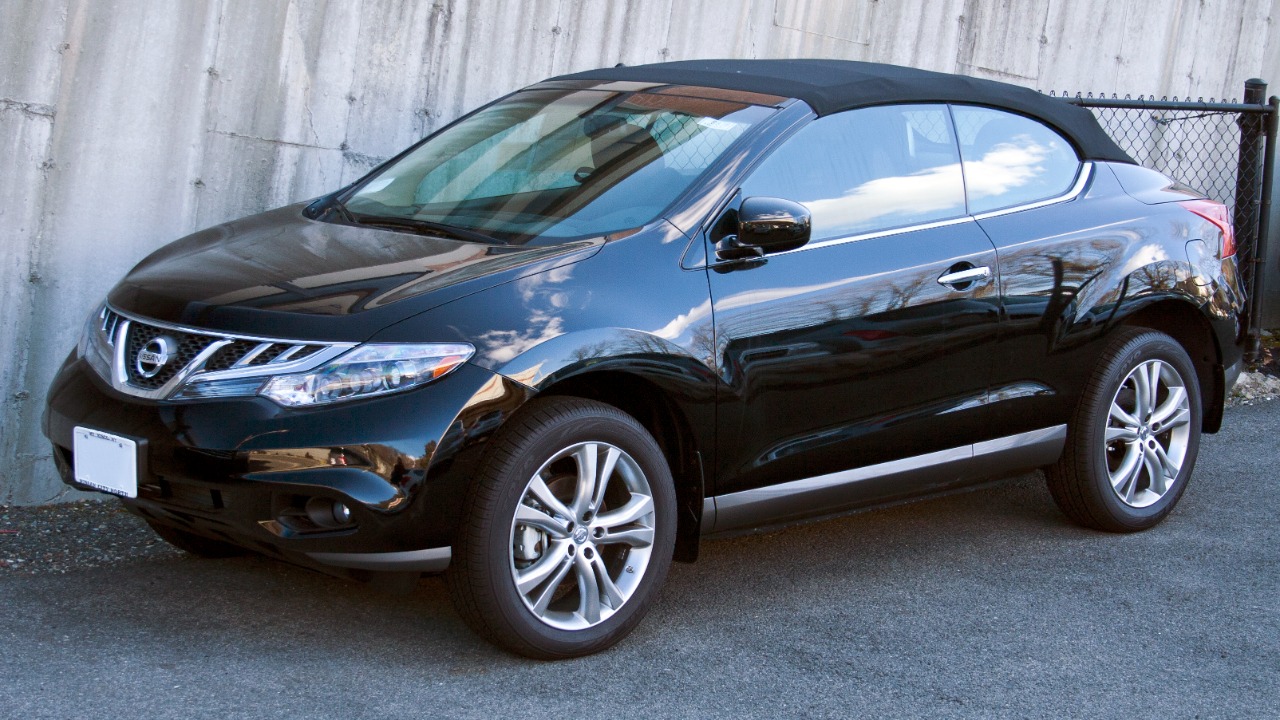
The Nissan Murano CrossCabriolet is a case of a niche idea that never found its crowd. A detailed list of poorly received models includes the Nissan Murano CrossCabriolet under section 8.3, alongside other experiments that did not land. The idea of a convertible SUV sounded bold, but the final product was heavy, expensive, and awkward to look at for many shoppers.
For you, it is a reminder that not every segment mashup works. The CrossCabriolet tried to mix open-air fun with crossover practicality, yet it sacrificed cargo space and ride comfort. When you see a new body style today, it can help to ask whether it solves a real problem or simply tries to stand out in photos.
Nissan Juke
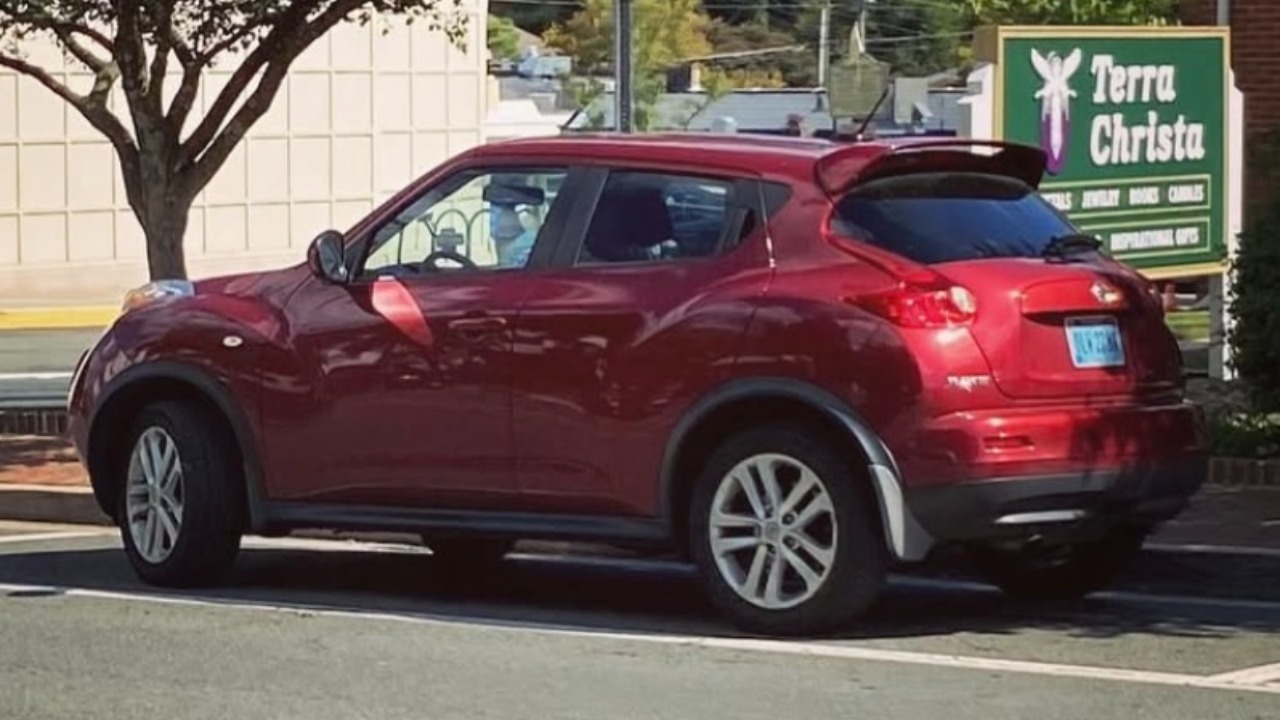
The Nissan Juke shows how polarizing design can limit a car’s reach. In the same negative-reception list, the Nissan Juke appears under metric 8.1, reflecting how its bug-eyed front end and tight rear space split opinion. While some drivers loved the playful look, others saw it as odd or toy-like, which held back broader acceptance.
As crossovers became more central to brand lineups, the Juke’s styling risk looked less smart. You can see how later models from different makers softened their lines to appeal to more people. When you choose between a bold design and a more conservative one, the Juke’s story shows how resale value and long-term support can hinge on that call.
Aston Martin Cygnet
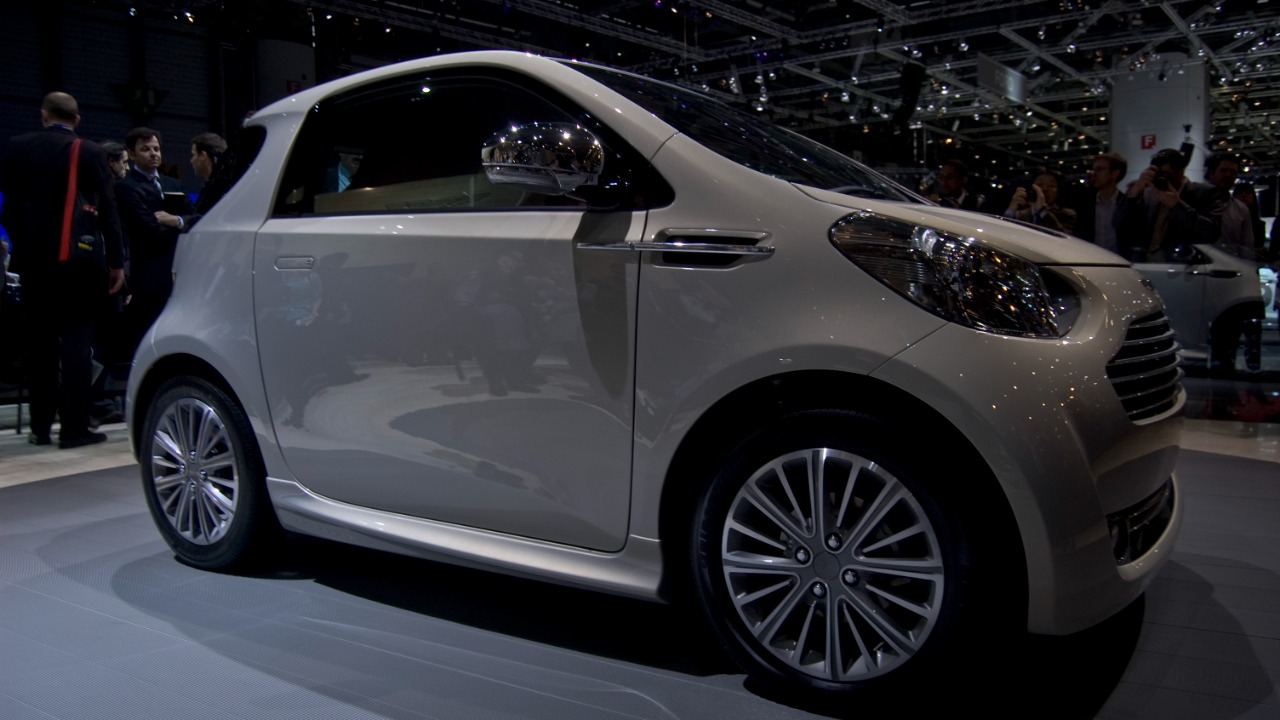
The Aston Martin Cygnet is a luxury badge on a tiny city car, and that mismatch hurt its standing. The same list that covers the Juke and Murano also flags the Aston Martin Cygnet under metric 8.2. Built to help meet emissions rules, it carried a high price despite its modest roots, which left many buyers feeling the brand was stretching its name too far.
If you care about brand identity, the Cygnet is a clear lesson. Regulations pushed Aston Martin to think small, but the market did not accept a city car at that cost. When you see premium makers enter new segments, it is worth asking whether the product really reflects their strengths or simply tries to tick a compliance box.
AMC Gremlin
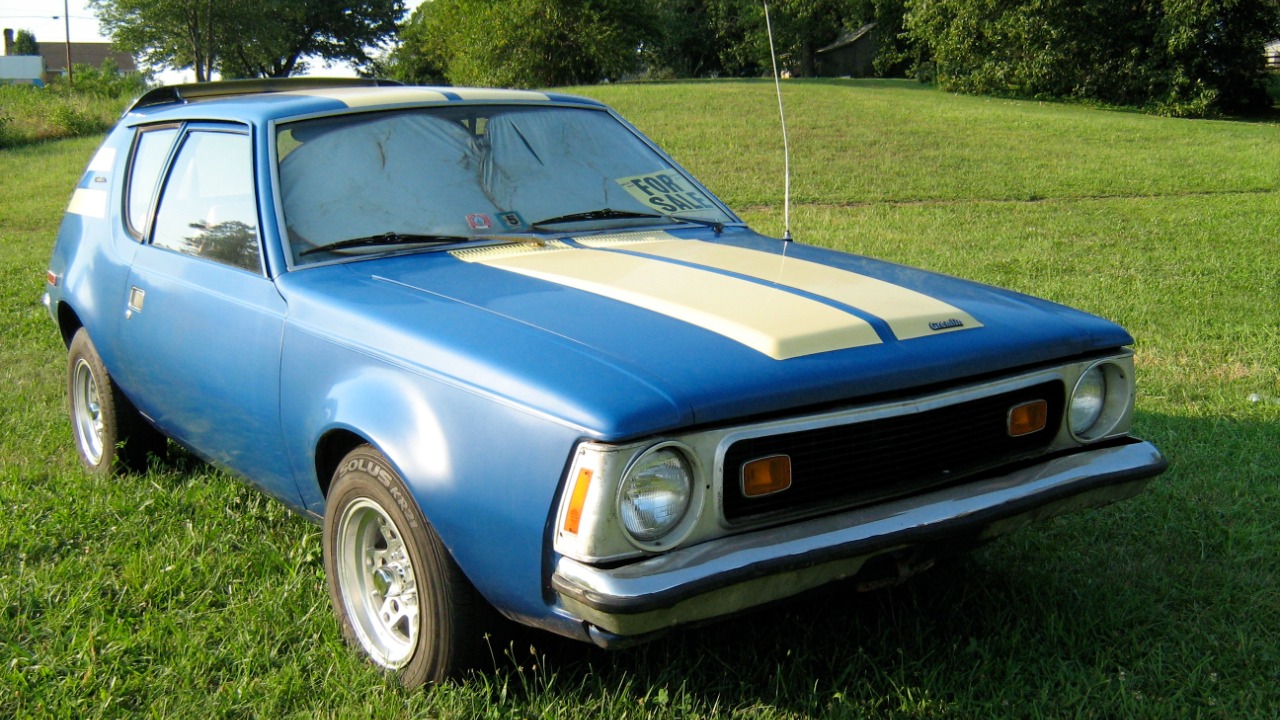
The AMC Gremlin tried to answer demand for compact cars but struggled with quality and image. A section labeled Contents lists metric 4.2 for the AMC Gremlin, alongside VAZ, Lada Riva, and Zhiguli at 4.1. The Gremlin’s chopped-off rear and basic interior made it feel cheap at a time when imports were raising expectations.
For buyers, the Gremlin era shows how quickly standards can change. As more efficient and better-finished small cars arrived, AMC’s effort looked rushed. When you consider budget models now, you can see how lessons from cars like the Gremlin pushed the industry to improve even its entry-level offerings.
Ford Fiesta ST
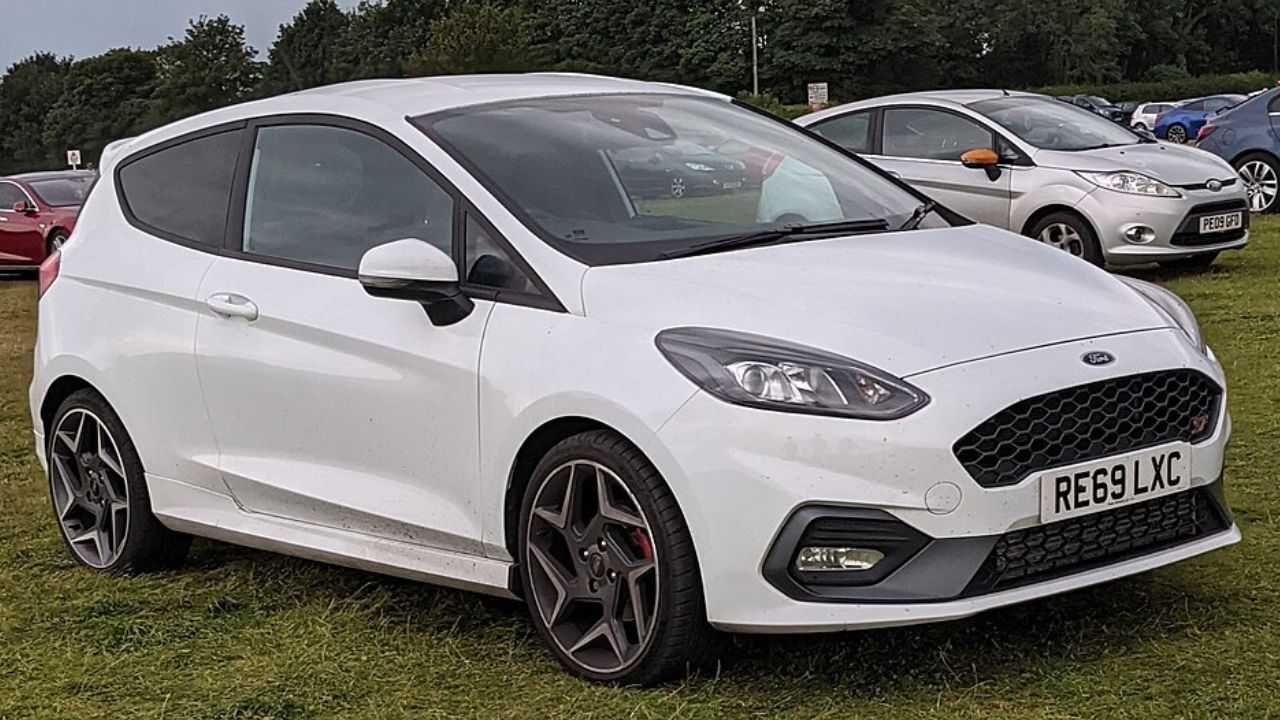
The Fiesta ST offered sharp handling and affordable turbocharged fun in a compact hatchback package. It built a loyal enthusiast following despite modest power figures and minimal luxury.
Unfortunately, shrinking small-car demand in North America sealed its fate. As crossovers took over showroom floors, this engaging hot hatch exited quietly, leaving fans wishing it had arrived in a different era.
Volkswagen Phaeton
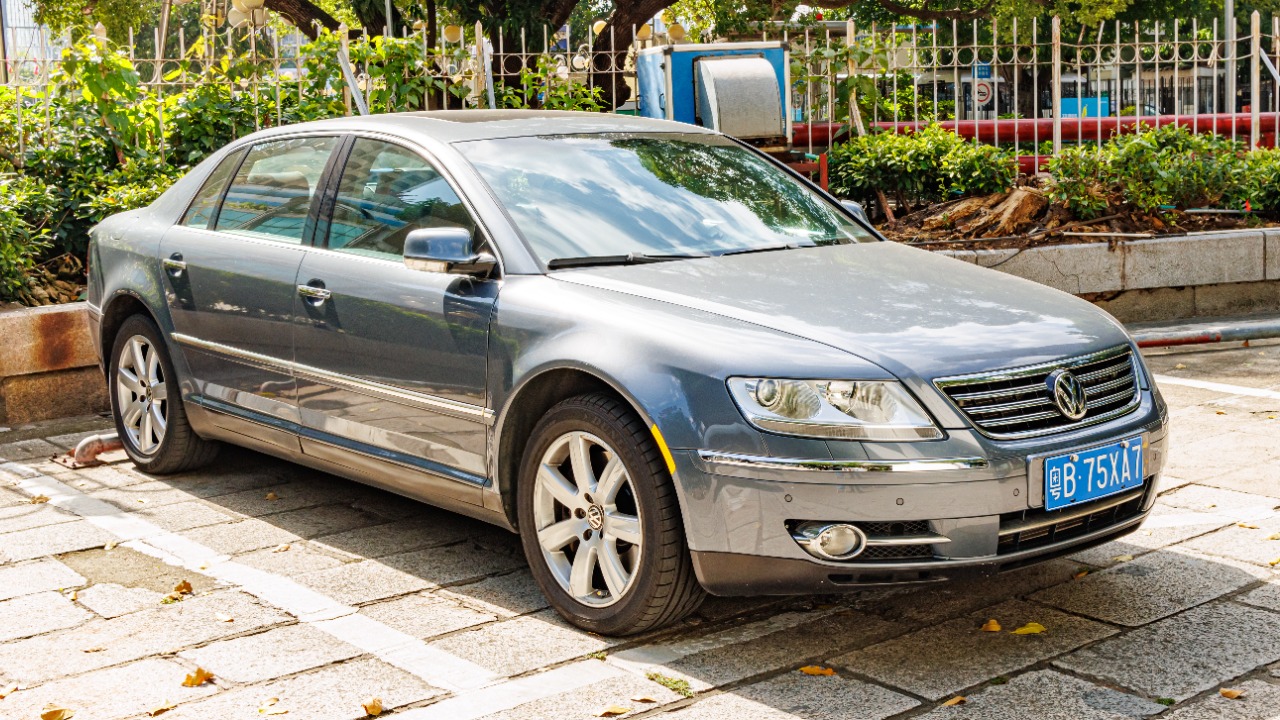
The Phaeton attempted to compete with established luxury sedans using understated design and exceptional engineering. It offered remarkable refinement and technology beneath a conservative exterior.
However, brand perception proved difficult to overcome. Buyers seeking flagship luxury often turned to traditional prestige badges, leaving the Phaeton stranded despite its technical excellence.
VAZ-2101 / Lada Riva / Zhiguli
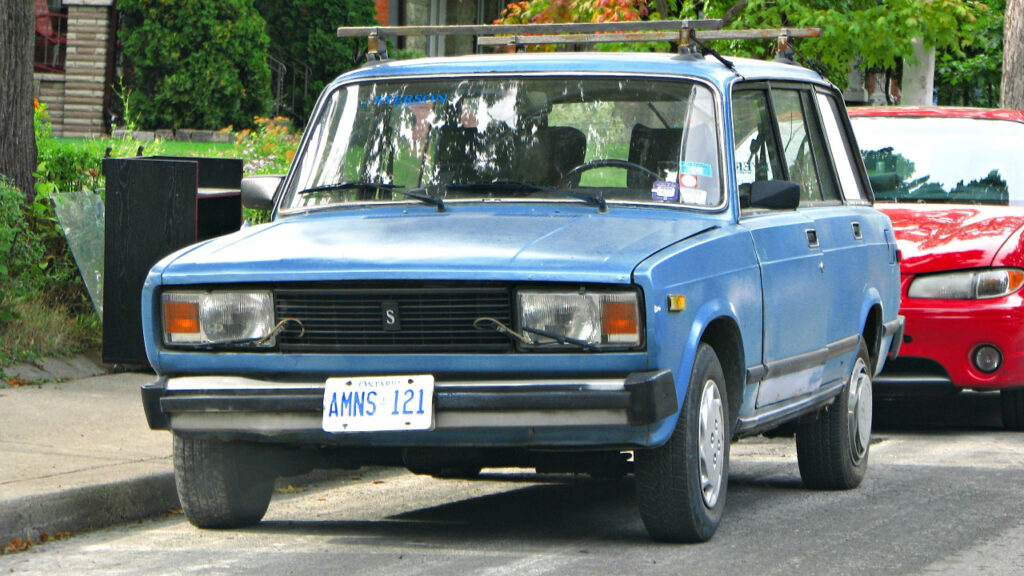
The VAZ-2101, also known as Lada Riva or Zhiguli, shows how a car can linger long after its design is outdated. In the Contents list of troubled models, metric 4.1 covers VAZ, Lada Riva, from 1970 to 2013. While rugged and simple, the car lagged behind global standards for safety, emissions, and comfort as decades passed.
For drivers in markets where it sold, that meant living with old tech while other regions moved on to cleaner and safer options. The long life of this design shows how policy, local income, and factory investment can trap buyers with dated choices. When you compare modern models, you can see how pressure for lower emissions and better well-being, described in climate research on demand-side solutions, is now pushing even budget cars to change faster.
More from Fast Lane Only