You know a vehicle is trouble when your mechanic sighs, looks at the floor, and says, “That one is hard to explain in one sentence.” Modern cars mix software, sensors, and cramped packaging in ways that turn simple jobs into all‑day puzzles. Here are 12 vehicles that routinely make professionals hesitate, backed by what working techs and recent reporting say about why they are so tough to deal with.
Tesla Model S

The Tesla Model S is the poster child for cars mechanics refuse to sum up quickly, because the real story is that many independent shops will not touch it at all. Reporting on why some mechanics are refusing certain car brands points to “Complex Technology Makes Repairs Harder,” and the Model S is exactly that problem on wheels. High voltage systems, proprietary software locks, and over‑the‑air updates mean you cannot just plug in a generic scan tool and start testing.
For you as an owner, that complexity narrows your options. If your warranty is over and the nearest service center is far away, you may find local shops declining the work because they lack factory training, special tools, or access to parts. The stakes are high, since a mistake around the battery pack or power electronics is not just expensive, it can be dangerous, so many mechanics simply say no.
Rivian R1T

The Rivian R1T is another vehicle mechanics struggle to explain briefly, because it combines truck‑level hardware with cutting edge electric tech. Coverage of why some shops avoid specific EVs highlights a basic issue, a Lack of Training that leaves “EV owners with limited options.” The R1T’s quad‑motor layout, skateboard battery, and software‑heavy controls demand specialized knowledge that most general repair garages simply do not have yet.
That gap in training turns every repair into a risk calculation for the shop. If a technician misdiagnoses a high voltage fault or damages a battery module, the bill can run into five figures, and the liability is enormous. So instead of trying to condense the R1T’s needs into a quick explanation, many mechanics quietly decline the job, pushing you back toward factory service networks that are still scaling up.
MINI Cooper (R56)

The MINI Cooper R56 generation is infamous among technicians because its charm hides a packaging nightmare. A specialist shop notes that, Due to their compact design and complex electrical systems, MINI Coopers can be notoriously difficult to repair and maintain. On an R56, basic jobs like replacing a thermostat housing or timing chain tensioner can require removing multiple layers of intake plumbing, engine mounts, or subframe components just to reach the failed part.
For you, that means labor hours pile up fast, even when the part itself is not especially expensive. The complex wiring and control modules also mean intermittent electrical issues can take hours of diagnostic time before any wrench is turned. When a mechanic hesitates to summarize what is wrong with your R56 in one sentence, it is often because the real answer is that everything is buried and interconnected.
Mercedes‑Benz 600 (W100)
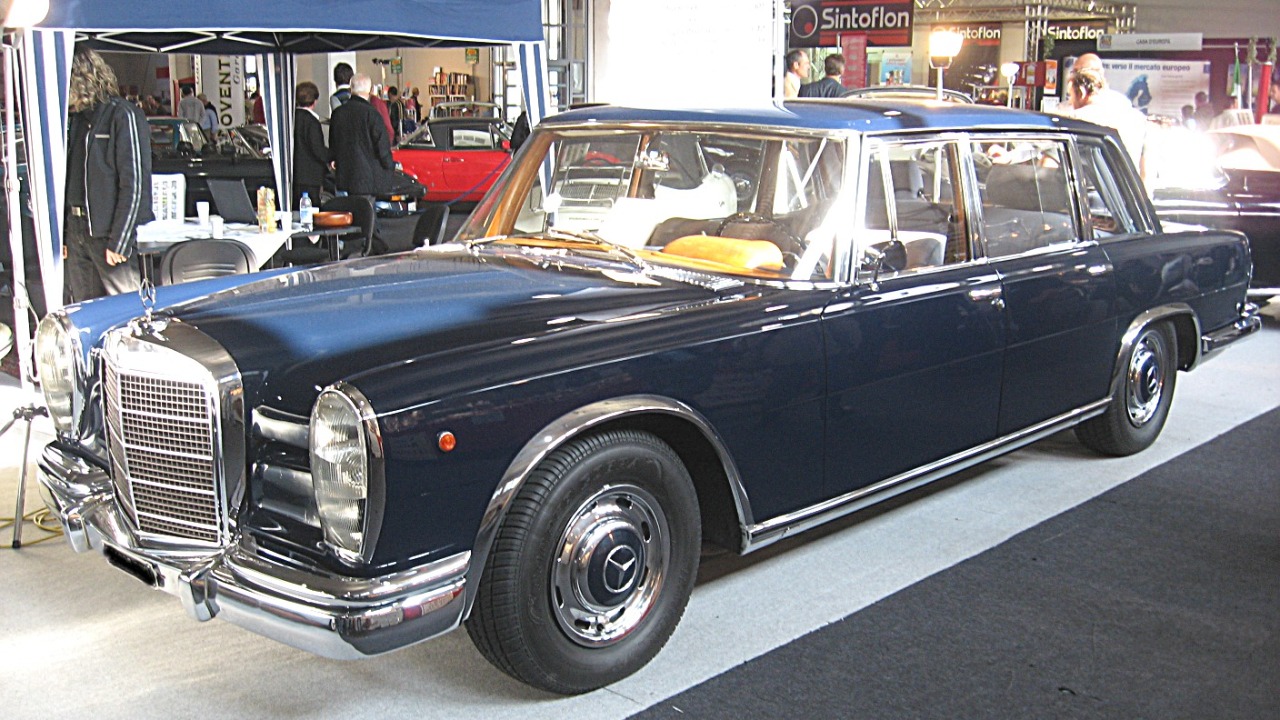
The Mercedes‑Benz 600 W100 is a legend, but it is also a car that makes even seasoned experts pause before explaining what it needs. Enthusiast coverage of Jay Leno’s collection notes that the Mercedes‑Benz 600 is his “number one” car, yet it is supported by a labyrinth of hydraulic systems that control the suspension, windows, seats, and even the trunk. Those hydraulics run at extremely high pressure, and leaks can be both hard to trace and brutally expensive to fix.
Because so few of these cars exist, parts are scarce and the knowledge base is tiny. If you bring a W100 to a regular shop, the mechanic may refuse the work simply because one misstep could disable half the car’s functions. The stakes are not just financial, they are reputational, so many professionals will not try to compress the complexity of a 600 into a quick service counter explanation.
BMW 7 Series (E65)
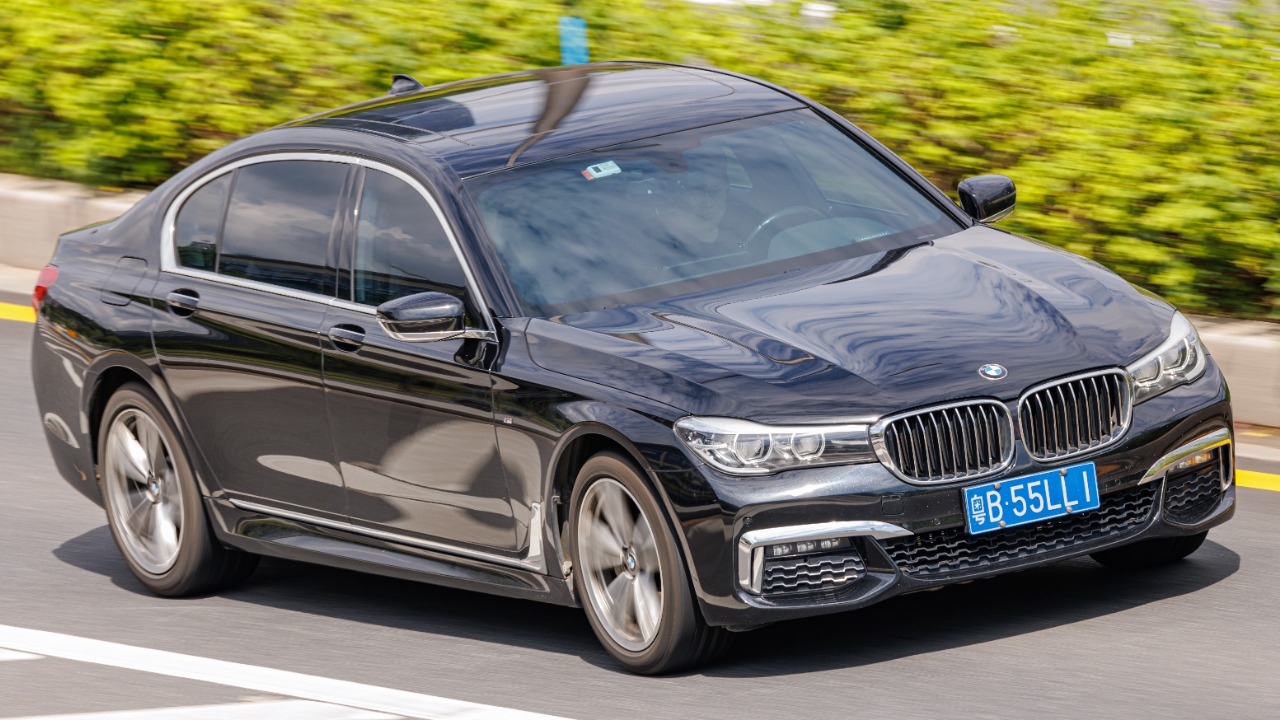
The BMW 7 Series E65 generation is another sedan that defies one‑sentence explanations, largely because it was packed with early 2000s electronics that have not aged gracefully. Lists of the most difficult cars to repair often single out big German luxury sedans for their layered control modules and fiber‑optic networks. On the E65, everything from the iDrive controller to the active suspension talks through complex bus systems that can be knocked out by a single failing module.
For owners, that means a simple symptom like a dead screen or random warning lights can trigger hours of diagnostic tree work. Mechanics know that explaining “your car needs a new module plus coding plus possible wiring repairs” will sound vague and expensive, yet that is often the reality. Many independent shops either specialize heavily in these cars or avoid them, because one electrical gremlin can tie up a bay for days.
Audi A8 (D3)

The Audi A8 D3 is built around aluminum construction and advanced electronics, a combination that makes it hard to describe and even harder to repair. Technicians who discuss difficult brands often mention that large Audis require extensive disassembly for basic access, and their air suspension, timing components, and transmission cooling systems are all tightly packaged. When something fails, you are rarely dealing with a single isolated part.
From your perspective, the challenge is that labor times balloon quickly. Replacing a leaking coolant pipe or a worn timing chain guide can mean dropping the front subframe or putting the car into a “service position,” which is a polite way of saying the nose comes apart. Mechanics hesitate to give a neat one‑liner because the job can escalate once they open it up, and they know you will feel blindsided if the estimate doubles mid‑repair.
Volkswagen New Beetle (1.8T)
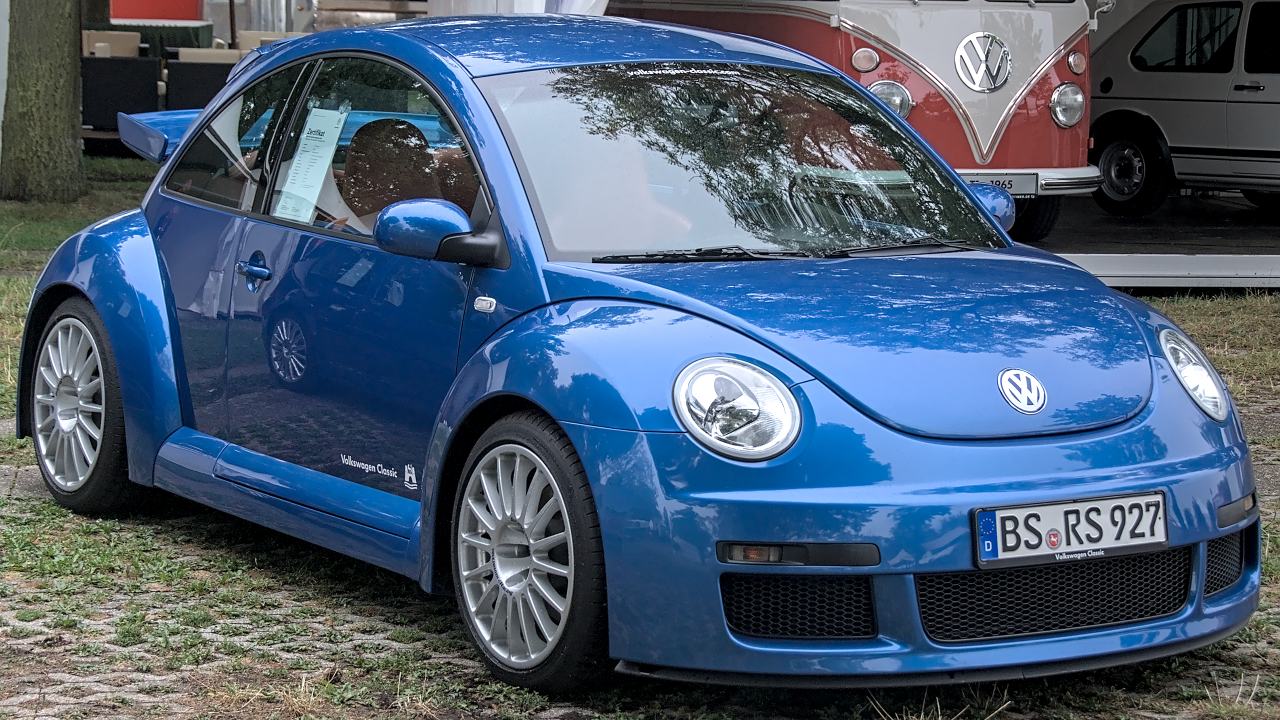
The Volkswagen New Beetle with the 1.8T engine is notorious in mechanic circles for being far more cramped than its Golf and Jetta siblings. In one Dec discussion, a technician joked, “Maybe I just have Stockholm syndrome,” before explaining that on the New Beetle “lots has to come off” for even routine work. That cramped engine bay means turbo, timing belt, and cooling system jobs all require extra steps compared with the same drivetrain in a different body.
For you, this translates into higher labor quotes and more chances for collateral issues, like brittle plastic connectors breaking during disassembly. Mechanics know that saying “it is just a timing belt” will not capture the reality that half the front end may need to be removed. So they often hedge, warning that the job is complicated without trying to walk you through every awkward fastener and hidden bracket.
Chrysler PT Cruiser
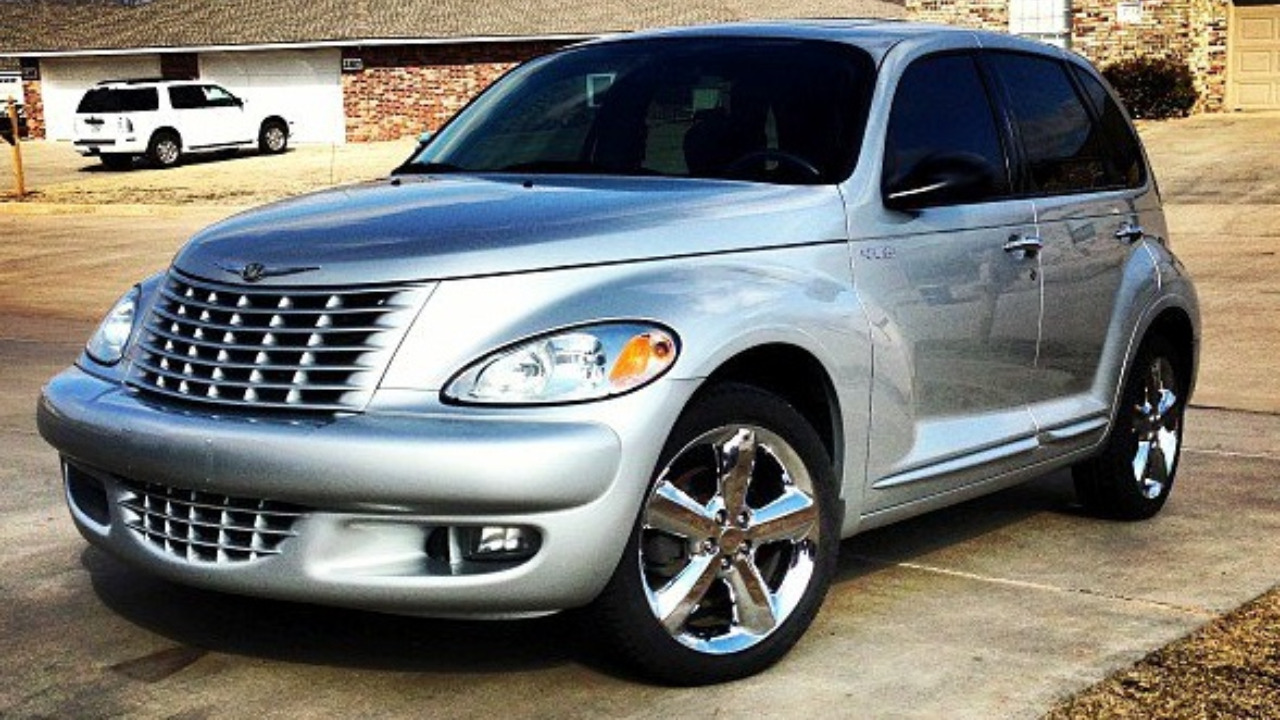
The Chrysler PT Cruiser has a reputation for being harder to work on than its simple styling suggests. Technicians point to awkward packaging around the engine and transmission, where components like the timing belt, water pump, and clutch are buried behind tight clearances. Accessing these parts can require lifting the engine or removing mounts, which turns what sounds like a straightforward job into a multi‑hour project.
Owners feel the impact when repair bills seem out of proportion to the car’s value. A PT Cruiser with a failing head gasket or worn timing components may be technically fixable, but the labor cost can exceed what the vehicle is worth on the open market. That is why some mechanics struggle to give a quick explanation, because the honest answer is that the car is not complex in theory, just packaged in a way that punishes every repair.
Nissan Murano CVT

The Nissan Murano equipped with an early continuously variable transmission is another vehicle that makes mechanics cautious. CVT issues often start as vague symptoms, like a flare in engine speed or a shudder under load, but by the time you notice them, internal wear can be extensive. Unlike traditional automatics, these units are rarely rebuilt at the local level, so the realistic options are often replacement or a specialized transmission shop.
For you, that means a simple complaint of “it feels like it is slipping” can turn into a multi‑thousand‑dollar conversation. Mechanics know that explaining the inner workings of a CVT, with its belts, pulleys, and fluid pressures, will not make the price any easier to accept. So they tend to keep the explanation short, even though the underlying problem is anything but simple.
Ford PowerStroke 6.0‑liter

The Ford PowerStroke 6.0‑liter diesel, used in Super Duty trucks, is infamous for issues that cannot be summed up neatly. Common problems include EGR cooler failures, head gasket leaks, and high pressure oil system faults, all of which can interact. Fixing them properly often means a “bulletproofing” approach, replacing multiple weak points at once rather than chasing each failure as it appears.
For truck owners who rely on these vehicles for work, the stakes are significant. Downtime costs money, and partial repairs can lead to repeat failures that erode trust. Mechanics hesitate to give a one‑sentence answer because the honest recommendation is usually a package of upgrades and preventive work, which sounds like overselling until you understand how interconnected the 6.0’s problem areas really are.
Jeep Grand Cherokee 3.7/4.7
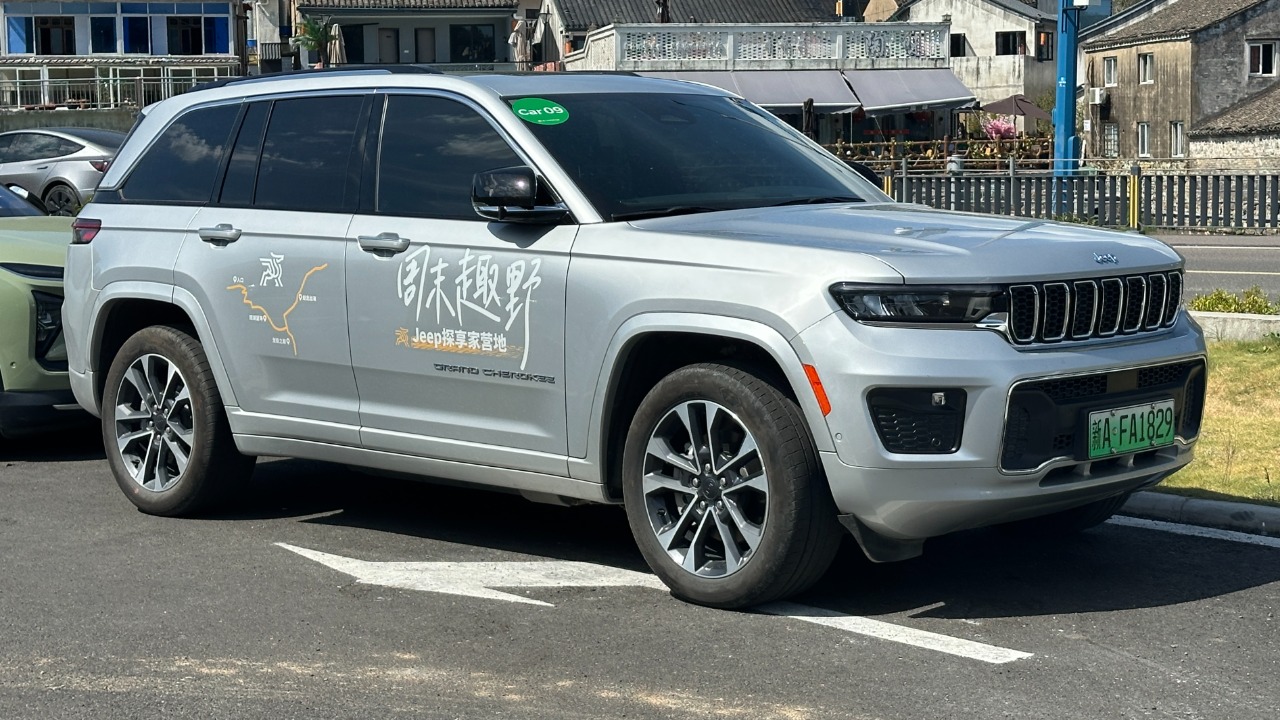
The Jeep Grand Cherokee with the 3.7 or 4.7 V6 and V8 engines is another model that quietly worries mechanics. These engines have a history of timing chain and valvetrain issues, and when lubrication problems or overheating occur, they can suffer catastrophic damage. Repairing a dropped valve seat or severe top‑end wear is rarely economical compared with sourcing a replacement engine.
From your standpoint, that means a noise that sounds like a minor tick can be the first sign of a major internal failure. Shops know that explaining “it might need an engine” based on early symptoms is a hard sell, yet waiting until it fails completely is worse. So they often speak cautiously, avoiding a neat summary because the line between a small repair and a full replacement is razor thin on these powertrains.
Chevrolet Bolt EV

The Chevrolet Bolt EV rounds out the list as another electric vehicle that many independent mechanics will not try to explain in a quick sentence. Broader reporting on why some shops are refusing certain car brands notes that “Car owners in 2025 are” running into walls as “Modern” vehicles pack in more software and sealed components. The Bolt’s high voltage battery, integrated drive unit, and complex battery management system all require specialized tools and training that most general garages do not possess.
For Bolt owners, the implication is that you are often tied to dealer or factory‑authorized service for anything beyond tires and brakes. Independent shops may handle basic mechanical work but decline diagnostics on charging faults or range issues, because one mistake around the battery pack can be both dangerous and financially ruinous. That is why mechanics rarely try to wrap the Bolt’s needs into a single sentence, preferring to steer you toward specialists instead.
More from Fast Lane Only