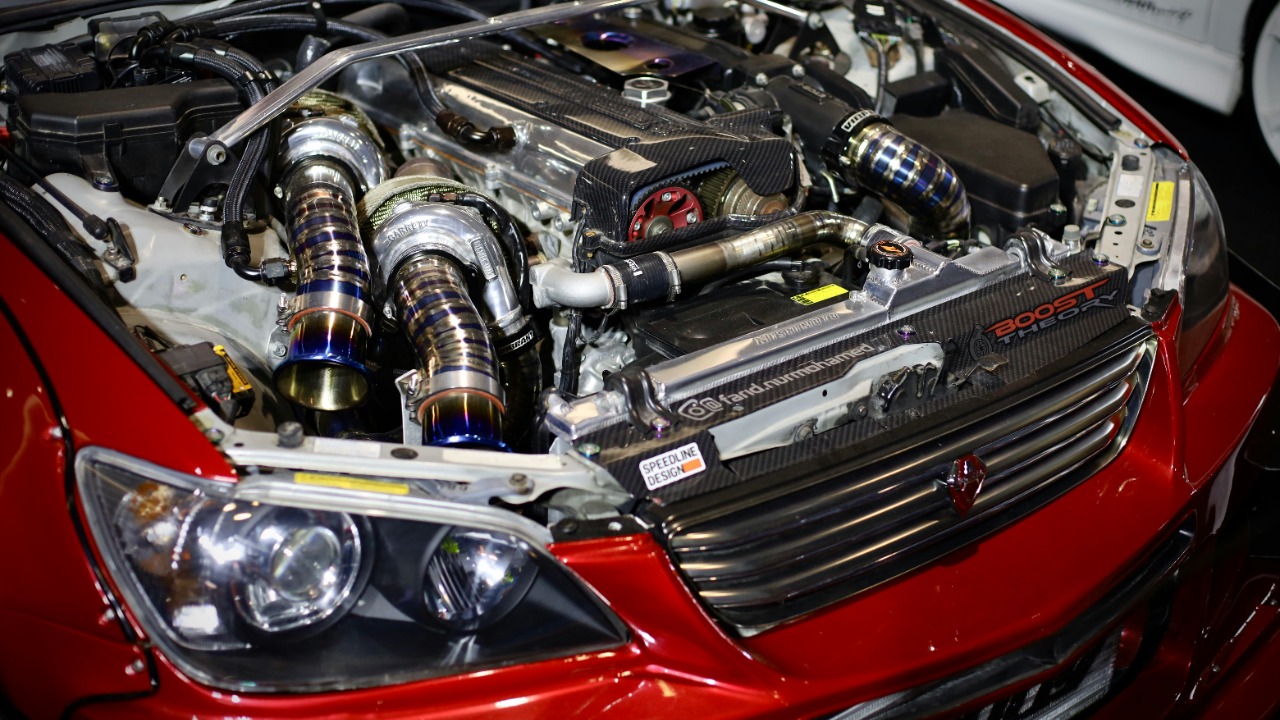
Pickup buyers who plan to keep a truck for decades care less about chrome and more about odometers that roll past 200,000 without drama. Drawing on recent longevity research and detailed truck-focused reporting, I highlight 14 pickups that have repeatedly proven they can run for hundreds of thousands of miles when maintained properly, and I explain why each one earns a place on any long-haul short list.
Ford F-150
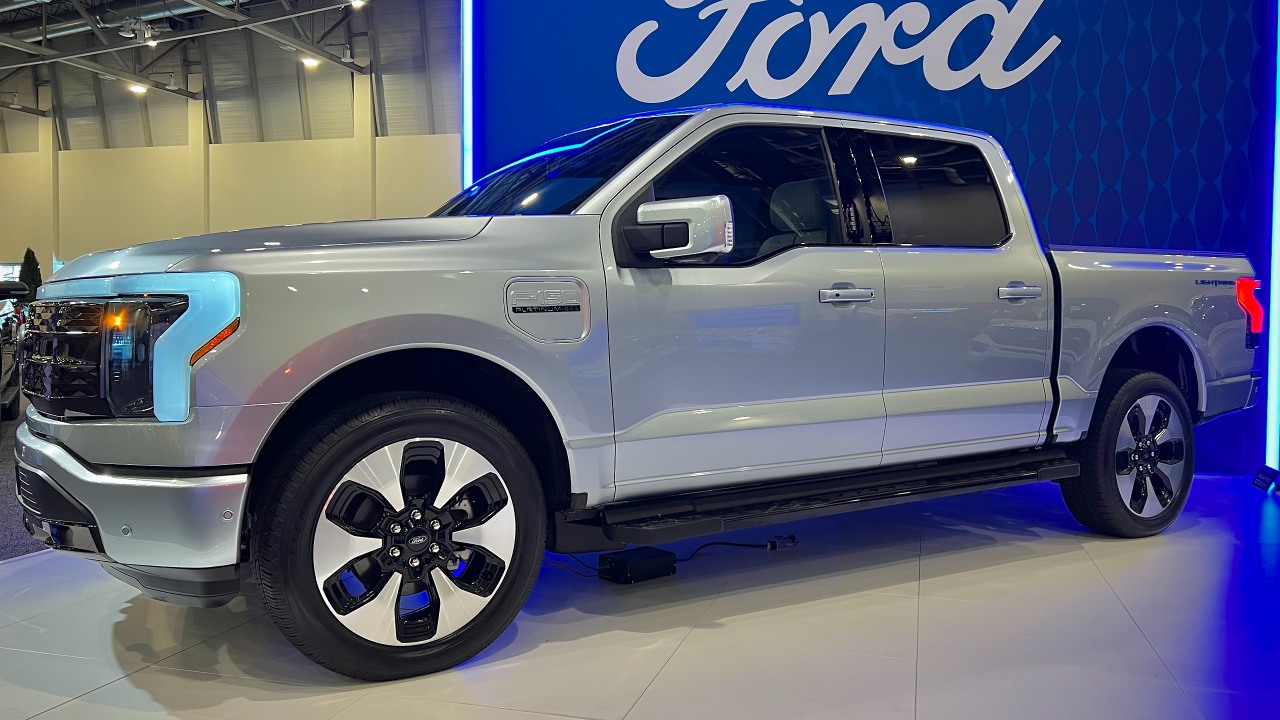
The Ford F-150 consistently appears in Top Pickup Trucks lists focused on Proven Longevity Records, and that reputation is not accidental. As America’s Best-selling full-size pickup, it has an enormous sample size of high-mileage owners, which makes its durability record especially meaningful. The reporting that highlights the F-150’s ability to stay reliable well past 150 thousand miles underscores how its engines, transmissions, and frames hold up under mixed work and family duty.
For buyers, that track record translates into lower lifetime cost of ownership and stronger resale values, because fleets and second owners trust the truck to keep working. I see the F-150’s long production history as another advantage, since Ford has had decades to refine common failure points. When a truck dominates sales and still earns a reputation for lasting, it signals that the underlying engineering is robust rather than just popular.
Toyota Tundra

The Toyota Tundra is repeatedly described as “The Half Ton Mileage Champion,” a label that reflects how many examples run far beyond 200,000 miles. Reporting on the Toyota Tundra emphasizes its Proven Powertrains, especially earlier V8 engines that tolerate heavy towing and long highway use when maintenance schedules are followed. That combination of simple, stout hardware and conservative tuning is exactly what tends to produce trucks that rack up hundreds of thousands of miles.
Owners who need a half-ton that behaves like a long-distance work partner often gravitate to the Tundra because of this reputation. In my view, the truck’s relatively low level of complexity compared with some rivals, particularly in older model years, reduces the number of expensive electronic failures that can sideline a high-mileage vehicle. For contractors and rural drivers, that kind of predictable durability can matter more than fuel economy or cutting-edge tech.
Ram 1500

The Ram 1500 is frequently singled out in longevity discussions as a comfortable yet durable full-size pickup. Coverage of Which Used Trucks that Last the Longest describes the Ram 1500 as a Versatile Workhorse with a Strong Engine, highlighting how its V8 options balance power and staying power. That combination allows the truck to tow, haul, and commute without feeling overtaxed, which is critical when the goal is to reach 200,000 miles or more.
For long-term owners, the Ram 1500’s mix of ride comfort and capability can reduce driver fatigue on long days, which indirectly supports safer, more consistent use over many years. I also see the truck’s widespread availability in the used market as a plus, because it makes it easier to find well-documented examples and replacement parts. When a model is both common and praised for durability, it becomes a practical choice for budget-conscious buyers planning to keep a truck for the long haul.
Ram 3500
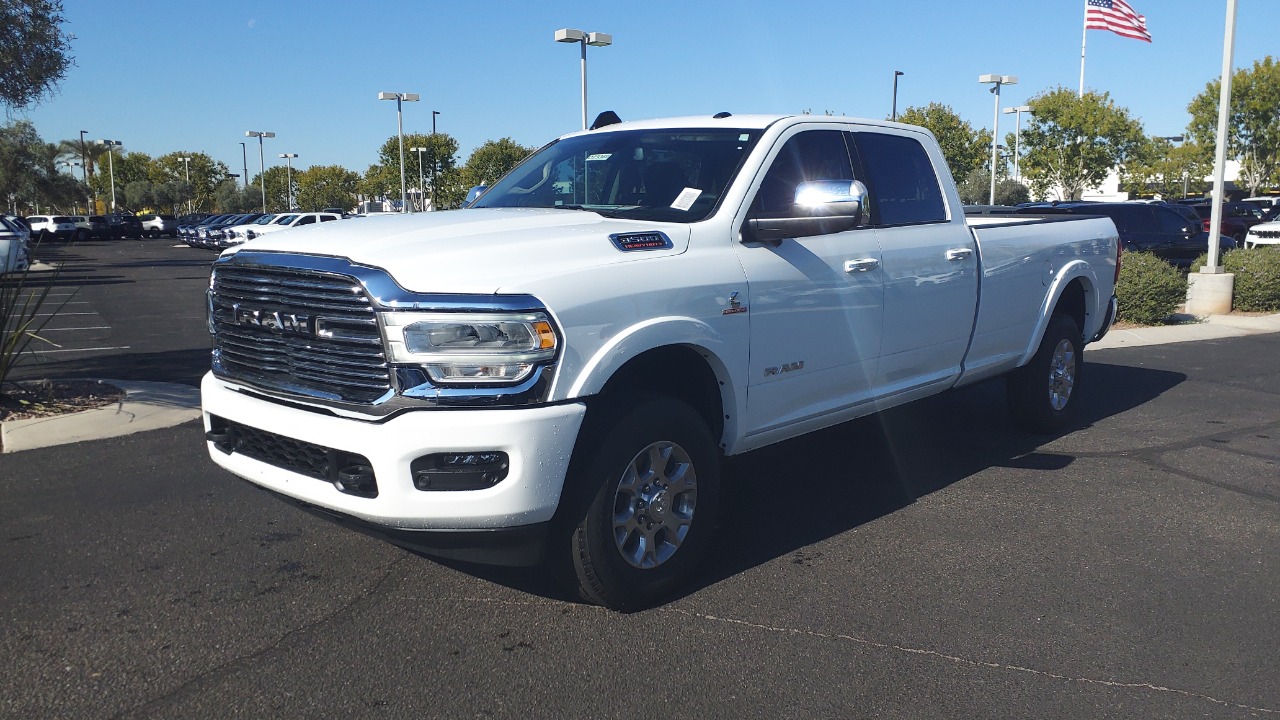
Heavy-duty shoppers who care about extreme longevity often look to the Ram 3500, which stands out in research on pickups most likely to surpass 250,000 Miles. In a recent Update examining Which Pickup Trucks Are Most Likely To Hit that threshold, the Ram 3500 tops the list, signaling that a significant share of these trucks actually reach that distance in real-world use. That kind of data-backed performance is rare and valuable for anyone who depends on a truck for income.
From my perspective, the Ram 3500’s ability to handle sustained heavy loads without catastrophic drivetrain failures is central to its longevity. When a truck is engineered for commercial-grade work, operating it slightly below its maximum capabilities often results in very long service lives. For fleets, that means fewer replacements, more predictable depreciation, and the confidence to assign these trucks to demanding routes without constant worry about downtime.
Chevrolet Silverado 1500

The Chevrolet Silverado 1500 has built a reputation as a durable full-size pickup that can log serious mileage when maintained correctly. While the main Chevrolet site focuses on current features and trims, the long-running presence of the Silverado line on Chevrolet’s truck roster reflects sustained demand from repeat buyers who value longevity. Generations of small-block V8 engines and robust frames have helped many Silverado 1500s stay on the road well past 200,000 miles in both personal and work use.
For owners, that durability shows up in the way older Silverados continue to populate job sites and rural roads, often with original drivetrains. I see the truck’s straightforward mechanical layout in many model years as a factor that simplifies repairs and encourages long-term upkeep. When a pickup is easy to service and parts are widely available, it becomes more realistic for drivers to keep it running into very high mileage territory instead of trading it in early.
Chevrolet Silverado 2500HD

The Chevrolet Silverado 2500HD takes the brand’s half-ton formula and reinforces it for sustained heavy-duty work, which naturally supports long service lives. With stronger frames, upgraded suspensions, and available high-torque engines, the 2500HD is designed to tow and haul at levels that would quickly wear out lighter trucks. That overbuilt approach means that when owners use the truck for moderate loads, components are operating well within their comfort zone, a key ingredient for reaching hundreds of thousands of miles.
In my assessment, the Silverado 2500HD’s popularity among contractors and trailer haulers is itself a sign of trust in its durability. These buyers tend to keep trucks longer and rack up highway and job-site miles quickly, so models that cannot endure simply fall out of favor. The continued presence of older 2500HDs in commercial fleets suggests that, with regular maintenance, this truck can deliver long-term value that justifies its higher initial cost.
GMC Sierra 1500

The GMC Sierra 1500 shares much of its underlying engineering with the Silverado 1500, and that common foundation helps explain its strong longevity record. Owners often choose the Sierra for its slightly more upscale positioning, but beneath the styling, the truck relies on proven V8 engines and sturdy frames that have already demonstrated the ability to accumulate high mileage. That mechanical familiarity gives me confidence that a well-maintained Sierra 1500 can match its Chevrolet sibling in long-term durability.
From a buyer’s standpoint, the Sierra 1500’s combination of comfort and toughness makes it appealing as a family truck that can also handle serious weekend or farm work. When a vehicle is pleasant to drive, owners are more likely to keep it rather than cycling through new models, which in turn encourages them to invest in proper maintenance. Over time, that pattern supports the kind of multi-owner, high-odometer histories that define trucks known to last hundreds of thousands of miles.
GMC Sierra 2500HD
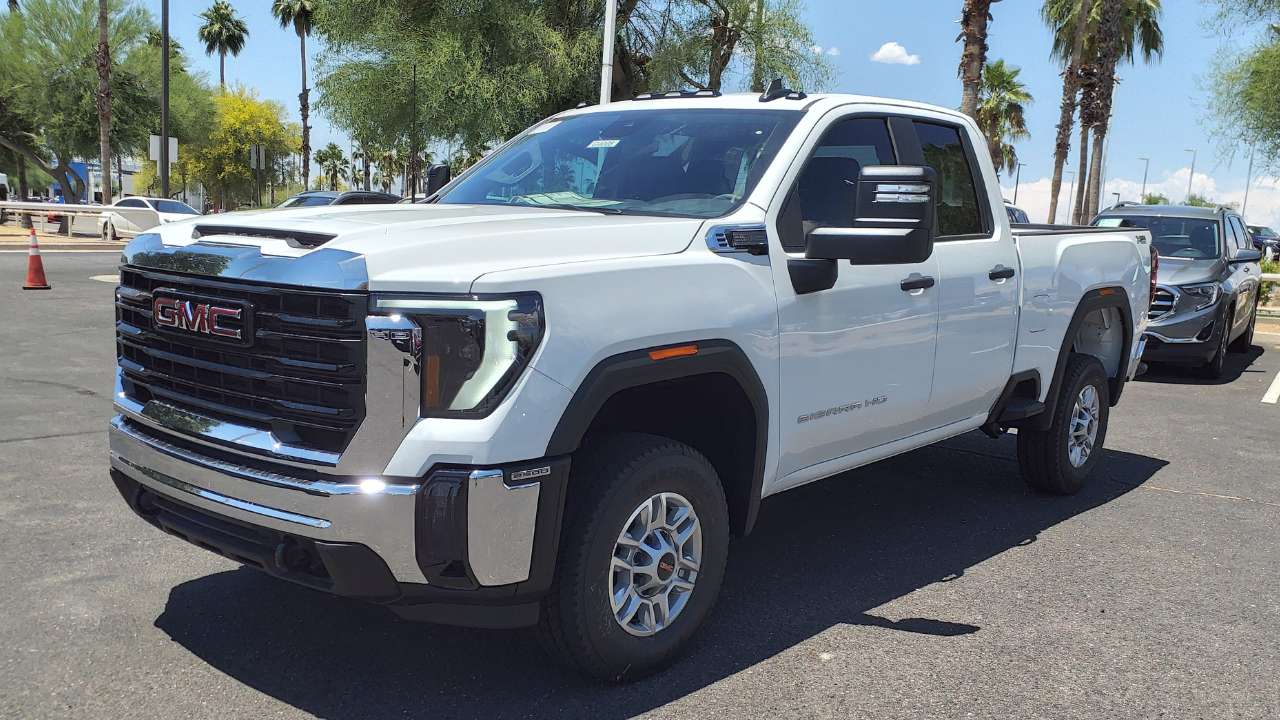
The GMC Sierra 2500HD targets drivers who need heavy-duty capability wrapped in a more premium package, and its underlying hardware is built for the long haul. Reinforced frames, stronger axles, and high-output engines are designed to withstand frequent towing and hauling, conditions that quickly reveal any weaknesses in a truck’s design. The fact that the Sierra 2500HD remains a common sight in RV towing circles and commercial fleets suggests that it holds up well under those demanding scenarios.
I see the Sierra 2500HD’s durability as especially important for buyers who want both comfort and confidence on long-distance trips with heavy trailers. When a truck can maintain stability and power over years of mountain passes and highway miles, owners are less likely to replace it prematurely. That pattern of extended use, supported by robust engineering, is exactly what allows these trucks to accumulate the kind of mileage that earns them a place on any longevity-focused list.
Ford Super Duty F-250

The Ford Super Duty F-250 is engineered for serious work, and that mission naturally aligns with long service lives when the truck is maintained. Built on a heavier frame than the F-150 and equipped with stronger axles and available high-torque engines, the F-250 is designed to operate under loads that would stress lighter pickups. In practice, many owners use it for a mix of towing, hauling, and commuting, which means the truck often runs below its maximum capacity, a recipe for extended durability.
For tradespeople and fleet managers, the F-250’s reputation for reliability over high mileage can justify its higher purchase price. When a truck can realistically stay in service for 15 years or more, the cost per mile drops and downtime risk shrinks. I view the F-250’s widespread adoption in construction and agriculture as real-world evidence that it can handle hundreds of thousands of miles without becoming a maintenance liability.
Ford Super Duty F-350
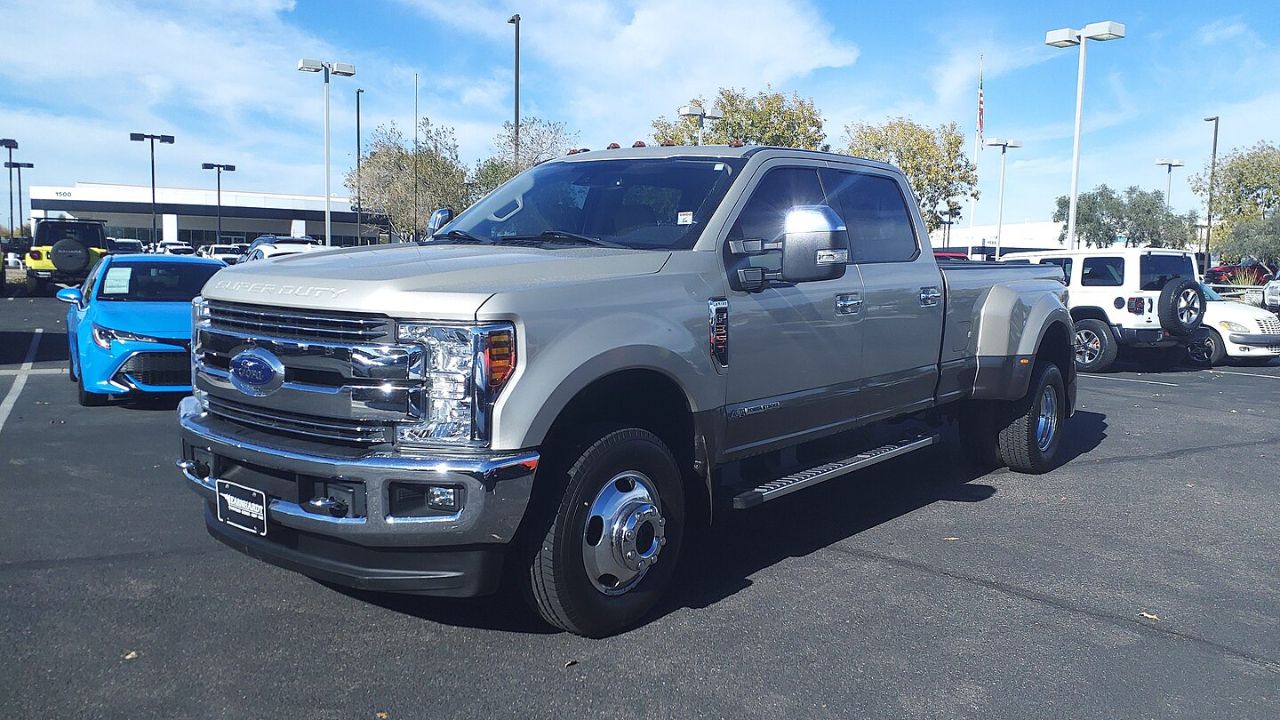
The Ford Super Duty F-350 takes the F-250’s heavy-duty formula and pushes it further, with higher payload and towing ratings that demand even more robust components. Dual rear wheel configurations, stronger springs, and upgraded driveline parts are common on F-350 models, all of which are intended to survive sustained commercial use. When these trucks are used within their limits and serviced on schedule, that overengineering often translates into very long lifespans.
In my view, the F-350’s presence in sectors like hotshot trucking and heavy trailer hauling is a strong indicator of its durability. Operators in those fields routinely accumulate high annual mileage, so they quickly identify models that cannot hold up. The continued reliance on F-350s for such work suggests that, with proper care, they can comfortably reach the kind of odometer readings that qualify as hundreds of thousands of miles without losing their core capabilities.
Nissan Frontier

The Nissan Frontier has long been known as a straightforward, midsize pickup that favors proven components over constant reinvention, a trait that often supports longevity. Many older Frontiers use naturally aspirated engines and relatively simple drivetrains, which reduces the number of complex parts that can fail as mileage climbs. That simplicity, combined with a reputation for sturdy frames, helps explain why high-mileage examples remain common in regions where trucks are used as daily tools.
For buyers who want a smaller truck that can still last for decades, the Frontier’s track record is appealing. I see its modest size and weight as an advantage, since lighter vehicles place less stress on brakes, suspension, and tires over time. When a truck is easy to live with and inexpensive to maintain, owners are more inclined to keep it running well past the point where they might otherwise trade in, leading to the kind of extended service life that defines this list.
Nissan Titan

The Nissan Titan, particularly in its earlier generations, has earned a quiet reputation for durability among owners who prioritize function over flash. With V8 engines designed for consistent power delivery and a focus on traditional truck construction, the Titan is built to handle towing and hauling without excessive strain. That conservative engineering approach often results in trucks that can accumulate substantial mileage before major components need replacement.
From my perspective, the Titan’s relative rarity compared with domestic full-size pickups can actually benefit informed buyers. Because it is less of a status symbol, many Titans have lived practical, well-maintained lives rather than being heavily modified or abused. When combined with a solid mechanical foundation, that usage pattern supports the kind of high-odometer stories that show this truck is capable of lasting hundreds of thousands of miles in the right hands.
Toyota Tacoma

The Toyota Tacoma has become almost synonymous with long-lasting midsize pickups, and its resale values reflect that reputation. Owners frequently report Tacomas running reliably past 200,000 miles, a pattern supported by the brand’s broader focus on durability. The truck’s relatively simple, naturally aspirated engines and robust frames are designed to handle both daily commuting and off-road use, conditions that quickly expose weaknesses in less durable models.
For buyers, the Tacoma’s longevity means paying more up front but often recouping that cost through years of dependable service and strong resale. I see its popularity among outdoor enthusiasts and overlanding communities as further evidence of its staying power, since those groups rely on trucks that can handle remote travel without frequent breakdowns. When a model is trusted for that kind of use, it usually indicates an underlying ability to rack up very high mileage.
Honda Ridgeline
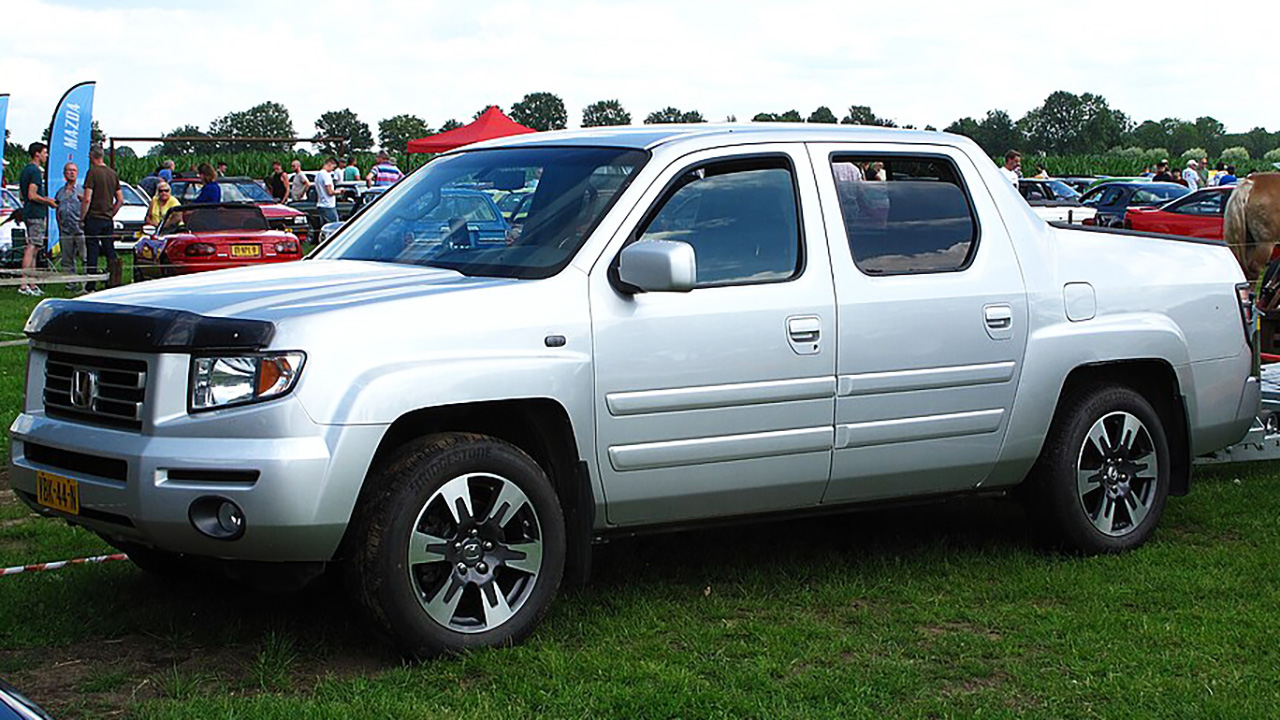
The Honda Ridgeline approaches the pickup formula differently, with a unibody structure and carlike driving dynamics, yet it still earns praise for long-term reliability. Honda’s track record with durable engines and transmissions carries over here, and many Ridgelines share components with other high-mileage Honda models. That parts commonality, combined with a focus on everyday usability rather than extreme towing, helps the Ridgeline avoid the kind of heavy stress that shortens the life of traditional body-on-frame trucks.
In my assessment, the Ridgeline’s appeal for suburban and light-duty users is central to its longevity story. Owners typically use it for commuting, home projects, and occasional recreational towing, which allows the mechanicals to age gently. When a truck is engineered with reliability in mind and used within its comfort zone, it becomes entirely realistic for it to reach hundreds of thousands of miles, making the Ridgeline a smart choice for long-term planners.
More from Fast Lane Only