Muscle car history tends to orbit the same legends, yet a quieter group of machines actually outran many of the icons we celebrate. I want to spotlight 10 overlooked muscle cars that, in period tests and modern analysis, proved quicker or more capable than better-known rivals, then faded from mainstream memory. Each one shows how marketing, timing and image often mattered more than raw performance when it came to writing the official story of American speed.
1978 Dodge Li’l Red Express
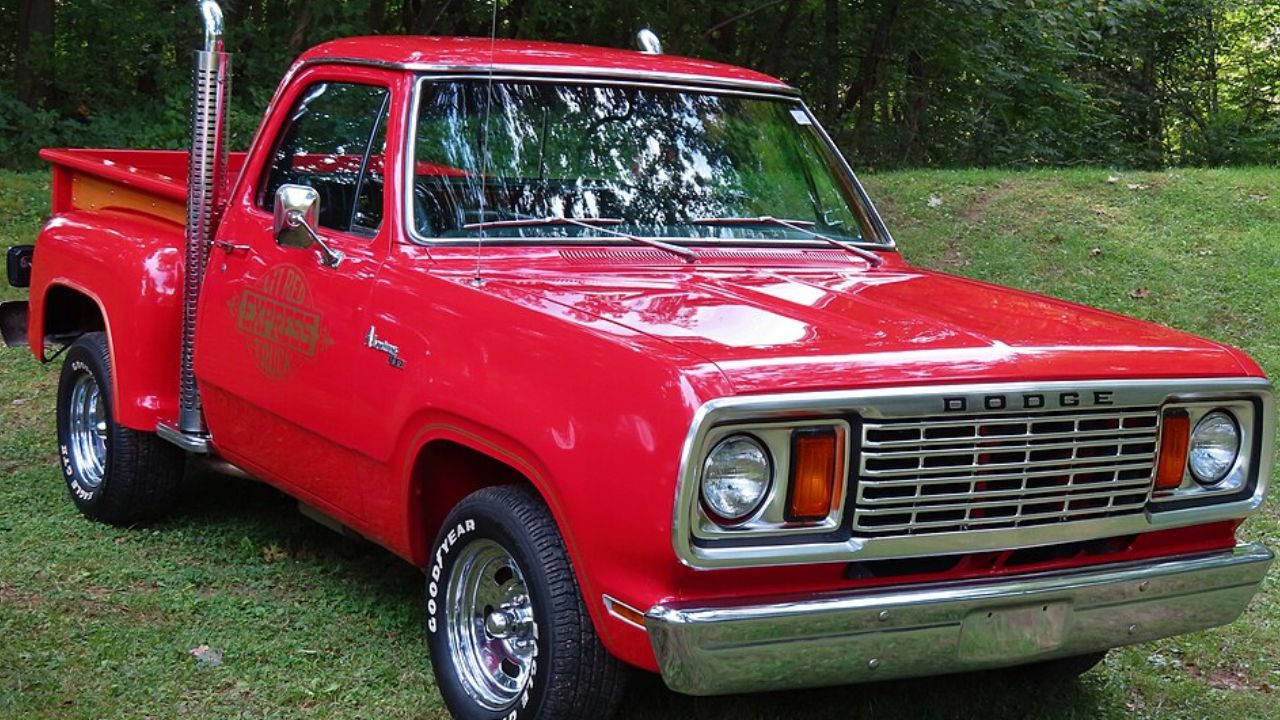
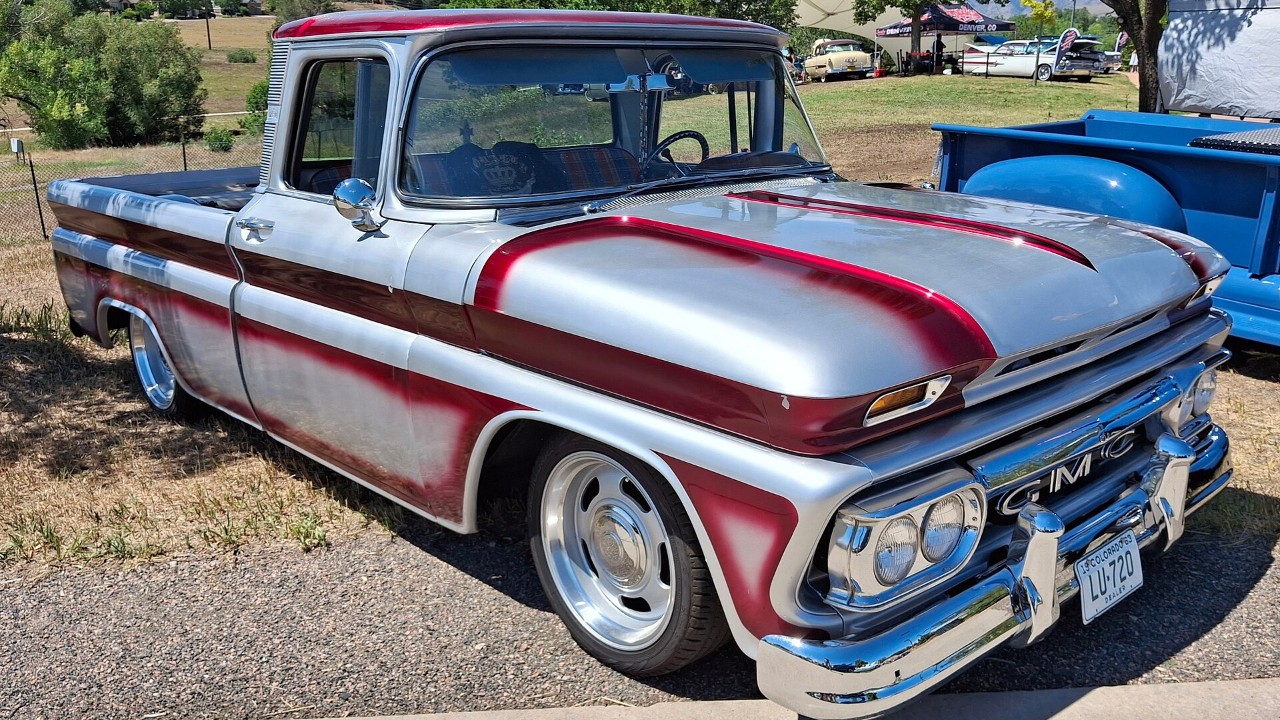
The 1978 Dodge Li’l Red Express was a short-bed pickup that embarrassed plenty of traditional muscle cars at the drag strip. Period testing of its 360 V8 EH1 recorded a 1/4 Mile time of 15.7 Seconds, a figure that put this truck ahead of several smog-era coupes that still get more respect today. As enthusiasts have noted, the combination of light weight, aggressive gearing and a relatively uncorked exhaust made the Li’l Red feel far stronger than its official ratings suggested.
That straight-line punch is why modern analysts still single out the Li’l Red as one of the few factory vehicles of its day that could legitimately outrun some better-known legends, especially once emissions rules had dulled many nameplates. Coverage of forgotten performers underscores how this truck’s numbers stacked up against more glamorous coupes. For collectors and historians, it proves that the muscle era’s second act often arrived wearing step-side beds and wood trim instead of stripes.
1971 AMC Javelin AMX
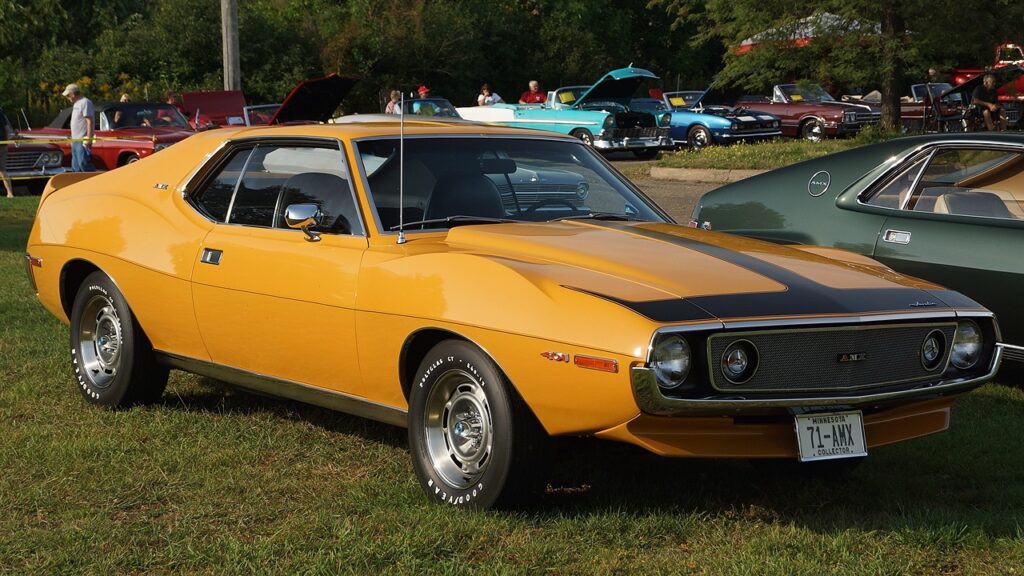
The 1971 AMC Javelin AMX is a textbook case of a car that could run with the big names yet never shook its underdog badge. Contemporary quarter-mile tests placed a well-optioned Javelin AMX in the same performance neighborhood as more famous pony cars, and modern retrospectives consistently highlight how its chassis and powertrains were competitive with the era’s best. The car’s aggressive fender flares and long-hood, short-deck proportions backed up that performance with genuine track presence.
Analysts who revisit the Javelin AMX often stress that American Motors lacked the marketing muscle of larger rivals, which meant its achievements on road courses and drag strips rarely translated into lasting fame. When enthusiasts compile lists of underrated muscle, the Javelin AMX routinely appears as a car that could outrun better-known competitors while selling in far smaller numbers. Its story underlines how corporate scale, not just horsepower, shaped which legends survived in public memory.
1970 Ford Torino Cobra
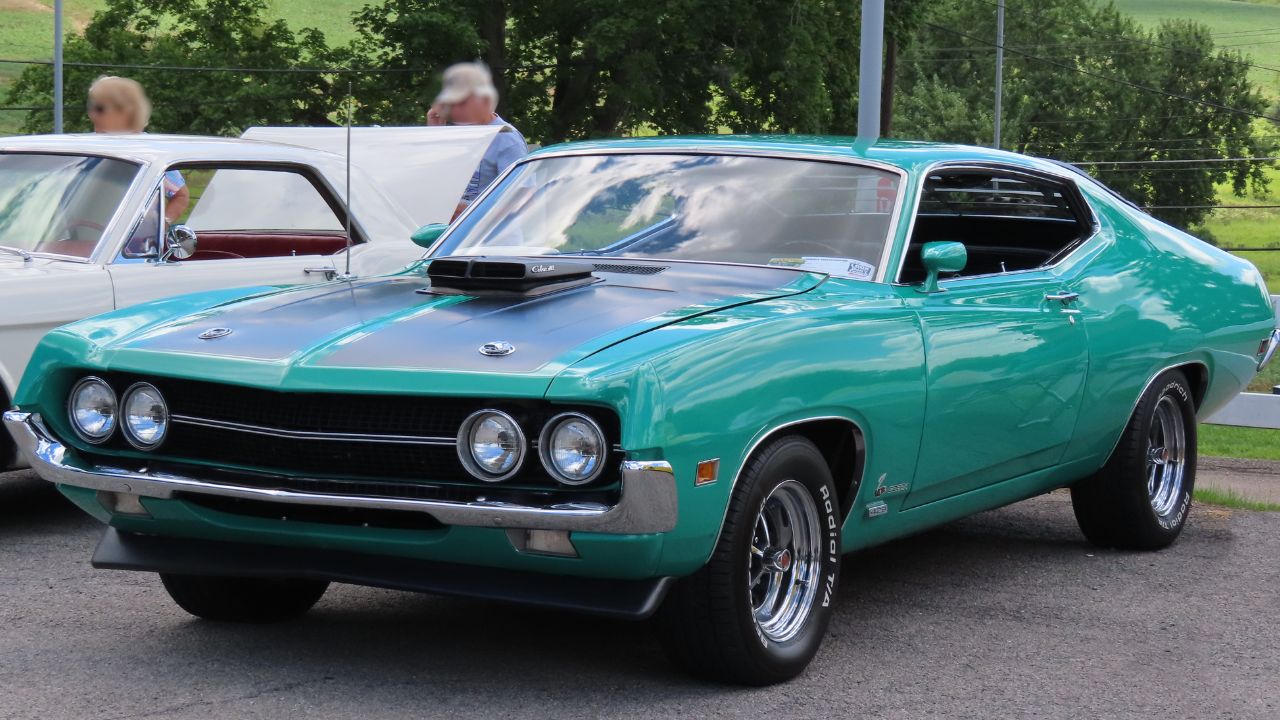
The 1970 Ford Torino Cobra was engineered as a serious step up from the brand’s pony cars, even if the Ford Mustang Boss still dominates nostalgia. As modern reviewers point out, the Torino Cobra’s big-block power and longer wheelbase gave it the kind of high-speed stability that made it a menace on straight, open roads. In period, it could match or beat many Mustangs in real-world acceleration, especially when equipped with the most aggressive axle ratios.
Contemporary analysis of the Torino Cobra emphasizes how Ford’s own marketing kept the spotlight on the Mustang, leaving the bigger, faster car in relative obscurity. I see that as a clear example of how internal brand hierarchies can bury a model that actually outperforms the halo car. For enthusiasts today, the Torino Cobra offers near-legendary performance with far less nameplate tax.
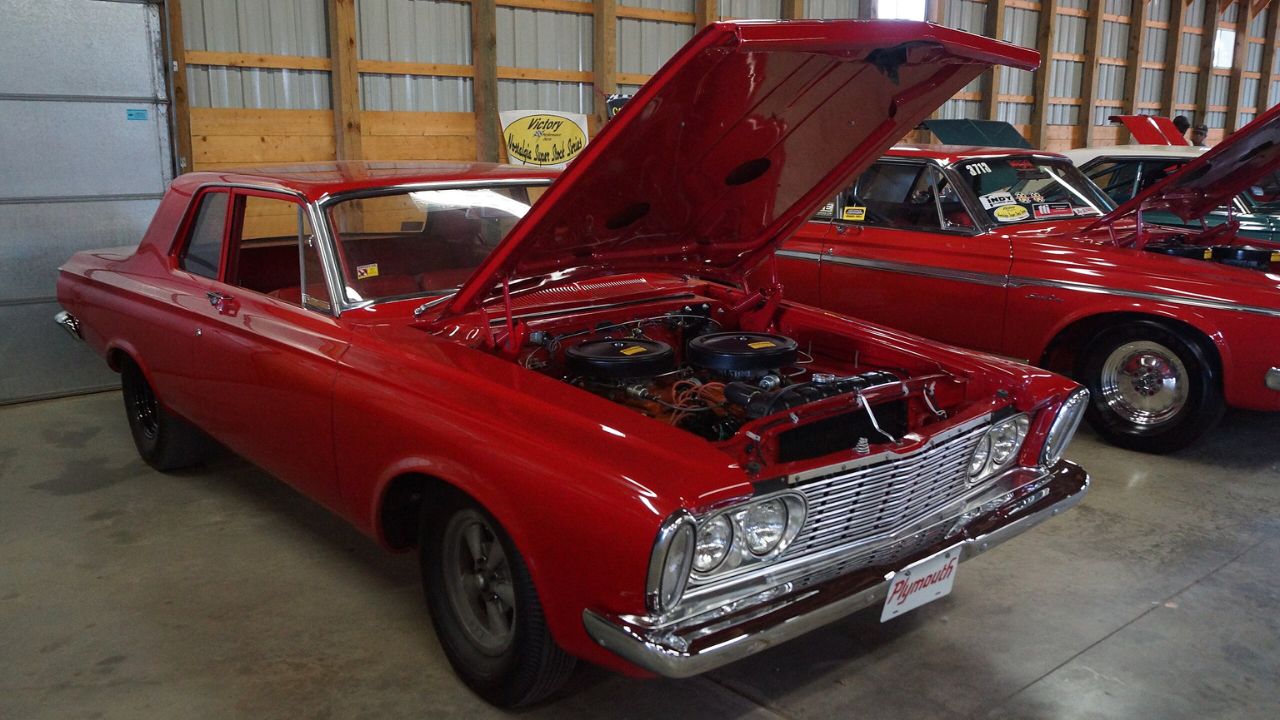
1969 Plymouth GTX

The 1969 Plymouth GTX was marketed as a “gentleman’s hot rod,” but its performance credentials were anything but polite. In period, the GTX sat at the top of Plymouth’s midsize lineup, and modern write-ups still describe the 440-powered car with lines like “This Gentleman Is Kind Of Rude And Pushy,” a nod to how brutally it delivered torque. A 3/4 front view of a 1969 Plymouth GTX Mecum car shows understated styling that hid serious straight-line capability.
Analysts note that the GTX was Usually overshadowed by the flashier Road Runner, even though the more upscale car could be optioned to run just as hard or harder. Modern discussions of underrated Plymouths repeatedly highlight how the GTX’s blend of comfort and speed made it a better all-rounder than many icons. For buyers today, that mismatch between image and performance keeps values relatively sane compared with more famous Mopars.
1970 Buick GSX Stage 1

The 1970 Buick GSX Stage 1 turned Buick’s luxury image on its head by pairing bold graphics with one of the most formidable engines of the era. Its 455-cubic-inch V8 delivered immense torque, and modern analysts still treat the GSX Stage 1 as one of the quickest showroom-stock muscle cars of its time. Period tests often showed it running with, or ahead of, more celebrated Chevrolets and Pontiacs that now command higher prices and more attention.
Recent coverage of Buick GSX Stage underscores how collectors are finally recognizing its status as an underrated heavy hitter. I see the GSX as a reminder that luxury divisions often built the most devastating straight-line machines, precisely because they could hide big power inside well-equipped cabins. Its rising values show how the market eventually catches up to performance reality, even if the legend arrives late.
Buick GNX
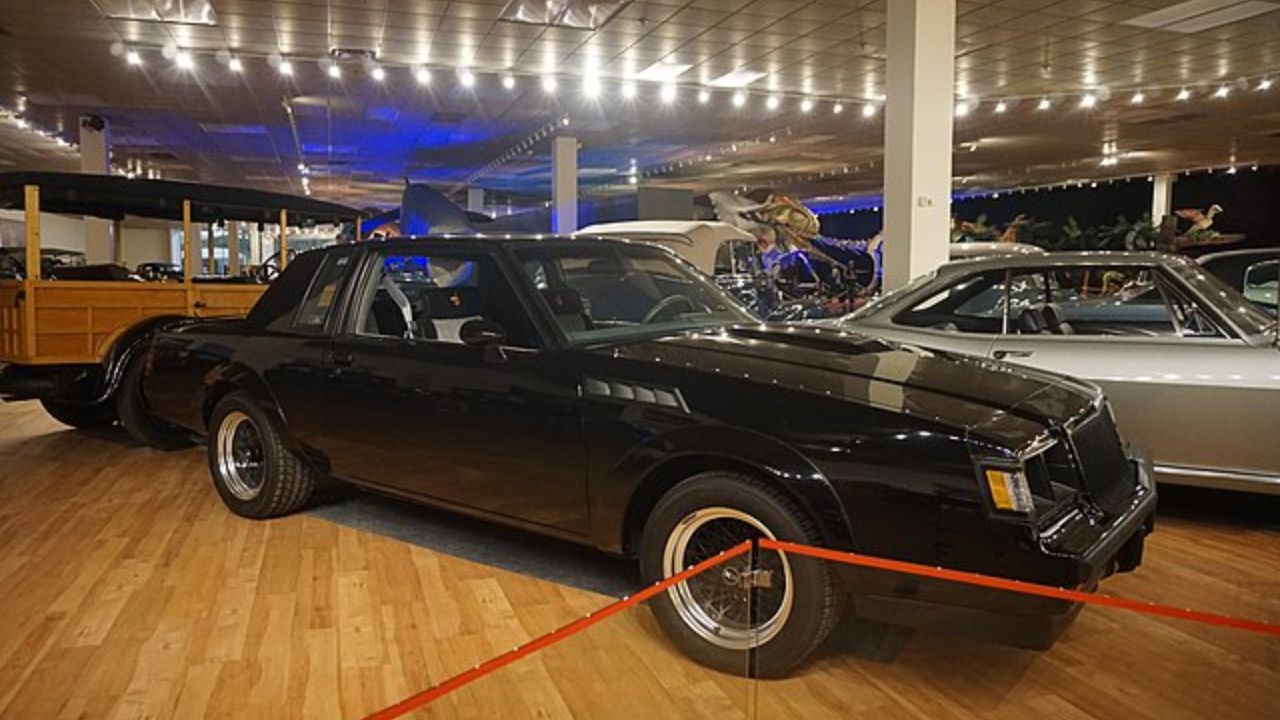
The Buick GNX arrived in the late 1980s, long after the classic muscle era, yet it carried the same spirit and often outran the vintage legends at their own game. Built as the ultimate evolution of the Grand National, the GNX used a turbocharged V6 and sophisticated suspension tuning to deliver acceleration that shocked period testers. Contemporary descriptions emphasize that, Just as the aforementioned Syclone is a wolf in sheep’s clothing, the Buick GNX is too.
Analysts explain that GNX stood for Grand National Experimental, and that limited production and high pricing meant many enthusiasts never saw one in person. Modern retrospectives on overlooked performance argue that the car’s ability to outrun period Corvettes and classic big-blocks should have cemented its legend. Instead, the GNX became a cult object, illustrating how late-era turbo cars rewrote the muscle rulebook while many fans were still looking backward.
1957 Buick Caballero Wagon
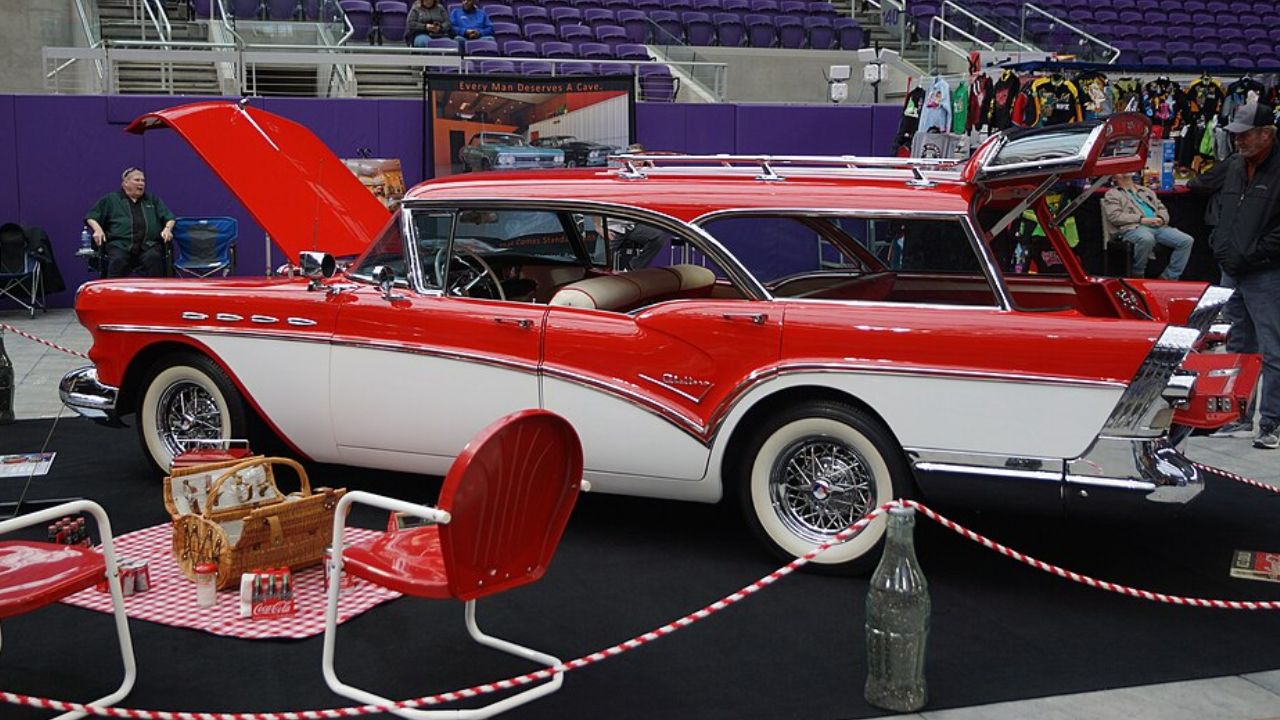
The 1957 Buick Caballero Wagon predates the formal muscle car era, yet modern enthusiasts increasingly view it as an early template for high-performance family haulers. In enthusiast communities, photos of a Caballero wearing period-correct trim from Cars On Line and 40s & 50s American Cars regularly spark debate about how much power and style Buick was already offering. One discussion thread even highlights how Polo Viteri and 433 others reacted to a shared example, with 434 total interactions underscoring its growing cult appeal.
That renewed attention has led some historians to argue that the Caballero foreshadowed later muscle wagons and SUVs that combined practicality with serious speed. References to the Buick Caballero Wagon in lists of undeservedly forgotten American muscle show how the definition of “muscle car” keeps expanding. I see its rising profile as part of a broader trend that values performance in unexpected body styles, not just coupes.
Chrysler Hurst 300
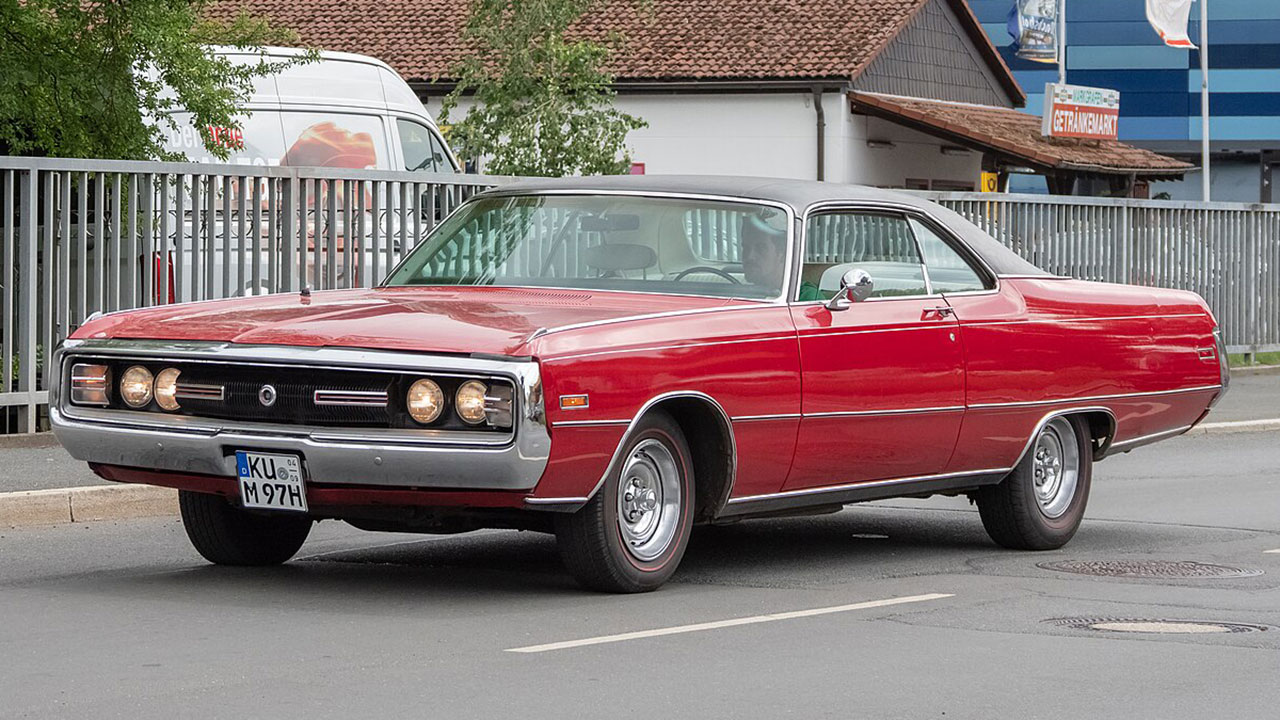
The Chrysler Hurst 300 blended full-size luxury with straight-line authority, creating a car that could surprise drivers who underestimated its bulk. With its distinctive white and gold finish and performance-oriented drivetrain, the Hurst 300 delivered acceleration that rivaled smaller, lighter muscle cars of its day. Modern enthusiasts often point out that it offered the comfort and presence of a flagship sedan while still being capable of serious highway speeds.
In enthusiast discussions that group the Hurst 300 alongside cars like the 1971 AMC models, the big Chrysler is frequently cited as a forgotten muscle contender that outran expectations. References to the Chrysler Hurst 300 in lists of overlooked American performance highlight how full-size cars have been written out of the muscle narrative. I would argue that its combination of comfort and speed anticipated later performance sedans that now dominate modern lineups.
Oldsmobile 442 W-30

The Oldsmobile 442 W-30 package turned a respectable midsize into a genuine threat for the era’s headline muscle cars. With upgraded induction, camshaft and exhaust components, W-30 cars routinely posted acceleration figures that matched or exceeded more heavily advertised Chevelle and GTO rivals. Enthusiasts who have revisited period test data often highlight how the W-30’s real-world performance contradicted Oldsmobile’s conservative image.
Modern compilations of classic muscle sometimes mention the 442, but the W-30’s specific achievements still feel underplayed compared with the legends. I see that gap as a reminder that brand perception can overshadow hard numbers, leaving a car that outran the icons stuck in the second tier of popular memory. For collectors, that disconnect continues to make the W-30 one of the more attainable ways to experience top-shelf muscle performance.
Pontiac LeMans GT

The Pontiac LeMans GT lived in the shadow of the GTO, yet in many configurations it delivered performance that was effectively identical on the street. Sharing engines, transmissions and much of its chassis with the more famous model, the LeMans GT could be ordered with serious power while wearing more modest badging. Period buyers who checked the right boxes often ended up with a car that could outrun better-known legends for less money.
Modern discussions of muscle cars that frequently cite the LeMans as an example of how nameplate hierarchy shaped which cars became icons. I view the LeMans GT as proof that the muscle era was full of near-clones that matched the heroes mechanically but never received equal credit. For today’s enthusiasts, recognizing those sleepers helps paint a more accurate picture of how performance was actually distributed across showrooms.
More from Fast Lane Only