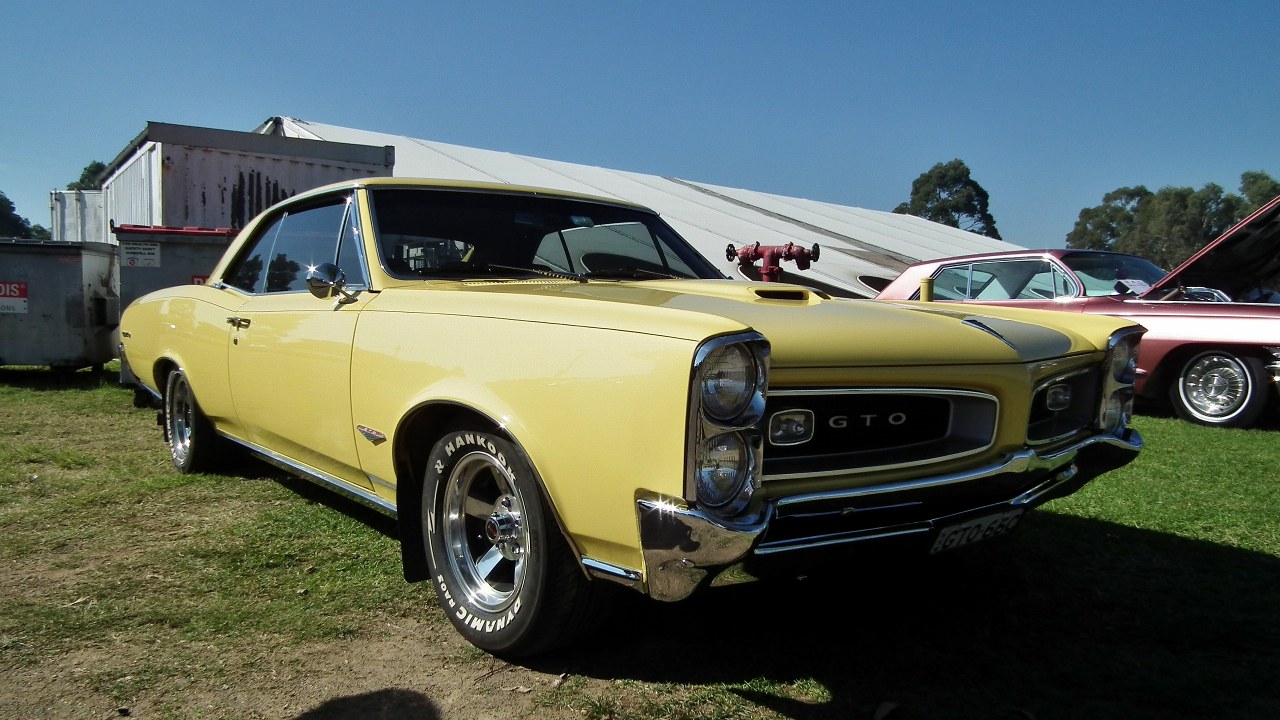
The 1966 Pontiac GTO sits at a pivotal moment in muscle car history, when Detroit was turning raw performance into a mass-market product. It combined big-production volume with serious power, which is why it still anchors conversations about classic American performance and collector value today. I see that mix of accessibility and speed as the key to understanding how the 1966 model year shaped both the GTO legend and its modern market.
How many 1966 GTOs were built and how they were configured
The 1966 model year marked the first time the GTO became its own distinct series rather than just an option package, and production reflected that step up. Pontiac built a total of 96,946 GTOs for 1966, a figure that underscores how far the car had moved from niche experiment to mainstream performance choice. Within that total, the hardtop coupe dominated with 73,785 units, followed by 20,190 sport coupes (post cars) and 2,971 convertibles, a breakdown that still shapes which body styles are most common at shows and auctions.
Under the hood, Pontiac standardized the 389 cubic inch V8 but let buyers tailor performance with carburetion and transmission choices. The base engine used a single 4‑barrel carburetor rated at 335 horsepower, while the famed Tri‑Power setup with three 2‑barrel carburetors was rated at 360 horsepower. Transmission options ranged from a 3‑speed manual to a 4‑speed manual and a 2‑speed automatic, and the production mix shows how buyers leaned. One breakdown lists 10,363 cars with the base 3‑speed manual, 60,819 with the 4‑speed, and 25,764 with the automatic, a clear sign that the 4‑speed became the default choice for performance‑minded buyers.
Performance, drivability, and how the 1966 GTO stacked up
On paper, the 1966 GTO delivered the kind of straight‑line performance that defined the muscle car era, and contemporary tests backed that up. With the 360 horsepower Tri‑Power engine and 4‑speed manual, period road tests recorded quarter‑mile times in the mid‑14‑second range at around 100 mph, while the 335 horsepower 4‑barrel cars typically ran slightly slower but still solidly in the 14‑ to 15‑second bracket. Factory axle ratios from 2.56:1 to 4.33:1 let owners trade highway comfort for acceleration, and that flexibility helped the GTO compete directly with rivals like the Chevrolet Chevelle SS 396 and Ford Fairlane GT.
Beyond raw numbers, the 1966 GTO balanced performance with everyday usability in a way that broadened its appeal. Power steering, power brakes, and air conditioning were all available, and curb weights in the 3,400 to 3,600 pound range kept the car manageable compared with some heavier big‑block competitors. The standard front disc brakes had not yet arrived, so braking performance lagged behind later muscle cars, but the combination of a relatively compact A‑body chassis and strong torque made the GTO feel quick in real‑world driving. That blend of speed and practicality is one reason the 1966 model still feels usable on modern roads when properly sorted.
Styling changes and why 1966 stands out visually
The 1966 redesign gave the GTO a cleaner, more cohesive look that many enthusiasts now see as the sweet spot of first‑generation styling. Pontiac moved to a curvier “Coke bottle” profile with a tunneled rear window and more pronounced rear quarters, a shift that made the car look lower and more aggressive without resorting to excessive ornamentation. The front end adopted stacked headlights within a split grille, and the rear gained a full‑width taillight panel, details that helped the 1966 model stand apart from the more boxy 1964–1965 cars while still clearly belonging to the same family, as period factory specifications and brochures show.
Inside, the 1966 GTO offered a driver‑focused cockpit that reinforced its performance image. Bucket seats and a center console were popular choices, and the optional rally gauge cluster added a tachometer and auxiliary instruments that serious drivers valued. Trim levels and color combinations were broad, with multiple interior hues and exterior paints documented in factory production data, which helps explain why no two restored cars look exactly alike today. The combination of distinctive sheetmetal and flexible trim options has made the 1966 model a favorite canvas for both factory‑correct restorations and tasteful period‑style modifications.
Options, rare combinations, and what collectors chase
From a collector’s perspective, the 1966 GTO’s high production volume means basic cars are not inherently scarce, so value often hinges on options and documentation. The Tri‑Power engine package, which was in its final year for the GTO in 1966, is one of the most sought‑after configurations, especially when paired with the 4‑speed manual and performance axle ratios. Production figures show that Tri‑Power cars represented a minority of total output, with 19,045 built compared with 77,901 single 4‑barrel cars, a gap that helps explain the premium collectors place on original three‑carburetor examples.
Body style and color also play a major role in desirability. With only 2,971 convertibles produced, open‑top cars command higher prices than hardtops, especially when they retain factory performance equipment and rare options such as the Rally I wheels or the wood‑rim steering wheel. Unusual factory colors, documented by trim tags and build sheets, can further elevate interest, particularly when combined with matching‑numbers drivetrains. Because the 1966 GTO was popular and relatively affordable when used, many cars were modified over the decades, so collectors now pay close attention to authenticity, with original drivetrain codes and paperwork often making the difference between a solid driver and a top‑tier investment.
Market values and long‑term collector interest
In the current collector car market, the 1966 GTO occupies a stable, respected position rather than a speculative spike, which I see as a sign of genuine long‑term demand. Price guides and auction results consistently show strong values for well‑restored cars, with Tri‑Power 4‑speed convertibles at the top of the range and base‑engine hardtops at the lower end, but even driver‑quality examples command meaningful money compared with many other mid‑1960s intermediates. Recent sales data compiled from multiple valuation sources indicate that high‑quality restorations can reach into the high five‑figure range, while exceptional, highly documented cars can push higher when the right options and provenance align.
What keeps interest steady is not just nostalgia but the car’s role in automotive history. The 1966 GTO represents the moment when the muscle car formula was fully formed: big V8, mid‑size body, aggressive styling, and mass‑market availability. That combination appeals to both older enthusiasts who remember these cars new and younger collectors who want a tangible link to the era. As more buyers focus on usability, the GTO’s relatively compact size and strong parts support, reflected in the detailed production records and reproduction parts catalogs, help sustain demand. I expect values to track the broader muscle car market rather than break away dramatically, but the 1966 model’s blend of production volume, performance, and style should keep it near the center of the conversation for years to come.
More from Fast Lane Only