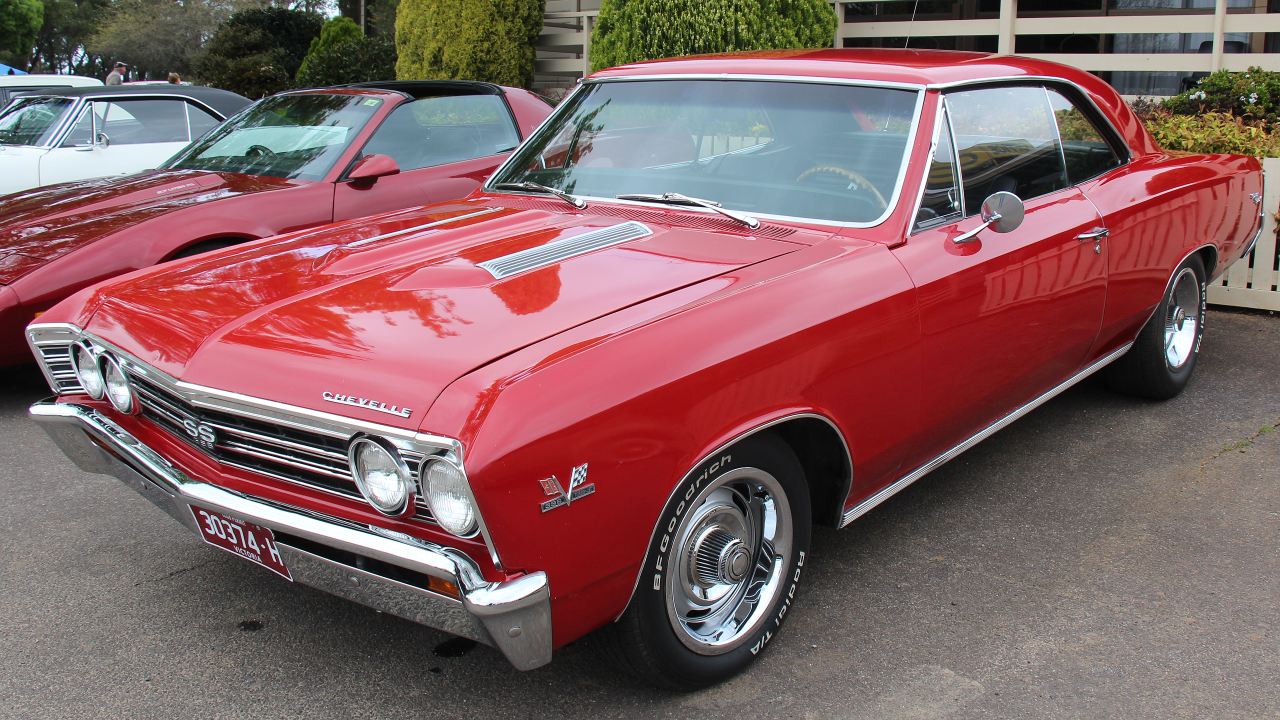
The 1967 Chevelle SS has shifted from used muscle to blue chip collectible, and its current demand is no accident. A mix of rarity, design evolution, driving character, and broader classic car market forces has pushed this once attainable street bruiser into the spotlight for both enthusiasts and investors.
As I look at the data and recent reporting on classic car values, it is clear that the 1967 Chevelle SS sits at the intersection of scarcity, cultural cachet, and practical usability, a combination that helps explain why buyers are chasing strong examples today.
1. Limited high-spec builds inside a big production run
On paper, the 1967 Chevelle SS does not sound rare, which is part of what makes its current desirability so interesting. One detailed account notes that Although more than 60,000 1967 Chevelle SS models were built, fewer than 700 carried the ultra high performance L78 specification. That split between overall volume and true top tier configurations is exactly the kind of nuance collectors chase, because it lets them hunt for a needle in a haystack while still having a broad ecosystem of parts, knowledge, and community around the model line.
Rarity at the top end also feeds a halo effect for the entire range. Even buyers who will never find or afford one of those sub 700 cars still talk about them, benchmark them, and use them as a reference point when valuing more common SS396 examples. Reporting on classic car values stresses how scarcity within a model line can lift the whole market, and the Chevelle SS fits that pattern neatly, with the L78 specification acting as a magnet that pulls attention and money toward the broader 1967 SS pool.
2. Aggressive styling that aged into a design icon
Design is doing as much work as displacement in driving demand for the 1967 Chevelle SS. Contemporary enthusiasts describe the car as a muscle icon with aggressive styling, a bold stance, and powerhouse performance, a combination that gives it instant curb appeal even in a crowded show field. One enthusiast summary from Jun 3, 2025, highlights the Chevrolet Chevelle SS as a standout for its visual attitude, not just its straight line speed, which matters in a market where buyers increasingly want cars that photograph as well as they drive.
That visual punch did not happen by accident. Another detailed look at the model notes that The Chevrolet Chevelle SS 1967 received fresh front and rear styling that sharpened the look without discarding what already worked. In other words, the car evolved rather than rebooted, keeping the muscular proportions while cleaning up the details. In a collector landscape where subtle year to year changes can make or break values, that final first generation facelift has become a key selling point, because it gives buyers the most refined version of a familiar shape.
3. Final-year first generation status and mechanical credibility
Being the last of a line often adds a premium, and the 1967 Chevelle SS benefits from that psychology. A detailed enthusiast breakdown from Mar 21, 2025, points out that this model marked the final year of the first generation of Chevelles, and that Chevrolet made sure it stood out with meaningful upgrades. That final year status gives the car a narrative hook, the last and arguably best developed version of the original formula, which is exactly the kind of story collectors like to tell when they open the garage.
Mechanical credibility backs up that narrative. Reporting on the broader history of the SS line notes that Driving a good 1967 Chevy Chevelle SS today reveals why these cars became legends, with torque that hits like a freight train yet remains genuinely usable and enjoyable. That blend of brute force and real world drivability separates the Chevelle SS from some of the more fragile or temperamental muscle cars of the era, and it helps explain why owners are willing to pay up for cars they can actually drive rather than just display.
4. A classic that is still genuinely usable
Usability is a quiet but powerful driver of demand, especially as more collectors want to participate in events rather than just store cars. The same historical analysis that praises the Chevelle SS torque curve also notes that the 1967 model remains genuinely usable and enjoyable in modern traffic, a rare trait for a nearly six decade old muscle car. That means buyers are not just purchasing a static asset, they are buying into weekend drives, cruise nights, and long distance rallies, all of which reinforce emotional attachment and support higher valuations for well sorted examples.
Broader guidance on classic car values underscores how drivable condition and real world practicality influence prices. A detailed overview of Market Trends That Influence Collector Car Value explains that buyers increasingly weigh how a car will feel to live with, not just how it looks on a spec sheet. When a model like the Chevelle SS combines strong parts support, straightforward mechanicals, and performance that still feels quick enough to be fun, it checks those boxes. That practicality, layered on top of the car’s design and heritage, helps convert casual interest into serious bids.
5. Favorable classic car market cycles and investment narratives
The 1967 Chevelle SS is also riding a broader wave in the classic car market. A detailed analysis of Exploring Investment Potential and Market Trends for classic vehicles notes that interest in collectible cars has been rising in recent years, with enthusiasts treating certain models as both passion purchases and alternative investments. The Chevelle SS fits neatly into that narrative, because it offers a recognizable nameplate, clear performance credentials, and a track record of enthusiast support, all traits that investors look for when they try to balance risk and enjoyment.
More granular guidance on collector values highlights how age related milestones and import rules can trigger price moves. A June 16, 2025, breakdown of Age and Import Eligibility notes that Cars often rise in value at 15 and 25 year marks as they cross regulatory thresholds and gain classic status in new markets. While the 1967 Chevelle SS is long past those specific milestones, the same logic applies as it enters new phases of collectibility, including eligibility for more historic events and insurance products tailored to high value classics. Each new layer of institutional recognition reinforces the idea that the Chevelle SS is not just an old car, it is a recognized asset class within the muscle segment.
6. Cultural visibility and the muscle car legend effect
Finally, demand for the 1967 Chevelle SS is being amplified by its cultural footprint. A Sep 8, 2025, overview framed under What Made It Special emphasizes how driving a well kept example today instantly explains why these cars became legends. That kind of language reflects more than nostalgia, it signals that the Chevelle SS has crossed from mere transportation into shared myth, a status that tends to harden values even when broader markets wobble.
General guidance on collector values also stresses the role of media and pop culture in shaping prices, noting that coverage, social media exposure, and on screen appearances can all move the needle. While specific film or television placements for the 1967 Chevelle SS are not detailed in the available reporting, the steady stream of enthusiast posts, historical retrospectives, and investment oriented analyses keeps the car in front of new audiences. When a model is repeatedly framed as a benchmark muscle car, as the 1967 Chevelle SS is in multiple recent summaries, that repetition itself becomes a driver of demand, reinforcing buyer confidence that they are chasing a proven icon rather than a passing fad.
More from Fast Lane Only