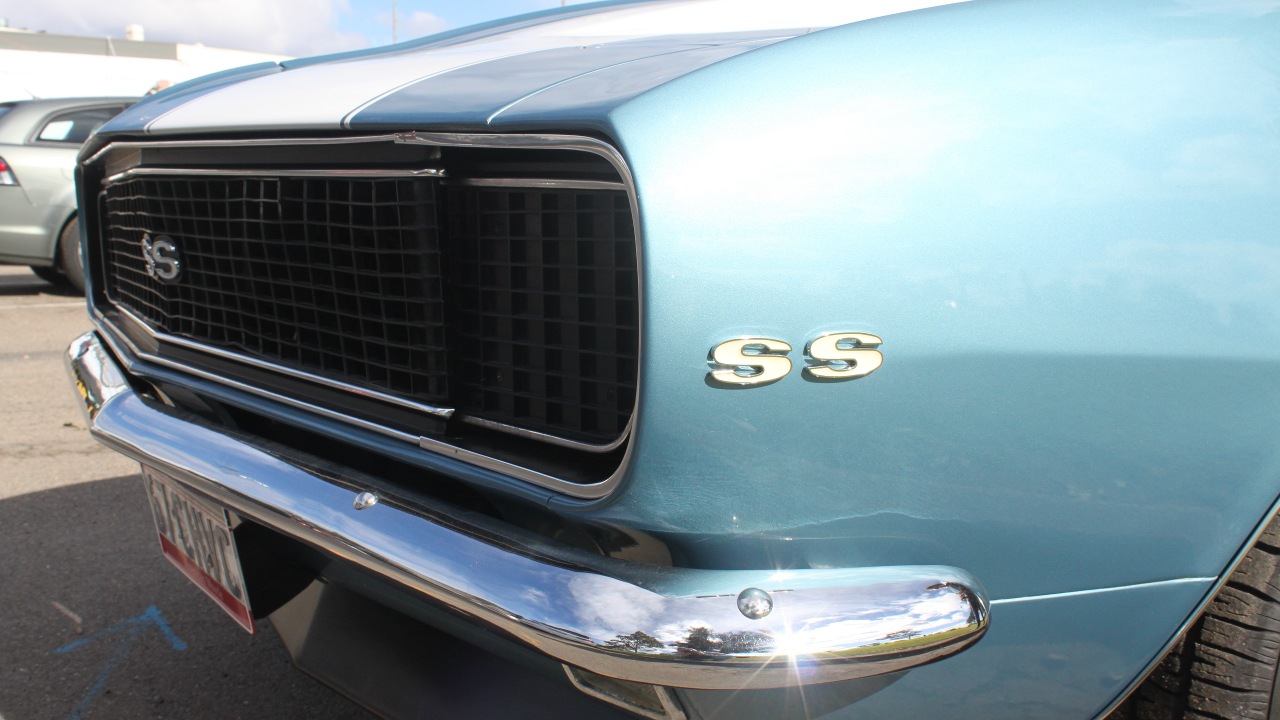
The 1969 Camaro SS 396 crystallized what enthusiasts now think of as the classic big-block muscle formula, pairing brutal straight-line performance with just enough refinement to live with every day. I see that combination of power, style, and usability as the reason this specific SS 396 package still defines how collectors and drivers talk about Chevrolet big-blocks more than half a century later.
Rather than being a one-note drag-strip special, the car blended a high output 396 cubic inch V8 with purposeful styling cues, serious chassis hardware, and a broad menu of options that let buyers tailor it from boulevard cruiser to track-ready street machine. That balance, backed by period-correct reporting and modern enthusiast analysis, explains why the 1969 SS 396 has become the reference point for big-block Camaro setups.
The big-block heart that set the benchmark
Any attempt to understand why the 1969 Camaro SS 396 became a defining big-block setup has to start with the engine itself. The 396 cubic inch V8 gave Chevrolet a centerpiece that delivered the kind of torque and top-end pull that smaller small-block packages could not match, and contemporary enthusiasts still describe the 1969 Chevy Camaro SS 396 as a “true powerhouse” and “one of the most iconic muscle cars of its time,” language that underscores how central that displacement was to the car’s identity. Reporting on the model highlights how the 396 was positioned as the step up from the SS 350, with the “SS 350” grille emblem on lesser cars making the big-block option feel like a clear graduation into serious performance territory.
Later coverage of the 1969 Chevrolet Camaro 396 L-78 reinforces that this engine family was not just about size but about character, with the 396 and the high-spec 78-coded variant described as the kind of hardware that “turns heads and makes hearts race,” a reminder that the big-block’s appeal was as emotional as it was numerical. When I look at how enthusiasts still single out the 396 and 78 designations in modern writeups, it is clear that this displacement became shorthand for peak first-generation Camaro performance, the yardstick against which other big-block setups are still measured.
Transmission choices that unlocked the 396
Power alone does not define a great big-block package, and the way Chevrolet paired the 396 with its transmissions helped cement the 1969 SS 396 as a complete performance system rather than just an engine swap. Reporting on surviving cars notes that the 396/375 HP SS Camaro was “hooked to either an M21 or M22 close-ratio 4-speed or a TH400 automatic,” a concise list that reads like a greatest-hits catalog of late‑1960s performance gear. Those M21 and M22 gearboxes gave drivers tight, aggressive ratios that kept the 396 in its sweet spot, while the TH400 automatic offered durability and consistency for owners who wanted drag-strip reliability or easier street manners.
The fact that the same 396 could be ordered with such different driveline personalities is a big part of why I see this setup as definitive. Enthusiast accounts emphasize that, when “hooked” to those transmissions, the 396/375 combination “delivered serious performance” and captured the “golden age of Chevrolet performance,” language that ties the mechanical choices directly to the era’s broader performance culture. In practice, that meant a buyer could spec a close-ratio 4‑speed for road-course and back-road work or lean on the TH400 for bracket racing and daily driving, all while enjoying the same big-block thunder under the hood.
Styling and options that broadcast big-block intent
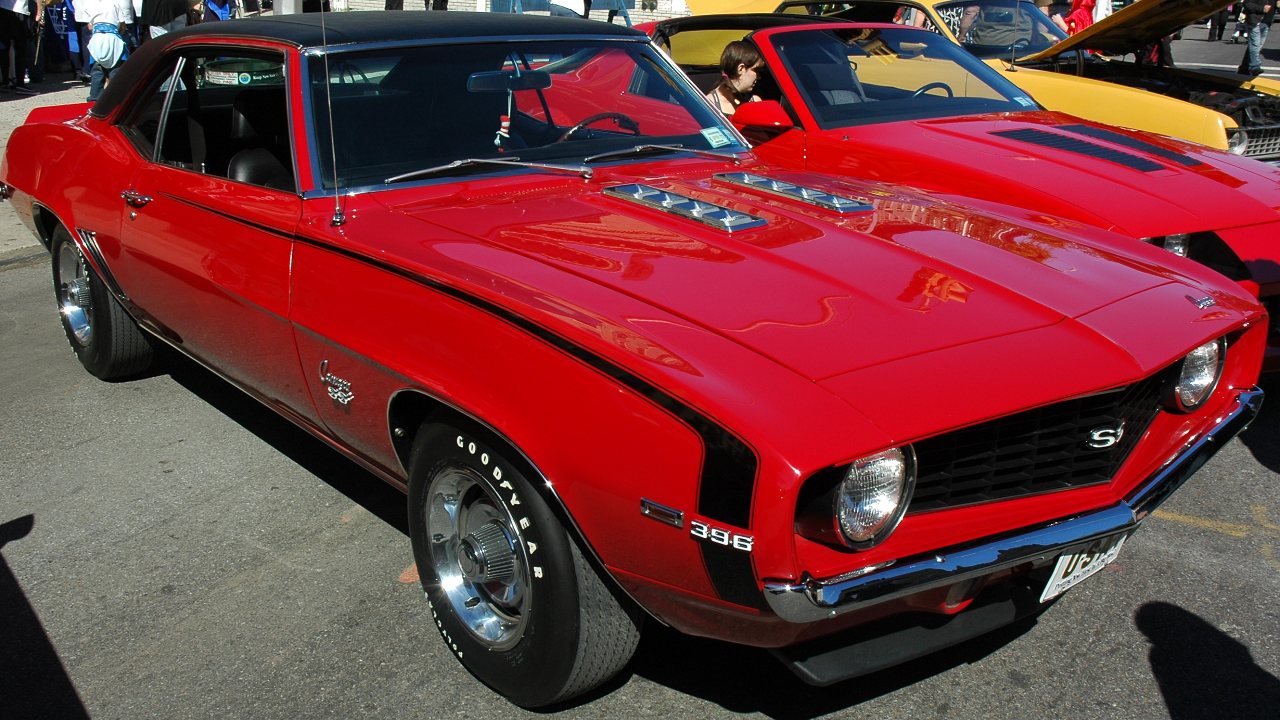
The 1969 Camaro SS 396 did not rely on engine specs alone to make its point, and the visual and aerodynamic options available that year helped turn the big-block package into a rolling statement. Contemporary descriptions of the 1969 Chevrolet Camaro SS stress that it is “one of the most celebrated American muscle cars,” in part because it “blends aggressive styling with serious performance,” a pairing that captures how the bodywork and hardware worked together. The SS treatment already added distinctive badging and trim, and fact sheets for the 1969 Chevrolet Camaro note that “SS” letters were placed at the front of the front fenders, with an “SS 350” emblem in the center of the grille on small-block cars, a detail that made the absence of that 350 script on big-block versions a subtle but meaningful tell.
On top of that base SS identity, buyers could layer functional upgrades that suited the 396’s appetite for air and traction. Period-focused coverage of the 1969 Chevrolet Camaro SS 396 points out that “optional cowl induction hoods and rear spoilers enhanced both performance and visual drama,” while also noting that “inside, the cabin was driver focused,” a reminder that the car’s intent was visible from every angle. I read those “Optional” aerodynamic pieces as more than cosmetic, since the cowl hood helped feed cooler air to the big-block and the rear spoiler added stability at speed, and together they signaled that a 396‑equipped SS was built to be driven hard, not just parked at a cruise‑in.
How the SS 396 balanced brute force and everyday usability
What truly separates the 1969 Camaro SS 396 from some of its contemporaries is how it balanced raw output with a chassis and equipment set that made the power usable. Coverage of first‑generation cars notes that “under the hood, the Camaro RS/SS was a force to be reckoned with, delivering both speed and handling,” and that the powerful V8 could be tuned “to 375 horsepower,” a figure that aligns with the 396/375 HP specification cited in enthusiast discussions. That same reporting emphasizes that the RS/SS package was engineered to feel composed from every angle, whether the car was being hustled on a back road or shown off in town, which helps explain why the 396 did not overwhelm the rest of the platform.
Enthusiast writeups on the 1969 Chevy Camaro SS 396 echo that idea by describing the car as a “true powerhouse” that still reflected Chevrolet’s “commitment to performance and engineering excellence,” language that suggests the big-block was integrated into a well-rounded package rather than simply dropped into the engine bay. When I compare that to the way the 1969 Chevrolet Camaro 396 L-78 is portrayed as “Beautiful” and “iconic” yet also capable of serious speed, it becomes clear that the SS 396’s legacy rests on more than quarter‑mile times. The car delivered the kind of acceleration buyers expected from a 396 while still offering the steering, braking, and interior comfort that made it livable, a combination that many later big-block efforts struggled to match.
Why the 1969 SS 396 still defines big-block Camaro culture
Decades after the last first‑generation Camaro left the factory, the 1969 SS 396 continues to dominate conversations about Chevrolet big-blocks because it captured a moment when styling, performance, and culture all aligned. Enthusiast communities repeatedly single out the 1969 model year as a high point, with one detailed overview calling the 1969 Chevrolet Camaro SS “one of the most celebrated American muscle cars” and highlighting how that year’s blend of aggressive lines and serious hardware still resonates with collectors. The way modern owners and fans keep returning to the 396 designation, often mentioning it alongside the 78 code and the 375 horsepower rating, shows how deeply this specific configuration is etched into muscle car memory.
When I look across the reporting, a consistent pattern emerges. The 1969 Chevy Camaro SS 396 is framed as a “true powerhouse,” the 396/375 HP SS Camaro is remembered for being “hooked” to legendary M21, M22, and TH400 transmissions that delivered “serious performance,” and the broader Camaro RS/SS lineup is praised for being a “force to be reckoned with” that combined “speed and handling.” Add in the visual punch of “Optional” cowl induction hoods, rear spoilers, and SS badging, and the result is a car that did more than carry a big-block under its hood. It set the template for what a complete big-block muscle package should be, which is why, when enthusiasts talk about the golden age of Chevrolet performance, the 1969 Camaro SS 396 still sits at the center of the conversation.
More from Fast Lane Only