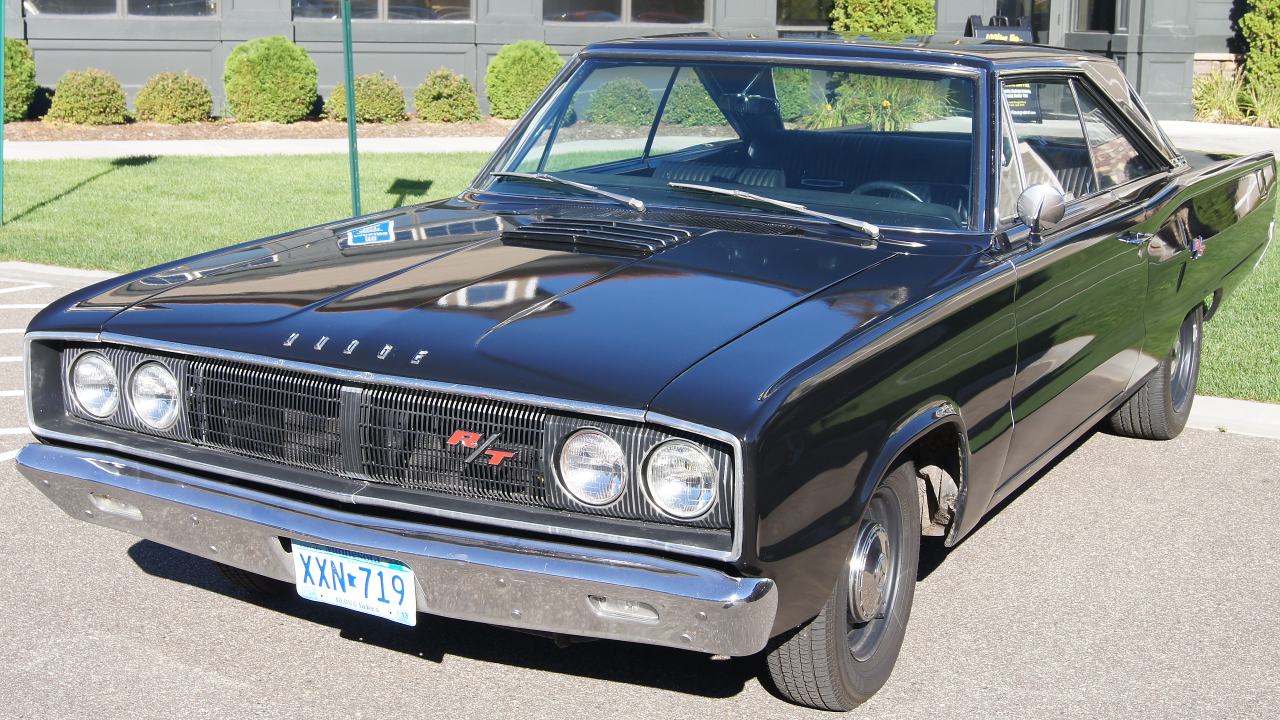
The 1967 Dodge Coronet R/T arrived as a turning point for Dodge, sharpening the Coronet line into a focused performance machine and signaling that the brand was ready to compete seriously in the muscle car era. Its changes in powertrain, chassis tuning, and design transformed a conventional midsize into a purpose built Road/Track package that still shapes how enthusiasts judge late‑sixties performance cars. By tracing those upgrades and their impact, I can show how this single model year elevated the Coronet’s capability on both the street and the strip.
Rather than treating the 1967 Coronet R/T as just another classic, I look at it as Dodge’s first fully committed muscle car under the R/T badge, a car that blended big block power, structural upgrades, and visual aggression into a cohesive package. That combination, documented in period specifications and later analysis, explains why the car is now revered as a benchmark of the golden age of American performance.
The R/T badge turns the Coronet into a true muscle car
The most important change in 1967 was philosophical: Dodge repositioned the Coronet from a broad midsize lineup into a platform that could carry a dedicated high performance identity. The Coronet R/T (for Road/Track) was described as Dodge’s first true entry into the muscle car market under that specific R/T badge, a move that separated it from more ordinary Coronets and aligned it with the emerging performance wars of the late sixties. By carving out this submodel, Dodge signaled that the R/T would not be a mere appearance package but a car engineered around speed, style, and performance, a point underscored in later descriptions of the 𝟏𝟗𝟔𝟕 𝐃𝐨𝐝𝐠𝐞 𝐂𝐨𝐫𝐨𝐧𝐞𝐭 𝐑/𝐓 as a high performance muscle car that marked Dodge’s serious push into that segment.
This shift also reframed the Coronet name itself. Earlier Coronets had been available with strong engines, but the R/T badge created a clear hierarchy inside the lineup and made it easier for buyers to identify the most capable version. Reporting that highlights the 1967 Dodge Coronet R/T as a notable muscle car that is revered for its role in the golden age of American muscle cars reinforces how quickly that identity stuck. By tying the Road/Track label directly to the Coronet, Dodge created a performance halo that would influence later models and cement the R/T designation as shorthand for serious capability.
Powertrain upgrades: from strong V8s to serious big blocks
The leap in capability for the 1967 Coronet R/T began under the hood, where Dodge standardized big block power that other trims could not match. While other trims were restricted to the 383-cubic-inch, 6.3-liter V8 as their top engine, the R/T came standard with a larger Magnum big block that moved the car decisively into muscle territory. Later analysis of the Coronet R/T’s engine choices notes that, when it came to powerplants, the Coronet favored the bold, with the base engine described as the 440-cu. That displacement, paired with a 375 horsepower Magnum tune in period reporting, gave the R/T a substantial advantage over the 383 powered versions and aligned it with the most potent factory offerings of its time.
Above that already formidable standard engine sat the legendary Hemi option, which elevated the Coronet R/T into rarified company. Coverage of the 1967 Dodge Coronet R/T Hemi specifies that the only engine option at that level was the 426-cid Hemi, in its second year in Street trim and again rated at 425 bhp. That figure, combined with the Hemi’s reputation for durability at high rpm, turned the R/T into a car that could dominate drag strips while still being sold as a regular production model. The presence of both the 440 Magnum and the 426 Hemi in the same lineup illustrates how aggressively Dodge pushed the Coronet R/T’s powertrain envelope compared with the rest of the Coronet family.
Chassis, driveline, and the “Road/Track” promise
Power alone did not justify the Road/Track name, so Dodge backed the big engines with structural and suspension changes that made the 1967 Coronet R/T more capable when the road turned rough or the quarter mile lights came into view. Contemporary and retrospective descriptions of the R/T emphasize that it was engineered as a high performance variant rather than a cosmetic upgrade, with chassis tuning and driveline components selected to handle the torque of the 440 and the 426. The very use of the Road/Track label signaled that Dodge intended the car to be competent in both everyday driving and more demanding performance use, a dual role that later enthusiasts still highlight when they describe the model’s blend of speed, style, and performance.
Although the surviving reporting focuses more on engines and styling than on detailed suspension geometry, the consistent framing of the 1967 Dodge Coronet R/T as a high performance muscle car that catered to different driving preferences suggests that Dodge offered combinations of transmissions and rear axle ratios tailored to both street and strip. References to the R/T package as a complete performance offering, not just a big engine, support the idea that the car’s rising capability came from a coordinated set of upgrades. Where the standard Coronet trims topped out at the 383-cubic-inch, 6.3-liter V8 with more conventional hardware, the R/T’s stronger driveline and performance oriented tuning allowed owners to exploit the full potential of the 440 Magnum and the 426 Hemi without overwhelming the chassis.
Exterior design: muscular stance and visual identity
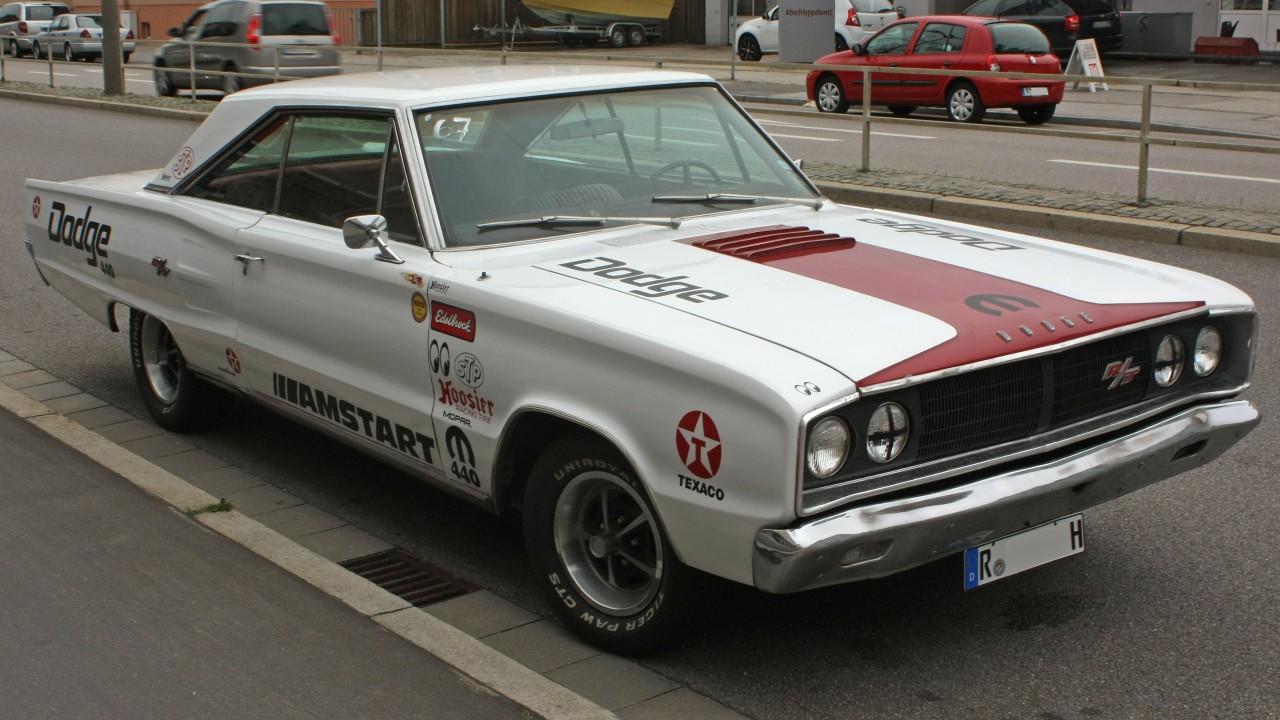
The 1967 Coronet R/T’s rising capability was matched by a visual overhaul that made its performance intent obvious at a glance. Reporting that focuses on Design Exterior notes that the 1967 Coronet R/T had a muscular stance with a long hood, wide body, and a distinctive split grille that set it apart from more conservative sedans. Those proportions were not just aesthetic; they helped accommodate the larger big block engines and gave the car the planted look that buyers expected from a serious muscle machine. The combination of a broad front end, clean side surfaces, and purposeful rear treatment created a cohesive design that still reads as aggressive without relying on excessive ornamentation.
Visual cues specific to the R/T further reinforced its identity within the Coronet range. Descriptions of the 1967 Dodge Coronet R/T highlight unique badging, trim details, and performance oriented touches that signaled the car’s status as a high performance variant. The way enthusiasts now talk about the 1967 Dodge Coronet R/T as a notable muscle car that is revered for its styling and presence shows how successful that design strategy was. By giving the R/T a distinct exterior character, Dodge ensured that the car’s upgraded powertrain and chassis were matched by an equally assertive look, which in turn helped the model stand out in a crowded field of late sixties performance cars.
Interior, comfort, and the dual role of a performance cruiser
Inside, the 1967 Coronet R/T balanced its performance mission with the comfort expectations of a midsize Dodge buyer, which was essential for a car meant to carry the Road/Track label. While the surviving summaries focus more on exterior and mechanical details than on upholstery patterns or option codes, they consistently describe the 1967 Dodge Coronet R/T as a high performance muscle car that still catered to different driving preferences. That framing implies that Dodge did not strip the cabin bare in pursuit of speed, but instead offered a mix of supportive seating, clear instrumentation, and available convenience features that allowed the R/T to serve as both a weekend racer and a daily driver.
The way enthusiasts now remember the 1967 Coronet R/T supports this interpretation. Accounts that celebrate the 1967 Dodge Coronet R/T as a notable muscle car often emphasize its role in the broader golden age of American muscle cars, a period when manufacturers were learning how to combine serious performance with everyday usability. By positioning the R/T as a car that could handle long highway trips as comfortably as short bursts of acceleration, Dodge broadened its appeal beyond hardcore racers and helped ensure that the model would be preserved and appreciated decades later.
Legacy and why the 1967 Coronet R/T still matters
Looking back, the 1967 Dodge Coronet R/T stands out not just for its specifications but for the way it crystallized Dodge’s performance ambitions. Later commentary that describes the 1967 Dodge Coronet R/T as a high performance muscle car that marked Dodge’s serious entry into the muscle market under the R/T badge underscores how pivotal this model year was. By pairing the 440-cu Magnum and the optional 426-cid Hemi with a distinct design and a reinforced chassis, Dodge created a template that would influence later R/T models across its lineup. The Coronet R/T’s blend of power, presence, and practicality helped define what buyers would come to expect from a factory built muscle car.
The car’s enduring reputation is reflected in the way enthusiasts and historians continue to revisit its story. Reporting dated Dec 28, 2024 that revisits the 1967 Dodge Coronet R/T, including references to the Dec summaries of the Dodge Coronet and its Road and Track identity, shows that interest in this model has not faded. Earlier coverage from Sep 23, 2018 and Dec 27, 2006 that details the Magnum and Hemi options, along with the Sep 9, 2021 discussion of how other trims were limited to the 383-cubic-inch, 6.3-liter V8, collectively reinforce the same conclusion. The 1967 Coronet R/T did more than add horsepower to an existing car. It redefined what a Dodge midsize could be, and in doing so, it secured a lasting place in the story of American performance.
More from Fast Lane Only