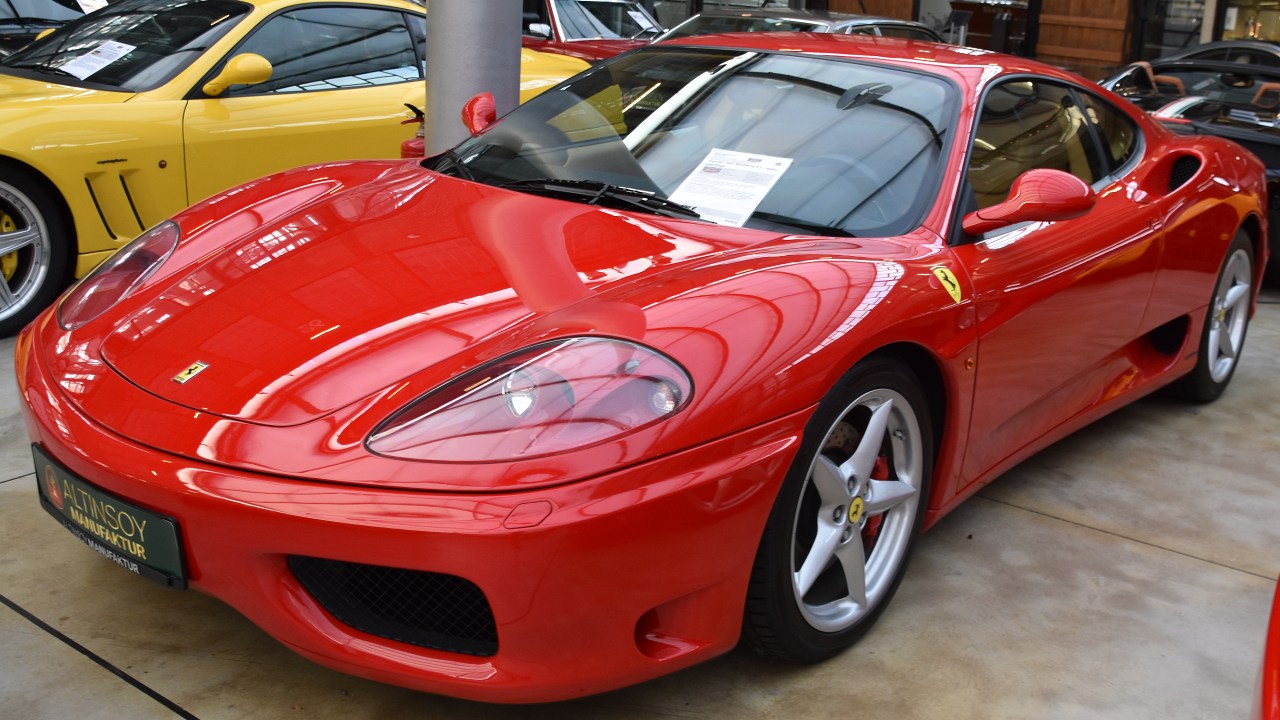
The 1999 Ferrari 360 Modena marked a turning point for Maranello, pairing a new all aluminium structure with production volumes that finally brought cutting edge construction to a wider group of buyers. It was not just another mid engined V8, it was the first Ferrari road car built in large numbers around a lightweight aluminium monocoque and body, a template that would shape the brand’s modern era. I see the 360 Modena as the car that quietly dragged Ferrari into the 21st century, technically and commercially, without losing the drama that made the badge desirable in the first place.
From steel to aluminium: how the 360 reset Ferrari’s playbook
When the 360 Modena arrived, it replaced a lineage of steel framed cars like the Testarossa, 348 and F355 with something radically different in both philosophy and execution. Official material on the 360 M makes clear that it was the first production Ferrari to be constructed entirely in aluminium, with the Chassis, bodyshell and suspension wishbones all switching to the lighter metal. That change was not cosmetic. Engineering analysis of the Modena’s body in white reports that the structure was 28% lighter than its predecessor yet 44% stiffer in torsion and 42% stiffer in bending, while using 35% fewer parts, a combination that improved performance, safety and manufacturing efficiency in one move.
This was a deliberate break from the mixed construction of cars like the 456M GT/A and 550 Maranello, which relied on a welded matrix of steel tubes and steel panels. By contrast, the 360’s aluminium spaceframe and bonded panels were developed with a specialist partner to industrialise lightweight construction for higher volumes. Contemporary reporting on the F360 Modena framed this as the basis for Ferrari’s future model strategy, not a one off experiment. In other words, the 360 did not just swap materials, it rewrote the company’s engineering rulebook and set a pattern that later mid engined Ferraris would follow.
Design, performance and the new driving experience
The 360 Modena’s styling and dynamics were shaped around that aluminium core, which allowed a longer wheelbase, more cabin space and better visibility without adding mass. The car that debuted at the Geneva Motor Show was lower and more sculpted than the F355, with deep side intakes and a glass engine cover that turned the V8 into a visual centerpiece. A detailed guide to the 360 M notes that the aluminium chassis was paired with aluminium suspension components, reinforcing the focus on reducing unsprung weight and sharpening response. The result was a car that felt more modern and forgiving on the road, yet more precise on track, than the steel framed models it replaced.
Ferrari also used the 360 to push its semi automatic transmission technology into the mainstream of its range. The optional F1 style gearbox used steering wheel paddles to control a single clutch automated manual, and a separate technical report on the aluminium car’s systems records that the electro hydraulic unit could execute shifts in just 150 m, far quicker than a human could manage with a conventional lever. That figure, cited in coverage of the gear system, underlines how the 360 blended structural innovation with a new kind of interaction between driver and drivetrain. Even buyers who stuck with the traditional gated manual experienced a chassis that felt lighter on its feet and more rigid, a direct payoff from the aluminium architecture.
Production in big numbers, without losing exclusivity
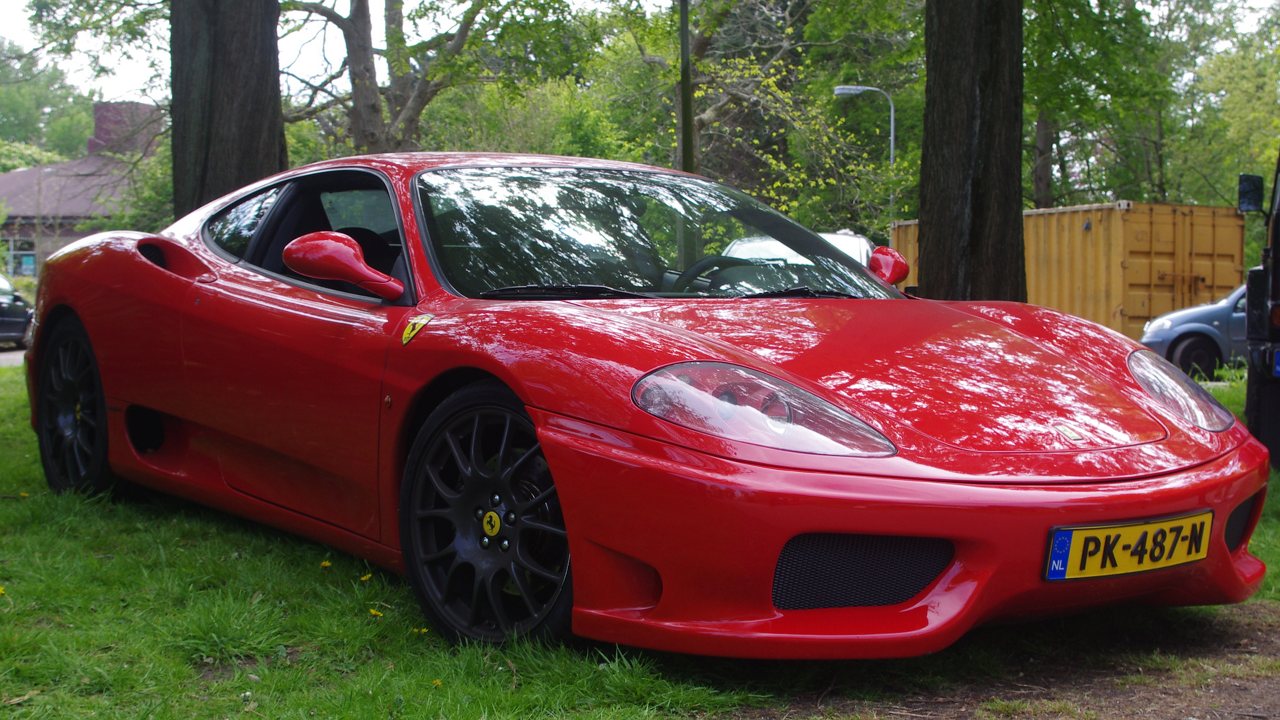
What truly set the 360 Modena apart in Ferrari history was the scale at which this advanced construction was produced. Data compiled on the Ferrari 360 shows that there were 8,800 Modenas, 7,565 Spiders and 1,288 Challenge Stradale built worldwide, with 4,199 of those cars destined for the US market. Those figures are modest by mass market standards but significant for a brand that had previously built mid engined V8s in far smaller runs. A specialist guide to the 360 Modena notes that production of the coupe ended when the F430 arrived, and refers to the model as the 360 M, underlining how this generation became a reference point in its own right.
Even within those larger volumes, Ferrari maintained a hierarchy of variants that catered to different buyers. The standard Modena coupe was joined by the open top Spider and later by the track focused Challenge Stradale, which used the same basic aluminium platform but with more aggressive tuning and weight saving. Although Ferrari has never released an official statement on the total production of the Challenge Stradale, specialist registries and a dedicated wiki have worked to decode chassis numbers and build an approximate picture. That mix of relatively high overall numbers and tightly defined sub models is part of why the 360 era still feels special to collectors while being more accessible than earlier limited run Ferraris.
Naming, variants and the evolution of the 360 family
The 360 Modena’s name rooted the car in Ferrari tradition even as its construction looked forward. The first model of the 360 to be produced was the Modena, explicitly named after the town of Modena, the birthplace of Enzo Ferrari, a detail confirmed in historical notes on the Modena. That link to Enzo Ferrari’s home city gave the car a sense of continuity with the brand’s origins, even as the aluminium chassis and modern electronics signaled a new era. Later, the Spider and Challenge Stradale expanded the 360 family, but the core identity remained tied to that original coupe and its blend of heritage and innovation.
From a technical perspective, the 360 platform was flexible enough to support both road and track focused roles without fundamental redesign. The aluminium monocoque and subframes could be adapted for the Spider’s open roof and the Challenge Stradale’s more extreme suspension and braking packages, while retaining the same basic proportions and mid engined layout. A detailed overview of The Ferrari 360 describes it as a modern Ferrari in every sense, highlighting how the car introduced a new level of usability and reliability alongside its performance. That adaptability is one reason the 360 is often seen as a bridge between the analog feel of earlier Ferraris and the more digital, electronics heavy models that followed.
Legacy in today’s market and enthusiast culture
Two and a half decades on, the 360 Modena’s status as the first all aluminium Ferrari built in significant numbers shapes how enthusiasts and the market view it. Buyers today are drawn to the idea of owning a car that introduced a major engineering shift while still offering a relatively pure driving experience, with hydraulic steering and a naturally aspirated V8. Contemporary buyer guides to the 1999 Ferrari 360 note that the model appeared in several forms, from the standard Modena to the more focused variants, and that values tend to reflect mileage, gearbox choice and condition rather than rarity alone, given the 8,800 M production figure for coupes.
The car’s cultural footprint has also grown as more enthusiasts experience it through media and specialist channels. A recent video review of a gated manual 360 Spider and its role in setting the tone for later Ferraris underscores how the Spider and coupe together helped define the brand’s early 2000s image. At the same time, official archives on Modena continue to emphasize the aluminium construction and collaboration behind the 360 M, reinforcing its role as a milestone. When I look at the current Ferrari range, with its widespread use of lightweight alloys and advanced transmissions, the throughline back to the 360 is clear. It was the car that proved Ferrari could industrialise cutting edge materials and still deliver the emotion buyers expected, at a scale that made that technology part of the brand’s everyday reality rather than a limited experiment.
More from Fast Lane Only: