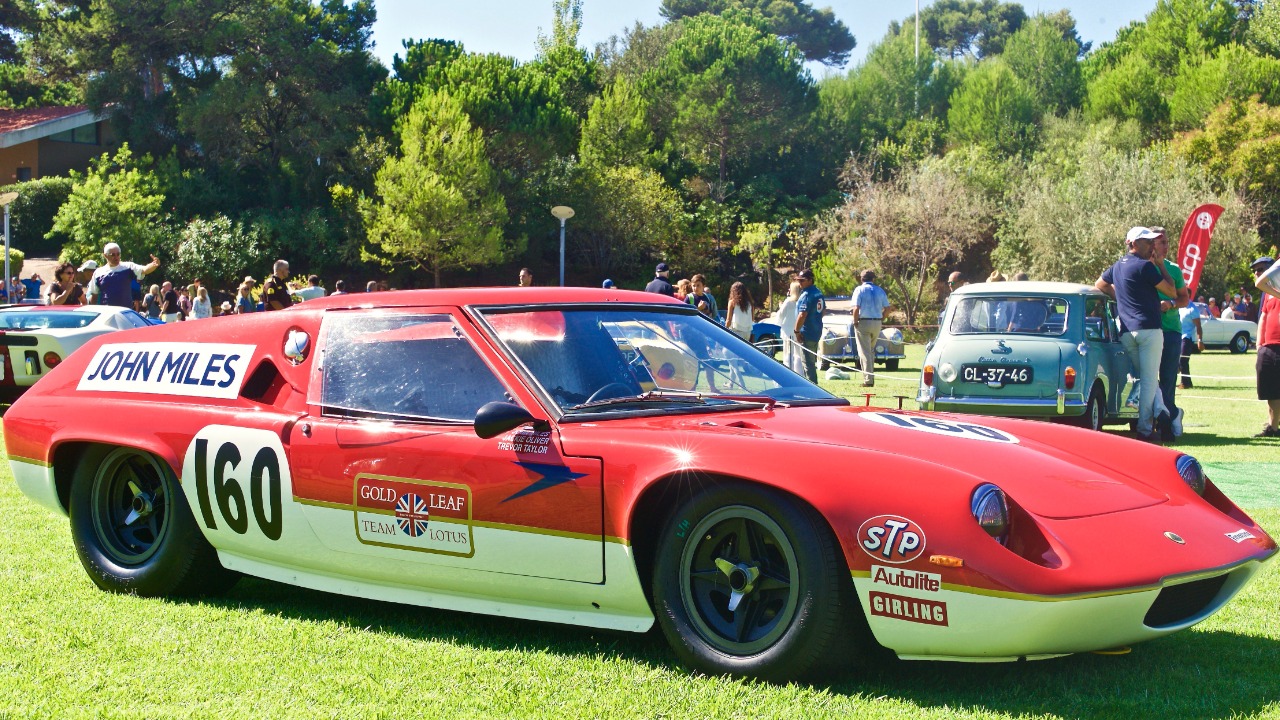
Throughout the history of transportation, numerous concepts have pushed the boundaries of speed. While some have turned into reality, others remain in the realm of imagination. Here are seven audacious concepts that aimed for the 200 MPH mark but never took off.
Jet-Powered Motorcycle
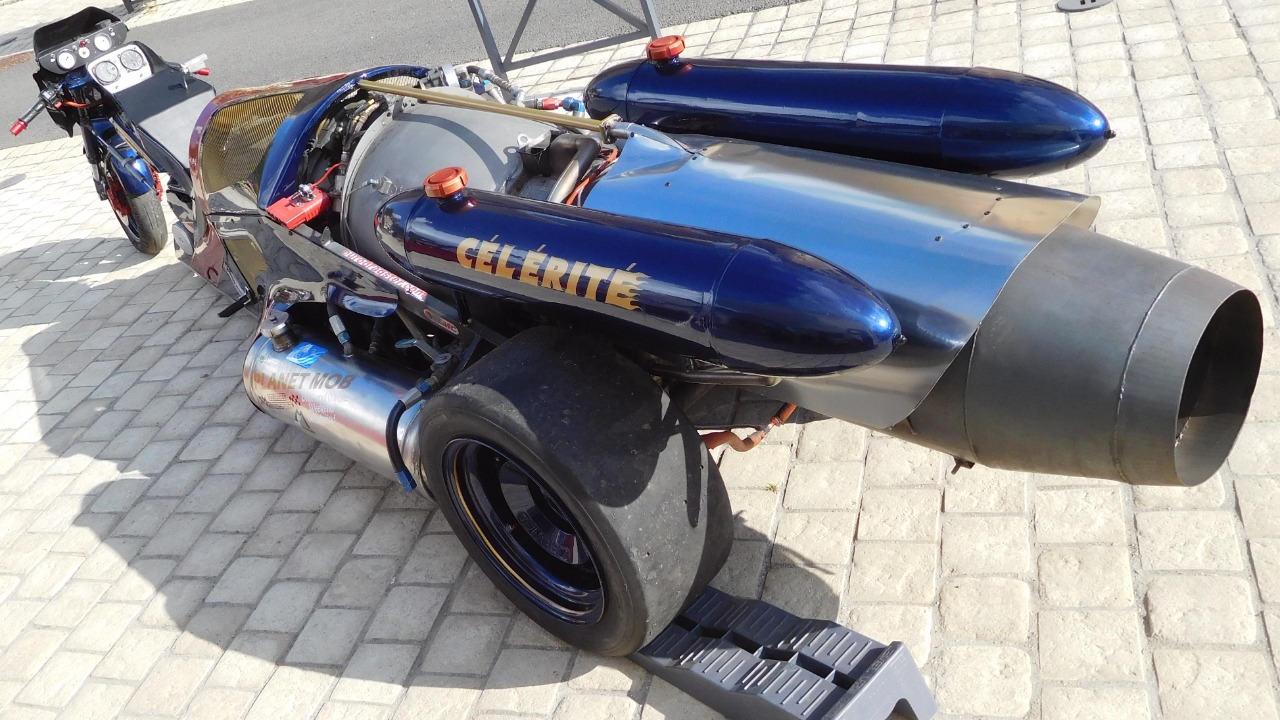
The idea of a jet-powered motorcycle sounds like something out of a science fiction novel, yet engineers have toyed with this concept. The challenge lies in managing the immense heat and thrust generated by a jet engine on two wheels. While the design promised exhilarating speeds, the practical and safety concerns kept it from reaching production. The dream of riding a motorcycle that can hit 200 MPH with jet propulsion remains an unfulfilled fantasy.
Supersonic Hyperloop
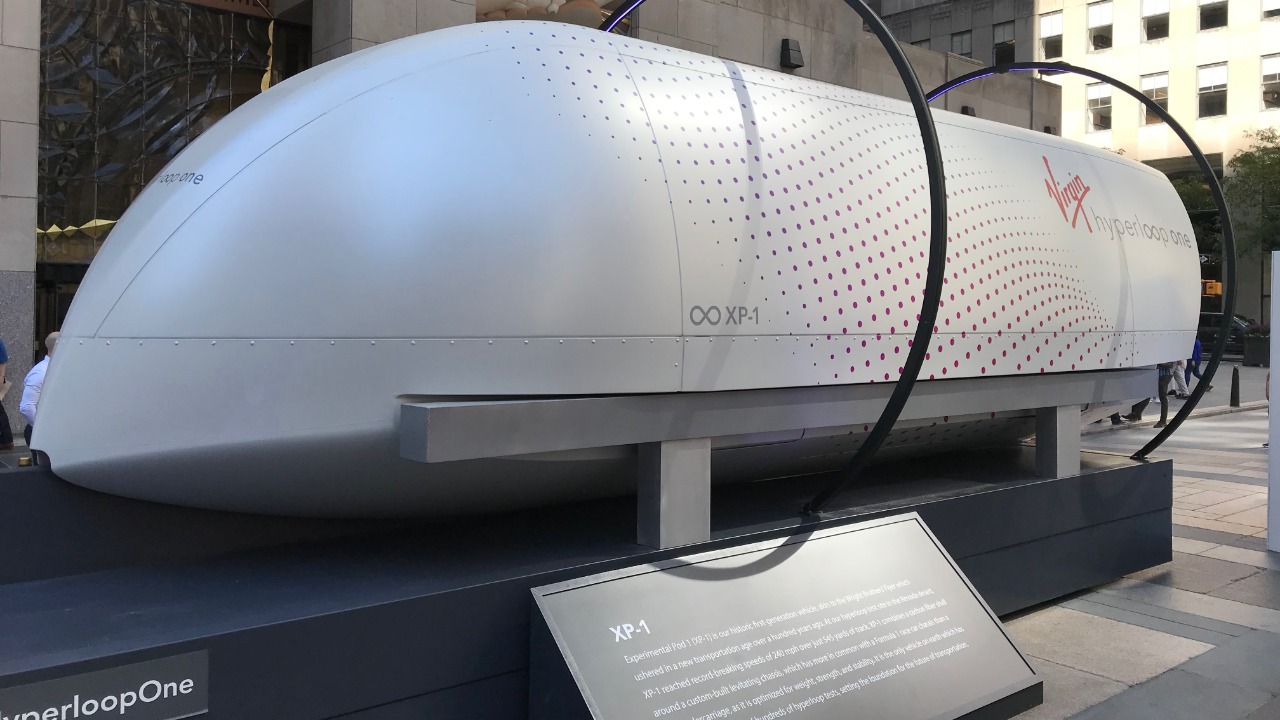
The Supersonic Hyperloop concept envisioned a network of vacuum tubes transporting pods at over 200 MPH. This concept aimed to revolutionize long-distance travel with speeds surpassing even the fastest trains. However, the technical and financial hurdles have kept this project grounded. Issues such as maintaining a vacuum over long distances and ensuring passenger safety in such an environment have proved too complex to overcome, at least for now.
Solar-Powered Racing Car
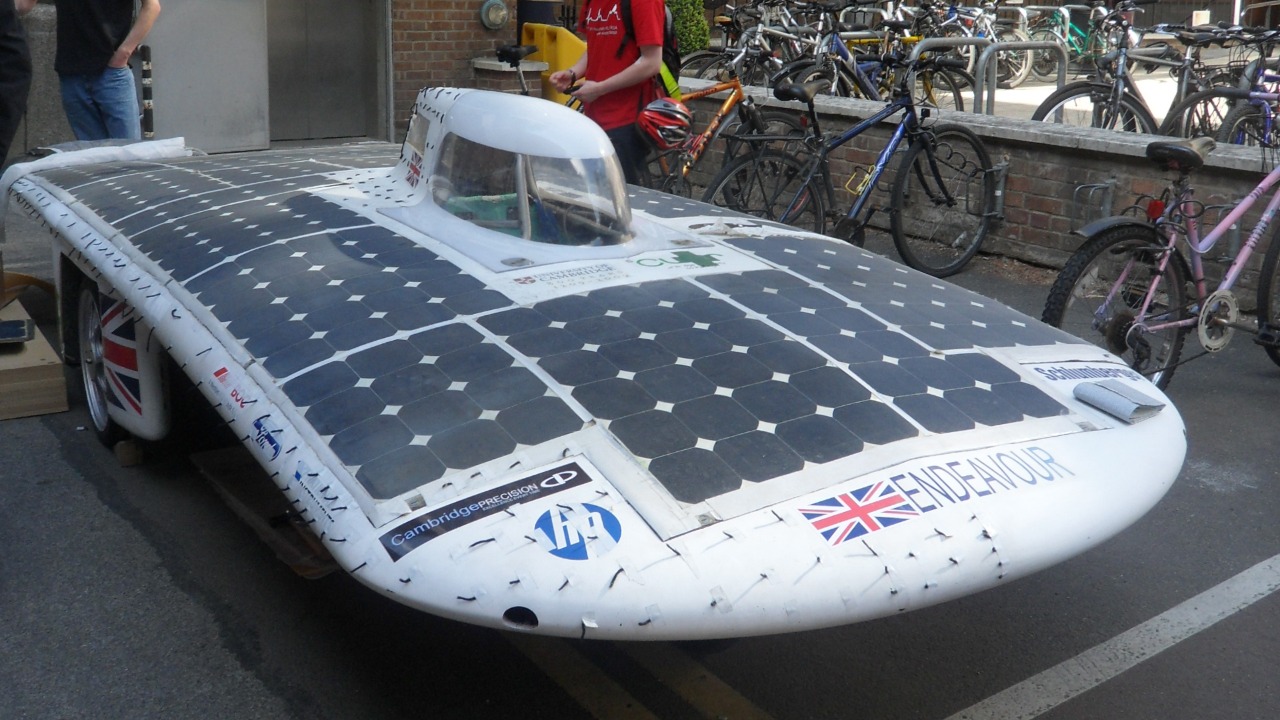
A solar-powered racing car capable of reaching 200 MPH seemed like an eco-friendly solution to high-speed racing. The challenge, however, lay in harnessing and storing enough solar energy to achieve such speeds. While advances in solar technology continue, creating a car that can sustain 200 MPH on solar power alone remains elusive. It’s a dream that continues to inspire innovation in sustainable energy and automotive design.
Rocket-Propelled Skateboard

The idea of a rocket-propelled skateboard sounds thrilling and terrifying in equal measure. The concept aimed to push the boundaries of what personal transport could achieve. However, the practicality of strapping a rocket to a skateboard raises numerous safety and control concerns. While the notion of cruising down the street at 200 MPH on a skateboard remains a captivating idea, the reality of safely achieving such speeds on a compact platform has kept this concept from becoming a reality.
Magnetic Levitation Bicycle
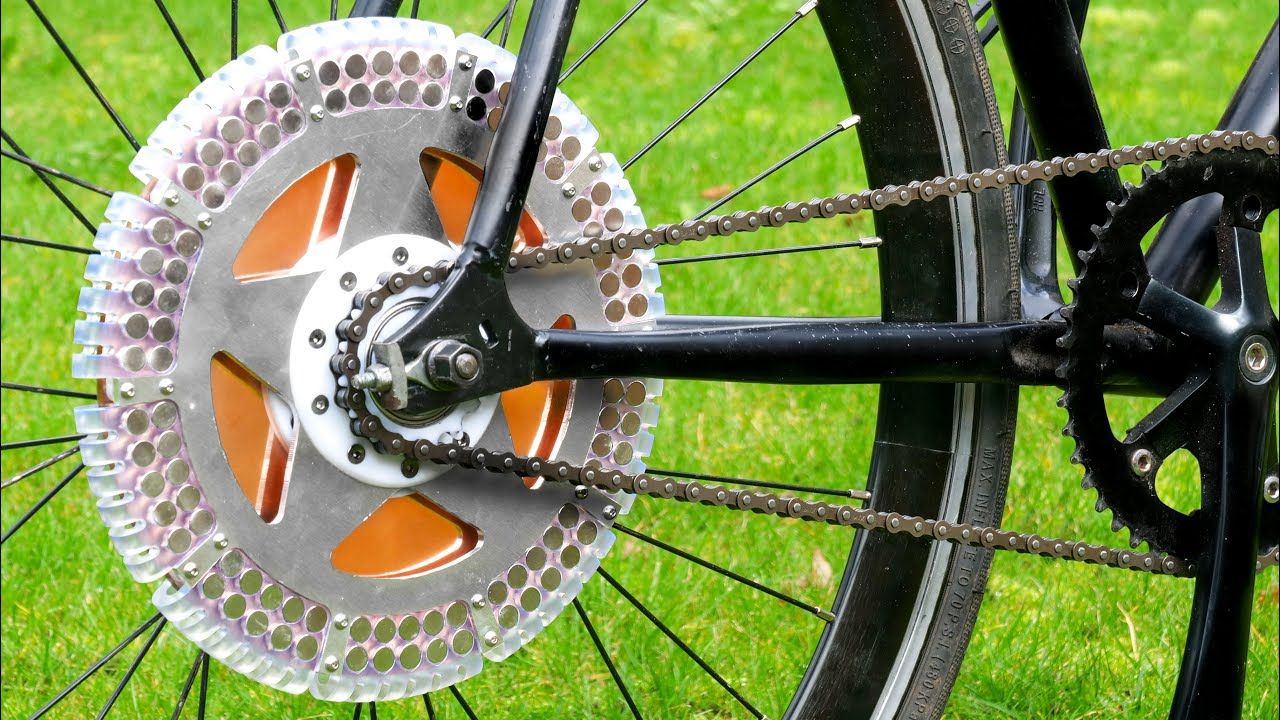
The magnetic levitation bicycle was imagined as a futuristic way to achieve incredible speeds without the friction of traditional wheels. Utilizing maglev technology, the goal was to hover and glide at speeds up to 200 MPH. Despite the potential for smooth and silent travel, the technical challenges of controlling and powering such a bicycle have left this concept on the drawing board. The dream of a maglev bicycle remains an intriguing idea for future innovations in personal transport.
Nuclear-Powered Submarine Car
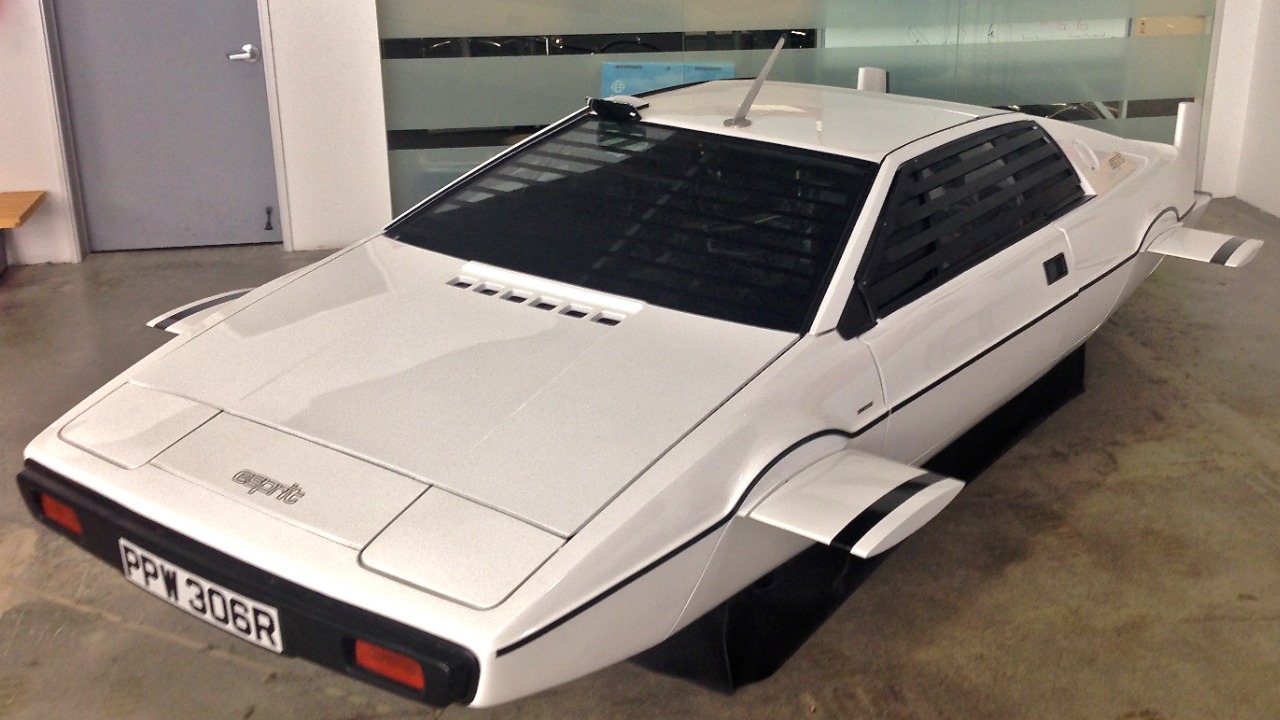
A nuclear-powered submarine car sounds like something from a spy movie. The concept involved a vehicle capable of high-speed travel both on land and underwater, powered by a compact nuclear reactor. While the idea promised unparalleled versatility and speed, the safety, environmental concerns, and public perception of nuclear technology have kept it from becoming reality. The concept remains an ambitious vision of what future transportation might one day achieve.
Autonomous Drone Racer
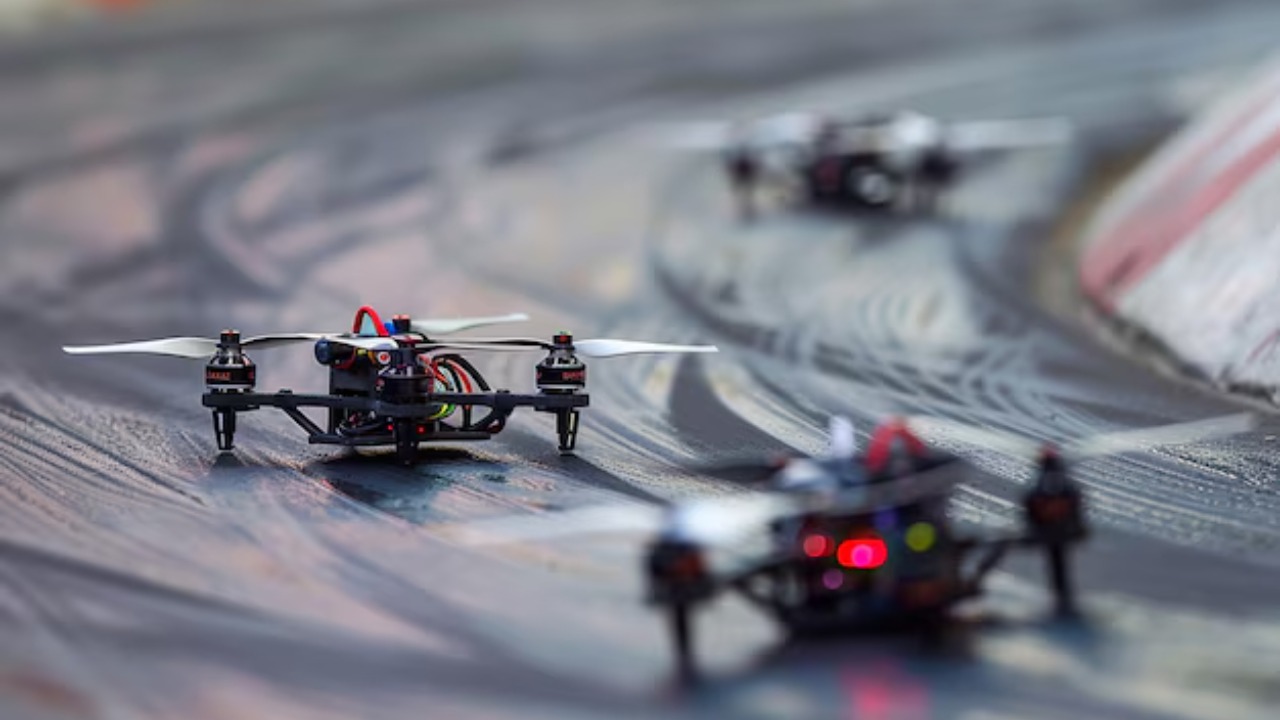
The autonomous drone racer was envisioned as a new frontier in competitive racing. Capable of reaching speeds over 200 MPH, these drones would compete without human pilots, relying on advanced AI and sensors. Although the technology for autonomous drones continues to advance, achieving the reliability and safety required for high-speed racing remains a significant challenge. The dream of autonomous drone races at such speeds remains a future possibility that continues to inspire developments in AI and robotics.