The 1967 Pontiac GTO sits at a fascinating crossroads. It was the last of the original, stacked-headlight cars and the final GTO before emissions rules and safety mandates began reshaping muscle cars in visible ways. Most enthusiasts know the headline stats. Fewer appreciate the details that make the ’67 a uniquely transitional, and increasingly collectible, year.
The One-Year Rally I Wheel Moment
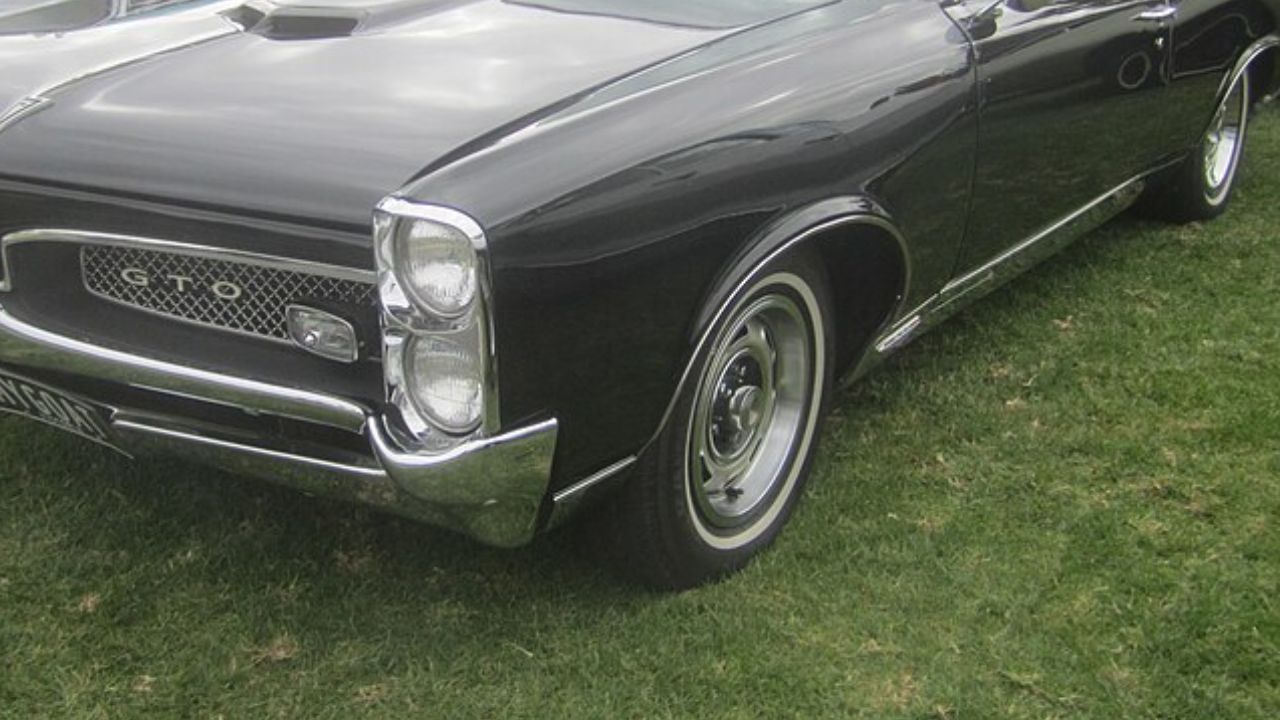
One of the most easily overlooked details on a 1967 GTO is its wheel design. The car could be ordered with Pontiac’s Rally I wheels, a styling cue that bridged the gap between plain steel wheels and the far more famous Rally II design that debuted in 1968. Rally I wheels used trim rings and a distinct center cap arrangement that would disappear after a single model year.
Because Rally II wheels dominate restoration conversations, many 1967 cars were later “updated” incorrectly. A GTO still wearing its proper Rally I wheels today signals either careful stewardship or a very honest restoration. Among detail-oriented collectors, that correctness matters more than flash.
Ram Air Was Real, Rare, and Dealer-Finished

Ram Air arrived quietly during the 1967 model year and remains one of the most misunderstood options. It was available only late in production and required dealer modification to cut the hood scoop opening, which discouraged casual buyers. The package included an open-element air cleaner, revised camshaft, and specific tuning, but it carried the same advertised 360-horsepower rating as the standard 400 H.O.
The gains were real, but subtle, and aimed at high-rpm breathing rather than brochure numbers. That combination of late availability, dealer involvement, and minimal marketing explains why genuine 1967 Ram Air cars remain scarce and highly scrutinized today.
The Hood Tach Was More Than a Styling Gimmick
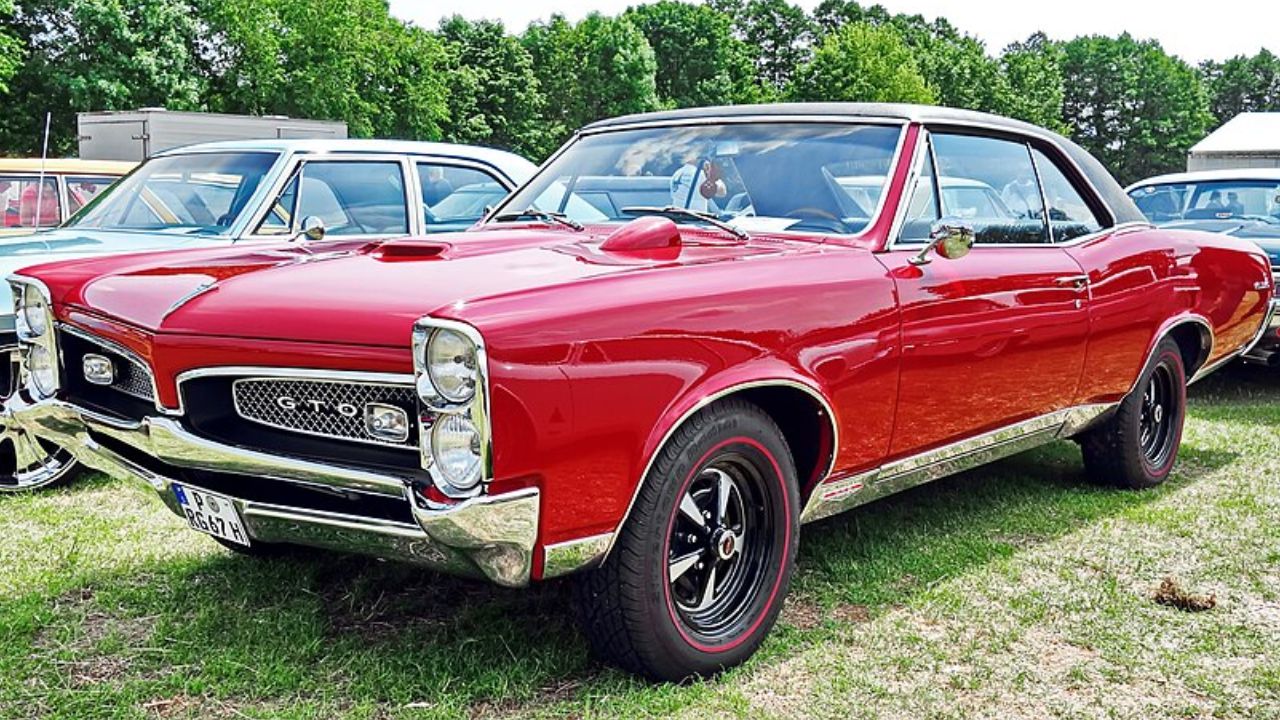
The hood-mounted tachometer offered on the 1967 GTO was not just a styling flourish. Positioned directly in the driver’s line of sight, it allowed precise RPM monitoring without glancing down at the dash, a feature borrowed straight from competition thinking. Pontiac offered both mechanical and electric versions depending on drivetrain configuration.
Because hood tachs were exposed to heat, weather, and engine vibration, many failed over time and were removed. Surviving original units, especially those still functioning, add meaningful credibility to a car’s equipment list and speak to Pontiac’s performance-first mindset in the mid-1960s.
A Transitional Year for Safety, Done Quietly
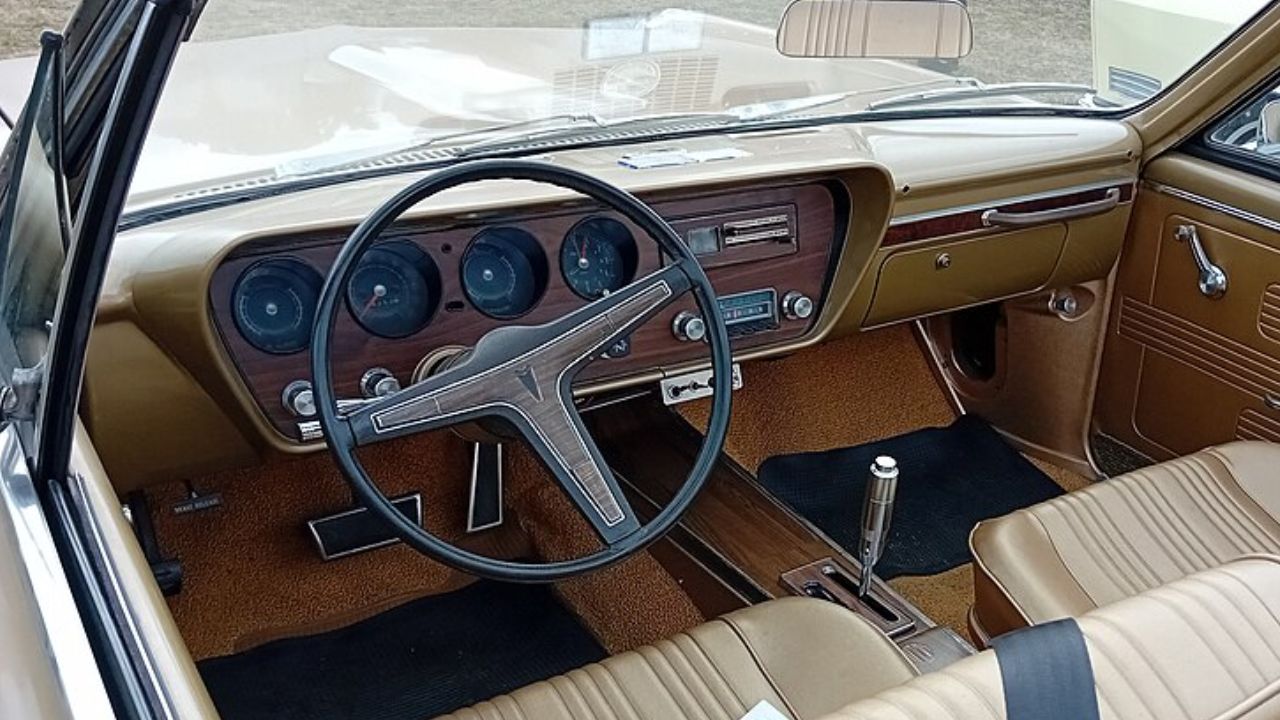
The 1967 model year marked the arrival of federally mandated safety changes, and the GTO incorporated them without altering its character. A collapsible steering column replaced the rigid design used previously, and a dual-circuit master cylinder became standard, providing redundancy in the braking system.
These features were not unique to Pontiac, but their integration matters historically. The ’67 GTO represents the moment when muscle cars began absorbing modern safety engineering without sacrificing performance or aesthetics. For collectors, it’s part of what makes the year feel both old-school and forward-looking.
Rare Colors Were About Ordering Habits, Not Limited Editions
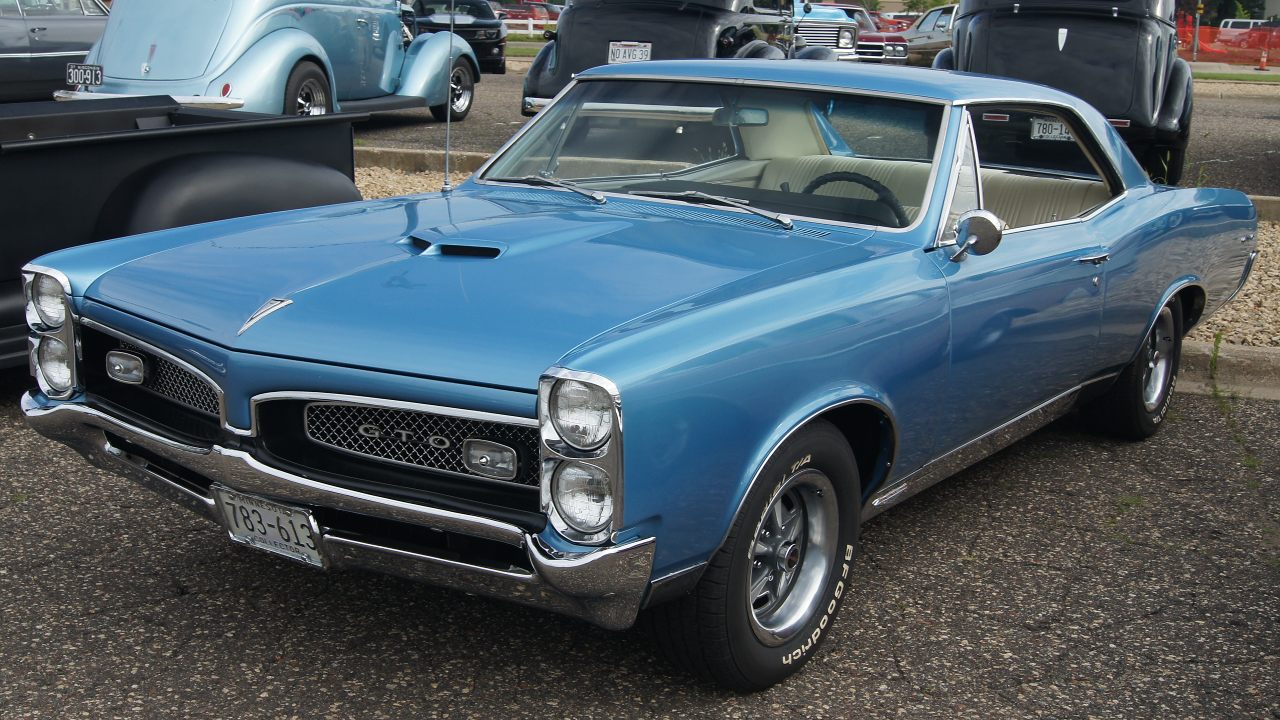
Paint choices play an outsized role in collector value, and the 1967 GTO offered several colors that remain highly desirable today. Tyrol Blue, Signet Gold, and Regimental Red stand out not because they were limited editions, but because they were low-take-rate choices compared with safer hues like red, white, or black.
When paired with original documentation, these less commonly ordered colors add depth to a car’s story. A correctly restored GTO in an uncommon factory shade often draws more attention at shows than one finished in a more familiar palette, even if the mechanical specifications are identical.
Why the 1967 GTO Still Matters
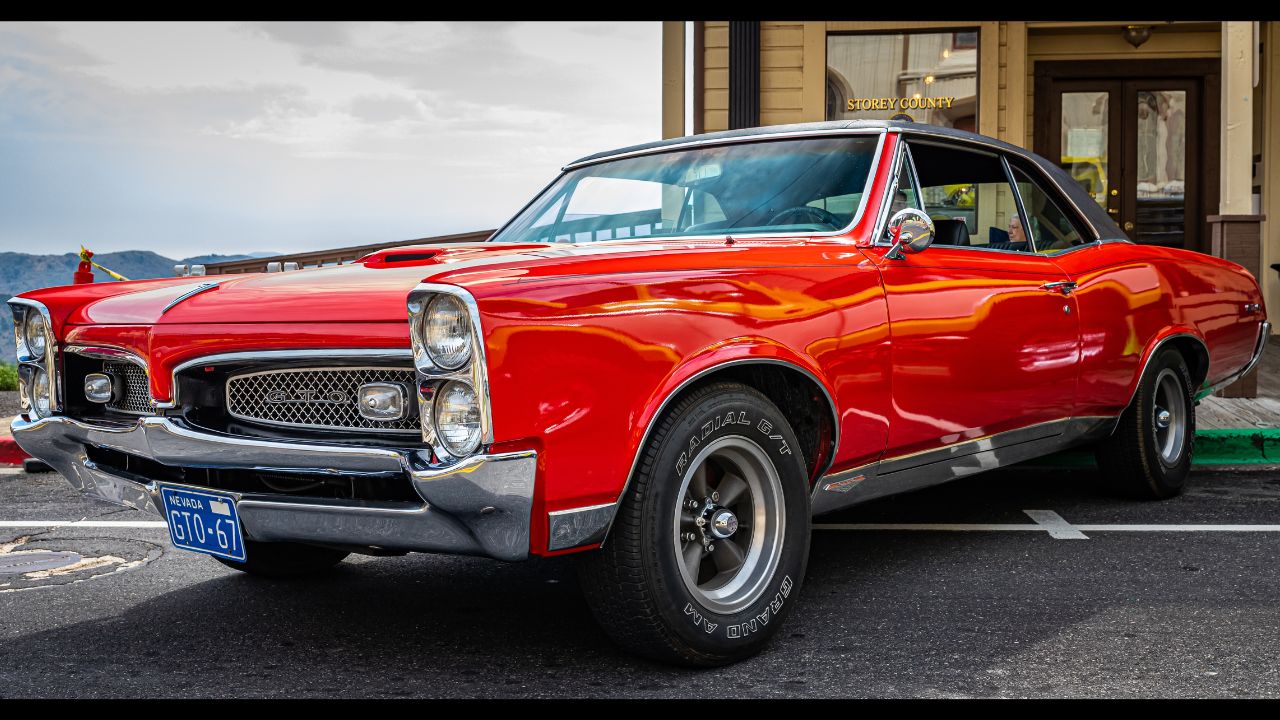
What makes the 1967 Pontiac GTO compelling is not a single option or headline number, but the way its details reflect a pivot point in muscle-car history. It carries the rawness of the early GTOs, introduces the discipline of late-1960s regulation, and preserves a level of mechanical honesty that would soon begin to fade.
For collectors who value correctness, documentation, and nuance, the ’67 is not just another GTO. It’s the last expression of the original formula before the muscle-car world began to change, quietly, one regulation and one design decision at a time.
More from Fast Lane Only: