Some vehicles are engineered with durability as a core priority rather than an afterthought. Strong drivetrains, proven engines, conservative tuning, and dependable transmissions allow certain models to remain reliable long after others begin showing serious wear. These vehicles are known for surviving years of commuting, highway driving, towing, and rough conditions without developing major mechanical problems.
Toyota Corolla
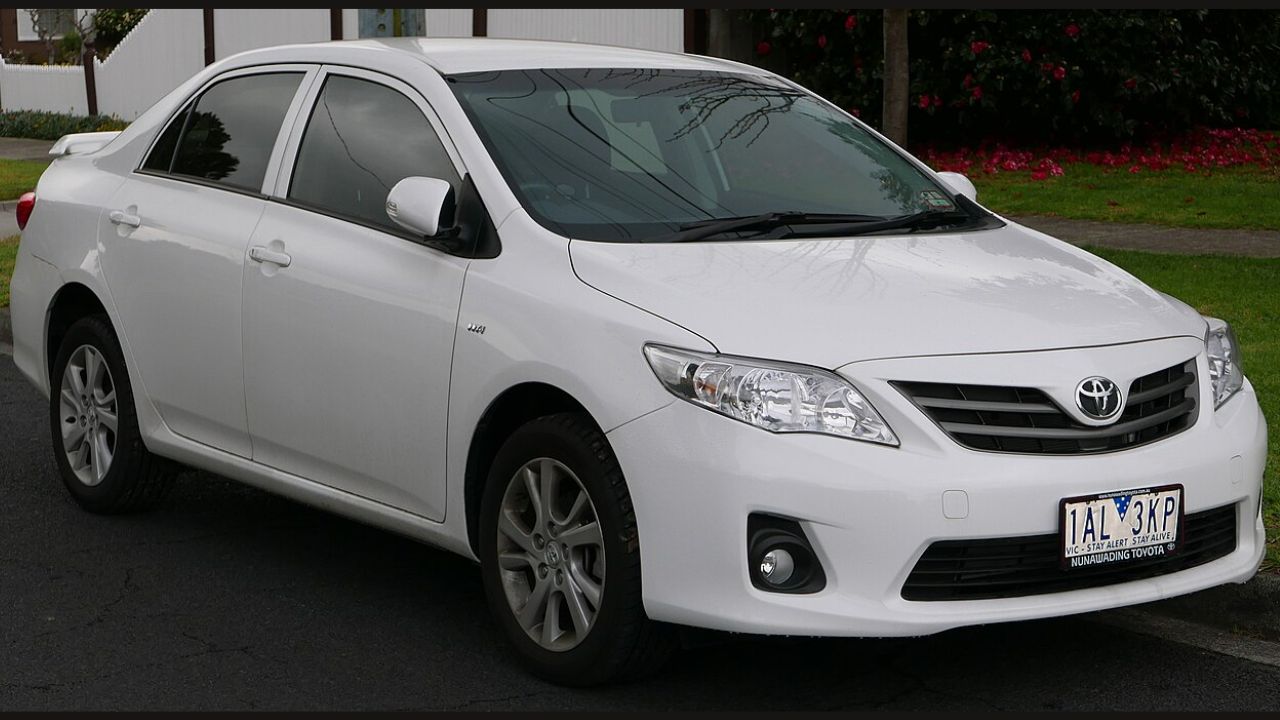
The Toyota Corolla has earned a global reputation for reliability because Toyota designed it with simplicity and long-term durability in mind. Its naturally aspirated engines operate under relatively low stress, helping internal components last far longer than many competing compact cars. Properly maintained Corollas frequently surpass 300,000 miles while still delivering dependable daily transportation.
Its straightforward mechanical layout also helps reduce long-term ownership costs. Fewer complicated systems mean fewer expensive failures as the vehicle ages. Combined with affordable replacement parts and widespread service support, the Corolla remains one of the most dependable high-mileage vehicles ever built.
Toyota Camry
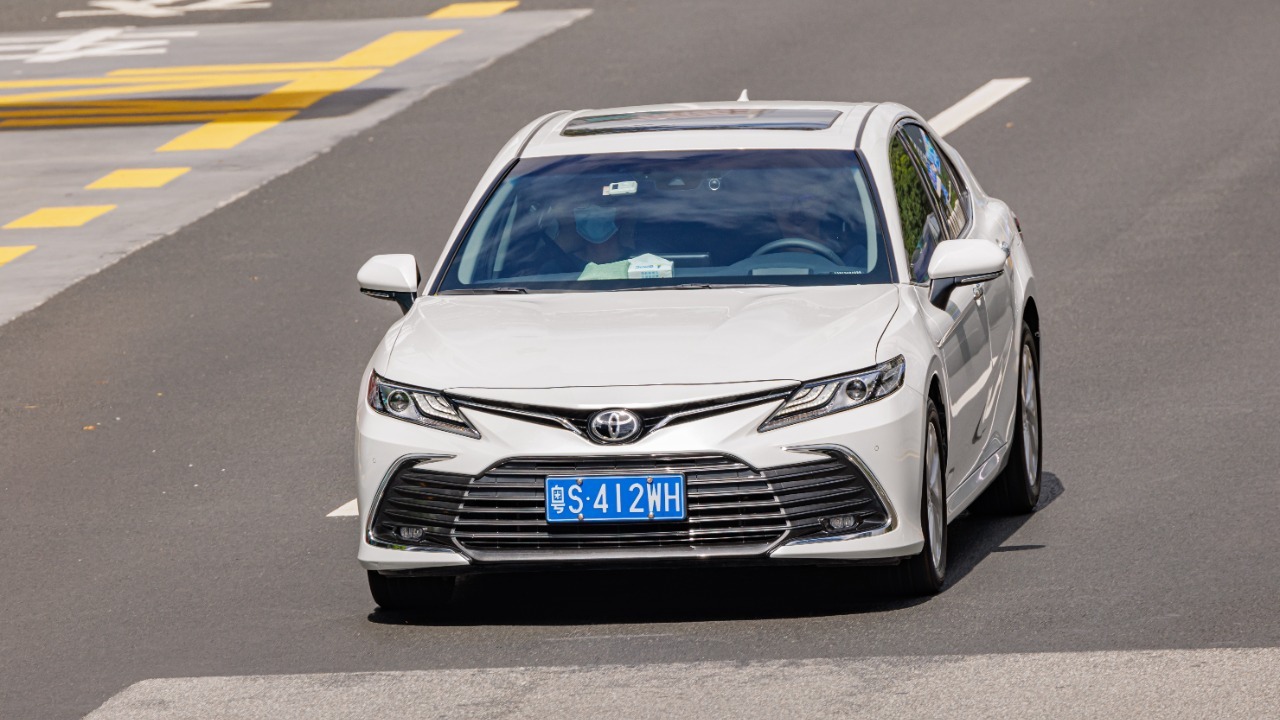
The Toyota Camry is widely respected for maintaining reliability even after decades of use. Toyota focused heavily on engine longevity, especially with its naturally aspirated four-cylinder powertrains, which are known for smooth operation and low mechanical stress. Many Camrys continue operating reliably beyond 250,000 miles with only routine maintenance.
Its suspension and transmission are tuned more for comfort and durability than aggressive performance. This conservative engineering approach reduces wear on critical components over time. Because of this balance between comfort and reliability, the Camry remains one of the safest long-term ownership choices in the midsize sedan market.
Honda Civic
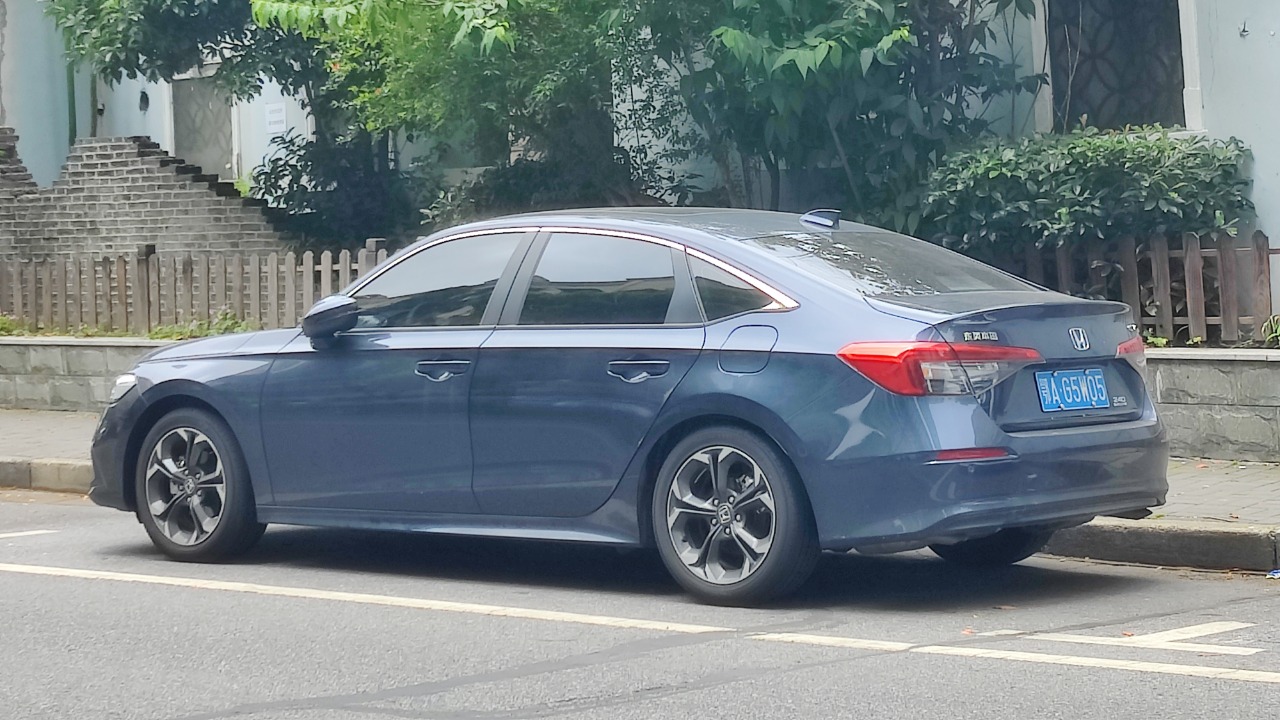
The Honda Civic has become one of the most trusted compact cars for long-distance reliability. Honda engineered the Civic’s engines to handle daily commuting efficiently while maintaining strong durability over hundreds of thousands of miles. Well-maintained examples commonly remain on the road far beyond 300,000 miles.
Its lightweight construction also contributes to long-term reliability by reducing stress on the engine, brakes, and suspension components. Affordable maintenance costs and excellent parts availability further strengthen the Civic’s reputation as a vehicle that can continue running dependably long after many rivals have worn out.
Honda Accord
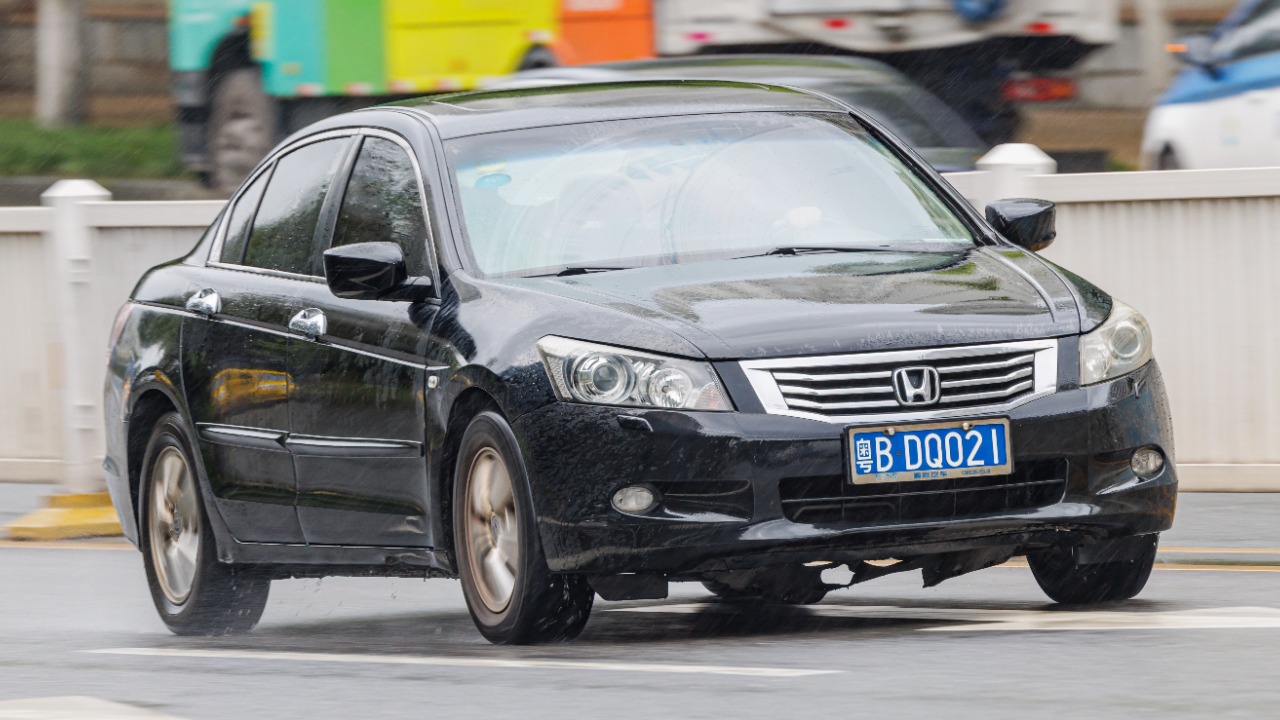
The Honda Accord combines comfort, efficiency, and long-lasting engineering in a package that has remained dependable for decades. Honda designed the Accord’s powertrains for smooth daily operation rather than extreme performance, helping reduce internal engine strain over time. Many Accords continue operating reliably past 250,000 miles with consistent maintenance.
The Accord also avoids excessive complexity in many core systems, which improves long-term dependability. Its durable transmissions, efficient engines, and strong build quality make it one of the most reliable family sedans available for drivers seeking a vehicle capable of surviving years of heavy use.
Toyota Land Cruiser
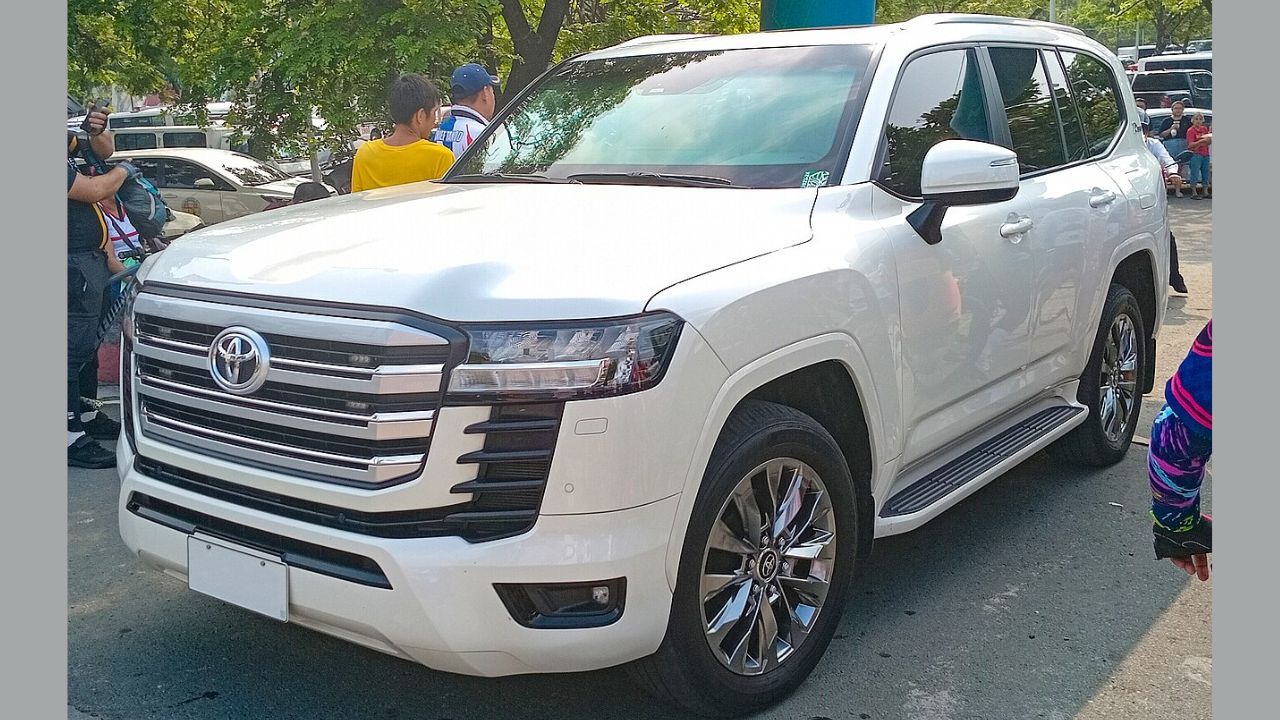
The Toyota Land Cruiser is legendary for surviving extreme mileage and harsh environments. Built with rugged body-on-frame construction and heavy-duty drivetrain components, the Land Cruiser was engineered to handle demanding off-road use, towing, and severe weather conditions without sacrificing reliability.
Its durability has made it a trusted vehicle in remote regions around the world where dependability is critical. Many Land Cruisers exceed 400,000 miles while still maintaining solid mechanical performance. Conservative engineering and overbuilt components allow it to outlast many modern SUVs designed primarily for comfort instead of endurance.
Toyota Prius
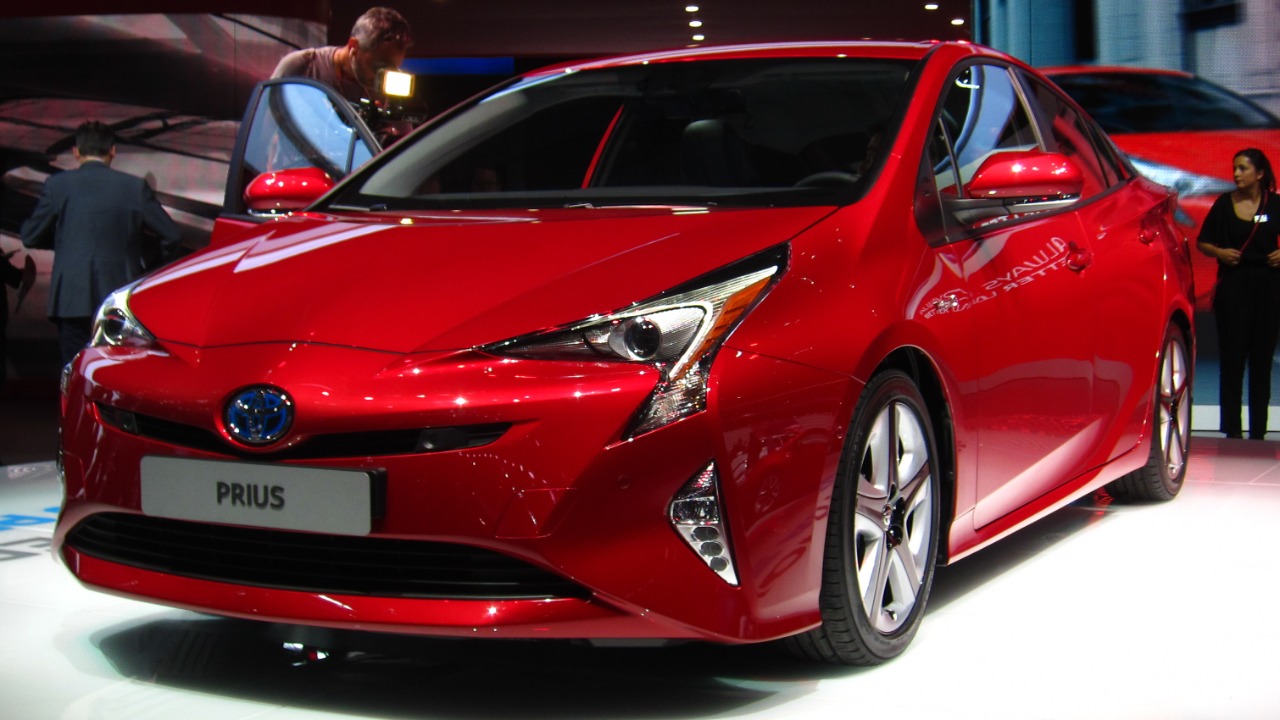
The Toyota Prius proved that hybrid vehicles could achieve exceptional long-term reliability. Its hybrid system intelligently balances gasoline and electric power, reducing strain on the internal combustion engine and helping extend overall drivetrain lifespan. Many Prius models continue operating reliably well past 300,000 miles.
The regenerative braking system also reduces wear on traditional brake components, lowering maintenance costs over time. Despite concerns some drivers initially had about hybrid battery longevity, many Prius owners report original hybrid systems lasting far longer than expected with minimal problems.
Honda CR-V
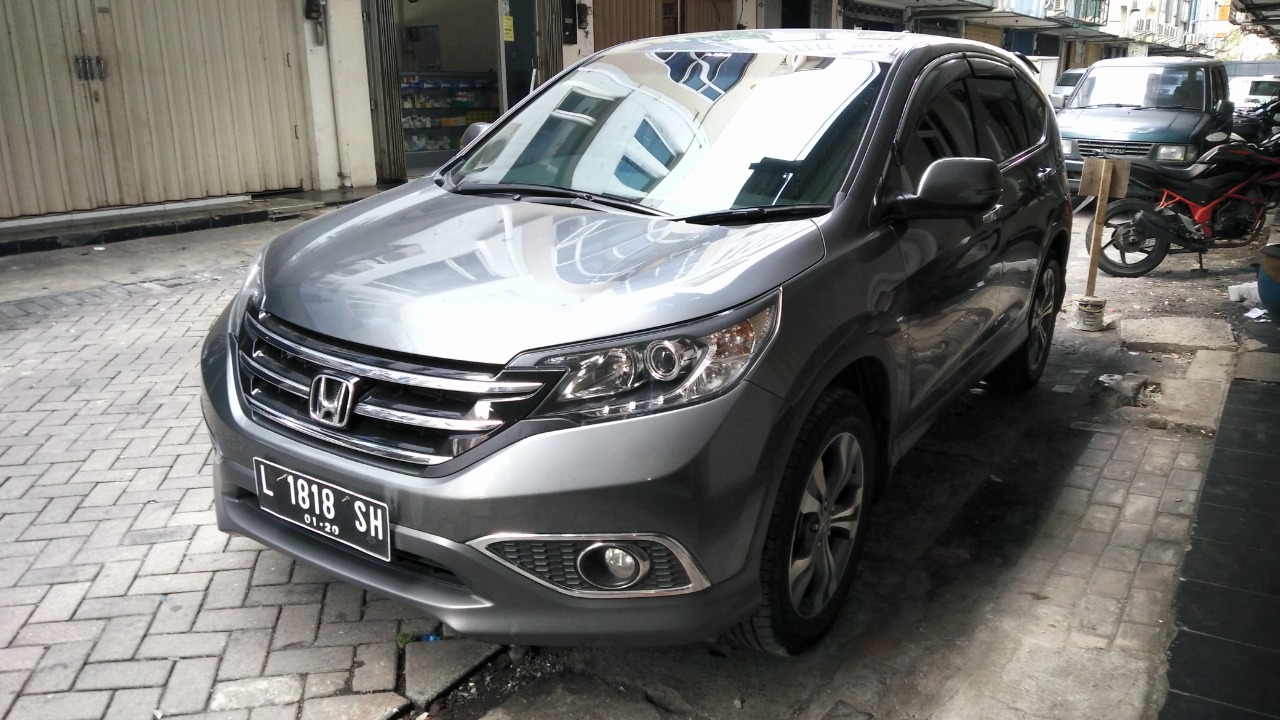
The Honda CR-V is known for delivering dependable performance through years of family use and daily commuting. Honda designed the CR-V’s engines and transmissions for smooth, efficient operation rather than high-output performance, helping reduce long-term mechanical stress on critical components.
Its practical design and relatively simple engineering make repairs easier and more affordable compared to many modern SUVs filled with overly complicated systems. With proper maintenance, many CR-Vs surpass 250,000 miles while continuing to provide strong reliability and low operating costs.
Toyota 4Runner
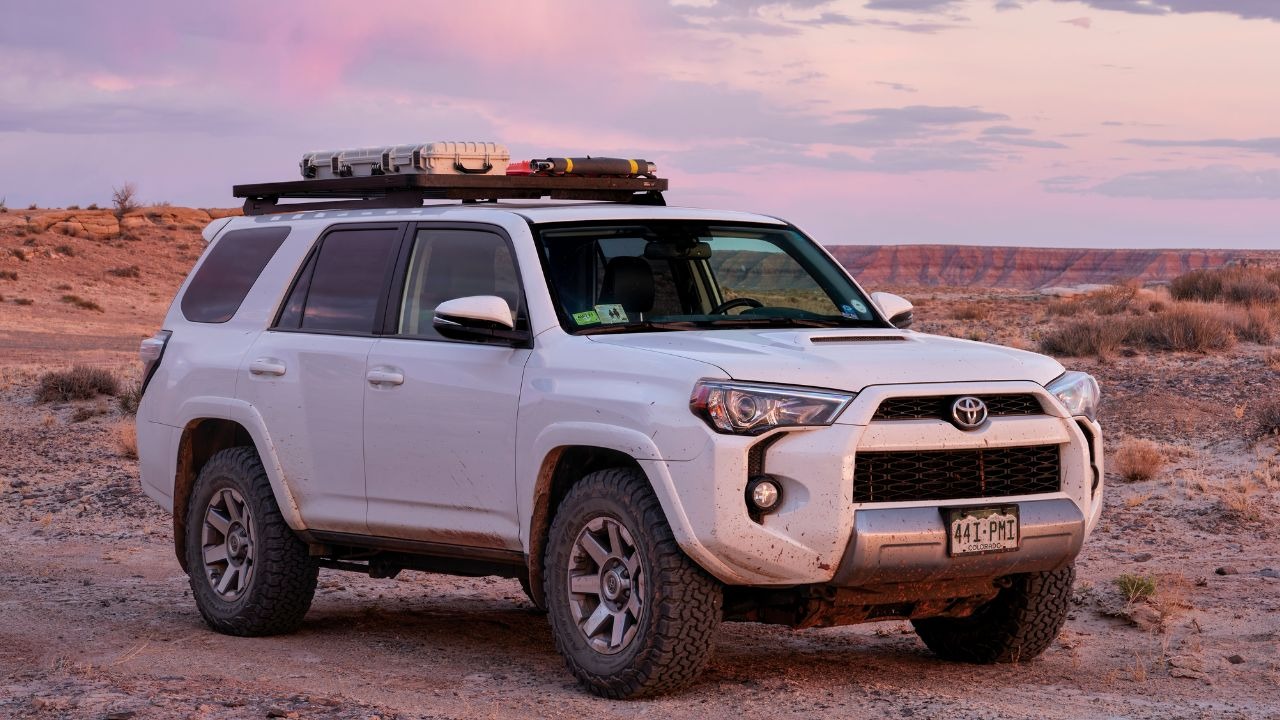
The Toyota 4Runner remains one of the few SUVs still built on a rugged truck-based platform. Its body-on-frame construction and proven drivetrain components allow it to handle years of towing, off-road driving, and rough terrain without suffering major structural wear.
Toyota intentionally kept the 4Runner mechanically conservative, favoring durability over cutting-edge complexity. Many owners report their vehicles remaining dependable beyond 300,000 miles with relatively few major repairs. This long-term toughness has made the 4Runner one of the most respected SUVs for high-mileage ownership.
Lexus LS

The Lexus LS demonstrates that luxury cars can also achieve remarkable longevity when engineered carefully. Built using Toyota’s reliability philosophy, the LS features smooth, low-stress V8 engines and exceptionally high manufacturing standards designed to minimize long-term mechanical wear.
Its interior materials and drivetrain components were engineered for refinement and durability rather than short-term excitement. Even older LS models often retain impressive ride quality and reliability after hundreds of thousands of miles. This combination of luxury and durability makes the LS one of the most dependable premium sedans ever produced.
Mazda MX-5 Miata
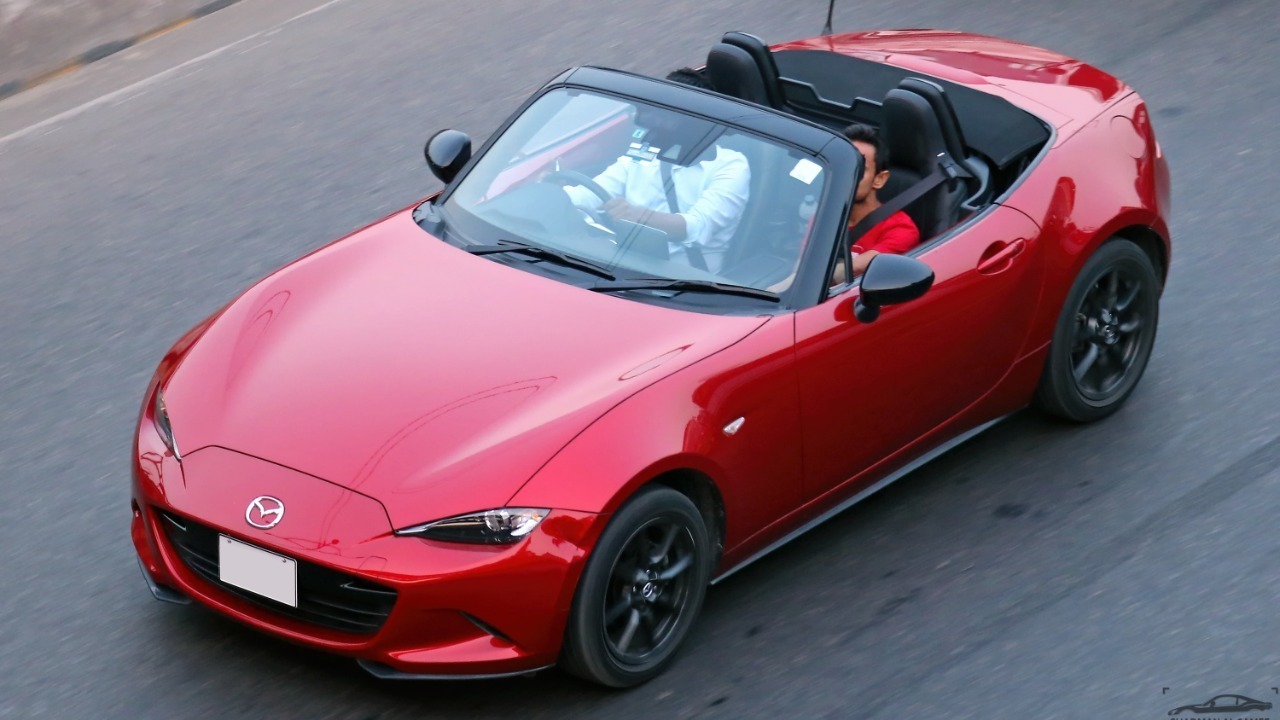
The Mazda MX-5 Miata proves that sports cars can also achieve excellent long-term reliability when built with simplicity in mind. Mazda kept the Miata lightweight and mechanically straightforward, reducing strain on major drivetrain and suspension components over time.
Its naturally aspirated engines are known for durability, especially when maintained properly. Because the Miata avoids unnecessary complexity, owners often experience fewer expensive repairs as mileage increases. Many older Miatas remain on the road today, showing that lightweight engineering and dependable mechanics can create a sports car capable of lasting for decades.
More From Fast Lane Only: