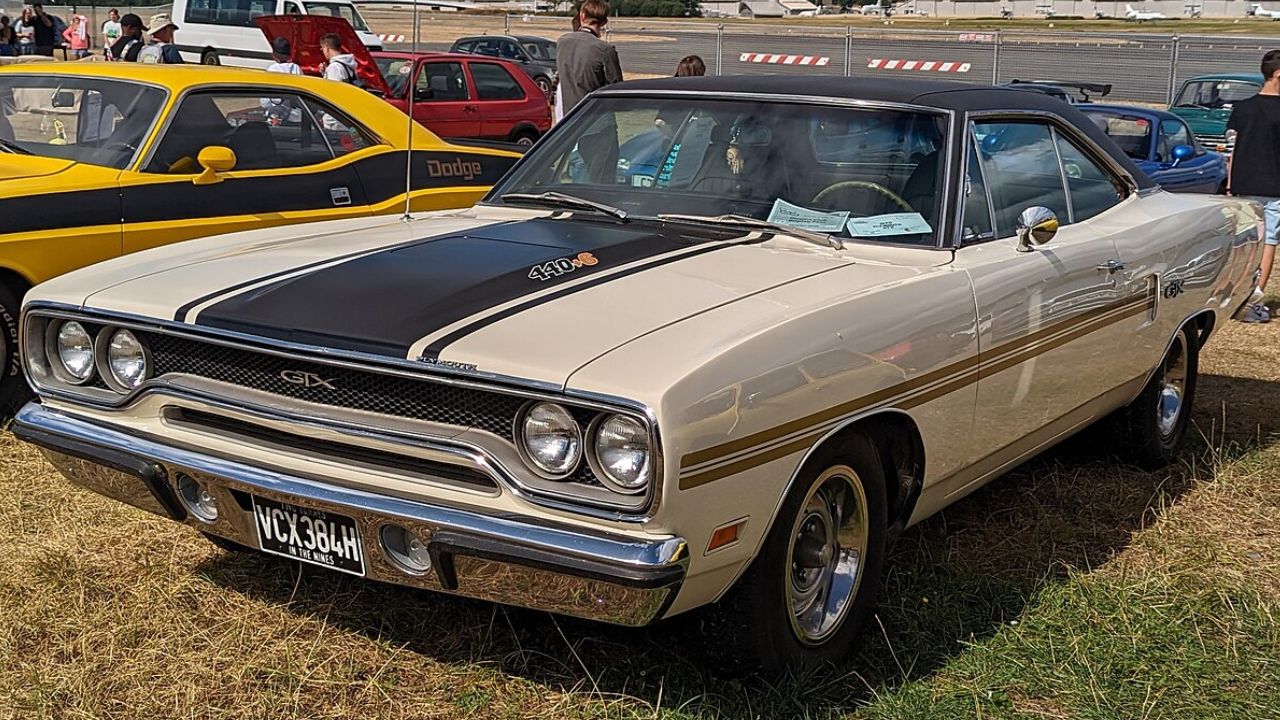
Plymouth helped define the muscle era, yet its greatest hits are often overshadowed by headline names from Chevy SS, Dodge and Pontiac Judge. I see a pattern where collectors chase the obvious heroes while several Plymouth muscle classics quietly trade for less money and attention than their performance and history justify. These five cars show why the brand’s back catalog deserves far more respect.
1970 Plymouth GTX
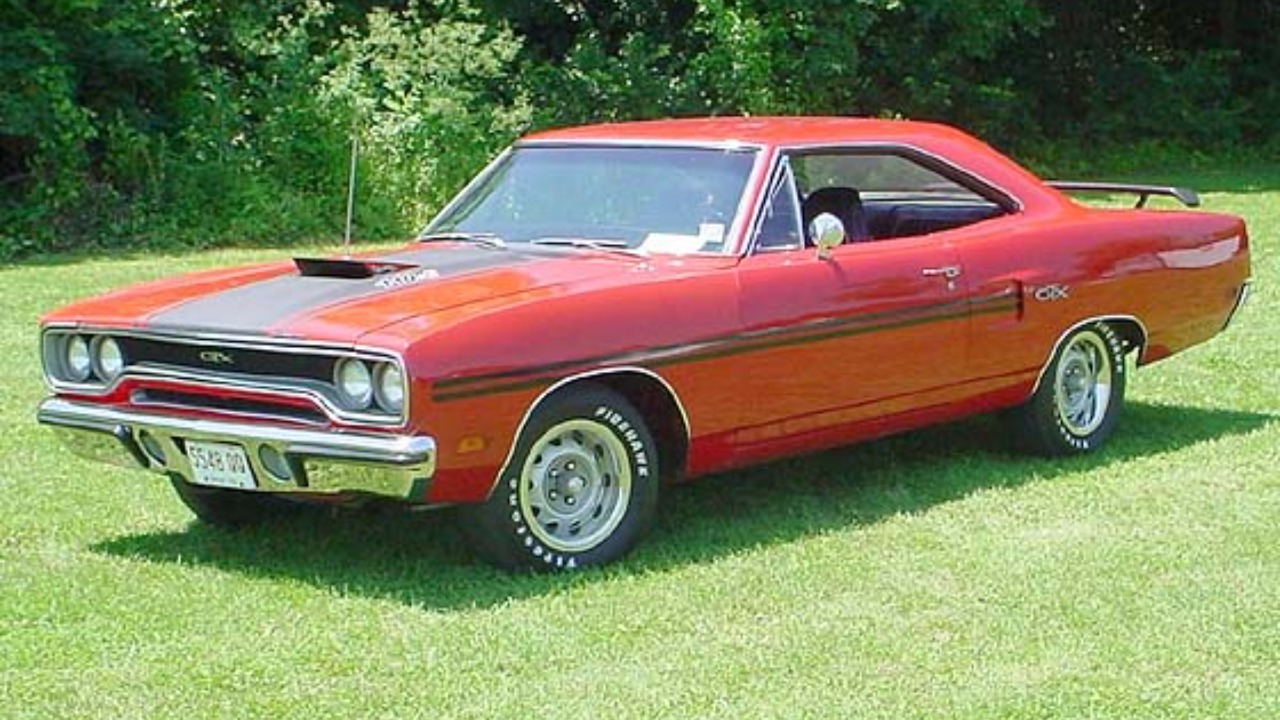
The Plymouth GTX was sold as a premium bruiser, yet it still flies under the radar next to icons like the Chevrolet Camaro and its own Hemi siblings. Contemporary coverage notes that The Plymouth GTX often gets overlooked even though it was the upscale performance model from Plymouth at that time. With big-block power, refined interiors and serious straight-line pace, it offered a blend of comfort and speed that rivals charged extra for.
That positioning matters today because collectors increasingly value muscle cars that can actually be driven long distances. As I see it, the GTX’s combination of luxury trim and authentic Mopar performance makes it a smarter buy than some louder, less usable rivals. When prices for top-tier Hemi cars spike, this model gives enthusiasts a way into the same era and engineering without paying a celebrity premium.
1970 Plymouth Duster 340
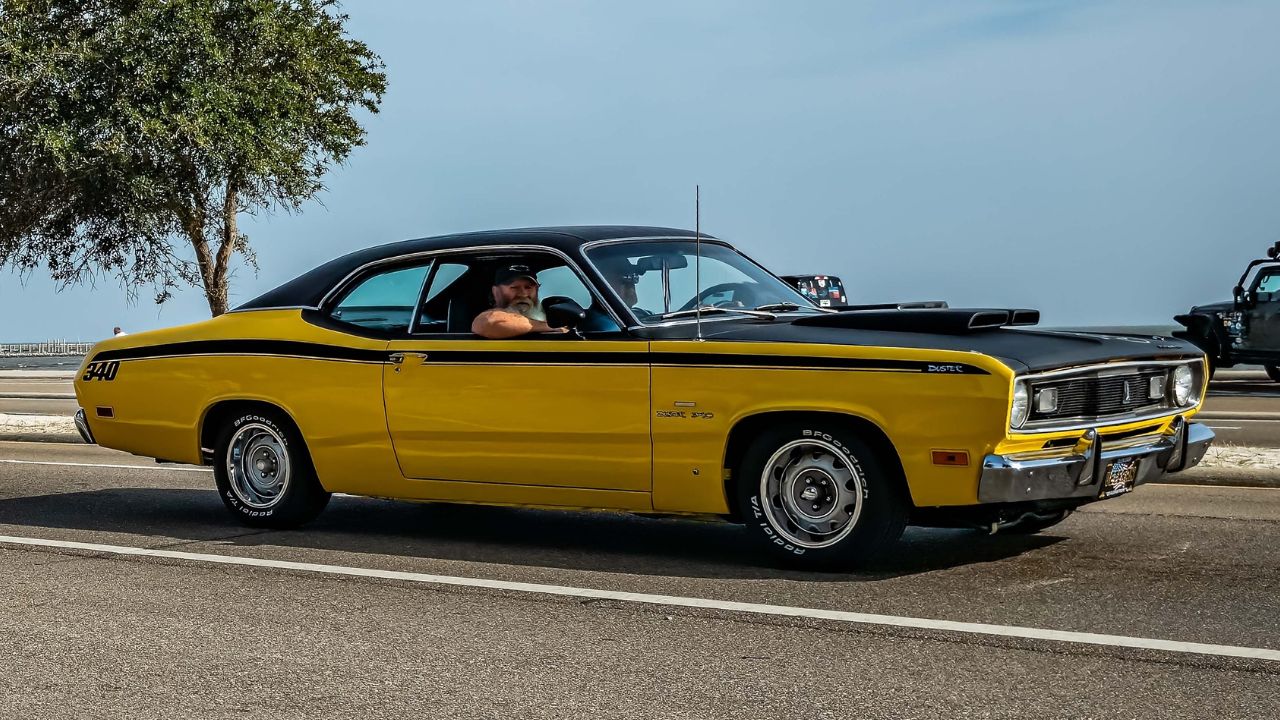
The 1970 Duster 340 has been called “The ’70 Duster 340 Is The Most Underrated Mopar Muscle Car Of All Time Introduced,” a blunt assessment that captures how far its reputation lags behind its capability. Launched as a compact fastback, the Duster packed the high-winding 340 small-block into a lightweight shell, creating a car that could embarrass heavier big-block machines. Reporting on Duster performance repeatedly stresses how much value is still hiding here.
Affordability is a key part of the story. While some muscle cars became unattainable collectibles, the Duster 340 stayed closer to its original mission as a budget street fighter. I find that balance crucial for younger enthusiasts who want real Mopar hardware without museum-level prices. Its underrated status also reflects a broader trend identified in underrated muscle coverage, where top trims and flashy badges hog the spotlight while genuinely quick “junior” models get ignored.
1973 Plymouth Duster 340
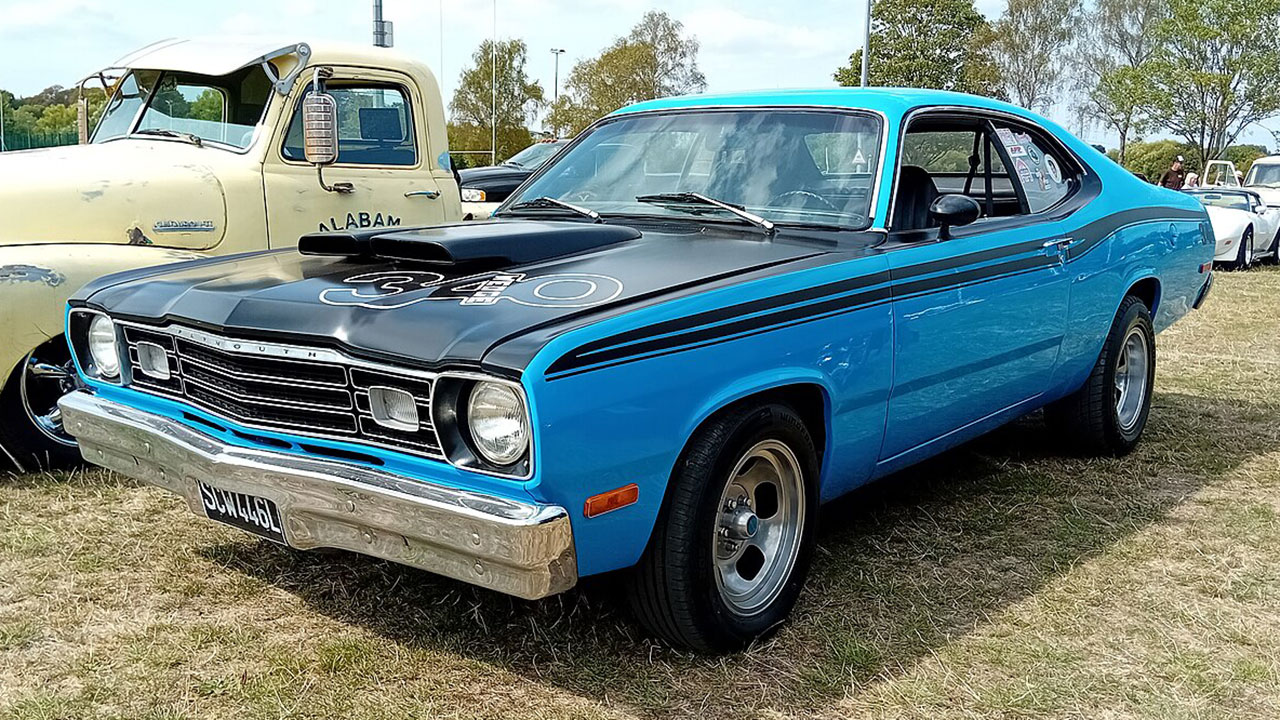
The 1973 Plymouth Duster 340 proved that power did not have to come with a luxury-car sticker price. Reports on the Plymouth Duster emphasize that not all muscle cars came with a hefty price tag and that the 340 package delivered strong acceleration in a practical, compact body. Even as insurance costs and regulations reshaped the market, this later Duster kept the spirit of affordable performance alive.
That legacy matters for today’s buyers who want a usable classic rather than a fragile artifact. I see the 1973 Duster 340 as a bridge between the wildest late 1960s machines and the more restrained performance cars that followed. Its mix of everyday drivability, recognizable styling and genuine 340 power makes it a smart entry point into Plymouth ownership, especially as earlier models climb in value and scarcity.
1966 Plymouth Satellite
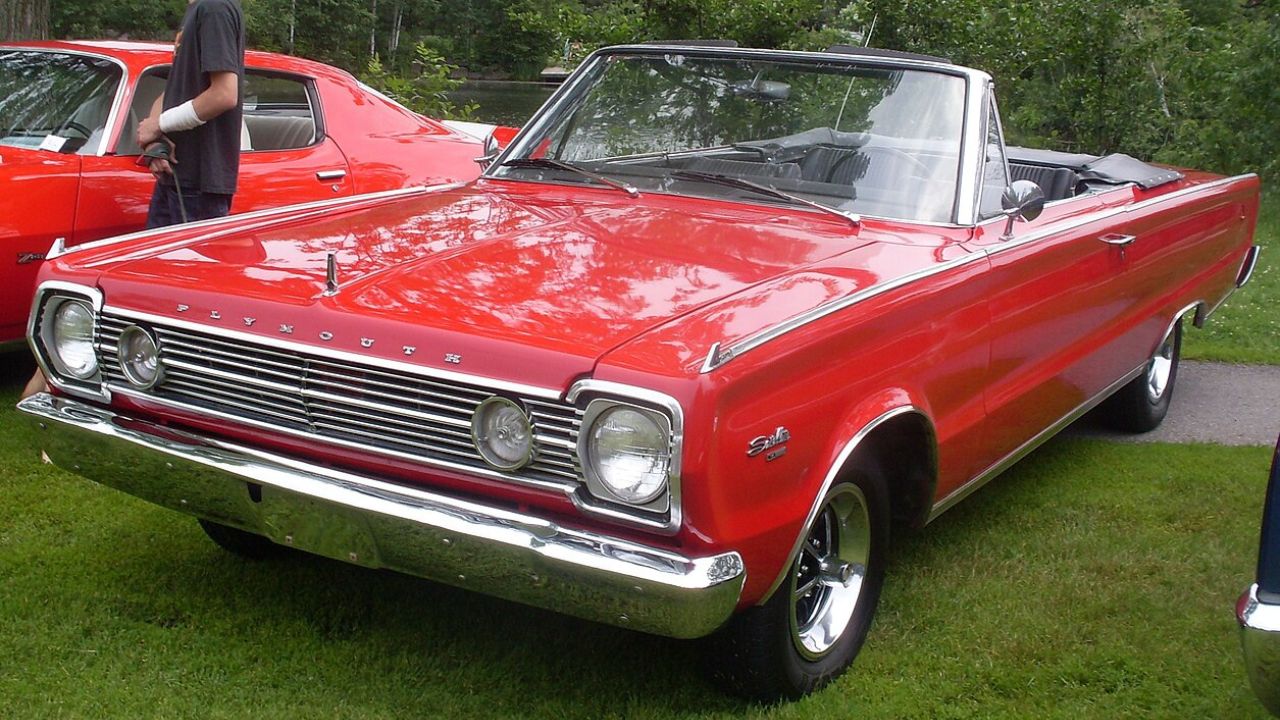
The 1966 Plymouth Satellite was the top trim level of the Belve line, a stylish and powerful mid-size that set the stage for later legends. Enthusiasts highlighting the Plymouth Satellite describe how this model combined sharp lines with serious V8 options, including configurations that previewed later HEMI muscle. Yet in conversations about Plymouth performance, the Satellite is often overshadowed by the Road Runner that followed.
That oversight ignores how important the Satellite was in moving Plymouth into the heart of the muscle market. I view it as the car that proved the brand could wrap real power in a clean, upscale package, not just bare-bones speed. For collectors, that means a chance to own early Mopar performance styling without paying Road Runner premiums, while still enjoying the same basic chassis and engine architecture that made the later cars famous.
1970 Plymouth GTX 426 Hemi
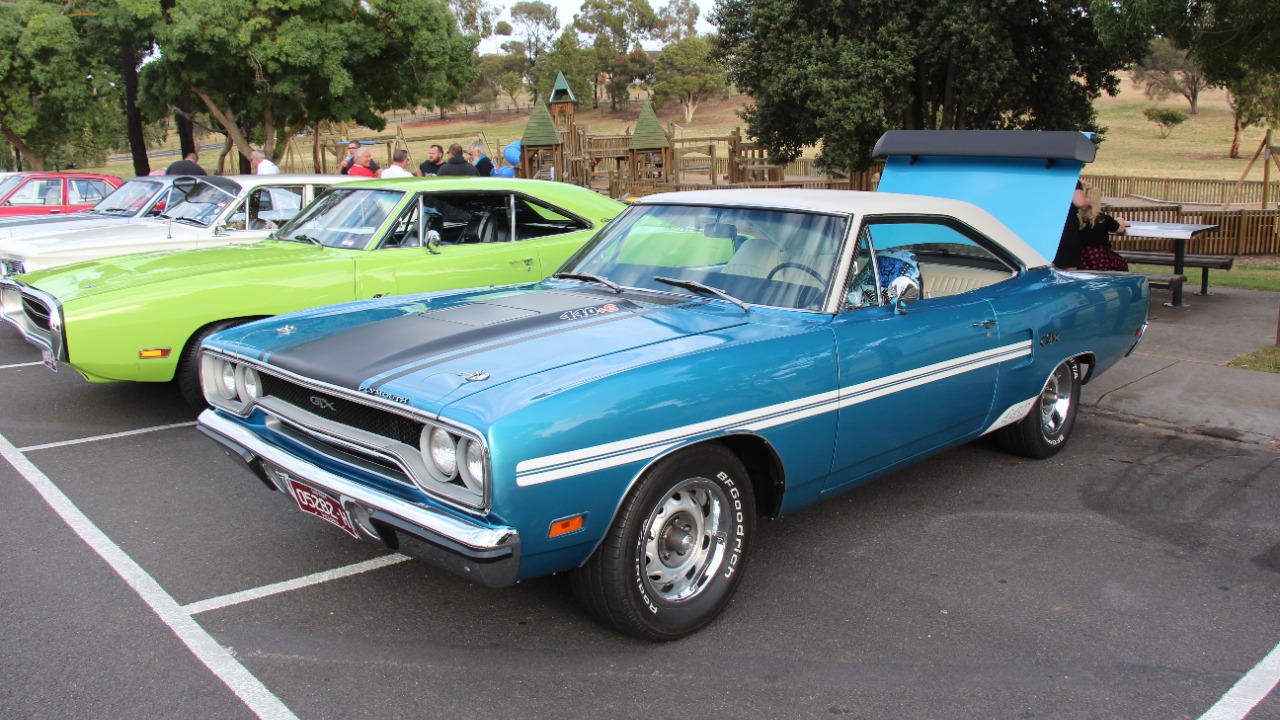
The 1970 Plymouth GTX with the 426 Hemi represents the most extreme expression of Plymouth’s luxury muscle formula, yet it still does not command the cultural attention of some rivals. In enthusiast discussions that pit a 1970 Plymouth GTX against a 1973 Plymouth Barracuda or a 1969 Plymouth Hemi Road Runner, the Plymouth GTX with 426 Hemi engine details is often treated as the connoisseur’s choice rather than the obvious pick. That perception keeps values and visibility lower than the performance might suggest.
With the legendary Hemi under the hood, this GTX delivered the kind of straight-line force that defined Mopar at its peak. I see its relative obscurity as a direct result of how Plymouth Barracuda and other halo cars dominate shows and auctions. For serious enthusiasts, that creates an opportunity: the 1970 GTX 426 Hemi offers top-tier hardware and rich history in a package that still, inexplicably, has to ask for the respect it deserves.
More from Fast Lane Only